博客

  • BNSI urges workers to embrace AI

    BNSI urges workers to embrace AI

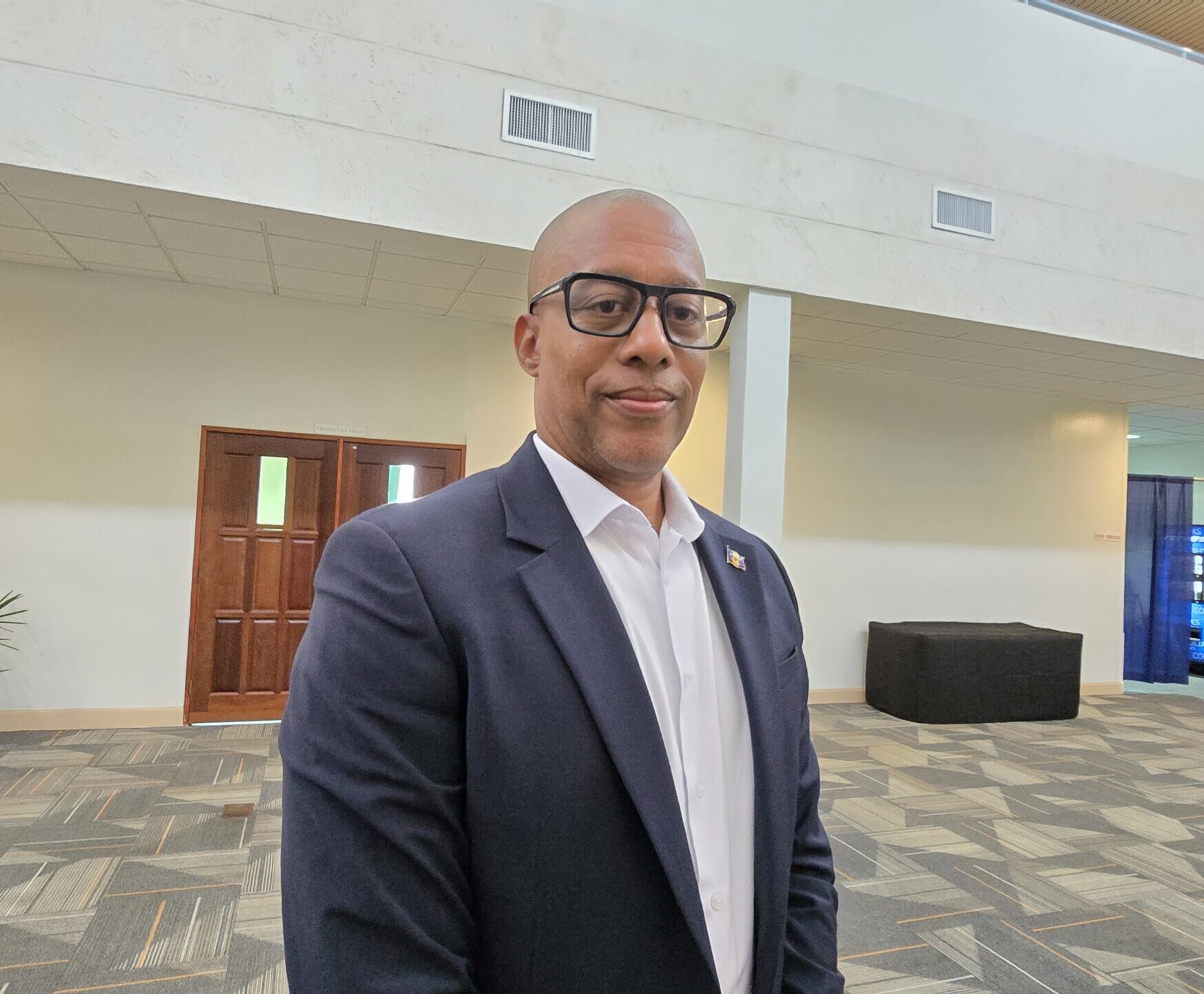
    As artificial intelligence reshapes workplaces across every global sector, the Barbados National Standards Institution (BNSI) is sounding a clear call to action: local workers and businesses that delay integrating AI and updating their change management frameworks risk falling permanently behind in an increasingly competitive digital economy. BNSI director Haydn Rhynd emphasized in an address to the Barbados Association of Administrative Professionals conference on Wednesday that the Caribbean nation simply cannot afford to put off embracing this transformative technology.

    Speaking exclusively to Barbados TODAY on the sidelines of the event, Rhynd acknowledged that widespread anxiety around AI’s impact on employment is common among the island’s workforce. Many workers, he noted, already grapple with internal fear of the unknown, with common concerns ranging from self-doubt about digital literacy to questions about whether they need full retraining to keep up, or even age-related anxiety about learning new systems. This tendency to view organizational and technological change as an inherently threatening force, he said, is the biggest barrier to widespread AI adoption on the island right now.

    Contrary to popular narratives that AI will eliminate millions of jobs, Rhynd argued that the technology is transforming existing roles rather than erasing them entirely. Workers that choose to embrace the shift rather than resist it will not only stay relevant in the evolving job market – they will gain a competitive edge that allows them to lead their fields. By learning to leverage AI tools to handle repetitive, mundane tasks, employees free up valuable time and mental bandwidth to focus on high-value work that relies on uniquely human skills like creativity, critical thinking, and interpersonal connection. This, Rhynd stressed, makes the current era of rapid technological change a fantastic opportunity rather than an unprecedented threat.

    To help local businesses and workers navigate this transition smoothly, BNSI has developed a comprehensive set of industry-specific change management standards designed to lower barriers to AI adoption. Beyond the standardized frameworks, the institution also offers hands-on training support tailored to organizations of all sizes and sectors. These training sessions walk participants through the fundamentals of working with AI, helping teams select the right tools for their specific operational needs and demystify the process of integration. Rhynd reported that growing numbers of previously reluctant Barbadian organizations are now recognizing the urgency of action, with more stakeholders than ever coming to the conclusion that inaction on AI is no longer a viable option.

    However, Rhynd also issued a critical caution for businesses rushing to integrate AI: the shift to the technology requires equal attention to strengthening cybersecurity and data protection protocols. Widespread questions remain around confidentiality, with many leaders unsure what types of internal information is safe to share with public AI tools, and how to build secure processes for data handling. To address this gap, BNSI also offers targeted standards to guide organizations through the process of building robust data protection frameworks that mitigate risk while still allowing them to benefit from AI capabilities.

    Pointing to the accelerating pace of AI innovation, Rhynd noted that the technology has already proven adaptable to virtually every sector of the global economy. From healthcare and food production to manufacturing, agriculture, finance, and general business operations, AI can deliver efficiency gains and productivity improvements across every part of Barbados’ economy. No industry can afford to write off AI as irrelevant to their work, he added, urging all stakeholders to move quickly to position the island for success in the AI-driven future.

  • David Collado and Leah Campos tour historic sites in the Colonial City

    David Collado and Leah Campos tour historic sites in the Colonial City

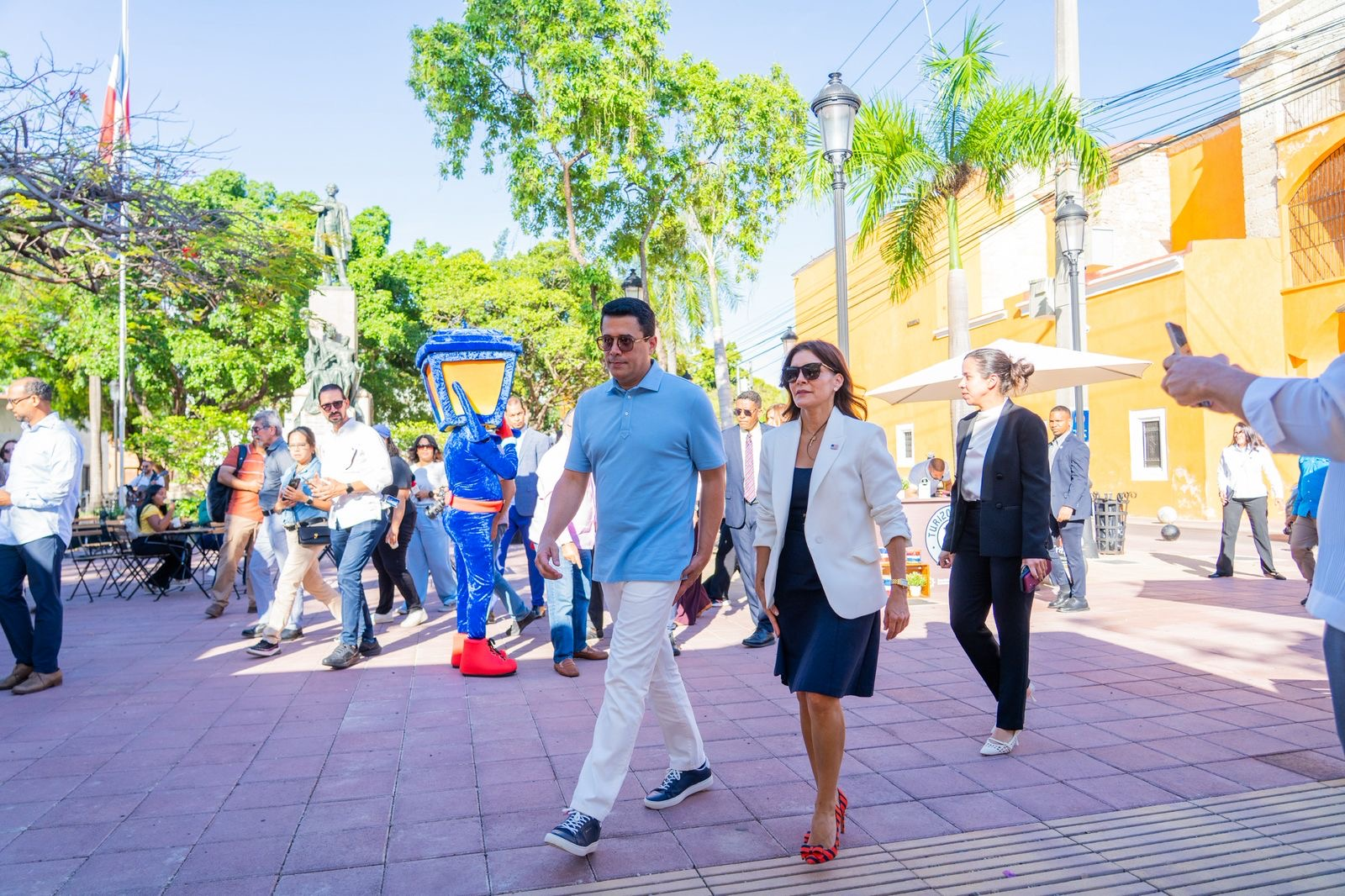
    On Thursday, a joint site visit led by Dominican Republic Tourism Minister David Collado and U.S. Ambassador to the nation Leah Castillo put a much-needed spotlight on the Colonial City, one of the country’s most culturally rich yet underpromoted heritage destinations, as part of a broader push to boost cultural tourism draw. The walking tour kicked off at Parque Duarte, where local producers and artisans had set up immersive displays showcasing the breadth of Dominican-made goods and handcrafted creations. During their stop at the park, both senior officials got a first-hand taste of local culture, sampling popular traditional chilled treats and fresh coconut water, while admiring intricately designed handcrafts fashioned from two of the region’s most iconic natural stones: amber and rare blue larimar.

    After wrapping up their time at Parque Duarte, the official delegation made their way through a curated route of the Colonial City’s most iconic and historically significant landmarks. The 16th-century walled district, which is a designated UNESCO World Heritage Site and the oldest continuously occupied European settlement in the Americas, currently draws approximately 8% of all international tourists that visit the Dominican Republic each year, a figure tourism officials hope to grow through targeted promotion and infrastructure investment. The tour itinerary included stops at famous pedestrian corridors Calle Billini and Calle Isabel la Católica, the historic Convento de los Dominicos, public gathering spaces Plaza Tirso de Molina, Plaza de España and Plaza San Antón, the centuries-old Iglesia Las Mercedes, and the Museo Fortaleza de Santo Domingo, a former military fortress that now houses exhibits tracing the capital’s colonial and post-independence history.

    The joint visit comes as the Dominican Republic works to expand its tourism product beyond the sun-and-beach getaways that have long been the country’s main tourist draw, highlighting cultural and heritage travel as a key growth area that can attract longer-staying, higher-spending visitors while supporting local artisans and small businesses. Collaboration between the Dominican tourism sector and U.S. diplomatic officials also aims to strengthen bilateral ties through people-to-people cultural exchange, and encourage more U.S. travelers, who make up the largest share of the country’s international visitors, to explore the Colonial City’s unique offerings.

  • PAHO waarschuwt voor stijging mazelengevallen en roept op tot vaccinatie

    PAHO waarschuwt voor stijging mazelengevallen en roept op tot vaccinatie

    A sharp, sustained surge in measles infections across the Americas has spurred the Pan-American Health Organization (PAHO) to issue an urgent call for regional governments to ramp up immunization campaigns, as 2026 case counts have already outpaced the total number recorded across the entire previous year. The public health warning comes just ahead of the upcoming Americas Vaccination Week, scheduled to run from April 25 through May 2, an initiative that aims to deliver nearly 90 million vaccine doses across the region, including catch-up inoculations for more than 7.2 million children who have missed routine vaccinations.

    PAHO Director Jarbas Barbosa acknowledged that the Americas has made landmark progress in public health immunization over recent decades: the region was the first in the world to successfully eliminate both polio and rubella, and overall routine vaccination coverage has now rebounded fully to pre-COVID-19 pandemic levels. Despite these wins, critical gaps in coverage leave the region vulnerable to preventable disease outbreaks. Data from 2024 shows that coverage for the first dose of the combined measles, mumps and rubella (MMR) vaccine stood at 89%, while coverage for the required second dose reached only 79%. Coverage for diphtheria, pertussis and tetanus (DPT) vaccines hit 87% in the same year, but more than 1.4 million children in the region remain completely unvaccinated against all routine preventable diseases.

    Measles represents the most pressing immediate public health threat, according to PAHO data. In 2025, nearly 14,800 confirmed measles cases were reported across 13 countries in the region—an over 30-fold increase compared to case counts recorded in 2024. This alarming upward trend has continued into 2026: by early April of this year, more than 15,300 cases had already been confirmed, surpassing the entire 2025 total before the year is even halfway over.

    While the majority of global measles cases still occur outside the Americas, the region’s share of the global caseload is rising rapidly. In the first three months of 2026, the Americas accounted for 21% of all measles cases reported worldwide.

    PAHO officials stress that measles is far from a harmless childhood illness. The viral infection can cause severe, life-altering complications including pneumonia, encephalitis, and permanent blindness, and can be fatal for vulnerable groups including young children and immunocompromised people. In 2025, roughly 13% of all confirmed measles patients in the region required hospital admission, and the overwhelming majority of these severe cases occurred among unvaccinated people.

    Contrary to common assumptions, PAHO says the root of the current measles resurgence is not a lack of available vaccines, but persistent barriers to reaching unvaccinated populations. Multiple obstacles contribute to the gap: widespread misinformation about vaccine safety, low public perception of measles risk, and limited access to routine healthcare services in marginalized and underserved communities all keep vaccination coverage below the required threshold.

    To stop ongoing outbreaks and prevent large-scale resurgence, PAHO emphasizes that regions need to maintain at least 95% coverage of two doses of measles-containing vaccine. Barbosa warned that even a single confirmed case can spark a widespread community outbreak if coverage falls below this critical threshold.

    To support regional governments in addressing the crisis, PAHO is providing practical assistance including improved disease surveillance systems, rapid response support for active outbreaks, and expanded access to vaccines through joint regional procurement mechanisms. Barbosa framed the effort to eliminate measles as a collective public responsibility, noting that “Vaccination is not just an individual choice, it is an act of solidarity. We brought measles under control before, and we can do it again.”

  • Climate experts say hotter, drier days ahead

    Climate experts say hotter, drier days ahead

    Leading regional climate research institutions have issued an urgent warning that the Caribbean region is likely to face two consecutive years of unusually high temperatures and prolonged dry conditions, driven by a strengthening El Niño event that raises the likelihood of widespread drought, public health risks, and far-reaching economic fallout. The joint alert comes from two leading regional bodies: the Caribbean Institute of Meteorology and Hydrology (CIMH) and the Climate Studies Group Mona at the University of the West Indies. Both organizations are calling on every sector of society, from national governments and private businesses to small-scale farmers and individual households, to launch immediate preparedness measures to mitigate potential damage.

    Climatologist Cedric Van Meerbeeck explained that current long-range forecasts point to extended periods of below-average rainfall paired with sustained spikes in temperature and humidity across much of the region. This combination of conditions does not only put severe pressure on already strained freshwater supplies; it also threatens to undermine agricultural output and create measurable risks to public human health.

    Looking at historical climate patterns, major El Niño events have repeatedly triggered extreme, long-lasting drought across the Caribbean. Notable examples include the severe dry spells recorded in 2009–2010 and again in 2014–2016. Experts emphasize that Eastern Caribbean nations, which are already struggling with ongoing dry conditions, face a particularly challenging outlook: water reserves may recover far more slowly than usual even once the annual wet season gets underway.

    Beyond the immediate threat of drought, the region is bracing for a cascade of overlapping climate hazards. Extreme heat events will increase the risk of uncontrolled wildfires across dry landscapes, while marine heatwaves threaten to trigger widespread coral bleaching that can permanently damage fragile Caribbean marine ecosystems that underpin tourism and fishing industries.

    University of the West Indies professor Michael Taylor, a leading climate researcher in the region, warned that current forecasts point to the emergence of what he termed a “multi-hazard regime”. In this scenario, heat, drought, and marine climate impacts do not occur in isolation; they overlap and amplify each other, creating more severe risks than any single hazard would pose alone. Taylor stressed that these compound extreme events pose an existential threat to the livelihoods of millions of Caribbean residents, and require coordinated, cross-border collective action to address effectively.

    While El Niño is historically linked to a less active Atlantic hurricane season, climate specialists are quick to note that hurricane risk has not been eliminated entirely. Even a single intense storm or a short period of extreme rainfall can cause catastrophic damage to Caribbean communities, as demonstrated by past destructive events including Hurricane Andrew and Tropical Storm Erika.

    The potential impacts of this El Niño event extend far beyond immediate weather-related disruption. Reduced rainfall and higher average temperatures will place additional strain on already vulnerable water and energy infrastructure, cut into expected agricultural yields, and exacerbate public health risks — ranging from a rise in heat-related illnesses to growing challenges maintaining safe drinking water quality across the region.

    Wider economic ripple effects are also already on the horizon. Climate-driven disruptions are already altering key global trade routes that the Caribbean depends on, most notably the Panama Canal, where ongoing drought conditions have forced restrictions on shipping traffic. These disruptions are expected to trickle down to Caribbean supply chains, driving up the cost of imported goods for local consumers.

    Climate specialists say that ongoing monitoring of evolving conditions remains critical, noting that the accuracy of El Niño projections typically improves significantly starting in May. Updated, detailed guidance will be presented at the upcoming Caribbean Climate Outlook Forum, where regional climate specialists will share refined projections ahead of the annual wet and hurricane seasons.

    Regional officials reiterated that early public awareness and proactive preparedness will be the most critical factors in reducing the potential damage that this developing climate pattern could inflict on communities across the Caribbean.

  • Treasury Names Former Government Employees, Calls on Them to Make Contact Over Outstanding Matters

    Treasury Names Former Government Employees, Calls on Them to Make Contact Over Outstanding Matters

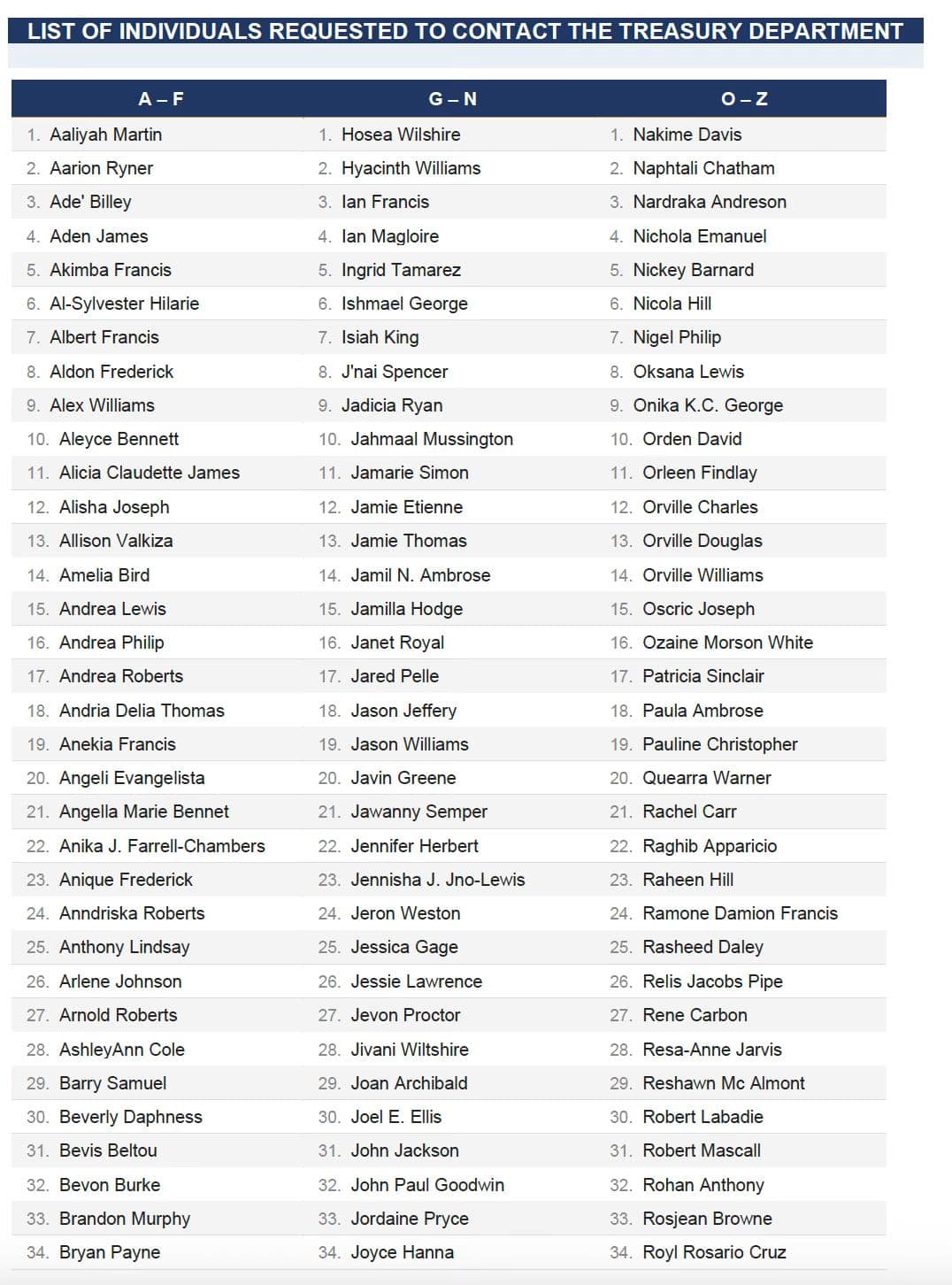
    ST. JOHN’S, Antigua and Barbuda – April 23, 2026 – The Treasury Department under Antigua and Barbuda’s Ministry of Finance and Corporate Governance has issued a formal public service announcement reaching out to hundreds of former government employees who have unresolved administrative matters requiring immediate attention.

    In line with the department’s mandate to uphold transparent, efficient management of public funds, the notice urges all individuals named on the published list to connect with the Treasury Department Helpdesk as quickly as possible. The announcement also requests members of the public who have information about the current location or contact details of any listed person to share that information with the helpdesk to speed up the resolution process.

    To complete the required outreach, individuals must submit specific documentation when contacting the helpdesk: a clear, legible copy of a valid government-issued photo ID – which may include a national identification card, passport, or driver’s license – along with full name, updated active contact number, and official confirmation of the government ministry or agency where they held their last public sector position.

    The published roster of individuals requiring follow-up spans more than 300 names, ranging from Aaliyah Martin and Aarion Ryner to Zachrias Fritz and Zamicha O’Garro, covering every letter of the alphabet. The Treasury Department has not released specific details about the nature of the outstanding matters for each individual, citing standard administrative privacy protocols, but emphasized that prompt response from all listed people is critical to ensuring proper stewardship of government finances and closing out legacy personnel and financial records.

    “This public notice aligns with our core responsibility to maintain full accountability for public resources,” a department spokesperson noted in a preamble to the announcement. “We encourage any person on this list, or anyone who can help connect us to them, to cooperate as soon as possible to resolve these outstanding items without delay.”

    The announcement was formally issued by the Treasury Department on April 23, 2026, and distributed through official government communication channels to reach as many affected individuals and their connections as possible.

  • Berger Paints closes plant, 44 jobs lost

    Berger Paints closes plant, 44 jobs lost

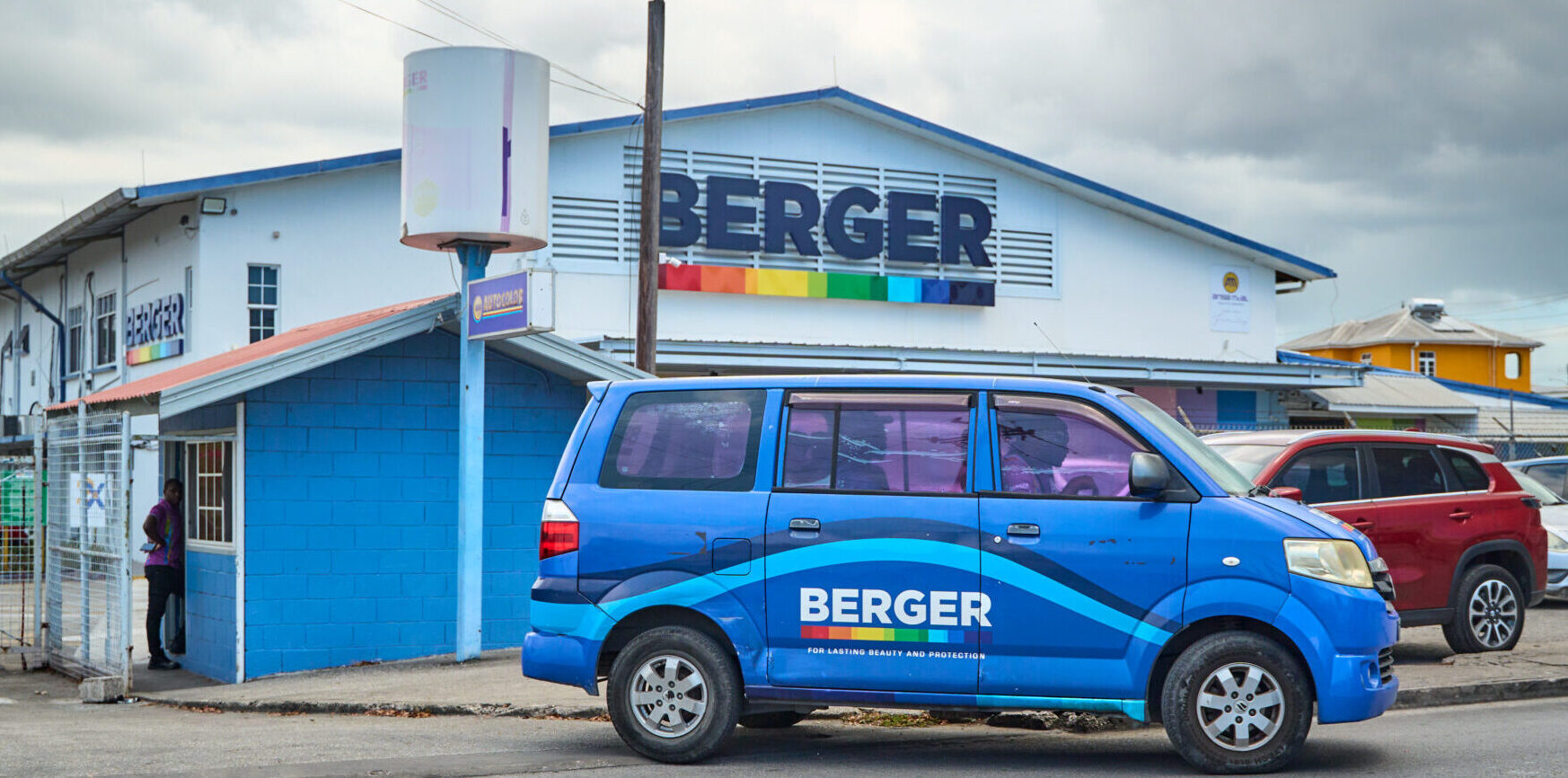
    A decades-long chapter of local paint manufacturing in Barbados is drawing to a close this week, as Berger Paints prepares to shutter all its local production, warehouse, retail and administrative facilities on Friday, putting 44 long-tenured employees out of work. While the company will continue selling its branded products through local retail partners, all manufacturing operations will be relocated to other sites across the Caribbean region. The company publicly confirmed its restructuring plan Wednesday, confirming the full scope of facility closures tied to its transition to a third-party distribution model.

    For the affected workers, many of whom have spent well over a decade building their careers with the firm, the sudden shift has brought devastating uncertainty and financial upheaval, according to Toni Moore, who serves both as a Member of Parliament and General Secretary of the Barbados Workers’ Union (BWU), the union representing the displaced employees. Moore noted that the average tenure of workers at the Berger Barbados plant ranges between 10 and 15 years, meaning most employees have structured their entire lives and livelihoods around steady employment at the company. Even though many are still within working age, their mid-career status makes a sudden job search particularly daunting, she added, and the unanticipated loss of long-term employment has taken a heavy emotional and psychological toll on workers who dedicated years of service to the brand.

    The controversy around the closure first emerged when the company announced its restructuring plans back in February, prompting immediate pushback from labor leaders and government officials over the alleged failure to follow legally mandated consultation processes. Barbados’ Minister of Labour Colin Jordan raised early concerns that the company had already finalized its decision to close the plant before starting required consultations with the Ministry of Labour and the workers’ union. Under Barbadian law, companies planning mass redundancies are required to conduct a six-week consultation period with affected stakeholders, and legal precedent mandates that these discussions must be substantive rather than procedural. Jordan argued that it is impossible to hold meaningful consultations when the final decision has already been made and is non-negotiable, adding that the pre-determined outcome undermines the entire process set out in national labor law.

    The Congress of Trade Unions and Staff Associations of Barbados (CTUSAB) has joined the BWU in condemning the decision, calling for a formal investigation over allegations that workers’ legal rights have been violated throughout the restructuring process. CTUSAB General Secretary Dennis Depeiza emphasized that the incident exposes critical gaps in labor regulation enforcement in the country, calling for a full review of existing oversight mechanisms under the national Employment Rights Act. Depeiza argued that stronger enforcement is needed to ensure companies comply with mandatory consultation procedures when planning business closures that result in mass layoffs, to prevent employers from cutting corners at the expense of workers’ rights.

    Moore also echoed widespread public concern over the company’s post-closure business model, noting that Berger Paints will continue to generate revenue from sales in Barbados even as it eliminates all local manufacturing jobs. Currently, the company has arrangements in place to keep its products on local shelves through retail partners including Carters (operating via Blades and Williams) and Ace H&B Hardware, with all production moving to regional facilities outside Barbados. As labor groups continue to push for accountability, questions remain about whether the company followed all legal requirements for the closure, and what support will be provided to the dozens of workers who lost their livelihoods this week.

  • Directeur VKI  stapt op na conflict met Raad van Toezicht

    Directeur VKI stapt op na conflict met Raad van Toezicht

    In a sudden development breaking on April 23, Juliette Colli-Wongsoredjo, the founding and long-serving director of Suriname’s Fisheries Inspection Institute (Viskeuringsinstituut, VKI), has stepped down from her role with immediate effect. The decision, outlined in an official letter addressed to Suriname’s Minister of Agriculture, Livestock and Fisheries Mike Noersalim, stems from what Colli-Wongsoredjo describes as an unworkable dynamic with the VKI’s Supervisory Council.

    At the core of the conflict is a fundamental disagreement over institutional policy direction and the legal division of responsibilities between the institute’s executive management and the Supervisory Council. According to Colli-Wongsoredjo, these divergent perspectives have eroded working relations between the two bodies, creating a dysfunctional environment that prevents effective leadership.

    Tensions escalated dramatically after the secretary of the Supervisory Council made what Colli-Wongsoredjo calls unsubstantiated and unjust claims about VKI’s policy operations. These unvetted allegations were distributed to high-level stakeholders including the President of Suriname, Minister Noersalim, and multiple sector-wide industry organizations. Critically, Colli-Wongsoredjo notes that neither the Supervisory Council nor the minister has publicly disavowed these damaging statements. In her letter, she emphasizes that the unchallenged claims have harmed her personal reputation and professional integrity, making it impossible for her to continue fulfilling her leadership duties in a responsible manner.

    Colli-Wongsoredjo has led the VKI since its establishment in 2007, and in her resignation letter she highlights key institutional achievements under her tenure. She notes that throughout her leadership, Suriname has retained full international recognition for its fisheries regulation and management systems. Most notably, she confirms that the country has repeatedly passed European Union audits, avoiding placement on the EU’s blacklist for unregulated fisheries products — a critical outcome for Suriname’s fisheries export sector.

    Following her announcement, Colli-Wongsoredjo has formally requested Minister Noersalim issue formal instructions to facilitate an orderly handover of her institutional responsibilities to a successor.

  • Granman Matuariërs slaat alarm over illegale activiteiten in Matawai-gebied

    Granman Matuariërs slaat alarm over illegale activiteiten in Matawai-gebied

    On April 23, Lesley Valentijn, the paramount chief of the Matuari people, has formally notified the Surinamese government of rampant, unregulated illegal activity across the Matawai region, with the most severe violations occurring in the community’s protected forest reserve and along the upper banks of the Boven-Saramacca River.

    In an official correspondence addressed to Harish Monorath, Suriname’s Minister of Justice and Police, the traditional governing authority reported that it has received consistent, multiple reports of unauthorized incursions over recent months. Outside actors are entering the restricted community territory without the explicit consent of the Matawai people to engage in poaching, unlicensed hunting, and illegal fishing, activities that directly threaten the region’s ecological balance and the community’s livelihoods.

    Valentijn emphasized that the steady wave of incursions has created a growing climate of insecurity for local residents. Beyond the wildlife violations, the traditional authority also documented dozens of unauthorized vehicles and speedboats entering the region, all carrying out activities that have been described as “discreditable and unlawful.” The Matawai community is now calling on national law enforcement and government bodies to launch an urgent intervention to halt these activities and restore safety and order to their traditional lands.

    In addition to requesting state action, the traditional Matawai governing authority has announced it will implement its own localized measures to curb unauthorized access. A key planned step is the installation of a barrier gate along the main access road to block unapproved entry into the protected area. According to Valentijn, any individual who still enters the territory without formal permission will be held fully accountable for any consequences that arise from their unauthorized presence.

    The traditional leadership stressed that it, alongside the broader Matawai community, will not hesitate to penalize violators in accordance with established customary law that governs the region. Copies of the official letter have also been forwarded to Suriname’s Minister of Defense, the Minister of Regional Development, and the district commissioner of Boven-Saramacca to ensure all relevant governing bodies are aware of the escalating situation.

  • “No Further Negotiation”: Perez on Caye Caulker Police Station Dispute

    “No Further Negotiation”: Perez on Caye Caulker Police Station Dispute

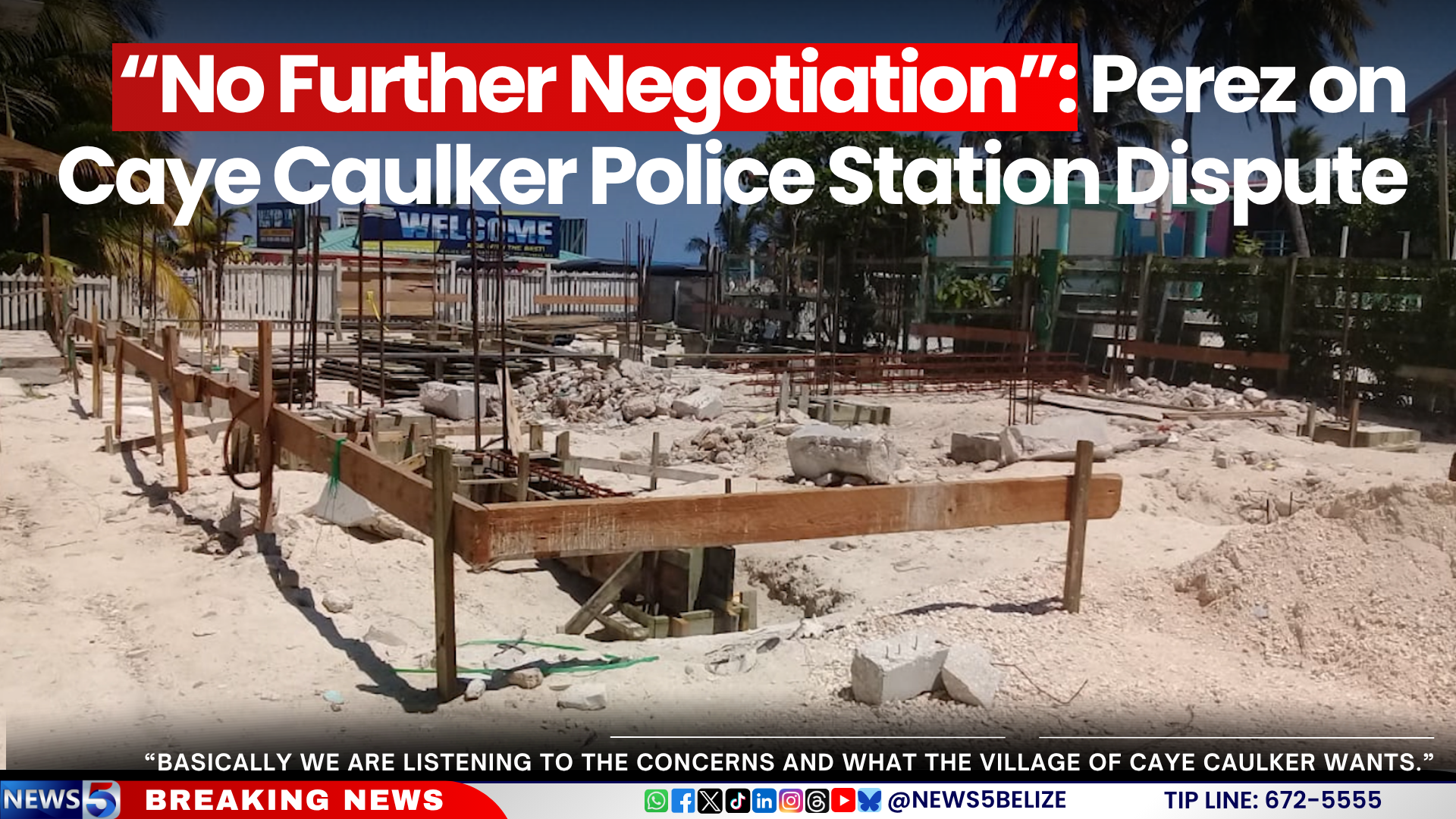
    Months of growing public tension over the planned new Caye Caulker police station in Belize reached a decisive turning point on April 23, 2026, when Andre Perez, Area Representative for Belize Rural South, announced an end to all further negotiations on the controversial project.

    Perez confirmed that the project’s path forward was finalized following closed consultations between multiple top governing bodies, including Prime Minister’s office, the Ministry of Home Affairs, the Caye Caulker Village Council, and his own representative office. Once the formal agreement was reached, the broader community was notified of the outcome, and discussions have now been closed permanently.

    “As consultations have concluded, there will be no further negotiation,” Perez stated in his official address to local media. Despite shutting down additional talks, Perez noted that he remains committed to backing the infrastructure project while continuing to acknowledge and address valid concerns raised by Caye Caulker residents.

    The final call to move forward with construction comes after weeks of fierce public pushback from island residents and opposition political figures. The most prominent criticism came Wednesday from Gabriel Zetina, a senator representing the opposition United Democratic Party (UDP), who accused Perez of deceiving local residents and conducting government business with no transparency. Zetina argued that sustained public pressure and street protests were the only reason the proposal was forced into public view, rather than being approved behind closed doors.

    “If the people of Caye Caulker had not stood up, risen together, and took to the street to protest, you best believe the ruling People’s United Party (PUP) would have sold that land,” Zetina claimed in his remarks.

    Local governing officials have also joined the opposition effort: the Caye Caulker Village Council launched a public petition just last Friday, aimed at triggering a binding community referendum to decide the future of the disputed land. The petition frame effort as a push to “save the police station as a community,” reflecting widespread disagreement over the site selected for the new facility.

    Perez pushed back on this opposition in his comments to News 5, insisting that the decision to resume construction aligns with the input the government has received from the community. “Basically we are listening to the concerns and what the village of Caye Caulker wants. They want the police station to proceed…. And as such we decided that we will move forward and construction will resume,” he explained.

  • First Citizens back as title sponsor for King of the Hill

    First Citizens back as title sponsor for King of the Hill

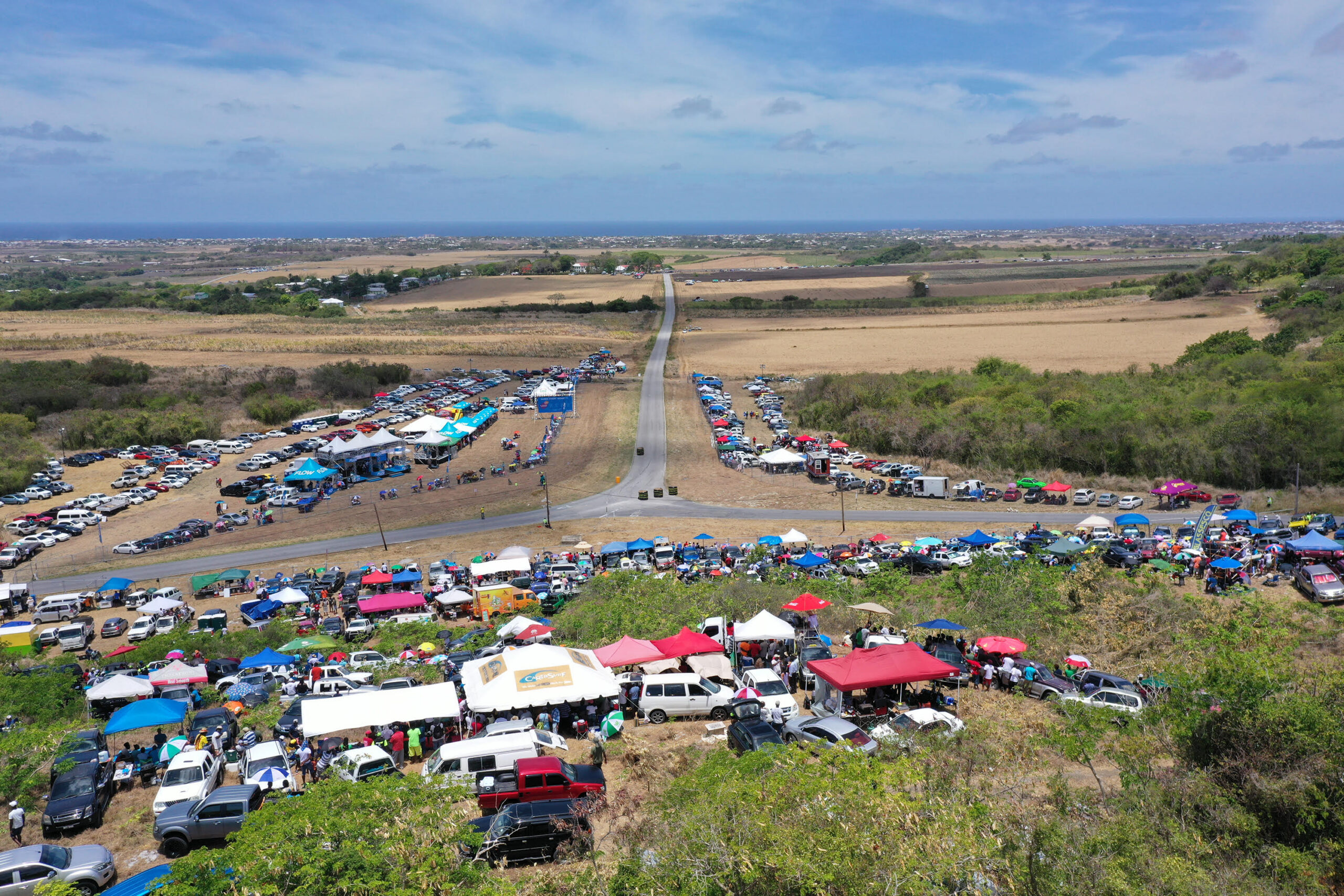
    Barbados’ iconic motorsport community has received a major boost, with regional financial group First Citizens confirming it will return as title sponsor of the annual King of the Hill rally event for the fifth consecutive year. The Barbados Rally Club (BRC) made the official announcement Thursday, also sharing that the 2025 running of the event, scheduled for May 24, will mark the fourth time the competition has been hosted at the fan-favorite 4-kilometer Stewarts Hill stage, located on the island’s southeastern coast.

    King of the Hill, first launched in 2008, serves a critical role in Barbados’ motorsport calendar: it sets the starting running order for Rally Barbados, the island’s premier annual rally competition held the following weekend. First Citizens has held the title sponsorship rights to the event since 2020, marking a multi-year commitment to growing Caribbean motorsport.

    Beyond its home base of Trinidad and Tobago, First Citizens has built a widespread regional presence across the Eastern Caribbean, with operations in Barbados, Saint Lucia, St. Vincent and the Grenadines, and Costa Rica.

    Event director Neil Barnard expressed enthusiasm for both the continued sponsorship and the return to the beloved Stewarts Hill venue. “It’s fantastic to have First Citizens back on board as we return to Stewarts Hill in St Philip,” Barnard said. “It’s a real fan favourite and seeing the cars coming down the Thicket straight to turn left up the hill is always spectacular.”

    Claire Jordan, CEO of First Citizens, reaffirmed the financial group’s long-term commitment to the rally and its community impact. “Since we began this partnership, our goal has been simple: to help elevate this event into an experience that inspires both competitors and spectators alike,” Jordan explained. “Our shared vision is that King of the Hill continues to bring international exposure to Barbados’s vibrant motorsport community and supports economic opportunity for our people.”

    The 2024 edition of the event saw Stuart Maloney claim the victory behind the wheel of a Skoda Fabia Rally2, making him the fourth distinct winner of the event since First Citizens took over title sponsorship in 2020.

    King of the Hill has a rich 17-year history of venue changes across Barbados. The inaugural 2008 event was hosted at Turners Hall in St. Andrew, before the competition moved to its first stint at Stewarts Hill, then to Sailor Gully in St. Peter. From 2011 to 2018, the event found a semi-permanent home at Hangmans Hill in St. Thomas, with a one-off move to Luke Hill in St. Lucy in 2013. Following two additional years at Stewarts Hill, the 2021 event was canceled entirely due to the COVID-19 pandemic. Between 2022 and 2024, the event split its hosting between St. Thomas and a stage passing Society Plantation in St. John, before this year’s return to Stewarts Hill.