A leading researcher from The University of the West Indies (The UWI) has contributed her regional expertise to a groundbreaking new series published in *The Lancet*, which sounds the alarm on the rapidly escalating global public health crisis posed by chronic kidney disease (CKD), an underdiagnosed condition that impacts hundreds of millions of people across the world.
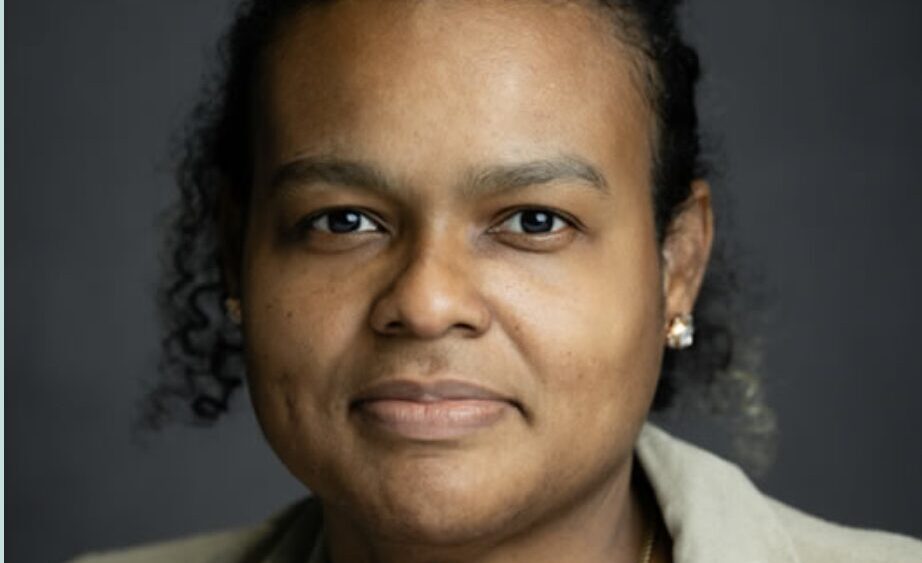
Dr. Lori-Ann Fisher, a consultant nephrologist, intensivist and lecturer based at the Epidemiology Research Unit of The UWI’s Caribbean Institute for Health Research (CAIHR), was invited to join a team of top international specialists assembled to produce the landmark series. The project is led by Dr. Jennifer Lees of the University of Glasgow, and its core conclusion classifies CKD as one of the fastest-growing major threats to global public health, while issuing a urgent call for increased global investment in prevention, early identification, and accessible treatment.
“Chronic kidney disease remains one of the most concerning conditions currently impacting global health,” Dr. Lees emphasized in the series’ lead commentary. “The overriding message from our series of research papers is that there remains a pressing need for attention and resources to be focused on this condition.”
Current global data puts CKD as the ninth leading cause of death worldwide, with an estimated 844 million people living with the condition today. If unaddressed, the series warns that current prevalence and mortality trends will push CKD to become the fifth leading cause of global death by 2040. One of the biggest barriers to tackling CKD, researchers note, is its silent progression: the disease often develops with no obvious warning signs through its early and intermediate stages, meaning most cases are only diagnosed once it reaches an advanced stage, when patients already require life-sustaining interventions like dialysis or organ transplantation.
While the CKD burden is rising globally, low- and middle-income regions with limited public health infrastructure face disproportionate challenges. The Caribbean is no exception: data from the Jamaica Health and Lifestyle Survey shows that roughly 15 percent of Jamaicans live with CKD, and a large share of those cases are already advanced or at high risk of rapid progression when detected.
For Dr. Fisher, who has spent her career researching CKD epidemiology, sickle cell-related kidney disease, lupus nephritis, and CKD prevalence across the Caribbean, the key to improving regional outcomes lies in expanding early detection. “We now have accessible medications that treat kidney disease and reduce progression to kidney failure,” she explained. “In the Caribbean, where access to transplant and dialysis is limited, detecting kidney disease early is crucial to improve outcomes. Investment in strengthening healthcare systems to detect and treat kidney disease is paramount for the health of our nations.”
The *Lancet* series confirms this approach, noting that simple, low-cost blood and urine tests can effectively identify CKD in early stages, dramatically improving patient prognoses. Despite this proven tool, routine CKD screening is not integrated into standard care across most global healthcare systems, particularly in low-resource regions.
Dr. Fisher’s participation in the series underscores The UWI’s longstanding commitment to addressing pressing regional and global health challenges through rigorous, context-aware research and evidence-based policy advocacy. Beyond her academic and clinical work at The UWI, Fisher currently serves as Chair of the North America and Caribbean Regional Board of the International Society of Nephrology, where she works to amplify Caribbean voice and priorities in global kidney health initiatives.