博客

  • Government House Museum Opens Daily Tours by Appointment, Urges Visitors to Book Online

    Government House Museum Opens Daily Tours by Appointment, Urges Visitors to Book Online

    Nestled in the heart of Antigua and Barbuda, the newly accessible Government House Museum is opening its doors to history lovers across the globe, launching a structured guided tour program that requires advance booking from all visitors. Designed to bring the nation’s rich, layered past to life for audiences of all ages, the initiative invites locals and international travelers alike to dive deep into the cultural heritage that shapes modern Antigua and Barbuda.

    The museum maintains daily operating hours from 8:30 a.m. to 5:00 p.m., with four pre-scheduled tour slots available each day at 9:00 a.m., 11:00 a.m., 1:00 p.m., and 3:00 p.m. Unlike traditional drop-in museum visits, all attendees must secure their spot ahead of time to maintain a high-quality, intimate tour experience, allowing guides to dedicate personalized attention to each group.

    In a promotional statement for the new program, event organizers emphasized the museum’s goal to make national history engaging and accessible, encouraging visitors to “step into history” as they walk through thoughtfully curated exhibits paired with expert, story-driven guided commentary. Each display is carefully assembled to highlight key moments, cultural artifacts, and influential figures that have defined Antigua and Barbuda’s journey to the present day.

    To make the program inclusive for local communities, the museum has implemented a tiered admission pricing structure: local residents pay just Eastern Caribbean $15 per person, while international visitors are charged $15 U.S. dollars. Recognizing the educational value of the museum’s collections, local students receive complimentary entry, removing financial barriers for student groups and young learners looking to expand their knowledge of their home country’s history.

    The entire booking process is streamlined through the museum’s official website, located at https://governmenthousemuseum.ag/. On the platform, prospective visitors can browse available tour dates, select their preferred time slot, access directions, and find updated information about special exhibits and upcoming events at the attraction.

  • Government to pay school cooks, janitors in August

    Government to pay school cooks, janitors in August

    CASTRIES, Saint Lucia – The government of Saint Lucia is moving forward with two landmark policy changes aimed at advancing equity in education and supporting low-wage education workers, announced by Education Minister Kenson Casimir this Wednesday. Speaking during the debate over the national Appropriation Bill in the country’s House of Assembly, Casimir outlined details of the two progressive initiatives set to roll out in the coming term.

    The first reform centers on expanding the island nation’s period poverty relief program, which has already delivered free menstrual sanitary products to all secondary school students since its launch in the 2024/25 fiscal year. Moving forward, the initiative will extend coverage to primary school learners, with plans to eventually include students enrolled at Sir Arthur Lewis Community College, bringing free access to students across every academic level in the country.

    Officials designed the program from its inception to address two critical interconnected challenges: reducing the financial strain placed on low and middle-income households, and eliminating barriers to consistent school attendance for students who struggle to access affordable menstrual products. By expanding the program to cover all grade levels, policymakers aim to ensure no student is forced to miss class or manage menstrual hygiene in unsafe conditions due to cost barriers.

    In a second, separate announcement, Minister Casimir confirmed that for the first time in the country’s history, school cooks and janitorial staff will receive full pay during the annual August vacation period. To fund this commitment, the government has allocated $407,000 for cook salaries and an additional $558,000 for sanitation worker pay, bringing the total allocated funding to just under $1 million. This policy follows a similar step the current administration took in 2025, when it moved to guarantee full vacation salaries for temporary teachers, closing another gap in income support for education workers.

    Hundreds of school support staff across Saint Lucia previously went without any income during the six-week August break, as their contracts only covered active school terms. The new guarantee is expected to provide much-needed financial stability to these workers, many of whom rely on the monthly income to cover basic household needs.

  • Dr. Jodi Bianca Callwood Becomes First Antiguan SMART Scholar to Earn PhD in Bioinformatics and Computational Biology

    Dr. Jodi Bianca Callwood Becomes First Antiguan SMART Scholar to Earn PhD in Bioinformatics and Computational Biology

    A trailblazing academic milestone has put Antigua and the Caribbean on the map in the cutting-edge field of bioinformatics, as Dr. Jodi Bianca Callwood has officially graduated with a Doctor of Philosophy in Bioinformatics and Computational Biology from Iowa State University. The historic achievement marks one of the first times a scholar from Antigua has reached the pinnacle of doctoral study in this specialized, high-growth discipline. Adding another layer of significance to her success, Dr. Callwood also counts herself among a small group of Black women to complete a PhD in this field at Iowa State University, opening doors for underrepresented scholars who will follow in her footsteps.

    Born into a family with deep roots in Antiguan community life, Dr. Callwood is the daughter of Carlene Spencer-Callwood from Glanvilles Village, and the granddaughter of the late Cortwright “Dex” Spencer of Potters Village and the late respected educator Audrey Spencer. Her work focuses on the intersection of plant science, computational modeling and genetic analysis, a subfield that merges three core disciplines—traditional biology, advanced computer science, and large-scale data analytics—to unpack the complex genetic systems that govern plant growth and function. Research in this space is a critical driver of global progress, underpinning breakthroughs in crop yield optimization, strengthening global food security frameworks, and boosting the natural environment’s ability to adapt to climate change.

    Dr. Callwood’s path to this historic achievement is a study in consistent perseverance and self-directed determination. She began formal primary education at the age of five, but transitioned to homeschooling just two years later. That tailored learning environment allowed her to accelerate her academic progress through targeted, dedicated instruction, far outpacing the curriculum of traditional grade-level schooling. At 13, she re-entered the formal education system, where she quickly discovered and nurtured a deep, abiding passion for science and mathematics that would shape her entire academic career.

    Her impressive academic resume traces a steady upward trajectory of achievement: she earned a Bachelor of Science in Bioengineering from Walla Walla University, completed a competitive summer research internship at Cornell University, and went on to obtain a Master of Science from Delaware State University before beginning her doctoral work at Iowa State. A testament to her standing as a rising STEM leader, she completed her PhD as a member of the prestigious SMART Scholarship program, allowing her to graduate entirely free of student debt, a rare and notable accomplishment for early-career scholars.

    Outside of her groundbreaking academic work, Dr. Callwood maintains a diverse set of interests and accomplishments: she is an experienced competitive swimmer, holds certification as a professional lifeguard, and is an avid gamer. Following her graduation, she has already accepted a civilian research position with the United States Navy, where she will apply her specialized expertise to advance cutting-edge scientific research and contribute to public national service. Notably, academic excellence runs in her family: her brother Julian is currently in the final stages of completing his own PhD, marking another extraordinary achievement for the Callwood family.

    Across Antigua and the broader Caribbean regional community, congratulations have poured in for Dr. Callwood’s landmark success. Community leaders and educators across the region point to her journey as a powerful source of inspiration for young people, particularly young women and scholars from underrepresented backgrounds, who aspire to build careers in the advanced computational and life sciences. Her success breaks new ground for Caribbean scholars in STEM, proving that scholars from small island nations can compete and excel at the highest levels of global academia.

  • Grenada Building & Loan Association Notice of AGM 2026

    Grenada Building & Loan Association Notice of AGM 2026

    Grenada Building & Loan Association (GBLA) has officially issued a public notice detailing the logistics and agenda for its upcoming 97th Annual General Meeting (AGM) of shareholders, set to take place on Wednesday, 13 May 2026. In a flexible arrangement designed to accommodate diverse shareholder needs, the meeting will operate as a hybrid event, combining in-person attendance at the Presbyterian Church located on Grand Etang Road in St. George’s with a parallel virtual session hosted via the Zoom video conferencing platform. The meeting is scheduled to kick off promptly at 4:30 pm local time.

    Full login and access details for virtual participants will be distributed to registered attendees in advance of the meeting date, per the association’s planning. Any shareholder seeking additional clarifications or further information about the AGM, registration processes, or event logistics is encouraged to reach out to GBLA’s administrative office through multiple contact channels: phone at 473440-2108, WhatsApp at 459-2103, or email at [email protected].

    The official AGM agenda covers a full suite of routine and critical governance items for the association. The meeting will open with an invocation, followed by the first formal order of business: confirming the official minutes from the 96th AGM, which was held on 2 April 2025. Next, attendees will receive and review the association’s annual statement of accounts for the 12-month period ending 31 December 2025, alongside the annual report from GBLA’s board of directors.

    Per GBLA’s internal governing rules, the meeting will proceed with board elections. Rule 18 (a) and Rule 8 of the association’s bylaws require that a subset of directors retire by rotation, and eligible candidates will stand for election to fill these rotating seats. Per accompanying notes to the notice, incumbent directors John Miller and Adrian Francis, who are completing their rotation-mandated terms, have confirmed their eligibility and have put themselves forward for re-election. Beyond board member elections, the agenda also includes votes to elect a new association President and Vice-President, approve the appointment of one or more independent auditors, and grant the board of directors authority to set the auditors’ remuneration. The meeting will close with a discussion of any other general matters that are relevant to the association’s operations and membership.

    To ensure transparency and compliance with GBLA’s Rule 32, all eligible shareholders may request access to copies of the audited annual statement of accounts, balance sheet, and related supporting documents no later than seven days prior to the meeting date. Requests can be submitted directly to the Acting Secretary/Manager Coline Joseph, either in person at the GBLA office or via email. This public notice was issued by Coline Joseph in her capacity as Secretary/Manager (Acting) of GBLA.

  • St Thomas folk decry ‘tremendous dislocation’ as roadworks close third major artery

    St Thomas folk decry ‘tremendous dislocation’ as roadworks close third major artery

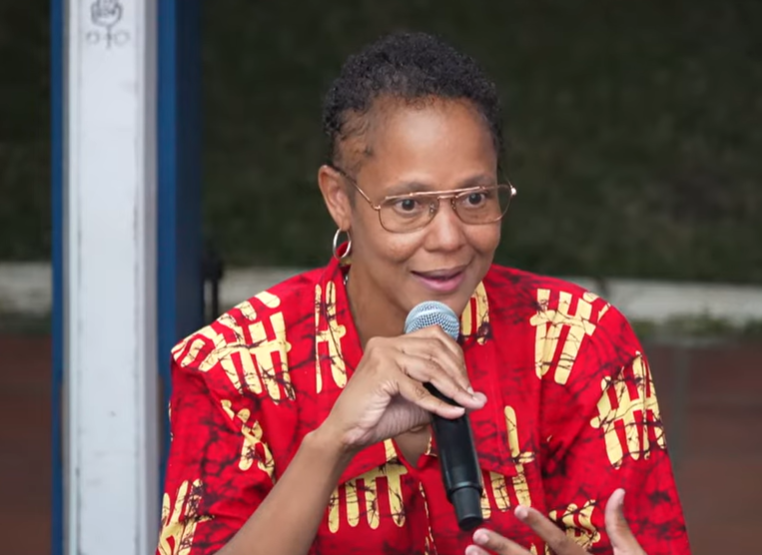
    At a community policy forum held Wednesday night at Alexandra School in Speightstown, St Peter, former long-serving St Thomas Member of Parliament Cynthia Forde has sounded the alarm over a spiraling infrastructure crisis in her former constituency, triggered by the simultaneous closure of three major arterial roads. After stepping down from her parliamentary post earlier this year following decades representing the parish, Forde used the public gathering to lay bare the cascading disruption that has left local commuters with no safe alternative routes for daily travel.

    “We already had two major arteries closed, and now a third has been shut down. The disruption is completely unprecedented,” Forde told attendees, outlining the crippling impact on local movement. With primary corridors closed for long-overdue repairs, motorists have been forced to divert onto narrow backroads including Jack-in-the-Box Gully and Hangman’s Hill – routes Forde described as inherently unsafe, particularly after dark due to a total lack of street lighting.

    The former MP shared that she now avoids traveling within the parish after nightfall out of personal safety fear, and called on national authorities to immediately install new lighting along these diversion routes to cut the risk of crashes and criminal incidents. Beyond inadequate illumination, Forde also blasted the severely deteriorated condition of these secondary roads, noting that deep potholes – which she called large “craters” – are causing consistent damage to local residents’ vehicles, spurring daily complaints from frustrated commuters.

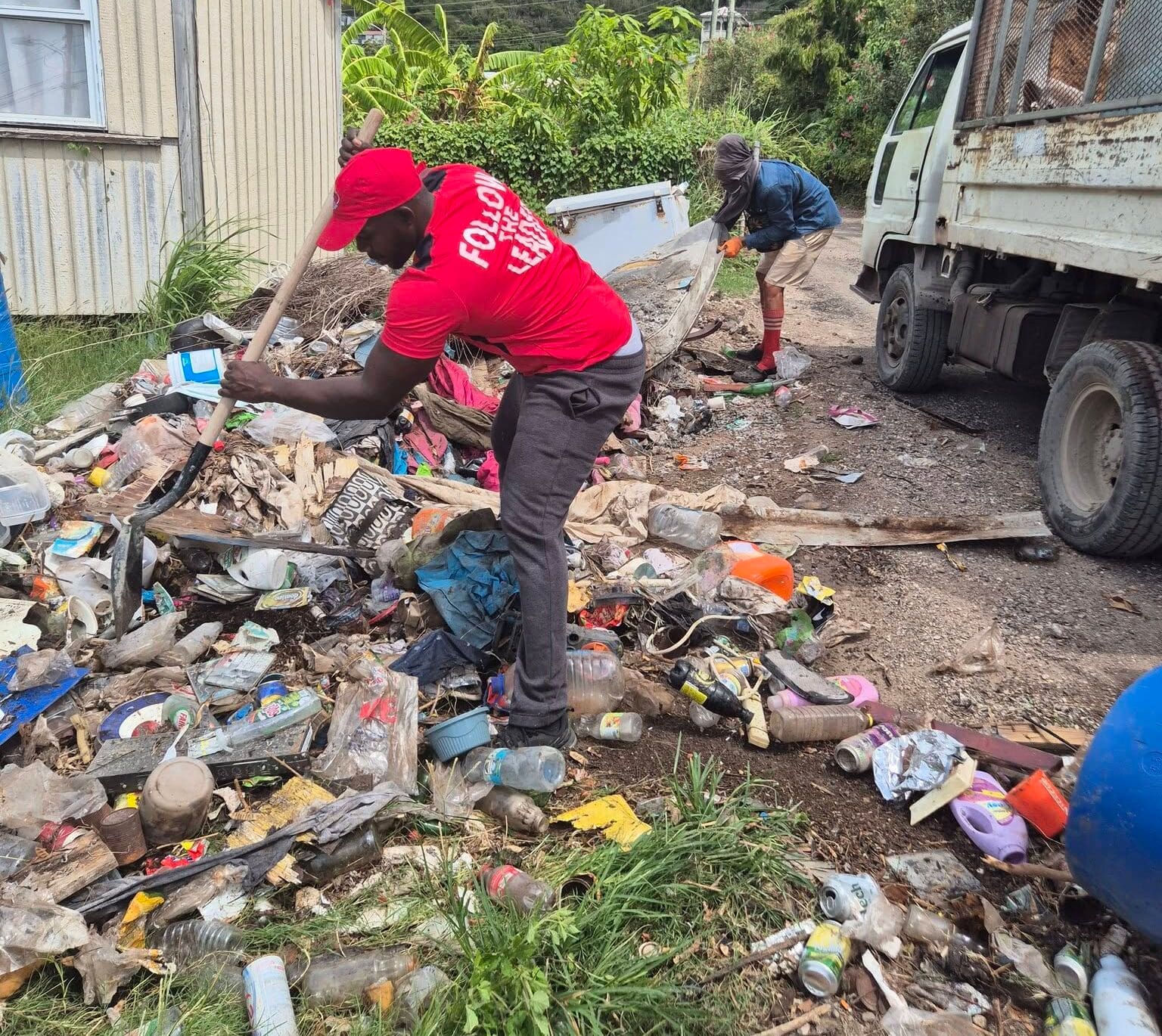
    Forde also called out systemic failures in public communication around roadwork plans, pointing out that road closures are often implemented with little to no advance warning for affected communities. She pushed for more proactive, direct engagement between government agencies and the residents whose daily lives are upended by the infrastructure works. Among other long-running unaddressed issues in the parish, Forde highlighted Vaucluse Road, which has been used as an illegal dumping ground for years. She noted the site’s isolated location has already contributed to serious past safety incidents, and despite repeated community appeals, the problem has never been resolved, creating ongoing environmental and public safety hazards.

    Responding to Forde’s concerns directly during the forum, Deputy Prime Minister Santia Bradshaw – who previously served as Minister of Transport and Works – did not push back on the criticism, instead openly acknowledging that St Thomas has suffered from systemic underinvestment in infrastructure for generations. “I have to agree that Cynthia is right; St Thomas has been neglected for many, many years, especially when it comes to our road network,” Bradshaw stated.

    Bradshaw explained that while the current government has launched a slate of long-overdue road improvement projects across the parish – including upgrades to Cane Garden to Bridgefield Road, Shop Hill Road, and Prior Park – multiple unforeseen challenges have slowed progress dramatically. A core barrier, she noted, has been coordinating infrastructure upgrades alongside utility companies that manage century-old water mains running through the parish’s road corridors. These aging, undocumented water systems require extra work to relocate or repair as part of road projects, leading to repeated work stoppages and extended timelines.

    “Some of these projects have started and stalled multiple times over the past few years because of the unexpected complexity that comes up when we start digging,” Bradshaw added. She also conceded that Forde’s criticism of poor communication with residents was valid, particularly given the large scale of ongoing works across the parish. The Deputy Prime Minister noted that after decades of chronic underfunding for St Thomas infrastructure, the government is essentially playing catch-up, and the combination of broad project scope, limited local contractor capacity, and the parish’s challenging terrain has made executing upgrades far more difficult than initially expected.

    While offering a formal apology to residents for the extended disruption to daily life, Bradshaw outlined steps the government is taking to mitigate current issues, including deploying new pothole-patching equipment to address secondary road damage and adjusting traffic routing to ease congestion on diversion routes. She ended with a note of cautious optimism, saying that visible progress is finally starting to emerge after years of delay, and gave a formal commitment that the government would strengthen public communication about upcoming road closures and project timelines moving forward.

  • Rawdon Turner Opens PARES Community Centre in Pares Village

    Rawdon Turner Opens PARES Community Centre in Pares Village

    On a recent milestone event for community advancement in St. Peter, Antigua and Barbuda Labour Party (ABLP) constituency candidate Rawdon Turner has unveiled the newly constructed Pares Village Community Centre, framing the facility as a core pillar of his campaign and policy agenda focused on investing in young people and long-term local growth.

    During the opening ceremony, Turner highlighted a touching, candid moment from the gathering to underscore the mission driving his work. Pointing to a young girl who stood beside him at the event, he remarked, “That smile beside me—that’s the future. That’s the reason behind every long day, every tough decision, every step forward.”

    Designed to meet the evolving needs of Pares Village residents, the new community centre is tailored to prioritize youth programming and inclusive local gatherings. It will offer a dedicated, accessible space for after-school activities, youth workshops, community events, and recreational opportunities that were previously limited for local families.

    Turner emphasized that his work representing the St. Peter constituency is rooted in delivering intergenerational benefit, rather than short-term political gains. “The true measure of leadership is not what we achieve for ourselves, but what we create for those who come after us,” he explained, framing the community centre as just one component of a broader vision for sustained local improvement.

    Closing his remarks, Turner reaffirmed his unwavering commitment to continuing development work across St. Peter, tying his mission back to the young people he aims to serve. “For her. For every child like her. I will keep working,” he said.

  • ‘Human first’: Union, govt joint push for people-centred workplaces gains momentum

    ‘Human first’: Union, govt joint push for people-centred workplaces gains momentum

    Amid rising job-related pressures and rapid technological transformation reshaping workplaces across Barbados, a growing movement to reframe work around human health and dignity gained momentum on Thursday, when both top government labor officials and union leaders gathered to demand stronger protections for workers’ mental and physical wellbeing.

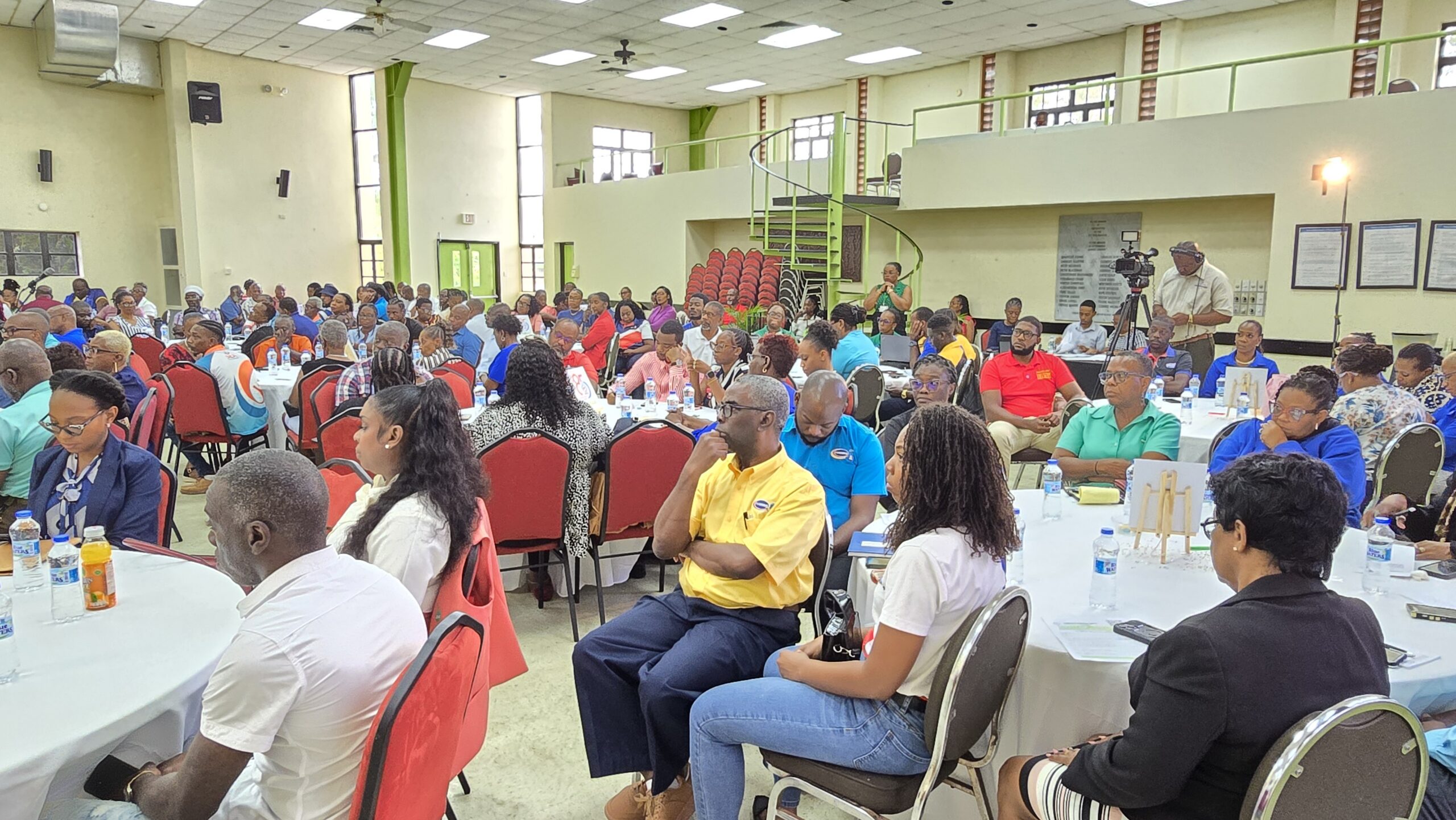
    The call for a balanced, human-first approach to work took the spotlight at the opening of the Barbados Workers’ Union (BWU)’s two-day Occupational Safety and Health 360 Conference, hosted at the union’s Solidarity House headquarters. The event convenes labor stakeholders to align local workplace practices with global guidelines set by the International Labour Organization (ILO), which has centered its 2024 policy focus on a people-centred, prevention-first framework for occupational safety and health.

    Barbados Minister of Labour, Social Security and Third Sector Colin Jordan emphasized that ILO conventions and standards are clear: human workers must always take priority over machinery, capital, and other production inputs. “A human-centred approach to development, work, business and every productive effort means we must recognize that people are the foundation of every workplace,” Jordan explained. “They deserve to be treated very differently from inanimate tools like machines.”

    Jordan stressed that this philosophy must be woven into every workplace policy and daily practice, noting that workers bring far more to their roles than just physical output. “When a person shows up to work, they are not a tool – they are a whole human being, bringing both their mind and their body to the job. We have to strike a balance between hitting production goals, working efficiently, and protecting the whole person whose labor powers every task,” he said.

    The labor minister also drew attention to growing modern stressors, particularly the rise of digital technology, that are increasingly draining workers’ mental health even outside formal working hours. “Technology can leave us mentally exhausted when we clock out, so this year’s conference theme – ‘Mind, Body and Work in Balance’ – is more critical than ever,” he added. While Jordan acknowledged that striking this balance is no simple challenge, he noted that the conference provides a structured space for stakeholders to collaborate on solutions. “Like balancing worker protection and production, finding this equilibrium takes work, but it is achievable,” he said. “These 360 safety conferences give us space to talk through challenges and map out a path forward. We keep pushing for open social dialogue, where workers, employers and managers can talk meaningfully with a shared goal of doing what works for everyone.”

    BWU General Secretary Toni Moore echoed Jordan’s call, reinforcing that the focus on holistic worker wellbeing aligns with the union’s core mission as it approaches its 85th anniversary. “When we talk about balancing mind, body and work today, we are not shifting to a new direction as we look ahead to our next 85 years – we are living out the core purpose of this union,” Moore said. “We are strengthening systems that protect workers physically, mentally and socially, to make sure the next generation of workers inherits safer, healthier, more humane workplaces than we have now.”

    Moore pointed out that evolving work practices have steadily piled more pressure onto workers over recent decades. “You can see how work has changed: every year, employers expect faster output from teams. Even if you are physically and professionally able to meet the demand, that constant push raises the emotional stakes for every worker,” she explained. “On top of that, workers are dealing with rising cost of living stress, and new technologies that are completely redefining what our jobs look like.”

    She added that workplaces are still adapting to post-pandemic shifts, including the rapid acceleration of digital adoption forced by COVID-19 public health measures. “We had talked about integrating technology for years, but COVID forced us to learn new tools overnight to stay connected to our teams – that’s been a real benefit in many ways, so I’m not saying new technology is all bad,” Moore noted. “But we have to keep it in balance. All these unregulated pressures show up in our minds first: burnout, anxiety, constant emotional fatigue. Then they show up in our bodies, as chronic illness and even preventable workplace injuries – when you’re stressed and distracted, you’re far more likely to trip, cut your hand on machinery, or have another avoidable accident. Worker stress is not an abstract issue – it’s a real threat to safety.”

    Moore called for targeted training to help employers and supervisors spot early warning signs of mental health struggles among their teams, arguing that mental wellness must be treated as a core pillar of occupational safety, not an afterthought. “As leaders and industry partners, our job is to build work environments where people feel their mental health is supported, their bodies are protected, and work never pushes people past their breaking point,” she said. She closed by calling on all stakeholders to recommit to building safe, supportive workplaces that center worker dignity, alongside clear systems to protect work-life balance. Ultimately, Moore said, workplaces should prioritize “respect, rest, family life and human dignity” above constant productivity gains.

  • LETTER: Leadership Rooted In Service And Presence

    LETTER: Leadership Rooted In Service And Presence

    Across every sector of modern society, from local community organizations to national governments, the debate over what makes for truly effective leadership continues to divide observers and practitioners alike. In this contributed opinion piece, the author makes a clear, forceful case that the strongest, most enduring leadership is not built on personal ambition or hierarchical power—it is rooted in two non-negotiable pillars: a commitment to serving the public good and consistent, visible presence among the people a leader is elected or appointed to represent.

    Too often, the author notes, contemporary leaders prioritize photo opportunities over genuine engagement, and policy drafting behind closed doors over listening to the on-the-ground concerns of the constituents they serve. This disconnect, the piece argues, erodes public trust over time, leaving communities feeling disenfranchised and disillusioned with political and institutional leadership. When leaders remove themselves from daily interactions with the people they lead, they lose touch with the real-world impacts of their decisions, leading to policies that fail to address actual needs.

    By contrast, the author outlines how leadership that centers service as its core mission, and prioritizes regular, in-person (or accessible virtual) presence, creates lasting bonds of trust. Leaders who show up to community meetings, listen to opposing viewpoints without defensiveness, and prioritize collective benefit over personal political gain build stronger, more cohesive communities. This approach, the piece contends, does more than solve immediate problems—it reinforces the legitimacy of leadership institutions themselves for future generations.

    The letter concludes by calling on current and aspiring leaders at all levels to reorient their approach around these two foundational principles, arguing that this shift is the only sustainable path to reversing declining public trust and building more equitable, responsive governance.

  • Grenada recognised as regional leader in fiscal planning

    Grenada recognised as regional leader in fiscal planning

    Against a backdrop of rising global economic, climate and geopolitical uncertainty, small island economies across the Caribbean are prioritizing robust fiscal governance to sustain growth and resilience. At the forefront of this regional movement is Grenada’s innovative Medium-Term Fiscal Framework (MTFF), which has been selected as a centerpiece model for the Caribbean Regional Technical Assistance Centre’s (CARTAC) ongoing regional capacity-building initiative. Designed as the government’s core fiscal planning instrument, the MTFF operates on a three-year rolling cycle that guides public expenditure strategy, sovereign debt management, and broad macroeconomic stabilization, embedding a disciplined, forward-looking culture into national fiscal policy decision-making. Recent macroeconomic performance has underscored the effectiveness of this framework. In its April 2026 World Economic Outlook report, the International Monetary Fund (IMF) estimated that Grenada’s real gross domestic product expanded by 4.4% in 2025, and projects steady 3.1% growth for both 2026 and 2027. This places Grenada among the fastest-growing economies in the Caribbean, a track record that the IMF attributes in large part to the consistent, disciplined fiscal approach anchored by the MTFF. Building on this strong economic momentum, Grenada is set to host an in-person regional fiscal policy workshop from April 27 to 30, 2026. The gathering will bring together senior fiscal policy analysts and technical fiscal officers from 13 Caribbean jurisdictions, with a shared goal of strengthening regional institutional capacity, entrenching cross-border fiscal discipline, and upgrading regional fiscal risk management frameworks. Over the four-day event, participants will work directly with international fiscal experts, conduct a hands-on case study of Grenada’s operational MTFF, and exchange actionable lessons across countries on fiscal planning, macroeconomic forecasting, and systemic risk assessment. The upcoming workshop builds on a recent CARTAC technical assistance mission to Grenada, held from March 25 to April 1 this year. During that mission, technical teams focused specifically on integrating the IMF’s Fiscal Risk Assessment Tool (FRAT) into Grenada’s national budgeting processes, and deepening the analytical rigor of the country’s existing fiscal risk management systems. Working in close collaboration with specialists from the IMF’s Fiscal Affairs Department (FAD), the Macroeconomic Policy Unit (MPU) within Grenada’s Ministry of Finance advanced key updates to the MTFF through intensive, on-the-ground technical collaboration. Chevanne Britton-Telesford, Deputy Permanent Secretary of Grenada’s Ministry of Finance, emphasized the framework’s central role in protecting the country’s economic stability and advancing long-term inclusive development. “The MTFF is a critical tool guiding fiscal decision-making in Grenada, ensuring that the economy remains resilient in the face of increasing economic, climate, and geopolitical uncertainties,” Britton-Telesford said. “By providing a clear and structured approach to budgeting, the framework strengthens accountability and reinforces a people-centred approach to public finance management. It ensures that we balance economic sustainability with long-term nation-building, while advancing our national development priorities and supporting the personal development and well-being of every Grenadian.” As member states of the Eastern Caribbean Currency Union (ECCU) work collectively to upgrade their own medium-term fiscal planning systems, Grenada’s successful implementation of the MTFF highlights the tangible value of coordinated, risk-informed policymaking for small open economies. Through sustained technical collaboration with regional and international partners, and a firm commitment to deepening regional economic integration, Grenada is actively contributing to the adoption of harmonized, evidence-based fiscal practices across the ECCU, and supporting the build-out of collective economic resilience for all member states. Today, Grenada continues to strengthen its institutional capacity to anticipate, quantify, and mitigate a broad range of fiscal risks, while improving the credibility of its fiscal projections and policy decisions. This progress has earned international recognition: IMF Executive Directors recently praised Grenada for its effective navigation of elevated global uncertainties, noting that the country’s proactive fiscal governance has been key to its sustained economic momentum. Ultimately, this ongoing work to refine the MTFF and share its lessons across the region does more than strengthen Grenada’s own economic foundations. It equips the government to plan responsibly for the future, deliver sustained social and economic benefits to all Grenadian citizens, and set a benchmark for effective fiscal management across small island developing states. Reported by the Ministry of Finance, Grenada. Disclaimer: NOW Grenada is not responsible for the opinions, statements or media content presented by contributors. In case of abuse, click here to report.

  • OAS to Deploy Electoral Observation Mission to Antigua and Barbuda for 2026 General Elections

    OAS to Deploy Electoral Observation Mission to Antigua and Barbuda for 2026 General Elections

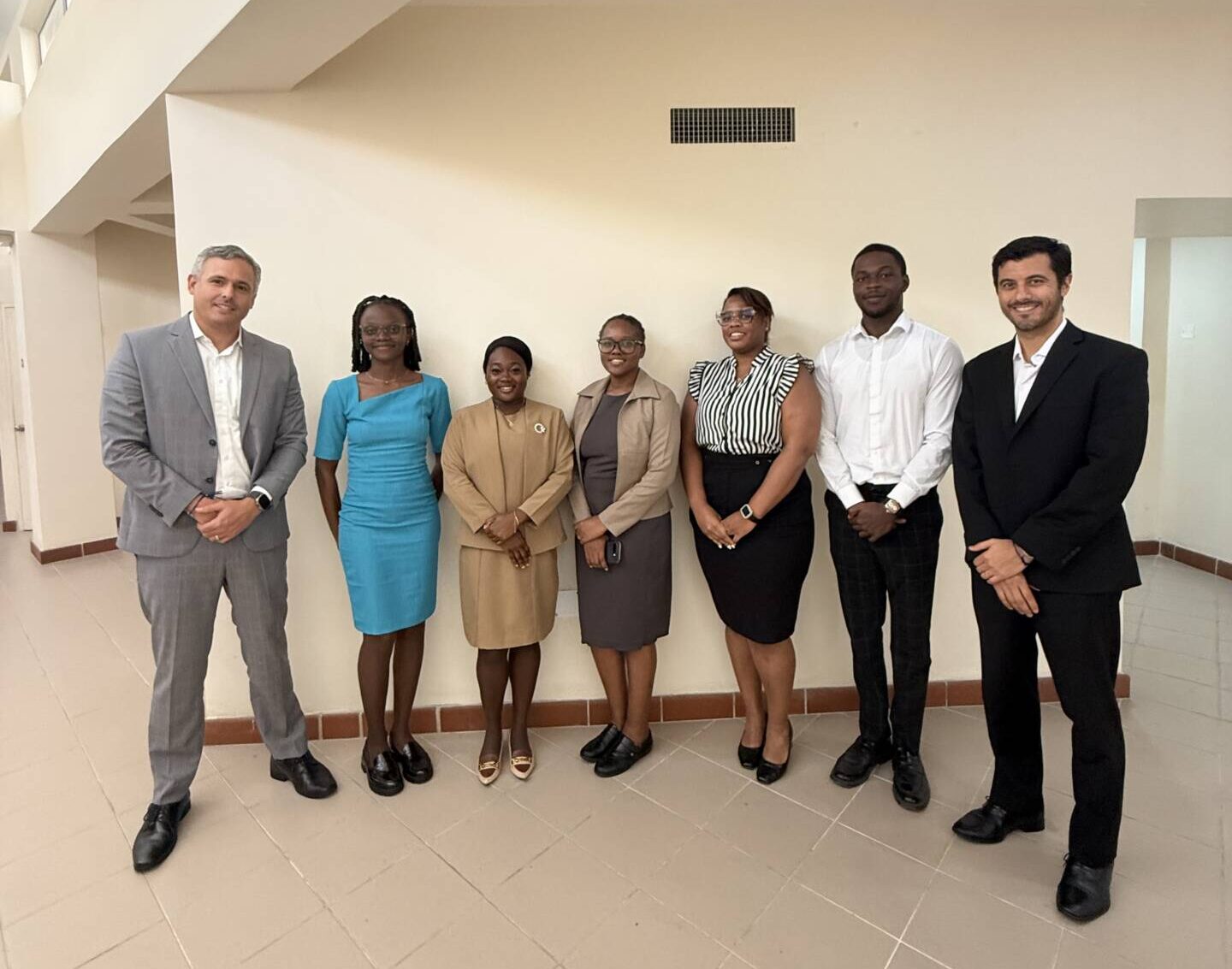
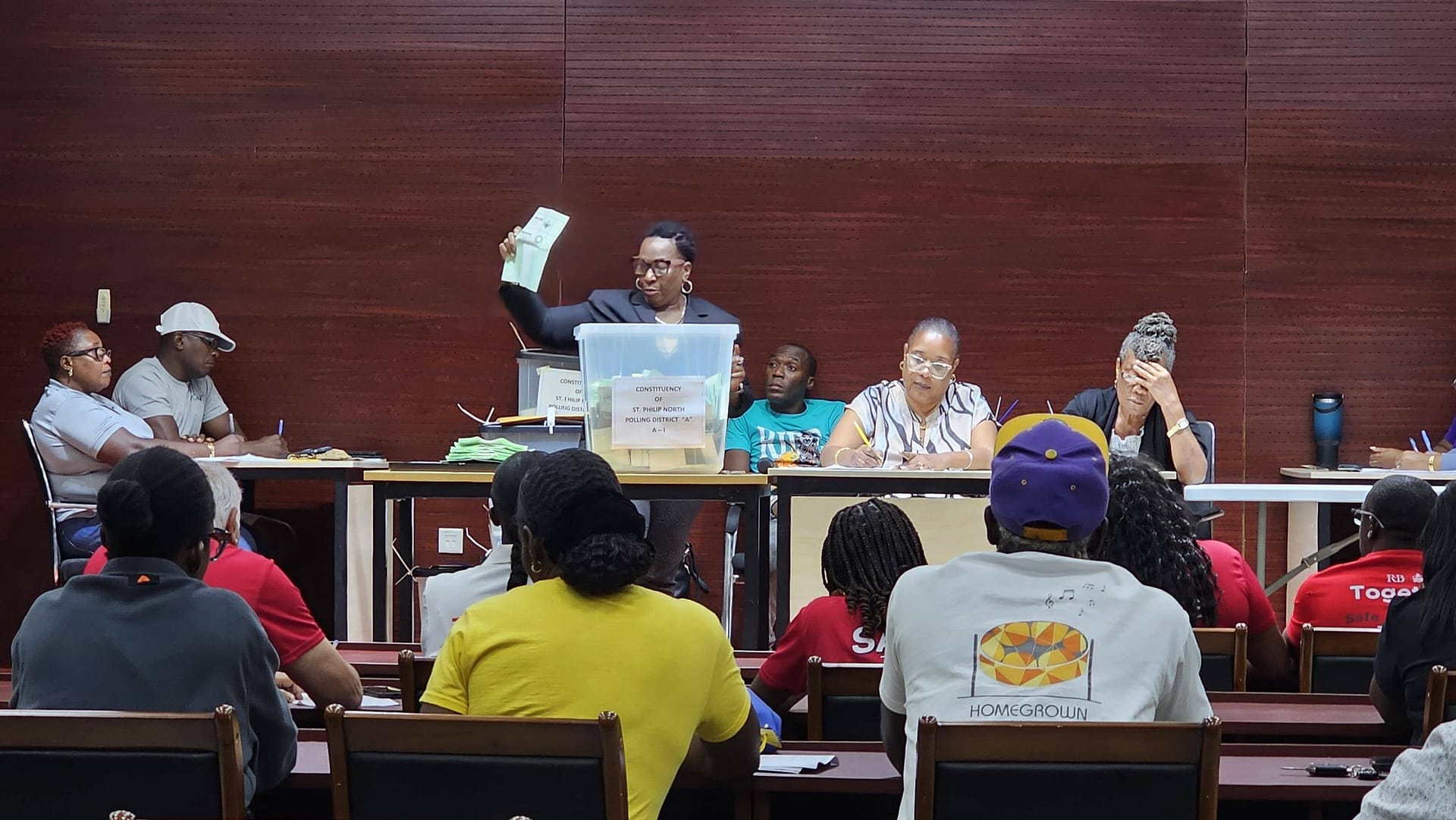
    As Antigua and Barbuda gears up for its 2026 General Elections on April 30, the Organization of American States (OAS) has finalized preparations to deploy its fifth independent Electoral Observation Mission (EOM) to the twin-island nation, scheduled to begin field work days ahead of polling day on April 23. This year’s international observation effort is being led by Maricarmen Plata, a former OAS Secretary for Access to Rights and Equity, and brings together 17 seasoned election experts and observers drawn from 11 different countries across the globe.

    Unlike broad, unfocused monitoring efforts, the 2026 mission has outlined clear priority areas for its assessment, centering on five core components of the electoral process. Observers will examine the operational efficiency of electoral organizing bodies, the security and functionality of digital and analog electoral technology systems, the independence and fairness of electoral judicial bodies, the transparency of political campaign financing, and barriers or enablers of equal political participation for women. These targeted focus areas are designed to deliver a nuanced, actionable assessment of the election’s integrity.

    In the week leading up to the April 30 vote, Plata and her full team will hold a series of consultations with a broad cross-section of national stakeholders to collect input from all sides of the political spectrum. These meetings will include sitting government officials, independent electoral commission leaders, representatives from all major and minor registered political parties, competing election candidates, and civil society and grassroots organization leaders. The goal of these pre-election discussions is to capture diverse perspectives on the pre-voting climate and identify potential points of concern before polls open.

    On Election Day itself, observers will be deployed to polling stations across the country to monitor every phase of the voting process, from the opening of polling locations in the early morning, through in-person and absentee voting activities, all the way to the final tabulation of results and their official transmission to national electoral authorities. This end-to-end monitoring allows the mission to spot irregularities or procedural issues that may arise on voting day.

    After the conclusion of the election, the OAS EOM will publish a public First Report that lays out all of its on-the-ground observations and includes targeted recommendations to strengthen Antigua and Barbuda’s democratic institutions and electoral frameworks moving forward. The entire deployment of the mission is made possible through financial contributions from a coalition of international donors, including the governments of Colombia, the Dominican Republic, Peru, South Korea, and the United States.