博客

  • C’bean growth slows amid global uncertainty, climate pressures — CDB Report

    C’bean growth slows amid global uncertainty, climate pressures — CDB Report

    BRIDGETOWN, Barbados – The Caribbean region delivered a muted economic performance in 2025, held back by a confluence of global instability, repeated climate disasters and long-running domestic structural obstacles, the Caribbean Development Bank (CDB) has warned in its flagship annual report, the *Caribbean Economic Review and Outlook 2025-2026*.

    The analysis tracks economic activity across the CDB’s 19 borrowing member countries (BMCs), revealing a clear slowdown across most of the bloc. When Guyana’s rapidly expanding oil sector is excluded, regional growth decelerated to 0.6% in 2025, down from 1.4% recorded in 2024. Even with Guyana’s output included, aggregate regional growth fell to 4.7% from 8.3% in 2024, confirming the South American nation remains the single largest engine of overall regional expansion.

    A range of overlapping headwinds dragged on regional activity over the year. Heightened geopolitical friction, shifting international trade and tariff rules, softening global demand for exports and increasingly severe climate-related disruptions created a challenging operating environment for most economies. Tourism, a traditional core growth driver for many small island states, still contributed to expansion, but its pace of growth slowed noticeably across a number of service-exporting economies. Commodity-producing nations saw divergent results, with some posting modest gains and others struggling to maintain output.

    Suriname stood out among commodity exporters, logging moderate growth driven by fresh investment in its offshore energy sector. By contrast, Trinidad and Tobago posted zero growth, as both its energy and non-energy segments faced persistent weakness. Jamaica and Haiti both suffered severe economic disruption from climate events, most notably Hurricane Melissa, which slashed output and curbed tourist arrivals. Haiti’s economy extended its prolonged downturn, contracting for the seventh straight year as widespread ongoing insecurity continued to choke business activity and investment.

    Against the broader slowdown, several key economic indicators showed limited bright spots. Labour market conditions held broadly steady across most of the region, with unemployment falling in a majority of reporting BMCs. That said, long-standing inequities in employment outcomes for young people and women remain unaddressed, and several sectors are now grappling with acute labour shortages. Inflationary pressures also eased across the bloc in 2025, pulled down by falling global commodity prices, though price growth still remains above pre-pandemic levels in most Caribbean economies.

    Fiscal performance across the region was uneven, the report confirmed. Excluding Guyana, the aggregate regional primary surplus narrowed from 1.6% of GDP in 2024 to 1.3% of GDP in 2025, a shift driven by slower tax revenue growth and mounting spending pressures. Sovereign debt levels also remain worryingly high across much of the region: nine BMCs now report central government debt-to-GDP ratios above the 60% threshold widely seen as a marker of fiscal vulnerability.

    The region’s financial sector, by comparison, remains on solid footing, the report noted. Adequate capital buffers, high levels of liquidity, accelerating credit growth and ongoing regulatory reforms have kept the financial system broadly stable despite broader economic headwinds.

    Looking forward to 2026, the CDB projects the region will see only a mild uptick in growth. Excluding Guyana, regional expansion is forecast to remain subdued at just 1.1%, while aggregate growth including Guyana is expected to climb to 6.2% – a rise almost entirely tied to continued rapid expansion in Guyana’s oil sector.

    Crucially, the outlook remains vulnerable to a wide range of downside risks that could derail even this modest projected growth. These include a deeper slowdown in the global economy, escalating geopolitical tensions, volatile commodity prices, more frequent and severe climate shocks, and persistent fiscal fragility in many small economies.

    “While the Caribbean continues to demonstrate resilience in the face of repeated shocks, the region’s growth prospects remain constrained by external uncertainty, climate-related shocks, and longstanding structural challenges,” said Christine Dawson, CDB’s Acting Director of Economics. “Strengthening institutions, accelerating structural reforms, and improving project execution will be critical to unlocking higher, more inclusive, and more sustainable growth across the region.”
  • Zabaneh Says NBC Considering Coastal Plain Highway Run

    Zabaneh Says NBC Considering Coastal Plain Highway Run

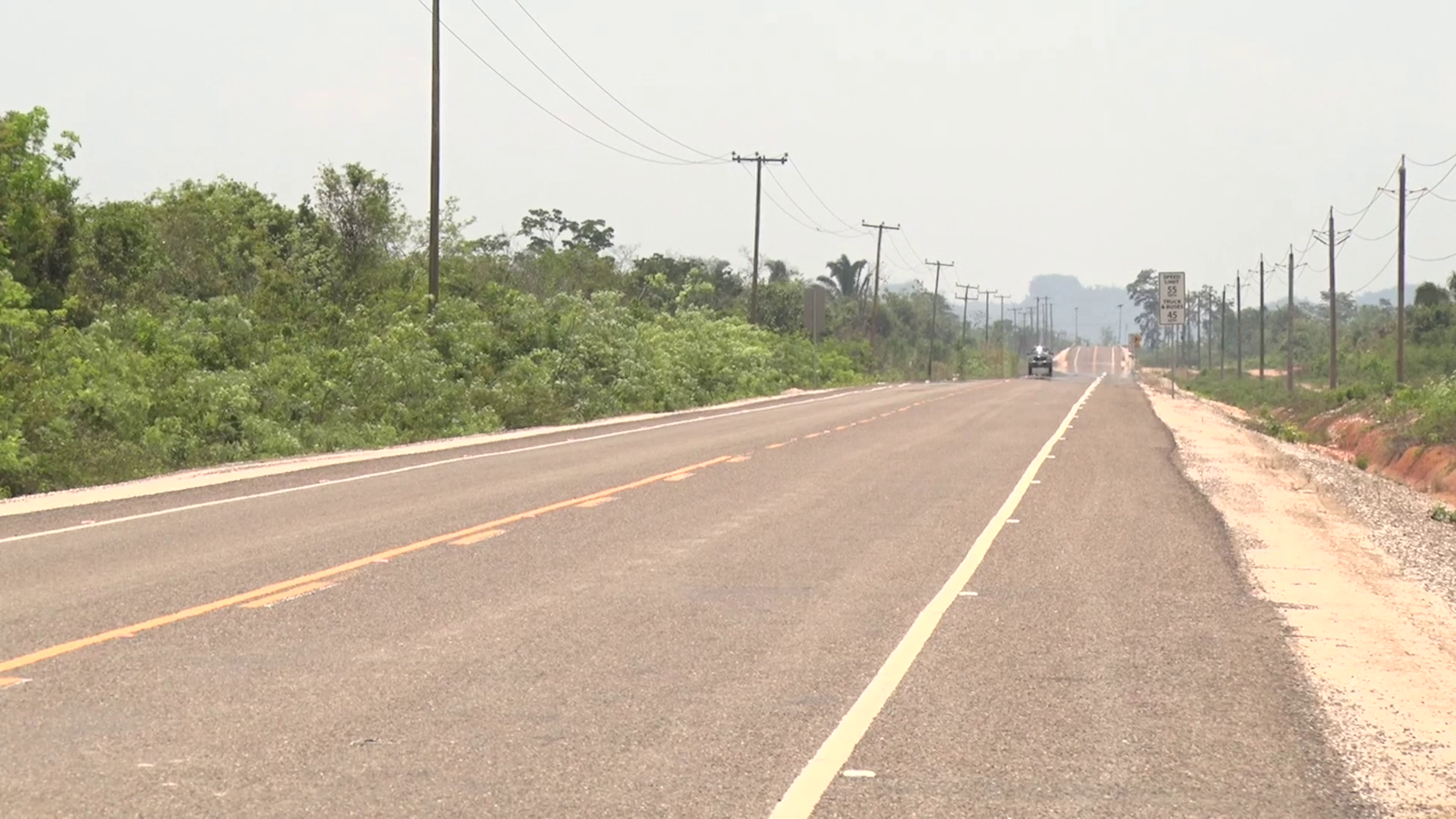
    For thousands of southern Belizean commuters who currently endure longer, more crowded trips to Belize City via the capital Belmopan, a much-anticipated travel upgrade could be just weeks away. Belize’s Transport Minister Dr. Louis Zabaneh has confirmed that the National Bus Company (NBC) is actively evaluating the launch of a new bus route that would traverse the largely underused Coastal Plain Highway, a major infrastructure project completed with a $158 million investment combining grant funding and government expenditure.

    In a recent interview following the announcement, Minister Zabaneh laid out a clear timeline and rationale for the proposed change, noting that the new service could launch as early as mid-May 2026. A key priority for the department is giving current commuters sufficient time to review the proposed changes and submit feedback before implementation. Once the route launches, the policy will remain flexible: officials will adjust schedules or service frequency based on real-world usage if any issues arise.

    According to the minister, the route is targeted at the significant share of southern commuters who currently must travel through Belmopan to reach Belize City. By shifting to the Coastal Plain Highway, these travelers could cut their one-way commute by roughly an hour, a change that would dramatically reduce daily travel time for workers, students, and other frequent visitors to the city.

    Beyond improving commuters’ daily experiences, Zabaneh emphasized that the new route would unlock greater value from the country’s existing infrastructure investment. The upgraded Coastal Plain Highway has been completed for some time, but it has not seen the traffic volumes that planners projected, leaving the multi-million-dollar upgrade significantly underutilized. Launching a dedicated bus route through the corridor is seen as a strategic step to put public infrastructure to work for the communities it was built to serve, while addressing growing demand for more efficient north-south travel options across southern Belize.

  • He Left to Collect Pay… But Ends Up Dead on Roadside

    He Left to Collect Pay… But Ends Up Dead on Roadside

    A tight-knit rural community in southern Belize is reeling from an unexpected and brutal act of violence that has left a local family shattered and searching for justice, after a 45-year-old beloved laborer left his home to collect long-overdue pay and never came back.

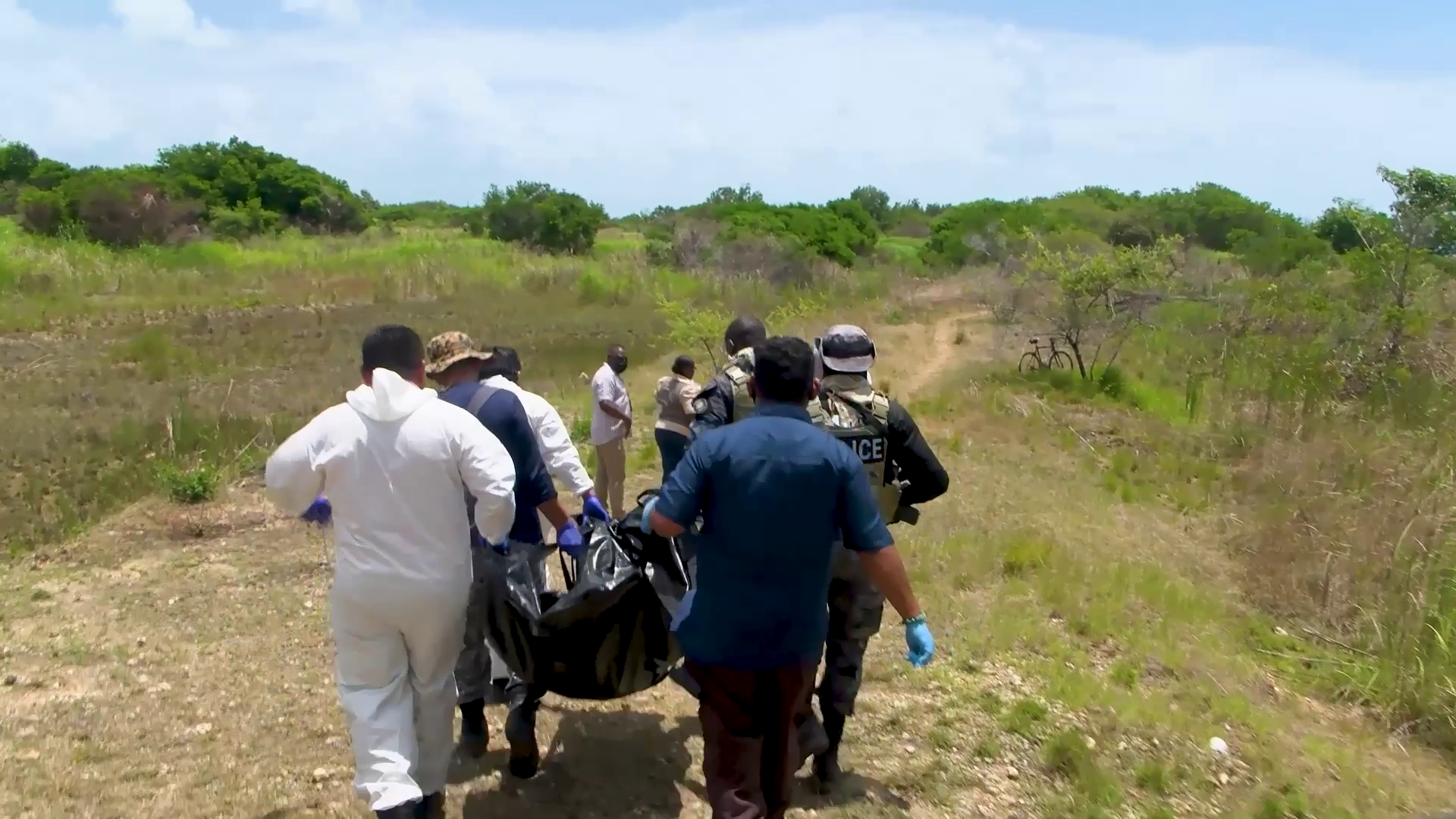
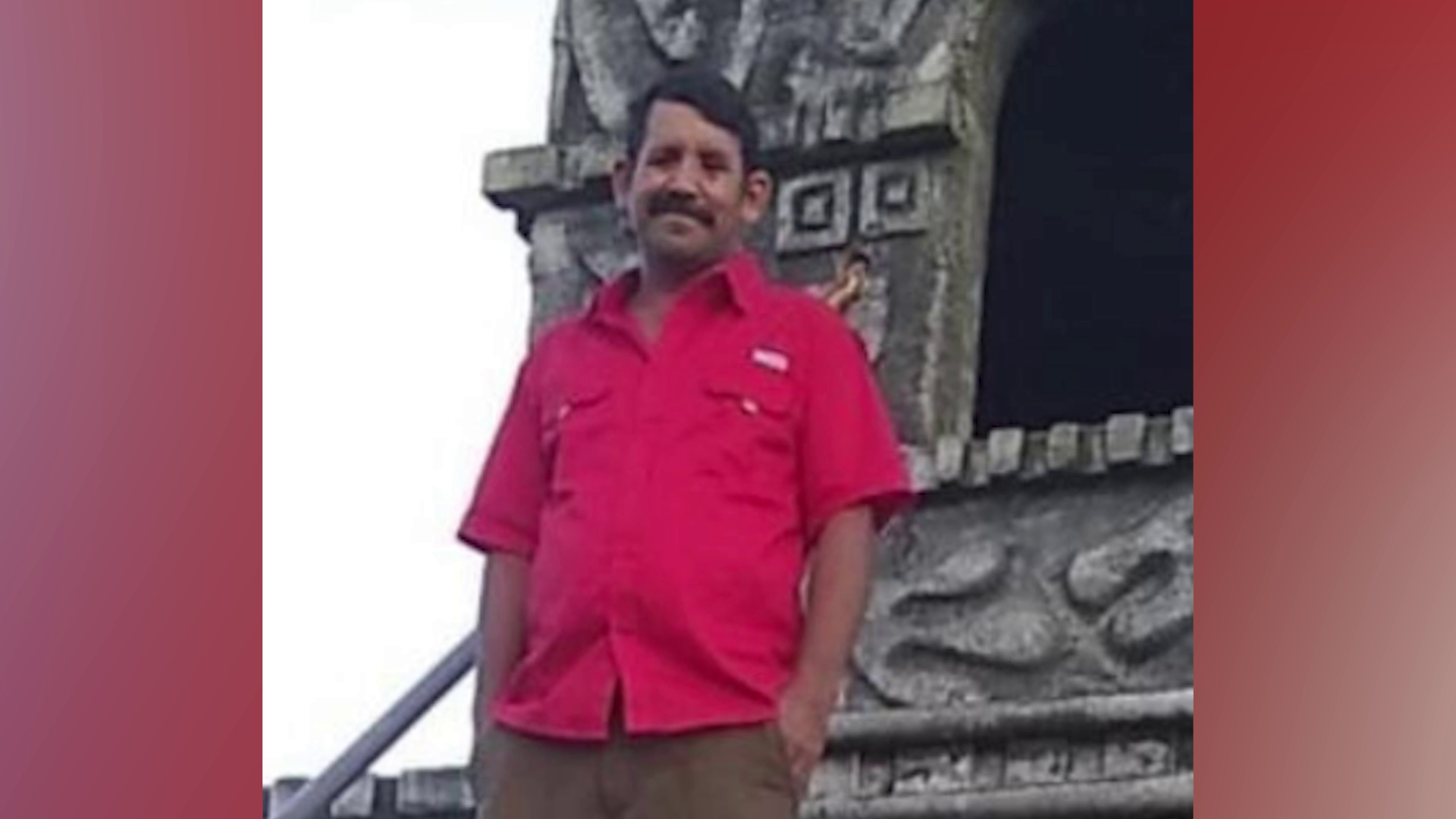
    Louis Alberto Martinez, a well-known and dependable construction worker and handyman from Santa Cruz Village, was found dead from gunshot and stab wounds just after sunrise on April 24, 2026, along a quiet stretch of the Thomas Vincent Ramos Highway near Maya King in South Stann Creek. The violent killing has upended the peace of a community unaccustomed to such tragedy.

    Martinez’s niece, Thresia Ritchie, described the devastating moment she learned of her uncle’s death. “I normally get up for work by 2 a.m., and I always keep an eye out for him, since he’s always the first one up too,” Ritchie explained in an interview with News Five. “I got the call just after six, in the middle of my work prep. The officer said, ‘Miss Ritchie, I don’t know how you’ll take this, but we think it’s your uncle here, and we need you to come identify the body.’ When I got there, it was him – we identified him by his clothes. From what we know, he left home yesterday between 4:30 and 5 to collect his pay, and we didn’t hear anything else until they found him this morning.”

    Per family accounts, Martinez had been pressing to receive the owed payment for two full days before his death. For days, the person who owed him had put him off, telling him to come back repeatedly. “He told my mom, ‘I don’t have any money on me. Can you give me five dollars? I don’t want to go out there with an empty pocket,’” Ritchie recalled. “My mom gave him the five dollars, and that was the last time she spoke to him or saw him alive.”

    Investigators confirmed that Martinez’s body was located near the 21-mile mark of the highway, with clear evidence of both stabbing and gunshot trauma. Assistant Superintendent of Police Stacy Smith, the staff officer overseeing the case, confirmed that law enforcement has launched a full investigation into the killing, focused on tracing Martinez’s movements after he left his home. “What we have gathered so far is that Mr. Martinez left his residence around 4:30 PM the day before his body was found, heading to collect outstanding payment from an employer,” Smith stated. “We are currently working to map every step of his journey after that point, to advance the ongoing investigation.”

    For residents of Santa Cruz Village, the killing is a shocking deviation from the community’s normally quiet, peaceful way of life. Village Chairman Vincent Scott, who assisted first responders with securing the crime scene Thursday morning, noted that spent bullet casings were found at the site alongside Martinez’s body. “This is a working village – everyone heads out to work in the morning and comes home in the evening,” Scott explained. “This isn’t a gang-affected area, and Louis wasn’t involved in any gang activity at all. He was just a regular, hardworking man who went out to do what he had to do. An incident like this makes all of us wonder what could have happened. We’re waiting for police to get to the bottom of it.”

    Tonight, Martinez’s family is mourning the loss of a man they described as the steady, reliable heartbeat of their household. Though they are devastated, Ritchie says the family holds out hope that law enforcement will solve the case and deliver the justice they are searching for. “I have faith in the officers working on this case,” Ritchie said. “All we want is for this to go smoothly. There’s nothing else we can do right now.”

    This report comes from Shane Williams, reporting for News Five.

  • Police Seek Identity After Another Body is Found Near Port

    Police Seek Identity After Another Body is Found Near Port

    Months marked by two brutal teen killings in the coastal zone surrounding the Port of Belize have entered another chapter of uncertainty, as law enforcement officials launched a new death investigation following the discovery of a third corpse in the same general area this week.

    The grim find was reported to authorities at 12:44 p.m. on April 24, 2026, when a local fisherman plying his trade near the shoreline stumbled across the heavily decomposed remains of an adult male, according to Assistant Superintendent Stacy Smith, a staff officer with the Belize Police Department.

    Unlike the two earlier teen homicide cases that sent waves of concern through Belize City, the latest discovery shows no outward signs of trauma or foul play at this preliminary stage of the probe, Smith confirmed. An official autopsy has been scheduled to confirm the cause of death and resolve lingering questions about how the man died.

    Investigators’ top priority right now is pinpointing the identity of the deceased, a process that they hope will be accelerated by the relatively intact clothing found on the body. The unknown man was wearing a plain black T-shirt, khaki trousers, and a pair of black-and-white Nike athletic sneakers when he was found, details police released to the public in hopes of prompting tips from anyone who recognizes the description.

    The body was recovered along the shoreline behind Port of Belize Limited, an industrial zone that has now seen three bodies recovered from its surrounding dykes and coastal areas within a single calendar month. While the location of the latest find is near the sites of the two earlier teen killings, Smith noted that the recovery locations differ slightly: the latest corpse was found on the shore, while the previous two were discovered on nearby inland areas.

    Smith emphasized that every unexplained death draws full attention from the police department, regardless of the preliminary circumstances. In the wake of the two homicides earlier this month, law enforcement has already stepped up patrols and expanded investigative operations across the high-concern zone around the port, actions that will continue as the probe into this latest death moves forward.

  • Belize is Gripped by Growing Missing Persons Crisis

    Belize is Gripped by Growing Missing Persons Crisis

    A wave of unexplained disappearances of young people has sent shockwaves across the small Central American nation of Belize, leaving grieving families desperate for answers and eroding public confidence in the country’s law enforcement response to the crisis. As of April 2026, at least six high-profile cases of missing young men – Deborah Arthurs, Jamir Cambranes, Jaheil Westby, Alwin Marin, Steve Lewis, and Lidhani Martinez – have dominated local headlines, turning a localized issue into a national conversation about public safety and institutional accountability.

    For many family members, the uncertainty surrounding their loved ones’ fates has turned into prolonged agony. Zenida Lanza, a relative of recent missing person Bree Arthurs, voiced the frustration shared by dozens of affected households, questioning whether active searches are still ongoing for her missing family member after weeks without official updates.

    In response to mounting public pressure, Richard Rosado, Commissioner of the Belize Police Department, has acknowledged the seriousness of the growing crisis. He told local reporters that senior command leadership has held multiple urgent strategy sessions to craft a coordinated approach to the rising number of missing person reports. Rosado emphasized that once a report is filed, it remains an open, active investigation indefinitely, and that law enforcement has committed significant resources to tracking all viable leads. While he confirmed that investigative teams have made incremental progress in some open cases, he stopped short of sharing concrete details that could compromise ongoing work. He added that the department is doing everything within its power to deliver closure to the waiting families.

    Despite official reassurances, the persistent pattern of disappearances has left communities across Belize on edge. Residents and activists are pushing for more transparent updates on investigations, and are calling for systemic changes to speed up police response times for missing person reports. The core questions hanging over the nation remain unanswered: what is driving this spike in missing young men, and will more disappearances occur before authorities get a handle on the crisis?

  • $13 Million in Drugs Go Up in Smoke in Massive Police Operation

    $13 Million in Drugs Go Up in Smoke in Massive Police Operation

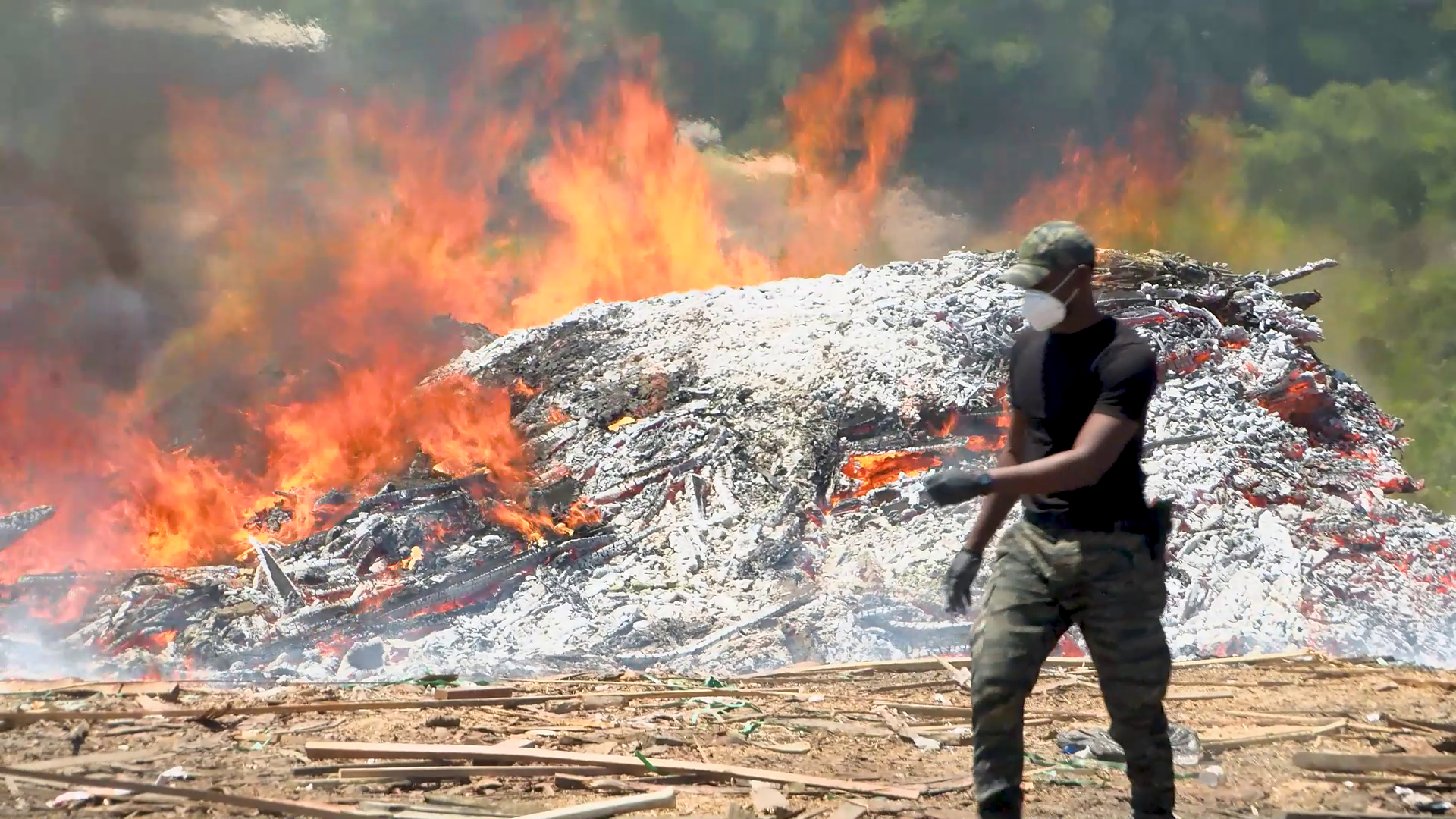
    In a high-stakes display of law enforcement action against transnational drug trafficking, Belizean police have incinerated more than 2,392 pounds of illegally trafficked cocaine and cannabis valued at an estimated $13 million, marking one of the largest controlled drug destruction operations in the country’s recent history. The destruction, carried out on April 24, 2026, followed formal court approval under the nation’s Misuse of Drugs Act regulations, clearing the way for authorities to remove the massive cache of controlled substances from illegal circulation permanently.

    The narcotics destroyed in the operation originated from two separate high-profile busts carried out earlier this year. The first and largest seizure involved 1,215.6 pounds of cocaine intercepted in Neuland, Corozal District, during a coordinated joint operation involving Belizean police, customs enforcement, and Mexican air security officials. Security teams tracked an unregistered drug plane originating from Costa Rica as it entered Belizean airspace, intercepting the aircraft immediately after it landed in Corozal and arresting two Mexican national suspects on site.

    The second cache consisted of 1,176.5 pounds of high-grade cannabis, seized during a targeted raid on an apartment in Lords Bank Village, Belize District, conducted several weeks prior to the destruction operation. Alongside the cannabis, investigators also recovered a 9mm handgun and a stock of ammunition; the entire seizure carried a street value of approximately $1.6 million. No suspects have yet been taken into custody in connection with this cannabis bust, and investigations remain active.

    Speaking on the legal process that authorized the destruction, Police Commissioner Dr. Richard Rosado confirmed that authorities submitted a formal application to the local magistrate court for permission to dispose of the controlled substances. The court approved the request after confirming that destroying the narcotics would not compromise any ongoing criminal proceedings linked to the two seizures. “Pursuant to Regulation 27.1 of the Misuse of Drug Act regulation, application was made to the magistrate for the issuance of an order for the disposal of the cocaine that was seized in Nueland Corozal and the cannabis that was seized in Lord Bank,” Rosado explained. “The Magistrate having been satisfied that the said controlled substance can be destroyed without any prejudice to any pending criminal proceedings, duly granted the order.”

    Assistant Police Commissioner Gualberto Garcia detailed the extensive security protocols put in place to safely transport the two drug caches, which were stored in separate secure locations across the country ahead of the burning. A large contingent of officers was deployed to escort the loads to the destruction site, with a heavily guarded perimeter established to prevent any unauthorized access and protect both personnel and bystanders. “The two loads were secured in two different locations, so we had to ensure that we provide adequate security for those loads to reach where we are,” Garcia noted. “We have a strong perimeter around us currently with security, so it’s not very easy for anybody to get close to us. That is one of the main objectives that we have, is the security and safety of not only our officers, but persons who are here, ensuring that the process goes smoothly.”

    While routine drug destruction operations are carried out annually to clear out seized narcotics from police evidence storage facilities, Wednesday’s operation stands out as one of the largest in recent memory in terms of both volume and street value. Rosado emphasized that the successful interception and destruction of the large drug shipment sends a clear message to transnational criminal networks: Belize will not serve as a passive transit route for drug trafficking. “It does show that the personnel, police officers are highly motivated. It also highlight that Belize is not a transit route for drug trafficking because we have the partnership, we have the intelligence, and we have the capability to intercept and track drug traffickers,” Rosado said. “So it does serve as a motivation for our personnel and I want to thank the security forces and all our police officers who were involved in both seizures.”

    With the destruction complete, authorities have shifted their focus back to ongoing investigations, the prosecution of the two suspects already in custody, and the manhunt for any individuals linked to the Lords Bank cannabis bust. When asked about potential risks of retaliation from drug trafficking organizations following the loss of the high-value shipment, Garcia noted that large-scale destruction operations are standard procedure, but investigations will continue to progress as authorities pursue all leads tied to the two busts.

  • SIP report notes stable climate of press freedom in the country

    SIP report notes stable climate of press freedom in the country

    Santo Domingo, Dominican Republic – A new mid-year assessment from the Inter-American Press Association (IAPA) has confirmed that press freedom conditions across the Dominican Republic have held steady between October 2025 and April 2026, with no documented cases of direct state censorship or coercive regulatory changes targeting independent journalism. The finding aligns with the country’s strong 2025 performance in the IAPA’s Chapultepec Index, a global benchmark for measuring press freedom respect, where the Dominican Republic earned a top score of 82.17. Researchers confirm that none of the core metrics tracked by the index have shifted significantly over the past six months. The assessment centers on the ongoing debate over a planned overhaul of the country’s decades-old Law 6132, the foundational legislation governing freedom of expression and the dissemination of thought in the Dominican Republic. The proposed reform bill is designed to expand legal protections for working journalists, but it has stalled in the National Congress amid unresolved partisan and stakeholder disagreement. The most contentious provision calls for the creation of a new National Institute of Communication, which critics argue could be weaponized as a tool for indirect censorship, derailing broader consensus on the bill that has widespread support for its other guardrails for press freedom. Authored by Miguel Franjul, director of leading Dominican outlet Listin Diario and vice president of IAPA’s Dominican Republic Press Freedom Commission, the report also acknowledges that while the overall climate for independent reporting remains stable, a handful of isolated but alarming incidents have disrupted journalistic work in recent months. In December 2025, two reporters – María Tejeda of CDN News and Natalia Estrella of Teleuniverso – were physically attacked by staff of the Santiago Water and Sewerage Corporation (Coraasan) while on assignment. The journalists were covering a public water distribution operation in a neighborhood that had been without piped service for weeks following a major pipe rupture, a story that drew public frustration over government response delays. More recently, in March 2026, a confrontation between law enforcement and reporters unfolded during an arrest operation in eastern Santo Domingo. The operation targeted a local teacher accused of assaulting a child at a nearby daycare center, and when journalists arrived to cover the incident, a uniformed National Police officer cocked a firearm and pointed it directly at the assembled press corps. Other officers deployed pepper spray to block reporters from documenting the arrest, and relatives of the accused teacher also allegedly joined in attacking the journalists. The IAPA report reaffirms that these isolated incidents do not represent a systemic rollback of press freedom gains in the country, but urges Dominican authorities to address the attacks, hold responsible parties accountable, and resolve the ongoing impasse over media law reform to cement the country’s status as one of the region’s strongest performers for free expression.

  • Towards a new doctrine for the Armed Forces of Haiti

    Towards a new doctrine for the Armed Forces of Haiti

    Against a backdrop of ongoing efforts to strengthen Haiti’s national security infrastructure and align its military institutions with democratic standards, Haiti’s Minister of Defense Mario Andrésol has launched a key initiative outlined in his 2026-2027 Action Plan: the development of a new core doctrine for the Armed Forces of Haiti (FAd’H).

    To ensure the final document draws on diverse, expert insight, Andrésol has assembled a working group of more than a dozen specialists spanning multiple relevant fields. The collaborative, consultation-driven approach is designed to pool perspectives from military practitioners, defense analysts, geopolitical scholars, strategic and security studies researchers, legal advisors, and criminologists, bringing together cross-sector expertise that goes beyond traditional military-only planning.

    The group includes a roster of high-profile, experienced professionals: former military leader General Prosper Avril, Colonel Antoine Atouriste, Lieutenant-Colonel Marie Sandry Charles Pierre, Prosper Charles of the Security Working Group, military historian Georges Michel, and Me James Boyard, a prominent Haitian security expert who also serves as Chief of Staff to Minister Andrésol, among other qualified contributors.

    Guided by clear framing requirements, the working group has been instructed to embed two critical priorities into the new doctrine. First, the document must update the FAd’H’s core mission to address the growing landscape of asymmetric and hybrid threats that challenge modern national security, expanding the traditional scope of national defense beyond conventional conflict. Second, the doctrine must strictly adhere to the normative standards expected of an armed force operating within a democratic society, including explicit commitments to human rights protections, compliance with international humanitarian law, and adherence to established principles of healthy civil-military relations.

    Minister Andrésol has expressed confidence that the interdisciplinary approach to drafting will produce a technical, rule-based document that is comprehensive, contextually relevant, and widely credible. The finished doctrine will serve as the foundational governing framework for what Haiti aims to build: a modern, professional military capable of adapting to a diverse range of national security challenges.

  • More Aviation Fuel Found Near Drug Plane Landing Site

    More Aviation Fuel Found Near Drug Plane Landing Site

    A major drug trafficking investigation in northern Belize has taken an unexpected turn after law enforcement officials uncovered a fresh cache of suspected aviation fuel close to the site where a drug-linked plane was intercepted earlier this month.

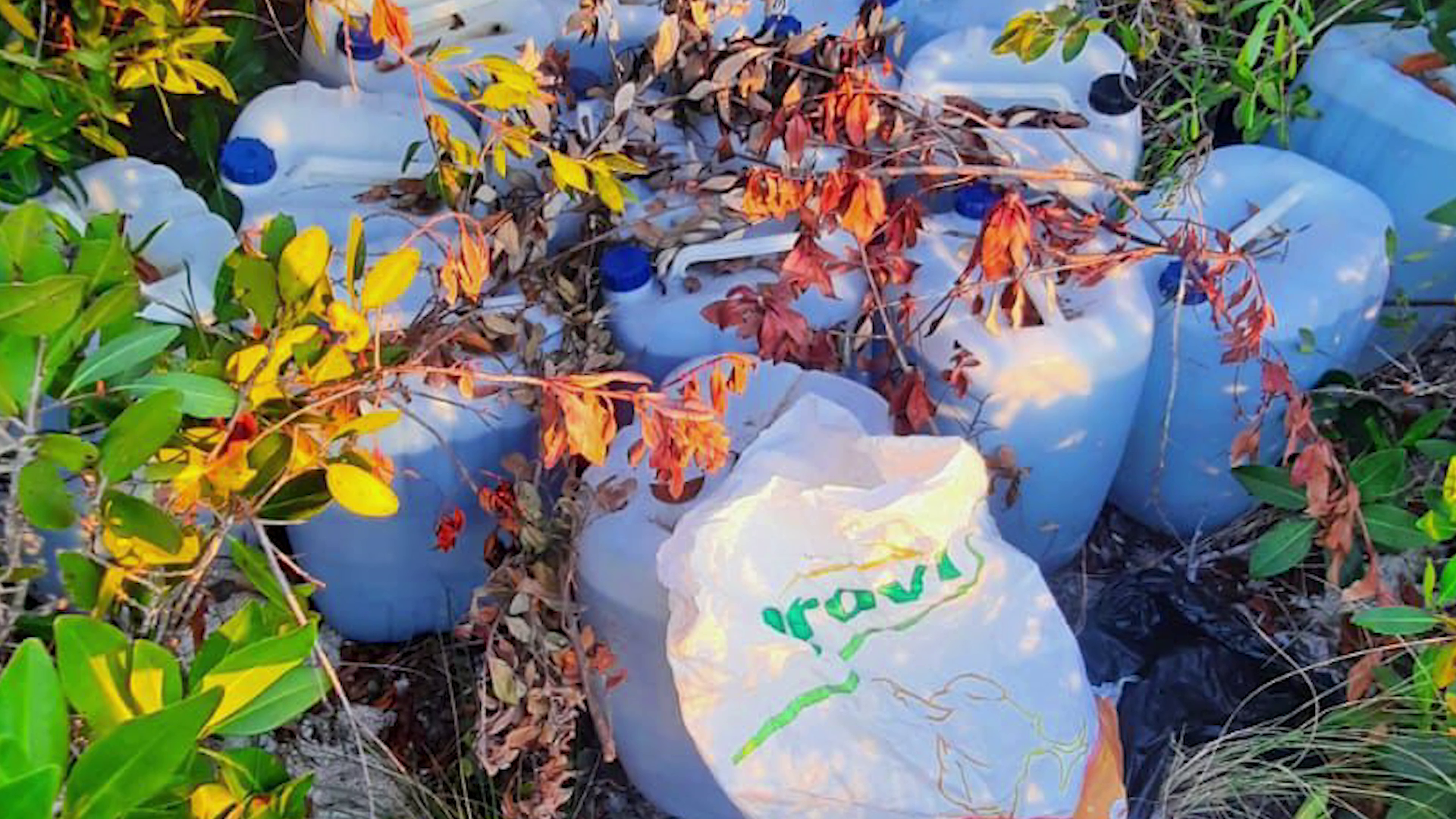
    The case first made headlines on April 10, when a joint cross-agency operation stopped a Cessna aircraft in the Neuland region of Corozal district. The raid resulted in the seizure of more than 1,200 pounds of cocaine, one of the larger drug hauls intercepted in the area in recent years, and multiple foreign nationals were taken into custody following the interception. At that time, authorities also found nine canisters of aviation fuel stored in a sport utility vehicle near the local coastline, which investigators believe was pre-positioned to refuel the plane for its onward journey.

    Now, weeks after the initial interception, the investigation has entered a new phase with the discovery of additional fuel supplies in the same general area. Senior police officials confirmed that law enforcement teams are currently working to determine whether this newly found cache is connected to the April 10 smuggling operation.

    ASP Stacy Smith, a staff officer with the Belize Police Department, told reporters that investigators are not yet able to draw a definitive link between the new fuel discovery and the intercepted smuggling plot, but the find is being thoroughly reviewed as part of the active probe. “As Commissioner Rosada stated during the first briefing after the interception, this remains an ongoing investigation that centers on active intelligence gathering and targeted surveillance,” Smith explained.

    To date, no Belizean citizens have been charged in connection with the case, but Smith emphasized that law enforcement has fully documented interactions with local individuals potentially connected to the smuggling attempt, and investigators know the identities of all persons of interest. When asked whether the new find was an overlooked portion of the original nine fuel canisters or an entirely separate cache staged for the operation, Smith declined to speculate, noting only that the proximity of the discovery to the original landing site means any potential connection must be carefully vetted.

    Authorities have indicated they expect to make additional arrests in the coming weeks as the investigation progresses, marking a significant step forward in Belize’s ongoing fight against transnational drug trafficking groups that use the country’s remote northern areas as a transit route for cocaine shipments heading North America.

  • Police Commissioner Responds to Viral Video and Domestic Violence

    Police Commissioner Responds to Viral Video and Domestic Violence

    The Belize Police Department is currently facing intense public scrutiny after two separate domestic violence allegations against serving officers emerged, prompting a formal response from the force’s top official and reigniting long-simmering debates about internal accountability for abuse within law enforcement ranks.

    The first case sparked widespread public outrage after a graphic video of the incident circulated rapidly across social media platforms. The accused officer, Constable Phillip Garbutt, saw criminal charges against him dropped, a decision that immediately drew condemnation from community members and critics of the department. In a second, unrelated case, Government Intelligence Intelligence Unit (GI3) officer Mercedes Chiac was taken into custody on felony assault charges for allegedly abusing his wife. Chiac is now scheduled to appear in court, while also facing ongoing internal disciplinary proceedings from the police department itself.

    In an on-the-record interview with local outlet News Five, Police Commissioner Richard Rosado stressed that the department treats all domestic violence allegations against its personnel with the highest level of seriousness. “When individuals in positions of trust face allegations of this sort, it not only harms the victim, but it also erodes the community trust in the police department,” Rosado explained. “Hence the reason we have always taken decisive action both criminally and internally against those individuals.”

    Beyond the two active cases, the allegations have prompted broader questions about what systemic measures the department has in place to prevent domestic abuse among officers, many of whom work under high-stress conditions that can exacerbate personal conflict. Opposition Senator Sheena Pitts recently tabled a proposal requiring mandatory regular psychological assessments for all serving officers to identify and address warning signs before incidents occur.

    Rosado pushed back on the call for new policy, noting that existing support and intervention systems are already operational for department personnel. He pointed to the Lotus Center, a government-established wellness initiative, and an on-staff counselor available to officers who show early signs of personal or behavioral distress. “I would challenge [the opposition] to provide us with some tangible, concrete solution and we will embrace it,” Rosado said, adding that the department already operates an early warning system that directs at-risk officers to support services as soon as potential issues are identified.

    One persistent procedural challenge in domestic violence prosecutions nationally is the common issue of victims withdrawing their statements, which often leaves prosecutors without sufficient evidence to move forward with a case. When asked if the department would support policy changes to limit adult victims’ ability to withdraw statements in domestic abuse cases involving officers, Rosado acknowledged the complexity of the issue.

    “In terms of adults without a complainant, it’s challenging, because we need a complainant,” he said. But he noted the department has already implemented a workaround for high-risk cases: “In some cases what we have done, we have recorded statements in the presence of a Justice of the Peace, so that it’ll be admissible in court. So we do have an avenue in how to address that.” For cases involving minor victims, Rosado added, a formal inter-agency protocol with the Ministry of Human Development and the national magistracy is already in place to guide proceedings.

    Currently, law enforcement officials are working to reinstate the dropped charges against Garbutt, while Chiac has been placed on administrative interception pending the outcome of his criminal and internal cases. Still, many members of the Belizean public remain critical of what they describe as glacial progress in holding accused officers accountable. For many observers, the core issue is not the department’s formal policies, but the slow pace of action when law enforcement’s own personnel are accused of violent abuse. This report was prepared by Zenida Lanza for News Five.