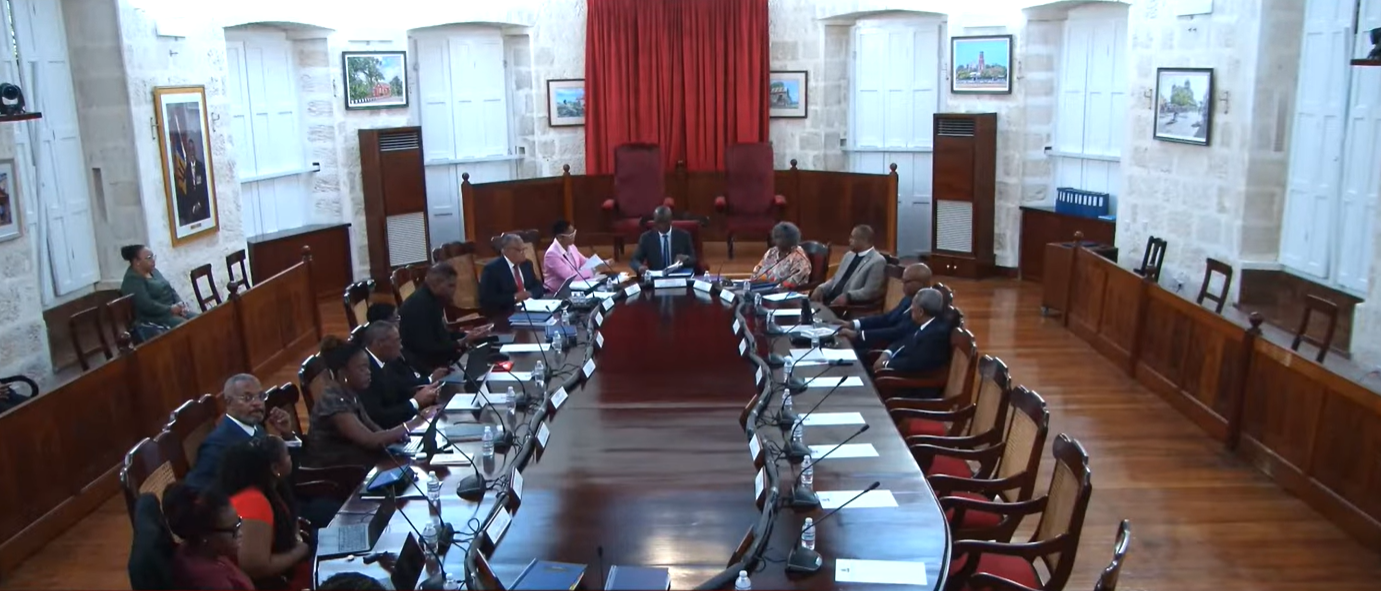
During Wednesday’s senate debate on the landmark Barbados Medical Products Bill, independent Senator Andrew Niles has publicly thrown his support behind long-overdue plans to modernize the Caribbean nation’s outdated pharmaceutical regulatory framework, while pressing the government to deliver full transparency around the overhaul’s public cost and long-term financial commitments.
The core proposal at the center of the debate is the creation of the Barbados Medical Products Authority (BMPA), an autonomous governing body designed to take full oversight of the production, safety, and distribution of all medicines, medical devices, and health products sold and used across the island. Beyond regulatory modernization, the new authority is also a key pillar of Barbados’ national strategy to grow its domestic pharmaceutical manufacturing capacity and build an export-focused industry that can diversify the country’s economy.
In his remarks on the floor, Niles was quick to praise the policy direction of the bill, calling the proposed institutional upgrade a critical and positive step forward for Barbados’ health sector. “The bill is absolutely fantastic. I can’t fault it,” he stated, emphasizing that the modernization of the country’s pharmaceutical system fills a long-standing gap in national health governance. However, he stressed that major questions remain unanswered, particularly around the full financial scope of the initiative.
Niles argued that the sweeping transformation of Barbados’ pharmaceutical sector will require substantial upfront capital investment from the public purse, and that Barbadian citizens have a right to clear, detailed documentation of the commitments their government is making. He called for the release of full financial projections, including profit and loss forecasts, balance sheets, and cash flow analyses for the entire transformation project, to allow for public and legislative scrutiny.
The senator rooted his call for transparency in ongoing, well-documented challenges facing the existing Barbados Drug Service, the public body that currently manages pharmaceutical access for the island’s population. For years, patients relying on the public health system have faced widespread drug shortages, forcing many to pay out of pocket for private alternatives or switch to less suitable substitute brands when their required medications are unavailable. Niles argued that these existing systemic strains make it even more critical to understand how the new BMPA framework will be funded and sustained long-term, to avoid repeating the shortcomings of the current system.
Beyond domestic financing, Niles also warned that Barbados must prepare for fierce global competition if it moves forward with plans to develop an export-oriented pharmaceutical manufacturing sector. Major established players in North America, Europe, India, and across Africa dominate the global pharmaceutical market, with decades of infrastructure, brand recognition, and economies of scale that new entrants cannot easily match. “As you get into manufacturing of pharmaceutical drugs or pharmaceutical products for export, you’re going to come up against the weight of all weight in this world,” he noted. He added that while the project is likely within Barbados’ capacity, open discussion of its full costs and competitive challenges is a necessary step to move the initiative forward successfully.
The debate over the Barbados Medical Products Bill comes as the island nation works to upgrade its health infrastructure and expand its economic footprint in the high-value global life sciences sector, with legislative progress on the bill marking a key milestone in that effort.