
On a warm Sunday gathering centered on celebrating maternal bonds, the Jamaica Pegasus Hotel played host to the annual Shades of Her Mother’s Day Brunch, an event that brought multiple generations of local families together to honor the women who shape their lives. Among the dozens of intimate moments captured across the venue, one particularly tender scene stood out, preserved in a photograph by photographer Garfield Robinson. In the frame, 7-year-old Aden Parchment wraps his arms tightly around both his grandmother, Ruby Smith, and his mother, Yvonne Thomas, pressing a gentle kiss to Thomas’ cheek as the three hold one another close. The brunch, designed to create space for families to connect and express gratitude, drew hundreds of attendees this year, with many participants noting that multi-generational celebrations like this have grown increasingly meaningful post-pandemic, as communities prioritize in-person time with loved ones. Organizers of the event shared that they launched the Shades of Her brunch five years ago to center Black maternal joy and create an accessible, welcoming space for families across Jamaica to mark the holiday together, a mission that has resonated deeply with local communities year after year.
博客
-
Gas price pledge
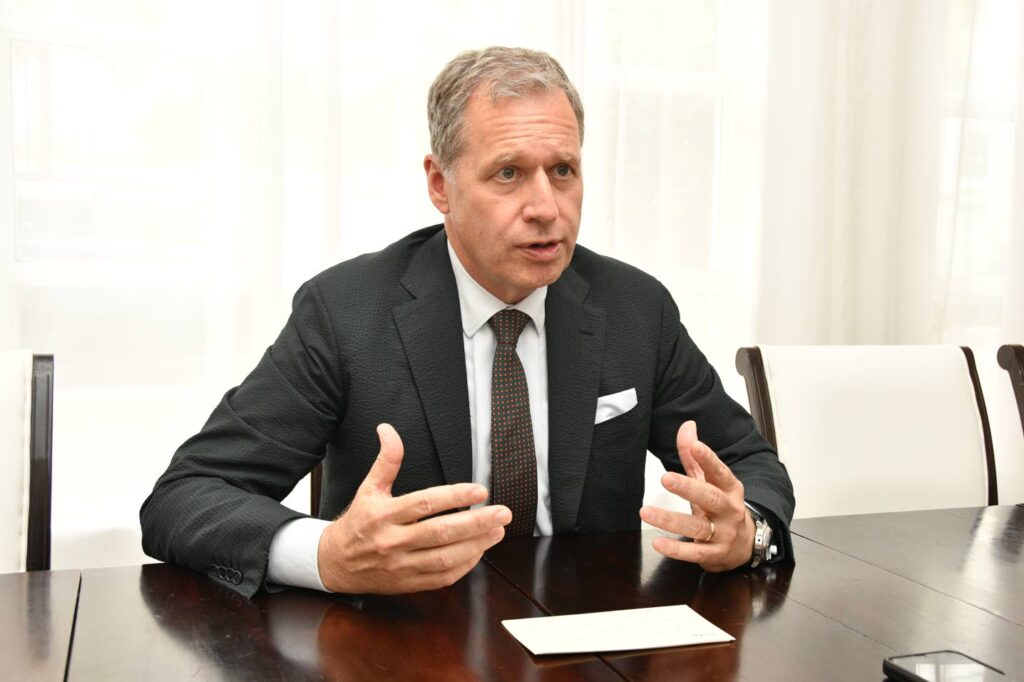
The ongoing Middle East conflict has sent shockwaves through global energy markets, pushing oil prices to levels not seen since the 2022 Russian invasion of Ukraine and triggering widespread forecasts of broad commodity price increases in the coming years. But for Jamaica, one critical energy import will remain insulated from this market turbulence, according to the island nation’s top liquefied natural gas (LNG) supplier.
The World Bank projects that 2024 global oil prices will reach their highest mark in nearly three years, with broader commodity markets set to see a 16% overall price surge by 2026 driven by climbing energy, fertilizer and key metal costs. Jamaica has already felt the strain of recent market shifts: retail gasoline prices on the island have jumped 20% since the Middle East conflict began, leaving consumers and industry stakeholders anxious about potential spillover into natural gas pricing.
In an exclusive interview with the Jamaica Observer, Steven Kobos, president and chief executive officer of Excelerate Energy, moved to ease those concerns, confirming that existing long-term contracts lock in stable LNG pricing for Jamaican customers that will not shift amid global volatility. Unlike LNG buyers that purchase supply on the volatile spot market, which has seen sharp price increases amid reduced export volumes from Persian Gulf producers, Jamaica’s contracted supply is legally protected from these market swings.
Kobos emphasized that his firm has no plans to divert contracted LNG shipments to higher-paying markets, a fear some industry observers have raised as European benchmark natural gas prices (the Title Transfer Facility index) skyrocket in response to the conflict. “Our business model is built on flawless operations, maximum reliability and keeping the commitments we make,” Kobos explained. “We have fixed contracted prices for our Jamaican customers, and that is exactly what we are delivering. Jamaican consumers are not paying a higher premium for LNG because of the war, and that will not change.”
Beyond confirming stable pricing, Kobos framed the current global energy crisis as a proof point for the value of contracted LNG as an affordable, secure energy source. He also pushed back against speculation that Excelerate would prioritize more profitable markets over its existing commitments to Jamaica, noting that the company’s decades-long track record across multiple countries demonstrates its commitment to honoring contractual obligations. “Some people joke that boring reliability is the new sexy, and that’s who we are,” Kobos said. “I’ve told the Jamaican government that we are a reliable partner, and any of the governments we’ve worked with for years will confirm that track record.”
This commitment to local partnership was already put to the test in October 2023, when Hurricane Melissa hit Jamaica. Within days, Excelerate mobilized its regional assets to deliver more than $1.3 million in emergency relief funding and supplies to the island, loading materials onto the company’s vessel *Excelerate Shenandoah* in Panama and sailing directly to Kingston. Though the firm is U.S.-headquartered and operates globally, Kobos said Excelerate views itself as a rooted member of the Jamaican business community, bound by a responsibility to support local stakeholders during crises.
“We believe companies are judged by their actions, not their words,” Kobos said. “When the markets you operate in face extraordinary challenges, that’s when you prove your commitment. We were fortunate to have regional assets in place to respond quickly, and we were proud to stand with Jamaica when it needed support.”
-
Peace plea
One of the Caribbean’s most seasoned elder statesmen has publicly urged both Guyana and Venezuela to respect the International Court of Justice’s upcoming verdict on their long-running territorial dispute over the resource-rich Essequibo region, a decades-long standoff that has twice escalated to the brink of armed conflict in recent years.
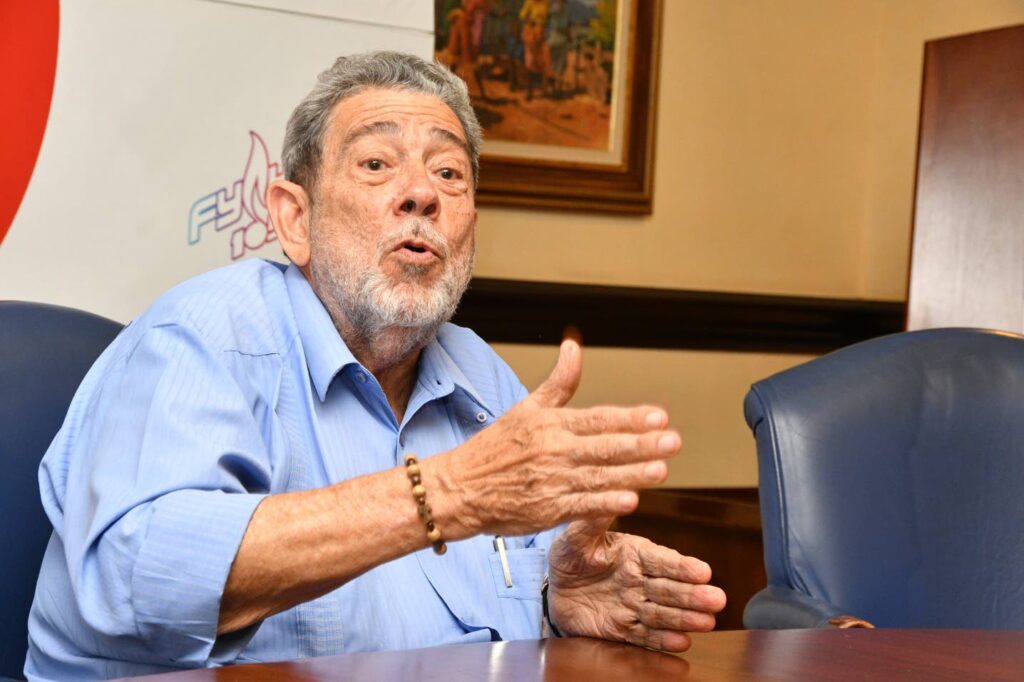
Dr. Ralph Gonsalves, the former prime minister of St. Vincent and the Grenadines who already stepped in to de-escalate tensions between the two South American nations in 2023, shared his position during a public appearance at the Jamaica Observer Press Club’s sitting last week. It was Gonsalves who brokered a landmark face-to-face meeting between then-Venezuelan President Nicolas Maduro and Guyanese President Irfaan Ali in December 2023, when tensions over the disputed border territory spiked sharply after a series of provocative moves from Caracas.
“I am hopeful that whatever the result of the ICJ, that both sides will abide by the determination of the ICJ. But even after there is a determination by the ICJ I would expect that there would be discussions between Venezuela and Guyana for matters which arise out of the decision,” Gonsalves told the outlet’s editors and reporters. He added that regardless of the court’s final ruling, open dialogue will remain critical to preventing further unrest: “I don’t know what all the dimensions of the ruling of the ICJ would be but I can envisage that if there is any matter which is left undecided, that it may well still call for conversations.” Gonsalves also noted that the Caribbean Community (Caricom) broadly shares the goal of a peaceful, rule-based resolution, and confirmed he stands ready to resume his role as a neutral intermediary between the two governments if called upon. “What I want to see is peace between two important neighbours, and what I want to see is that justice is determined in accordance with the principles of international law adjudicated,” he said.
Last Monday marked the official start of a week of public hearings at the ICJ, the United Nations’ highest judicial body, over the decades-long territorial row. In his opening address to the court’s panel of judges, Guyana’s Foreign Minister Hugh Hilton Todd framed the case as an existential issue for the small Caribbean nation, noting that more than 70% of Guyana’s current sovereign territory is at stake in the dispute. “For the Guyanese people, it is tragic even to think about having our country dismembered by stripping from us a vast majority of our land, together with its people, its history, its traditions and customs, its resources and precious ecology,” Todd told the court.
Venezuela’s lead representative to the hearings, Samuel Reinaldo Moncada Acosta, rejected Guyana’s framing outright during his address Wednesday. “The characterisation by Guyana of an alleged threat to its territorial integrity or to its sovereign territory constitutes a flagrant misinterpretation, a deliberately misleading presentation of both facts and law,” Acosta told the court. He reaffirmed Caracas’ long-held position that Venezuela’s historical claims to the Essequibo region “are inalienable,” and stressed that the South American nation remains committed to defending its claims through peaceful means. Acosta also reiterated Venezuela’s longstanding refusal to recognize the ICJ’s jurisdiction over the case, a position Caracas has held since proceedings began.
The origins of the dispute stretch back to the 1890s, when a border was drawn between the two territories under British colonial rule, when Guyana was still a British dependency. Currently, Guyana administers the 62,000-square-mile Essequibo region, which makes up more than two-thirds of Guyana’s total territory and is home to roughly 125,000 of the country’s 800,000 residents. But Venezuela has claimed the entire region, which stretches along the western bank of the Essequibo River, since the early 20th century. Caracas argues the 1899 border agreement is invalid, and maintains the true border should follow the Essequibo River further east, aligned with the territorial boundaries that existed under Spanish colonial rule in 1777, as outlined in a 1966 agreement signed shortly before Guyana gained full independence. The dispute intensified dramatically a decade ago, when energy giant ExxonMobil discovered massive offshore oil deposits in the region, catapulting Guyana to hold the largest crude oil reserves per capita in the world.
Tensions spiked again in 2023, when Maduro made a series of public and political moves to assert Venezuelan claims over the region, leading Gonsalves to broker the emergency Argyle International Airport summit in St. Vincent between Maduro and Ali. The two leaders signed the historic Argyle Declaration following the summit, in which they formally committed to avoiding any direct or indirect use of military force in the dispute. The truce held into 2024, but tensions flared again earlier this year when Venezuela’s National Assembly approved legislation to formally designate Essequibo as Venezuela’s 24th federal state, a move that was immediately rejected as illegal and invalid by Guyana and the wider international community. Caracas followed that move by announcing it would include the new “state” in upcoming gubernatorial elections scheduled for May 25, 2025, prompting Georgetown to formally request immediate intervention from the ICJ to block the move. While the ICJ’s rulings are legally binding on all parties to the dispute, the court holds no independent enforcement power to compel compliance from member states.
-

UWI initiative links science and entrepreneurship
A groundbreaking new educational initiative at The University of the West Indies (UWI) Cave Hill Campus is working to break down long-standing barriers between academic science training and the world of business entrepreneurship, equipping emerging young scientists with the hands-on skills required to transform their original research concepts into sustainable, market-ready commercial ventures. The program reached a major milestone this past Saturday with the staging of SciMix: From Idea to Innovation, a dynamic campus networking event that united emerging student innovators with seasoned industry professionals. The gathering was organized around the central theme: “Exploring the Intersections within Science in Barbados and the Ways Forward for Further National Development”.
This landmark event served as the final capstone project for FSAT2002: Science Meets Business, a trailblazing pilot course developed through a formal partnership between UWI Cave Hill’s Faculty of Science and Technology and local non-profit initiative Future BARBADOS. Over the 12-week semester, the program brought together a diverse cohort of 15 science students from across multiple academic disciplines, challenging them to build business-focused frameworks for scientific research and innovation.
In an interview on the sidelines of Saturday’s networking event, Dr. Jeanese Badenock, Dean of the Faculty of Science and Technology, outlined the core mission behind the new course: to intentionally align the training of science students with the growing opportunities in entrepreneurship. She explained that Future BARBADOS collaborated with the university throughout the full 12-week program, delivering specialized skills workshops and pairing students with experienced industry mentors.
According to Badenock, the curriculum immersed students in every critical pillar of early business development. Topics covered included financial planning for startups, navigating venture capital funding, crafting compelling investor pitches, and drafting formal, bankable business plans. Beyond local industry engagement, the program also leveraged global connections, bringing in members of the Caribbean diaspora to share virtual expertise on developing and commercializing science-based products and services for regional and international markets.
As part of their graded assessment, students worked in cross-functional teams, mirroring the structure of a real-world startup. Each team member took ownership of core business functions including finance, marketing, and sponsorship acquisition, with the entire cohort collaborating to organize and execute Saturday’s public SciMix event as their final cumulative project.
Beyond building entrepreneurial acumen, Badenock emphasized that the course placed significant focus on cultivating high-value transferable soft skills that will serve students across any career path. “What they got out of the course was really honing in on those soft skills in terms of communication. It was working as part of a team, understanding the different dynamics that are necessary in order to execute successfully an event,” she explained.
Students also gained practical, on-the-ground experience in high-demand professional areas including sponsorship negotiation, guest stakeholder engagement, and large-scale event coordination. Badenock noted that these foundational skills will prepare participants to thrive in a wide range of professional environments, whether they go on to launch their own science-based ventures, pursue careers in academic research, or take on roles in unrelated industries.
-
Moederdag in het water: De prijs van jarenlang verval en politieke laksheid
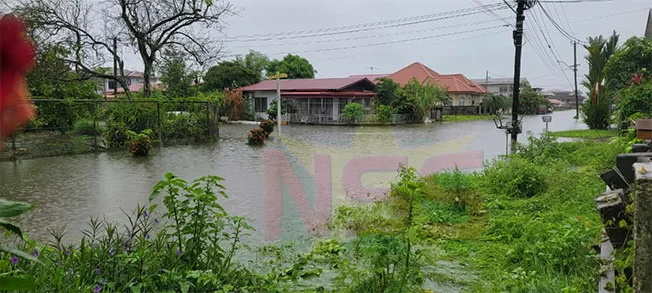
On May 10, widespread flooding paralyzed large swathes of Suriname, as weeks of continuous monsoon rainfall turned urban streets into rushing rivers, submerged residential yards, and destroyed entire agricultural harvests. What makes this disaster particularly devastating for local communities is that it was entirely avoidable: the annual rainy season arrives on schedule every year, yet systemic neglect of critical water management infrastructure has turned a routine seasonal event into a humanitarian and economic crisis.
Residential neighborhoods across the country are grappling with waist-deep floodwaters that have seeped into homes, trapping many residents indoors and forcing them to salvage belongings amid rising tides. In the northern district of Suriname, resident Esselien described the crisis as the worst she has ever experienced, as floodwaters poured through the doors of her property. Another local, Kiran, had prepared special Mother’s Day treats to deliver to her mother, but was forced to abandon the plan after her street became a stagnant, lake-like floodplain.
The damage extends far beyond residential disruption, hitting small business owners and agricultural producers the hardest. Farmers across rural Suriname have watched months of cultivation work disappear underwater, with entire vegetable crops rotting in the fields before they could be harvested. Many farmers point to longstanding failures in regional water management: one grower lamented that sluice gates are often not opened during low tide to allow floodwater to drain out to sea. Others note that regional drainage ditches have been left unmaintained for decades, becoming choked with overgrown weeds, illegal waste dumping, and debris that blocks water flow entirely. Even as floodwaters rise, these long-unaddressed infrastructure gaps prevent any effective drainage of inundated land.
Small businesses that rely on the annual Mother’s Day shopping rush have also been ruined by the disaster. Vendors across the country had already set up temporary street stalls to sell flowers, baked goods, holiday treats, and gifts for the occasion, investing thousands of dollars in inventory ahead of the busy sales weekend. But with streets submerged and residents focused on protecting their homes from flooding, no customers have arrived. Perishable goods including fresh flowers and baked goods are already spoiling, leaving vendors facing crippling losses with no path to compensation.
Local residents and analysts alike blame the crisis on decades of administrative indifference and broken political promises. Every election cycle, candidates vow to renovate outdated drainage infrastructure and clear clogged waterways, but once votes are counted, the sense of urgency evaporates. This year, the disaster comes just days after Suriname marked 160 years of representative democracy, a bitter irony for flood victims who note that parliamentarians, most of whom live on high, flood-free ground, have shown little empathy for their struggle.
Beyond government inaction, the crisis is also exacerbated by growing public carelessness toward the living environment: illegal dumping of plastic, household waste, and large debris across the country has slowly turned drainage ditches into informal landfills, leaving nowhere for excess rainwater to go. Suriname has fallen into a dangerous pattern of only responding to flooding after neighborhoods are already submerged, relying on last-minute emergency fixes instead of proactive, long-term infrastructure maintenance.
But floodwaters do not wait for committee meetings, official memos, or public tender processes. When critical maintenance is delayed for decades, the public always ends up paying the price. Today, that cost is being borne by farmers who have lost their livelihoods, small business owners who have lost their holiday income, and working families who have lost their homes and belongings to floodwaters. As rain continues to fall, a shared anger has grown across affected communities: this is not a natural disaster. It is the entirely predictable result of years of institutional neglect, and no one has stepped forward to compensate victims for their losses.
-

Ministry of Health, Wellness and Social Services issues public guidance on Hantavirus prevention
The input provided for news rewriting and analysis only contains social media sharing links, an image URL, and a PDF download prompt with a stated file size of 202KB. No actual core news text, event details, background context or relevant factual information about the reported story is included in the user’s submission. Without the full substantive content of the original news piece, it is not possible to conduct a structured rewriting, in-depth analysis of core points, or accurate classification of the story. Receiving incomplete input prevents the completion of the requested news processing task as specified.
-

Tems declares Saint Lucia as ‘most beautiful place’ at Jazz Festival
One of the biggest highlights of the ongoing Saint Lucia Jazz & Arts Festival came on Saturday night, when Grammy-winning Nigerian Afrobeats star Tems delivered a career-defining performance at the Pigeon Island-hosted World Beats stage — and left the crowd with more than just memorable music. Making her first-ever appearance on the Caribbean island, the singer opened her set with an unscripted, heartfelt outpouring of affection for Saint Lucia that quickly won over every person in attendance.
“I’m actually loving this place so much, this might be the most beautiful spot I’ve ever visited in my life,” Tems told the roaring crowd, before joking, “Can you adopt me? Can I become one of you? You already feel like my people.” The warm, spontaneous remarks earned deafening cheers from the audience, setting a joyful tone for the rest of her headlining set.
Tems went on to deliver a dynamic, crowd-pleasing performance packed with her most beloved hits, including fan favorites *Me & U* and *Big Daddy*, that many attendees marked as the standout act of Saturday’s programming.
World Beats, the flagship Saturday event of this year’s festival, curated a dynamic lineup that blended global superstar talent and exciting regional acts from across the Caribbean. Alongside Tems, the night featured sets from rising performers LuCity, Les Aiglons De Guadeloupe, Princess’ Lover, and X-Man, plus another Grammy-winning headliner: British R&B star Ella Mai. Mai also drew a massive, engaged crowd, with fans singing every word back to her during performances of her chart-topping hits *Boo’d Up*, *Trip*, and *Naked*.
The high energy of the weekend kicked off one night earlier, when the Caribbean Fusion showcase brought its own electrifying energy to the festival grounds. Jamaican reggae star Skip Marley, Trinidadian soca group Kes the Band, dancehall artist Dexta Daps, and local Saint Lucian collective Melange all delivered high-octane sets that drew thousands of attendees to the stage.
For festival-goers, the excitement is far from over. Sunday night will bring the event’s closing showcase, The Ultimate Celebration, which features one of the most anticipated lineups of the entire weekend. Headlined by iconic R&B stars Brandy and Monica, the closing night will also include performances from legendary British-Trinidadian singer Billy Ocean, British soul songstress Beverley Knight, local favorite Mervin Wilkinson & Friends, and rising artist Kyle Ernest, wrapping up what has already been an unforgettable weekend of world-class music in one of the Caribbean’s most stunning settings.
-

EDITORIAL: A comprehensive cancer strategy desperately needed
For the small Caribbean island of Barbados, home to fewer than 280,000 people, what public health experts are now calling a cancer crisis is no overstatement – it is a growing, silent epidemic that has touched nearly every family across the nation. In recent years, most households have lost multiple family members to the disease, yet policymakers have yet to treat the rising mortality and incidence rates with the urgency this public health emergency demands. Even today, no comprehensive national strategy exists to investigate the root causes of sky-high cancer rates or map out a clear path to reverse the troubling trend.
The most rigorous recent analysis of Barbados’ cancer patterns comes from a 2026 World Cancer Day report produced by the University of the West Indies (UWI), in partnership with the Barbados National Registry and the Ministry of Health. The study confirmed that the four most prevalent cancers on the island remain prostate, breast, colorectal, and corpus uteri cancers, with mortality rates climbing sharply over a decade: from 577 cancer-related deaths in 2013 to 820 in 2022.
That steep rise translates to an alarming incidence rate that outpaces the global average, with roughly 1,000 new diagnoses recorded on the island each year. One of the most dangerous gaps in Barbados’ cancer response is the persistent pattern of late detection: researchers confirmed that in 2022, a large share of patients received their first diagnosis only after the cancer had metastasized, or spread, to other parts of the body. At that late stage, treatment options are severely limited, and survival rates drop dramatically. Even more worrying is the accelerating trend of diagnoses among younger people, shattering the long-held myth that cancer is exclusively an older adult’s disease, and leaving more people in their prime working and family years navigating a devastating diagnosis.
Access to life-saving treatment has also been hampered by systemic delays. Last year, local outlet Barbados TODAY exposed that prostate cancer patients were forced to travel abroad for urgently needed radiotherapy, incurring crippling personal costs, because the island’s long-awaited linear accelerator – critical radiation treatment equipment – remained non-operational. While government officials have since framed the completion of the accelerator’s installation as a major step forward for local cancer care, the years-long delay in bringing it online has already contributed to avoidable suffering for hundreds of patients.
Beyond treatment access gaps, public health experts and advocates stress that the island lacks coordinated national investment in prevention, routine screening, and etiological research. The Barbados Cancer Society has already warned that colorectal cancer is on track to overtake other forms to become the most common cancer on the island. Professor R. David Rosin, a leading researcher on the topic, has highlighted poor dietary habits as a key modifiable risk factor, while emphasizing that the single most impactful intervention would be expanded early detection programs.
Critical questions about the drivers of the crisis remain unanswered. Are environmental toxins contributing to elevated risk? Do widespread lifestyle habits exacerbate population-level vulnerability? Is public education about cancer risk and screening sufficient? Do policymakers allocate enough funding to research into the causes of the island’s unusually high rates?
Barbados already proved during the COVID-19 pandemic that it can rapidly mobilize national resources and coordinate a unified response when facing a public health emergency. Advocates and researchers argue cancer deserves that same level of urgent, coordinated action. A robust national cancer strategy would expand accessible screening programs, launch targeted public education campaigns, widen access to affordable diagnostic testing, cut wait times for life-saving treatment, and increase sustained investment into local research.
The island already has a legacy of world-leading cancer research that demonstrates its inherent intellectual capacity to tackle this crisis. The late Dr. Juliet Daniel, an acclaimed Barbadian scientist, made pioneering breakthroughs in research on Triple Negative Breast Cancer, a particularly aggressive form of the disease that disproportionately impacts Black women. Her discovery of the Kaiso gene was hailed globally as a major leap forward in understanding the condition. Her legacy proves that Barbados can contribute meaningfully to the global fight against cancer – but local scientific talent needs sustained investment, institutional support, and national commitment to deliver impact.
Right now, what Barbados needs most is decisive national leadership and a coordinated, actionable plan to address the crisis before rates climb even higher and more families are devastated by preventable illness and death.
-
Suriname en Indonesië breiden samenwerking uit met training in voedselverwerking
In a diplomatic move aimed at deepening bilateral agricultural cooperation, the governments of Suriname and Indonesia formalized a new partnership agreement on Friday, establishing a targeted training initiative focused on food processing and agro-industry development. The accord marks a tangible step forward in advancing shared goals of sustainable agricultural growth and economic diversification for both nations, with a specific focus on building local capacity in the Caribbean region.
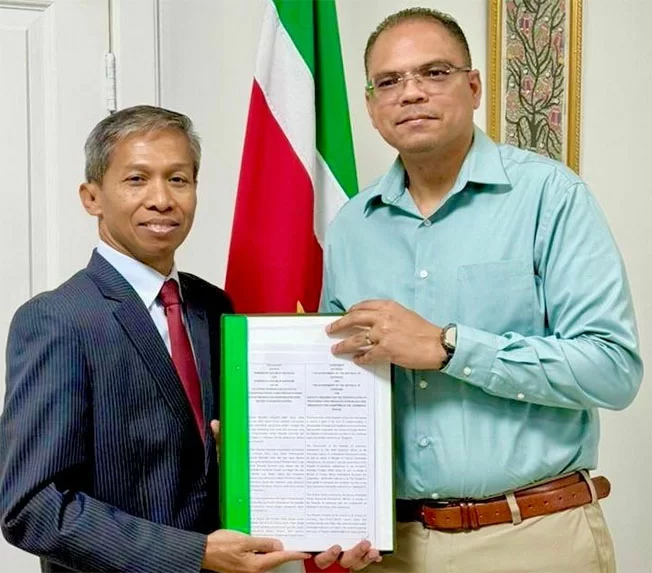
The signing ceremony brought together senior representatives from both sides. On behalf of Suriname’s Ministry of Foreign Affairs, International Trade and Cooperation (BIS), acting director of Foreign Affairs Luziano Truideman put pen to paper on the agreement. Indonesian ambassador to Suriname Agus Priono signed for the Indonesian side, completing the formalization of the partnership. A commemorative photo of the two officials following the signing was captured by BIS photographers.
Organized by Indonesia’s official development agency Indonesian AID/LDKPI, the training program is tailored to build expertise in the processing and product diversification of mango and breadfruit, two staple tropical agricultural crops relevant across Caribbean nations. The two-week intensive program is scheduled to run from May 31 to June 14, 2026, hosted at the Politeknik ATI Padang based in West Sumatra, Indonesia. Suriname will send two delegates to participate in the full program, gaining hands-on skills and technical knowledge to bring back to their domestic agricultural sector.
According to a statement from Suriname’s BIS, the new agreement represents a meaningful deepening of longstanding bilateral cooperation between Suriname and Indonesia across three core priority areas: agricultural development, food processing, and institutional capacity building.
For Suriname specifically, the partnership opens a valuable new opportunity to acquire advanced technical knowledge and industry expertise in agro-processing and value addition for locally produced agricultural goods. Suriname’s domestic policy priorities place strong emphasis on expanding sustainable food production and broadening the country’s economic base beyond traditional sectors, and participating officials noted that this training initiative aligns perfectly with those national development goals.
Beyond structured classroom and practical training sessions, the program will also include an official working visit to Indonesia’s capital Jakarta. During the visit, participating delegates will gain on-the-ground practical experience, and engage in direct knowledge exchange with leading Indonesian research institutions and industry experts specializing in food processing and agro-industrial development.
-
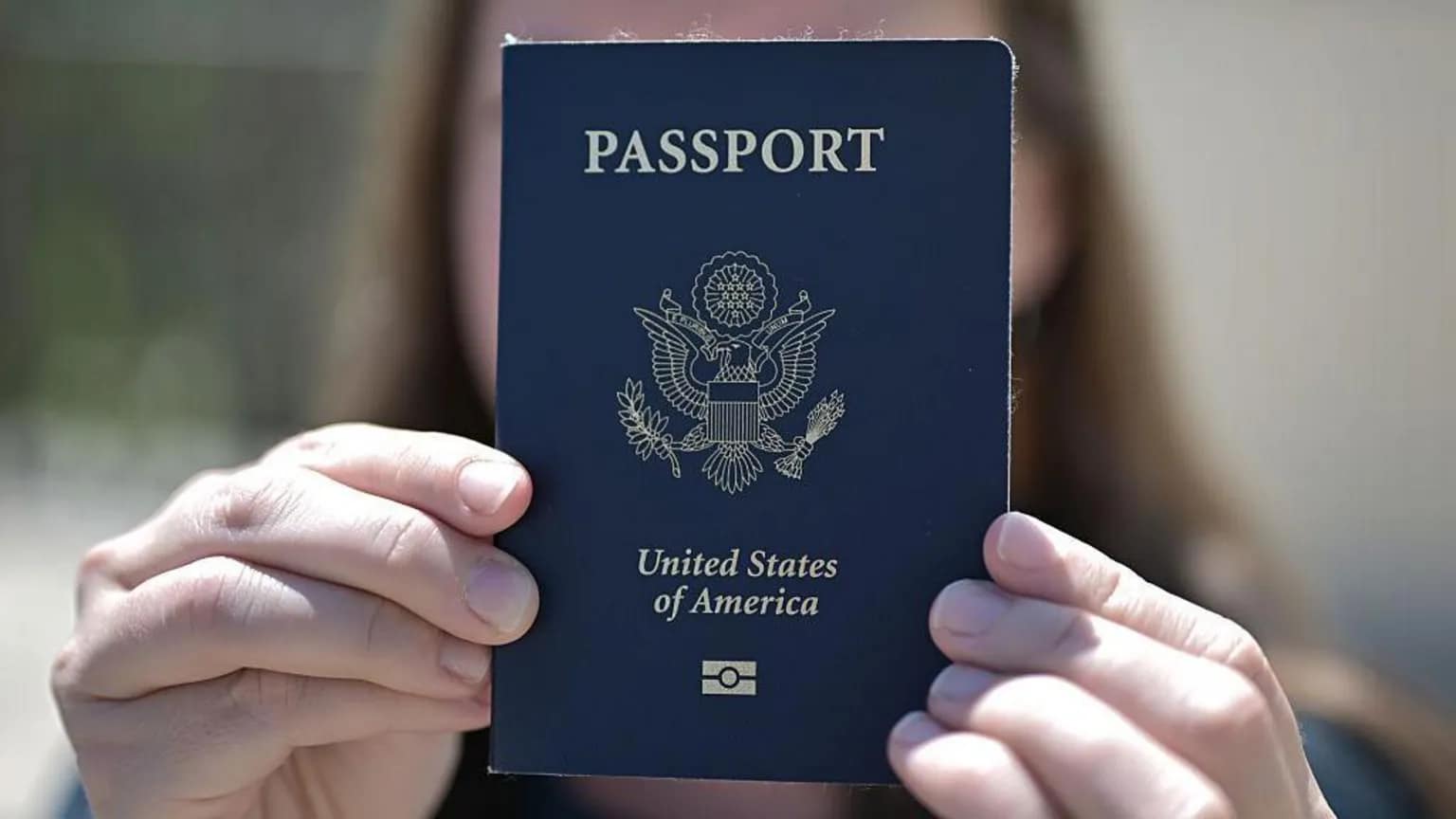
US to revoke passports of parents with child support debt
A new policy from the U.S. State Department is set to introduce stricter enforcement of long-standing child support laws, with officials announcing they will begin revoking passports from American citizens who owe substantial delinquent child support payments.
Under the updated rules, any parent carrying unpaid child support debt exceeding $2,500 (approximately €1,844) could face the penalty, though enforcement will prioritize individuals who owe particularly large outstanding amounts. In announcing the change, State Department officials framed the policy as a common-sense measure designed to uphold American family well-being and ensure compliance with existing federal mandates. The action, they said, holds parents accountable for both the legal and moral responsibilities they owe to their children.
The policy itself is rooted in a 1996 federal law that has long permitted passport sanctions for delinquent child support, but the provision has rarely been fully enforced. Prior to this update, passport restrictions were only applied when individuals with unpaid debt attempted to renew their existing travel documents. That limited approach left many parents with significant delinquent debt able to retain and use their valid passports without consequence.
Under the revamped framework, the State Department will collaborate closely with the U.S. Department of Health and Human Services to proactively identify individuals who meet the debt threshold, then move to revoke their current passports. Once revoked, a passport becomes invalid for all international travel, and affected individuals will not qualify to receive a new replacement document until their full child support debt is settled. Officials have urged all parents with outstanding balances to immediately coordinate payment plans with relevant state agencies to avoid triggering the penalty.
While the State Department did not officially confirm a start date for the new enforcement regime, reporting from the Associated Press indicates the policy will go into effect starting Friday. The BBC has reached out to the State Department for further comment and confirmation of the timeline. For individuals who are already traveling outside the United States when their passport is revoked, the AP reports that they will need to visit the nearest U.S. embassy or consulate to obtain a limited emergency travel document that will allow them to return to the country.
In its official statement, the State Department emphasized that the new enforcement aligns with the core goal of protecting children’s welfare. “This action supports the welfare of American children by exacting real consequences for child support delinquency under existing federal law,” the statement read.