博客

  • ABYETS Equips Young Entrepreneurs for Success at Upcoming Barbuda Trade Show

    ABYETS Equips Young Entrepreneurs for Success at Upcoming Barbuda Trade Show

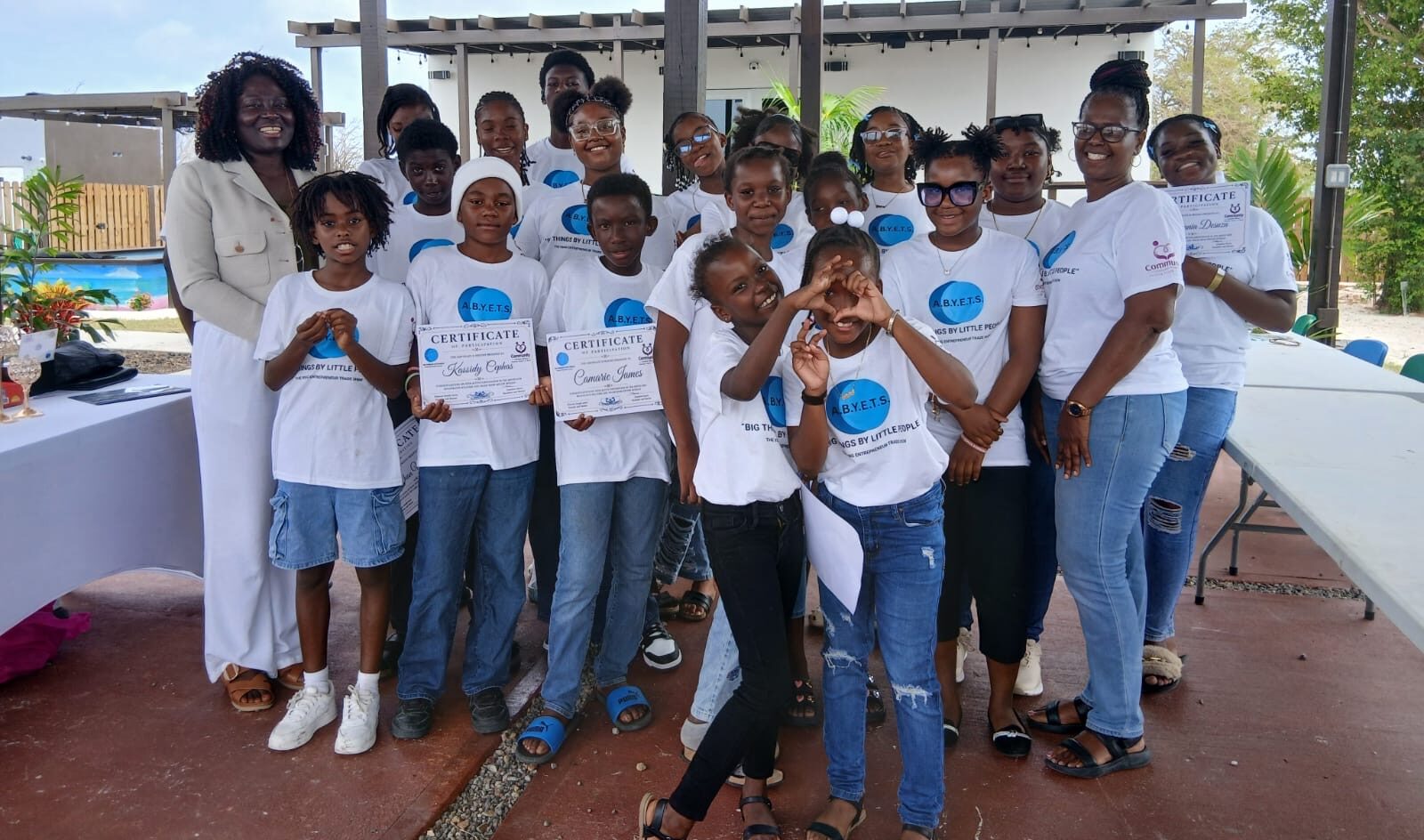
    Barbuda’s River Run recently played host to a transformative strategic retreat organized by the Antigua and Barbuda Young Entrepreneurs Trade Show (ABYETS), designed to equip emerging and established young business leaders with critical skills ahead of the nation’s leading youth-focused business exhibition. Centered around the core theme “Restore, Connect, Empower,” the three-day immersive program brought together 29 participants drawn from both existing young entrepreneur networks and first-time registrants for the 2026 event.

    The retreat was intentionally structured to address key gaps in youth entrepreneurial development, with a curriculum tailored to turn abstract business ideas into tangible, executable strategies. The program kicked off with an interactive vision board workshop, a hands-on activity that guided participants to map out long-term professional goals, refine their brand messaging, and solidify their unique market positioning. Following the workshop, attendees took part in a fast-paced “speed-dating” pitch exercise, a dynamic format that forced participants to distill their business value propositions into tight, engaging presentations delivered to their fellow entrepreneurs.

    This peer-to-peer pitching session created a low-pressure environment for iterative feedback, allowing participants to refine their messaging and communication skills long before they face audiences and potential customers at the main trade show. Scheduled for July 4, 2026, the exhibition will be held at the Holy Trinity School grounds in Barbuda, where participants will showcase their one-of-a-kind products and services to local and regional attendees.

    In opening remarks to the cohort, ABYETS’ founder highlighted the critical roles of adaptability and clear vision for young entrepreneurs navigating today’s volatile global marketplace. “Think big,” the founder urged participants. “Never be afraid to grow an idea from a concept into a full-fledged business. The world is waiting for the unique solutions that only you can bring to the table, and the confidence you build here today is the bedrock of the success you will achieve tomorrow.”

    By the close of the retreat, participants departed River Run with a sharpened sense of purpose, walking away with actionable business tools, increased self-assurance, and a expanded network of like-minded young professional collaborators. Organizers have already extended an open invitation to members of the public across Antigua and Barbuda and beyond to attend and support the upcoming 2026 trade show, where the next generation of Caribbean business leaders will step into the spotlight. ABYETS operates as a mission-driven initiative focused on advancing youth empowerment through entrepreneurship, with more information available via communitycharitableministry.org.
  • Bolivia roept noodtoestand uit te midden van blokkades

    Bolivia roept noodtoestand uit te midden van blokkades

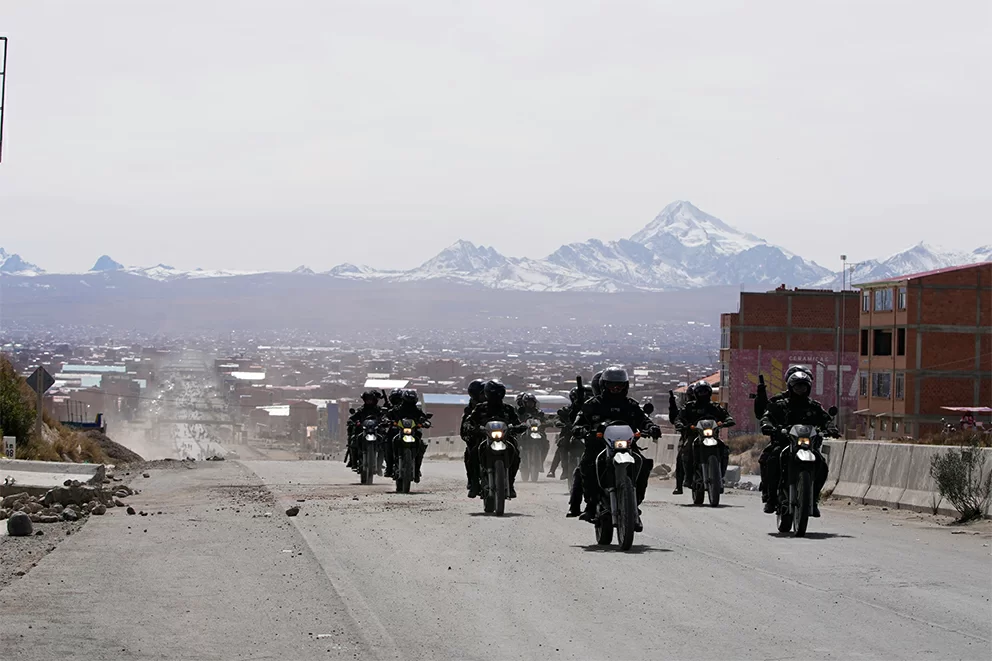
    Five weeks of mass anti-government protests have pushed Bolivian President Rodrigo Paz to declare a national 90-day state of emergency, granting the military expanded authority to clear crippling road blockades that have cut off critical supply lines to the capital La Paz and other major urban centers.

    The unrest, which has rocked Paz’s centrist administration just seven months after he took office, stems from public anger over sweeping austerity measures, most notably the elimination of long-standing fuel subsidies. What began as peaceful demonstrations has escalated into violent clashes between protesters armed with explosives and riot police, leaving at least 37 people injured and prompting more than 365 arrests, according to official government data.

    The human cost of the crisis has grown far steeper, however. Bolivia’s ombudsman’s office and independent human rights groups confirm at least 17 deaths have been linked to the unrest, most caused by lack of access to urgent medical care after blockades isolated entire communities. The Bolivian government alone has recorded seven deaths directly tied to delayed or unavailable medical treatment, as critical routes into La Paz remain barricaded, triggering acute shortages of fuel, food, and even medical oxygen in hospitals. Vehicles have been left stranded across the country, and patients requiring routine and emergency care have been unable to reach care facilities.

    In a nationally televised address defending the executive order, Paz emphasized that the state of emergency is not intended to restrict civil liberties, but to restore the freedoms ordinary Bolivians have been denied by the ongoing blockades. As stores shuttered and supermarket shelves emptied amid the supply collapse, public pressure for a forceful response to restore order has mounted rapidly.

    Progress toward de-escalation remains fragmented. On Friday evening, Paz secured an agreement with one major labor union, whose leadership has since called for protesters to lift their roadblocks. But hardline factions of the movement, who are demanding Paz’s immediate resignation, have rejected negotiations and refused to stand down.

    Under the terms of the emergency decree, blocking public roads that disrupt transport and supply chains is formally prohibited, and the military is authorized to temporarily support police operations to clear routes, reestablish public order, and protect civilian populations. Paz’s administration has stressed that constitutional protections and due process remain in effect, and that ordinary citizens will still be able to carry out their daily activities without widespread restrictions. The 90-day state of emergency can be ended early if violence and threats against civilians cease, the government added.

    Paz, who took office last November after ending nearly 20 consecutive years of rule by the left-wing Movement for Socialism (MAS), campaigned as a centrist reformer. He ran on promises to resolve pre-existing fuel shortages, shore up the struggling national treasury, and preserve critical social safety net programs for vulnerable populations. But his austerity pivot, particularly the cuts to fuel subsidies, has sparked rampant inflation and deepened public discontent across the country.

    The protest movement is led by highland Indigenous communities and rural workers, many of whom are former MAS supporters who accuse Paz of disregarding their core economic and social interests. Politically, the president faces mounting pressure from all sides: the conservative parliamentary majority and the left-wing opposition, led by ex-president Evo Morales who is backing the protests from exile and calling for snap new elections.

    On the international stage, Paz has secured formal backing from the United States, which has pledged additional emergency aid and logistical support to alleviate shortages caused by the blockades. U.S. officials have condemned the unrest as an attempted coup against Bolivia’s democratically elected legitimate government, and warned that bad actors are seeking to exploit the chaos to destabilize the broader Andean region.

  • SVG agri-projects go to ‘deal room’ after minister’s pitch in Barbados

    SVG agri-projects go to ‘deal room’ after minister’s pitch in Barbados

    Against a regional backdrop of rising food import dependency, climate-driven agricultural shocks and supply chain disruptions, St. Vincent and the Grenadines (SVG) has positioned eight targeted agriculture and food system projects in the Caribbean’s regional investment marketplace, Agriculture Minister Israel Bruce has announced. Two of these proposals have already advanced to the advanced negotiation stage known as the “deal room” following the high-level Food Systems Investment Forum held in Barbados, which centered on mobilizing equity capital to strengthen Caribbean food security.

    Bruce, who accompanied the SVG delegation to the forum that brought together governments, development partners and private financial stakeholders under the theme “Mobilising Equity Capital for Resilient Food Systems in the Caribbean”, detailed the projects and early investor feedback during a post-forum press conference in Kingstown.

    Across a range of agricultural subsectors, SVG brought eight distinct investment proposals to the table, covering agro-processing expansion, youth agricultural entrepreneurship, irrigation infrastructure upgrades, national livestock processing and local poultry production scaling. The full slate of projects includes: a $5.5 million national abattoir development; a $4 million recapitalization plan for local agricultural marketing brand VincyFresh; a $12.8 million arrowroot crop revitalization program; a $6 million initiative to support youth entering agribusiness; a $5.3 million expansion of upgraded market depots in Lauders, La Croix and Langley Park; a $5 million national poultry production facility; the $8.28 million Rabacca irrigation infrastructure project; and the $2.58 million Richmond Valley irrigation project.

    Bruce highlighted that the youth-focused project directly responds to a pressing demographic challenge facing SVG’s agricultural sector: a rapidly ageing farming base that requires intentional policy intervention to drive generational renewal. The market depot expansion, meanwhile, is designed to elevate the three windward-side upgraded facilities beyond basic storage and processing functions, turning them into robust regional hubs that can connect local producers to new domestic and export buyer networks.

    After the forum’s pitching process, which allowed participating nations to showcase their priority projects to potential financers, two SVG proposals – the VincyFresh recapitalization and the arrowroot revitalization program – earned shortlisting for deeper due diligence and negotiation in the forum’s dedicated deal room. Bruce confirmed that active negotiations with interested financiers are already underway, noting that premature public disclosure of specific investor identities would be inappropriate while talks remain ongoing. “We hope that there’ll be fruit borne out of these two deal rooms. We are keeping our fingers crossed,” he told reporters. Even without finalized agreements, Bruce framed the shortlisting as an encouraging early signal that international financiers see strong potential for value addition and export growth in SVG’s agro-processing sector.

    Beyond the two shortlisted projects, all eight of SVG’s proposals have been added to a regional investment “deal book” – a centralized catalogue that will be used to market Caribbean agricultural projects to potential funders across the region and globally. Bruce explained that this centralized, regional packaging represents a shift from the outdated model of ad-hoc bilateral investment pitches, allowing Caribbean nations to present a coordinated, professional portfolio of opportunities to the global investment community.

    One of the most strategically significant projects on the slate, the $5 million national poultry facility, ties directly to SVG’s domestic policy goals of cutting food import costs and boosting national food sovereignty. Bruce noted that SVG currently spends hundreds of millions of dollars annually on imported poultry, and the government is laser-focused on expanding local production to reduce this import burden while strengthening domestic food security. The Barbados forum, he said, offers a critical pathway to secure equity partners or concessionary financing to move the poultry facility from planning to implementation.

    Outlining his administration’s approach to agricultural financing, Bruce established a clear priority hierarchy designed to protect public finances and avoid unnecessary debt burdens for taxpayers: grant funding is the preferred first option, followed by public-private partnerships, then concessionary loans, with standard commercial loans ranked as the last resort. He framed this strategy as a core commitment to fiscal prudence, focused on creating economic breathing room rather than adding unsustainable fiscal pressures.

    Placing SVG’s participation in the broader context, Bruce noted the forum addressed shared regional challenges: climate-fueled agricultural shocks, global supply chain disruptions, and skyrocketing food import bills across the Caribbean. The overarching goal of the gathering is to support a regional transition away from the current model of heavy reliance on food imports and concessional lending, toward climate-resilient food systems supported by targeted equity and blended finance.

    Bruce also connected the high-level regional investment push to longstanding concerns raised by local SVG farmers, noting that when his New Democratic Party was in opposition, farmers consistently identified three top priorities: access to expanded market opportunities, solutions to praedial larceny, and improved farm access roads. “You can see that this mission was focused on market opportunities and access roads,” he explained, adding that all eight projects pitched in Barbados – from the abattoir and poultry facility to the irrigation schemes and youth investment plan – build on campaign commitments and ongoing domestic agricultural upgrades.

    While Bruce stressed that no firm financing commitments have been secured for any of the projects to date, he emphasized that securing spots in the deal room and regional deal book are critical foundational steps to attract investment. He committed to sharing further public updates as negotiations progress, framing the Barbados trip as part of a broader, long-term strategy to secure grants, equity and blended finance to transform SVG’s agriculture sector. Ultimately, he said, these investments will help shift SVG from an ageing, under-capitalized farming sector to a dynamic, youth-driven, export-focused industry that is more resilient to global and climate shocks.

  • Ali woos Jamaican business executive to build a Sandals eco-hotel in Guyana

    Ali woos Jamaican business executive to build a Sandals eco-hotel in Guyana

    During a public appearance Saturday marking the launch of a new automotive joint venture, Guyanese President Irfaan Ali made a direct public appeal to Adam Stewart, Executive Chairman of Jamaica-headquartered hospitality giant Sandals Resorts International, to develop a luxury all-inclusive eco-tourism resort in Guyana. In his remarks, the president emphasized that local private sector stakeholders are already prepared to commit an initial $15 million in joint investment to back the project.

    Ali framed the potential Guyanese venture as a historic opportunity for the Sandals brand, arguing that locating the resort in Guyana would create the brand’s top-tier eco-tourism destination that no competing property could match. “You will be doing your brand a great disservice if you don’t draw on the bold capacity I know your brand carries to make the best possible investment decision Sandals has ever made,” Ali said during the event. “That decision is to work with our private sector as partners in creating Sandals’ number one eco destination, all-inclusive resort here in Guyana. I can assure you that none will come close to you.”

    The meeting came ahead of the official opening of CAMS Motors, a new automotive dealership that operates as a joint venture involving Stewart’s ATL Group, the parent company of ATL Automotive. Stewart confirmed during the event that Ali has actively lobbied for Sandals to enter Guyana’s fast-growing hospitality sector, and while the discussions remain in early stages, he has not ruled out moving forward with the project.

    “As I arrived here, we were here to sell cars, but the president reminded me that one of these days we need to build a hotel down here, and I want to follow suit,” Stewart explained. “That’s not a public service announcement just yet. It’s a ‘we love the idea of it’.”

    Ali noted that the pitch to Sandals is the continuation of conversations that began roughly one year ago, when he first floated the concept of Sandals entering Guyana’s tourism market. He added that Guyana’s private sector has already demonstrated robust confidence in the country’s tourism growth trajectory, having completed construction on more than 14 new hotels across the country in recent years to accommodate rising visitor demand tied to Guyana’s expanding oil sector and growing global profile as a biodiversity and eco-tourism hotspot.

  • ‘Prepare to target the Cuban market’- President Ali tells Guyanese, Jamaican business executives

    ‘Prepare to target the Cuban market’- President Ali tells Guyanese, Jamaican business executives

    On Saturday, June 20, 2026, just 48 hours after Cuba unveiled a landmark package of market-oriented economic reforms that open the door to expanded private sector activity and increased foreign investment, Guyana’s President Irfaan Ali has called on the country’s domestic private sector to seize the emerging regional opportunity by building local vehicle assembly lines. Speaking at the Georgetown launch event for Chinese vehicle brands Foton and Jetour, hosted by local automotive firm CAM Motors, Ali urged the newly formed joint venture between CAM Motors, Jamaica’s ATL Automotive, the Continental Group of Companies, and Guyana-based MMKJ Inc to move forward with establishing a regional assembly hub on Guyanese soil.

    Ali told attendees that he has already tasked MMKJ Inc director Vishok Persaud and his team with conducting a feasibility study to turn Guyana into a central assembly base for the growing range of new vehicle brands entering the Caribbean market. “We have the capacity to support full-scale assembly lines, and we can hit the critical market mass we need if we collaborate to scale up our regional footprint,” Ali said. “We have to look ahead – Cuba is opening its economy, and Haiti is also moving toward reopening its markets, which creates massive new demand we can meet from here.”

    Beyond the newly opening Caribbean markets, Ali noted that the hub could also tap into underutilized demand in neighboring northern Brazil and the Dominican Republic, a large Spanish-speaking Caribbean economy that offers additional growth opportunities. To set the stage for these investments, he emphasized that the Guyanese government has already put in place a supportive ecosystem for manufacturing and assembly, including investor-friendly regulatory policies, competitive tax structures, low energy costs, accessible digital infrastructure, and direct government backing for new industrial projects.

    Ali framed the assembly hub initiative as a core part of Guyana’s long-term economic strategy to diversify beyond its booming oil and gas sector, building a more resilient and sustainable economy that generates broad-based growth beyond the energy industry. “This is the kind of transformative project that will carry our economy past reliance on oil and gas, and move us solidly into long-term, inclusive sustainability,” he said.

    Cuba’s reform package, announced by President Miguel Diaz-Canel on June 18, 2026, represents the most sweeping opening of the Cuban economy in decades, rolled out in response to years of economic pressure and mounting external challenges. As reported by Al Jazeera, the plan expands permitted private enterprise activity across multiple sectors, introduces new measures to attract foreign direct investment – including investment from Cuban nationals living abroad – paves the way for private real estate development, allows for the conversion of state-owned enterprises into privately held shareholding companies, and permits private banks to enter a financial sector that has long been exclusively state-controlled.

    Persaud, the MMKJ director, confirmed that the joint venture is committed to supporting Guyana’s local content goals, beyond just building out vehicle assembly infrastructure. The partnership will not only deliver after-sales support and service for vehicle owners across the country, but also act as a domestic partner to embed local participation across the automotive supply chain. “This project lets us fully deliver on our local content legislation, expand domestic private sector participation, and ensure that Guyanese businesses get to take part in every layer of this growing industry,” Persaud said.

    Ali added that shifting domestic consumer demand in Guyana already creates a strong foundation for a new vehicle assembly sector. Rising incomes have left more Guyanese with greater disposable income, driving a steady shift away from imported used Japanese vehicles toward brand-new cars and commercial vehicles. “We are already seeing a rapidly expanding market for new vehicles among both private consumers and domestic businesses, that demand is only going to grow as our economy expands,” he noted. To support this market shift, the Guyanese government already eliminated the 14 percent Value Added Tax on vehicles with engine sizes of 1500 CC and larger earlier this year, cutting purchase costs for consumers and stimulating new vehicle sales.

  • Derde helft WK 2026: Achter de schermen van het WK

    Derde helft WK 2026: Achter de schermen van het WK

    When match cameras cut out and stadium crowds fade away, a whole other rigorous schedule begins for World Cup-starred footballers. The 90 minutes of on-pitch action only makes up a small fraction of their daily lives during the tournament. Behind the closed doors of opulent team hotels and heavily secured training complexes, every moment revolves around physical recovery, tailored nutrition, tactical strategy and mental preparation.

    From custom-built meal plans and ice baths to tactical video breakdowns, on-staff sports psychologists and carefully scheduled rest periods, no detail is left to chance. But how much personal freedom do these elite athletes actually get during their stay? Can their partners come to visit? Are they allowed to leave the compound to explore the host city? Do national team managers even dictate when players must put away their phones?

    For fans who assume a scheduled day off at the World Cup equals sleeping in and lazy relaxation, that assumption could not be further from the truth. In most squads, the daily routine kicks off early in the morning, even on supposed rest days. After a light breakfast, players go through routine medical checks, where physiotherapists and team doctors evaluate each athlete’s physical condition. Readouts of muscle tension, resting heart rate and post-match recovery metrics are then used to map out the rest of the day.

    For players who logged heavy minutes in the previous fixture, the entire day will center almost entirely on active recovery. Reserve players, by contrast, complete more intense training sessions to maintain their match fitness and rhythm ready for when they are called on. An on-field training session rarely lasts longer than 90 minutes, but every activity surrounding that block of work is tied directly to match preparation.

    Team nutritionists build individual eating plans for every player, tailored to their on-pitch position, body composition and the physical load they endure on match week. Carbohydrate, protein, vitamin and hydration intake are all tracked and adjusted with extreme precision. Even the exact time a player eats each meal is part of the carefully constructed tournament plan.

    After training wraps up, what is arguably the most critical part of the day begins: recovery. Ice baths, deep tissue massages, guided stretching, physiotherapy, and even whole-body cryotherapy help the body repair damaged muscle tissue as quickly as possible. Some players wear compression garments to reduce soreness, or sleep with wearable sensors that track the quality of their nightly rest. Even one extra percent of full recovery can be the difference between winning and losing a tight knockout match.

    Mental fitness gets equal attention from top national squads. Nearly all elite competing teams now bring a dedicated sports psychologist to the tournament, whose job is to help players cope with the enormous pressure of a World Cup, the weight of expectation from millions of fans back home, and the tension of high-stakes moments like a decisive penalty or a sudden-death knockout clash.

    At the same time, coaching staff spend hours on video analysis. Players and coaches watch footage of both their own recent performances and their upcoming opponent’s matches together to spot exploitable weaknesses. Tiny details, such as a striker’s preferred running channels or how a defender approaches one-on-one duels, can prove decisive on match day.

    That said, there is still intentional space carved out for relaxation and downtime inside team hotels. Players unwind with table tennis, billiards, video games or group movie nights. Some prefer quieter activities like listening to music, reading a book, or calling family back home for an extended chat. While social media is a central part of most modern footballers’ personal lives and brands, many national managers restrict usage during the tournament to cut down on unnecessary distractions.

    One of the most common questions fans have about World Cup camp life is whether partners and family members are allowed to stay or visit with players. Rules vary widely from nation to nation. Some national federations only allow visits during pre-scheduled windows, while others give players more flexibility to see family after the group stage of the tournament finishes. Almost all teams aim to strike a careful balance between giving players relaxed downtime and keeping the squad fully focused on the competition.

    What many fans also do not see is that far more people work behind a World Cup squad than just the 26 players named to the official tournament roster. Doctors, physiotherapists, sports scientists, nutritionists, video analysts, kit managers, psychologists, security staff and press officers all make up a support team that often numbers more than 60 people. Their work stays largely out of the public eye, but it is irreplaceable to a national team’s chances of success.

    To outside observers, a non-match day might look like a quiet period of rest for the squad. But behind the scenes, it is a meticulously orchestrated process where every single detail matters. Because at the highest level of the sport, a World Cup is not won only during the 90 minutes on the match pitch—it is won in every hour of preparation and recovery before and after kickoff.

  • Minister Abiamofo: Local content bij Zijin groeit, aandeel Surinaamse bedrijven neemt toe

    Minister Abiamofo: Local content bij Zijin groeit, aandeel Surinaamse bedrijven neemt toe

    Suriname’s growing local engagement in its gold mining sector has taken a positive step forward, with new data showing increasing local employment, rising local leadership representation, and growing contract values for domestic businesses at Chinese mining firm Zijin. Minister David Abiamofo of the Ministry of Natural Resources shared these updated figures during budget debates in the National Assembly of Suriname Friday, outlining steady progress in the company’s local content initiative.

    According to Minister Abiamofo, Zijin currently provides direct employment to roughly 1,690 Surinamese workers across its operations. An additional 1,400 Surinamese earn indirect income through the company’s network of local suppliers and contractors, meaning the firm supports a total of more than 3,000 local jobs across the country.

    The most notable gains have come in leadership and technical roles, which have historically been dominated by foreign personnel at large international mining projects in the country. Abiamofo confirmed that 25% of all senior management positions at Zijin’s Suriname operations are now held by local Surinamese professionals. That share jumps to 49% for mid-level management roles, while 95% of frontline supervisors and 83% of technical staff are recruited from the local workforce. All entry-level operational roles and internal support positions are currently filled exclusively by Surinamese workers.

    Minister Abiamofo acknowledged that a small number of highly specialized positions still rely on foreign experts, due to the specific experience and industry certifications required for these niche roles that are not yet widely available among the local workforce. However, he emphasized that this is a temporary gap that will continue to narrow as local workers gain more on-the-job experience and specialized training through the company’s capacity building programs.

    Beyond direct employment, the value of contracts awarded to Surinamese domestic businesses has also increased considerably, climbing from $163 million U.S. dollars to $192 million U.S. dollars in recent years. Correspondingly, the share of contracts going to foreign-based companies has declined as local suppliers have expanded their capabilities to meet the mining firm’s needs.

    Despite the positive progress, Minister Abiamofo stressed that local businesses must maintain competitive standards to retain these opportunities. “Quality, reliability, and competitiveness remain the deciding factors for contract awards,” he said. “Local companies cannot rely solely on long-standing working relationships to secure ongoing work; they must continue to deliver value that matches or exceeds what international firms can offer.”

    The updates come as Suriname continues to push for greater local benefits from its natural resource sector, a core driver of the country’s national economy. Local content requirements have become a key policy priority for the government, aimed at ensuring resource extraction delivers long-term inclusive economic growth rather than just short-term revenue.

  • Derde helft WK 2026: Curaçao sleept punt uit het vuur tegen Ecuador: 0-0

    Derde helft WK 2026: Curaçao sleept punt uit het vuur tegen Ecuador: 0-0

    A dramatic Group E CONCACAF Gold Cup clash in Kansas City ended goalless on June 20, as Curaçao put on a defensive masterclass to hold Ecuador and leave both nations still in contention for a spot in the tournament’s next round. Coming into the fixture, both sides had dropped points in their opening group matches, making a result critical to retain any hope of advancing. Officiated by Chinese referee Ning Ma, the matchup was always poised to be an open, attacking contest from the opening whistle, and it delivered on that promise.

    Ecuador got off to a blistering start, nearly grabbing an early lead within the first three minutes. Star forward Enner Valencia got a clean shot off toward goal, only for his effort to deflect off Curaçao goalkeeper Eloy Room, bounce off the crossbar, and clear the bar. That early chance set the tone for the entire 90 minutes: Ecuador dominated possession, launched 16 shots on goal, but failed to find the back of the net, with every attempt either blocked by Curaçao’s defense, saved by Room, or sent narrowly off target.

    Curaçao’s first dangerous threat came in the 8th minute, when Sherel Floranus broke past Ecuador’s backline on a counterattack, but his finish drifted just wide of the post. In the 14th minute, Pedro Vite had one of Ecuador’s best chances of the first half to break the deadlock, but his low shot curled just inches past the far post. Six minutes later, Valencia had a golden opportunity from point-blank range, but Room reacted quickly to stop the close-range effort, securing the clean sheet through the first half. Before halftime, Curaçao had its own best opening of the half, as Junior Bacuna found space in the box, but his shot went wide of Ecuador’s goal. When the halftime whistle blew, the score remained locked 0-0, with Room putting in a man-of-the-match first-half performance to keep his side level.

    The second half followed the exact same pattern as the first: Ecuador continued to throw men forward, piled on the pressure, and generated multiple chances, but still could not beat Room. In the 50th minute, Moises Caicedo tested Curaçao’s goalkeeper with a stinging long-range shot, but Room read the effort well and gathered it comfortably. After the hour mark, Curaçao began to push forward more aggressively, creating a handful of chances of its own against an Ecuador side committed to all-out attack, but neither side could find the breakthrough. In the final 15 minutes, Ecuador launched a relentless full-scale offensive to find a late winner, but Curaçao’s defense held firm, blocking every attempt and clearing every dangerous cross. When the final whistle blew, the scoreline remained unchanged, finishing 0-0.

  • MSF suspends operations at the Isaïe Jeanty maternity hospital in Haiti

    MSF suspends operations at the Isaïe Jeanty maternity hospital in Haiti

    A deepening humanitarian crisis is unfolding in Haiti’s most densely populated urban neighborhood after international medical aid organization Doctors Without Borders (Médecins Sans Frontières, MSF) announced the full suspension of life-saving services at the Isaïe Jeanty Maternity Hospital, a key healthcare facility serving the Cité Soleil area of Port-au-Prince. The shutdown, which took effect on the morning of June 19, comes after more than a week of escalating violent clashes between rival armed groups that have turned the surrounding district into a combat zone.

    Tensions began to spike on the night of June 13-14, when open fighting erupted across three adjacent neighborhoods: Belekou, Fort-Dimanche, and Quai Jérémie. The violence quickly spilled over into the Chancerelles neighborhood, where the MSF-supported maternity hospital is located. Stray gunfire has repeatedly struck the hospital’s outer walls, sending waves of panic through the local population and forcing hundreds of residents to flee their homes in search of safety. By the evening of June 15, more than 100 displaced people, the majority women and children who escaped the fighting, had taken shelter within the hospital compound, where MSF teams were able to provide them with clean drinking water. One of those displaced was a woman who suffered a leg wound from a stray bullet while on hospital grounds; MSF medics provided immediate on-site treatment, while additional casualties from the clashes were treated at MSF’s separate medical facility in the Tabarre district of the capital.

    Local authorities were the first to suspend their operations at the site on the morning of June 16, after fighting intensified further. MSF teams remained on location for three additional days, working with reduced staffing to deliver emergency care, stabilize injured and pregnant patients, and arrange transfers to other functioning medical facilities across Port-au-Prince. As the security situation continued to deteriorate, however, MSF made the difficult decision to evacuate all remaining staff and shut down all hospital activities permanently for the time being.

    Speaking on the suspension, Nicolas Tessier, MSF’s Head of Mission in Haiti, described the impossible conditions medical teams had been working under. “We have tried to provide a minimum level of lifesaving support to people with a reduced team and limited capacity,” Tessier explained. “We treated several women who managed to reach the maternity hospital despite the insecurity, including one who gave birth to twins. But today we can no longer continue: the hospital is riddled with bullet holes, our teams are exhausted, and it has become extremely difficult for ambulances to refer patients and find facilities able to receive them.”

    The shutdown of the facility has pushed an already catastrophic healthcare situation in Cité Soleil over the edge. The neighborhood is home to roughly 300,000 residents, and even before the latest wave of violence, access to comprehensive sexual and reproductive healthcare was already extremely limited across the area. Thousands of pregnant women had already been forced to deliver babies at home in unsafe, unsanitary conditions, dramatically raising their risk of life-threatening obstetric complications. With the Isaïe Jeanty hospital now closed, access to such care has become virtually non-existent, leaving local women with almost no viable options to get safe medical treatment.

    This is not the first time MSF has been forced to halt services in the area due to gang violence. Back in May, the organization suspended operations at its general hospital in Cité Soleil, located just a few kilometers from the maternity facility. As gang-related violence continues to spread and security conditions worsen across the region, the entire local healthcare system is now at risk of total collapse. MSF has issued an urgent call for armed groups to respect international humanitarian law, protect civilian lives and infrastructure, and allow medical teams unimpeded access to treat people in desperate need of care.

  • Environment : Massive and illegal sand mining on the banks of the Massacre River

    Environment : Massive and illegal sand mining on the banks of the Massacre River

    During a reforestation initiative close to the shared border wall separating the Dominican Republic and Haiti, senior environmental officials from the Dominican Republic have sounded the alarm on widespread unauthorized sand mining operations taking place along the Haitian bank of the Massacre River.

    Armando Paíno Henríquez, the Dominican Republic’s Minister of Environment and Natural Resources, publicly outlined the scale of the ongoing activity this week, noting that unlicensed extraction has been a persistent problem for years. According to Henríquez, teams of Haitian workers travel to the river regularly, harvesting tons of sand manually with basic buckets before stockpiling the material on riverbanks. The mined sand is then loaded onto commercial trucks and distributed to buyers across northern Haiti for construction and other uses.

    In his remarks, Henríquez emphasized that the illegal activity is concentrated on the Haitian side of the waterway, placing it formally under Haitian jurisdiction per international border agreements. To address the issue, his ministry has already initiated coordination with Dominican Foreign Minister Roberto Álvarez, and is preparing a formal briefing to share with Haitian national authorities, even amid well-documented institutional instability and governance gaps in Haiti currently.

    The ministry’s first step toward resolving the crisis will be to open diplomatic discussions with Haitian officials, to lay out the full scope of the unregulated extraction and its cross-border consequences. Henríquez stressed that while the environmental harm is being generated on Haitian territory, the negative impacts spill over to communities on both sides of the border, including the Dominican border city of Dajabón and surrounding regions.

    Uncontrolled large-scale sand mining fundamentally alters the Massacre River’s natural riverbed, he explained. The activity triggers severe riverbank erosion, disrupts critical aquatic and riparian ecosystems, and dramatically increases the risk of catastrophic flooding for low-lying settlements on both sides of the international border. Without coordinated intervention from both governments, Henríquez warned, the environmental damage will only worsen over time, putting local communities and shared natural resources at growing risk.