博客

  • Prime Minister Skerrit meets Marigot residents to discuss community priorities

    Prime Minister Skerrit meets Marigot residents to discuss community priorities

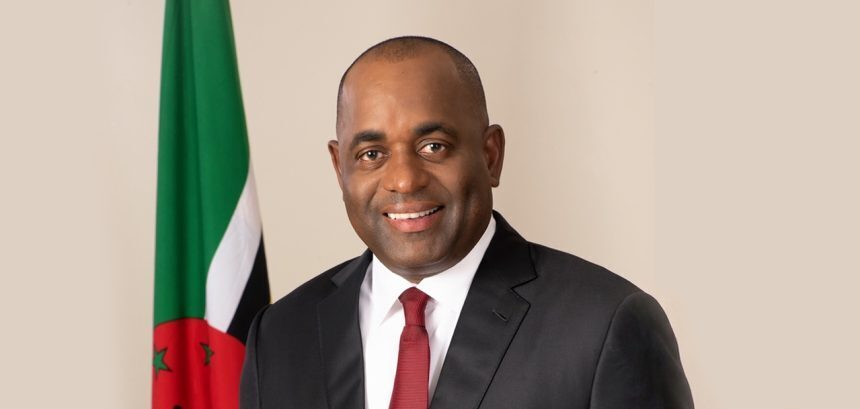
    In a deliberate push to strengthen ties between national leadership and local communities, Dominica’s Prime Minister Roosevelt Skerrit led a delegation of government officials to a community social gathering in Marigot Thursday evening. The open forum was designed explicitly to create a space for unfiltered dialogue between local residents and the country’s top decision-makers.

    Unlike formal, scripted government outreach events, this gathering centered the priorities of Marigot’s residents, giving them a rare direct opportunity to lay out their perspectives, raise pressing local issues, and share first-hand accounts of daily life in the area. Over the course of the meeting, participants brought forward a range of personal experiences, lingering community concerns, and ranked their top priorities for government support, all directly to the prime minister and his team.

    For their part, the attending government officials used the occasion to listen actively, moving beyond pre-planned announcements to gain an on-the-ground understanding of which challenges demand immediate policy attention. The conversation also evolved beyond just sharing concerns, as both residents and officials collaborated to brainstorm potential solutions and map out a collaborative path forward for the Marigot community.

    This community engagement is not an isolated event, but part of a sustained government initiative to keep open lines of communication with populations across the country. By creating consistent, accessible opportunities for leaders to hear directly from ordinary residents about their most pressing needs and long-term aspirations, the administration aims to make policy that more closely aligns with the lived realities of the people it serves.

  • North and Northeast : US$47.9 million to boost agricultural productivity

    North and Northeast : US$47.9 million to boost agricultural productivity

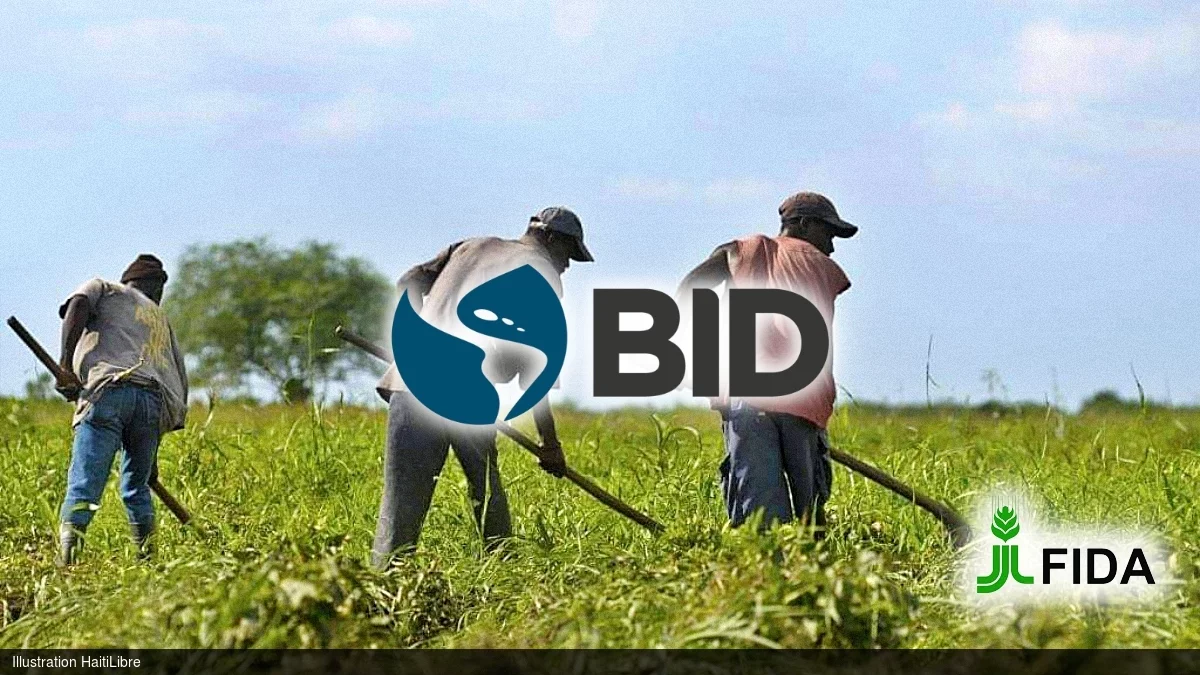
    Haiti’s northern regions, long plagued by low agricultural productivity, heightened food insecurity and heightened vulnerability to climate shocks, are set to receive a transformative multi-million dollar investment to upgrade the country’s agri-food sector. On October 1, 2026, the Board of Directors of the Inter-American Development Bank (IDB) gave formal approval to a $38.7 million grant that will anchor a broader $47.9 million agricultural development initiative targeting Haiti’s North and Northeast departments. The remaining $9.2 million for the project is being contributed by the International Fund for Agricultural Development (IFAD), bringing together two major international development institutions to address systemic challenges in Haiti’s rural agricultural sector. The five-year program, officially named the Sustainable Agricultural Productivity Program in the North and Northeast, focuses on three core priority areas that align with long-term development goals for the region: expanding reliable, sustainable access to irrigation infrastructure, supporting smallholder farmers to adopt climate-resilient agricultural technologies, and strengthening producer organizations and small agri-food businesses across the value chain. The initiative is designed to deliver direct, tangible benefits to a broad cross-section of rural stakeholders in northern Haiti. Approximately 7,800 smallholder producers will see improved access to functional irrigation systems, gain training on climate-adapted farming techniques, and receive ongoing technical assistance to boost their output and income. Beyond individual farmers, the program will extend support to 155 micro, small, and medium-sized enterprises (MSMEs) and producer groups operating in the agri-food sector, providing targeted business development services and matching grants to help these organizations scale their operations. A key inclusion component of the initiative also expands technical and vocational training opportunities for young people in rural communities, creating pathways to stable employment in the growing agricultural sector. Project designers have integrated cross-cutting priorities that address longstanding gaps in rural development in Haiti. The program incorporates comprehensive environmental and social management frameworks to ensure projects do not harm local ecosystems or vulnerable communities, embeds climate resilience into all infrastructure and programming to help the region adapt to shifting weather patterns, and includes intentional mandates to boost the participation of women and young people in the agri-food economy. The ultimate goals of the investment are to raise overall agricultural output in northern Haiti, strengthen the economic livelihoods of rural households, lay the foundation for more sustainable and climate-resilient rural development, and help local communities better withstand the frequent climate-related shocks that have repeatedly disrupted agricultural production in the region. Before the IDB board approved the funding, project organizers carried out an extensive, grassroots consultation process to ensure the program responds to the actual needs of local stakeholders. Over the course of preparation, the development team held discussions with more than 1,000 local farmers, 400 value chain stakeholders, 340 MSMEs, farmer associations, community residents, local government leaders, and national civil society organizations operating across the project area, ensuring local input shaped the program’s design and priorities.

  • Digital shift ‘risky but necessary’, Youth Parliament told

    Digital shift ‘risky but necessary’, Youth Parliament told

    During a recent debate focused on digital transformation held as part of Barbados’ annual National Youth Week, two young parliamentary representatives have laid out a compelling case for sweeping systemic changes to how the island nation prepares its younger generation for a rapidly digitizing global workforce. The discussion, carried out under the event subtheme “Youth Today, Leaders Tomorrow!”, brought to the forefront urgent concerns about outdated education frameworks and the growing mismatch between traditional academic training and evolving employer expectations.

    Shonté Morris, who serves as acting leader of government business in the youth parliament, opened her remarks by emphasizing that digital innovation is already reshaping the fundamental operations of Barbados’ economy – a shift that traditional, unchanged classroom models can no longer keep up with. “If the world of work is changing, then why should the way we prepare our young people remain unchanged?” Morris asked, challenging policymakers to stop delaying necessary reforms.

    Citing data from the World Economic Forum’s widely cited Future of Jobs Report 2025, Morris warned that by 2030, nearly 40 percent of current job skills will be rendered obsolete by technological advancement, a statistic she called deeply alarming. She backed a bold proposal for a digital-first overhaul of the national education system, arguing that core digital competencies should be integrated into curricula starting at the primary school level. Rather than a superficial push to distribute electronic devices to students, Morris stressed that the reform requires a fundamental reworking of teaching methods, with targeted instruction in digital literacy, coding, artificial intelligence ethics, and responsible digital citizenship scaled up as students advance through grade levels.

    Beyond domestic education reform, Morris also pushed for greater regional collaboration to expand opportunity for young Barbadian digital professionals, arguing that the small geographic size of the island should not limit the ambition of its digital sector. Pointing to the borderless nature of digital business, she called for strengthened coordination through the Caribbean Community (CARICOM) to help young Barbadians tap into global and regional markets, framing her two-pronged approach as “Recommendation A builds the capability. Recommendation B strengthens and expands the opportunity.”

    Kashon Brewster, the second youth parliamentarian leading the debate, echoed Morris’s calls for change, noting that Barbadians have a long history of adapting to massive societal and economic upheaval, from colonial rule to natural disasters. “Our people have faced storms, slavery, colonialism, and we did not even flinch. So why should we flinch now of the challenge of a digital age?” Brewster asked, acknowledging that digital transformation carries inherent risks, including cybersecurity threats, but insisting that progress is always necessary even when it is not entirely safe.

    He questioned whether long-used “chalk and talk” teaching methods could possibly prepare students to thrive in an economy increasingly dominated by artificial intelligence and digital services, pointing to ongoing digital transformation efforts across the Caribbean to highlight the urgency of Barbados matching its neighbors’ momentum. “Jamaica has already brought 14 governments to commit to digital transformation. Belize has declared digital resilience through data embassies. So the pattern is clear: The Caribbean is moving digital.”

    Brewster joined Morris in supporting the push to integrate coding, digital ethics and digital citizenship into school curricula, and also backed a proposal to create junior digital consultant roles within public schools. These positions would allow students to gain hands-on professional experience while helping develop and maintain their institutions’ websites and custom apps, raising the question: “Why trust us with that and do not trust us to lead us into a digital age?” While he acknowledged widespread public concerns about hacking and digital system failures as more services move online, he argued that fear of risk should not derail the nation’s digital progress.

    The full resolution put forward for debate at the youth parliament includes a call for a national National Digital Acceleration Roadmap to guide the transformation. In addition to digital-first education reform and junior digital consultant roles, the proposal outlines the creation of National Youth Tech-Pass credentials, community innovation hubs, and a national public cybersecurity awareness campaign. It also formally calls for deeper regional digital integration, including coordinated efforts to align digital trade policies and advance the development of a regional Single Digital Market across the Caribbean.

  • Dominica’ National Lottery contributes $25,000 to Ti Vilaj Kwéyòl

    Dominica’ National Lottery contributes $25,000 to Ti Vilaj Kwéyòl

    Dominica’s beloved annual cultural celebration Ti Vilaj Kwéyòl has secured a key $25,000 contribution from the Dominica National Lottery (DNL) for its 2026 staging, announced DNL Sales and Marketing Officer Ken George during the festival’s official launch ceremony this week.

    This sponsorship marks DNL’s second consecutive year of backing the event, which marks its fifth anniversary in 2026 under the unifying theme “Cuisine, Culture, Creativity and Community”. Last year, the national lottery contributed $50,000 to support the festival’s operations, and organizers noted that the continued partnership demonstrates DNL’s longstanding dedication to nurturing Dominican cultural heritage.

    George emphasized that the national lottery’s role in Dominican society extends far beyond its core gaming operations. For years, the institution has prioritized investment in community-focused initiatives spanning sports, youth development, cultural preservation, and grassroots projects — efforts designed to lift up the local communities that make Dominica unique.

    “Cultural events like Ti Vilaj Kwéyòl do far more than celebrate our history,” George explained during his remarks at the launch. “They create space to bring residents and visitors together, open new economic opportunities for local small business owners, showcase homegrown Dominican talent, and deepen the collective community pride that binds our nation together. When we invest in culture and community, we are building a stronger national identity and laying the groundwork for a brighter future for every Dominican.”

    George also praised the Ti Vilaj Kwéyòl organizing team for their vision, relentless dedication, and perseverance over the past five years, which has transformed the small community gathering into one of Dominica’s most anticipated signature cultural events. “We are deeply honored to be part of this fifth anniversary milestone, and we look forward to watching Ti Vilaj Kwéyòl thrive and grow for many years to come,” he added.

  • SVG ‘must never become numb to acts of bloodshed’ – Christian Council

    SVG ‘must never become numb to acts of bloodshed’ – Christian Council

    A devastating mass shooting in the Green Hill community of St. Vincent and the Grenadines on September 25 has left four people dead and four more wounded, drawing widespread condemnation and a plea for unity from the nation’s top Christian governance body. In an official public statement released Friday, the St. Vincent and the Grenadines Christian Council voiced profound sorrow over the violent tragedy that has shaken the small island nation.

    The organization first extended its deepest sympathies to the families grieving the loss of their loved ones, adding that it is holding the four injured victims in prayer for a full and speedy recovery. It also offered comfort to all community members who witnessed the violence or have been impacted by the loss of life in their neighborhood. Grounding its response in Christian doctrine, the council emphasized that every human being is inherently created in the image of God, meaning the intentional taking of an innocent life represents a severe violation of basic human dignity. In clear, unwavering terms, the body condemned the senseless violence that claimed four lives.

    The council stressed that St. Vincent and the Grenadines must never grow desensitized to recurring acts of deadly bloodshed, urging the entire nation to refuse to normalize gun violence within their borders. Every act of lethal violence, the statement noted, requires both a fair, accountable legal response and a renewed national commitment to stopping future loss of life. In the immediate aftermath of the tragedy, the council called for widespread calm across the country, urging all community members to reject any calls for retaliatory violence. It also encouraged any resident with information that could aid law enforcement in their investigation to turn that evidence over to police authorities immediately.

    In a separate appeal to the general public, the council asked residents to respect the privacy of grieving families by avoiding the circulation of graphic footage from the shooting scene, unconfirmed accusations, and baseless rumors about the incident. The body expressed its full support for a comprehensive, transparent investigation into the shooting, and demanded that all those found responsible for the attack be brought to justice through established due process. The council also recognized the demanding, high-stakes work of responding officers, medical first responders, and other emergency personnel, calling for the public to provide these workers with all the resources and support they need to protect communities and care for those affected by the tragedy.

    Affirming that the work of building a lasting peaceful society is a shared responsibility for all people across St. Vincent and the Grenadines, the council issued a formal call to action for every major sector of the nation to collaborate on long-term, sustained measures to cut rates of gun violence. This includes the national government, the parliamentary opposition, religious institutions, schools, local businesses, community groups, and individual families. Key priorities for these collective efforts, the council outlined, should include strengthened enforcement against illegal firearms trafficking and possession, targeted support for individuals at high risk of involvement in violent activity, dedicated assistance for people seeking to leave violent organizations, and expanded access to counseling and care for violence survivors and bereaved families.

    The council also noted that churches across St. Vincent and the Grenadines have a unique role to play in this work, saying local congregations must assess how they can strengthen their community outreach: listening to the concerns of young people, supporting struggling parents, offering accessible pastoral care, mediating local conflict, and creating safe, welcoming spaces that give marginalized residents a sense of belonging and hope. The statement closed by noting that heartfelt prayer for the nation must be paired with tangible acts of service and love for community members affected by violence. While acknowledging this is an extraordinarily painful moment for the entire country, the council expressed confidence that with divine guidance, the nation can move past the tragedy, build a culture that cherishes human life, upholds equal justice for all, and allows every community across the islands to live in lasting peace.

  • Artibonite : Rice production improvement project

    Artibonite : Rice production improvement project

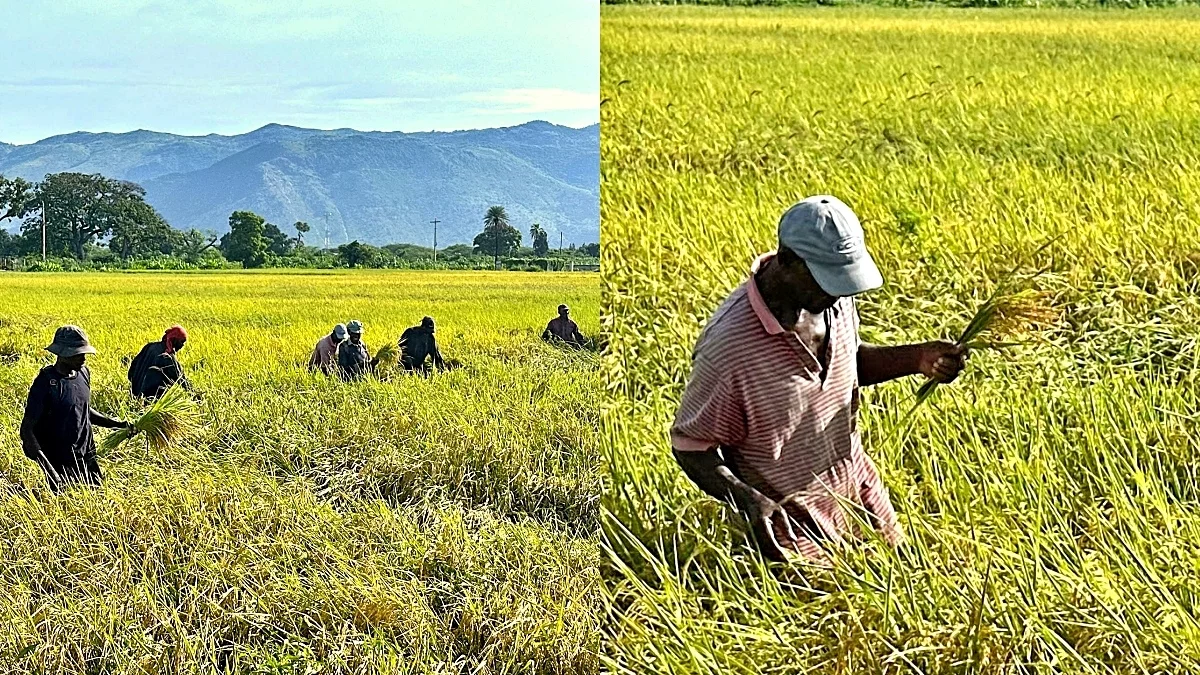
    In the Artibonite region of Haiti, a critical collaboration is underway to elevate the quality of local rice production as part of the ongoing Rice Production Improvement Project. With the 2026 second growing season in full swing, the Taiwan Technical Mission (TTM) has joined forces with regional smallholder farmers to carry out a rigorous rogueing operation targeting off-type rice plants. This hands-on initiative is designed to protect the genetic integrity of improved rice seed strains, a foundational factor for boosting harvest yields and long-term agricultural productivity in one of Haiti’s most important rice-growing regions.

    Agronomy specialists from TTM and local project technicians have been deployed across dedicated seed production plots to conduct systematic, plot-by-plot inspections. Trained teams are working line by line to spot and eliminate not just invasive weeds that compete with crop growth, but also any individual rice plants that do not match the genetic profile of the improved target variety. Even plants that arouse minor suspicion regarding their classification are removed immediately to eliminate any chance of unintended cross-contamination that could degrade seed quality over time.

    Agricultural experts note that this level of meticulous rogueing requires exceptional precision and unwavering attention to detail. Even a small number of off-type plants left standing can lead to significant varietal mixing by harvest time, reducing the value of the harvested seed for future plantings and diluting the yield benefits of improved strains. By enforcing a zero-tolerance policy for off-types, the project aims to maintain high levels of seed purity that will deliver consistent benefits to farmers across multiple growing cycles.

    Rigorous pre-harvest inspection of seed plots is widely recognized as an essential step in the production of premium-quality certified seed. For the Rice Production Improvement Project, this seasonal operation is a core component of its long-term mission to strengthen Haiti’s domestic rice sector. Through ongoing technical support and hands-on collaboration with local farming communities, the initiative continues to prioritize seed quality as a pathway to more reliable harvests, greater food security, and improved livelihoods for Haitian rice producers.

  • DPSU Awards 12 Scholarships for Professional Development Courses

    DPSU Awards 12 Scholarships for Professional Development Courses

    A transformative professional development initiative is empowering a dozen public service workers in Dominica, after the Dominica Public Service Union (DPSU) partnered with Trinidad and Tobago’s Cipriani College of Labour and Cooperative Studies to award full scholarships for specialized higher education programs.

    Announced in an official release from the DPSU, this collaboration opens new academic pathways for the 12 selected recipients, who will pursue accredited certificate and diploma credentials across four high-demand fields: Industrial Relations, Human Resource Management, Project Management, and Emergency Management. All academic programs offered through the partnership hold formal accreditation from Cipriani College and approval from the Accreditation Council of Trinidad and Tobago (ACTT). Built on a framework of regional reciprocal qualification recognition, the credentials earned through these programs are accepted across the entire Caribbean community, adding long-term value to participants’ professional profiles.

    For the DPSU, the scholarship program is far more than an individual benefit – it is framed as a strategic investment in both the union’s membership and the future of public service across the region. Union leaders emphasized that the enhanced skills and knowledge gained by participants will not only advance their individual careers, but will also strengthen the capacity of the DPSU as an organization and the public sector agencies that employ the scholarship recipients.

    This partnership addresses a critical strategic need for regional labor and public sector organizations: building a pipeline of skilled talent to support long-term succession planning. By upskilling early- and mid-career public servants and trade union representatives, the initiative aims to cultivate a new generation of competent, adaptable public administrators and labor leaders who are prepared to lead across the Caribbean.

    The timing of the initiative reflects a growing regional focus on adapting to shifting labor market dynamics. As the world of work evolves to meet changing social and economic demands, the DPSU notes that building a skilled, flexible workforce is essential to shaping a future labor market that is fair, equitable, and responsive to the needs of communities across the region.

    The one-year academic programs officially launched on September 1, 2026, with participants scheduled to complete all degree requirements by 2027. The full roster of selected scholars and their respective programs are as follows:
    – Shanice Alcendor, Ministry of Housing & Urban Development, Project Management
    – Terry Auguiste, Dominica Fire & Ambulance Services, Emergency Management
    – Glean Lander Charles, Labour Division, Industrial Relations
    – Abigail Christopher, Department of Social Services, Human Resource Management
    – Onella Coates, DASPA, Project Management
    – Denise James, Establishment, Personnel and Training Department, Human Resource Management
    – Shamber Leblanc, Labour Division, Industrial Relations
    – Davia Shillingford, Ministry of Health, Wellness and Social Services, Human Resource Management
    – Kerry Ann R Timothy, Ministry of Culture, Youth, Sports and Community Development (Youth Division), Industrial Relations
    – Josiah Victor, Environmental Health Unit, Industrial Relations
    – Tasha Winston, Ministry of Health, Wellness and Social Services, Human Resource Management
    – Ursha P Winston, Ministry of Culture, Youth, Sports and Community Development (Basic Needs Trust Fund), Industrial Relations

    In closing, the DPSU extended formal gratitude to the Cipriani College of Labour and Cooperative Studies for its collaboration and commitment to regional professional development, noting that the partnership has created an accessible, high-quality opportunity that would not have been possible for many of the recipients without institutional support.

  • Joy-Marie King Calls For Greater Focus On SIDS Resilience At UN Consultation

    Joy-Marie King Calls For Greater Focus On SIDS Resilience At UN Consultation

    As global stakeholders work toward advancing collective sustainable development goals, a senior official from Antigua and Barbuda has issued a urgent call to reframe global development planning around resilience, centering the unique structural vulnerabilities that small island developing states (SIDS) navigate daily.

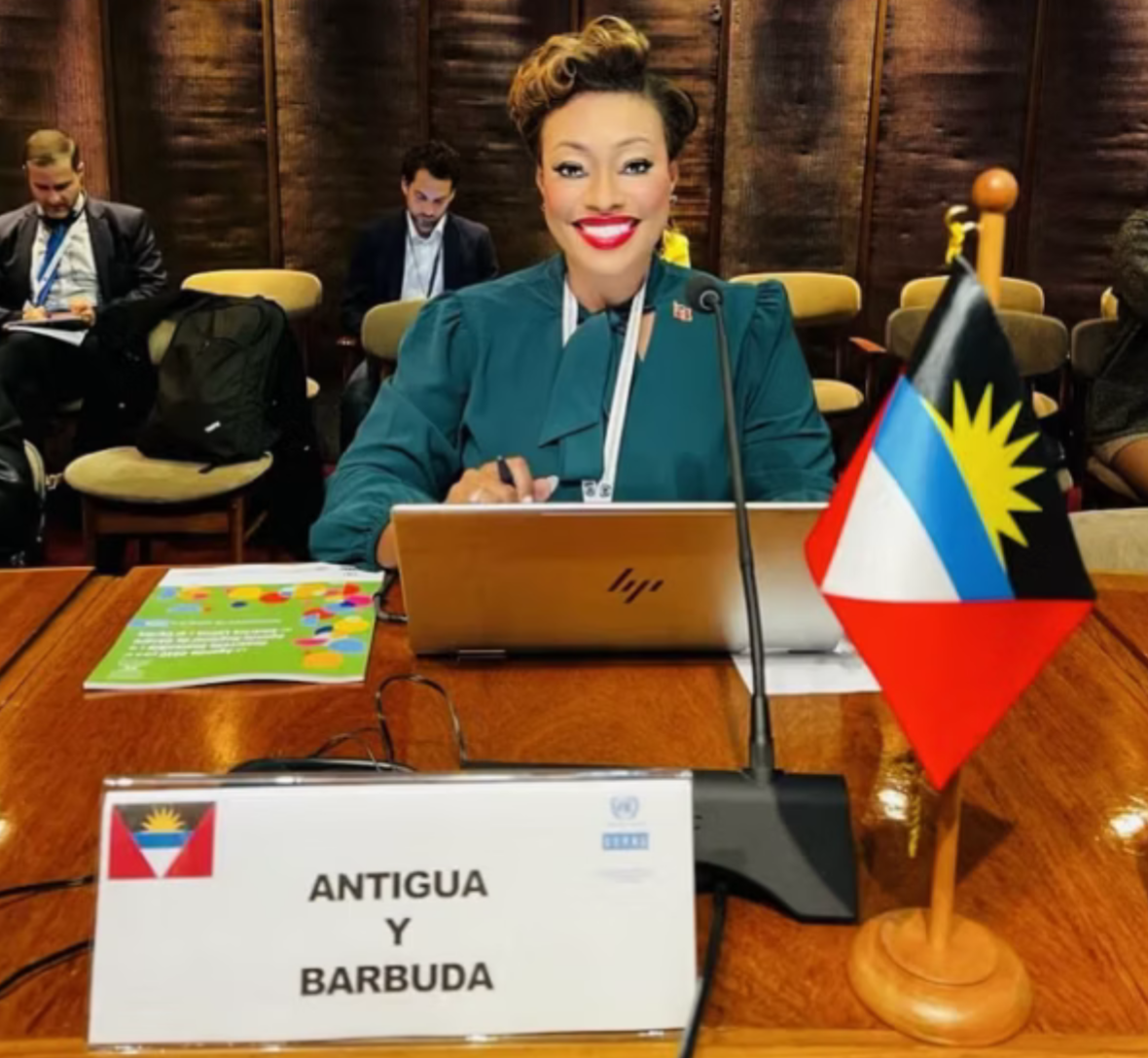
    Joy-Marie King, Antigua and Barbuda’s Director of International Trade and national focal point for the United Nations Sustainable Development Goals (SDGs), delivered this appeal during a high-level regional consultation held in Quito, Ecuador, between September 29 and October 1. The gathering, which brought together a diverse cross-section of development stakeholders, was convened to collect regional insights and on-the-ground evidence to inform the upcoming UN Global Sustainable Development Report 2027.

    King emphasized that SIDS must leverage empirical evidence to design targeted, context-appropriate policies, unlock adequate financing tailored to their needs, and accelerate progress on internationally agreed development commitments. She further called for greater strategic alignment between the global 2030 SDGs, the Antigua and Barbuda Agenda for SIDS, and individual national development frameworks.

    This coordinated approach, King explained, would allow small island nations to maximize the impact of their limited resource pools, while building stronger systemic resilience across critical sectors of their economies. Unlike larger economies, SIDS face disproportionate risks from climate change, economic volatility, and external shocks, making resilience not a secondary priority but a foundational requirement for long-term sustainable development.

    The Quito consultation drew participation from a wide range of groups, including national government delegations, United Nations agencies, regional intergovernmental organizations, academic researchers, civil society coalitions, youth delegates, and national SDG coordination focal points. Over the course of the three-day meeting, attendees delved into core themes critical to advancing sustainable development across Latin America and the Caribbean: sustainable financing mechanisms, governance reform, integration of science and technology, innovation scaling, institutional capacity building, and strategies to replicate successful development initiatives across borders.

    Discussions also extended to cross-cutting issues that shape equitable development progress: accessible education, closing persistent inequality gaps, strengthening accountability for development commitments, and navigating difficult policy trade-offs that many nations face as they work toward the 2030 SDG targets and long-term development beyond that deadline.

    For this regional process, Antigua and Barbuda’s participation filled a critical gap by bringing a frontline SIDS perspective to conversations about bridging the divides between science, policy, and civil society. By centering the specific needs of small island states, the consultation’s outcomes will help ensure the 2027 global report reflects the realities of the nations most vulnerable to systemic shocks, and most in need of resilience-centered development strategies.

  • EU wijst Amerikaanse dreiging met diesel-exportban af; Europa overweegt noodvoorraden

    EU wijst Amerikaanse dreiging met diesel-exportban af; Europa overweegt noodvoorraden

    On October 2, 2026, amid severe volatility in global energy markets driven by the Iran conflict and widespread supply chain disruptions, the European Union has issued a firm rejection of potential U.S. plans to restrict or halt diesel exports to the bloc, while European capitals debate a French-led proposal to release emergency fuel reserves to cool soaring prices. The current crisis has already pushed retail fuel prices past $7 per gallon for regular gasoline at California filling stations, highlighting the global scale of price pressures.

    The European Commission publicly distanced itself from any proposed U.S. export ban on Friday, with spokesperson Anna-Kaisa Itkonen stating clearly: “We fully reject any ban on diesel.” Itkonen emphasized that a unilateral U.S. export restriction would benefit no party, and could severely damage confidence in the United States as a reliable global energy trading partner. Reuters confirmed Friday that the bloc’s position remains unchanged. U.S. pressure for greater reserve releases from Europe comes as domestic diesel prices in the U.S. have spiked dramatically, prompting the Trump administration to confirm it is actively considering export restrictions to cool domestic prices. Washington has specifically pushed France and Germany to release far larger volumes from strategic reserves than the bloc has currently proposed.

    France has emerged as a mediator pushing for a compromise solution that would increase global fuel supply without triggering new disruptive trade barriers. During internal consultations between EU member states on Friday, officials reviewed a French proposal to release approximately 50 million barrels of diesel from the bloc’s collective emergency reserves. In parallel, discussions are underway within the International Energy Agency (IEA) to coordinate an additional release of 50 million barrels of crude oil across member states. As of Friday, the proposals remained draft plans, with no final formal agreement reached by the EU. According to anonymous sources cited by Reuters, EU negotiators are seeking to tie any additional reserve release to a formal U.S. commitment to abandon plans for a unilateral diesel export ban. This framework would achieve two core goals: add near-term fuel supply to the tight global market, and prevent new trade restrictions from further destabilizing already fragile energy markets.

    French President Emmanuel Macron has already held consultations with U.S. President Donald Trump and other G7 leaders, and is set to chair a virtual G7 summit Friday to coordinate a collective response to volatility in global crude and refined product markets. The Élysée Palace confirmed Macron has stressed that all G7 economies share a common interest in coordinated action to lower energy prices, and that all export restrictions must be avoided in any joint approach. G7 member states including the United Kingdom, Germany, Italy and France are currently aligning their positions ahead of the summit.

    Diesel is a foundational energy commodity for the European economy, powering the bloc’s freight transport sector, agricultural industry and large segments of manufacturing. A prolonged supply disruption would not only impact motorists, but also push up transportation costs, food prices and create broad-based headwinds for overall economic growth. In recent years, Europe has grown increasingly dependent on imported refined fuel products after sharply cutting imports of Russian oil products, with the United States becoming the single largest supplier of diesel to the bloc. Market data from 2026 shows that roughly one-third of the EU’s extra-bloc diesel imports come from the United States, with dependence rising even higher in Northwestern Europe. A U.S. export ban would force European buyers to scramble for alternative suppliers, intensifying competition for limited global diesel supplies, though the European Commission emphasized that current supply levels remain stable for the time being, with no immediate risk of widespread shortages at filling stations.

    The debate over releasing strategic reserves leaves EU governments facing a difficult balancing act. Emergency reserves are designed to buffer against future unforeseen supply disruptions, and ongoing geopolitical uncertainty around the Iran conflict has created strong incentives for governments to hold onto their reserve buffers. At the same time, persistently high diesel prices already threaten to cause significant economic damage across the bloc. The European Commission notes that European refineries are already operating near maximum capacity, and commercial inventory levels in the key ARA (Amsterdam-Rotterdam-Antwerp) trading hub remain well below the five-year average. This leaves the bloc walking a fine line between easing immediate price pressures and retaining enough reserves to weather any future supply shocks.

    The current discussions build on earlier coordinated action by IEA member states. In March 2026, IEA members agreed to a collective release of 400 million barrels of oil from emergency reserves to stabilize markets. IEA Director Fatih Birol has confirmed that a large share of that planned release has already entered the market, though the full volume has not yet been drawn down. The IEA has also confirmed that substantial remaining reserves are available if further market intervention becomes necessary.

    News of the potential new reserve release already moved markets on Friday: Brent crude futures temporarily dipped below $100 per barrel, while European gasoil futures, the global benchmark for diesel, fell roughly 5% in response to the news. Market analysts note that this price decline primarily reflects expectations of increased future supply, and that the underlying structural issues facing global energy markets remain unresolved. The European Commission’s Energy Union Task Force held an emergency meeting Friday to review diesel market developments alongside EU member states and IEA representatives, and confirmed it will continue monitoring the situation closely, reaffirming that while current supply remains stable, prices continue to be elevated by market tightness.

    Looking ahead, three key developments will shape the coming days: first, the EU remains firm in its rejection of any U.S. diesel export ban; second, EU capitals continue to debate the French proposal for a 50 million barrel diesel reserve release, paired with a possible additional 50 million barrels of crude via the IEA, with no final decision yet reached; third, G7 leaders are working toward a collective approach, with France pushing for increased supply without new trade restrictions. Upcoming diplomatic negotiations will determine whether Washington agrees to abandon export restrictions in exchange for a coordinated international reserve release, while the EU continues to grapple with the core question of how much of its strategic fuel buffer it is willing to deploy while geopolitical uncertainty persists.
  • Prime Minister launches the new Haitian Tax Code

    Prime Minister launches the new Haitian Tax Code

    In a formal ceremony held on September 30, 2026, Haitian Prime Minister Alix Didier Fils-Aimé officially launched the country’s first fully modernized national Tax Code, marking the opening of the 2026–2027 fiscal year and cementing a landmark step in the government’s efforts to overhaul public financial management.

    The long-awaited tax reform stands as a defining milestone in the ongoing modernization of Haiti’s state institutions, addressing decades of fragmented regulatory frameworks that previously left tax rules scattered across hundreds of inconsistent laws, decrees, and standalone administrative orders. In his keynote address to assembled government officials, international partners, and tax administration leaders, the Prime Minister underscored that the updated code was crafted to harmonize and streamline these disconnected provisions into a single, clear regulatory document.

    Fils-Aimé emphasized that a streamlined, coherent tax system is critical to unlocking Haiti’s economic potential. A more transparent and equitable framework, he argued, will not only strengthen domestic resource mobilization to fund public services and infrastructure projects but also rebuild trust between the state and taxpayers. By creating a predictable regulatory environment, the reform is designed to attract new domestic and foreign investment, and overall improve Haiti’s challenging business climate.

    To ensure the reform delivers on its promised benefits, the Prime Minister issued a direct directive to Haiti’s General Directorate of Taxes (DGI), mandating rigorous, consistent rollout of the new code across all regions of the country. Key priorities for the agency include comprehensive training for all tax staff, widespread modernization of outdated information technology systems, and targeted improvements to customer-facing services for individual and business taxpayers.

    Economy and Finance Minister Serge Gabriel Collin echoed the Prime Minister’s remarks, highlighting that the tax overhaul will directly strengthen the Haitian government’s core institutional capacity to deliver for citizens. International partners also signaled their ongoing support for the reform: European Union Ambassador Hélène Ross reaffirmed that technical and financial partners remain fully committed to backing Haitian authorities as they implement public finance modernization efforts.

    DGI Director General Chesnel François reinforced his institution’s commitment to successful implementation, noting that the agency bears full responsibility for rolling out the new code effectively, and that all staff must achieve full mastery of the code’s new provisions to serve taxpayers correctly.

    At the close of the launch ceremony, Prime Minister Fils-Aimé formally announced the new Haitian Tax Code has entered into force. He closed by reaffirming the government’s unwavering commitment to building a more modern, accessible, and fair tax administration that centers and advances the broad public interest of all Haitians.