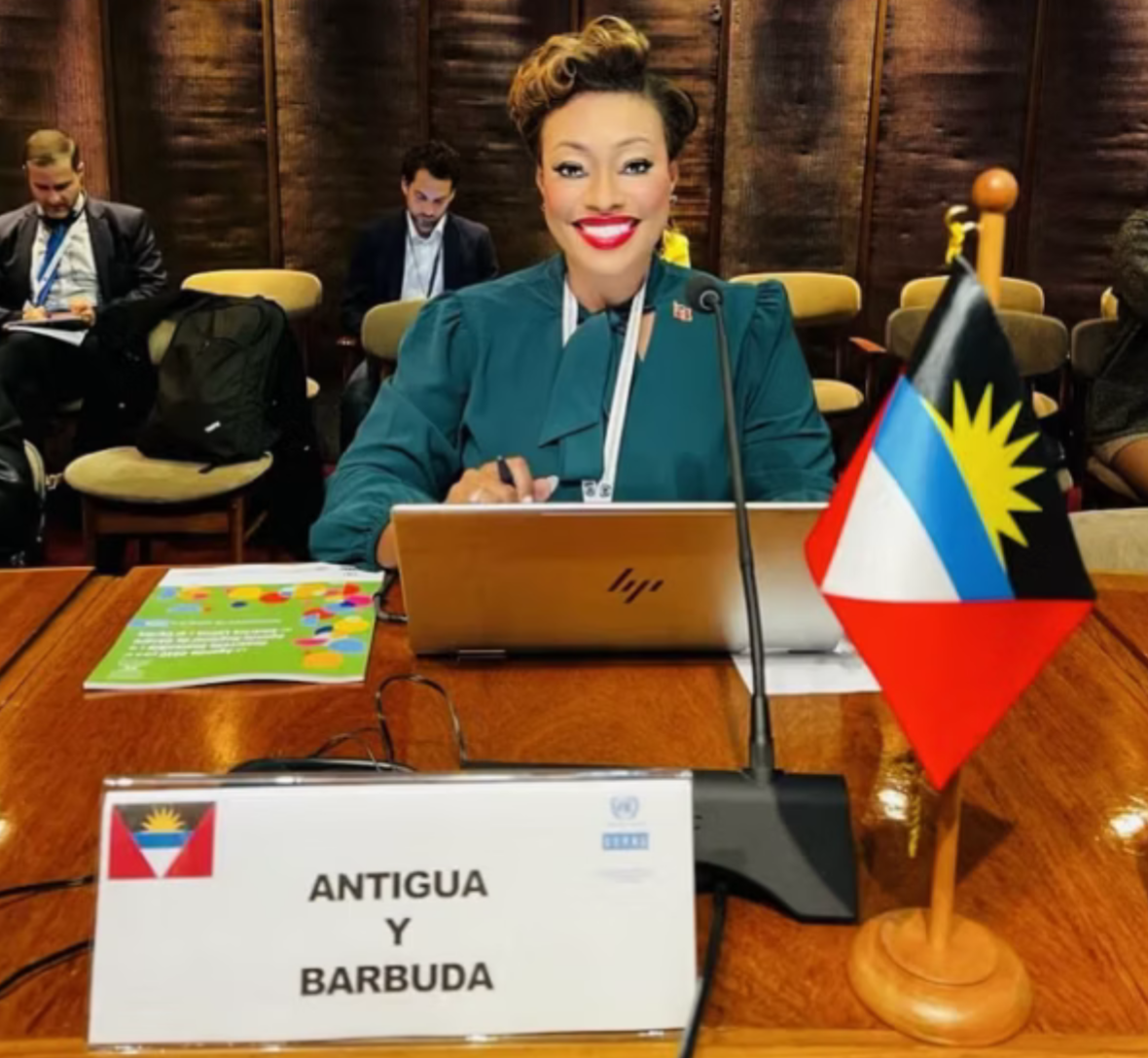
As global stakeholders work toward advancing collective sustainable development goals, a senior official from Antigua and Barbuda has issued a urgent call to reframe global development planning around resilience, centering the unique structural vulnerabilities that small island developing states (SIDS) navigate daily.
Joy-Marie King, Antigua and Barbuda’s Director of International Trade and national focal point for the United Nations Sustainable Development Goals (SDGs), delivered this appeal during a high-level regional consultation held in Quito, Ecuador, between September 29 and October 1. The gathering, which brought together a diverse cross-section of development stakeholders, was convened to collect regional insights and on-the-ground evidence to inform the upcoming UN Global Sustainable Development Report 2027.
King emphasized that SIDS must leverage empirical evidence to design targeted, context-appropriate policies, unlock adequate financing tailored to their needs, and accelerate progress on internationally agreed development commitments. She further called for greater strategic alignment between the global 2030 SDGs, the Antigua and Barbuda Agenda for SIDS, and individual national development frameworks.
This coordinated approach, King explained, would allow small island nations to maximize the impact of their limited resource pools, while building stronger systemic resilience across critical sectors of their economies. Unlike larger economies, SIDS face disproportionate risks from climate change, economic volatility, and external shocks, making resilience not a secondary priority but a foundational requirement for long-term sustainable development.
The Quito consultation drew participation from a wide range of groups, including national government delegations, United Nations agencies, regional intergovernmental organizations, academic researchers, civil society coalitions, youth delegates, and national SDG coordination focal points. Over the course of the three-day meeting, attendees delved into core themes critical to advancing sustainable development across Latin America and the Caribbean: sustainable financing mechanisms, governance reform, integration of science and technology, innovation scaling, institutional capacity building, and strategies to replicate successful development initiatives across borders.
Discussions also extended to cross-cutting issues that shape equitable development progress: accessible education, closing persistent inequality gaps, strengthening accountability for development commitments, and navigating difficult policy trade-offs that many nations face as they work toward the 2030 SDG targets and long-term development beyond that deadline.
For this regional process, Antigua and Barbuda’s participation filled a critical gap by bringing a frontline SIDS perspective to conversations about bridging the divides between science, policy, and civil society. By centering the specific needs of small island states, the consultation’s outcomes will help ensure the 2027 global report reflects the realities of the nations most vulnerable to systemic shocks, and most in need of resilience-centered development strategies.