
To be completed once full original news content is provided.
博客
-
Atlantic hurricane season officially begins with below-normal forecast, but vigilance is urged
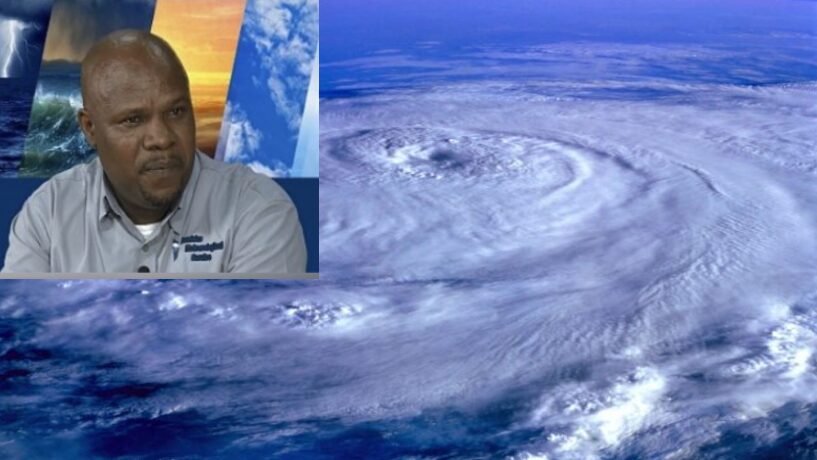
The 2026 Atlantic Hurricane Season officially got underway on June 1, marking the start of the six-month storm period that will extend through the end of November, according to top meteorological officials in Dominica.
Acting Director of Meteorology Marshall Alexander has highlighted that the U.S. National Oceanic and Atmospheric Administration (NOAA) is projecting a below-normal season for 2026. The agency’s probabilistic outlook puts the chance of below-average storm activity at 55%, with an expected range of 8 to 14 named storms, 3 to 6 full hurricanes, and 1 to 3 major hurricanes forming across the entire Atlantic Basin this year. This forecast is rooted in ongoing climate trends: a strengthening El Niño event is forecast to boost wind shear across the Atlantic, a atmospheric condition that typically suppresses tropical cyclone development. This suppressing effect is partially offset by warmer-than-average Atlantic sea surface temperatures, which can fuel storm growth when systems do form.
NOAA constructs its annual hurricane outlook using a robust combination of cutting-edge climate modeling, high-resolution satellite observations, and detailed analysis of large-scale atmospheric and oceanic circulation patterns. Integrating modern tools including artificial intelligence-powered prediction models and next-generation satellite systems, the agency’s cross-institutional team — drawing expertise from the Climate Prediction Center, National Hurricane Center, and Atlantic Oceanographic and Meteorological Laboratory — collaborates to produce the final seasonal outlook. Unlike fixed, precise predictions, NOAA frames its outlook as probabilistic ranges to reflect the inherent uncertainty of seasonal weather forecasting.
Even with the expectation of a quieter-than-average season, Alexander has stressed that communities, particularly those in vulnerable island nations like Dominica, must not let their guard down. “Our history has shown us that it only takes one storm to make for a very dangerous and devastating season,” Alexander explained, pointing to the catastrophic legacy of 2015’s Tropical Storm Erika and 2017’s Hurricane Maria, two events that left Dominica reeling from widespread flooding, catastrophic landslides, crippling infrastructure destruction, and irreversible losses of life and local livelihoods.
As a mountainous island nation located directly within the Atlantic hurricane belt, Dominica remains uniquely exposed to a range of hurricane-linked hazards, including flash flooding, overflowing river systems, landslides, rockfalls, destructive high winds, choppy coastal seas, and permanent coastal erosion. Even a single moderate storm can trigger cascading disasters across the island’s steep terrain.
To help residents stay ahead of developing threats, Alexander urged the public to rely exclusively on official information sources throughout the season, including updates from the Dominica Meteorological Service. Updates are distributed via local radio, the service’s official website at www.weather.gov.dm, and social media platforms including Facebook, Instagram, and WhatsApp.
“Preparedness, early action, communication and coordination remain our strongest defenses during the hurricane season,” Alexander said. He reaffirmed that the below-normal seasonal forecast should not change how Dominicans prepare for storm threats, repeating a critical message that underscores the stakes for at-risk coastal communities: “It only takes one.” NOAA echoed this sentiment, emphasizing that regardless of projected seasonal activity, pre-season preparedness remains the most effective strategy to reduce hurricane-related harm.
-
Sobers, Walcott homes set for heritage recognition
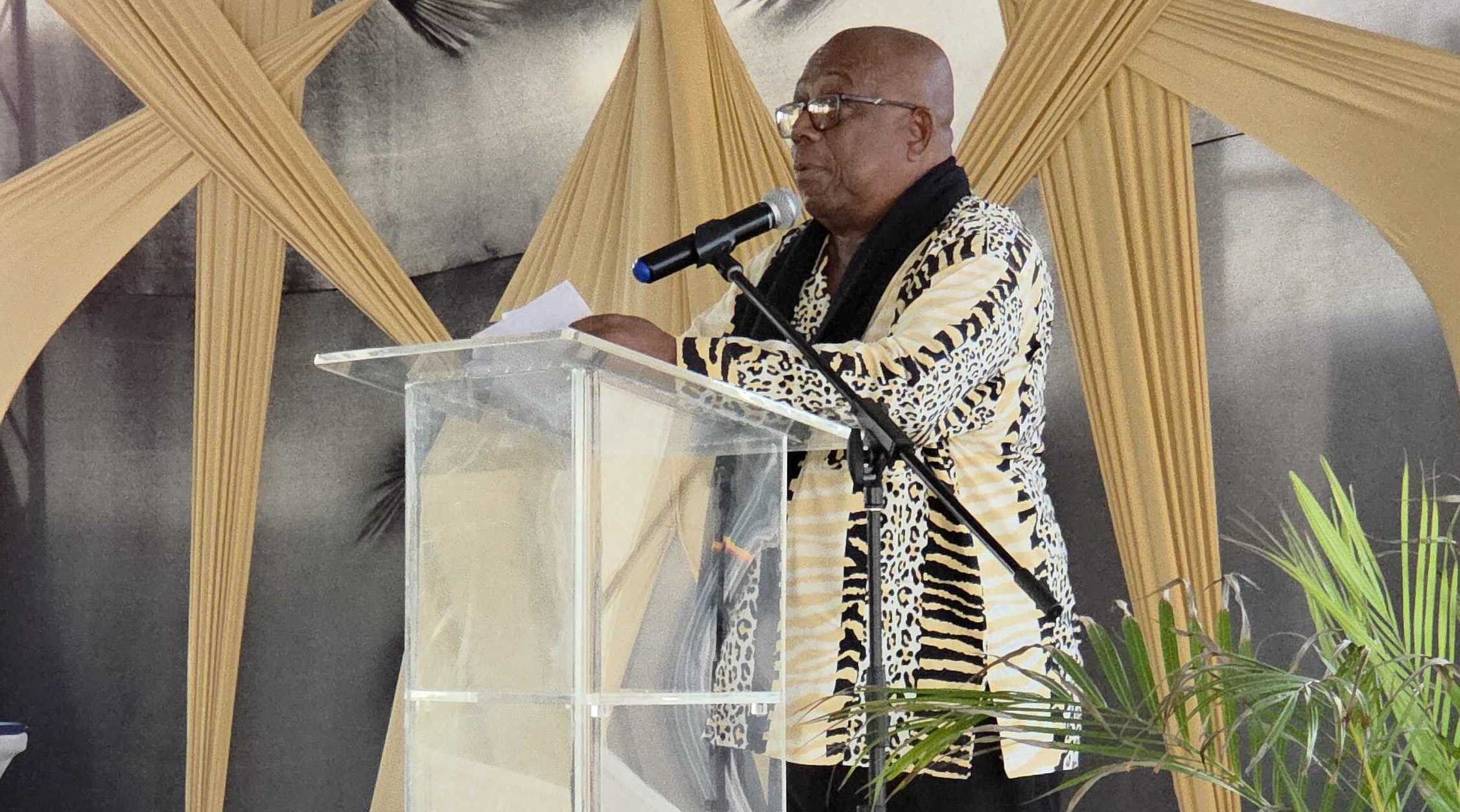
Barbados is set to cement the legacies of two of its most iconic sporting figures through an ambitious new heritage initiative that will preserve the childhood family homes of cricket greats Sir Gary Sobers and the late Sir Frank Walcott. The plan was officially announced by Trevor Prescod, Minister of Pan-African Affairs and Heritage, during the opening ceremony of Heritage Month, held Saturday evening at the island nation’s Cricket Legends Museum.
Unlike conventional commemorative efforts that rely solely on plaques or public statuary, Prescod emphasized that this project marks a deliberate shift toward active, tangible preservation of the nation’s most precious cultural and historical assets. The initiative will kick off at Sobers’ childhood residence in Bay Land, St. Michael, a location that holds deep symbolic meaning for the country as the early home of one of Barbados’ most celebrated living National Heroes.
In remarks at the event, Prescod argued that the state carries a unique responsibility to honor national icons while they are still with us, rather than waiting to recognize their contributions posthumously. “We cannot have a national hero of Gary Sobers’ stature still alive today, and for the state to fail to step forward to honor the home where he grew up – a space that stands as a living symbol of his extraordinary journey and greatness,” Prescod stated. “That is a mistake we are determined to correct, and I can promise we will see this project through to completion.”
Beyond honoring the living legend, the preservation project will also extend to the former home of Sir Frank Walcott, located on the eastern edge of the Empire Cricket Club ground. Walcott, who wore dual hats as a pioneering trade union leader and one of the most respected cricketers in Barbadian history, joins Sobers as a focal point of the ministry’s effort to protect spaces that tell the story of the nation’s sporting and social progress.
To deliver the project, Prescod confirmed that the Ministry of Pan-African Affairs and Heritage will collaborate closely with the Barbados National Trust, the island’s leading independent heritage conservation organization. The partnership aims to ensure that the preservation work adheres to the highest professional conservation standards, going far beyond the basic commemorative marker that has become the standard for honoring public figures.
The announcement has been welcomed by cultural and sporting groups across Barbados, who frame the initiative as a critical step in preserving the island’s connection to its most influential athletes and community leaders. For cricket fans and Barbadians more broadly, the preserved homes are expected to become lasting heritage sites that will educate future generations about the impact of these two legendary figures.
-
Guyana Bar Association’s election heads to court- Attorney Darren Wade
On Sunday, May 31, 2026, defeated candidate and attorney-at-law Darren Wade announced plans to mount a legal challenge to last Friday’s Guyana Bar Association (GBA) Council election, claiming ineligible voters were permitted to cast ballots in direct violation of the professional body’s bylaws.
Wade, whose slate of candidates lost to the opposing ticket led by incoming GBA President Arudranauth Gossai, confirmed his firm intention to file a lawsuit over the disputed poll. He told Demerara Waves Online News that the core of the legal challenge rests on the GBA’s decision to allow government-employed attorneys, who hold non-private practice positions, to vote. Under GBA regulations, only full private practice attorneys qualify for regular voting membership, while government-employed and other non-private practitioners are limited to associate membership that carries no voting rights.
The contested election was held via a virtual Zoom Annual General Meeting (AGM), which the GBA says drew the highest number of attending members in the organization’s history. But Wade alleged that after he raised formal objections to the presence of government-employed attorneys in the voting process, GBA organizers allowed these ineligible participants to remain. He added that official records do not clearly identify who cast ballots, despite preliminary data indicating that 100 percent of the ineligible government-employed lawyers he identified participated in the vote.
Citing explicit GBA bylaws, Wade explained that Section 3 of the organization’s governing rules restricts voting membership exclusively to attorneys engaged in full private practice, defined as attorneys not employed by the state. All other attorneys, including those on government payrolls, are restricted to associate membership, which explicitly excludes voting rights, a restriction that is also clearly posted on the GBA’s official website. Wade emphasized that the election’s core irregularity stems from organizers’ failure to adhere to these longstanding rules.
The GBA has formally confirmed that Gossai’s ticket defeated Wade’s slate to take control of the 2026-2027 GBA Council. The new leadership includes former GBA President Kamal Ramkarran as First Vice-President, Teni Housty as Second Vice-President, Yashmini Singh as re-elected Secretary, Samuel Glasgow as Treasurer, and Mohanie Anganoo as Assistant Secretary. Seven additional members, including senior counsels Robin Stoby and Jamela Ali, were elected to fill at-large Council seats. Wade has criticized that the GBA only released vote results as percentages, refusing to publish raw vote totals to verify the outcome.
Ramkarran, who served as outgoing GBA President during the election, has rejected Wade’s allegations outright. In a May 25 response to Wade’s pre-election concerns, Ramkarran denied any rules were broken and challenged Wade to produce concrete evidence to back his claims. “Despite your allegations, I must point out that the Bar Association’s rules have been complied with in every regard, as always. If you are aware of any rule in particular which has been inadvertently missed, I would be grateful if you could bring it to our attention,” Ramkarran said. He also dismissed as “untrue and defamatory” Wade’s claim that the outgoing Council refused to commit to a transparent, free and fair election without intervention from senior independent members of the legal profession.
Wade’s concerns over electoral fairness predated the Friday vote. In the lead-up to the election, he raised multiple red flags about procedural irregularities, including his claim that a number of eligible voting members were not invited to the virtual AGM. He also formally requested key procedural details ahead of the poll, including the identity of the appointed Returning Officer, formal rules governing nominations, voting, counting and result declarations, Zoom platform participant access and capacity controls, constitutional provisions governing the election, contingency plans for technical failures, and a complete official list of eligible voters. Wade also warned of an uneven playing field, noting that the incumbent GBA leadership had full access to all member contact and eligibility data that was not shared equally with all competing candidate slates.
This electoral controversy comes amid a similar recent dispute in Guyana’s independent professional bodies: just prior to the GBA vote, elections for the Guyana Press Association (GPA) were also marred by allegations of partisan political preference from the ruling People’s Progressive Party Civic (PPPC).
-
Bridgetown Port pulls back the curtain for open day
For most Barbadians, the Barbados Port has long been a closed, mysterious space—ringed by security barriers, off-limits to everyday people who only ever see it from a distance, even as it powers the island nation’s entire economy. That veil of secrecy was lifted this past Saturday, when port management hosted the highly anticipated Port Open Day, offering hundreds of local attendees a once-in-a-lifetime chance to step inside the facility and explore the daily operations that keep the island connected to the rest of the world.
Unlike routine public visits that only allow access to peripheral public areas, this open event granted visitors unprecedented entry to restricted work zones, massive specialized industrial equipment, and active working vessels that rarely welcome members of the general public. Divisional Manager of Business Development and Strategy Jane Broome, who helped organize the initiative, explained that the core goal of the event was to build a stronger connection between the critical infrastructure facility and the local community it serves.
“For most people who never have reason to pass through the main security gates, the port’s day-to-day work is always a bit of a puzzle,” Broome noted. “Port Open Day is our chance to invite the community in, and let them see the port in action for themselves.”
The full-day event featured a packed schedule of live operational demonstrations and interactive guided tours led by multiple agencies that work out of the port complex. One of the most popular attractions was the exclusive tours of active naval patrol craft, hosted by the Barbados Coast Guard, which gave attendees a first-hand look at the island’s maritime defense and border protection operations. Different port operational departments set up outdoor exhibitions to showcase the massive, custom-built cargo-handling machinery and container lifters that move millions of tons of goods through the port every year, letting visitors get up close to equipment they had only ever seen from afar. To cap off the immersive experience, captains of the port’s tugboat fleet led guided tours of these workhorse vessels, explaining their critical role in guiding large cargo and cruise ships through the island’s harbor.
Broome emphasized that the smooth execution of the large community event would not have been possible without widespread cross-sector collaboration across all teams and agencies based at the port. She highlighted the seamless cooperation between port security teams, marine operations departments, emergency response units, and partner government agencies in pulling off the day. “This really is a collective partnership with all the agencies that work within the port,” Broome said. “We have the Barbados Coast Guard opening up their vessels for tours, the Bridgetown Port Fire Station welcoming visitors to explore their facility, and we’re highlighting all the different teams that keep this port running every single day.”
For the hundreds of local residents and families who turned out for the event, the day delivered far more than just a casual outing: it offered a completely new perspective on the port that acts as the beating heart of Barbados’ economy. What is normally a strictly controlled high-security zone was transformed into an interactive educational space, where curious children, maritime enthusiasts, and everyday locals could learn first-hand about the work that keeps the island’s supply chains moving and its economy growing.
-
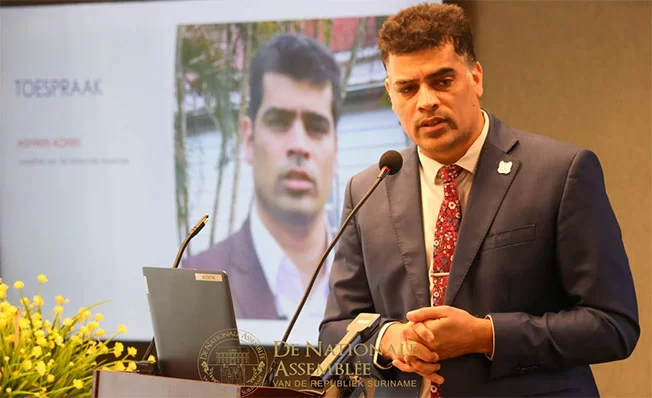
DNA-voorzitter kondigt evaluatie van nieuw Burgerlijk Wetboek aan
Suriname’s parliament, the Nationale Assemblée (DNA), is set to conduct a comprehensive, systematic review of how the country’s new Civil Code (BW) functions in real-world practice, DNA Chairman Michael Adhin announced Friday at a legal industry gathering in Paramaribo.
Addressing attendees of the “Legal Lunch Suriname: From Code to Workplace — Book 2 BW & Governance in Practice” event hosted by the Leadership Academy at the Radisson Hotel, Adhin emphasized that a legislative body’s work does not end when a bill is passed into law. The event brought together legal practitioners, compliance officers, organizational leaders, regulators, and business representatives to discuss the ongoing rollout of the new Civil Code and the role of strong governance across institutions.
“A law is not an end product, it is simply one phase in a continuous cycle,” Adhin told the gathered audience. He noted that while the public typically only sees the legislative process from bill drafting through official publication in the state gazette, the true value and impact of any law only emerges during day-to-day implementation. This post-enactment assessment, he argued, is a core responsibility of parliament that too often goes unaddressed.
Adhin pointed out that gaps frequently emerge between the text of a law written in the legislative chamber and its application for ordinary people, businesses, and public institutions. A law can only prove it is workable, delivers meaningful social value, and aligns with on-the-ground realities once it is put into use, making systematic post-implementation evaluation a foundational element of accountable governance and high-quality lawmaking.
The new Surinamese Civil Code received parliamentary approval in 2024 and officially entered into force on May 1, 2025. Given the sweeping scope of this landmark legal reform, Adhin explained that a structured review is critical to understanding its real-world impact, drawing a parallel to similar legal overhauls in the Netherlands, where reforms are rolled out and assessed in gradual phases to address unforeseen challenges.
To carry out the evaluation, Adhin announced three concrete initiatives led by the Nationale Assemblée. First, the body will establish a permanent consultation platform structured similarly to parliament’s existing Academic Week, to facilitate ongoing dialogue between stakeholders and lawmakers. Second, a dedicated digital reporting portal will be launched, allowing ordinary citizens, legal professionals, and organizations to flag specific provisions that cause confusion or create practical bottlenecks in daily use. Third, three DNA-appointed independent experts will integrate insights and recommendations shared during the Legal Lunch into the formal evaluation framework.
Adhin stressed that the discussions at the one-day event would not be merely academic: the insights collected through these channels will be used to refine the Civil Code and strengthen future legislative drafting in Suriname. “What is exchanged here today will absolutely not go to waste,” he said. “These on-the-ground experiences and perspectives will help us build a clear, accurate picture of how the new Civil Code is working, and drive the ongoing development of more effective, responsive legislation for all Surinamese.”
-
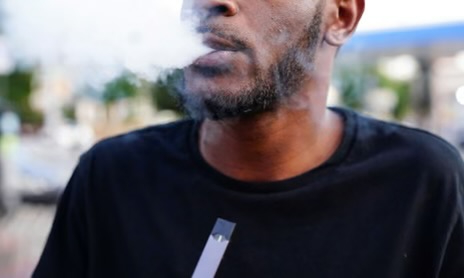
Saint Lucia pushes against youth tobacco use for World No Tobacco Day
As the Caribbean island nation of Saint Lucia marks World No Tobacco Day on May 31, public health authorities have launched an aggressive, multi-pronged national response to rising tobacco and nicotine use among the country’s youth, with growing alarm focused on the booming popularity of vaping products.
In an official press release, the Substance Abuse Advisory Council Secretariat called out the tobacco industry for its evolving predatory tactics, noting that manufacturers deliberately target younger consumers with bright, eye-catching packaging, a wide range of candy and fruit-inspired flavors, and deceptive marketing that frames nicotine products as a safe, trendy hobby.
The renewed public health push is led by Saint Lucia’s Ministry of Health, Wellness and Nutrition, which centered its new campaign on data collected from the 2025 Global Youth Tobacco Survey, a study that analyzed tobacco-related behaviors among 8th to 10th-grade students across the island’s secondary schools. While the survey recorded a welcome drop in traditional cigarette use among respondents, it uncovered a deeply concerning upward trend in the adoption of electronic nicotine delivery systems, most commonly vapes and similar disposable devices. The research also highlighted that youth remain widely exposed to harmful secondhand smoke in homes and local communities, amplifying long-term health risks for non-smokers across the country.
“Our mission is to expose the truth about tobacco and nicotine products and empower our citizens, especially our youth, to make informed and healthy decisions,” the secretariat said in its statement.
To meet this goal, authorities have rolled out a comprehensive suite of outreach initiatives designed to reach both young audiences and the general public. Core components include youth-focused social media campaigns, paired with traditional public service announcements airing on local television and radio stations. Educational outreach will also be extended to secondary schools and workplaces across the island, while large-scale billboard campaigns will prominently display the acute and long-term dangers of tobacco use and secondhand smoke exposure.
Community participation is a central pillar of the new strategy, with planned engagement activities bringing together parents, teachers, school principals, parent-teacher associations, local environmental groups, and community councils. A key new addition to school-based programming is peer-to-peer advocacy, which trains students to lead awareness efforts among their own classmates and social circles.
Public health officials emphasize that centering youth leadership is critical to the campaign’s long-term success. To that end, students are being encouraged to join creative engagement activities, including designing awareness posters, composing original anti-tobacco jingles, leading peer discussion groups, and organizing local awareness initiatives in their schools and neighborhoods.
Alongside new education programming, the secretariat is reinforcing awareness of existing public health amendment regulations that ban smoking in most indoor public spaces and require designated smoking zones at public events and commercial establishments. Authorities report that violations of these rules remain common across the island, and are calling on business owners, event organizers, and all citizens to comply with existing regulations to protect the health of non-smokers.
Health leaders stress that there is no safe threshold for secondhand tobacco smoke exposure, noting that regular exposure increases an individual’s risk of developing acute respiratory illnesses, cardiovascular disease, and chronic progressive conditions such as chronic obstructive pulmonary disease (COPD).
Beyond the well-documented human health risks, the new campaign also shines a light on the underdiscussed environmental harm caused by tobacco products. Discarded cigarette butts and single-use disposable vapes are a growing source of plastic and toxic pollution across Saint Lucia, posing severe threats to the island’s vulnerable marine ecosystems and native wildlife.
Using World No Tobacco Day as a launching pad for the multi-month campaign, the Ministry of Health is calling on every Saint Lucian to contribute to prevention efforts by sharing accurate information, participating in local awareness events, and helping build fully smoke-free environments across the nation. The Substance Abuse Advisory Council Secretariat is also actively seeking partnerships with schools, workplaces, and community groups that are interested in hosting educational sessions or joining the campaign’s outreach work.
-
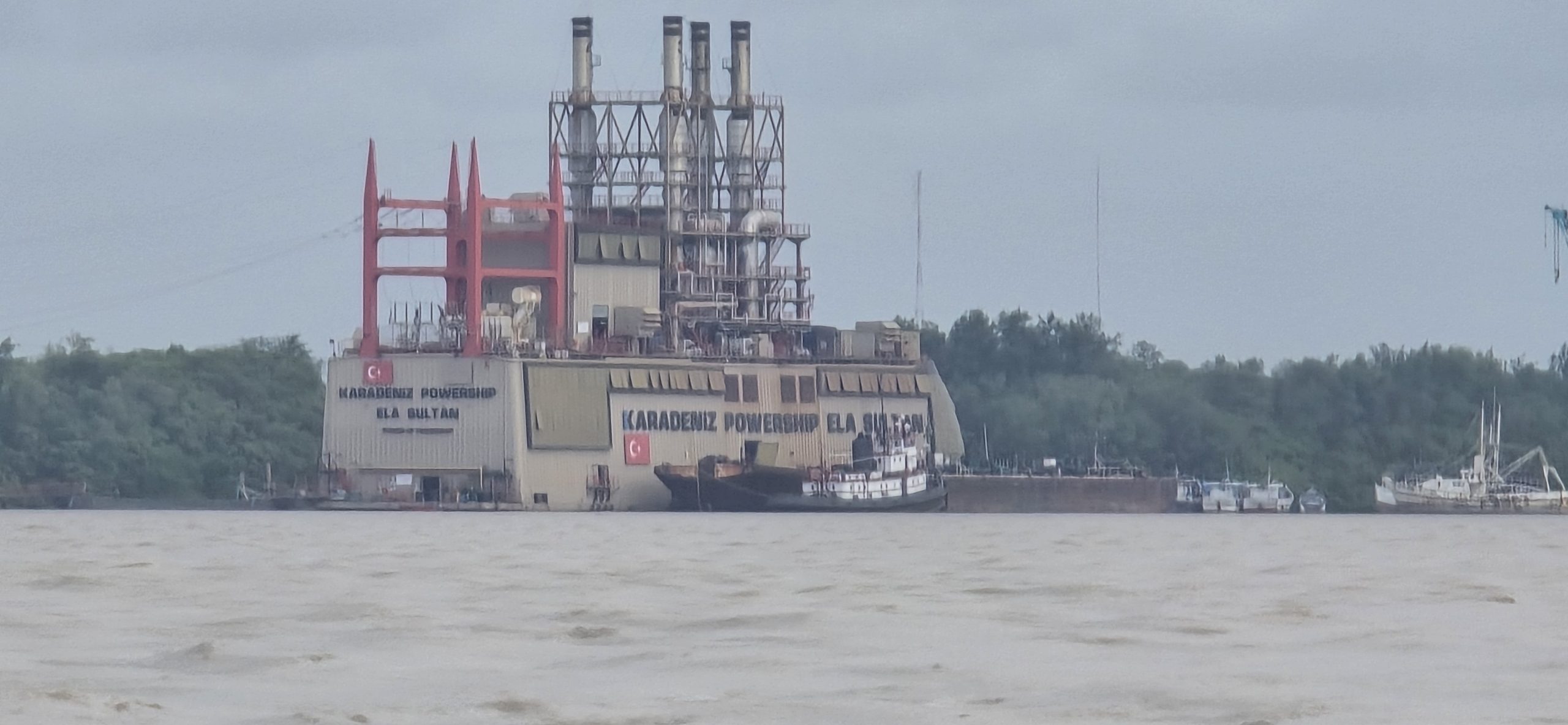
Govt silent on possible blackouts, as Karpower warns of “interruption”
On the eve of a looming deadline that could trigger major electricity cuts across Guyana, top government officials have remained unresponsive to repeated requests for clarification on whether a last-minute deal has been struck to keep two floating Karpowership power plants operational. Multiple attempts to reach President Irfaan Ali, Vice President Bharrat Jagdeo, and Public Utilities Minister Deodat Indar for an update on the negotiations went unanswered on Sunday, May 31, 2026, just 24 hours before the existing contract is set to expire. When contacted, Alfonso de Armas, Director-General of the Ministry of Public Utilities and Aviation, directed all inquiries to Indar, who was accompanying the president on a public outreach trip to Region Seven (Cuyuni-Mazaruni).
The standoff stems from a formal notification Karpowership sent to the Guyanese government on May 25, 2026, warning that all operations from its two power-ships would cease if a new long-term agreement was not finalized by June 1. The Turkey-based energy provider had already granted a final extension of the existing contract to reach this deadline, a detail first confirmed when the privately-run Kaieteur News published the full correspondence, which was copied to GPL Executive Team Leader Kesh Nandlall. In the letter, Karpowership urged authorities to accelerate internal negotiations and approval processes between May 25 and May 31 to wrap up the new contract without further holdups. The firm stressed that updating and aligning commercial terms and pricing structures for all its operations across Guyana remains a non-negotiable requirement to continue supplying power to the national grid. “We trust the remaining matters can now be concluded promptly to avoid any interruption to operations,” the company wrote in the correspondence.
The potential shutdown carries major stakes for Guyana’s electricity supply. The two Karpowership vessels currently contribute a combined 96 megawatts to the national grid: the moored vessel at Meadow Bank on the Demerara River supplies 60 megawatts, while the second vessel at Everton on the Berbice River adds 36 megawatts. The country’s total peak electricity demand tops 220 megawatts, meaning the remaining supply from state-run Guyana Power and Light (GPL) and private partner Power Producers and Distributors Inc (PPDI) would fall far short of meeting consumer and industrial demand if both power-ships go offline. Beyond the immediate gap, the long-delayed Wales Gas-to-Energy facility – which is expected to add up to 300 megawatts of generation capacity once fully operational – will not come online before the end of 2026, leaving no backup source to offset the lost supply in the short term. As of Sunday afternoon, senior officials had not offered any public comment on whether alternative backup plans are in place, or whether GPL and PPDI have enough capacity to avoid widespread blackouts if the deadline passes without a deal.
-
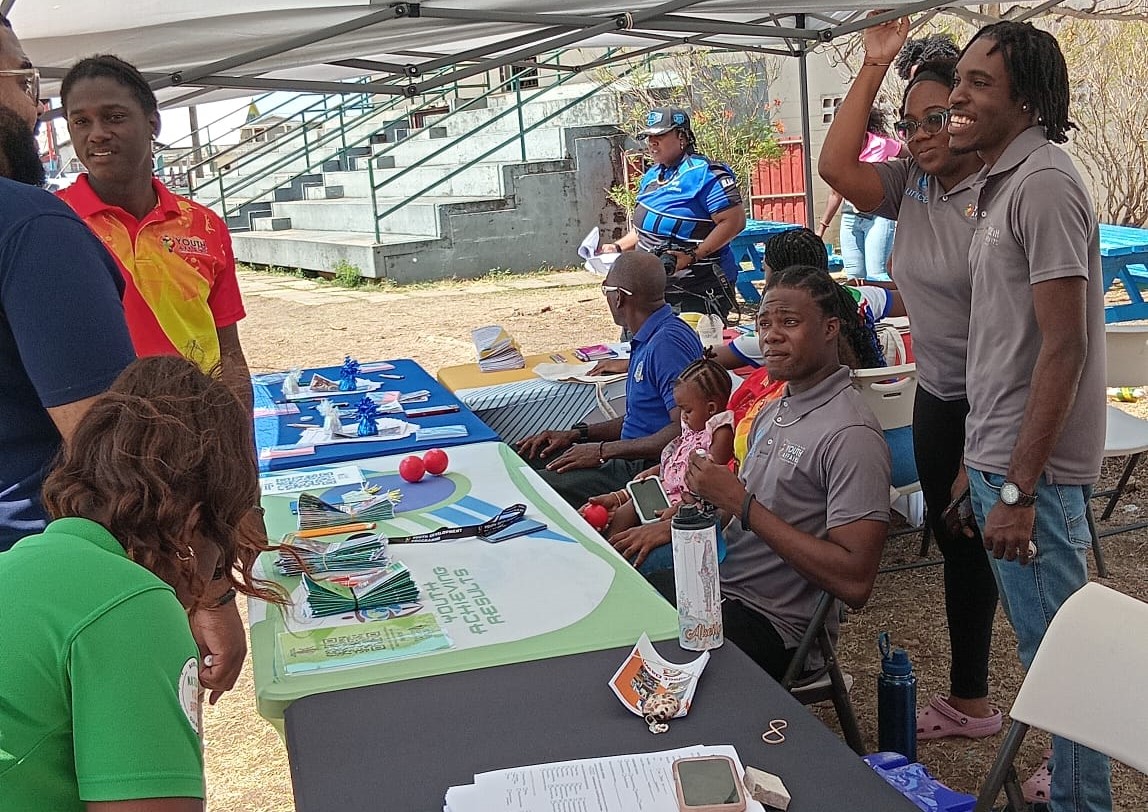
Youth Affairs hits the road with new mobile vommunity outreach
In a transformative shift to better serve young people across the country, Barbados’ Division of Youth Affairs has rolled out an ambitious mobile community outreach program that moves critical support services out of government offices and into the heart of local neighborhoods.
The campaign made its official debut this past Saturday, with the first two engagement stops held in the Passage Road and Deacons St. Michael communities. Designed to connect young people between the ages of 9 and 35 with life-changing developmental opportunities, the initiative brings multiple key government agencies together into a single mobile unit to streamline access to support.
Partner agencies participating in the outreach include the Youth Entrepreneurship Scheme (YES), the national Pathways youth development programme, and the Block Transformation Unit. According to Wanda Reid-Beckles, Public Relations Liaison Officer for the Division of Youth Affairs, the core goal of the program is to dismantle common barriers that prevent many young people from accessing existing resources.
“Instead of asking young people and their families to come to our office to find out about the support we offer, we’ve come out of the office into the community,” Reid-Beckles explained. “This is our commitment to bringing all of our programs directly to local young people, helping them turn their goals into reality and addressing the specific needs that young people across the country have shared with us.”
Unlike traditional static service fairs, the mobile outreach offers on-site, instant registration for a wide range of programs tailored to diverse youth needs. These include family-focused parenting education, structured sports training programs, and employability skill-building workshops that equip participants with the tools needed to secure and succeed in the workforce. For young people interested in starting their own businesses, the initiative also offers face-to-face one-on-one mentorship with dedicated YES officers, who provide personalized guidance on launching and growing a new venture.
Program officials have emphasized that this weekend’s launch is just the opening phase of a far broader long-term campaign. Over the coming months, the mobile outreach unit will travel to communities across all regions of Barbados, with a deliberate commitment to reaching underserved and rural areas to ensure no young person is excluded from access to critical development opportunities.
-
Youth vaping is growing faster than Caribbean policy
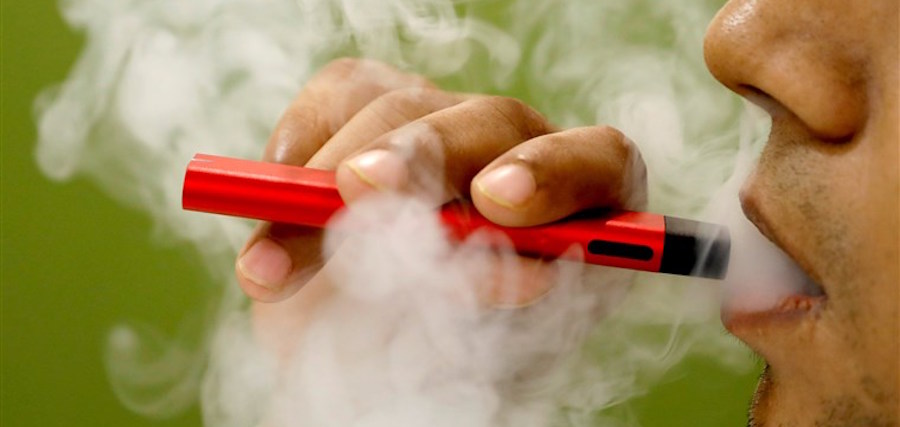
Across Caribbean nations, underage access to vaping products has become alarmingly simple: students can leave their campus in uniform, walk into a neighborhood convenience store, or slide into an Instagram DM with an online seller, and walk away with a vape with almost no barriers. Young buyers are lured by a menu of candy-inspired flavors – cherry, bubble gum, cotton candy, and dozens more – while social media campaigns frame vapes as sleek, trendy, stress-relieving tools that pose no real health risk.
What most of these young users do not understand is that not all vapes are created equal, and even so-called “nicotine-free” devices carry hidden risks. Many disposable and pod-based vapes contain high levels of addictive nicotine, while products marketed as zero-nicotine still feature child-friendly flavors that normalize vaping as a harmless hobby. This hidden harm could not be more relevant to this year’s World No Tobacco Day, which centers on the theme “Unmasking the appeal – countering nicotine and tobacco addiction.”
For decades, regional discussions about tobacco harm in the Caribbean have centered almost exclusively on traditional cigarettes and their long-term impact on adult health. But a new public health emergency is unfolding in plain sight, as vaping products flood youth spaces and regional policy fails to keep up with the rapidly growing crisis. The urgency of this conversation is amplified this year, as World No Tobacco Day falls during Mental Health Awareness Month: nicotine is widely marketed to young people as a quick fix for stress, anxiety, and poor focus, promising an immediate dopamine boost to cope with daily pressures. But for adolescent brains that are still developing, nicotine actually worsens anxiety, increases the risk of substance dependence, fuels mood instability, and perpetuates harmful cycles of stress. Already navigating academic pressure, systemic economic uncertainty, community violence, and unaddressed mental health struggles, many young Caribbean people turn to vaping seeking comfort, unaware the products are intentionally designed to hook them into lifelong addiction.
This crisis cannot be brushed aside just because current usage rates remain lower than those of more established recreational drugs. Data from the World Health Organization’s 2018 Global Youth Tobacco Survey underscores the scale of the issue: among 13- to 15-year-olds, youth vaping rates ranged from 4% in Antigua and Barbuda to 17.2% in Trinidad and Tobago, one of the highest rates in the entire region. In several Caribbean countries, e-cigarette use among young people already outpaces traditional cigarette consumption. In Jamaica, the 2018 survey put current adolescent e-cigarette use at 11.7%; by 2022, Jamaica’s National Council on Drug Abuse reported that figure had risen to 15% for 13- to 15-year-olds, with 80% of all young tobacco users reporting their first exposure before the age of 14. These numbers are not just statistics: they represent thousands of young people encountering addictive nicotine during the most critical stage of brain development.
This steady rise in youth vaping is no accident. Leading regional public health bodies including the Caribbean Public Health Agency (CARPHA), the Pan American Health Organization (PAHO), and the Healthy Caribbean Coalition (HCC) have repeatedly warned that tobacco and vape companies intentionally design their products, marketing, and distribution strategies to attract underage users. Vapes are sold in bright, eye-catching packaging, stocked next to candy and snacks in local stores, promoted heavily by social media influencers, and framed as a cleaner, safer alternative to traditional cigarettes. Despite existing age restrictions, many vendors sell vapes to minors near school campuses with little to no accountability for breaking the law.
Adolescents are uniquely vulnerable to the harm of nicotine, as the human brain does not finish developing until roughly age 25. Nicotine permanently alters brain chemistry, interfering with the development of regions responsible for attention, memory, learning, and emotional regulation. For students, this can translate to poorer focus in class, shortened attention spans, increased anxiety, and persistent mood challenges that harm academic performance, personal relationships, and overall long-term wellbeing. Early nicotine exposure also normalizes substance use from a young age, drastically increasing the risk of lifelong patterns of addiction. Beyond mental and developmental harm, vaping also poses severe physical health risks: e-cigarette aerosols contain confirmed carcinogens, toxic heavy metals, and fine particulate matter that trigger inflammation and chronic respiratory illness. Young users often develop persistent cough, wheezing, asthma flare-ups, and chronic lung irritation, while emerging research links long-term vaping to higher risk of cardiovascular disease and other life-altering non-communicable diseases.
Despite these well-documented risks, major gaps in legislation and regulation persist across nearly every Caribbean nation. Most Caricom countries have formally ratified the WHO Framework Convention on Tobacco Control (WHO FCTC), the global gold standard for tobacco control policy, but consistent implementation across the region remains elusive. The HCC has identified critical weaknesses: lax restrictions on vape advertising and promotion, insufficient taxation policies, incomplete smoke-free public space protections, and glacial progress on regulating electronic nicotine delivery systems such as vapes.
For example, Jamaica’s 2013 Public Health Tobacco Control Regulations only address portions of three FCTC articles, covering smoke exposure, product disclosure, and packaging. Major gaps remain in core areas including full advertising bans (required under FCTC Article 13) and protections for public health policy from tobacco industry interference (required under Article 5.3). While public health advocates have pushed for years for comprehensive new legislation to regulate e-cigarettes, progress has been painfully slow even as youth vaping rates continue to climb.
Public awareness campaigns alone are no longer enough: the time for meaningful policy action is now. If Caribbean governments are genuinely committed to protecting young people, nicotine products cannot continue to slip through regulatory gaps, packaged and marketed in ways that explicitly target children and adolescents. Regional efforts to restrict marketing of unhealthy processed foods and drinks to children took more than a decade to earn serious policy traction – and the Caribbean cannot afford to wait another decade to address vaping, when harm is already impacting thousands of young lives.
Comprehensive reform requires immediate action on multiple fronts: stricter enforcement of underage sales penalties, tighter rules for social media and influencer advertising, bans on child-friendly flavors and bright, playful packaging, expanded public education campaigns that clearly outline both the mental and physical harms of vaping, and targeted support for schools to implement prevention and early intervention programs. Most critically, public health advocates must actively dismantle the pervasive myth that vaping is harmless simply because it looks different from traditional cigarettes. Addiction does not become less dangerous because it comes in a pastel package or a mango flavor.
Solving this growing crisis requires collective effort from every sector: governments, policymakers, school administrators, parents, youth advocates, civil society groups, and public health agencies all have a role to play in limiting underage access, strengthening child protection policies, and providing young people with accurate, transparent information about vaping risks. The tobacco industry is evolving rapidly to capture new, young markets – and Caribbean policy and public education must evolve faster to keep up.
This World No Tobacco Day, protecting Caribbean youth means looking beyond the decades-long focus on traditional cigarettes and confronting the new, fast-growing crisis of accessible, normalized youth nicotine addiction. If regional leaders fail to act now, an entire generation of young Caribbean people will pay the price for policy that moved too slowly, while an unregulated industry moved fast. This commentary was written by Natalia Burton, an advocate with the Jamaica Youth Advocacy Network (JYAN), Healthy Caribbean Coalition/Youth (HCC/HCY), and UNICEF, focused on youth public health and wellbeing.