博客

  • Belize Shines on the International Stage

    Belize Shines on the International Stage

    As the July 2026 edition of Sports Monday, produced by Belize’s National Sports Council, gets underway, host Shane Williams turns a spotlight on the outstanding achievements of Belizean athletes competing across international tournaments worldwide. This week’s coverage highlights the grit, preparation and team chemistry that have helped put Belize on the global sports map, from the Caribbean to the United Kingdom and Central America.

    The lead story comes from the 2026 Central American and Caribbean (CAC) Games hosted in the Dominican Republic, where Belize is fielding delegations across four disciplines: sailing, beach volleyball, cycling and men’s basketball. For the Belize U-19 men’s national basketball team, Saturday’s opening matchup against Nicaragua was far more than a preliminary round game—it was an opportunity to avenge a 2025 gold medal defeat, where a depleted Belizean roster missing four key starters fell short of the top prize.

    Over the past four years, the Belize Basketball Federation has intentionally built this roster from the ground up, with a long-term development strategy focused on nurturing young local talent rather than relying on last-minute roster picks. Jacob Leslie, president of the federation, explained the vision behind the program: the federation set out to identify a promising young age group, develop them into the future senior national team, and build a sustainable pipeline that continuously cultivates new generations of homegrown athletes. Beyond on-court wins, the program’s core mission is to create exposure opportunities for young players, who draw attention from college and high school scouts every time they compete on the international stage, opening doors for growth both in basketball and in their personal lives.

    What sets this team apart beyond its structured development is the genuine camaraderie built between players over four years. Since 2022, the group has maintained an active shared chat, staying updated on each other’s lives, academic pursuits and training progress, creating a tight bond that translates to on-court success. That chemistry was on full display Saturday: Belize took control of the game early, ultimately cruising to a comfortable 19-point opening win over the defending Central American champions. Now, the team turns its attention to Tuesday’s high-stakes matchup against host nation the Dominican Republic, the biggest test of the preliminary round. After four years of competing at the international level, Leslie says the squad has built the confidence to go toe-to-toe with teams from much larger countries, and the program’s long-term strategy is finally beginning to deliver results. Tipoff is scheduled for 6:30 PM Belize time.

    Beyond basketball, other Belizean teams have had mixed results in CAC Games beach volleyball competition. The pairing of Nelissa Ramirez and Clara Sabal split their first two group stage matches, picking up a win against the U.S. Virgin Islands before falling to the host Dominican Republic. On the men’s side, Ernest Broaster and Francis Hauze dropped their opening two matches against Cuba and El Salvador.

    In CAC Games cycling, young rider Derrick Chavarria was forced to withdraw from the individual time trial after struggling with a pre-race illness. Fans and coaches are optimistic he will recover in time to compete alongside Jyven Gonzalez in the upcoming road race this Sunday.

    Across the Atlantic in Glasgow, Scotland, Belizean swimmers are turning heads at the 2026 Commonwealth Games, where Belize is competing in athletics, swimming and cycling. Swimmer Davia Richardson delivered two standout performances in her opening heats, claiming second place in the 100-meter freestyle and notching a new personal best to take second in the 50-meter butterfly. Compatriot Nyasha Harris finished fifth in her 100-meter heat, just missing her personal best time.

    In other international action, 10-year-old Armaan Sugnani and 9-year-old John Habet are representing Belize at the Central America Tennis Confederation U-10 Championships being held in Costa Rica, carrying the country’s flag into regional youth competition.

    Closing out the broadcast, congratulations went to the Wolfpack, who claimed the title of Belize District Marconi Leal Men’s Softball Champions after a dramatic comeback victory over the Guardian Bombers Sunday in Crooked Tree Village. The Bombers will get a chance to earn revenge this weekend, when both teams compete in the National Championships hosted at the new softball field in Camalote Village.

    This edition of Sports Monday is presented by the National Sports Council of Belize. Signing off, host Shane Williams noted that friendly competition brings communities together, and encouraged Belizeans to keep pursuing their love of sport. This article is a transcript of a televised evening newscast.

  • We have the tools to eliminate HIV, but gaps in access and coverage remain, says PAHO

    We have the tools to eliminate HIV, but gaps in access and coverage remain, says PAHO

    At the opening session of the 2026 International AIDS Conference (AIDS 2026), Pan American Health Organization (PAHO) Director Jarbas Barbosa delivered a landmark address that balanced celebration of past progress against HIV with a urgent call to address persistent gaps in access to life-saving care across the Region of the Americas.

    Barbosa opened by noting a historic turning point in the global fight against HIV: the Americas now holds more advanced tools for prevention, diagnosis, and treatment than at any other point in history. These innovations range from oral pre-exposure prophylaxis (PrEP) and long-acting injectable PrEP to rapid diagnostic tests and at-home HIV self-testing. To move closer to eliminating HIV as a public health crisis, Barbosa emphasized that expanding broad, equitable access to these tools—paired with investments in early detection and timely treatment initiation—will be non-negotiable.

    The PAHO chief pointed to the region’s long track record of delivering on ambitious public health goals as a foundation for this next chapter of work. Through cross-border collaboration, reliance on scientific evidence, and investment in resilient primary health systems, the Americas has already eliminated polio and rubella, and multiple nations have successfully ended mother-to-child transmission of HIV. These achievements, he argued, prove that coordinated action can deliver transformative results.

    Notably, Barbosa highlighted that Latin America and the Caribbean currently funds 92% of all HIV response investments through domestic resources—one of the highest shares of domestic financing for HIV programs anywhere in the world. This statistic, he emphasized, reflects the region’s unwavering long-term commitment to confronting the HIV epidemic.

    “The question before us is no longer whether we have the tools to end HIV as a public health threat. We do,” Barbosa stated. “The question is whether we can ensure that those tools reach everyone who needs them, regardless of where they live, who they are, or the circumstances they face. Innovation only changes lives when people can access it.”

    Recent public health data underscores how far the region has already come: between 2010 and 2025, AIDS-related deaths across Latin America and the Caribbean dropped by 46%. In 2024 alone, widespread access to antiretroviral treatment prevented an estimated 117,000 fatalities linked to AIDS. Access to PrEP has also grown exponentially, surging from just 35,000 people accessing the prevention tool in 2020 to more than 326,000 in 2025.

    Despite these impressive gains, critical gaps in access and coverage continue to undermine progress. Roughly one in three new HIV diagnoses are still made at a late stage of infection, and nearly 900,000 people living with HIV across Latin America and the Caribbean are not receiving ongoing life-saving treatment. Late diagnosis, delayed treatment initiation, and challenges retaining patients in care all contribute to preventable deaths, and fuel the burden of co-infections such as tuberculosis— which remains the leading cause of death for people living with advanced HIV disease. Reducing HIV-related mortality and addressing advanced HIV disease are core priorities for PAHO at AIDS 2026.

    Against this backdrop, PAHO used the conference’s opening to unveil two new regional initiatives designed to accelerate progress toward HIV elimination by 2030. The first is the Alliance for HIV Elimination in the Americas, a new cross-sector regional platform that will bring together governments, local community groups, international organizations, academic institutions, development partners, and private sector stakeholders to strengthen coordinated action. The Alliance is integrated into PAHO’s broader Disease Elimination Initiative, with core goals of boosting political leadership for HIV response, expanding equitable access to life-saving innovations, and promoting sustainable long-term investment to speed elimination across the region.

    The second new initiative is the Path to HIV Elimination in the Americas, an evidence-based strategic framework that will support individual countries to track their progress toward elimination targets, identify unaddressed gaps in access and care, and document achievements along the way.

    “If we maintain political commitment, protect the investments already made, and place equity at the center of every decision, ending HIV as a public health threat will be within our reach,” Barbosa said. “No country will achieve this goal alone.”

    Barbosa also warned that ongoing risks threaten to reverse decades of hard-won progress, including growing financial pressures, shifting global political priorities, and deep-rooted systemic inequalities that leave marginalized communities behind. He reiterated that achieving elimination will require sustained investment in people-centered health systems, expanded access to PrEP and other new prevention and treatment tools, integrated service delivery that combines HIV care with treatment for tuberculosis, viral hepatitis, and other sexually transmitted infections, coordinated community-led action to reduce HIV-related stigma and discrimination, and continued support for the domestic investments that have driven steady progress to date.

    Over the course of AIDS 2026, PAHO will advance these priorities through a full schedule of high-level events focused on HIV elimination, advancing care for advanced HIV disease, and expanding equitable access to innovative prevention, diagnostic, and treatment tools across the region.

  • Eerste onderzoeksresultaten wijzen op chemische oorzaak vissterfte Saramaccarivier

    Eerste onderzoeksresultaten wijzen op chemische oorzaak vissterfte Saramaccarivier

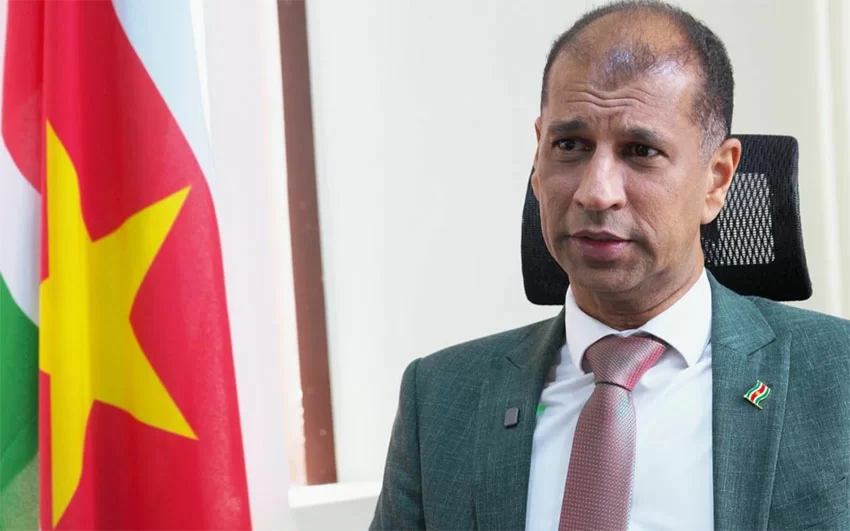
    A widespread mass fish die-off in Suriname’s Saramacca River has been linked to suspected chemical pollution in early investigative findings, according to Minister of Oil, Gas and Environment Patrick Brunings. The minister announced that the leading working hypothesis attributes the environmental disaster to heavy rainfall overflowing a chemical storage facility or containment pond, with toxic contaminants flowing through the Moeroekreek tributary before entering the main Saramacca River. Suriname’s government expects to identify the likely source of the pollution within two weeks, as final analysis of collected samples is still pending. Minister Brunings emphasized that no definitive conclusions can be drawn at this stage, with full test results from examined fish samples scheduled to be released on August 10.

  • Antigua and Barbuda Advances Next Phase of Mental Health Reform with PAHO/WHO Technical Mission

    Antigua and Barbuda Advances Next Phase of Mental Health Reform with PAHO/WHO Technical Mission

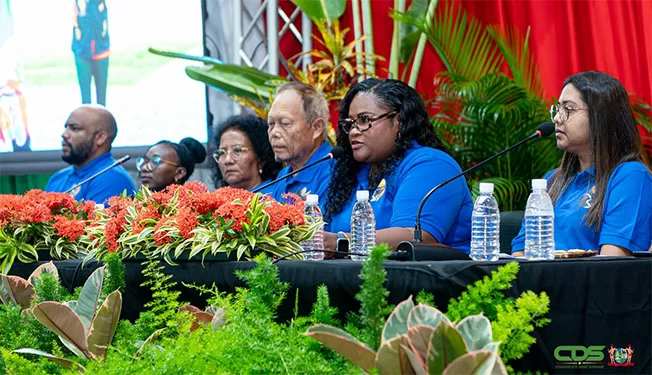
    Against a growing global recognition of mental health as a core component of public well-being, the Government of Antigua and Barbuda has kicked off a critical five-day technical collaboration mission with the Pan American Health Organization/World Health Organization (PAHO/WHO), marking a key milestone in the island nation’s ongoing effort to overhaul and strengthen its national mental health services.

    Running from July 27 to 31, the mission brings together a cross-functional group of stakeholders: senior officials from Antigua and Barbuda’s Ministry of Health, Wellness, Environment and Civil Service Affairs, practicing mental health clinicians, community health outreach representatives, and three seasoned PAHO/WHO technical experts—Dr. Soumitra Pathare, Dr. Claudina Cayetano, and Ms. Sonali Kumar. Over the course of the week, the group will conduct a comprehensive review of progress made across the past 12 months of reform work, and map out targeted, actionable next steps to build a more modern, person-first, community-rooted mental health system.

    This mission is not an isolated initiative: it sits at the center of the Ministry of Health’s broader Mental Health Service Reorganization Plan, a long-term strategy designed to expand access to high-quality mental healthcare while ensuring people can receive timely, appropriate support close to their homes. A core pillar of this reorganization is a systemic shift away from institution-centric care toward expanded community-based services. The plan aims to boost continuity of care for people living with mental health conditions, improve the speed and effectiveness of crisis response, and strengthen integrated connections between acute hospital care, primary care providers, and local community support networks.

    Over the past year of partnership between the Ministry and PAHO/WHO, the reform effort has already delivered tangible, foundational progress. Key achievements to date include better aligned coordination between hospital and community mental health services, expanded mental health consultation capacity at the Sir Lester Bird Medical Centre, refined referral and discharge planning protocols, upgraded clinical documentation systems, and ongoing work to update and modernize Antigua and Barbuda’s outdated national mental health legislation. These cumulative gains have laid a solid baseline to build on for the next, more ambitious phase of system transformation.

    Throughout the five-day mission, participants will take part in a structured program of strategic leadership meetings, hands-on technical workshops, and on-site visits to existing mental health facilities. The agenda focuses on identifying unaddressed gaps in current service delivery, co-developing practical, context-appropriate solutions to persistent challenges, and drafting a clear roadmap of actionable steps to further strengthen care. Additional discussion topics include expanding and upskilling the national mental health workforce, building sustainable community partnerships, refining crisis intervention protocols, advancing social inclusion for people living with mental health conditions, and fostering cross-sector collaboration between health, education, and social services agencies to deliver more coordinated, holistic care.

    Hon. Michael Joseph, Minister of Health, Wellness, Environment and Civil Service Affairs, emphasized that the technical mission underscores the current administration’s unwavering commitment to advancing long-term, systemic mental health reform. “Mental health is an essential part of overall health and well-being, and strengthening mental health services remains a top priority for this Government,” Joseph stated. “We recognize that building a modern mental health system requires more than incremental improvements to existing services. It requires a coordinated, people-centred approach and a fundamental shift in how we understand, respond to and support people living with mental health conditions.”

    Joseph added that the long-running partnership with PAHO/WHO has been instrumental in turning the government’s vision for reform into actionable progress: “Through our continued partnership with PAHO/WHO, we are advancing this vision while working to ensure that every individual has access to compassionate, high-quality care. The discussions and technical collaboration taking place this week will help shape the next phase of that transformation as we continue building a stronger, more integrated and responsive mental health system for the people of Antigua and Barbuda.”

    At the conclusion of the mission, the PAHO/WHO team will deliver a set of targeted, evidence-based recommendations to guide the next phase of reform. The Ministry of Health has already expressed its gratitude to PAHO/WHO for its ongoing technical support, and reaffirmed its commitment to working collaboratively with clinicians, community partners, and all relevant stakeholders to implement the mission’s outcomes. These recommendations are expected to shape policy and service delivery changes that will improve mental health outcomes for communities across Antigua and Barbuda for years to come.

  • In augustus voor het eerst nationale Heritage Month

    In augustus voor het eerst nationale Heritage Month

    This August, Suriname will make national history with its first ever month-long celebration of the country’s shared cultural and historical heritage. Running from August 1 to 31, the debut edition of Heritage Month centers on the unifying theme: “However we came here together, this is how we move forward together.” Organized by a presidential working group, the initiative is designed to grow into an annual national tradition that gives space to every population group and their unique ancestral stories.

    The full event program was officially unveiled to media during a press conference held earlier this week. All activities scheduled throughout the month are framed around three core goals: preserving Suriname’s diverse cultural heritage, fostering public appreciation for the country’s pluralistic history, and passing this shared legacy on to future generations. For organizers, the 2025 launch is not just a one-off celebration — it marks the starting point of a long-term process intended to deepen public knowledge, strengthen cross-community understanding, and build greater connection between Suriname’s many distinct population groups.

    Rachel Pinas, chair of the presidential working group, emphasized that Heritage Month will create space for both the uplifting and painful chapters of Suriname’s collective past. “Moving forward together does not mean we forget our history,” Pinas explained during the press conference. “It means we learn about our past, acknowledge it, and use that understanding to build greater empathy and respect for one another.” Pinas stressed that the initiative is not limited to a single community, organization, or government ministry: “This is a national journey where every community that helped shape Suriname deserves to be seen. The stories of smaller, less widely recognized groups also deserve full, equal attention.”

    The debut edition of Heritage Month is structured around four core pillars: knowledge and awareness, education and intergenerational transfer, participation and connection, and policy and long-term sustainability. These themes will be brought to life through a diverse lineup of events, including heritage storytelling days at primary and secondary schools across the country, a mini academic conference hosted by Anton de Kom University of Suriname, youth-focused activities, the One Heritage Policy Symposium, an interactive Heritage Village experience, and multi-platform public media and awareness campaigns.

    Organizers acknowledge that a single 31-day month is not enough to fully capture the depth and breadth of Suriname’s full history and cultural richness. That is why the working group has laid out plans for the event to become an annual, evolving celebration that grows in scope and community support each year. The first two weeks of this year’s inaugural event will focus primarily on knowledge sharing and academic exploration, before shifting to inclusive public programming. The third weekend of August will feature a large-scale cultural gathering in Suriname’s historic inner city, paired with a national culinary festival highlighting food traditions from across the country’s diverse communities.

    International partners have also been invited to contribute to the program. Embassies from nations including India, China, and Indonesia have collaborated with organizers on programming for the month, and will participate with their own cultural presentations and performances, highlighting the global roots of Suriname’s modern national identity.

  • January trial date set for endangerment, aggravated damage charges

    January trial date set for endangerment, aggravated damage charges

    A resident of Eden Lodge, St. Michael has entered a not guilty plea to two criminal counts alleging he endangered two people’s lives and damaged personal property, with his high-profile trial set to get underway at the start of next year.

    Lee Anderson Thompson, who lives on Austin Drive in the district, was formally arraigned before Justice Laurie-Ann Smith-Bovell at Barbados’ No. 4 Supreme Court. During the arraignment hearing, Thompson entered not guilty pleas to both charges brought against him by state prosecutors.

    The first charge accuses Thompson of illegally and maliciously carrying out an act that put both Danielle Dowridge and Sylvia Dowridge at significant risk of death or severe permanent bodily injury. The second charge stems from allegations that Thompson caused damage to Danielle Dowridge’s private motor vehicle, with prosecutors asserting he either intended to put Dowridge’s life at risk through the damage, or acted with reckless disregard for the danger the damage would create for her.

    Court documents confirm the alleged offenses are said to have taken place on March 24, 2022, more than two years before Thompson’s scheduled court date.

    Acting Senior State Counsel Paul Prescod is leading the prosecution’s case against Thompson, while defense attorney Simon Clarke has been appointed to represent the accused throughout the trial proceedings. Following the arraignment, the court fixed a start date of January 25 for the full criminal trial to unfold before the high court.

  • Haiti : A high-level American parliamentary delegation at the National Palace

    Haiti : A high-level American parliamentary delegation at the National Palace

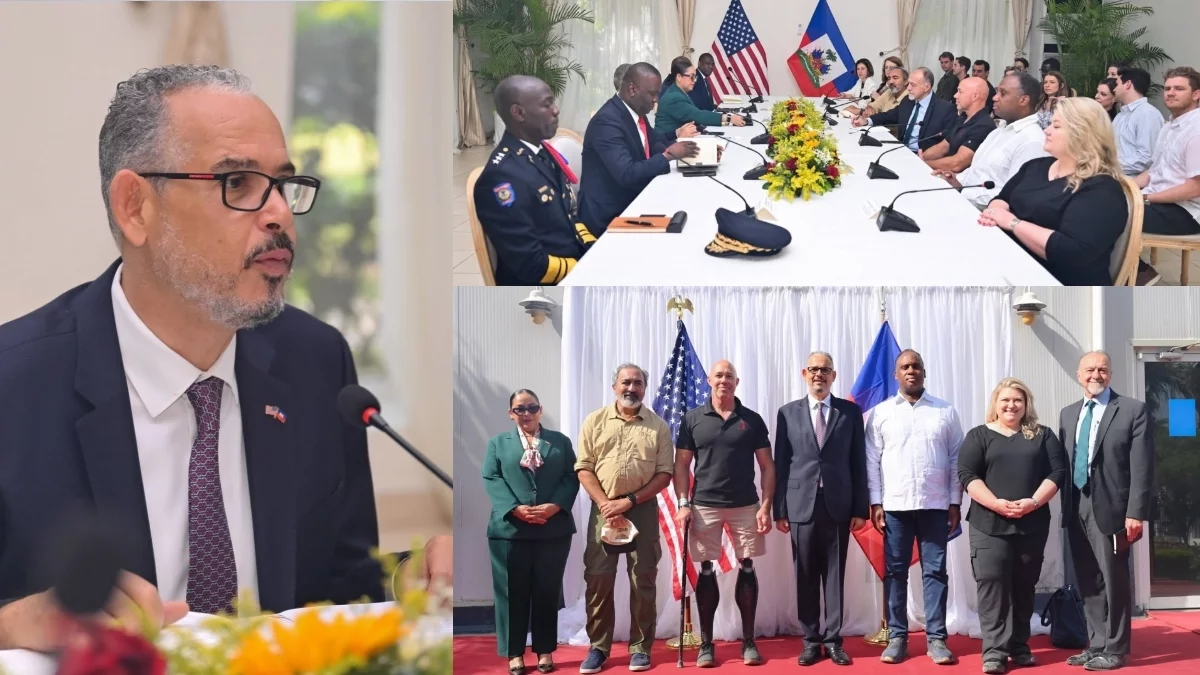
    In a high-stakes diplomatic meeting held on Monday, Haiti’s Prime Minister Alix Didier Fils-Aimé, alongside senior members of his cabinet, welcomed a cross-party delegation from the U.S. House of Representatives Foreign Affairs Committee at the National Palace in Port-au-Prince. The delegation included sitting members of Congress and top parliamentary leaders from both the Democratic and Republican parties, marking a display of unified bipartisan engagement with Haiti’s transitional leadership amid the country’s ongoing political and security crisis.

    The closed-door discussions proceeded in an atmosphere of open frankness, reciprocal respect, and shared commitment to collaborative partnership, covering a broad spectrum of pressing strategic priorities for Haiti. Key topics on the agenda included the urgent task of restoring widespread national security, laying the groundwork for upcoming general elections, strengthening fragile democratic state institutions, improving public sector governance, expanding mutually beneficial bilateral cooperation between the two nations, addressing irregular migration flows, and mapping pathways to long-term inclusive economic recovery.

    During the talks, Haitian government leaders used the opportunity to call for a unified, coordinated international commitment to Haiti, emphasizing that any global support must be rooted in strict respect for Haiti’s national sovereignty and collaborative solidarity between international partners. The delegation was told that Haiti needs robust backing to overcome its current urgent challenges, specifically requesting support for the Haitian authorities’ ongoing work to rebuild national stability, entrench the rule of law across the country, and create the necessary conditions for holding free, credible, and inclusive elections that reflect the will of the Haitian people.

    For their part, the visiting U.S. congressional representatives commended the productive quality of the dialogue, noting that both parties had aligned on core shared goals. The delegation reaffirmed that the U.S. Congress maintains broad bipartisan interest in deepening a close working partnership with Haiti, with the ultimate aim of supporting progress on security, democratic governance, sustainable economic prosperity, and improved quality of life for the Haitian population.

  • Union calls for changes to wages bill to cover public workers

    Union calls for changes to wages bill to cover public workers

    Barbados’ largest educators’ organization, the Barbados Union of Teachers (BUT), is pressing national legislators to revise the upcoming Protection of Wages Bill to close a critical gap that excludes public sector employees from the same timely wage protections and dispute remedies available to private-sector workers. The organization argues that the current draft of the legislation creates a two-tier system of worker rights, leaving public officers like teachers and civil servants without recourse when their salaries are issued late.

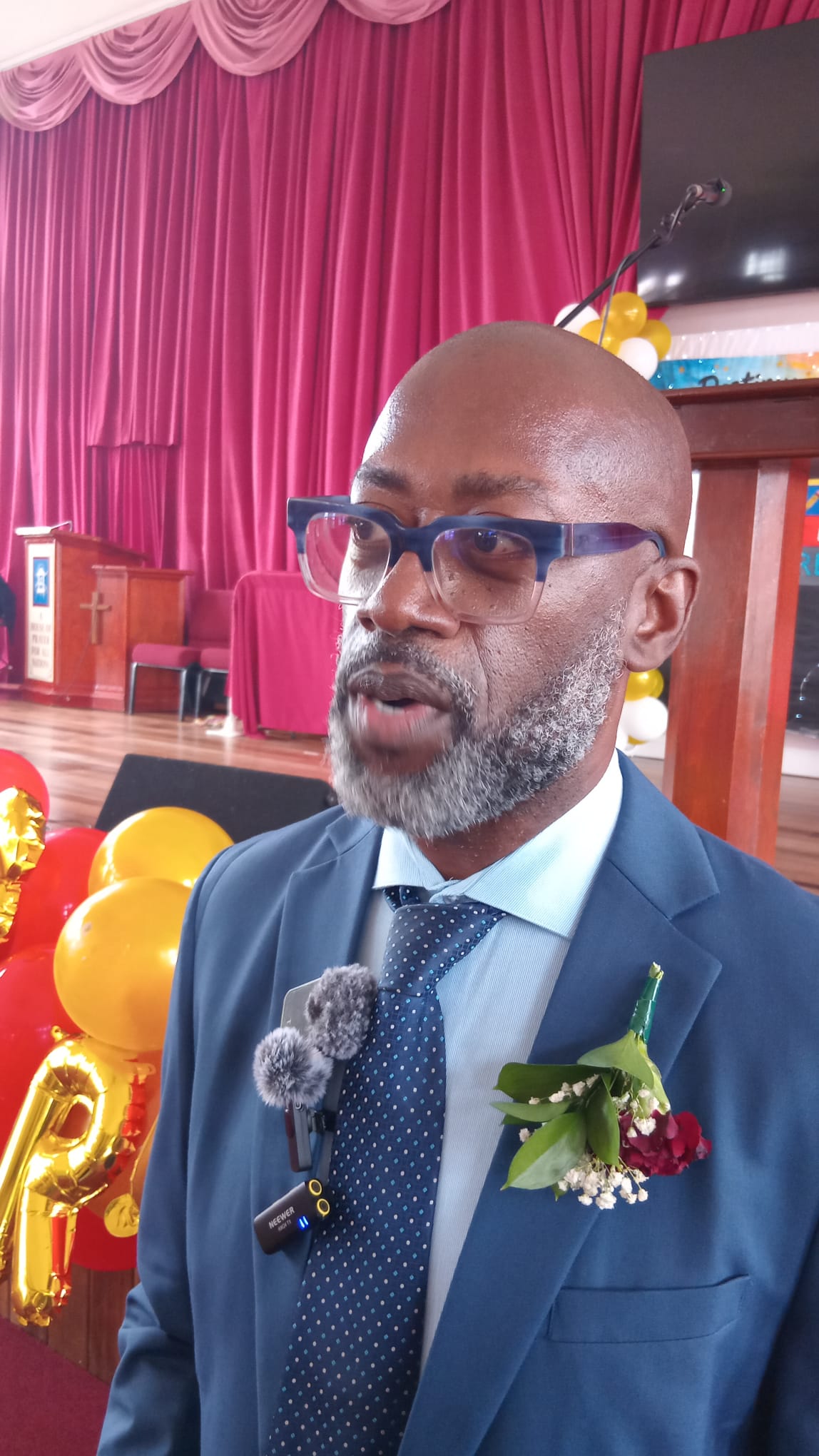
    BUT President Rudy Lovell emphasized that while the union fully supports the bill’s overarching goal of enshrining a worker’s legal right to receive earned compensation on schedule, this fundamental protection should not be limited to only private-sector staff. Lovell noted that public servants, including the island’s teachers, rely on consistent, predictable pay dates to manage their household finances, and even isolated delays can trigger cascading personal and financial hardship.

    “Our goal is to see this legislation updated so that teachers and all other public officers can have full confidence their salaries will arrive when expected, which eliminates the unnecessary personal and financial strain that comes with delayed wage payments,” Lovell stated.

    The union leader went on to explain that steady, on-time pay is non-negotiable for educators and civil servants, many of whom live on moderate incomes that leave little room for unexpected scheduling disruptions. Even one-off delayed payments can throw off household budgeting for routine basic expenses, he pointed out. Late salary deposits often lead to extra costs that workers never budgeted for, including penalty fees for late loan payments, mortgage installments, and monthly utility bills.

    Beyond extra financial charges, Lovell noted that delayed pay can leave families temporarily unable to cover core necessities, from groceries and rent to essential transportation to and from work. That financial uncertainty also spills over into the workplace, generating chronic stress that erodes public employees’ overall well-being and job performance.

    “ We know that teachers and other public officers deal with late salary payments on occasion. These delays create real financial hardship: added interest on late loans and mortgages, an inability to afford food, struggles to cover rent and utility bills, and challenges meeting transportation costs. At the end of the day, late pay upends family life and causes unnecessary stress that no worker should have to deal with,” Lovell said.

    A core demand of the BUT’s proposed amendments centers on the bill’s enforcement and penalty framework. Under the current draft, government agencies are explicitly exempt from the financial penalties that apply to private employers that miss pay deadlines. This exclusion removes any meaningful deterrent for pay delays and eliminates accessible remedies for affected public workers, a flaw the union is urging policymakers to reverse.

    “Right now, the government is exempt from the bill’s penalty rules, and will not be held accountable in the same way that private-sector employers are,” Lovell explained. “There is effectively no check in place to ensure government agencies meet their pay obligations on time, and no fast-track process to deliver immediate, meaningful remedies for public officers who face delayed wages.”

    To illustrate the tangible impact of pay delays on education delivery, Lovell shared a firsthand anecdote from a senior Barbadian civil servant who began his career in teaching. The official recalled that during his early years in the classroom, on the multiple occasions his pay was late, he waited in the school staff room until his paper check arrived—never disclosing how many hours he waited before receiving payment. Lovell warned that if this becomes a common experience for teachers, it could lead to routine disruptions across the island’s entire public school system, as educators are forced to step away from their instructional duties to resolve pay issues.

    To protect the long-term stability of Barbados’ education system and guarantee equal rights for all workers across the country, the BUT is calling for uniform regulatory standards that apply equally to public and private employers. The union says equal standards will give public sector workers the same certainty about pay that private-sector employees already enjoy.

    “The BUT wants all workers across Barbados to be paid on time, and we want the government to be held to the exact same standards as private employers, to fully enforce this fundamental worker right,” Lovell affirmed. “This reform will give all government workers—including our teachers—peace of mind, knowing their earned wages will be issued promptly, and that they will have access to fair, meaningful remedies if payments are ever delayed.”

  • Producers ‘struggle to sell’ as storage limits, imports bite

    Producers ‘struggle to sell’ as storage limits, imports bite

    Barbados’ leading agricultural advocacy organization has ratcheted up public pressure on the island nation’s government over its role in enabling increased poultry and pork imports, arguing that cheap incoming shipments are undercutting domestic production and pushing small-scale livestock farmers toward permanent closure, Barbados TODAY can exclusively report.

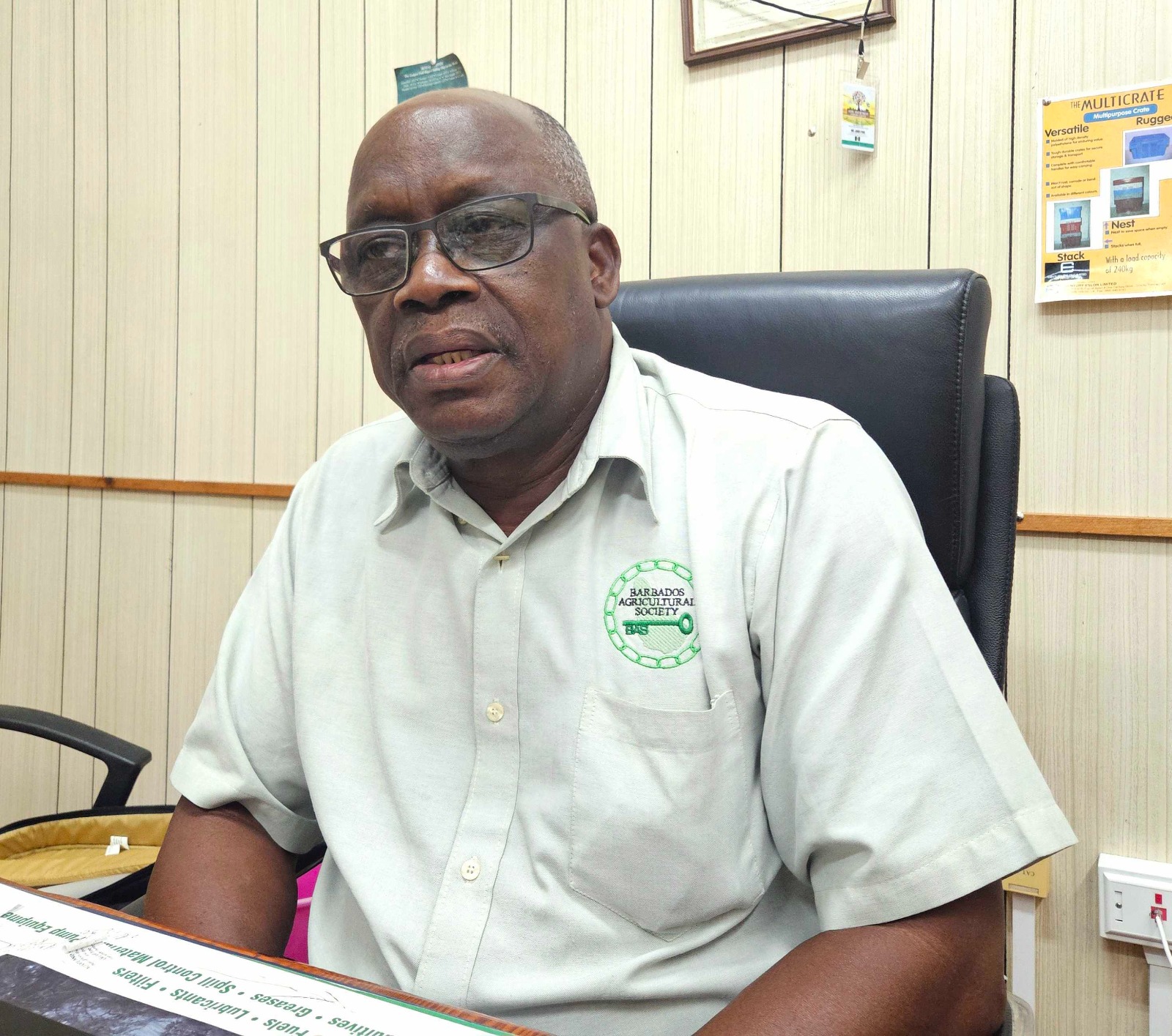
    James Paul, chief executive of the Barbados Agricultural Society (BAS), the nation’s main farmers’ representative body, launched sharp criticism of the state-owned Barbados Agricultural Management Company (BAMC), accusing the entity of facilitating large-scale imports of both meat products even as domestic poultry and pork sectors have expanded output and operations with public support.

    In an interview with Barbados TODAY, Paul outlined the dual concerns driving the organization’s frustration. “We have seen deliberate expansion of the local poultry industry, with government providing support through the BAS to help producers grow their operations. Today, there is more local poultry on the Barbadian market than ever before, with even large-scale producers ramping up output. Yet at the same time, the government is enabling more poultry imports from both regional and extra-regional markets,” Paul explained.

    He warned that the flood of imported product has already left small-scale poultry producers unable to move their stock, a crisis compounded by tightening cold storage capacity at BICO, the island’s major cold storage facility. BICO recently announced it was operating near full capacity, and ongoing ownership changes at the company have amplified fears among small farmers, who have historically relied on BICO to store unsold chicken.

    Paul explained that holding unsold poultry in cold storage cuts directly into already thin profit margins for small producers, who must pay storage fees even as they wait to sell their product. “Small producers are fighting for survival. Every dollar they spend on storage eats into their profits, and it pushes them closer to going out of business entirely. This dynamic actually benefits large domestic producers, and when you add the flood of imported meat into the mix, the deck is completely stacked against small operations,” he said.

    The BAS chief confirmed that BAMC has facilitated recent dark meat poultry imports for a major local buyer, even as domestic output grows. “We have expanded local production, we have government-supported growth, and we are still bringing in more imported meat. Something is very wrong with this picture,” Paul emphasized.

    He said the exact same imbalance plagues Barbados’ pork sector, noting that the industry has seen major expansion in recent years, with many small producers growing into medium-sized operations and millions of dollars invested in modern processing facilities. “We have expanded domestic pork production from the ground up, but we still allow large-scale imports of the same products. That is hypocrisy, plain and simple,” Paul argued.

    Paul also pushed back on growing calls from some industry observers for local producers to cut their prices to compete with imports, calling the suggestion unfair and out of touch. “These are working people, small producers who rely on poultry farming to feed their own families. You are asking them to slash their already low incomes? That makes no sense when Barbadian consumers are willing to pay exorbitant prices for all kinds of other imported goods. They will even pay more for imported poultry than they do for local product. We are dealing with a clear double standard here.”

    The BAS has been pressing the government to close existing tariff loopholes that benefit importers at the expense of small domestic producers. Paul added that BAMC, which holds the legal monopoly on poultry imports into Barbados from both Caribbean and international sources, needs to hit pause on new imports of turkey products and other poultry to protect domestic producers.

    For the pork sector, Paul noted that reduced duties on specific imported pork cuts have led to a surge in incoming shipments, even after local producers invested more than $500,000 in expanding and upgrading their production facilities to deliver consistent, high-quality pork at competitive prices. “You cannot ask local producers to invest hundreds of thousands of dollars to grow their industry, then undercut them with cheap imported product through lowered tariffs,” he said.

    Paul added that domestic pork processors are now unable to get popular cuts like loins and spare ribs onto supermarket and hotel shelves, even though imported options are often more expensive. Institutional buyers consistently choose imported product over local, he said, putting domestic producers at an unfair disadvantage. Newer pork processing entrants to the market face no requirement to source local pork, while long-standing local processor HIPAC is required to buy local product, creating an uneven playing field. Paul urged Barbadian consumers to continue supporting HIPAC products, as it is one of the only processors that guarantees a fair deal for local farmers.

    In response to the growing controversy, the Ministry of Agriculture has scheduled a press conference for Tuesday to address the ongoing disputes in the poultry industry.

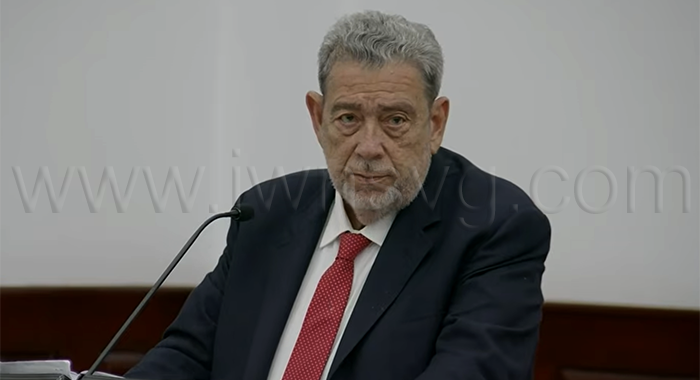
  • Gonsalves-led legal team secures bail for murder accused

    Gonsalves-led legal team secures bail for murder accused

    A prominent Caribbean political figure is now at the center of a sharp public contradiction, after his legal team successfully secured bail for a teenage murder defendant – a stark reversal of the scathing criticism he leveled at judiciary officials just three years ago for granting bail to people charged with the same crime.

    Ralph Gonsalves, current Opposition Leader of St. Vincent and the Grenadines and former Prime Minister, made international headlines in May 2023 when he launched a blistering attack on judicial officers across the CARICOM region. Speaking at a regional crime symposium amid a nationwide surge in homicides that pushed the country’s annual murder count to a record-breaking 55, Gonsalves questioned the judgment of magistrates who approved bail for murder accused.

    Going further, he publicly implied unequal treatment in bail decisions based on the standing of the defense lawyer, before delivering his memorable rebuke: “How could you go and give somebody who is charged with murder bail? Let’s get serious!… where do these judges live? On Mars?”

    Now, three years later, Gonsalves himself has led a defense team alongside his son Camillo Gonsalves – the country’s former finance minister – to win bail for a 16-year-old female defendant charged with murder. The legal team also included prominent attorneys Ronald “Ronny” Marks and Graham Bollers.

    The case dates back to April of this year, when the teenager was charged following the death of 65-year-old Winston McMillan. Prosecutors allege the teen struck McMillan in the head during a physical altercation. Initially, while McMillan was hospitalized and declared brain-dead, the teen was charged with attempted murder. The charge was upgraded after his death.

    As a constituent from Gonsalves’ North Central Windward electoral district, the teen first applied for bail in May through Gonsalves, but a lower court magistrate denied the request. On Monday, however, High Court Justice Gertel Thom granted bail set at Eastern Caribbean $25,000, requiring two sureties for the defendant’s release.

    Court officials issued stop orders to prevent the teen from leaving the country, but waived the requirement to surrender her expired passport. As a condition of bail, she has been ordered to check in three times weekly at the Colonarie police station. The case has sparked public debate over consistency in political rhetoric and legal practice, with many noting the stark contrast between Gonsalves’ past criticism of bail for murder accused and his current work to secure that very outcome for his constituent.