博客

  • Chief Magistrate Urges Integrity and Professionalism in Address to Police Recruits

    Chief Magistrate Urges Integrity and Professionalism in Address to Police Recruits

    In a targeted effort to boost the preparedness of the next generation of law enforcement officers in Antigua and Barbuda, Chief Magistrate Ngaio Emanuel has led a pivotal educational session for trainee officers at the Sir Wright F. George Police Academy. The engagement, held on June 9, 2026, comes as part of a broader push to bridge the gap between academic police training and real-world operations within the country’s criminal justice system. The official media release from the Royal Police Force of Antigua and Barbuda’s Office of Strategic Communications confirmed the details of the session, which focused on two core areas: criminal practice and procedure in the Magistrate’s Court, and the practical application of the nation’s Child Justice Act.

    Trainees in attendance gained targeted, actionable insight into key operational topics that will shape their day-to-day work, from court procedural rules and mandatory evidential requirements to structured case management practices. A major focus of the lecture was the unique legal framework that governs cases involving children and young persons, an area of law that requires specialized sensitivity and knowledge from frontline police officers. This classroom session was not an isolated training moment: it built on a hands-on educational experience one week prior, when the recruits traveled to the St. John’s Magistrate’s Court for an on-site visit. During that June 3 excursion, the group got a firsthand look at active court proceedings, observing how justice is administered in real time and deepening their understanding of the judiciary’s central role in the broader criminal justice ecosystem. That on-site visit already reinforced core lessons for the trainees, including the critical importance of conducting thorough investigations, maintaining accurate case documentation, and upholding professional standards of conduct when appearing in court.

    Beyond technical legal knowledge, Chief Magistrate Emanuel used the session to emphasize the foundational character traits that define effective, trusted law enforcement. She told recruits that competent policing extends far beyond memorizing statutes and procedural rules: it requires consistent sound judgment, unwavering personal integrity, and a deep, abiding commitment to serving the public. She laid out three core guiding principles for every officer to carry throughout their career: integrity even when no one is observing their actions, courage that is always paired with disciplined judgment, and prioritizing public service over personal ambition. Emanuel reminded the group that public trust, the most valuable asset any police force can hold, is only earned through consistent accountability and ethical conduct. She encouraged them to remain steadfast in upholding values of fairness, professionalism, and compassion in every interaction they have with community members over the course of their careers. “Policing is not merely the exercise of authority,” she told the group, emphasizing that it is ultimately the responsible, humane application of law to serve the public good.

    Leadership from the Royal Police Force of Antigua and Barbuda, alongside the commandant and staff of the Sir Wright F. George Police Academy, publicly thanked Chief Magistrate Emanuel for donating her time and extensive expertise to train the incoming cohort of officers. They noted that her willingness to lead this session is a reflection of the strong, collaborative partnership that exists between the police force and the judiciary in Antigua and Barbuda. This partnership, they added, works continuously to advance equal access to justice and lift professional standards across the country’s law enforcement community. For the recruits, the combined experience of on-site court observation and expert-led lecture has equipped them with a more holistic understanding of how police work intersects with the judicial process, preparing them for the practical realities of serving the public once they graduate and enter active duty.
  • China and North Korea Rekindle Alliance

    China and North Korea Rekindle Alliance

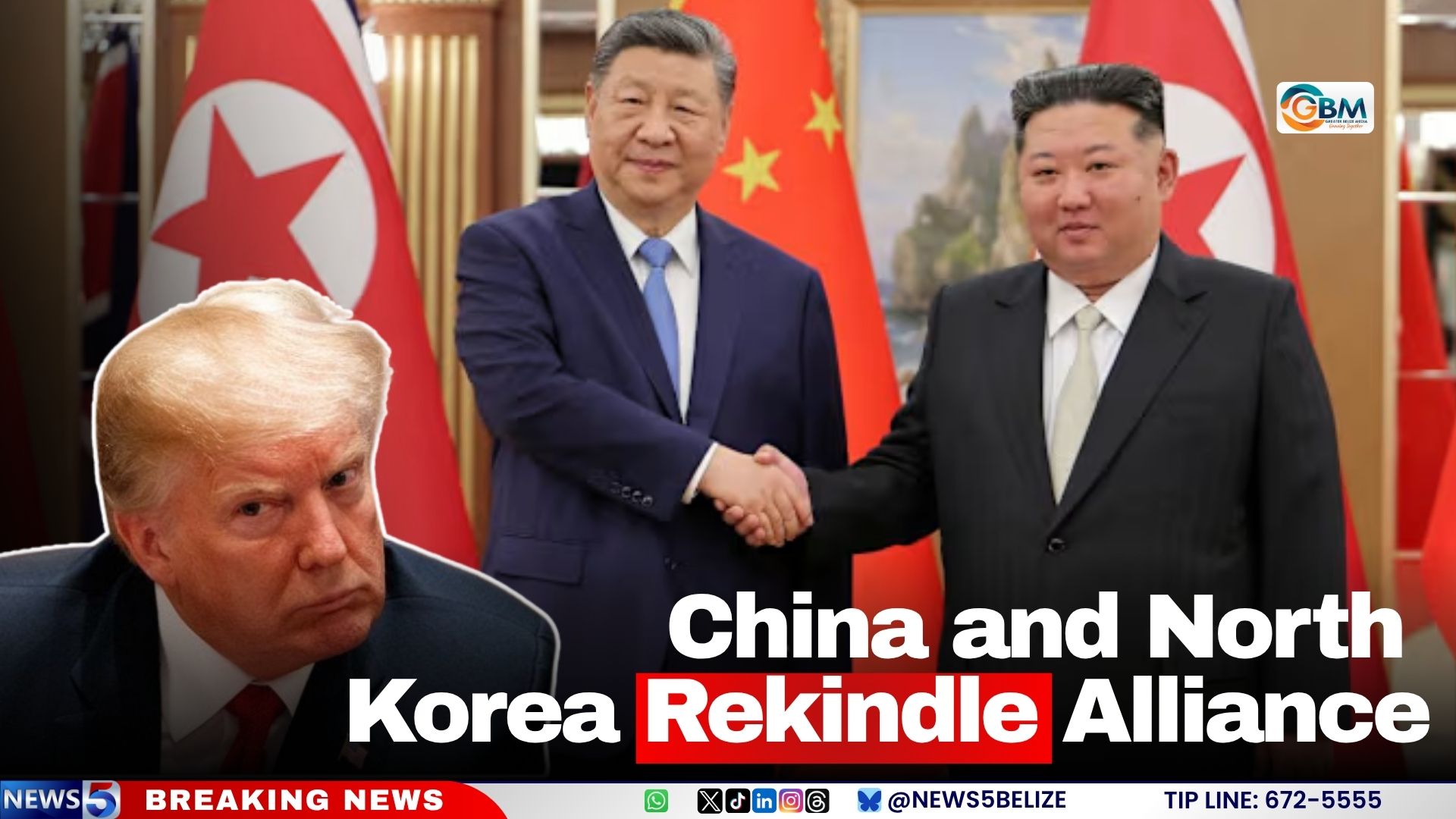
    In a high-profile diplomatic development that has shifted regional security dynamics, Chinese President Xi Jinping completed a rare two-day state visit to North Korea in June 2026, returning to Beijing on Tuesday after reaffirming the longstanding alliance between the two nations and locking in commitments for expanded cooperation across key economic and social sectors. The trip marked Xi’s first visit to Pyongyang in seven years, bringing together the top leaders of the two neighboring countries for wide-ranging talks focused on deepening bilateral partnership. During their time together, the two leaders traveled to the China-North Korea Friendship Tower to honor the shared history of the two nations, and participated in a ceremonial tree planting meant to symbolize the enduring nature of their bilateral relationship. The planned areas of expanded collaboration span trade, agriculture, infrastructure construction, and technological development, laying out a clear roadmap for closer integration between the two economies. North Korean leader Kim Jong Un framed the visit as the most encouraging possible support for his country, and emphasized that China remains the top strategic priority for North Korea’s foreign policy agenda. Despite the visible celebration of friendship and cooperation, analysts have zeroed in on one striking absence from the official agenda: any public discussion of North Korea’s nuclear program and the goal of denuclearizing the Korean Peninsula. This deliberate omission marks a notable departure from Xi’s 2019 visit to Pyongyang, when China publicly backed ongoing diplomatic efforts toward full denuclearization of the region. Leif-Eric Easley, an international affairs professor at Seoul’s Ewha Womans University, told the Associated Press that Chinese authorities have shifted their public posture to avoid open discussion of denuclearization, even as they retain the goal as a long-term priority. At the same time, Easley noted that Kim Jong Un appears to be pushing for China to formally accept North Korea’s status as a nuclear-armed state. Current estimates from South Korean President Lee Jae-myung indicate that North Korea is now producing enough weapons-grade nuclear material to build up to 20 new nuclear bombs annually. Beyond the shift on denuclearization, foreign policy experts say Xi’s visit also carries clear strategic significance for China’s global diplomacy. The Associated Press reports that the trip was timed to reassert Beijing’s central influence in Korean Peninsula affairs ahead of any new diplomatic engagement between North Korea and the United States, as former President Donald Trump—who has been open to restarting direct talks with Kim Jong Un—has taken office again in 2025. For China, reaffirming its close ties with Pyongyang ensures that it retains a key voice in any future negotiations that shape the security order of Northeast Asia.

  • BDF Safely Destroys 20.6 Metric Tons of Aging Ammunition

    BDF Safely Destroys 20.6 Metric Tons of Aging Ammunition

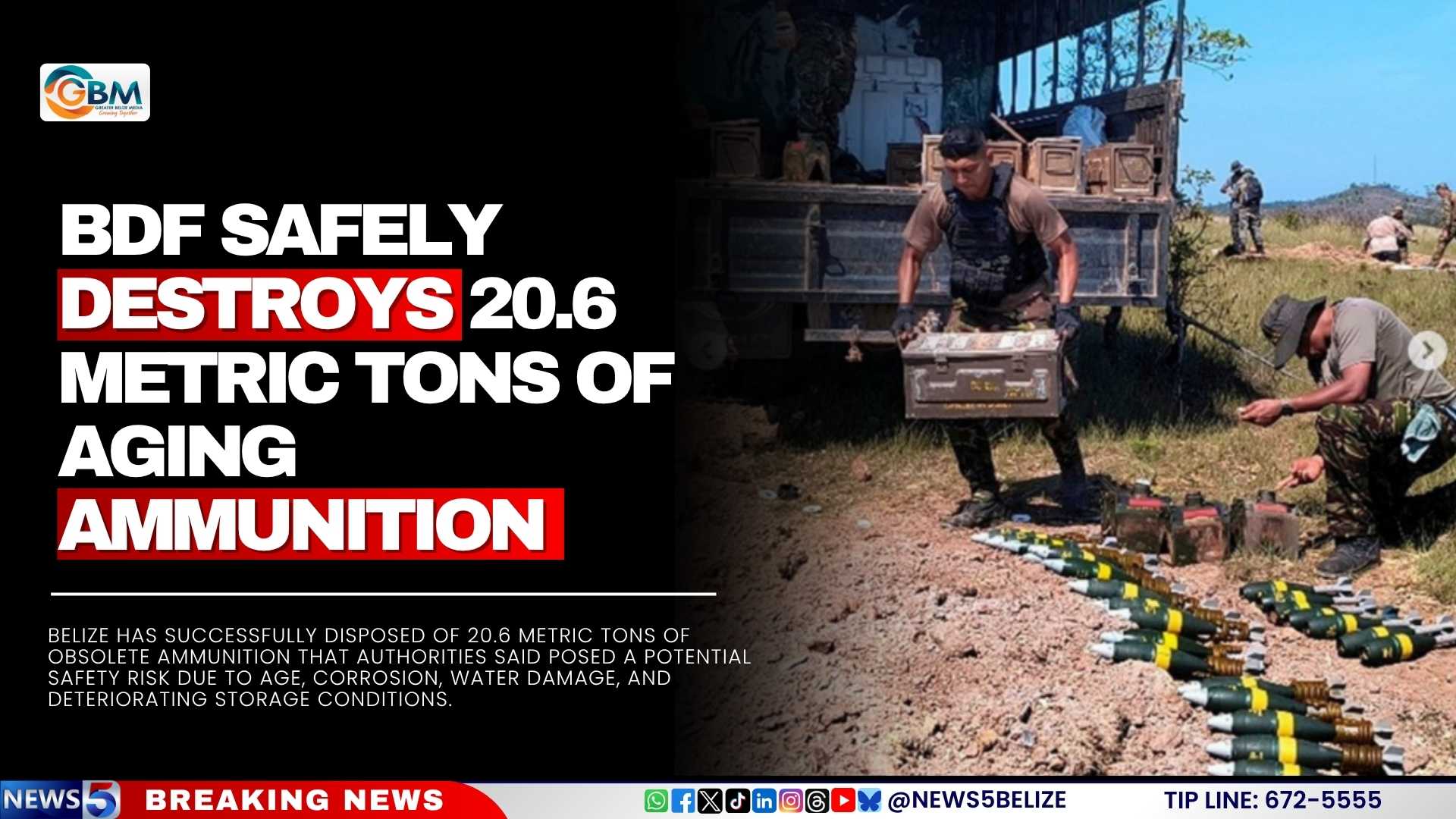
    In a milestone operation focused on eliminating public and military safety threats, the Belize Defence Force (BDF) has announced the successful disposal of 20.6 metric tons of aging, hazardous ammunition that had been deemed a critical risk due to decades of degradation. Carried out over five weeks between April 13 and May 22, 2026, the project brought together multiple national security agencies to address the longstanding danger posed by deteriorating military stockpiles.

    Beyond the BDF’s lead coordination, personnel from the Belize Police Department and Belize Coast Guard joined the operation to support site security and operational logistics, reflecting a whole-of-government commitment to mitigating unexploded ordnance risks across the country. In total, crews safely destroyed 2,088 individual munitions that had become unstable after years of exposure to corrosion, water damage, and inadequate long-term storage conditions.

    A key secondary outcome of the initiative is the upskilling of Belize’s national security personnel: 16 officers completed specialized, internationally certified training covering everything from identifying at-risk obsolete munitions to applying best-practice handling and controlled disposal protocols. This training is expected to build long-term domestic capacity, allowing Belize to conduct similar safety operations independently in the future.

    The project also included critical infrastructure upgrades to prevent future safety hazards. Workers completed structural improvements to the BDF Logistic Support Brigade ammunition depot located in Ladyville, creating a more secure environment for the storage and management of the country’s remaining active military stockpiles.

    International support was central to the operation’s success. The Program for Assistance in Conventional Weapons Destruction (PACAM) provided end-to-end support, contributing specialized technical expertise, necessary safety materials, and official certification that all disposal procedures aligned with global standards for conventional weapons destruction. Officials from the BDF noted that the collaboration has set a benchmark for future weapons management efforts in Belize, reducing the risk of accidental detonation and harm to nearby communities.

  • PAHO:  Lage belastingen remmen strijd tegen suiker en alcohol

    PAHO: Lage belastingen remmen strijd tegen suiker en alcohol

    Two new studies released by the Pan American Health Organization (PAHO) have delivered a stark warning: current excise taxes on alcohol and sugar-sweetened beverages across the Americas are far too low to meaningfully reduce consumption and prevent the spread of chronic non-communicable diseases (NCDs), even as the region registers some of the highest per-capita consumption rates of these products globally.

    The PAHO analysis finds that across the region, average tax burdens on common alcoholic beverages fall well below global benchmarks. Beer carries an average tax rate of just 25.5 percent of retail price, compared to a global average of 29.4 percent. For distilled spirits, the regional average tax rate sits at 31.5 percent, while the global average reaches 38.7 percent. For sugar-sweetened beverages, the average regional tax amounts to only 17.1 percent of retail price, slightly below the global average of 17.8 percent. To compound this issue, one-third of all countries and territories in the Americas impose no special tax on sugary drinks at all.

    This policy gap comes at a particularly worrying time for public health in the region, especially across Latin America and the Caribbean, where consumption of both sugary beverages and alcohol already outpaces most of the world. On average, adults in the region consume 7.8 servings of sugary drinks per week, nearly three times the global average of 2.7 servings.

    High, sustained consumption of these products is directly linked to a sharp rise in severe, life-altering chronic health conditions across the Americas. Data shows 67.5 percent of adults in the region are currently overweight or living with obesity, and elevated consumption of sugary drinks and alcohol also drives higher rates of type 2 diabetes, cardiovascular disease, multiple forms of cancer, liver disease, and other chronic NCDs. Excessive alcohol use is additionally associated with higher rates of accidental injuries and interpersonal violence in communities across the region.

    Despite the widespread under-implementation of effective health taxes, the reports also highlight encouraging progress across a small but growing number of regional states. Barbados has introduced new targeted taxes on unhealthy products, Colombia recently enacted reforms to raise existing health tax rates, and Dominica has increased excise duties across tobacco, alcohol, and sugar-sweetened beverages. These early actions, PAHO notes, demonstrate that governments in the region are already taking steps to better protect public health for their populations.

    PAHO emphasizes that well-designed health taxes deliver two core public benefits: they reduce consumer demand for harmful products by raising prices, and they generate dedicated public revenue that can be reinvested into strengthening public health systems and expanding social support programs. Research also shows that effective taxation can delay the onset of alcohol use among adolescents and cut overall consumption of sugary drinks across all age groups.

    Still, significant barriers remain for most countries in the region. Many keep tax rates artificially low, limit the scope of products covered by existing taxes, or fail to update rates regularly to account for inflation that erodes their impact over time. In addition, many common high-sugar products such as sweetened dairy drinks and commercial fruit juices are often excluded from taxation entirely, creating a loophole that pushes consumers to shift their consumption to these unregulated unhealthy alternatives.

    Dr. Anselm Hennis, Director of PAHO’s Department of Noncommunicable Diseases, explained the core gap facing regional policymakers: “In many countries, the existing taxes are not designed in line with international best practices, and they are too low to meaningfully change consumption behavior or reduce overall population health risks.”

    To address these gaps, PAHO is urging all member states to strengthen their health tax frameworks by implementing more structured tax systems, raising rates to impactful levels, expanding coverage to include all sugary and alcoholic products, and adding regular inflation adjustments to maintain policy effectiveness over time. The organization also notes that strong enforcement and ongoing monitoring are required to maximize the impact of these taxes on reducing harmful consumption.

    “PAHO continues to provide technical support to member states as they implement health taxes, a proven intervention to reduce risk factors and protect population health,” Hennis added.

    The two reports were first presented in May during a public webinar co-hosted by PAHO and Johns Hopkins University, and they contribute to ongoing global efforts to monitor fiscal policies that align with core public health goals around the world.

  • CDB and IDB invest launch US$25 million trade finance facility for Caribbean markets

    CDB and IDB invest launch US$25 million trade finance facility for Caribbean markets

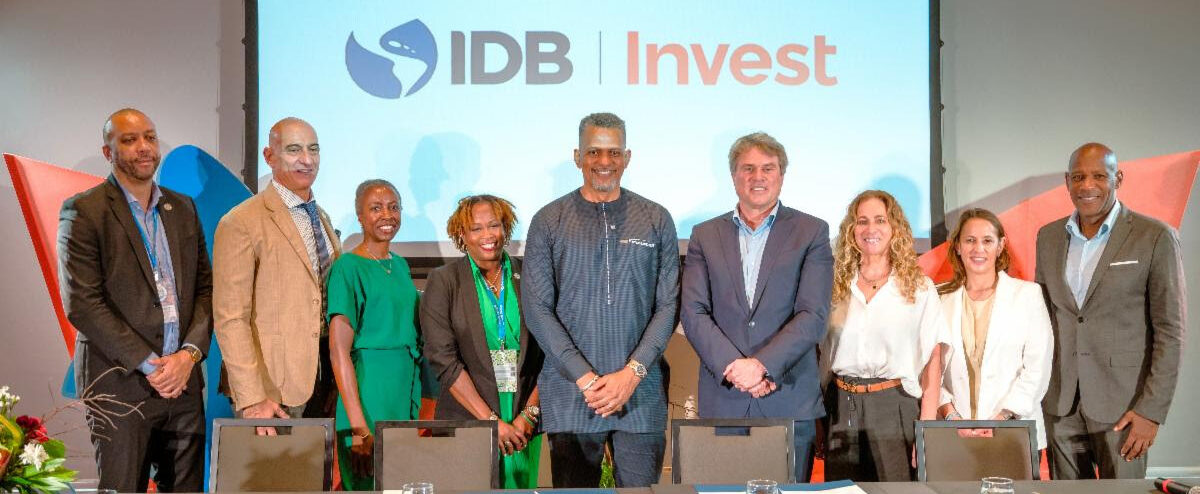
    Against a backdrop of a persistent, crippling global trade finance shortfall that hits developing economies hardest, two leading regional development institutions have forged a new partnership to unlock critical trading capital for small and medium businesses across the Caribbean. IDB Invest and the Caribbean Development Bank (CDB) have signed a $25 million guarantee agreement, announced during 2026 Sustainability Week in Barbados, that is set to expand access to much-needed trade financing for enterprises across eight borrowing member countries of CDB.

    The core challenge the new facility seeks to address is one that has held back Caribbean economic growth for decades: the inability of local businesses to secure sufficient funding to complete cross-border trade transactions. Under the terms of the deal, CDB will issue partial credit guarantees for trade transactions processed through IDB Invest’s long-running Trade Finance Facilitation Program (TFFP). This risk-sharing framework allows both institutions to deploy existing capital far more efficiently, boosting the total volume of trade financing available to local financial intermediaries that serve businesses on the ground.

    The TFFP is not an untested new initiative. Over its 21 years of operation, which launched back in 2005, the program has emerged as a cornerstone of trade support across Latin America and the Caribbean. To date, it has backed more than 36,000 separate trade transactions with a total combined value exceeding $21 billion, including $4.8 billion raised through targeted resource mobilization efforts.

    The timing of the new partnership could not be more urgent. While trade finance underpins roughly 80% of all global trade activity, a massive funding gap continues to restrict growth worldwide. Current industry estimates put the global trade finance shortfall at approximately $2.5 trillion, with developing and emerging market economies bearing the brunt of the shortage. For small island developing states across the Caribbean, this gap has been a particularly acute barrier to private sector expansion and regional economic integration.

    James P. Scriven, Chief Executive Officer of IDB Invest, emphasized that the collaboration aligns with the institution’s core development mission. “This partnership with the Caribbean Development Bank reflects our commitment to expanding access to trade finance across the Caribbean while using innovative risk-participation instruments to maximize development impact,” Scriven said. “By working together, we can channel more resources to local financial institutions, support consistent trade flows, and help build more resilient and competitive economies in the region.”

    The new facility will prioritize financial institutions operating in CDB’s Borrowing Member Countries, a roster that includes The Bahamas, Barbados, Belize, Guyana, Haiti, Jamaica, Suriname, and Trinidad and Tobago. By making trade financing more accessible and affordable, the initiative is expected to streamline cross-border imports and exports of essential goods and commodities, strengthening regional supply chains and supporting business growth.

    CDB President Daniel M. Best noted that the partnership leverages each institution’s unique strengths: CDB’s deep on-the-ground regional expertise paired with IDB Invest’s established financial infrastructure. “Expanding trade finance in our markets demands both regional insight and the right instruments to reduce borrowing costs and unlock capital. This facility brings both to bear and is grounded in our drive to widen access to finance across our BMCs,” Best explained. “Working alongside IDB Invest, we are taking concrete steps to close the trade finance gap and advance sustainable economic growth across the Caribbean.”

    The agreement was formally signed during 2026 Sustainability Week, IDB Invest’s flagship annual industry gathering hosted in Barbados this year. Event organizers confirmed that the conference drew more than 800 attendees from across the globe, including representatives from 350 private sector companies. The week’s agenda centered on identifying high-impact investment opportunities and advancing private sector-led sustainable development across the Latin America and Caribbean region.

  • World Cup 2026 Kicks Off. Here Is Everything You Need to Know

    World Cup 2026 Kicks Off. Here Is Everything You Need to Know

    The 2026 FIFA World Cup, the most expansive and groundbreaking edition in the tournament’s 96-year history, is set to get underway this week, marking a new chapter for global football. For the first time since the World Cup’s inception in 1930, three North American nations – the United States, Mexico and Canada – will co-host the event, after their unified “United As One” bid secured FIFA’s hosting approval back in 2018.

    The opening match will kick off at 1 p.m. local time on Thursday, June 11 at Mexico City’s legendary Estadio Azteca, a venue steeped in World Cup history. The matchup will see Mexico face off against South Africa, a rematch of the two nations’ 2010 World Cup opening game held in Johannesburg, which ended in a 1-1 draw. An estimated sellout crowd of 80,000 fans is expected to pack the iconic stadium for the tournament’s opening clash.

    A 90-minute opening ceremony will precede the first kickoff, headlined by global music superstars. Four-time Grammy Award winner Shakira will top the bill, joined by Colombian reggaeton icon J Balvin and breakout South African hitmaker Tyla, bringing a cross-continental celebration of culture to the opening of the tournament.

    Expanded from the previous 32-team format, the 2026 World Cup features a record 48 competing nations and will host a total of 104 matches across the three host countries. That marks 40 more matches than the 2022 tournament held in Qatar, making this the largest World Cup ever staged. Beyond the on-pitch action, the event is projected to be the most lucrative sports competition in history: the World Trade Organization estimates the tournament will generate a combined $80.1 billion in gross output across the United States, Mexico and Canada. For football fans around the globe, this historic tournament delivers an unprecedented celebration of the world’s most popular sport.

  • Upcoming summer program aims to help Dominican youth become climate resilience leaders

    Upcoming summer program aims to help Dominican youth become climate resilience leaders

    As the 2026 Atlantic hurricane season approaches, the Caribbean island nation of Dominica is launching a groundbreaking new educational initiative designed to equip its youngest residents with the knowledge and skills to address climate change and natural disaster risk. The Junior Climate Resilience Champions Program, developed and led by the island’s long-running non-profit Business Training Center (BTC), will kick off this July, with full funding supported by a $22,000 grant from the Caribbean Catastrophe Risk Insurance Facility Segregated Portfolio Company (CCRIF SPC) through its Small Grants Programme.

    The free program will welcome 125 young participants between the ages of 5 and 15 across two months of summer learning and hands-on community engagement. To ensure age-appropriate instruction aligned with each group’s developmental needs, BTC has split participants into two cohorts. For younger learners aged 5 to 9, core climate and disaster concepts will be introduced through playful, immersive formats including interactive storytelling, educational games, and hands-on group activities. Older participants, aged 10 to 15, will dive into more complex topics, ranging from foundational climate science and local disaster risk assessment to collaborative problem-solving for climate adaptation.

    The program’s structured curriculum is organized around five core thematic areas: comprehensive disaster risk management, introductory principles of climate-resilient infrastructure engineering, climate literacy through creative and artistic expression, community-focused environmental action, and individual leadership capacity building. Unlike traditional classroom-only education programs, the Junior Climate Resilience Champions places heavy emphasis on practical, real-world application of learned concepts. Participants will take part in a range of community-focused projects, including native tree planting drives, watershed clean-up campaigns, the development of shared community food gardens, and educational visits to local sustainable farms.

    In a nod to Dominica’s own recent history of devastating climate disasters, the program will also include guided educational tours to sites deeply impacted by past extreme weather events. Scheduled stops include the Hurricane Maria memorial in the coastal community of Pointe Michel, and several hard-hit communities in the Kalinago Territory, a decades-long experience with climate impacts that organizers say will help young participants connect abstract concepts to tangible, local experiences. These on-site visits are designed to reinforce the critical importance of disaster preparedness and long-term resilience building for the island.

    BTC Managing Director Lucia Stedman emphasized the intergenerational impact of the initiative in a statement ahead of the program’s launch. “This program is about planting seeds of resilience in the next generation,” Stedman explained. “As hurricane season 2026 officially begins, Dominica knows firsthand the devastating effects of climate-related disasters. By equipping our young people with practical knowledge and skills, we are building communities that are better prepared, more aware, and actively engaged in protecting our environment.”

    Beyond educating the 125 direct participants, the program is structured to amplify its impact across entire communities through its “Climate Champions” model. Young participants are encouraged to share the lessons and skills they gain with family members, neighbors and peers, extending climate literacy far beyond the program’s direct cohort.

    With nearly 30 years of experience designing and delivering youth development and community empowerment programs across Dominica, BTC brings deep institutional knowledge and local trust to the initiative, positioning the organization to successfully cultivate a new generation of environmentally conscious, disaster-ready Dominican citizens.

  • Public Asked to Help Locate Stolen Honda CR-V

    Public Asked to Help Locate Stolen Honda CR-V

    In St. John’s, Antigua and Barbuda, a vehicle theft incident has prompted a public appeal for assistance from the owner of a stolen black 2012 Honda CR-V. The compact SUV was taken from the Potters New Extension neighborhood, according to official updates circulated to local communities online.

    Investigative timelines place the theft between 3 a.m. and 4 a.m. local time on Wednesday. The stolen vehicle carries the official Antiguan and Barbudan registration number A24314, and was last confirmed to be in the Potters New Extension area before it was reported missing.

    Local law enforcement and the vehicle’s owner are urging any member of the public who encounters the SUV or obtains details about its current location to avoid approaching the vehicle out of an abundance of caution. Instead, tipsters are instructed to reach out to the relevant authorities directly via the two dedicated public tip lines: 780-2033 or 721-0246. Any small piece of information could prove critical to recovering the stolen vehicle and resolving the case.

  • Gregg climbs rally table after BCIC RB26

    Gregg climbs rally table after BCIC RB26

    The fifth running of the Barbados Rally2 Championship has already cemented its status as the most competitive iteration in the series’ history, with unprecedented parity among top contenders turning the title race into a nail-biting contest ahead of the final two rounds. After four completed rounds, the championship table reflects the sheer unpredictability of this season: three different drivers have already claimed round victories, and a total of six competitors have secured podium finishes. Most notably, just eight points separate the top three title hopefuls as the series enters its home stretch. Jamaican driver Kyle Gregg, piloting his Ford Fiesta Rally2, emerged as the biggest mover from the recent BCIC Rally Barbados 2026 double-header. A strong points haul across the two rounds catapulted him from fifth place in the overall standings up to third, reigniting his bid for the season crown.

    Gregg’s path to BCIC RB26 was far from smooth. Just one week before the event, a crash on his opening run at the First Citizens King of the Hill left him scoreless, dropping him from second to fifth in the championship and 12 points adrift of current leader Stuart Maloney, the 2022 series champion. With a maximum 66 points still up for grabs across the remaining rounds, the double-header at BCIC RB26 was a make-or-break weekend for Gregg, who knows what it is to compete at the sharp end of the standings: he finished third overall in the Barbados Motoring Federation (BMF) championship in 2024, and claimed second place behind fellow Jamaican Jeff Panton last season.

    The opening stage of BCIC RB26, the Friday night Riddara Bushy Park SuperSpecial, delivered its own share of drama. Mark Maloney, driving a Fabia RS Rally2, took the stage win, edging out his brother Stuart Maloney and Adam Mallalieu, who was also competing in a Ford Fiesta Rally2. Northern Ireland Tarmac champion Aaron McLaughlin, piloting a Volkswagen Polo GTI R5, crossed the line in fourth, though as an overseas guest competitor he was not eligible to score championship points. Fifth place went to Jeff Panton, five-time winner of Rally Barbados, while 2024 Rally2 champion Josh Read (Ford Fiesta Rally2) finished sixth.

    The Barbados Rally2 Championship will now go on a short break before returning to action on September 12, for the penultimate round of the season: the Rally of the Sun & Stars, the premier annual event hosted by the Motoring Club Barbados Inc. With the title race still hanging in the balance, all eyes will be on the top three contenders as they fight for every point to secure the 2026 crown.

  • Public statement: Chief Veterinary Officer on unathorised importation of horses

    Public statement: Chief Veterinary Officer on unathorised importation of horses

    Grenada’s Ministry of Agriculture, Lands and Forestry has issued an official public announcement detailing a high-stakes biosecurity incident that unfolded after an attempt to smuggle two horses into the country from St. Lucia without required legal authorization. Under Grenada’s Animal Disease and Importation Act (Cap. 15), the Veterinary and Livestock Division holds exclusive authority as the competent body for issuing animal import permits, and no approval was granted for this shipment, making the attempted cross-border movement a direct violation of national law.

    Following interception of the unauthorized shipment, official health verification from St. Lucia’s Chief Veterinary Officer confirmed a devastating finding: both horses tested positive for *Babesia spp.*, the parasite that causes equine babesiosis, a life-threatening tick-borne disease that is currently not present in Grenada. National biosecurity policy explicitly bars entry to any animal testing positive for the pathogen, as an outbreak would pose an immediate, severe threat to the country’s existing equine population.

    A full technical assessment confirmed that Grenada lacked the infrastructure and resources to safely manage the infected animals. The country has no operational quarantine facilities designed to house and isolate high-risk *Babesia*-positive animals, no specialized medications or equipment to treat the infection, and no external domestic partners able to step in to provide these critical resources. With no feasible, legally compliant pathway to admit, isolate or treat the horses on Grenadian soil, and with returning the animals to St. Lucia deemed unworkable, officials moved forward with mandated protective measures aligned with international standards.

    In line with national legislation, international biosecurity protocols, and formal recommendations from the Caribbean Animal Health and Food Safety Agency (CAHFSA), the two horses were humanely euthanized following accepted veterinary welfare standards, and their remains were immediately incinerated under full official supervision to eliminate all risk of infectious material spreading. The Ministry emphasized that these actions are not punitive or extraordinary: they represent standard sanitary procedure used globally to block the introduction of destructive transboundary animal diseases.

    Under Grenada’s existing legislation, the Chief Veterinary Officer is legally required to prioritize preventing the entry of foreign animal diseases, reject high-risk shipments, and order necessary measures to protect the health of the national herd, as well as broader public and economic health. Officials outlined the severe potential consequences of allowing the infected horses to enter the country: given the widespread presence of tick vectors across Grenada and the lack of mitigation infrastructure, the disease would almost certainly become established and endemic. This would lead to chronic infection and death among local equines, skyrocketing veterinary and disease control costs, and potential trade restrictions on Grenadian animal and animal product exports that would harm the national agricultural economy.

    The Ministry stressed that the decision to euthanize the horses was made exclusively on technical and legal grounds, not political considerations. The action complies fully with national law, adheres to globally recognized animal health and biosecurity best practices, and aligns with expert guidance from regional animal health authorities at CAHFSA. Moving forward, the Ministry reaffirmed its commitment to fair and consistent enforcement of animal import regulations, ongoing protection of Grenada’s disease-free animal population status, and transparent public communication about matters impacting national biosecurity. Members of the public with additional technical questions are directed to contact the Office of the Chief Veterinary Officer within the Veterinary and Livestock Division.