博客

  • US Launches Fresh Airstrikes on Iran as Trump Warns of Renewed Attacks

    US Launches Fresh Airstrikes on Iran as Trump Warns of Renewed Attacks

    On Wednesday, U.S. Central Command (CENTCOM) confirmed that American military forces have initiated a second straight day of airstrikes targeting multiple sites within Iran, framing the operation as a direct response to what it calls “Iran’s unwarranted and continued aggression.”

    In a public statement posted to the social platform X, CENTCOM outlined that at the direction of the U.S. Commander in Chief, its forces commenced the new round of self-defense strikes at 5:15 p.m. Eastern Time.

    The announcement followed earlier comments from President Donald Trump made in the Oval Office earlier that same day, where he signaled that additional military action would be imminent after talks to reach a negotiated agreement with Iran failed to produce a breakthrough. “We’re going to be attacking them, attacking them very hard,” Trump stated. “We hit them hard yesterday. We’re going to hit them again hard today, in case you miss it, in case you don’t turn on your television set, and we’ll see what happens with the deal.”

    The first wave of U.S. strikes on Tuesday came in retaliation for an incident in which an Iranian drone collided with a U.S. military helicopter operating over international waters off the coast of Oman. The damage from the collision forced the two crew members on board to make an emergency water landing, CENTCOM confirmed. Roughly two hours after the crash, an unmanned U.S. surface vessel successfully recovered both crew members unharmed, per the command’s initial reporting.

  • UPP pledges to support safe resettlement of Petite Savanne

    UPP pledges to support safe resettlement of Petite Savanne

    Nearly 11 years after Tropical Storm Erika leveled the coastal village of Petite Savanne, Dominica’s main opposition United Progressive Party (UPP) is bringing a long-simmering community demand back to the forefront of national political conversation: giving displaced residents the choice to return home, if rigorous safety assessments confirm the area is habitable.

    When Erika tore through Dominica in 2015, the storm triggered catastrophic landslides and widespread destruction that forced the entire population of Petite Savanne to relocate permanently, most settling in the newly built community of Bellevue Chopin. For many of these displaced families, however, the connection to their ancestral land and lifelong community has never faded. The dream of rebuilding their lives in Petite Savanne has remained unshaken through more than a decade of policy conversations that have overwhelmingly centered on permanent resettlement elsewhere.

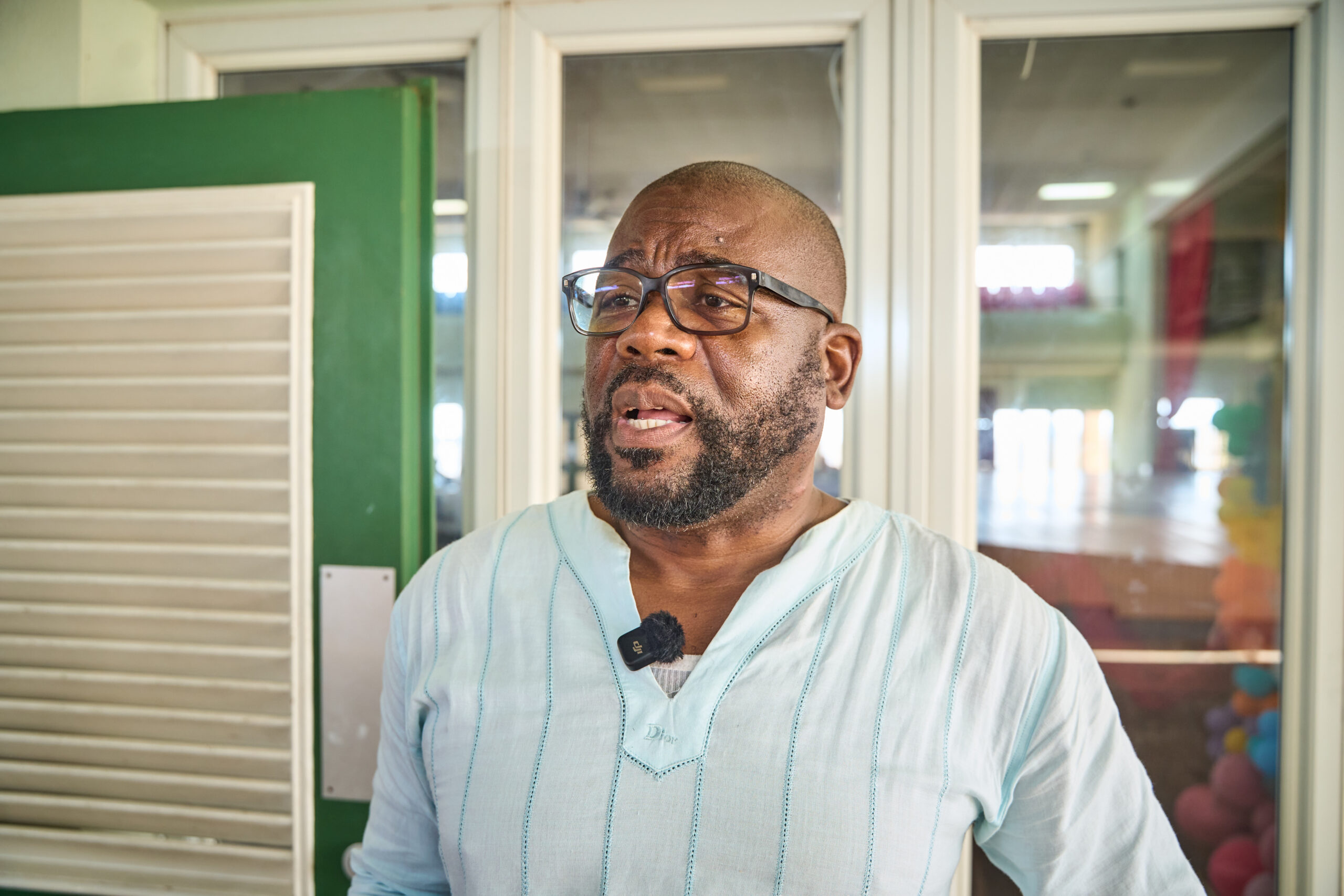
    In an official public statement released on June 9, 2026, UPP leader Joshua Francis made clear that a future UPP administration would prioritize making that dream a safe reality, with non-negotiable guardrails rooted in technical expertise. “Any discussion regarding the reopening and resettlement of Petite Savanne must first be guided by science, safety, and sound planning,” the statement read. Before any return initiative moves forward, the party has committed to commissioning full geotechnical surveys and land suitability assessments to map which portions of the village are stable enough for housing, farming, commercial activity, and critical infrastructure. The UPP stressed that citizen safety will remain the top priority in all decision-making.

    If assessments greenlight partial or full resettlement, the party has proposed establishing a dedicated Special Petite Savanne Resettlement Fund to support returning residents. The fund would cover a wide range of needs, from home construction and rehabilitation to the restoration of damaged farmland. It would also provide grants for small business development, support for reviving Petite Savanne’s historic bay oil distillation industry—once a cornerstone of the local economy—and investment in core community infrastructure and public services, alongside youth empowerment and economic development programs.

    Long a vital contributor to Dominica’s agricultural sector, Petite Savanne was once renowned across the country for its robust community bonds and profitable bay oil trade. The UPP argues that this rich cultural and economic heritage does not need to be permanently lost to storm damage, and that residents should have the autonomy to restore their community where conditions allow.

    Beyond resettlement, the party has also pledged to prioritize the rehabilitation and reopening of the Delices–Petite Savanne road, pending formal engineering and environmental approval. Reconnecting this key transportation route, the UPP notes, would open up access to underused agricultural land across the southeast, stimulate local economic activity, and strengthen regional connectivity.

    Critiquing the current national approach to Petite Savanne’s future, UPP leadership argues that policy discussions have for too long focused solely on forced permanent relocation, rather than expanding choices for displaced citizens. The party’s stance frames the potential resettlement of Petite Savanne as a core component of its broader national vision: one centered on inclusive rural development, agricultural renewal, climate-resilient sustainable communities, and greater economic self-reliance for all Dominicans.

    “No community should be forgotten. No citizen should be denied the opportunity to return to his or her roots where it is safe and feasible to do so,” the statement concluded. For hundreds of displaced Petite Savanne residents, the UPP’s pledge marks the most significant push for expanded choice over their future in more than a decade.

  • Syphilis cases increasing

    Syphilis cases increasing

    Barbados is facing a notable surge in new syphilis infections, prompting the country’s Ministry of Health and Wellness to issue a renewed public alert urging all adults to prioritize sexual health protection through evidence-based preventive measures, routine screening and timely medical intervention.

    Syphilis, a sexually transmitted infection (STI) that is both fully preventable and curable with appropriate care, often flies under the radar for affected people. The infection is characterized by mild or even completely asymptomatic early stages, meaning many carriers remain unaware they have contracted the pathogen and can spread it to sexual partners unknowingly.

    Official national surveillance data compiled by health authorities paints a clear picture of the growing trend: between 2024 and 2025, new reported cases climbed from 107 to 156, a year-over-year increase of roughly 46%. Young adults between the ages of 20 and 29 have consistently accounted for the largest share of new infections in both reporting years, representing 40.2% of cases in 2024 and 37.8% of cases in 2025. Within this age bracket, men made up the majority of confirmed cases, at 72.1% in 2024 and 61% in 2025.

    The data also shows a concurrent rise in syphilis screening across the country. The Best dos Santos Public Health Laboratory, the island nation’s leading public health testing facility, processed 14,835 syphilis tests in 2025, up from 12,731 tests conducted in 2024. Over the past five years, syphilis positivity rates among tested individuals have fluctuated between 2.1% and 4.1%, resulting in a five-year average positivity rate of 2.9%.

    To help the public recognize potential infection, health officials outlined the common, often subtle symptoms of syphilis. Early infection typically presents as a painless open sore on the genitals, anus or mouth. As the infection progresses, a non-itchy rash often develops, most frequently on the palms of the hands or soles of the feet. Other possible symptoms include swollen lymph nodes, low-grade fever, persistent fatigue, sore throat and generalized body aches. Because these symptoms are mild, intermittent, and easily mistaken for other common illnesses, many people dismiss them and forego testing. Crucially, even if visible symptoms resolve on their own without treatment, the underlying infection remains in the body and will progress to more advanced stages over time.

    Left untreated, syphilis can cause severe, permanent and irreversible damage to critical organ systems, including the brain, heart and blood vessels, leading to long-term disability or even death. For pregnant people, untreated syphilis carries devastating risks, including miscarriage, stillbirth, and life-threatening congenital illness in newborns. Health officials emphasize that all of these severe outcomes are entirely avoidable through early detection via screening and prompt, effective treatment.

    The Ministry of Health and Wellness is calling on all sexually active Barbadians to undergo regular syphilis testing, particularly for individuals who have new or multiple sexual partners. Testing is straightforward, widely accessible through both public and private healthcare providers across the island. Correct and consistent condom use remains one of the most effective individual-level interventions to reduce the risk of contracting syphilis and other common STIs.

    Anyone who receives a positive syphilis test result is advised to start treatment immediately and notify all recent sexual partners so they can also get tested and treated if needed. Pregnant people are reminded that attending antenatal care early in pregnancy enables routine STI screening and early intervention to protect the health of both parent and child. Health officials also highlighted that sexual health protection is a shared responsibility for all sexual partners.

    Moving forward, the Ministry of Health and Wellness will maintain ongoing surveillance of STI transmission trends across Barbados. It will continue collaborating with frontline healthcare providers, community organizations and the general public to strengthen prevention outreach, expand access to testing and treatment, and improve public education about sexual health risks and protective measures across the island.

  • Shot and Paralysed at 16

    Shot and Paralysed at 16

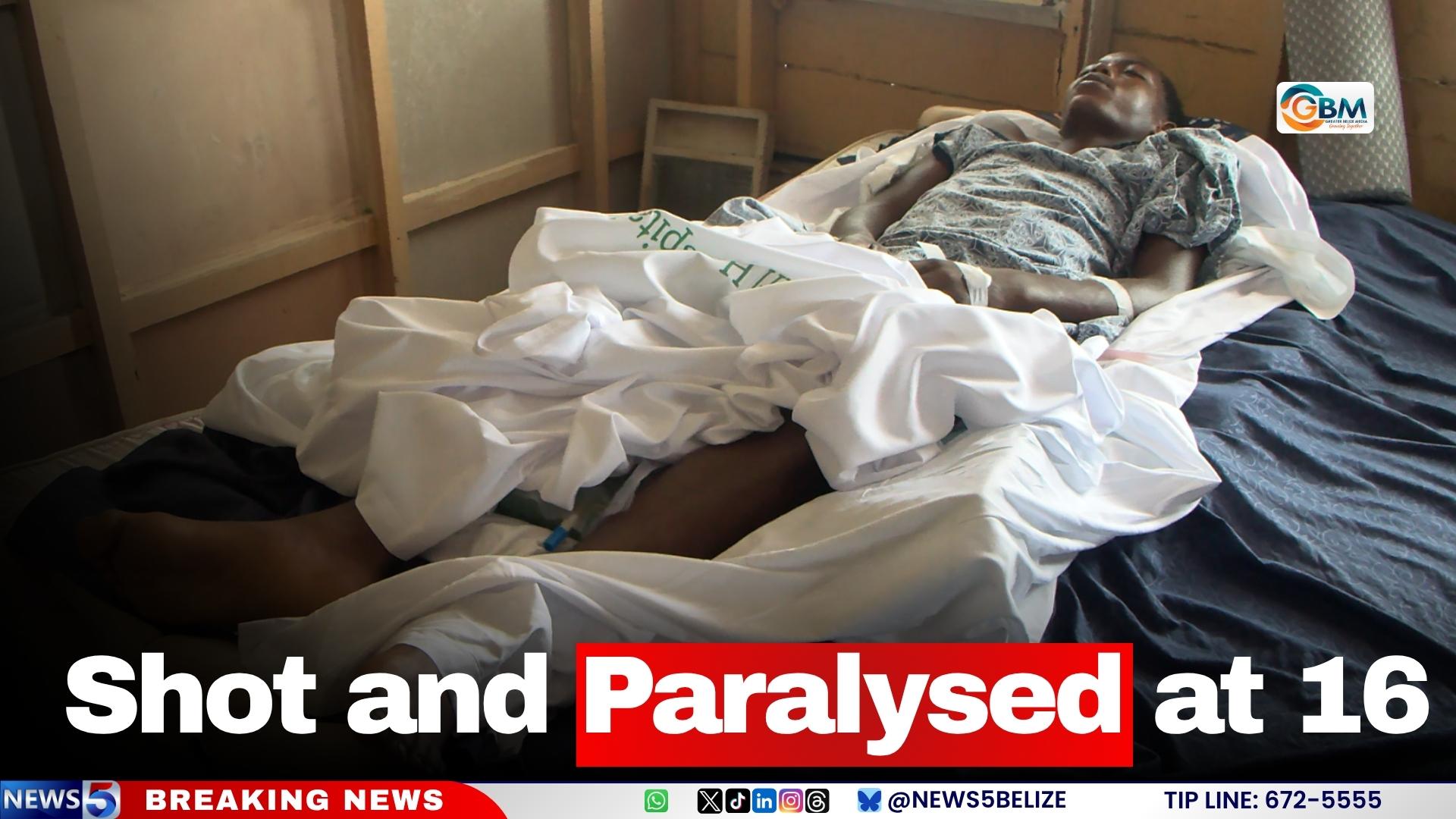
    In a devastating tragedy that has upended the life of a promising young athlete, 16-year-old Orell Reyes of Pomona Village, Belize, is now bedridden and paralyzed from the waist down just days after he was gunned down in an unprovoked ambush. Just one week before the shooting, Reyes was running drills and sprinting across the football field with his teammates, looking forward to a future anchored in the sport he loved.

    The life-altering attack unfolded on June 2, shortly after Reyes wrapped up a routine football practice. As he walked with his cousins, two gunmen riding a motorcycle opened fire on the group, striking the teen in the back. When Reyes woke up in a local hospital, he quickly realized he had lost all sensation below his waist. Describing his condition to local outlet News 5, Reyes said, “From my waist to my foot, dead, dead, dead, pops. I can’t feel nothing.” To this day, the bullet that robbed him of his mobility remains stuck in his back.

    Local medical professionals have warned that attempting to surgically remove the bullet inside Belize carries too high a risk of fatal or further disabling complications. The only viable path forward for Reyes is to travel to Mérida, Mexico, to receive specialized, advanced care that could give him a chance at regaining some quality of life. But the steep cost of this out-of-country treatment is far out of reach for the teen’s working-class family, leaving them trapped with no clear way to help their son.

    In an emotional plea for community support, Reyes shared that he is exhausted by the endless days stuck lying on his back, and only wants the chance to get the bullet removed and rebuild his life. “I just want a little help to go outside so they can take out this bullet out of my back. I tired of laying on my back,” he said.

    As of the latest update, Belizean law enforcement officials have not yet identified a clear motive for the shooting. Investigators working the case do not believe Reyes was the gunmen’s intended target, leaving the teen and his family to grapple with the reality that his life was destroyed by a random act of gang or criminal violence.

    Tonight, News 5 Live will air an exclusive full interview at 6 p.m. local time, where Reyes and his mother, Kimberly Estero, will open up about the sudden tragedy and how they are coping with this permanent, life-altering change.

  • CTUSAB calls for urgent talks amid pending CO Williams layoffs

    CTUSAB calls for urgent talks amid pending CO Williams layoffs

    One of Barbados’ most influential labour umbrella groups is pushing for urgent nationwide discussions on the island’s growing labour market crisis, following a bombshell announcement that a decades-old leading construction firm is set to implement immediate job cuts that have reignited debates over the country’s conflicting employment trends.

    The Congress of Trade Unions and Staff Associations of Barbados (CTUSAB) made the call after 66-year-old construction giant CO Williams revealed in an internal June 5 memo circulated to all employees that it would begin rolling out redundancies as early as the coming Friday. The company, which got its start in 1960 when founder Charles Williams launched a small earthmoving operation, attributes the planned cuts to long-running operational hurdles and a steady decline in its global and regional competitiveness.

    The layoff plan has already sparked fierce pushback from the Barbados Workers’ Union (BWU), which is now demanding the company release concrete data and evidence to back up its decision to cut jobs.

    In an exclusive interview with local media outlet Barbados TODAY, CTUSAB President Ryan Phillips broke down the deeply worrying paradox that has come to define Barbados’ current labour landscape. On one hand, thousands of young, working-age Barbadians are actively searching for stable work and facing persistent barriers to employment. On the other, major sectors that drive the island nation’s economy—including hospitality and construction—are openly reporting crippling skill gaps and acute labour shortages that are holding back growth.

    Phillips emphasized that this disconnect is not a new, isolated incident. “We flagged this growing trend at our press conference last week,” he explained. “We’ve heard repeatedly from young people that they can’t find work opportunities, while at the same time, dozens of employers across key industries say they can’t fill open roles.”

    The planned layoffs at CO Williams, he argues, lay bare a fundamental structural mismatch that requires immediate coordinated action from government policymakers, organized labour groups, and private sector industry leaders. If left unaddressed, Phillips warns, the problem will escalate and put broader national economic stability at risk.

    “What is most alarming about this development is that it makes the contradiction impossible to ignore,” Phillips said. “When a major established construction firm is laying off workers at the same time the industry as a whole says it can’t find enough labour, something is clearly out of alignment. We have to ask: are we failing to distribute available work equitably across the workforce? Are our training programs not aligned with the skills that growing sectors actually need right now?”
    Against a backdrop of mounting global economic volatility, Phillips stressed that Barbados cannot afford to dismiss early warning signs of labour market instability or allow existing frictions to fester. International economic headwinds will inevitably impact the small island nation, he noted, making protecting existing employment and rolling out targeted workforce retraining initiatives two of the most critical priorities for safeguarding long-term national stability.

    “This is exactly why we need an urgent national dialogue on this issue,” Phillips urged. “We’re already facing mounting pressures from the global economy, and those impacts will reach Barbados before long. Laying off workers at this moment only amplifies existing risks for working people and the wider economy, and that makes this issue too urgent to ignore.”

  • PM Skerrit satisfied with progress on Goodwill Secondary School project site

    PM Skerrit satisfied with progress on Goodwill Secondary School project site

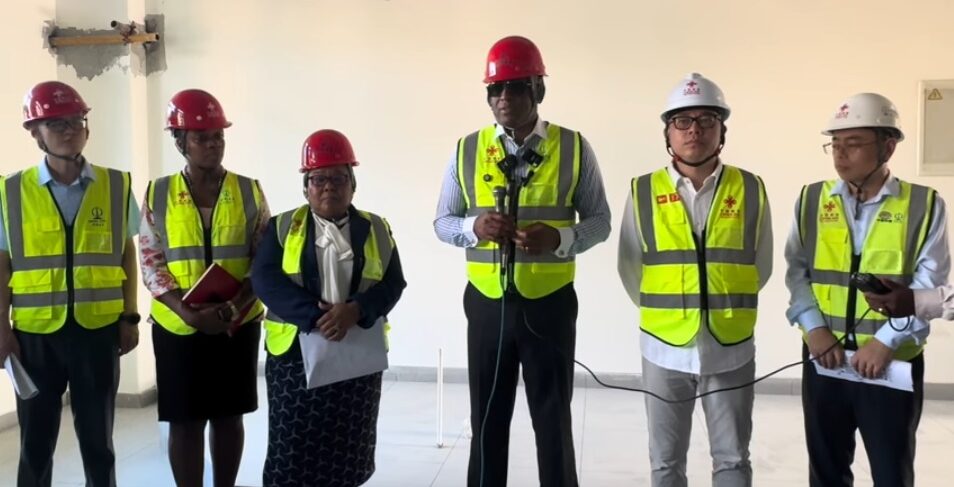
    During an on-site inspection this week, Prime Minister Roosevelt Skerrit of Dominica announced that construction of the new Goodwill Secondary School (GSS) is moving ahead at a steady, encouraging pace, calling the development “very satisfactory” and aligned with the government’s top education priorities.

    The original GSS campus was left completely unusable after Hurricane Maria tore through the island nation in 2017. Today’s project is one of six new educational facilities being built across Dominica through the China Aid Project, a bilateral development partnership between the government of Dominica and the People’s Republic of China. Ground was officially broken for the new campus on September 6, 2023, and contractors from the China Civil Engineering Construction Corporation (CCECC) launched demolition of the damaged original structure just over two months later, on November 13 of that same year.

    Walking through the construction site, Skerrit highlighted that all core structural work on the facility is now complete, with only final fitting-out works remaining. “You can see tiling and painting are well underway, all electrical and plumbing infrastructure is already in place – it is just a matter of installing the final fixtures,” he explained.

    Designed as a modern, student-centered learning space, the new campus was planned to accommodate every key need of a 21st-century education. Skerrit pointed out that the design features ample-sized classrooms, dedicated specialized spaces including science labs, a full library, computer suites, and IT facilities. Physical education was also a core priority in the planning process: indoor space on the first floor has been allocated for court sports including basketball, netball and volleyball, while the adjacent Pottersville playing field will provide additional outdoor space for other athletic activities. Once construction wraps up, the entire facility will be fully equipped and furnished before welcoming students.

    One of the project’s most groundbreaking features is its focus on climate resilience, a critical consideration for small island nations like Dominica that face frequent extreme weather events. Skerrit emphasized that the new GSS has been engineered to withstand severe catastrophic weather events, meaning teaching and learning can resume almost immediately after a natural disaster strikes, eliminating extended disruptions to students’ education that were common with older, less resilient infrastructure.

    Skerrit framed the project as a reflection of the Dominica government’s unwavering commitment to upgrading education across the country. “Having a safe, conducive place for learning is priority number one for our government and the Ministry of Education,” he said. “That is why we have continuously invested in upgrading physical infrastructure and learning centers across Dominica, to ensure every student has access to a learning environment that sets them up for success.” He added that the near-completion of the new GSS marks an exciting milestone for both the local Goodwill community and the future of education across the island nation.

  • Jeremy Enriquez Files Another FOIA Request

    Jeremy Enriquez Files Another FOIA Request

    As Belize approaches another national election cycle, long-simmering frustration over the stalled redrawing of electoral constituency boundaries has prompted a leading social activist to escalate his push for government accountability. On June 10, 2026, Jeremy Enriquez, a prominent Belizean advocate for governance reform, submitted a new Freedom of Information Act (FOIA) request to the country’s Elections and Boundaries Commission (EBC), demanding full public disclosure of the current status of the years-delayed redistricting process.

    For decades, observers and community organizers have raised alarms about stark inequalities in voter population sizes across Belize’s electoral constituencies, an imbalance that distorts representation and dilutes the voting power of residents in overpopulated districts. Successive governments have pledged to address the issue through a full boundary redraw, but the work has never moved forward as promised.

    Enriquez’s latest action comes after repeated public commitments from Belize’s prime minister that the redistricting would be completed by the end of 2025, with a firm fallback deadline of no later than 2026. But with the calendar already at the midpoint of 2026, Enriquez says there has been zero visible progress on core prerequisites of the process, including public consultation campaigns and broad citizen awareness initiatives.

    Recalling past unfulfilled promises, Enriquez noted that a similar commitment was made at the start of the 2020 government term. That pledge went unmet, with no redistricting completed by the end of the administration’s tenure. “We cannot go down that road again,” he emphasized.

    The details laid out in Enriquez’s FOIA request leave little room for the EBC to withhold granular information. He is demanding a complete accounting of every stage of the redistricting process to date, including a formal updated timeline for completion, documentation of all steps the EBC has taken so far, the full identity of any third-party consultants contracted to support the work, a summary of all professional guidance the commission has received, and access to all ongoing internal reports and demographic analyses that inform the boundary drafting process.

    For Enriquez, the request is as much about ending a pattern of opaque governance as it is about securing electoral reform. “No more of this secrecy with which this government tends to operate,” he said. The request sets the stage for a critical test of the Belizean government’s commitment to electoral transparency ahead of the upcoming election cycle, with oversight advocates across the country watching closely to see how the EBC responds.

  • Alfred delivers birthday victory in Oslo

    Alfred delivers birthday victory in Oslo

    Paris Olympic sprint champion Julien Alfred delivered a memorable birthday gift to herself on June 10, crossing the finish line first to claim top honors at the Oslo Bislett Games Diamond League meet in Norway. The 25-year-old sprinter’s dominant performance extended her undefeated streak this outdoor season, marking her fourth consecutive win overall and her second Diamond League title in just a fortnight, while also notching the sixth-fastest 100m time of her career across all racing conditions.

    Running with a 3.2 meters-per-second tailwind, Alfred clocked a wind-assisted 10.76 seconds to secure the top spot on the podium. Amy Hunt, the silver medalist of the 2020 Tokyo Olympic Games 200m event, finished a clear second with a time of 10.99 seconds, becoming the only other competitor in the field to clock a time under 11 seconds. New Zealand’s Zoe Hobbs rounded out the top three with a personal competitive run of 11.03 seconds.

    Alfred’s winning streak stretches back to early April, where she claimed two back-to-back victories at the Texas Invitational. Just one week before her Oslo triumph, the Olympic champion defeated reigning world champion Melissa Jefferson-Wooden to take the 200m title at the Rome Diamond League stop, proving her versatility and dominance across both short sprint distances.

    In post-race interviews, Alfred expressed gratitude for her current form and the opportunity to compete at the highest level of the sport. “I am healthy, and I am happy to get the win here,” she said. “I would say I am trusting myself a lot more. And I am having so much more fun. Before I came here, my mental coach said to me: ‘When you be yourself, it is the most powerful thing that you can do.’ And I think I learn more and more from my experiences.”

    The sprinter emphasized that her priority remains staying healthy as she builds toward future major competitions, highlighting the years of hard work that have brought her to this stage of her career. “As long as I come in the finish healthy, I am happy about it. I worked very hard to get to this point in my life. Just being here, racing amongst the best athletes in the world, like I said, I am appreciating every chance I get to run.”

    Alfred also spoke positively about the rising depth of competition in the women’s 100m, saying the tight competitive field pushes her to continually raise her own standards. “I love the competitiveness in the 100m right now. It keeps me on my toes to go out there and compete and be at my best every single time I line up. So I have no complaints right now.”

  • WI Women lose second warm up game

    WI Women lose second warm up game

    On Wednesday at Cardiff’s international cricket ground, Australia delivered a second consecutive defeat to West Indies Women in their ICC Women’s T20 World Cup warm-up fixtures, leaving the Caribbean side underprepared heading into their tournament opener. The six-wicket loss comes on the heels of a 26-run defeat to India just two days prior, setting an underwhelming foundation for West Indies’ first match against defending 2024 champions New Zealand this coming Saturday.

    West Indies captain Hayley Matthews won the pre-match coin toss and opted to bat first, a decision that quickly backfired for her side. By the end of the second over, the Caribbean team was already 7/1 after all-rounder Qiana Joseph fell for five runs. Troubles compounded by the eighth over, when the score slipped to 52/3, with Aaliyah Alleyne (10 runs) and Matthews herself (15 runs) both back in the pavilion.

    With batters falling consistently around her, veteran all-rounder Deandra Dottin offered West Indies’ only substantial resistance of the innings. The powerhouse stroked a characteristically fluent 48 runs off just 38 deliveries, punctuated by six crisp boundaries, but her run out in the 17th over left West Indies reeling at 112/6. No lower-order batters could step up to steady the innings, and the entire regional side was bowled out for just 131 runs. Seven of the eight Australian bowlers who took the ball claimed at least one wicket, with Ashleigh Gardner leading the attack with figures of 2/17, while Lucy Hamilton added 2/19 to the dominant bowling performance.

    Chasing a modest total, Australia got off to a blistering start that immediately put West Indies on the back foot. Opener Beth Mooney put on a brutal display of power hitting, smashing 34 runs off only 18 deliveries, including three fours and a six before retiring out at the end of the sixth over. Fellow opening batter Georgia Voll picked up where Mooney left off, finishing with an unbeaten 77 runs off 48 balls, with 10 boundaries and two maximums. Australia cruised past the target in the 15th over, finishing on 132/4 to secure the comfortable win.

    For a West Indies bowling attack that struggled to find consistency or pressure all day, Joseph stood out as the most economical bowler, claiming one wicket for just six runs across her two overs. Karishma Ramharack took 1/19 from two overs, while Matthews finished with 1/35 from her four-over allocation.
    Australia enters the 2025 tournament as one of the clear pre-tournament favorites, holding a formidable historic record in the Women’s T20 World Cup: the side has claimed the world title six times across the nine editions of the event held to date, most recently winning the 2023 championship before New Zealand took the top spot in 2024. Heading into Wednesday’s warm-up, the two sides had faced off five times in T20 World Cup warm-up matches dating back to 2014, with Australia claiming three wins, West Indies securing one, and one abandoned fixture washed out by rain.

  • Grenada government pursuing legal action following importation of horses

    Grenada government pursuing legal action following importation of horses

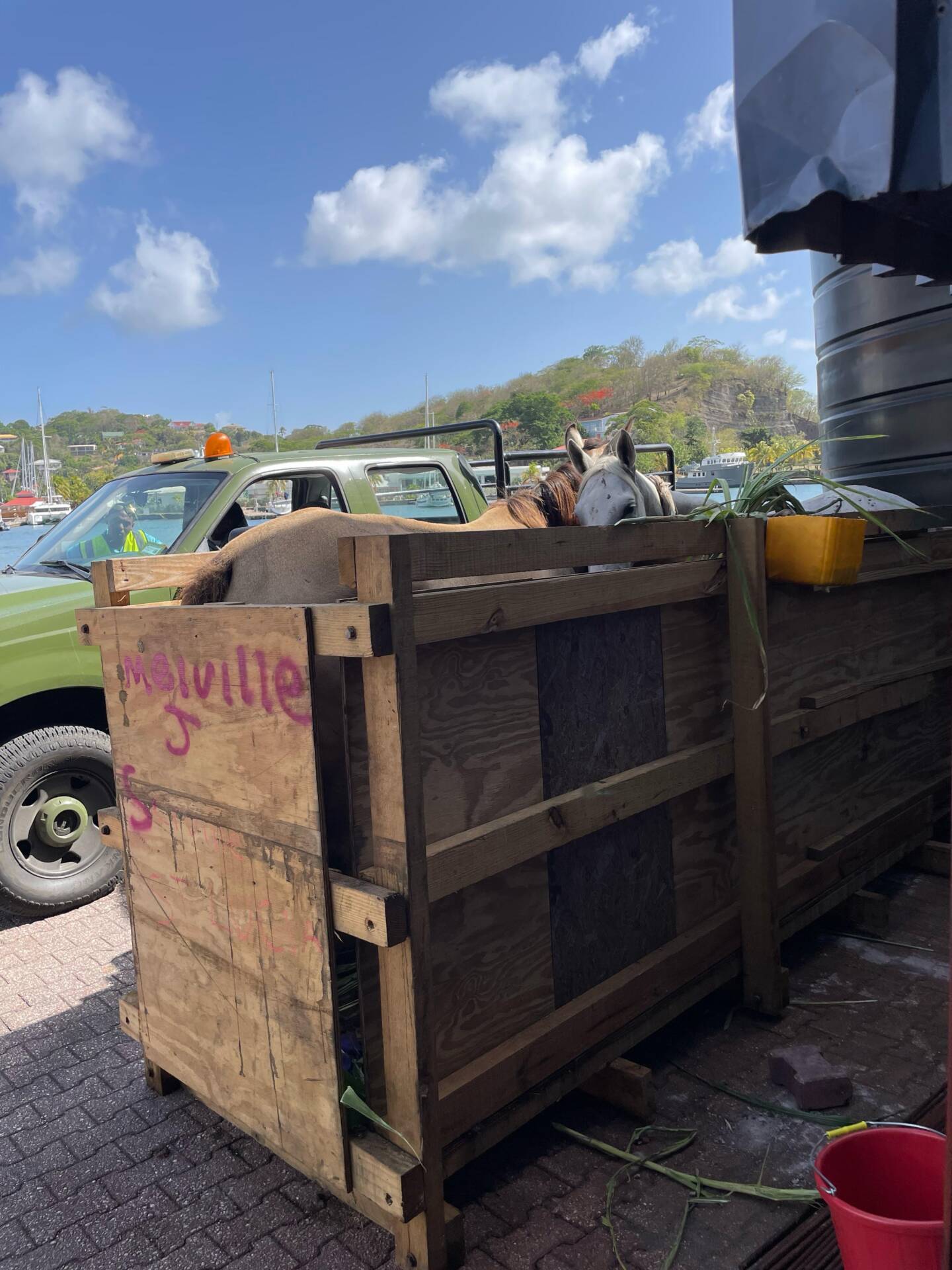
    Grenadian authorities have launched formal legal proceedings and announced sweeping new biosecurity measures following a high-stakes incident that resulted in the euthanasia of two horses illegally imported from St. Lucia that tested positive for a tick-borne disease not currently found in the country.

    Javan Williams, Permanent Secretary of Grenada’s Ministry of Agriculture, outlined the government’s full response during a post-cabinet media briefing on Wednesday, stressing that the illegal import incident will be prosecuted to the full extent of national animal health law to uphold regulatory standards.

    “This matter will not be treated lightly,” Williams told reporters. “The ministry will take all actions outlined in our legislation to establish the clear standard that the law intends to enforce.”

    The two horses were brought into Grenada without the mandatory import permit required under the country’s Animal Disease and Importation Act. Official veterinary testing from St. Lucia confirmed both animals were infected with Babesia, the parasite that causes equine babesiosis – a dangerous disease that targets horses and other equines. Unlike St. Lucia, which maintains established treatment protocols for the infection, Grenada lacks the specialized infrastructure, quarantine facilities, medication stockpiles, and clinical protocols to safely manage infected animals, and has long maintained a disease-free status for equine babesiosis.

    After entry was denied and options to return the horses to St. Lucia were ruled unfeasible, veterinary authorities ordered the humane euthanasia and incineration of the animals under official supervision. Ministry officials confirmed the decision aligned with domestic legal obligations and guidance from the Caribbean Animal Health and Food Safety Agency (CAHFSA), which sets regional standards for animal health and biosecurity.

    Williams explained that while the individual attempting to import the horses had held preliminary discussions with veterinary authorities about a permit, submitting an application does not guarantee approval – all regulatory requirements must be met before a permit can be issued. The final decision to block the imports was made jointly by veterinary officials from both Grenada and St. Lucia, he added.

    To prevent similar illegal import incidents in the future, the Ministry of Agriculture has finalized two key new initiatives. First, a comprehensive summary of official import standard operating procedures will be distributed to all ports of entry across the country, including every commercial airport and seaport, to ensure all border stakeholders understand and follow legal requirements for animal and animal product imports. Second, a nationwide public education campaign will be rolled out to raise awareness among the general public of import rules and procedures for live animals.

    On the criminal enforcement front, Williams confirmed the full case file has already been submitted to the Commissioner of Police and the Criminal Investigations Department (CID). Authorities are currently reviewing evidence to determine if criminal charges will be filed under Section 20 of the Animal Disease and Importation Act, and the individual responsible for the illegal import has already been formally notified of the government’s intent to pursue legal action.

    Chief Veterinary Officer Dr. Daniel Johnson emphasized that the action taken was a critical biosecurity safeguard, noting that allowing equine babesiosis to enter Grenada could have triggered widespread infection of the local horse population, led to the permanent establishment of the disease in the country, driven up veterinary costs for livestock owners, and resulted in harmful trade restrictions for Grenada’s animal exports on regional and global markets.

    Officials stressed the incident is a purely technical animal health matter, not a political issue, and that all actions taken were exclusively to protect Grenada’s disease-free status and preserve the long-term economic viability of the country’s livestock sector.