分类: world

  • Aanpak illegale goudwinning Brownsberg grote uitdaging voor regering

    Aanpak illegale goudwinning Brownsberg grote uitdaging voor regering

    Surinamese authorities are grappling with persistent illegal gold mining operations within the protected confines of Brownsberg Nature Park, acknowledging the complex challenge without immediate solutions. President Jennifer Simons addressed journalists during a Friday press conference, revealing that combating these activities proves particularly difficult as perpetrators “believe they are above the law.”

    While recognizing that gold extraction will continue in the broader Brownsberg region, Simons emphasized that such operations must remain outside the park’s official boundaries. The government has scheduled comprehensive dialogues for the coming week involving multiple stakeholders, including various ministries, military and police representatives, the Nature Conservation Foundation Suriname (Stinasu), and non-governmental organizations.

    This environmental crisis spans over two decades, with the President indicating the problem extends beyond mere gold extraction, though she refrained from identifying specific individuals or groups involved in these unlawful practices. Large-scale deforestation caused by both artisanal and industrial mining operations has significantly damaged the protected ecosystem.

    Minister of Natural Resources David Abiamofo reported increased government presence in the area during November 6-10, resulting in the identification of illegal operators and confiscation of unauthorized equipment through coordinated efforts with local law enforcement. The minister advocates establishing a permanent settlement within the park to enhance security measures, with ongoing discussions currently underway with Stinasu and other relevant parties.

    President Simons supports regulated gold mining outside protected areas while stressing the need for improved organization and increased state revenue generation from Brownsberg’s natural resources.
  • US military aircraft to arrive in Dominican Republic for deployment in the Caribbean

    US military aircraft to arrive in Dominican Republic for deployment in the Caribbean

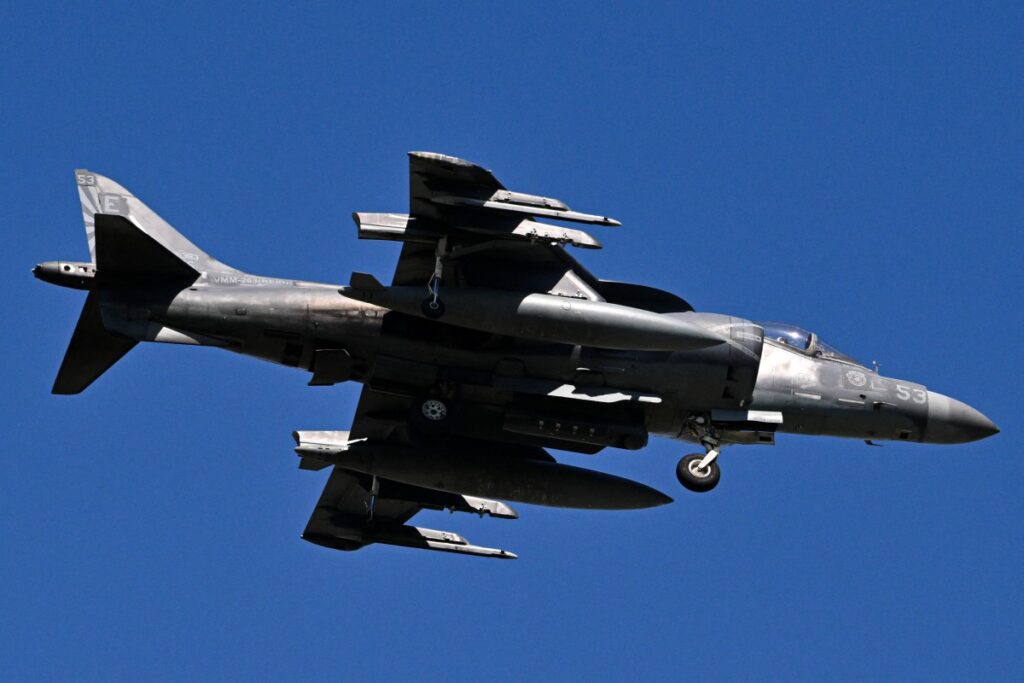
    SANTO DOMINGO, Dominican Republic – The Dominican government has granted official authorization for multiple United States military aircraft to utilize the nation’s airfields in support of ongoing operational deployments across the Caribbean region. This strategic move, executed under existing bilateral agreements, will see American military planes operating from restricted zones at two key installations: San Isidro Air Base and Las Américas International Airport.

    The collaboration framework encompasses a diverse range of mission profiles, including aerial surveillance, tactical transport operations, and specialized technical support. Among the aircraft slated for participation are the formidable KC-130 aerial refueling tanker and the legendary C-130 Hercules transport—two of the most versatile and battle-tested platforms in the US Air Force’s inventory.

    The C-130 Hercules, with an illustrious service history dating back to 1954, stands as one of the most successful military transport aircraft ever developed. Originally engineered for demanding Cold War operations, this rugged airlifter has proven indispensable in conflicts from Vietnam to Desert Storm, while simultaneously serving critical roles in humanitarian crises including the Haiti earthquake relief efforts and Hurricane Katrina response operations.

    Its companion aircraft, the KC-130 tanker variant introduced in the 1960s, provides dual-capability as both a logistics transport and aerial refueling platform. This aircraft extends the operational range of fighter jets, helicopters, and unmanned drones, having supported combat operations from Iraq and Afghanistan to Libya, in addition to facilitating nighttime special operations and personnel transportation.

    While Dominican authorities have maintained operational security by not disclosing specific flight schedules or the exact number of aircraft involved, defense analysts indicate the deployment will likely enhance maritime and aerial surveillance capabilities, enable movement of sensitive equipment, provide logistics support for regional security initiatives, facilitate in-flight refueling operations, and transport technical personnel throughout the Caribbean theater.

    The mission represents the latest manifestation of deepening security and technical cooperation between the Dominican Republic and the United States, reflecting shared strategic interests in maintaining stability and security throughout the Caribbean basin.

  • Palestinian group criticizes global response to Israeli crimes

    Palestinian group criticizes global response to Israeli crimes

    The Popular Front for the Liberation of Palestine (PFLP) has issued a stark condemnation of the international community, declaring a systemic collapse of the legal and moral frameworks purportedly upheld by global powers. The leftist organization characterized the ongoing situation as a profound moral failure, highlighting what it describes as the complete disintegration of the values the world claims to defend.

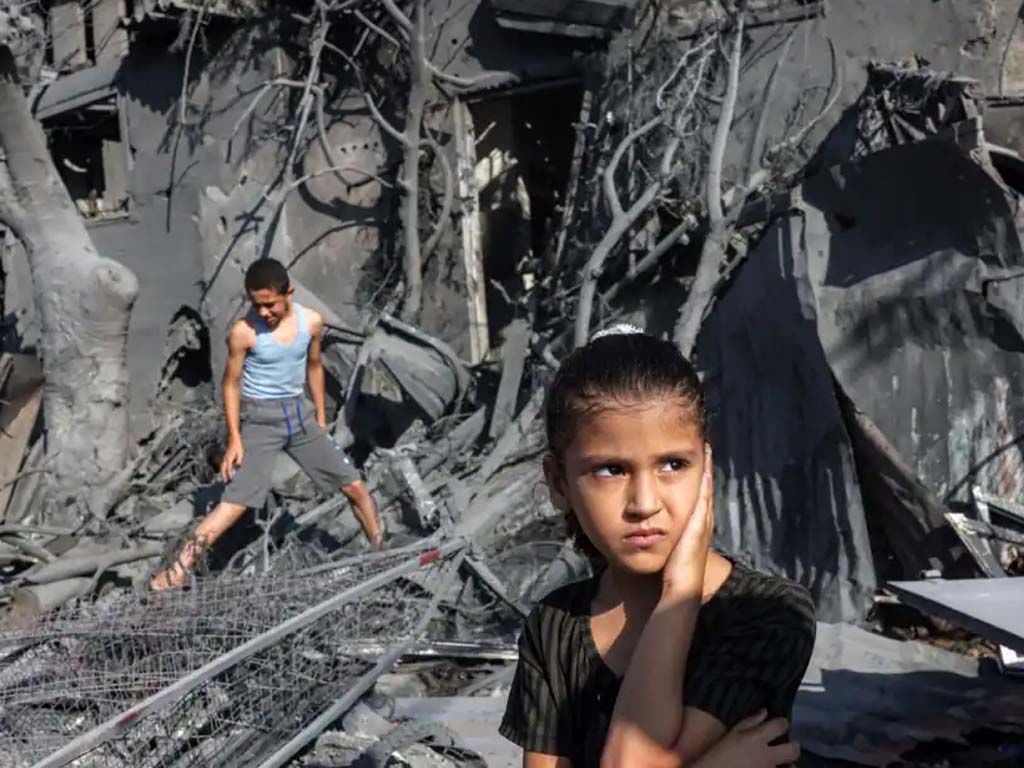
    According to the group, the humanitarian emergency in the Gaza Strip has escalated to intolerable levels. This assessment comes after more than two years of sustained Israeli military operations, compounded recently by the devastating impact of Storm Byron. The convergence of conflict and natural disaster has exacerbated the already dire conditions for the civilian population.

    The PFLP’s statement detailed the immense scale of suffering, drawing attention to the plight of over one million internally displaced persons. These individuals, the group emphasized, are trapped in a vicious cycle of severe hunger, rampant disease, and exposure to harsh weather conditions without adequate shelter or protection.

    In response to this escalating catastrophe, the PFLP has issued an urgent appeal to international mediators and guarantors involved in ceasefire negotiations. The organization is demanding immediate and concrete action to pressure Israel into permitting the unrestricted entry of critical humanitarian aid. This aid includes essential supplies such as fortified tents for shelter, food provisions, and medical resources necessary to address the growing health crisis.

  • UN warns of possible spread of conflict in DRC to the region

    UN warns of possible spread of conflict in DRC to the region

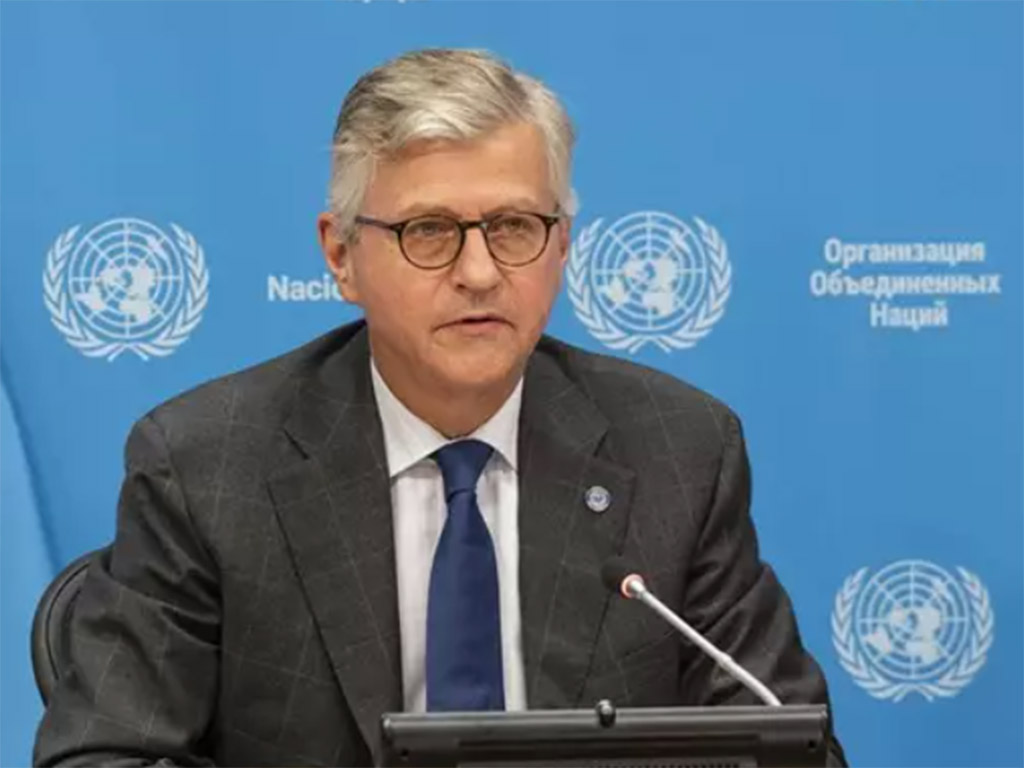
    United Nations Under-Secretary-General for Peace Operations Jean-Pierre Lacroix has issued a stark warning to the UN Security Council, declaring that a renewed military offensive by the Congo River Alliance-March 23 Movement (AFC/M23) in South Kivu province has dramatically escalated regional tensions. Lacroix emphasized that this development has “rekindled the specter of a regional conflagration with incalculable consequences” for Central Africa.

    The UN peacekeeping chief expressed grave concerns about the deteriorating security situation, noting that rebel advancements are creating serious risks of national fragmentation within the Democratic Republic of Congo. This is particularly evident in the eastern provinces where insurgent groups have established parallel governing structures challenging state authority.

    Complicating the crisis further, Lacroix highlighted the involvement of armed forces and militant groups from neighboring countries, whose direct and indirect participation threatens to expand the conflict beyond DRC’s borders. This external dimension significantly increases the danger of the confrontations spreading throughout the entire Great Lakes Region, potentially destabilizing multiple nations.

    The warning comes despite previous diplomatic efforts to de-escalate tensions, including agreements signed in Washington, D.C. between DRC President Felix Tshisekedi and Rwandan President Paul Kagame. Notably, the AFC/M23 offensive has already achieved significant territorial gains, capturing the strategic city of Uvira on December 10. Uvira served as the provisional capital of South Kivu province and represents a crucial border hub near Burundi, underscoring the conflict’s transnational implications.

  • FLASH : 18 countries ready to deploy security forces to Haiti

    FLASH : 18 countries ready to deploy security forces to Haiti

    In a significant development for Haitian security, Organization of American States Secretary General Albert Ramdin confirmed on December 12, 2025 that eighteen nations have committed personnel to the newly established Gang Suppression Force (GSF). This multinational security initiative, authorized by the UN Security Council, will replace the previous Multinational Security Support Mission (MMSS) with a comprehensive strategy to address Haiti’s escalating gang violence.

    The international coalition will deploy approximately 5,500 personnel, primarily consisting of police and military units, following a roadmap developed under United States guidance. African nations are contributing the majority of forces, with additional support from Asian countries including Sri Lanka and Bangladesh, alongside several unnamed Latin American partners.

    Ramdin emphasized the operational challenges of integrating diverse international forces: ‘Eighteen countries have committed to providing forces. The key is that they all work together according to the same rules and regulations. That’s why the establishment of this new force is taking so long due to necessary training requirements.’

    The deployment will occur in phased increments rather than waiting for full force readiness. An initial contingent of 1,000 personnel is anticipated to deploy as early as January 2026, with approximately half of the total force expected to be operational by April 1st. This timeline coincides with the activation of the United Nations Support Office in Haiti (BANUH).

    The GSF’s strategic objectives include rapid intervention to mitigate gang impact, direct engagement with armed groups, and targeted operations to capture or neutralize gang leadership. The force represents the international community’s robust response to Haiti’s security crisis, building on existing efforts including Kenya’s recent deployment of a fifth police contingent to maintain pressure on criminal organizations.

  • OP-ED: Resilience is not built in isolation. It grows through cooperation, shared learning, and solidarity

    OP-ED: Resilience is not built in isolation. It grows through cooperation, shared learning, and solidarity

    In an unprecedented meteorological event, Hurricane Melissa carved its name into history books as the first Category 5 storm to directly strike Jamaica in late October 2025. The catastrophic system unleashed destructive winds, torrential rainfall, and catastrophic storm surges that paralyzed the island nation. Western regions endured particularly severe impacts with blocked transportation routes, non-operational medical facilities, and prolonged power outages affecting most communities for multiple weeks.

    Prime Minister Andrew Michael Holness characterized the disaster’s impact as comparable to ‘an atomic bomb’ in its devastation. World Bank assessments revealed approximately $8.8 billion in direct physical damages, representing over 40% of Jamaica’s 2024 GDP. When accounting for comprehensive economic impacts across business, agricultural, and tourism sectors, total losses potentially exceed $20 billion—surpassing the nation’s entire annual economic output. The human toll included 45 confirmed fatalities with 15 individuals remaining unaccounted for.

    The hurricane’s path of destruction extended across multiple Small Island Developing States (SIDS), with Haiti experiencing cascading hazards including flash floods and landslides that claimed at least 43 lives. While Cuba and The Bahamas reported no casualties, the varying outcomes highlighted critical disparities in national preparedness, infrastructure investment, and systemic vulnerability to climate-driven disasters.

    Jamaica’s critical infrastructure vulnerabilities were exposed as over 80% of the population lost electricity access and five major hospitals sustained severe structural damage, particularly in southern and western regions. Water distribution networks and communication systems experienced significant disruptions, severely hampering emergency response capabilities and healthcare access according to PAHO assessments.

    Despite the devastation, Jamaica’s pre-emptive actions demonstrated advanced disaster preparedness. Days before landfall, the government initiated coordinated evacuations, issued public alerts, and activated emergency shelters through a whole-of-government approach. This response reflected strong governance and political commitment informed by scientific forecasting and long-term resilience planning.

    Jamaica’s progressive disaster management framework includes groundbreaking policies such as the 2015 Disaster Risk Management Law and the 2021 National Policy on Disaster Risk Reduction Financing. The nation achieved global recognition as the first country to engage all municipalities in the Making Cities Resilient 2030 initiative, with all 14 parishes implementing the Disaster Resilience Scorecard for Cities.

    Financial preparedness mechanisms proved effective through parametric insurance instruments. The Caribbean Catastrophe Risk Insurance Facility and World Bank catastrophe bond generated payouts exceeding $240 million—the largest disaster recovery amount Jamaica has ever received.

    United Nations agencies, including UNOPS and UNDRR, are collaborating with regional partners to support recovery assessments and reconstruction planning with emphasis on climate-resilient infrastructure development. The disaster has catalyzed regional conversations about strengthening early warning systems, critical infrastructure protection, and comprehensive loss accounting mechanisms.

    As recovery efforts progress, the Caribbean region faces a pivotal opportunity to transform disaster response into sustainable resilience building through international cooperation, aligned investments, and knowledge sharing to protect vulnerable communities against future climate challenges.

  • Following COP30, German-Caribbean climate discussions emphasize urgency of increased  resilience  goals building on COP30

    Following COP30, German-Caribbean climate discussions emphasize urgency of increased resilience goals building on COP30

    High-level diplomats, climate experts, and youth representatives convened in Grenada on December 4th for the third German-Caribbean Climate Dialogues, aiming to accelerate climate ambition and adaptation strategies following the recent COP30 summit. The high-level forum, held at Grand Anse’s Radisson Hotel, served as a critical platform for assessing COP30 outcomes and strengthening regional resilience efforts, particularly as Grenada continues recovering from 2024’s devastating Hurricane Beryl.

    Hosted by German Ambassador and Caribbean Climate Envoy Dr. Christophe Eick, the dialogue emphasized the moral authority of small island developing states in global climate negotiations. Ambassador Eick reiterated Germany’s commitment to supporting Caribbean resilience and clean energy transitions, highlighting new cooperation agreements with CARICOM totaling over €30 million. “Germany proudly leads as the largest Adaptation Fund contributor,” Eick stated, “but largest emitters must move faster to maintain the 1.5°C warming limit.”

    UNFCCC Executive Secretary Simon Stiell participated virtually, acknowledging COP30’s cooperative achievements while warning that “ambition without support will falter.” Climate Analytics Caribbean Director Rueanna Haynes provided expert analysis, noting that despite significant advances including tripled adaptation finance targets and the Just Transition mechanism, implementation must progress at unprecedented speeds.

    Grenadian climate ambassadors emphasized practical challenges during panel discussions. Special Envoy Safiya Sawney stressed regional unity: “We must treat CARICOM as an investment bloc to shape global decisions affecting our survival.” Dr. Spencer Thomas highlighted climate finance deficiencies, noting that while policies exist, consistent funding frameworks remain elusive.

    Youth representative Abigail Ellis of the Caribbean Youth Environment Network demanded greater inclusion: “Young people need access and investment to lead climate action that builds economies for our generation.” Audience participants echoed calls for accountability mechanisms for major emitters and explored climate litigation strategies.

    The dialogue concluded with consensus that despite COP30 progress, the global community must undertake more vigorous action. As Haynes summarized, “We have knowledge, evidence, and partnerships—now we need courage to act at the required scale and speed.”

  • Indonesia flood death toll passes 1,000 as authorities ramp up aid

    Indonesia flood death toll passes 1,000 as authorities ramp up aid

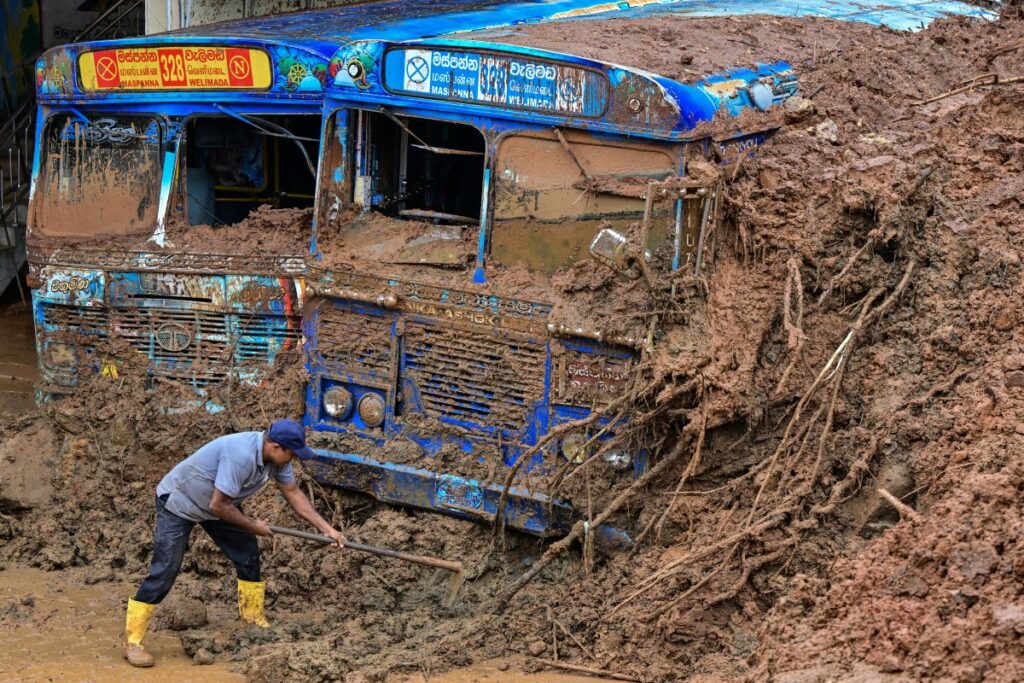
    ACEH TAMIANG, Indonesia — Indonesia confronts one of its most severe natural disasters in recent history as catastrophic flooding and landslides across Sumatra Island have resulted in 1,006 confirmed fatalities, rescue authorities reported Saturday. The National Disaster Mitigation Agency further indicated over 5,400 individuals have sustained injuries during the two-week deluge.

    This tragedy ranks among Sumatra’s deadliest calamities since the devastating 2004 tsunami, with torrential rains triggering widespread destruction across northwestern regions. Official projections suggest the death toll may climb further, with disaster agency spokesman Abdul Muhari confirming 217 persons remain unaccounted for as emergency teams escalate assistance to the most severely impacted zones.

    The cataclysmic weather events have displaced approximately 1.2 million residents, forcing survivors into temporary shelters amid vast landscapes transformed by mudflows, debris, and fallen timber. Personal accounts reveal the human dimension of the catastrophe, with 50-year-old Sri Lestari and her family now occupying emergency tents after their home sustained critical damage from flood-driven tree impacts.

    Despite governmental assurances that relief operations are progressing, frustration mounts among affected communities regarding the pace of aid distribution. President Prabowo Subianto asserted during a Saturday assessment tour that connectivity to previously isolated areas had been restored and evacuation centers maintained adequate provisions.

    Eyewitness observations along Aceh Tamiang’s primary transportation corridor revealed extensive civilian-led assistance efforts, with convoys of private vehicles and trucks delivering essential supplies. Numerous survivors continue residing in makeshift outdoor accommodations, their homes rendered uninhabitable by mud infiltration.

    Disaster management officials confirmed the coordinated delivery of 11.7 tonnes of humanitarian aid via maritime, terrestrial, and aerial routes Saturday, alongside initiated construction of transitional housing for displaced populations. Preliminary rebuilding cost estimates approach 51.82 trillion rupiah ($3.1 billion), with Indonesian authorities presently declining international assistance offers.

    The nation’s meteorological agency issued continued severe weather advisories, forecasting persistent heavy rainfall across Sumatra that may exacerbate existing challenges.

  • Trump vows to ‘retaliate’ after IS attack kills US troops in Syria

    Trump vows to ‘retaliate’ after IS attack kills US troops in Syria

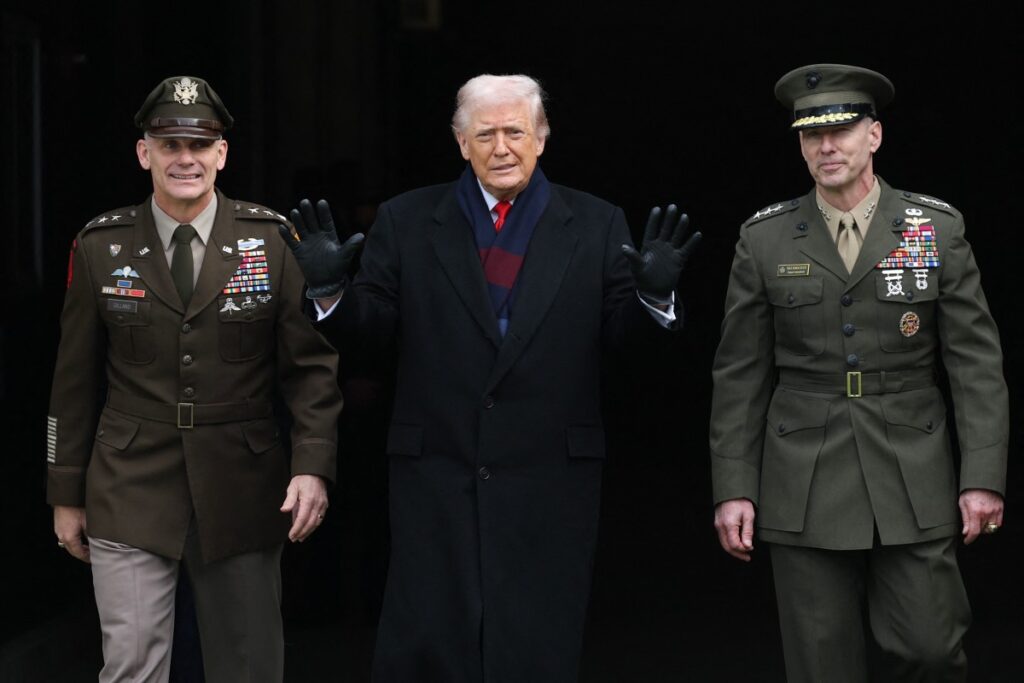
    WASHINGTON, United States — In a decisive response to a lethal assault in central Syria, former President Donald Trump declared that the United States would execute retaliatory measures. The incident, which occurred on Saturday, resulted in the deaths of two American military personnel and a civilian interpreter, with an alleged Islamic State (IS) militant identified as the perpetrator.

    Addressing journalists outside the White House, Trump unequivocally stated, “We will retaliate.” He further elaborated on his Truth Social platform, noting that Syrian President Ahmed al-Sharaa had been rendered “extremely angry and disturbed by this attack.” The statement underscores the complex geopolitical tensions in the region, where multiple factions, including remnants of IS and various state actors, continue to operate.

    The attack highlights the persistent threat posed by insurgent groups in Syria, despite significant territorial losses suffered by IS in recent years. US forces remain deployed in the area primarily to conduct counterterrorism operations and support local partner forces. This incident represents one of the most serious confrontations involving American troops in the region in recent months, raising concerns about a potential escalation in hostilities.

    Analysts suggest that the promised retaliation could involve targeted airstrikes against IS positions or affiliated militant hideouts. The US military has previously conducted such operations in response to attacks on its personnel. The situation also implicates broader international relations, given the involvement of Syrian government forces and other foreign powers active in the country’s ongoing conflict.

  • Mr President!

    Mr President!

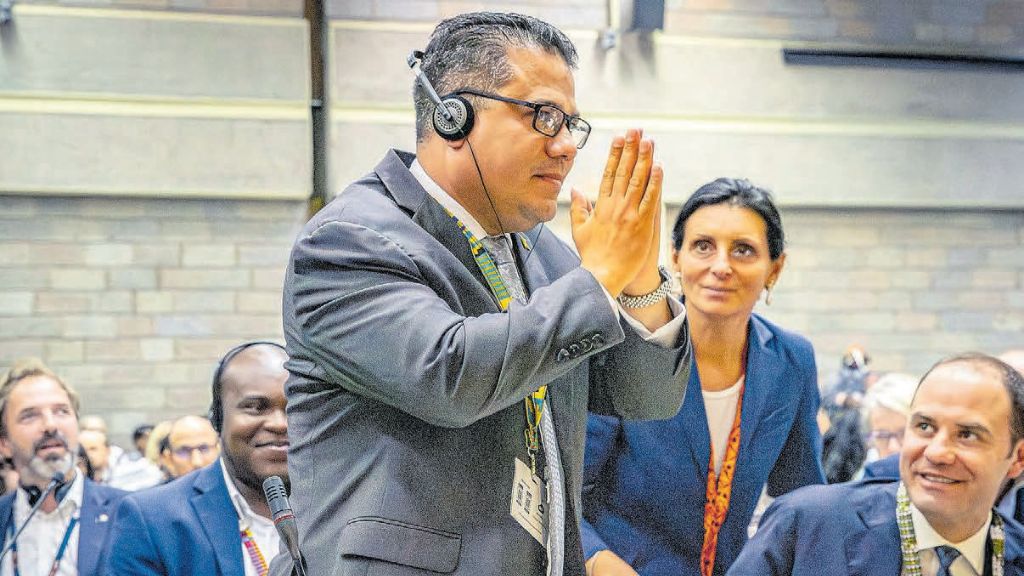
    Jamaican Minister of Water, Environment and Climate Change Matthew Samuda has been elected as the new President of the United Nations Environment Assembly (UNEA), assuming leadership of the world’s premier environmental decision-making body for a two-year term. The election was formally announced Friday morning by outgoing President Abdullah Bin Ali Al-Amri during the seventh session of UNEA (UNEA-7) in Nairobi, Kenya.

    In his inaugural address, Minister Samuda outlined an ambitious vision centered on inclusivity, transparency, and concrete action. He emphasized the critical need to strengthen the connection between scientific research and policy implementation while scaling up financial mechanisms for climate adaptation and resilience building. The Jamaican minister specifically committed to ensuring that all nations, regardless of size or economic status, would have equal voice in developing environmental solutions.

    Samuda acknowledged his presidency represents not merely a personal achievement but symbolizes the collective commitment of the Latin American and Caribbean region and his homeland Jamaica. He positioned himself as a representative for nations that understand through direct experience the urgent necessity of environmental protection.

    The newly elected president framed multilateral cooperation as humanity’s most powerful tool for addressing complex environmental challenges, calling for heightened ambition, deeper cooperation, and unwavering implementation of environmental commitments. He concluded his address with an unexpected reference to the animated series Captain Planet, quoting: ‘Blaming each other is a waste of time. The only thing that matters is changing what’s wrong.’

    UNEA, which comprises all 193 UN member states, serves as the highest-level global forum for environmental policy-making. The assembly establishes the international environmental agenda, provides strategic guidance, and develops responses to emerging ecological challenges while overseeing the work of the UN Environment Programme (UNEP).

    Minister Samuda will preside over the next assembly (UNEA-8) scheduled for December 6-10, 2027, at UNEP’s headquarters in Nairobi.