分类: world

  • UN and Palestinians warn West Bank demolitions could permanently displace hundreds

    UN and Palestinians warn West Bank demolitions could permanently displace hundreds

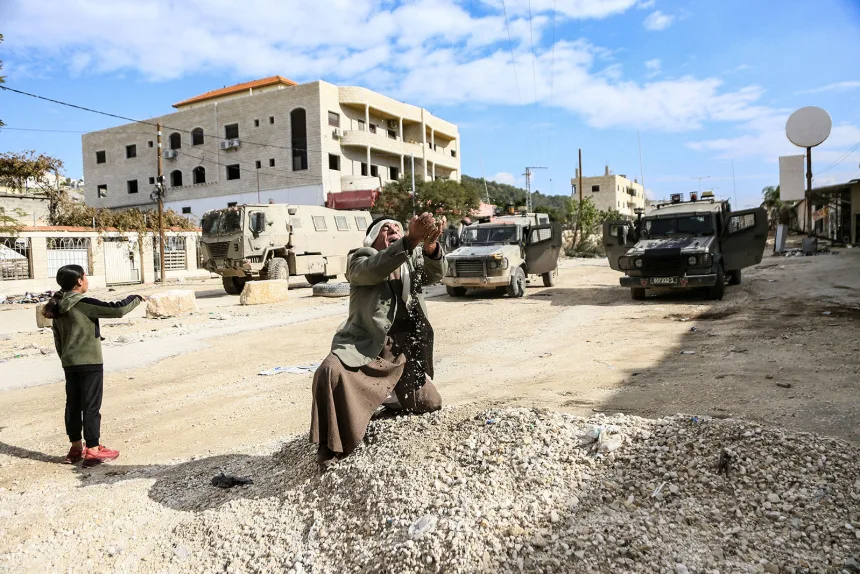
    Israeli military authorities have issued demolition orders for 25 residential buildings in the Nur Shams refugee camp near Tulkarem in the occupied West Bank, citing security concerns and “operational necessity.” The controversial decision has drawn sharp condemnation from Palestinian officials and international observers who warn it represents systematic forced displacement tactics.

    The Palestinian Refugee Affairs Department condemned the move as “a blatant violation of international humanitarian law” in an official statement, asserting that the demolitions would displace dozens of families. The department characterized the action as part of a broader strategy to empty Palestinian camps and establish long-term control over the territories, ultimately aiming to annex the West Bank including East Jerusalem.

    Roland Friedrich, Director of UNRWA Affairs in the West Bank, described the development as “devastating news” in a social media post, noting that hundreds face imminent displacement. Friedrich observed that this pattern of home destruction has intensified throughout 2023, with Israeli security forces permanently altering the topography of northern West Bank camps to consolidate control.

    The demolition orders follow closely after the Israeli cabinet’s approval to legalize and establish 19 settler outposts across the occupied West Bank, including two previously evacuated under the 2005 disengagement plan. Israeli settlement watchdog Peace Now criticized the government’s actions as deliberately foreclosing possibilities for future peace and a two-state solution.

    The Israeli military defended its decision, stating that northern West Bank areas “have become a significant center of terrorist activity” operating from civilian populations. Authorities indicated residents would receive opportunity to evacuate personal belongings before demolitions commence, potentially as early as December 18.

    This development occurs amidst sustained Israeli military operations in northern West Bank refugee camps, including Nur Shams, Tulkarm and Jenin. While Israel maintains these operations target militant networks and prevent attacks, Palestinian officials and human rights organizations argue they constitute collective punishment and forced displacement of the more than 32,000 Palestine refugees in the region.


  • Teething problems snag MV Konawaruk 1899

    Teething problems snag MV Konawaruk 1899

    In a strategic move reinforcing its territorial claims, Guyana officially commissioned the MV Konawaruk 1899 ferry on the Essequibo River this Friday, despite encountering operational challenges during its maiden voyage. The vessel, acquired from Greece for approximately US$5 million, was ceremoniously named to reference both a significant geographical area in Region Eight (Potaro-Siparuni) and the pivotal 1899 Arbitral Tribunal Award that established the land boundary with Venezuela.

    The commissioning ceremony, led by Prime Minister Mark Phillips, underscored the vessel’s symbolic importance in the ongoing territorial dispute with Venezuela, currently under deliberation at the International Court of Justice (ICJ). The ferry is designated to serve the Parika-Supenaam route, a critical transportation corridor for agricultural cargo including rice, paddy, and machinery from Region Two.

    However, the inaugural journey revealed significant technical shortcomings. At both the Parika and Supenaam terminals, vehicle access proved problematic due to misalignments between the ferry’s bow door and the docking facilities. Security vehicles risked damage during boarding, necessitating temporary wooden planks for safe passage. The most pronounced issue occurred at Supenaam Stelling, where the bow door failed to land flush with the bridge, causing a 15-minute delay and requiring direct intervention from Maritime Administration Director-General Stephen Thomas and engineering staff.

    Public Works Minister Juan Edghill confirmed that while adjustments had been made to mooring facilities to accommodate the newly acquired vessel, additional modifications would be necessary. The government’s naming convention for marine craft—after rivers and significant locations—continues with this acquisition. The existing Chinese-made Sabanto and Kanawan ferries will remain operational on the Parika-Supenaam route, with another Greek vessel expected next month for deployment on the Georgetown-North West District route.

  • FLASH : Countries pledge up to 7,500 troops to the GSF in Haiti

    FLASH : Countries pledge up to 7,500 troops to the GSF in Haiti

    WASHINGTON – In a significant development addressing Haiti’s security crisis, U.S. Secretary of State Marco Rubio announced on December 19 that international partners have committed approximately 7,500 personnel to the newly established Gang Suppression Force (GSF). The announcement came during a press conference where Rubio revealed that the pledged forces substantially exceed the initial United Nations Security Council authorization of 5,500 troops under Resolution 2793.

    The robust international response follows a December 9 closed-door donor conference co-hosted by the United States and Canada at the United Nations headquarters. According to official statements, eighteen participating nations have committed personnel, financial resources, and technical expertise to support the multinational security initiative.

    This security deployment aims to counter heavily armed criminal factions that have seized control of approximately 80% of Haiti’s capital, Port-au-Prince. These gangs, reportedly equipped primarily with weapons smuggled from the United States, have expanded their territorial control into provincial areas, creating a devastating humanitarian emergency. The escalating violence has displaced an estimated 1.4 million Haitians from their homes and exacerbated severe food insecurity throughout the Caribbean nation.

    Secretary Rubio emphasized that international donors have demonstrated strong financial support for the security mission, though specific funding amounts were not disclosed during the announcement. The enhanced troop commitments reflect growing international concern about the stabilization of Haiti’s security situation and the urgent need to address the interconnected humanitarian crisis.

  • CARICOM-Republic of Korea fund sows into nine projects across region since 2021

    CARICOM-Republic of Korea fund sows into nine projects across region since 2021

    The strategic partnership between the Caribbean Community (CARICOM) and the Republic of Korea has evolved into a substantial development framework, with the CARICOM-Republic of Korea Cooperation Fund serving as its financial backbone. Since its establishment in 2021, the fund has accumulated approximately $7 million, financing nine significant initiatives across critical sectors including digital transformation, climate resilience, public health, and cybersecurity.

    According to Dr. Armstrong Alexis, CARICOM Deputy Secretary-General, Korea has demonstrated longstanding commitment to expanding developmental assistance throughout the Caribbean region. “We are grateful for the strong bonds of friendship, and we thank the Government and people of the Republic of Korea for its support to the Community in several critical areas,” Dr. Alexis stated.

    The collaboration has yielded concrete results across multiple domains. In digital innovation, a comprehensive three-phase project is modernizing regional records management while upgrading IT infrastructure and human resource systems. The Enterprise Resource Planning (ERP) initiative aims to optimize management processes through cutting-edge ICT systems.

    Statistical capacity building has received significant attention through a specialized project enhancing data interoperability between national statistical offices and the CARICOM Secretariat. This initiative promotes adherence to international data standards, improving the quality and accessibility of regional statistics for evidence-based policymaking.

    Climate diplomacy represents another pillar of cooperation, with the deployment of a dedicated Climate Change Envoy advocating for regional interests on international platforms. The recently launched KORA-CARE project focuses on climate-resilient water safety planning, integrating smart water management tools to mitigate health impacts related to water systems.

    Public health collaboration has produced substantial outcomes through the Caribbean Public Health Agency (CARPHA). Korean support has established the Caribbean Regional Field Epidemiology and Laboratory Training Program, maintained biosecurity Level 3 laboratory capabilities, and advanced communicable disease diagnostics with state-of-the-art testing systems.

    Cybersecurity cooperation has materialized through the “Strengthening CARICOM’s Resilience Against Ransomware (SCAR)” project, implemented jointly by CARICOM IMPACS and Korea’s Internet and Security Agency. This initiative builds regional infrastructure capabilities to counter evolving cyber threats.

    The partnership has extended to addressing Haiti’s complex crisis through security enhancement programs and has launched the Korea-Caribbean Agricultural Research Innovation Platform (KoCARIP). This agricultural partnership advances post-harvest technologies, reduces crop losses, and promotes climate-resilient farming practices.

    The relationship traces its roots to historical connections, including Korean aid during the Korean War to several Caribbean nations. During the 45th CARICOM Heads of Government meeting in July 2023, former Korean Prime Minister Han Duck-Soo announced plans to increase Korea’s contributions to the Cooperation Fund fivefold starting in 2024. Additional proposals included establishing an annual Korea-Caribbean Ministerial Dialogue and expanding cooperation into renewable energy and marine research.

    The formal partnership, established through a 2006 agreement, continues to evolve through high-level engagements. The recent Fifteenth High-Level Forum in November 2025 set the agenda for enhanced maritime and ocean governance cooperation in 2026. During the COVID-19 pandemic, Korea further demonstrated commitment by providing $1 million worth of medical supplies and PPE, reinforcing the partnership’s resilience-focused orientation.

  • Gaza: Org calls for aid to removal of tons of explosives

    Gaza: Org calls for aid to removal of tons of explosives

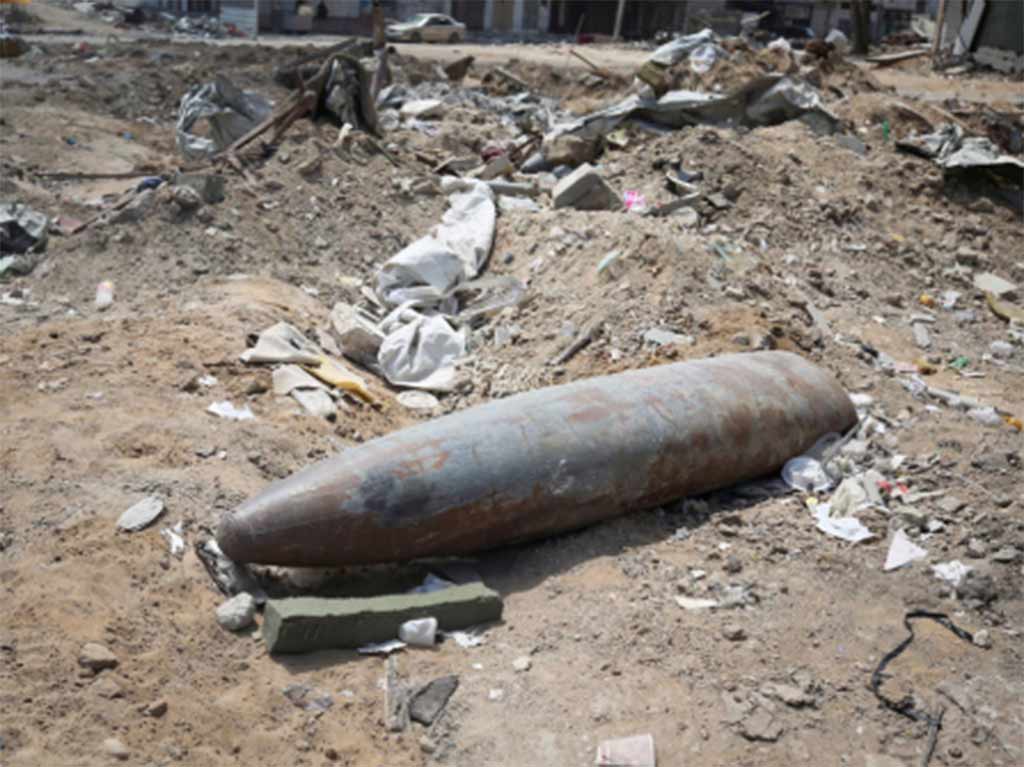
    Gaza’s Civil Defense organization has issued a formal condemnation holding international bodies, Israel, and the United States accountable for civilian casualties resulting from unexploded ordnance in the conflict-ravaged territory. The statement characterizes the failure to protect residents from explosive remnants as a direct violation of the Geneva Convention and its additional protocols.

    The organization specifically criticized the effectiveness of the US Coordination Center in Gaza, asserting that despite multiple high-level discussions, their interventions have yielded no tangible improvements on the ground. This indictment comes amid growing concerns about the lethal legacy of explosive contamination throughout the coastal enclave.

    Julius van der Walt, Chief of the United Nations Mine Action Programme in the Occupied Palestinian Territories, recently emphasized the severity of the situation. He confirmed that more than two years of intensive Israeli military operations have created widespread contamination with explosive materials throughout Gaza.

    Van der Walt further elaborated that this hazardous environment not only endangers Gaza’s inhabitants but also severely impedes humanitarian aid delivery and reconstruction efforts. The presence of unexploded ordnance transforms basic survival activities and recovery operations into potentially life-threatening endeavors, creating a complex emergency layered upon the existing humanitarian crisis.

  • Sudan: UN denounces massacre in  refugee camp

    Sudan: UN denounces massacre in refugee camp

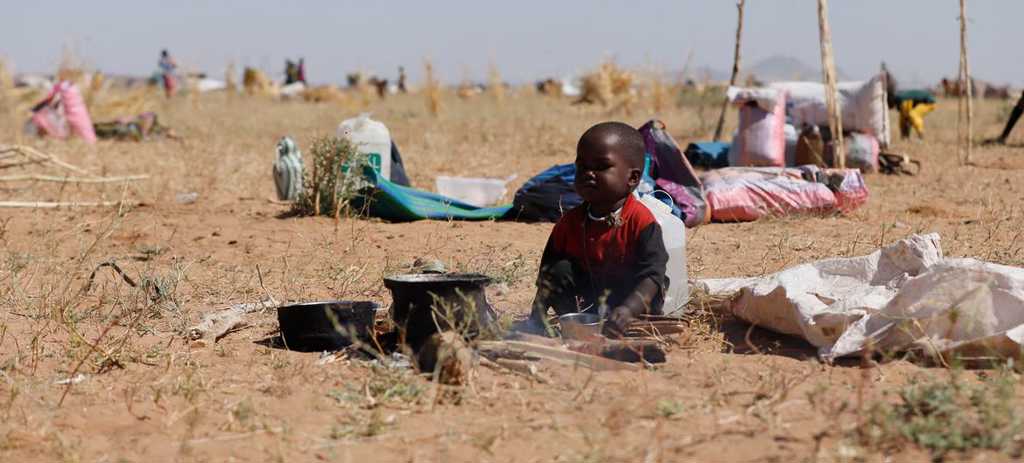
    A newly released United Nations report has documented systematic atrocities committed by the Rapid Support Forces (RSF) against the Zamzam camp for internally displaced persons in Sudan’s Darfur region. The assault occurred during the paramilitary group’s ongoing siege of El Fasher, the provincial capital of North Darfur state, marking a significant escalation in the country’s internal conflict.

    The Zamzam camp, previously recognized as Sudan’s largest sanctuary for internally displaced persons, had provided refuge to approximately 500,000 vulnerable civilians before the April offensive. The UN investigation reveals the camp became a direct target of RSF operations as fighting intensified around the strategic city of El Fasher.

    Sudan has been gripped by violent internal warfare since April 2023, when long-simmering tensions between military leadership factions erupted into open combat. The conflict primarily pits the national army under General Abdel Fattah al-Burhan against the RSF paramilitary forces commanded by General Mohamed Hamdan Dagalo. What began as a power struggle between rival military leaders has evolved into a full-scale humanitarian crisis, with the Zamzam camp attack representing one of the most severe incidents against civilian populations.

    The international body’s report provides comprehensive evidence of the RSF’s campaign against the displaced persons camp, detailing methods that violate international humanitarian law. The findings underscore the rapidly deteriorating security situation in Darfur, where civilian infrastructure and humanitarian shelters have increasingly become battlegrounds in the conflict between the two military factions.

  • Haiti: gang attack on public transportation condemned

    Haiti: gang attack on public transportation condemned

    Haiti’s Arcahaie commune faced severe disruption as the Viv Ansanm gang coalition brought normal activities to a complete standstill. According to reports from Haiti Libre, the Haitian National Police intervened decisively, neutralizing six gang members during intense armed confrontations.

    Local media investigations reveal these criminal elements have waged a systematic campaign against critical infrastructure since 2014. Their targets have included the strategic port facility, educational institutions ranging from schools to universities, and multiple police stations and prison complexes. Government buildings have not been spared, with attacks documented against ministries, bank branches, and the historically significant National Printing Office established in 1804.

    The gang’s destructive reach extended to economic assets, including the arson attack on a massive 96,000-square-meter warehouse within the free trade zone. Civilian and religious targets suffered similarly, with assaults on private vehicles, a religious seminary, and Haiti’s inaugural Baptist church—an institution serving the community for over 180 years. More than a dozen pharmacies also fell victim to these attacks.

    In April 2024, the gang demonstrated their escalating boldness by burning down the residence of Frantz Elbé, then serving as commander-in-chief of the Haitian National Police. The group’s notoriety reached alarming new heights when they opened fire on a Spirit Airlines aircraft during its landing procedure. This attack forced the plane to make an emergency landing in the Dominican Republic, resulting in injuries to a flight attendant and highlighting the gang’s capacity to threaten aviation security.

  • Privy Council refuses appeal in Guppy extradition case

    Privy Council refuses appeal in Guppy extradition case

    In a significant legal development, suspected international drug trafficker Shurlan Guppy has been denied permission to appeal his extradition to the United States by the Judicial Committee of the Privy Council. The London-based court dismissed Guppy’s special leave application on December 18, with Lords Lloyd-Jones, Leggatt and Stephens unanimously concluding that the case failed to present any arguable point of law or matter of general public importance.

    The ruling represents the latest judicial setback for Guppy, who faces eleven serious drug trafficking charges in the United States involving heroin and cocaine valued at approximately US$1 million. Court documents reveal that if convicted on all counts, Guppy potentially faces life imprisonment with a mandatory minimum sentence of ten years.

    Parallel to his Privy Council petition, Guppy has initiated constitutional proceedings in Trinidad and Tobago’s High Court, alleging rights violations during his extradition process. His legal team, led by attorney Mario Merritt, contends that despite governmental assurances to maintain the status quo during the 56-day appeal window, authorities proceeded with Guppy’s extradition to the United States while his UK application remained pending.

    The constitutional motion, currently before Justice Jacqueline Wilson, seeks multiple remedies including financial compensation, vindicatory damages, and most notably, a court order mandating Guppy’s repatriation to Trinidad and Tobago. During November proceedings, state attorney Ian Roach maintained the extradition’s legality, arguing that the transfer occurred only after the expiration of the agreed-upon moratorium period.

    According to investigations by the U.S. Drug Enforcement Administration’s Philadelphia Division, Guppy allegedly orchestrated an international drug distribution network between 2017 and 2022. Federal indictments claim the operation utilized various communication platforms including cellular phones, FaceTime, and encrypted WhatsApp messaging to coordinate narcotics transactions across multiple jurisdictions.

    Justice Wilson has adjourned the constitutional matter until January 26, 2026, awaiting further developments in the ongoing legal proceedings. Guppy remains in federal custody in the United States following his initial appearance in the Eastern District of Pennsylvania on August 12.

  • NGO deplores acute hunger in Gaza

    NGO deplores acute hunger in Gaza

    The Gaza Strip is confronting an unprecedented humanitarian catastrophe with three-quarters of its population now experiencing acute hunger classified at IPC Phase 3 or higher, according to recent assessments. The remaining quarter faces chronic food deprivation in what humanitarian organizations describe as one of the most severe hunger crises globally.

    Action Against Hunger’s Spanish chapter reports that extreme weather conditions and critical infrastructure damage have dramatically worsened the situation. Recent torrential rains have devastated displacement camps, flooding shelters and destroying essential belongings while exposing vulnerable populations to dangerously low temperatures and additional emergencies.

    Affected families provided harrowing accounts of the flooding. ‘The water rushed toward us like a raging river, completely inundating our tent. The protective tarpaulins collapsed and were damaged beyond repair,’ one survivor recounted. ‘We desperately attempted to construct sand barriers, hoping to divert the water from our shelter.’

    The NGO further documented that Gazan families confront immense challenges in obtaining adequate nutrition. In Deir Al-Balah, numerous households can afford protein-rich foods or vegetables only once weekly due to catastrophic economic conditions. The systematic destruction of agricultural land, market infrastructure, and livelihood opportunities has left the population unable to meet their most basic food requirements, creating a dependency on humanitarian aid that struggles to meet overwhelming needs.

  • Dominica Hotel and Tourism Association lauds government’s ‘prompt and proactive’ response to U.S. travel restrictions

    Dominica Hotel and Tourism Association lauds government’s ‘prompt and proactive’ response to U.S. travel restrictions

    The Dominica Hotel and Tourism Association (DHTA) has expressed strong support for the Dominican government’s immediate diplomatic outreach to United States officials following the imposition of new travel restrictions targeting Dominican nationals. Samantha Letang, representing the DHTA, characterized the government’s engagement as both “prompt and proactive” in addressing the recently announced visa limitations.

    In an official statement, Letang emphasized the association’s endorsement of governmental efforts to seek urgent clarification and resolution. The tourism body recognizes the critical importance of maintaining unimpeded travel channels for multiple sectors including business tourism, educational exchanges, and family connections between the two nations.

    Letang further articulated that sustained diplomatic dialogue remains imperative for preserving regional mobility while mitigating potential economic and social repercussions. The association maintains optimism that collaborative engagement between the governments will yield a favorable outcome serving Dominica’s national interests.

    The travel restrictions originate from a presidential proclamation signed on December 16th, which cites national security concerns and weaknesses in foreign identity-management systems as primary justifications. The policy expansion now encompasses four Caribbean nations: Haiti faces comprehensive entry suspension for both immigrant and nonimmigrant travel, while Cuba, Antigua and Barbuda, and Dominica confront partial restrictions.

    For Dominica and Antigua and Barbuda, the new measures specifically bar entry for immigrants and nonimmigrants holding B-1, B-2, B-1/B-2, F, M, and J visa categories. Additionally, the proclamation instructs U.S. consular officers to reduce validity periods for other nonimmigrant visas issued to nationals of these countries to the maximum extent permitted by law.