分类: world

  • UN delegation visits Haina Migration Center to review procedures

    UN delegation visits Haina Migration Center to review procedures

    A high-level delegation from the United Nations’ permanent office in the Dominican Republic recently conducted an inspection of the Haina Migration Processing Center (CPM). The visit was led by UN Resident Coordinator Julia Sánchez, who was welcomed by Vice Admiral Luis Rafael Lee Ballester, Director of the General Directorate of Migration (DGM). During the tour, Lee Ballester provided a comprehensive overview of the procedures applied to undocumented foreigners at the facility, including biometric identification, legal processes, and medical care. He also addressed questions from the delegation regarding the center’s operations and ongoing infrastructure improvements. Sánchez expressed her appreciation for the detailed explanations and reaffirmed the UN’s commitment to supporting the Dominican government in managing migration challenges. She highlighted the complexities arising from the crisis and institutional weaknesses in Haiti, which significantly impact migration control efforts in the Dominican Republic. The delegation also reviewed verification procedures for detainees, such as identity checks, detection of forged documents, and monitoring of recidivism. They acknowledged the collaborative efforts between the DGM and UN agencies like UNICEF, IOM, and UNHCR, which work to protect migrants’ rights and well-being. Lee Ballester emphasized the strong coordination between the DGM and these agencies, particularly UNICEF’s permanent presence at the Haina center, especially in cases involving children. The delegation concluded their visit by touring the facilities and receiving updates on investments and upgrades aimed at enhancing the center’s operations.

  • Fire erupts at COP30 Climate Summit in Brazil, disrupting final hours of negotiations

    Fire erupts at COP30 Climate Summit in Brazil, disrupting final hours of negotiations

    The pivotal UN climate conference, COP30, was abruptly interrupted on Thursday when a fire erupted within the venue in Belém, Brazil, prompting a large-scale evacuation and potentially postponing the summit’s final agreement. BBC correspondents on-site reported witnessing flames and smoke in the pavilion area before being swiftly evacuated. Fire engines were seen speeding toward the location, a repurposed aerodrome now functioning as the conference center. Initial reports suggest the fire originated in one of the country pavilions. Witnesses described chaotic scenes, with Dr. Harshita Umesh, a speaker nearby, recounting, “It was climbing the walls and onto the ceiling. People were screaming. Then I ran, I think I tripped and fell.” Medical teams responded promptly, with emergency medicine specialist Kimberly Humphrey noting that injuries were primarily related to smoke inhalation, including one case of lung damage. Dr. Umesh confirmed that while no burn injuries were reported, some first responders inhaled toxic fumes and required oxygen masks. A woman was seen being wheeled away, though her condition’s direct link to the fire remains unclear. The incident occurred during the summit’s critical final hours, where nearly 200 nations were striving to reach consensus on climate action. The fire has effectively paused negotiations, with several delegations, including the UK’s, seeking shelter outside under a nearby petrol station’s roof. Hundreds of attendees were left sitting outdoors in sweltering heat and humidity, while others opted to leave the venue entirely. The UN, overseeing the climate talks, confirmed that fire safety checks are underway, with Brazilian authorities temporarily managing the summit. The fire is expected to delay the finalization of COP30’s agreement.

  • UK Says Russian Spy Ship Fired Lasers at RAF Pilots in “New Era of Threat”

    UK Says Russian Spy Ship Fired Lasers at RAF Pilots in “New Era of Threat”

    In a significant escalation of diplomatic tensions, the United Kingdom has accused a Russian intelligence vessel of targeting Royal Air Force (RAF) pilots with lasers. The incident occurred near the UK’s exclusive economic zone north of Scotland, where the Russian ship Yantar was reportedly conducting intelligence-gathering operations. Defence Secretary John Healey, in a speech in London, confirmed that an RAF Poseidon P-8 aircraft was deployed to monitor the vessel and that its crew reported being targeted by laser beams. Healey described the incident as part of a broader pattern of increasingly aggressive Russian behavior, including recent drone incursions into NATO airspace and acts of sabotage across Europe. The Russian Embassy in London dismissed the accusations as “provocative,” asserting that the Yantar is an oceanographic research vessel operating legally in international waters. This marks the second time this year the UK has publicly called out the Yantar for activities linked to Russia’s secretive deep-sea intelligence unit, GUGI, but the first time Britain has accused Russia of directing lasers at its aircraft.

  • Jamaican delegates resume talks at COP30 following fire scare

    Jamaican delegates resume talks at COP30 following fire scare

    A sudden fire broke out at the main venue of the 30th Conference of the Parties to the United Nations Framework Convention on Climate Change (COP30) in Belém, Brazil, on Thursday morning, causing panic among delegates and temporarily halting critical negotiations. The blaze erupted in a pavilion within the conference’s ‘blue zone,’ an area under UN control, near the entrance of the summit site. Smoke quickly filled the corridors, prompting attendees to evacuate as emergency crews rushed to extinguish the flames. The fire, which tore a hole in the fabric roof of the venue, was brought under control without any reported injuries, according to Brazilian Tourism Minister Celso Sabino. The cause remains under investigation, with initial speculation pointing to a possible electrical malfunction. Jamaican Minister of Environment Matthew Samuda confirmed the safety of all members of the Jamaican delegation and extended well wishes to those affected by the incident. He also expressed gratitude to the emergency responders for their swift action. Samuda stated that the delegation is awaiting official communication to resume negotiations, which are expected to continue later Thursday evening. The fire occurred during a pivotal moment in the two-week conference, as ministers were engaged in intense discussions on fossil fuels, climate finance, and trade measures. Windyo Laksono, a member of the Indonesian delegation, noted that the incident would likely delay the negotiation process, emphasizing the critical nature of the final stages of the summit. Nearly 200 countries have been working to address key climate issues, including Brazil’s proposed roadmap for transitioning away from fossil fuels and concerns over emissions-reduction plans and trade barriers. Earlier in the day, UN Secretary-General Antonio Guterres urged negotiators to reach an ‘ambitious compromise,’ highlighting the global significance of the outcomes from COP30. The summit is scheduled to conclude on Friday evening, with nations awaiting a new draft-negotiating text.

  • Barbados wins Destination of the Year at the 2025 Balearica (Africa) Awards

    Barbados wins Destination of the Year at the 2025 Balearica (Africa) Awards

    Barbados has achieved a significant milestone in its tourism strategy, securing the prestigious ‘Destination of the Year: African Diaspora’ award at the Balearica (Africa) Tourism Awards. This accolade, presented on November 2 at the Hilton London, Canary Wharf, highlights Barbados’ growing appeal among African travelers and its efforts to strengthen cultural and historical ties with the African continent. The award underscores the island’s commitment to promoting its vibrant heritage and re-energizing initiatives to attract visitors from Africa’s burgeoning travel market. Kyle Gittens, Director of Emerging Markets at Barbados Tourism Marketing Inc. (BTMI), emphasized the award’s importance in positioning Barbados as a top choice for African travelers, celebrating the shared cultural connections between the regions. The Balearica Awards, known for recognizing excellence in African tourism, awarded Barbados the golden Balearica Statuette, symbolizing immortality and inspired by the crowned crane, a revered symbol in ancient Egyptian culture. This recognition precedes the 2025 GUBA Awards, held for the first time in Barbados under the theme ‘Reclaiming Our Atlantic Destiny: Build. Connect. Renew.’ The island also welcomed His Majesty Otumfuo Osei Tutu II, the King of Ashanti, marking a historic moment as the first visit by the occupant of the Golden Stool to the Caribbean. His Majesty’s address to students at the University of the West Indies and a chartered SmartWings flight from Ghana to Barbados further symbolized the strengthening of ties between Africa and the Caribbean. Barbados’ Prime Minister Mia Mottley expressed confidence in achieving direct airlift between the continent and the island, reinforcing Barbados’ role as a bridge uniting communities across the Atlantic.

  • Saamaka-gemeenschappen eisen directe klimaatfinanciering

    Saamaka-gemeenschappen eisen directe klimaatfinanciering

    At the 30th United Nations Climate Change Conference (COP30) in Belém, the Association of Saamaka Communities (VSG) delivered a compelling message. Represented by a delegation of twenty members, the VSG called for direct funding, recognition of traditional knowledge, and a central role for the Saamaka people in combating climate change. The organization emphasized that sustainable forest management is impossible without the involvement of those who have protected the forests for centuries. In plenary sessions and thematic meetings, the VSG highlighted the severe impact of climate change on the Saamaka communities, whose identity, culture, and livelihoods are deeply intertwined with the forest. Hugo Jabini, Director of the VSG Foundation Bureau, stressed, ‘The time for talking is over. We are the guardians of the forest, yet we bear the heaviest burdens.’ He urged the international community to transition to direct, community-managed funding, as only a small fraction of current funds through NGOs reaches the villages. The VSG proposed several concrete measures: recognition of Community Conserved Areas (CCAs) as the foundation of sustainable forest management, accessible climate financing for local communities, sustainable partnerships between governments, regional and international organizations, and local communities, and knowledge sharing and capacity building to train and support youth and women in sustainable forest management. A key message from the VSG was the importance of traditional Saamaka knowledge, shaped by generations of living in harmony with the forest, offering valuable insights into resilient and sustainable management. The VSG called on policymakers and international partners to integrate this knowledge into national and global climate strategies to develop innovative, future-proof models. The VSG’s participation was further amplified by a cultural performance by the Seketie group in the green zone of COP30. The songs, dances, and colorful pangi’s of Saamaka women and Basia Paul Wooje of Guyaba were a moving tribute to the forest, describing the beauty, value, and spiritual significance of the Amazon. The VSG’s prominent presence at COP30 underscored the crucial role of the Saamaka communities in protecting Suriname’s forests and the global climate. The VSG demands genuine recognition, direct resources, and meaningful involvement to enable the guardians of the forest to continue their essential role in a time when the planet needs this protection more than ever.

  • Antigua Hosts High-Level Meeting on Accelerating the Sustainable Development Goals

    Antigua Hosts High-Level Meeting on Accelerating the Sustainable Development Goals

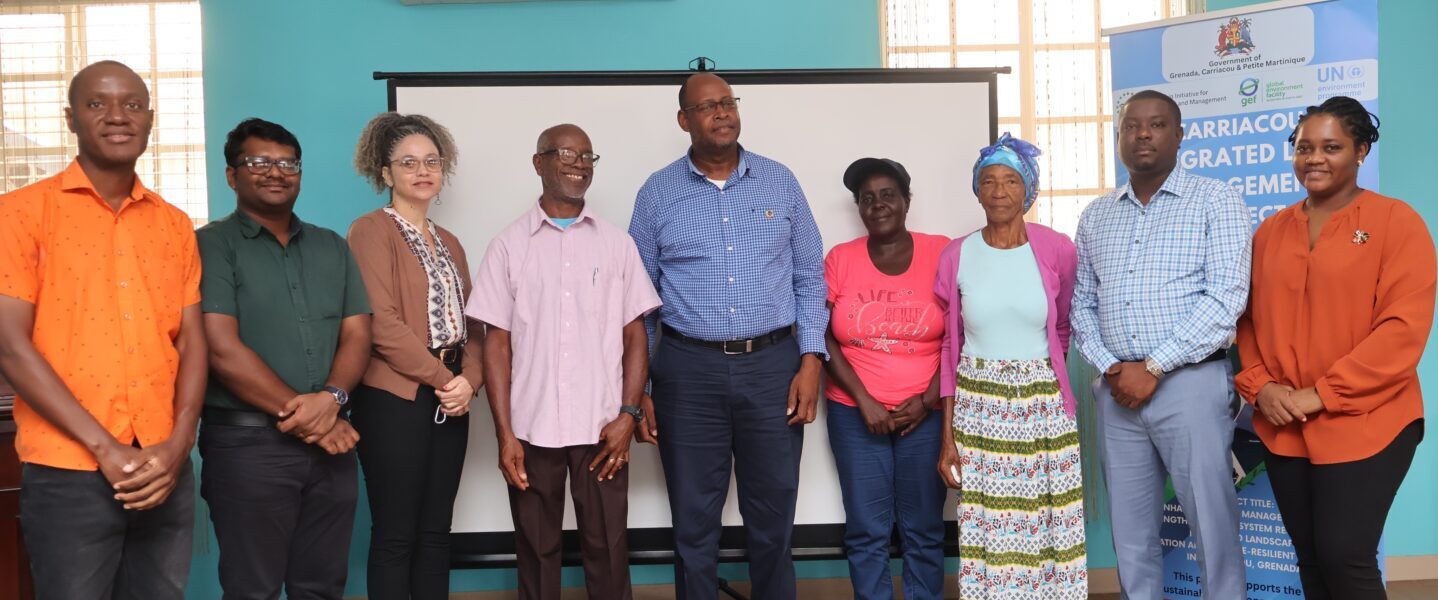
    In a significant move to accelerate progress toward the Sustainable Development Goals (SDGs), Antigua and Barbuda hosted a high-profile National Consultation on November 17–18, 2025, at the Royalton Resort and Spa, Five Islands. The event brought together senior government officials, including Permanent Secretaries, Directors, and Department Heads, alongside private sector leaders, civil society organizations, and technical experts. Organized by the Economic Commission for Latin America and the Caribbean (ECLAC), the United Nations Resident Coordinator’s Office for Barbados and the Eastern Caribbean, and the Government of Antigua and Barbuda, the consultation aimed to craft actionable strategies to meet the 2030 SDG deadline. Participants engaged in dynamic discussions focused on priority areas such as climate resilience, food security, digital transformation, and social protection. Key outcomes included a review of SDG implementation progress, alignment of national priorities with global commitments, and the development of a practical roadmap for accelerated action from 2026 to 2030. The event concluded with a unified pledge to enhance multi-stakeholder collaboration, ensuring inclusive and sustainable development for all.

  • Orkaanschade in Jamaica loopt op tot recordbedrag van US$8,8 miljard

    Orkaanschade in Jamaica loopt op tot recordbedrag van US$8,8 miljard

    Hurricane Melissa has left a trail of destruction in Jamaica, with estimated damages amounting to a staggering $8.8 billion, according to a joint report by the World Bank and the Inter-American Development Bank (IDB). This figure represents the highest recorded damage in the country’s history, equivalent to 41% of Jamaica’s 2024 Gross Domestic Product (GDP). The assessment was conducted using the Global Rapid Damage Estimation (GRADE) method, which evaluates physical damage immediately after a disaster. The analysis focused on housing, non-residential buildings, infrastructure, and the agricultural sector, though broader economic losses are expected to be significantly higher. Preliminary findings reveal that 41% of the damage is attributed to housing, 33% to infrastructure, 21% to non-residential buildings, and 5% to the agricultural sector. Despite the relatively low percentage, the agricultural sector is anticipated to suffer substantial economic losses due to prolonged disruptions in production and distribution. Susana Cordeiro Guerra, World Bank Vice President for Latin America and the Caribbean, emphasized Jamaica’s resilience and strong leadership culture as key factors in the recovery process. The World Bank and IDB have pledged full support, including emergency funding, technical assistance, and long-term resilience-building programs. The GRADE method, supported by the Global Facility for Disaster Reduction and Recovery (GFDRR) and Japan’s Ministry of Finance, provides a rapid, independent assessment of physical damage, offering a preliminary understanding of the disaster’s impact. Jamaica, in collaboration with the IDB, the Economic Commission for Latin America and the Caribbean (ECLAC), and the Planning Institute of Jamaica, will now proceed with a comprehensive damage and loss analysis to guide effective and sustainable reconstruction efforts.

  • Hurricane Melissa Leaves Jamaica With Estimated US$8.8B in Damage

    Hurricane Melissa Leaves Jamaica With Estimated US$8.8B in Damage

    Jamaica is grappling with the aftermath of Hurricane Melissa, which has inflicted an estimated $8.8 billion in damages, marking the most costly natural disaster in the nation’s history. The World Bank and the Inter-American Development Bank (IDB) revealed that the storm’s impact equates to 41% of Jamaica’s 2024 GDP. Striking on October 28, 2025, as a Category Five hurricane with winds reaching 185 miles per hour, Melissa is one of the most powerful Atlantic hurricanes ever recorded. The devastation has been extensive, with at least 45 fatalities, 15 individuals still missing, and thousands rendered homeless due to severe flooding and collapsed infrastructure. The United Nations has reported that 36,000 people are in urgent need of food assistance. In early November, Jamaica received a $150 million payout from its catastrophe bond, providing some financial relief, though it falls significantly short of the total estimated damages. Preliminary assessments indicate that homes bore the brunt of the destruction, accounting for 41% of the total damage, followed by infrastructure at 33%, non-residential buildings at 21%, and agriculture at 5%. While agricultural physical losses were relatively lower, the economic repercussions for farmers are expected to persist for months. World Bank Vice President Susana Cordeiro Guerra commended the resilience of the Jamaican people and affirmed the Bank’s commitment to aiding the country in rebuilding efforts. The damage estimate was derived from a GRADE assessment, a rapid evaluation tool funded by the Global Facility for Disaster Reduction and Recovery and Japan’s Ministry of Finance, aimed at providing governments with an early overview of recovery needs.

  • At COP30, Caribbean reports unveiled to promote strengthening of regional resilience

    At COP30, Caribbean reports unveiled to promote strengthening of regional resilience

    As the global climate summit, COP30, enters its final week, the spotlight has shifted to the Caribbean, where Climate Analytics Caribbean unveiled two pivotal reports aimed at bolstering regional resilience and accelerating the energy transition. The presentations took place at the CARICOM Pavilion on November 18, featuring prominent figures such as The Honourable Senator Dr. Joyelle Trizia Clarke, Minister of Sustainable Development, Environment and Climate Action of St. Kitts and Nevis, and Mr. Chamberlain Emmanuel, Head of the Environmental Sustainability Division of the Organization of Eastern Caribbean States.

    The first report, ‘Refining the Regional Goal on Adaptation for the Caribbean,’ authored by Sasha Jattansingh, Deputy Director and Senior Adaptation and Loss and Damage Adviser at Climate Analytics Caribbean, updates the proposed Regional Goal on Adaptation (RGA). This document aims to elevate climate adaptation efforts by addressing funding, capacity, and technical support gaps while promoting effective governance. It outlines fourteen strategic targets—eight thematic and six cross-cutting—that align with Caribbean priorities and contribute to the global Climate Goal on Adaptation (GGA).

    The second report, ‘Pathways to Global Stocktake Implementation in the Caribbean,’ co-authored by Kory Hall and Kristin Qui, emphasizes the urgency of the Caribbean’s energy transition. With renewable energy accounting for only 12% of the region’s electricity in 2022, the report calls for tripling renewable capacity and doubling energy efficiency by 2030 to meet the Global Stocktake (GST) and Caribbean Sustainable Energy Roadmap and Strategy (C-SERMS) targets. It highlights the need for regulatory reforms, enhanced data systems, and regional cooperation to align Nationally Determined Contributions (NDCs) with GST efforts.

    Endorsements from industry leaders like Philip Julien, CEO of Kenesjay Green Systems, and Mairi Dupar, Senior Research Fellow at ODI Global, underscored the importance of interconnectedness in empowering communities and scaling up financial and technological solutions. Minister Clarke concluded the session by advocating for international support to accelerate sustainable projects, particularly through the SKN-100 initiative, which aims to decarbonize St. Kitts and Nevis’ energy sector.

    Both reports are set for publication later this year, marking a significant step in the Caribbean’s fight against climate change.