分类: world

  • Delegations arriving in Angola for the AU-EU summit

    Delegations arriving in Angola for the AU-EU summit

    Jorge Cardoso, the Director for Africa, the Middle East, and Regional Organizations at the Angolan Ministry of Foreign Affairs, has announced that 42 heads of state and government have confirmed their participation in an upcoming international summit. Delegations are scheduled to arrive between Saturday and Sunday, with some expected to land as late as Monday. Notably, 42 delegations hail from the African continent, while 26 represent the European bloc. Cardoso, serving as the event’s spokesperson, emphasized the significant European presence, with 14 delegations led by heads of state or government. The summit will also feature the participation of United Nations Secretary-General Antonio Guterres, alongside representatives from key UN specialized agencies. Additionally, the president of the African Development Bank, Sidi Ould Tah, and delegates from various regional organizations have confirmed their attendance, underscoring the event’s global significance.

  • COP30 loopt vast: diepe kloof over afbouw fossiele brandstoffen

    COP30 loopt vast: diepe kloof over afbouw fossiele brandstoffen

    The COP30 climate negotiations in Belém, Brazil, have reached a critical impasse as participating nations remain deeply divided over the future of fossil fuels, the central theme of this year’s summit. Weeks of discussions have failed to bridge the gap between countries advocating for a rapid phase-out of oil, gas, and coal and those resisting such measures. The latest draft of the final agreement notably omits any reference to phasing out fossil fuels, drawing sharp criticism from a coalition of nations, scientists, and climate organizations, who argue that this omission is incompatible with the Paris Agreement goals. Small island states, European countries, and some Latin American nations are pushing for binding commitments to accelerate the transition away from fossil fuels. On the opposing side, major oil and gas producers, including Gulf states, Russia, and several African and South American nations, argue that a hard exit from fossil fuels would destabilize their economies. Instead, they advocate for emissions reductions and technological solutions like carbon capture, without binding production limits. Another major sticking point is climate financing. Developing nations are demanding concrete commitments for funds addressing loss and damage, forest protection, and compensation for the economic impacts of climate measures. Wealthy nations, however, remain hesitant to commit without broader participation from emerging economies like China, India, and Brazil. Host country Brazil has called for unity, warning that a failure to reach an agreement would severely weaken global climate action. However, the negotiations have been further complicated by logistical issues, a fire at the conference center, and growing frustration among participants and civil society organizations. The core of the deadlock is clear: while the world seeks to reduce CO₂ emissions, not all nations are willing to cut oil and gas production. Developing countries demand financial guarantees before making commitments, and wealthy nations fear legally binding obligations. Without breakthroughs on fossil fuels and climate financing, a robust final agreement remains unlikely.

  • FLASH : 2 Americans accused of conspiracy against Gonâve Island

    FLASH : 2 Americans accused of conspiracy against Gonâve Island

    In a shocking development, two young men from North Texas have been indicted by a federal grand jury for conspiring to invade Gonâve Island, a Haitian territory with a population of 87,000. Gavin Rivers Weisenburg, 21, of Allen, and Tanner Christopher Thomas, 20, of Argyle, were charged on November 20, 2025, by the U.S. Attorney’s Office for the Eastern District of Texas. The indictment alleges that between August 2024 and July 2025, the duo plotted to recruit and lead a mercenary force to carry out a violent and depraved invasion of the island. Their plans included purchasing a sailboat, firearms, and ammunition, as well as recruiting homeless individuals from Washington, D.C., to form their unit. The men’s sinister objectives involved murdering all male inhabitants to enslave women and children for sexual exploitation. To execute their plan, Weisenburg and Thomas took concrete steps, such as learning Haitian Creole, enrolling in training courses, and even enlisting in the U.S. Air Force to acquire military skills. Weisenburg also traveled to Thailand to complete a sailing course. Additionally, both men face charges of producing child pornography, a related offense included in the indictment. If convicted of conspiracy to commit murder abroad, they could face life imprisonment, while the child pornography charges carry a potential sentence of 15 to 30 years. The case is the result of a joint investigation by the FBI, the U.S. Air Force Office of Special Investigations, and the Celina Police Department, with Assistant District Attorney Ryan Locker leading the prosecution. The District Attorney’s Office emphasized that an indictment does not equate to guilt, and the defendants are presumed innocent until proven otherwise in court.

  • CARICOM Development Fund signs off on emergency $500,000 for Jamaica’s post-hurricane Melissa recovery

    CARICOM Development Fund signs off on emergency $500,000 for Jamaica’s post-hurricane Melissa recovery

    The Caribbean Community (CARICOM) Development Fund (CDF) has authorized a $500,000 relief package to assist Jamaica in recovering from the devastating impact of Hurricane Melissa. The decision was formally approved by the CDF’s Board of Directors on November 19, 2025, under the Emergency Disaster Assistance Facility (EDAF), as announced by CARICOM Communications. This funding follows an earlier $300,000 grant allocated to the Caribbean Disaster Emergency Management Agency’s (CDEMA) Regional Response Mechanism (RRM), which facilitated the deployment of the Rapid Needs Assessment Team (RNAT) to assess the damage. Hurricane Melissa, a powerful late-season storm, caused widespread destruction across Jamaica, including severe flooding, wind damage, and infrastructure collapse. Many parishes reported significant disruptions to transportation, utilities, and community services, exacerbating vulnerabilities and hindering recovery efforts. The newly approved aid will focus on debris removal, reopening critical access routes, and addressing public health and environmental risks. The initiative is being implemented in collaboration with the United Nations Development Programme’s (UNDP) Multi-Country Office in Jamaica. CDF CEO Rodinald Soomer emphasized the Fund’s commitment to regional solidarity, stating, ‘This relief package reflects our belief in shared responsibility and aims to not only rebuild but also strengthen resilience against future disasters.’

  • ASJA calls for peaceful dialogue amid tension in the region

    ASJA calls for peaceful dialogue amid tension in the region

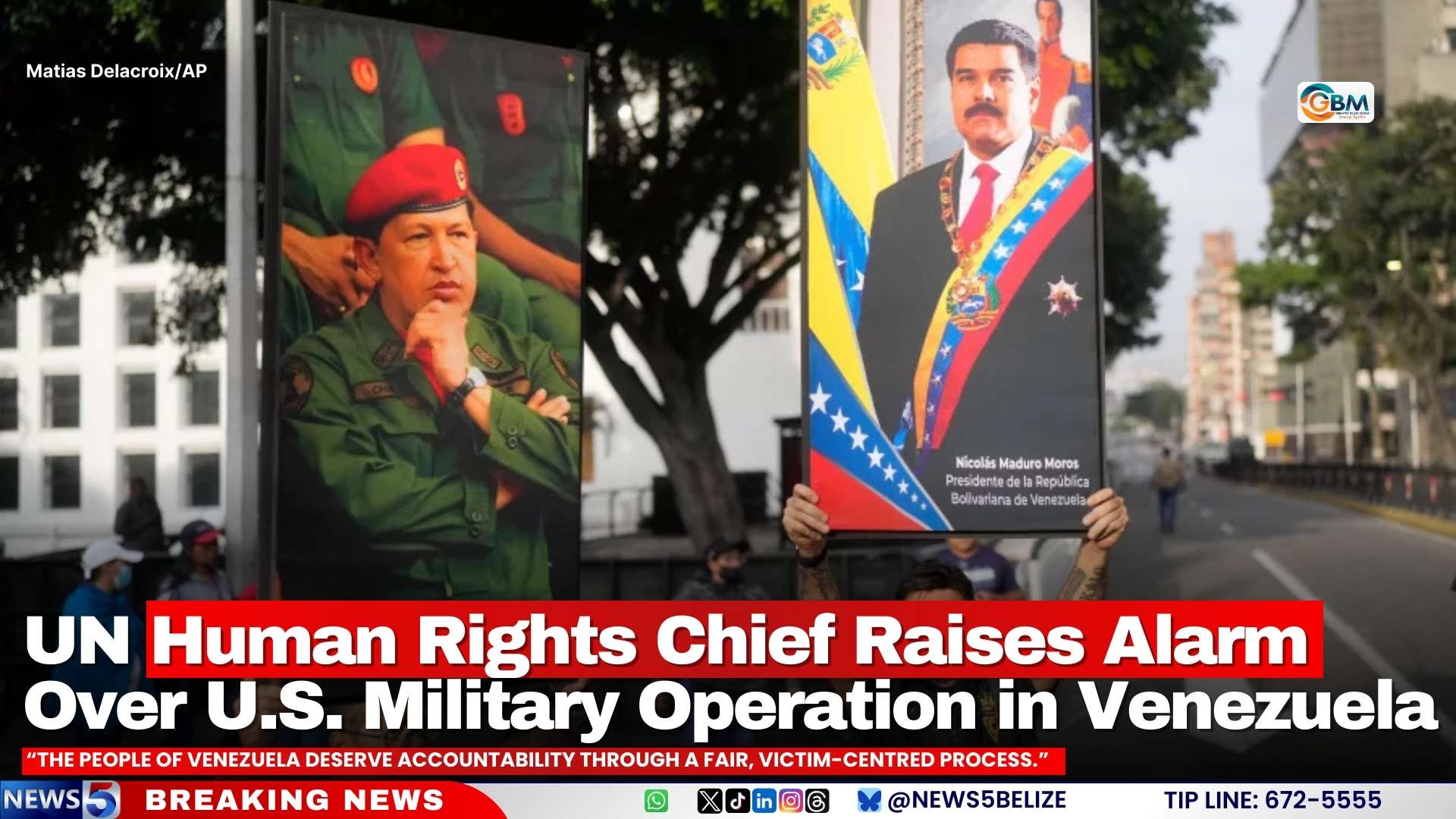
    The Caribbean region is witnessing escalating tensions as the USS Gerald R Ford, the world’s largest military aircraft carrier, has entered the southern Caribbean Sea. This development coincides with growing concerns over the crisis between Venezuela and the increasing presence of US military forces in the area. In response, religious organizations have issued urgent calls for peace and dialogue. On November 21, the Anjuman Sunnat-ul-Jamaat Association Inc (ASJA), one of the oldest and largest Muslim organizations in Trinidad and Tobago, released a statement expressing deep concern over the situation. ASJA emphasized the Caribbean’s historical role as a zone of peace and urged leaders to prioritize diplomacy and mutual respect over aggression. The statement highlighted the devastating consequences of war, citing examples from Iraq, Syria, Palestine, and Afghanistan, and stressed the sanctity of life in Islamic teachings. ASJA called for moral responsibility and caution in addressing conflicts. Earlier, on November 17, the Catholic Commission for Social Justice (CCSJ) also voiced solidarity with other religious bodies, expressing concern over the humanitarian crisis and condemning extrajudicial killings in international waters. The CCSJ emphasized the need for dialogue, compassion, and adherence to international law.

  • United States warns against flying over Venezuelan airspace

    United States warns against flying over Venezuelan airspace

    The United States Federal Aviation Administration (FAA) has issued a critical security notice to airmen (NOTAM) regarding potential hazards in Venezuelan airspace. The alert, released late Friday, highlights increased global navigation satellite system (GNSS) interference and the commencement of military exercises in Venezuela starting September. While several airlines continued operations to and from Venezuela on Saturday, U.S. operators are now mandated to provide the FAA with a 72-hour advance notice before traversing Venezuelan airspace. This measure supplements an existing 2019 order that already prohibits U.S. airlines from flying to or from Venezuela. The NOTAM specifically addresses the MAIQUETIA (SVZM) flight information region (FIR), which encompasses all of Venezuela’s landmass and extends approximately 350 miles into the Caribbean Sea. Notably, flight information regions, such as MAIQUETIA FIR, are administrative divisions for air traffic control and do not align with national boundaries. The FAA’s advisory underscores growing concerns over aviation safety in the region amid heightened geopolitical tensions.

  • Six airlines cancel Venezuela flights after US warning

    Six airlines cancel Venezuela flights after US warning

    CARACAS, Venezuela — In a significant development, six international airlines have suspended their flights to Venezuela following a warning from the US Federal Aviation Administration (FAA) about heightened military activity and deteriorating security in the region. The airlines affected include Spain’s Iberia, Portugal’s TAP, Chile’s LATAM, Colombia’s Avianca, Brazil’s GOL, and Trinidad and Tobago’s Caribbean Airlines, according to Marisela de Loaiza, president of the Venezuelan Airlines Association (ALAV). The duration of these suspensions remains unspecified. Meanwhile, Panama’s Copa Airlines, Spain’s Air Europa and PlusUltra, Turkish Airlines, and Venezuela’s LASER continue to operate flights. The FAA’s advisory, issued on Friday, cautioned civilian aircraft in Venezuelan airspace about potential risks at all altitudes, including during takeoff, landing, and overflight, as well as threats to grounded aircraft and airports. This warning comes amid a major US military buildup in the region, including the deployment of an aircraft carrier strike group, Navy warships, and stealth aircraft. While Washington claims these measures are aimed at combating drug trafficking, they have raised concerns in Caracas about potential regime change. Additionally, a US terrorism designation targeting a drug cartel allegedly led by Venezuelan President Nicolas Maduro takes effect Monday, fueling speculation about possible military action. Since early September, US forces have conducted strikes against over 20 vessels in the Caribbean Sea and eastern Pacific Ocean, resulting in more than 80 deaths. However, the US has not provided concrete evidence linking these vessels to drug smuggling, exacerbating regional tensions.

  • BRI, a new international dynamic driven by China

    BRI, a new international dynamic driven by China

    In a recent dialogue with Prensa Latina, Cuban academician Eduardo Regalado highlighted the transformative impact of the Belt and Road Initiative (BRI) on Latin America. Regalado emphasized that the megaproject has significantly contributed to infrastructure development, enhanced connectivity, facilitated technology transfer, and promoted environmental conservation efforts. Moreover, it has opened new avenues for trade and investment cooperation between Latin America and other participating nations. Regalado underscored that the BRI provides an alternative development pathway for Global South countries, particularly in Latin America, offering access to financing, advanced technologies, and collaborative opportunities without the political constraints often associated with traditional global financial mechanisms.

    French academician Jean-Pierre echoed these sentiments, noting that the BRI has evolved from a conceptual project into a tangible reality that is reshaping international dynamics. He described the initiative as a viable alternative to the faltering capitalist system, aligning with Chinese President Xi Jinping’s five proposals for global governance. Jean-Pierre emphasized that the BRI is grounded in principles of non-intervention, respect for sovereignty, solidarity, and peace, making it a unique model for international cooperation.

    Both experts are participating in the sub-forum ‘Belt and Road Initiative, Civilizational Dialogue,’ held as part of the Yangtze River Culture Forum. The event has brought together approximately 300 scholars from over 30 countries to discuss the BRI’s role in fostering global development and cross-cultural understanding.

  • CARICOM IMPACS workshop enhances collective efforts to combat illegal glass eel trafficking

    CARICOM IMPACS workshop enhances collective efforts to combat illegal glass eel trafficking

    A high-level workshop addressing the illegal trafficking of glass eels, a critical issue linked to transnational organized crime, commenced on November 20, 2025, in Bridgetown, Barbados. Organized by CARICOM IMPACS, the event brought together law enforcement, customs, fisheries, and environmental protection agencies from across the Caribbean to strengthen their investigative capabilities and combat this growing threat.

  • Prime Minister Browne says Jamaica can bounce back bigger and better from Hurricane Melissa

    Prime Minister Browne says Jamaica can bounce back bigger and better from Hurricane Melissa

    Gaston Browne, Prime Minister of Antigua and Barbuda, has expressed unwavering solidarity with Jamaica in the aftermath of Hurricane Melissa, drawing parallels to his nation’s recovery from Hurricane Irma in 2017. Speaking during a visit to affected areas in Westmoreland on November 17, Browne emphasized the resilience of Caribbean nations and the importance of unity in overcoming natural disasters.

    Reflecting on Antigua and Barbuda’s experience with Hurricane Irma, which devastated the island of Barbuda, Browne highlighted the nation’s ability to rebuild stronger and better. He stressed that Jamaica, too, can emerge from this crisis with renewed strength.

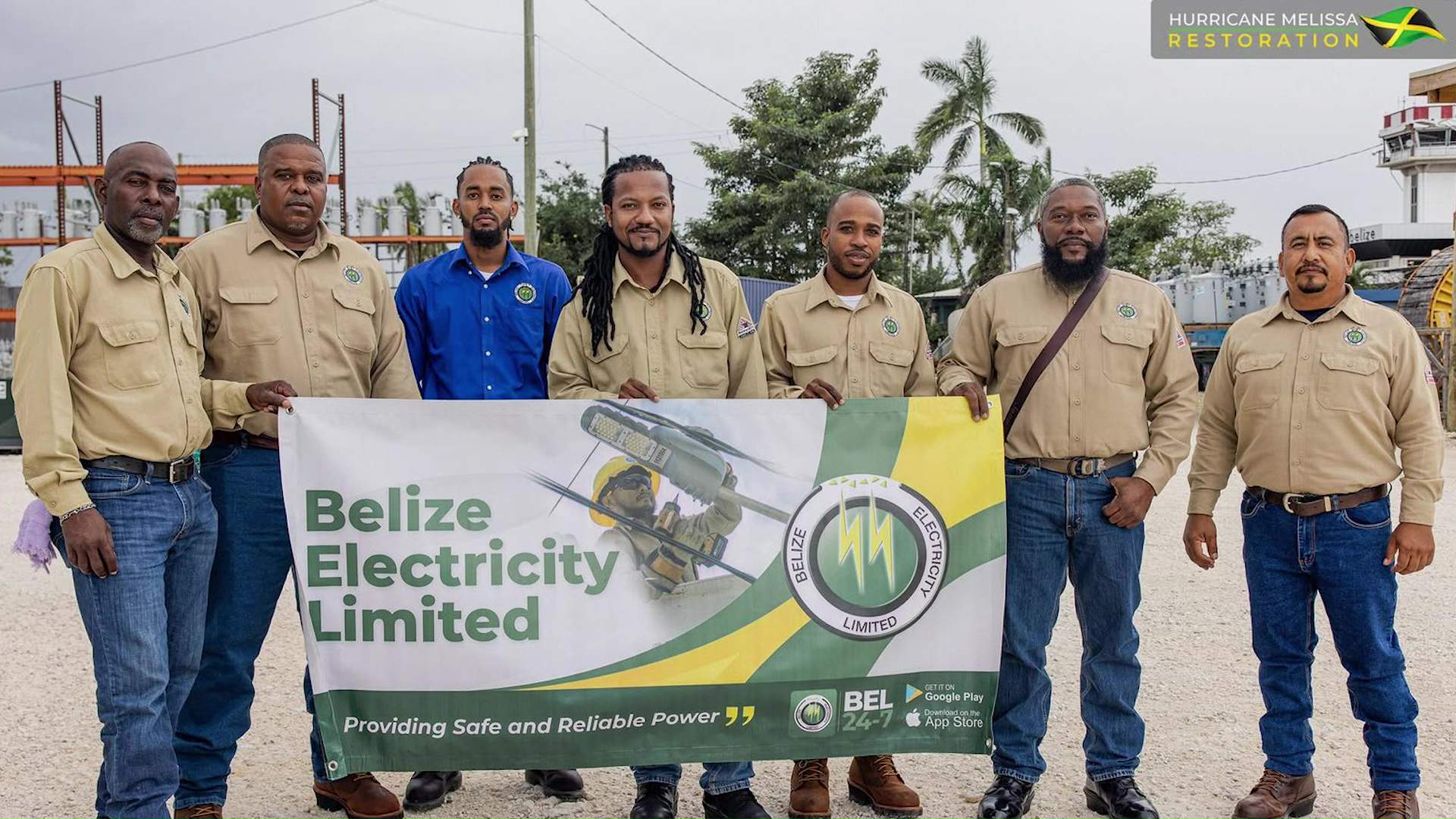
    Browne underscored Antigua and Barbuda’s tangible support for Jamaica, including the deployment of linesmen to assist with recovery efforts, a financial contribution to relief programs, and the planned dispatch of soldiers from the Antigua and Barbuda Defence Force.

    Calling for international financial institutions to provide concessional financing for resilient reconstruction, Browne warned that the cost of inaction would be measured in lives and livelihoods. He urged Jamaica and the wider Caribbean to view rebuilding as an opportunity to create more robust and sustainable infrastructure.

    “We are a small country, but our solidarity is mighty,” Browne declared, reaffirming his nation’s commitment to supporting Jamaica and advocating for resilient rebuilding across the Caribbean. His message was one of hope and perseverance, emphasizing the collective strength of Caribbean people in the face of adversity.