分类: world

  • UN warns of crisis in Afghanistan

    UN warns of crisis in Afghanistan

    The United Nations has issued a grave assessment of Afghanistan’s deteriorating conditions through an official statement, highlighting multiple converging crises threatening the nation’s stability and population.

    The international organization expressed profound concern over mass displacement trends, severe economic decline, and diminishing humanitarian aid delivery to vulnerable communities. Projections indicate nearly half of Afghanistan’s population will require protection and life-saving assistance by 2026.

    A particularly alarming trend noted in the report involves the systematic exclusion of women from public participation, with female representation virtually eliminated across civic, economic, and social spheres. The educational sector faces deliberate restrictions, creating what experts warn could become a ‘lost generation’ of professionals essential to the country’s future development.

    Press freedom has dramatically constricted according to the UN assessment, with journalists operating under constant threat of intimidation, arbitrary detention, and overt censorship. This repression has severely diminished public discourse and civic engagement opportunities.

    The humanitarian situation approaches catastrophic levels with approximately 17.4 million Afghans experiencing acute food insecurity. The collapse of nutritional support systems has been exacerbated by the closure of over 300 nutrition centers, directly impacting millions of children.

    Healthcare infrastructure continues to disintegrate, with 422 medical facilities shuttering operations in the past year alone. This breakdown in medical services has deprived an estimated three million people of essential healthcare access, creating preventable public health emergencies.

  • Syria receives grant from Japan to support social reintegration

    Syria receives grant from Japan to support social reintegration

    In a significant humanitarian gesture, Japan has formalized a substantial financial contribution to the United Nations High Commissioner for Refugees (UNHCR) operation in Syria. The agreement was signed in Damascus by Akihiro Tsuji, Chargé d’Affaires of the Japanese Embassy, and Gonzalo Vargas Llosa, UNHCR Representative in Syria.

  • WEATHER ( 6:00 AM,  Dec 11): Scattered showers,  small craft advisory continues

    WEATHER ( 6:00 AM, Dec 11): Scattered showers, small craft advisory continues

    Dominica is on alert as a significant high-pressure system advances toward the island, bringing with it powerful gusts and potentially hazardous conditions. The Dominica Meteorological Services has issued a warning for residents to secure all loose outdoor objects in preparation for sustained windy weather.

    The system is expected to transport considerable moisture, resulting in widespread cloud cover and intermittent scattered showers throughout the day. Maritime conditions are forecast to deteriorate, with waves building to heights of approximately 5 feet along western shores and surging to nearly 10 feet on eastern coastlines. These rough to moderate sea states have prompted officials to maintain a Small Craft Advisory, urging mariners and individuals in coastal areas to exercise extreme vigilance. Travelers using seaside roads are also advised to remain cautious due to potentially dangerous conditions.

    Authorities emphasize the importance of heeding these warnings to ensure public safety both on land and at sea. The combination of strong winds and elevated wave action poses risks to property and marine activities. The meteorological agency continues to monitor the situation closely and will provide updates as necessary.

  • Antigua And Barbuda Launches Major National Solar Rollout With Support From The People’s Republic Of China

    Antigua And Barbuda Launches Major National Solar Rollout With Support From The People’s Republic Of China

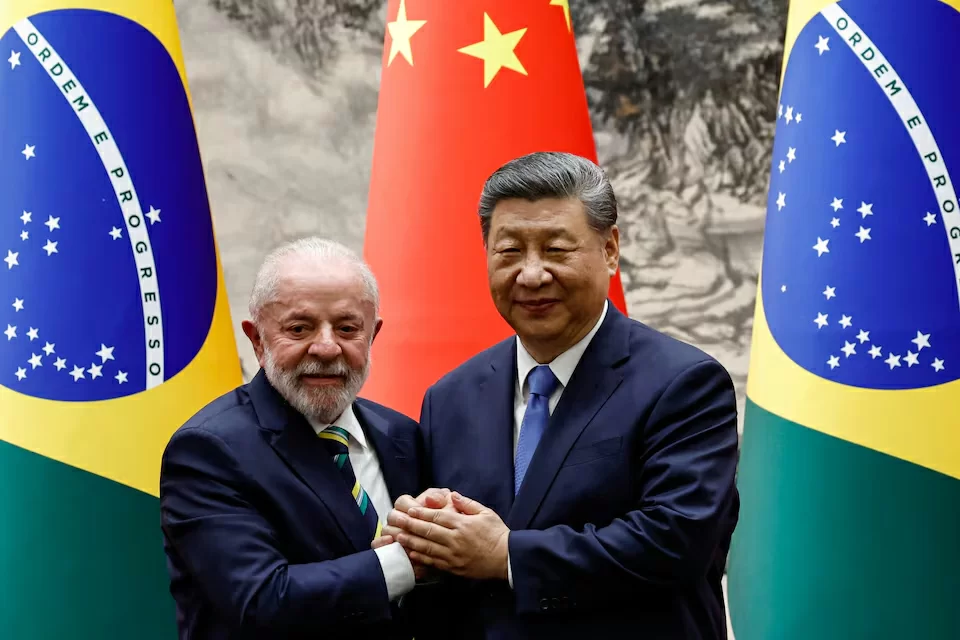
    In a landmark move toward sustainable energy independence, Antigua and Barbuda has initiated one of its most ambitious renewable energy programs to date. With substantial support from the People’s Republic of China, the twin-island nation will deploy 1,500 solar-powered streetlights and 200 photovoltaic (PV) home energy systems nationwide starting next week.

    This strategic rollout follows a formal signing ceremony that celebrated 42 years of diplomatic relations between the two countries. Chinese Ambassador H.E. Jiang Wei highlighted the project as a testament to mutual commitments to environmental protection and climate resilience, directly resulting from a memorandum of understanding signed during Prime Minister Gaston Browne’s recent visit to China.

    Junior Minister Senator Michael Joseph characterized the initiative as transformative, noting its triple benefits: ‘This tangible investment enhances sustainability, reduces strain on the national grid, and improves nighttime community security while accelerating our transition to cleaner energy.’

    Beyond hardware installation, the project emphasizes local capacity building. Technical training programs led by Chinese engineering firm Yangde Electric are already underway for APUA technicians, community electricians, and renewable energy professionals. These experts will remain on-site to ensure knowledge transfer for long-term system maintenance.

    Environment Director Diann Black-Layne emphasized the program’s empowerment dimension: ‘This initiative transcends equipment installation—it’s about developing internal expertise to manage and expand renewable technologies for future generations. This represents a genuine investment in our people and our nation’s resilient future.’

    The government expressed profound gratitude to China for supporting Antigua and Barbuda’s green development agenda, marking a significant advancement in climate adaptation and sustainable infrastructure.

  • US seizes sanctioned oil tanker off coast of Venezuela, Trump says

    US seizes sanctioned oil tanker off coast of Venezuela, Trump says

    In a significant escalation of geopolitical tensions, the United States has executed the seizure of a massive sanctioned oil tanker off the Venezuelan coast. President Donald Trump announced the operation on Wednesday, characterizing the intercepted vessel as the “largest one ever” seized and suggesting the confiscated oil would be retained by the U.S.

    The Venezuelan government issued a swift and forceful condemnation, denouncing the act as “blatant theft” and “an act of international piracy” in an official statement. The administration of Nicolás Maduro vowed to challenge the seizure before international bodies, framing it as a violation of sovereignty.

    U.S. Attorney General Pam Bondi provided operational details via social media, revealing that the seizure warrant was executed by a multi-agency task force comprising the FBI, Homeland Security, and the Coast Guard, with support from the U.S. military. Accompanying video evidence depicted helicopters approaching a vessel and armed personnel rappelling onto its deck.

    The targeted vessel was identified by maritime risk analysts as the VLCC Skipper, which was allegedly flying a false Guyanese flag. U.S. authorities had previously sanctioned the tanker for its purported involvement in transporting Iranian oil under its former name, Adisa. Data indicates the tanker had been active in carrying Venezuelan crude to Asian markets between 2021 and 2022.

    The immediate market impact was palpable, with oil futures reversing earlier losses to close higher. Brent crude settled up 0.4% at $62.21 a barrel, while U.S. West Texas Intermediate gained a similar percentage to $58.46. Analysts noted the event introduced fresh geopolitical risk premiums into the market, though some suggested the fundamental supply situation remained unchanged as these barrels were already in transit.

    This maritime interception represents the first known action against a Venezuela-related tanker since the Trump administration ordered a substantial military buildup in the region. It occurs within the context of sustained U.S. pressure on the Maduro regime, including numerous strikes against suspected drug trafficking vessels in the Caribbean that have drawn criticism from legal experts and lawmakers over their legality and proportionality.

    The Iranian embassy in Caracas joined the condemnation, labeling the seizure a “grave violation of international laws and norms.” Meanwhile, Chevron, which maintains partnership operations with Venezuela’s state oil company PDVSA, reported its activities in the country continued normally without disruption.

  • Dominican Republic leads global response with first UN resolution on sargassum

    Dominican Republic leads global response with first UN resolution on sargassum

    NAIROBI – In a landmark environmental diplomacy achievement, the United Nations Environment Assembly (UNEA-7) has formally adopted the world’s first resolution addressing the escalating sargassum seaweed crisis. Spearheaded by the Dominican Republic with co-sponsorship from Barbados and Jamaica, the resolution titled “Strengthening the global response to massive sargassum influx” establishes the first international framework to combat the massive seaweed blooms devastating coastal regions across the Caribbean and West Africa.

    The groundbreaking resolution officially recognizes the sargassum surge as a severe multidimensional threat, explicitly acknowledging its damaging impacts on marine ecosystems, tourism economies, fisheries, public health systems, and community livelihoods. The UNEA has mandated the UN Environment Programme (UNEP) to produce a comprehensive global assessment report, organize high-level international meetings, and strengthen cooperative mechanisms among affected nations.

    Claudia Taboada, lead negotiator for the Dominican Republic, characterized the resolution as the culmination of a persistent four-year campaign to elevate the issue onto the global stage. “While the final text does not encompass all our initial ambitions, it represents a decisive milestone – both our nation’s first resolution before UNEA and the planet’s first dedicated international instrument on sargassum,” Taboada stated.

    The adoption establishes a critical foundation for coordinated action, though its practical effectiveness hinges on implementation. Affected governments must now develop monitoring systems, cleanup operations, and sustainable management protocols, while securing essential financing and technical expertise. The Dominican Republic’s diplomatic leadership has created an unprecedented platform for response, but tangible relief for vulnerable coastal communities will require sustained commitment and resource mobilization across international boundaries.

  • Dominican Interior Minister urges stronger global action against migrant smuggling

    Dominican Interior Minister urges stronger global action against migrant smuggling

    BRUSSELS – In a stark warning delivered at a European Commission conference, Dominican Interior Minister Faride Raful revealed that criminal networks orchestrating migrant smuggling operations are experiencing rapid expansion, necessitating immediate multinational collaboration for their dismantlement. Addressing representatives from over 60 nations, Minister Raful emphasized that combating these syndicates demands a dual focus on victim protection and financial disruption of their transnational enterprises.

    The Dominican official showcased her nation’s recent countermeasures, including the deployment of 865 specialized migration agents across all provinces and enhanced probes into trafficking operations. Government statistics from 2024 demonstrate substantial enforcement actions: over 200 investigations launched, 275 individuals prosecuted, cumulative sentences totaling 228 years, and 137 victims successfully rescued. “These are not isolated crimes but interconnected criminal chains worth billions,” Raful stated, referencing estimates that smuggling networks generate approximately $10 billion in annual revenue.

    Minister Raful further highlighted the Dominican Republic’s improved standing in the U.S. State Department’s Trafficking in Persons Report, crediting enhanced interagency coordination and a 77% surge in cross-border cooperation. She advocated for widespread adoption of the “Follow the Money” strategy, focusing on disrupting the illicit financial pipelines that empower smuggling operations, while pressing for intensified intelligence sharing among governments.

    During bilateral meetings with European officials, Raful explored collaborative approaches to border security and criminal investigations. While Dominican authorities position these actions as regional leadership, security experts note that the immense scale and financial resources of global smuggling operations require sustained international enforcement beyond individual national reforms.

  • MARAD says US-seized tanker offshore Venezuela falsely used Guyana flag

    MARAD says US-seized tanker offshore Venezuela falsely used Guyana flag

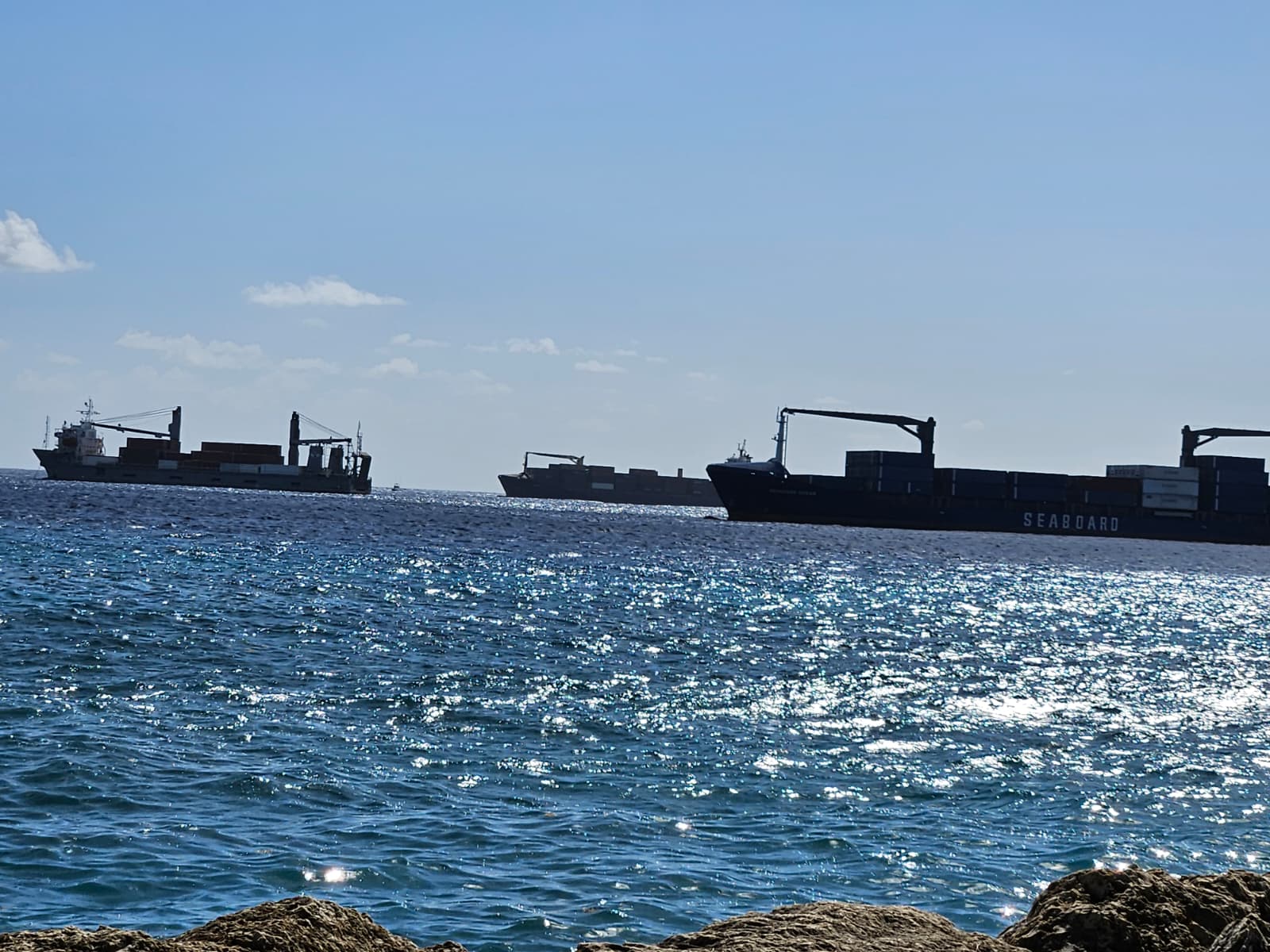
    In a significant maritime incident, the United States Coast Guard has intercepted a large crude oil tanker falsely operating under the Guyana flag in international waters. The vessel identified as SKIPPER (ex-ADISA), IMO Number 9304667, was boarded and seized on Wednesday following coordination between American and Guyanese authorities.

    The Guyana Maritime Administration Department (MARAD) confirmed the vessel had no legitimate registration with their nation. Director-General Stephen Thomas stated that investigation revealed the SKIPPER was unlawfully flying the Guyanese flag, describing this as part of an ‘unacceptable trend’ of unauthorized use of national maritime symbols.

    MARAD officials emphasized their commitment to collaborate with international partners to identify and take firm action against such fraudulent flag representations. The administration noted increasing concerns about vessels attempting to exploit maritime registration systems for potentially illicit activities.

    US President Donald Trump characterized the seizure as a major enforcement achievement, noting it represented the largest crude tanker ever apprehended by American authorities. Video footage released by BBC showed US military personnel conducting the boarding operation.

    The incident has triggered strong diplomatic repercussions from Venezuela, which denounced the seizure as ‘an act of international piracy.’ The Nicolás Maduro administration accused the United States of attempting to illegally control Venezuelan oil resources that ‘belong exclusively to the Venezuelan people.’ Venezuelan officials urged the international community to reject what they termed ‘vandalistic, illegal, and unprecedented aggression’ and called upon citizens to defend national sovereignty.

  • FLASH : First infos on international contributions to the GSF

    FLASH : First infos on international contributions to the GSF

    NEW YORK – Preliminary details have emerged regarding international commitments to Haiti’s Gang Suppression Force (GSF) following a pivotal December 9th coordination meeting at United Nations headquarters. While official confirmations remain pending, multiple nations have declared concrete support for the offensive security mission aimed at combating gang violence in the Caribbean nation.

    Substantial military contributions form the backbone of the international response. The Republic of Chad has committed 1,500 combat personnel, representing one of the largest single troop deployments. Five additional nations, whose identities remain confidential pending formal agreements, have collectively pledged over 3,000 military specialists to support the operation’s offensive capabilities.

    The multinational coalition includes diverse support from across the globe. Canada, France, Argentina, Benin, Burundi, The Gambia, Gabon, Djibouti, and the Dominican Republic have all announced various forms of assistance. Beyond troop deployments, participating nations have promised specialized mobile units, aerial surveillance assets, and naval support components to ensure comprehensive operational coverage.

    Financial backing for the mission has reached significant levels. Canada has reportedly committed $40 million in direct funding, while the Dominican Republic has pledged $10 million to the GSF Trust Fund alongside offering critical medical facilities for treating wounded personnel. Notably, Haiti itself will contribute $50 million to the mission through combined monetary and in-kind support, marking a substantial domestic investment in the security initiative.

    Participating nations have until February 2026 to formalize their commitments through detailed memoranda of understanding and operational agreements. The international response demonstrates growing consensus on addressing Haiti’s security crisis through coordinated multinational action with robust offensive capabilities.

  • Grenada highlights efforts to attain land degradation neutrality

    Grenada highlights efforts to attain land degradation neutrality

    Grenada’s innovative approach to combating land degradation has drawn international attention at the 23rd session of the Committee for the Review of the Implementation of the Convention (CRIC 23) of the United Nations Convention to Combat Desertification (UNCCD), currently underway in Panama.

    Joseph Noel, Grenada’s National Focal Point to the UNCCD, presented the nation’s comprehensive strategy addressing the dual challenges of developmental pressures and climate change impacts. “Pressures on land for agriculture, housing, infrastructure and tourism development continue to intensify alongside the devastating impacts of climate change and climate variability,” Noel stated during his address to the international assembly.

    The island nation has implemented three strategic initiatives through its Ministry of Agriculture, Lands and Forestry with partner support. These include the Caricom 25 by 25+5 Initiative, Caribbean SOILCARE Phases I & II funded by the Global Environment Facility (GEF), and the Caribbean Soil Information System (CARSIS). These programs are executed through the Partnership Initiative for Sustainable Land Management (PISLM) in collaboration with the Food and Agriculture Organization (FAO).

    Despite challenges including limited data availability and technical capacity constraints common to small island developing states, Grenada remains committed to its reporting obligations through the Performance Review and Assessment of Information System (PRAIS). Noel specifically acknowledged the support from organizations like PISLM and Apacheta, which have provided access to SIDS-specific, high-resolution datasets crucial for effective land management.

    Grenada continues to strengthen its national land governance systems while reinforcing international partnerships as it progresses toward its target of achieving Land Degradation Neutrality.