分类: world

  • Jamaica leveraging international partnerships in rebuilding effort

    Jamaica leveraging international partnerships in rebuilding effort

    Jamaica is mobilizing international expertise and substantial financial resources to spearhead its monumental recovery efforts in the wake of Hurricane Melissa, which inflicted a staggering $8.8 billion in damages. Matthew Samuda, Minister of Water, Environment and Climate Change, confirmed that architectural and engineering specialists are scheduled to arrive on the island by January to assist with national reconstruction planning and redesign.

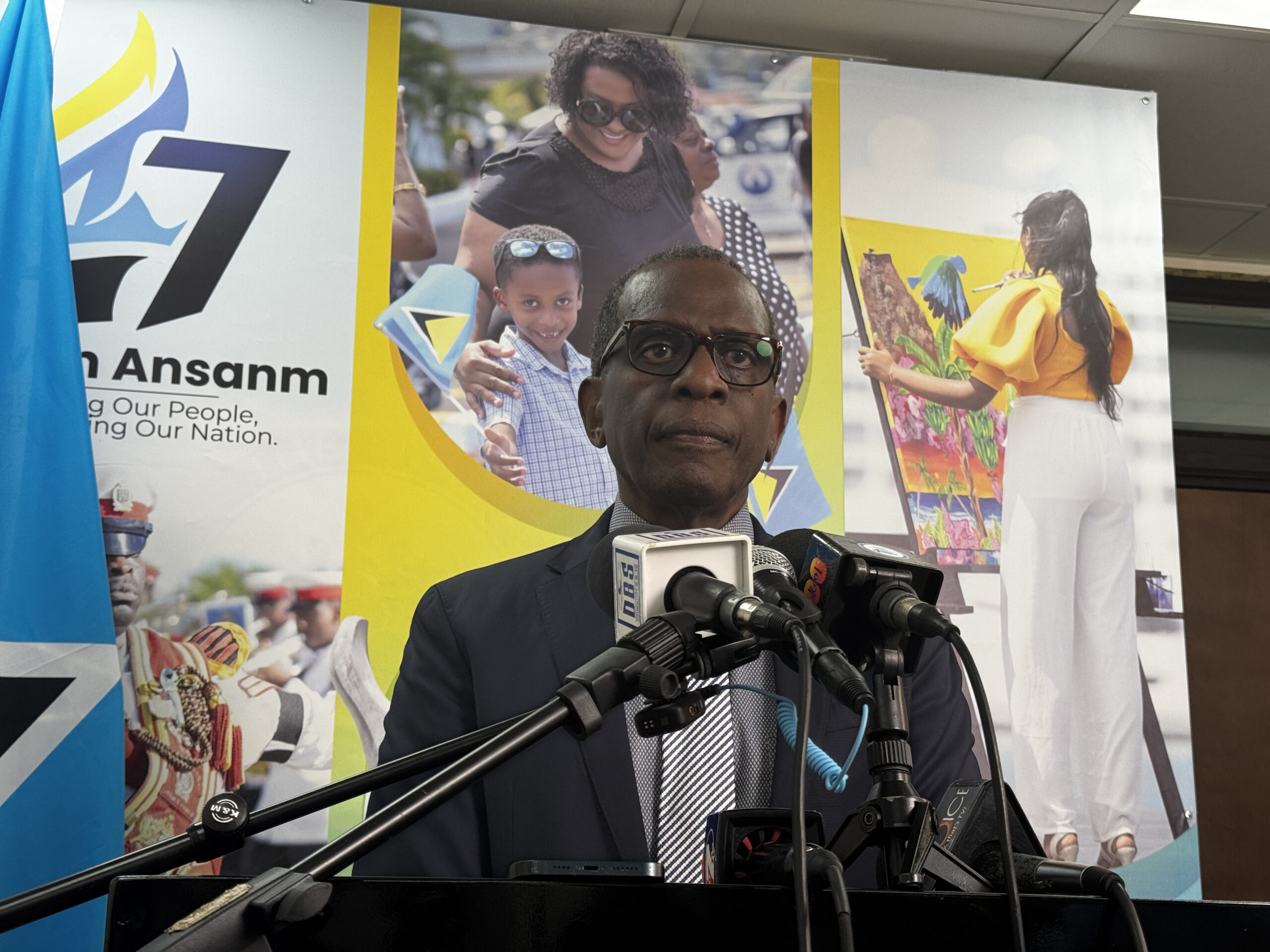
    The government is actively pursuing grant funding between $5 million and $20 million from the recently launched $250 million Fund for Responding to Loss and Damage (FRLD). During a December 18th tour of devastated communities in St. Elizabeth and Westmoreland, Minister Samuda led FRLD representatives through severely impacted areas including Black River, Parottee, Whitehouse, and Bluefields to demonstrate the catastrophic scale of destruction to homes, public buildings, and critical infrastructure.

    Minister Samuda emphasized the urgent need for transformational changes in Jamaica’s construction approach, stating: ‘We’ve been warning about genuine climate risks for years. Witnessing mangled steel and iron firsthand underscores that we must build fundamentally differently to manage future disaster potentials.’ He noted that despite FRLD support not solving all challenges, the government is pursuing every available funding avenue through the Climate Change Division and Planning Institute of Jamaica, including the Green Climate Fund and Global Environment Facility.

    Executive Director of FRLD, Ibrahima Cheikh Diong, expressed profound urgency after witnessing the devastation, confirming the fund’s commitment to supporting both infrastructure rebuilding and human recovery efforts for displaced families. ‘Jamaica isn’t waiting for the world to rebuild, and we’re honored to participate in their solution,’ Diong remarked.

    Local officials including Black River Mayor Richard Solomon acknowledged that while progress has been made, the situation remains overwhelming, with the tour bringing renewed hope that substantial additional support is forthcoming for long-term recovery efforts.

  • United Way raises $917k for Jamaica recovery

    United Way raises $917k for Jamaica recovery

    In a powerful demonstration of regional solidarity, United Way Trinidad and Tobago (UWTT) has mobilized $917,000 to support Jamaica’s recovery from the catastrophic impact of Hurricane Melissa. The Category 5 storm made landfall on October 28, 2025, resulting in extensive devastation and claiming 45 lives across the island nation.

    The substantial funds were generated through UWTT’s “Our Hearts Are With Jamaica” initiative, launched shortly after the disaster. The campaign garnered significant support from corporate entities including Southern Sales and Services Ltd, bpTT, Republic Bank Ltd, Atlantic LNG, and TSTT, alongside numerous individual contributors.

    UWTT CEO Gail Sooknarine emphasized the collective regional impact of such disasters, stating, “When disaster strikes anywhere in our region, it affects us all. This campaign reflects the power of collective action—bringing together corporate partners, donors, and communities to move beyond emergency relief and invest in recovery that restores dignity, livelihoods, and long-term resilience.”

    The recovery strategy, implemented through United Way Jamaica, adopts a structured two-phase approach. Phase One addresses immediate humanitarian needs through distribution of food packages, hygiene kits, water provisions, and temporary shelter support for affected households. Phase Two focuses on economic stabilization through agricultural rehabilitation, partnering with the Jamaica Agricultural Society and the Ministry of Agriculture, Fisheries, and Mining to distribute seeds, fertilizer, livestock feed, and greenhouse materials to farming communities.

    UWTT brings extensive regional disaster response experience to the effort, having previously coordinated relief operations for the 2010 Haiti earthquake, 2017 Hurricane Maria, 2018 Greenvale floods, 2021 Soufrière volcanic eruption, and 2024 Hurricane Beryl. These experiences have shaped the organization’s philosophy of transitioning from immediate relief to sustained recovery investment.

  • US military activity plagues C’bean flights: Region on edge on land, sky and sea

    US military activity plagues C’bean flights: Region on edge on land, sky and sea

    The escalating geopolitical confrontation between the United States and Venezuela has introduced significant navigation challenges for Caribbean aviation, with GPS signal interference becoming a notable operational concern. Since December 16, US naval forces have established a maritime blockade around Venezuela, implementing electronic countermeasures that disrupt satellite navigation systems across the region.

    Despite Trinidad and Tobago’s proximity to Venezuela—merely seven miles distant—Caribbean Airlines (CAL) Chairman Reyna Kowlessar maintains that the airline’s operations remain unaffected by GPS jamming. In a December 22 statement, Kowlessar emphasized that comprehensive pre-flight checks ensure operational integrity, with no reported disruptions to CAL’s navigation systems.

    However, an experienced CAL pilot, speaking anonymously, revealed that while safety remains uncompromised, the intermittent GPS disruptions necessitate alternative navigation methods. Pilots increasingly rely on Very High Frequency Omni-Directional Range (VOR) systems and conventional navigation techniques, resulting in extended flight durations and increased fuel consumption. The pilot noted that typical five-hour flights to New York may now require six hours, creating economic inefficiencies without compromising safety protocols.

    A more pressing concern emerged regarding US military aircraft operating without activated transponders in Trinidadian airspace. The absence of these critical identification systems—which enable Traffic Collision Avoidance Systems (TCAS) to function—creates potential collision risks. This issue gained attention after a JetBlue pilot nearly collided with an unidentified military aircraft near Curaçao, prompting outrage within aviation circles.

    Air traffic control sources confirmed that while GPS disruptions remain manageable, the non-communication of military aircraft poses greater operational hazards. Retired Civil Aviation Director General Ramesh Lutchmedial provided historical context, referencing the 1983 Soviet shootdown of Korean Air Lines Flight 007 as precedent for why major powers typically avoid jeopardizing civilian aviation safety. Lutchmedial suggested that any active GPS jamming likely originates from Russian-supplied Venezuelan equipment rather than US systems.

    CAL leadership reaffirmed their commitment to safety-first operations, with continuous monitoring and adaptive route management ensuring passenger security amid regional tensions.

  • US targets ‘dark fleet’ oil tanker near Venezuela

    US targets ‘dark fleet’ oil tanker near Venezuela

    Tensions between the United States and Venezuela have intensified dramatically following a second high-seas interception of an oil tanker by US forces near Venezuelan waters. The incident, occurring on December 20th, represents the latest escalation in Washington’s campaign against what it describes as Venezuela’s “illegal sanctions evasion” operations.

    According to multiple reports from international media outlets including Reuters, US Coast Guard vessels pursued and apprehended a sanctioned “dark fleet” oil tanker in international waters. The operation was confirmed by US Homeland Security Secretary Kristi Noem via social media platform X, who characterized the action as part of ongoing efforts to combat “illicit movement of sanctioned oil that is used to fund narco-terrorism in the region.”

    The Venezuelan government responded with fierce condemnation through an official statement delivered by Vice President Delcy Rodríguez on Telegram. The administration of Nicolás Maduro denounced the seizure as “theft and hijacking” and accused US forces of the “forced disappearance” of the vessel’s crew. Venezuelan officials labeled the operation an act of piracy that violates multiple international conventions, including the 1988 Convention for the Suppression of Unlawful Acts against the Safety of Maritime Navigation.

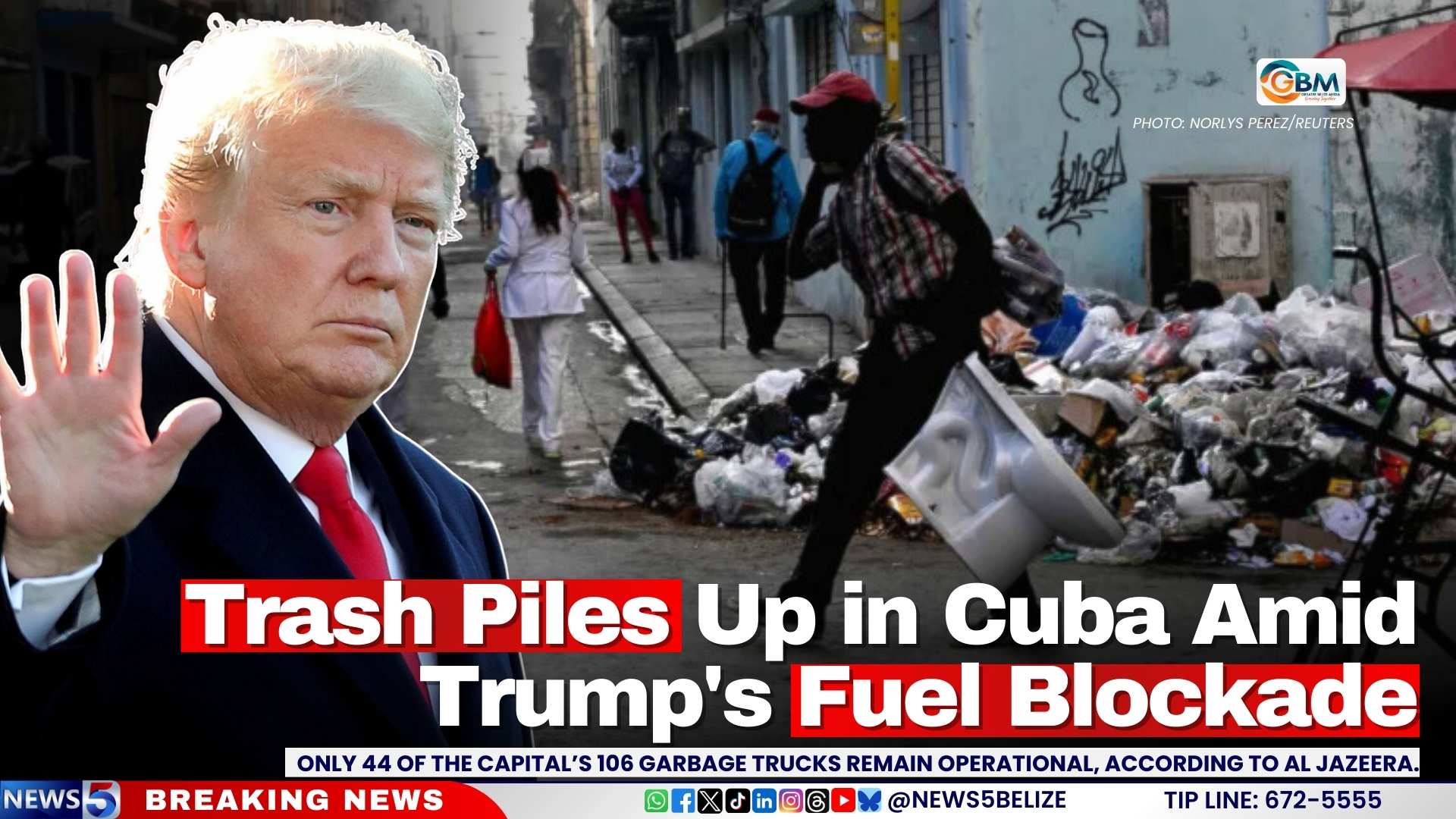
    This latest confrontation follows an earlier interception on December 10th, when US forces seized the large crude carrier Skipper in international waters off the Venezuelan coast. The operations coincide with President Donald Trump’s announcement on December 16th of a comprehensive blockade on all sanctioned oil tankers entering and leaving Venezuela. Trump declared that the US would not permit a “hostile regime” to retain control of what he characterized as US assets.

    The Venezuelan statement further asserted that the “colonialist model” attempted by the US government would be defeated by the Venezuelan people, emphasizing the country’s commitment to economic growth through its hydrocarbon industry. Venezuelan officials pledged to pursue complaints through the United Nations Security Council and other multilateral organizations.

    The US maintains that its military presence in the Southern Caribbean constitutes part of its broader counter-narcotics operations. Statistics indicate at least 104 fatalities resulting from 28 strikes in the Caribbean and eastern Pacific Ocean since early September. The campaign has received support from Trinidad and Tobago Prime Minister Kamla Persad-Bissessar, who has authorized US military access to the nation’s airports and installation of radar systems in Tobago.

  • Sanctioned Tanker Enters Venezuela Despite U.S. Blockade

    Sanctioned Tanker Enters Venezuela Despite U.S. Blockade

    A Gambia-flagged oil and chemical tanker under US sanctions successfully navigated into Venezuelan territorial waters this Friday, directly challenging the Trump administration’s declared ‘total and complete blockade’ against such vessels. Maritime tracking data confirmed the vessel Hyperion’s presence near the Amuay Bay refinery complex following its transit through Caribbean sea routes.

    The Hyperion was originally sanctioned last January as a component of broader US efforts to restrict Russian energy revenue streams. This latest development occurs alongside intensified US economic pressure targeting Caracas. On the same day, Washington imposed fresh sanctions against additional family members of Venezuelan President Nicolás Maduro, including his sister-in-law.

    Venezuela’s government has vehemently denounced the US maritime blockade, characterizing it as a ‘reckless and serious threat’ to international norms. The Maduro administration maintains that Washington’s ultimate objectives include regime change and appropriation of Venezuela’s substantial natural resources.

    The United States has consistently rejected these assertions, instead justifying its months-long pressure campaign—which has included deadly military strikes in Caribbean and Pacific regions—as necessary measures in the war against drug trafficking. US officials have repeatedly labeled Maduro’s presidency as illegitimate and have accused him of narco-trafficking activities.

  • UNHCR forecasts greater return of Syrian refugees in 2026

    UNHCR forecasts greater return of Syrian refugees in 2026

    In a significant development for post-war Syria, UNHCR Representative Vargas Llosa has confirmed a major wave of returns among the nation’s displaced population. Official figures indicate approximately 1.3 million refugees have repatriated since December 2024, complemented by nearly two million internally displaced persons who have returned to their places of origin.

    The UN official characterized this homecoming movement as largely spontaneous, occurring after more than fourteen years of forced displacement caused by prolonged conflict. Llosa observed that the pervasive fear which once dominated Syrian society is rapidly diminishing, being replaced by a growing sense of optimism and hope for the future.

    While acknowledging these returns as an encouraging indicator of progress, the UNHCR representative provided measured commentary on Syria’s recovery prospects. He emphasized that substantial economic improvement would require considerable time and remains contingent upon coordinated, sustained international support mechanisms.

    Llosa further noted that Syria’s rehabilitation following extensive warfare cannot be instantaneous. Nevertheless, he highlighted that both the Syrian government and its citizens deserve recognition for successfully reintegrating the nation with the global community within a relatively brief timeframe following the conflict’s resolution.

  • Amerikaanse troepen stoppen opnieuw olietanker voor de kust van Venezuela

    Amerikaanse troepen stoppen opnieuw olietanker voor de kust van Venezuela

    For the second time in two weeks, US forces have intercepted an oil tanker off the coast of Venezuela, escalating President Donald Trump’s campaign against the government of Nicolás Maduro. The early morning operation on Saturday followed Trump’s recent announcement of a comprehensive “blockade” targeting all sanctioned oil vessels entering or leaving the South American nation.

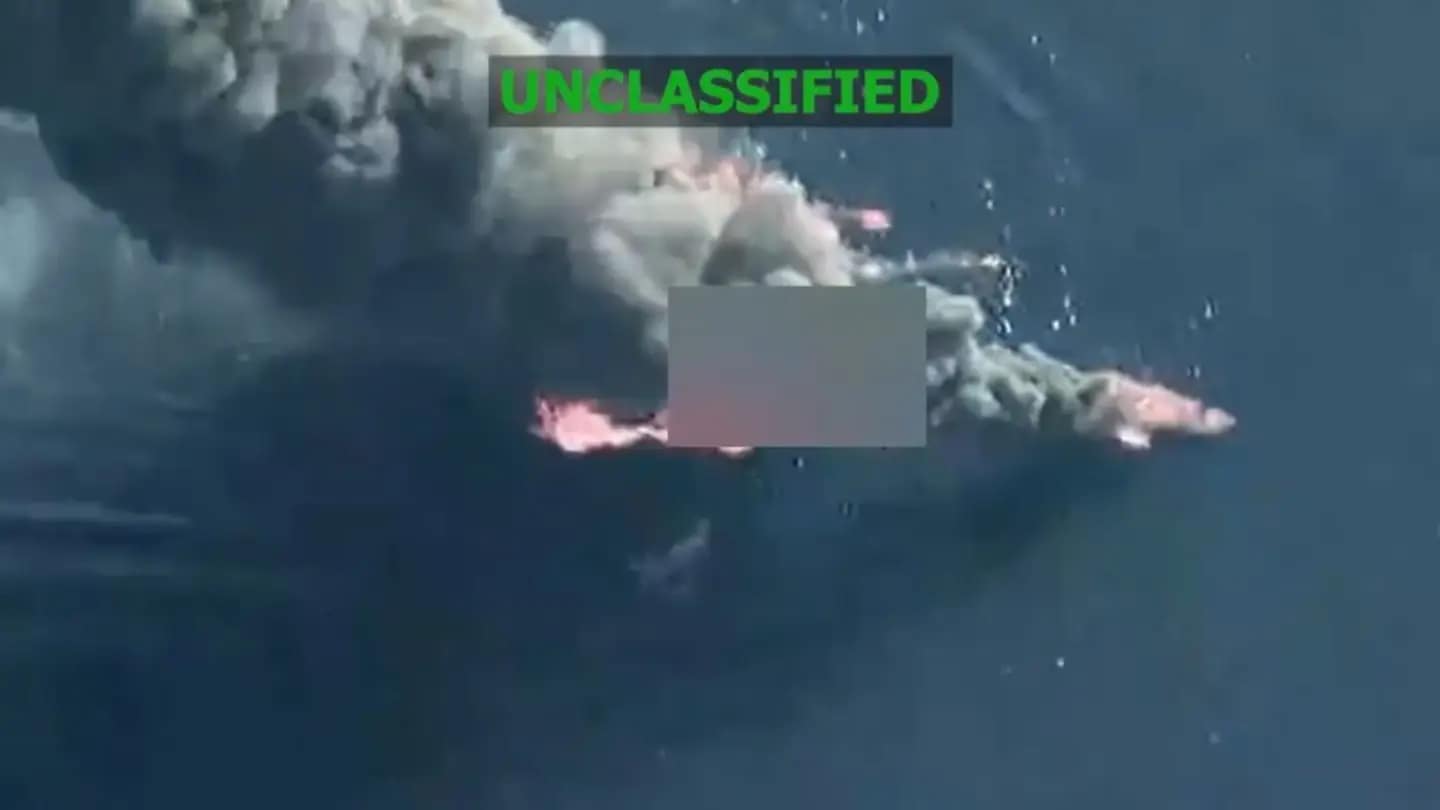
    Homeland Security Secretary Kristi Noem confirmed that the US Coast Guard, with Defense Department support, halted the Panama-flagged crude oil tanker Centuries. Through social media, Noem shared declassified footage showing US helicopter personnel boarding the vessel, which according to MarineTraffic data had been operating near Venezuelan waters. The sanction status of the intercepted ship remains unclear.

    Noem declared on platform X: “The United States will continue intercepting the illegal movement of sanctioned oil funding narco-terrorism in the region. We will locate and stop you.” An anonymous US official characterized the operation as a “consensual boarding,” indicating the vessel voluntarily stopped and permitted US forces to come aboard.

    The Venezuelan government condemned the actions as “criminal” and pledged legal recourse through the UN Security Council. Caracas issued a statement accusing the US of “theft and hijacking of a private vessel transporting Venezuelan oil, and the forced disappearance of its crew.”

    This latest seizure follows the December 10th interception of the tanker Skipper and coincides with Trump’s increasingly aggressive rhetoric toward Maduro, whom he claims will soon be removed from power. Trump justifies the blockade by demanding Venezuela return assets previously seized from American oil companies, stating: “They illegally took all our energy rights and oil. We want it back.”

    The tanker targeting forms part of a broader military campaign against drug smuggling in the Caribbean and Eastern Pacific. Since September, US forces have conducted at least 28 strikes on suspected smuggling vessels, resulting in 104 fatalities. These operations face criticism from US legislators and human rights advocates who cite lack of evidence and allegations of extrajudicial killings.

    As the US significantly reinforces its military presence in the region—the largest buildup in generations—Trump has repeatedly hinted at impending ground operations. White House Chief of Staff Susie Wiles recently stated Trump would “continue blowing up boats until Maduro surrenders,” while Maduro characterizes US military actions as attempted regime change.

    The historical context reveals deeper tensions: American oil companies once dominated Venezuela’s oil sector until nationalization began in the 1970s and expanded under Hugo Chávez and Maduro. In 2014, an arbitration panel ordered Venezuela to pay $1.6 billion in compensation to ExxonMobil.

  • Weather phenomenon: Frost in Valle Nuevo announces extreme cold in the Dominican Republic

    Weather phenomenon: Frost in Valle Nuevo announces extreme cold in the Dominican Republic

    Meteorological expert Jean Suriel has documented an unprecedented climatic shift in the Dominican Republic’s high-altitude Valle Nuevo region, where severe frost conditions have persisted for two consecutive days. This meteorological phenomenon signals the commencement of an extended cold period predicted to continue through mid-April 2026 across the nation’s mountainous territories.

    According to Suriel’s detailed social media analysis published via X, temperature readings revealed a dramatic plunge to -0.5°C on Tuesday morning, following the previous day’s measurement of 0.2°C. The combination of low temperatures and wind conditions created a biting wind chill factor of -2°C, substantially amplifying the cold experience for the region.

    The extreme conditions have transformed the landscape through two distinct cryogenic phenomena: frost formation from frozen dew droplets coating vegetation, and cencellada—the rare occurrence of frozen fog crystals accumulating on surfaces. These conditions result from the synergistic effect of the season’s 14th frontal system colliding with a dense polar air mass currently positioned over the northern Caribbean basin.

    Suriel’s analysis indicates that persistent Atlantic winds are driving this Arctic air mass deeper into Dominican territory than typically observed, creating atypical thermal patterns for the region. The early intensity and duration of these frost events suggest an unusually prolonged cold phase that could have significant implications for agriculture, ecosystems, and local communities in elevated areas throughout the Dominican Republic.

  • UN and Palestinians warn West Bank demolitions could permanently displace hundreds

    UN and Palestinians warn West Bank demolitions could permanently displace hundreds

    Israeli military authorities have issued demolition orders for 25 residential buildings in the Nur Shams refugee camp near Tulkarem in the occupied West Bank, citing security concerns and “operational necessity.” The controversial decision has drawn sharp condemnation from Palestinian officials and international observers who warn it represents systematic forced displacement tactics.

    The Palestinian Refugee Affairs Department condemned the move as “a blatant violation of international humanitarian law” in an official statement, asserting that the demolitions would displace dozens of families. The department characterized the action as part of a broader strategy to empty Palestinian camps and establish long-term control over the territories, ultimately aiming to annex the West Bank including East Jerusalem.

    Roland Friedrich, Director of UNRWA Affairs in the West Bank, described the development as “devastating news” in a social media post, noting that hundreds face imminent displacement. Friedrich observed that this pattern of home destruction has intensified throughout 2023, with Israeli security forces permanently altering the topography of northern West Bank camps to consolidate control.

    The demolition orders follow closely after the Israeli cabinet’s approval to legalize and establish 19 settler outposts across the occupied West Bank, including two previously evacuated under the 2005 disengagement plan. Israeli settlement watchdog Peace Now criticized the government’s actions as deliberately foreclosing possibilities for future peace and a two-state solution.

    The Israeli military defended its decision, stating that northern West Bank areas “have become a significant center of terrorist activity” operating from civilian populations. Authorities indicated residents would receive opportunity to evacuate personal belongings before demolitions commence, potentially as early as December 18.

    This development occurs amidst sustained Israeli military operations in northern West Bank refugee camps, including Nur Shams, Tulkarm and Jenin. While Israel maintains these operations target militant networks and prevent attacks, Palestinian officials and human rights organizations argue they constitute collective punishment and forced displacement of the more than 32,000 Palestine refugees in the region.

  • Teething problems snag MV Konawaruk 1899

    Teething problems snag MV Konawaruk 1899

    In a strategic move reinforcing its territorial claims, Guyana officially commissioned the MV Konawaruk 1899 ferry on the Essequibo River this Friday, despite encountering operational challenges during its maiden voyage. The vessel, acquired from Greece for approximately US$5 million, was ceremoniously named to reference both a significant geographical area in Region Eight (Potaro-Siparuni) and the pivotal 1899 Arbitral Tribunal Award that established the land boundary with Venezuela.

    The commissioning ceremony, led by Prime Minister Mark Phillips, underscored the vessel’s symbolic importance in the ongoing territorial dispute with Venezuela, currently under deliberation at the International Court of Justice (ICJ). The ferry is designated to serve the Parika-Supenaam route, a critical transportation corridor for agricultural cargo including rice, paddy, and machinery from Region Two.

    However, the inaugural journey revealed significant technical shortcomings. At both the Parika and Supenaam terminals, vehicle access proved problematic due to misalignments between the ferry’s bow door and the docking facilities. Security vehicles risked damage during boarding, necessitating temporary wooden planks for safe passage. The most pronounced issue occurred at Supenaam Stelling, where the bow door failed to land flush with the bridge, causing a 15-minute delay and requiring direct intervention from Maritime Administration Director-General Stephen Thomas and engineering staff.

    Public Works Minister Juan Edghill confirmed that while adjustments had been made to mooring facilities to accommodate the newly acquired vessel, additional modifications would be necessary. The government’s naming convention for marine craft—after rivers and significant locations—continues with this acquisition. The existing Chinese-made Sabanto and Kanawan ferries will remain operational on the Parika-Supenaam route, with another Greek vessel expected next month for deployment on the Georgetown-North West District route.