分类: world

  • UN, Red Cross demand opening of all Gaza crossings to let in aid

    UN, Red Cross demand opening of all Gaza crossings to let in aid

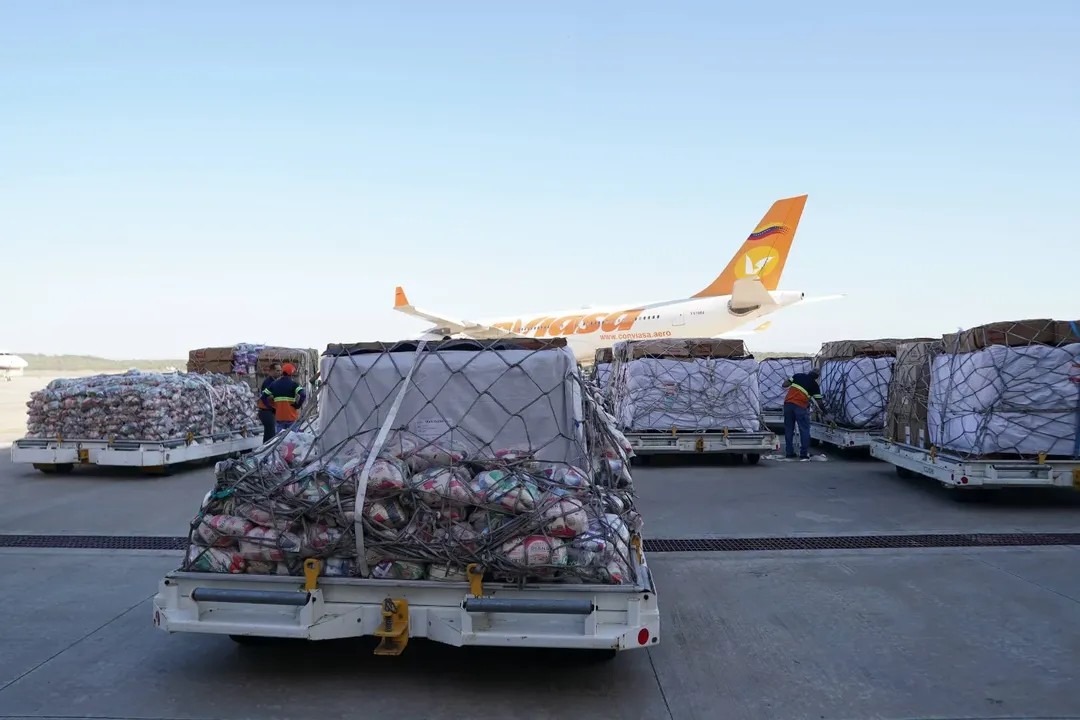
    In a joint appeal on Tuesday, the United Nations and the International Committee of the Red Cross (ICRC) emphasized the urgent need to open all crossings into Gaza to facilitate the delivery of essential humanitarian aid to the Israeli-blockaded Palestinian territory. The call comes as the region grapples with severe famine and catastrophic living conditions, exacerbated by the ongoing conflict.

  • Israel identifies hostage bodies, returns 45 Palestinian dead

    Israel identifies hostage bodies, returns 45 Palestinian dead

    In a significant development, the Israeli military announced on Tuesday that the remains of four hostages returned by Hamas have been identified. Among them is Bipin Joshi, a 22-year-old Nepalese agriculture student, and Guy Iluz, a 26-year-old Israeli sound technician. The identities of the other two victims remain undisclosed at their families’ request. The remains were part of a broader exchange facilitated by the United States, which also saw the return of 45 Palestinian bodies to Gaza. This exchange aligns with ongoing efforts to de-escalate the Gaza conflict, as outlined in President Donald Trump’s peace plan. Guy Iluz, who was attending the Nova music festival during the October 7, 2023, Hamas-led attack, was injured and abducted alive. He later succumbed to his injuries due to inadequate medical care while in captivity. Bipin Joshi, part of a Nepalese agricultural training group, was abducted from Kibbutz Alumim and is believed to have been murdered during the early months of the war. The Israeli military stated that the exact causes of death for all four hostages will be determined following forensic examinations.

  • CARICOM Gathers in Saint Lucia for Crucial Second Preparatory Meeting for COP30

    CARICOM Gathers in Saint Lucia for Crucial Second Preparatory Meeting for COP30

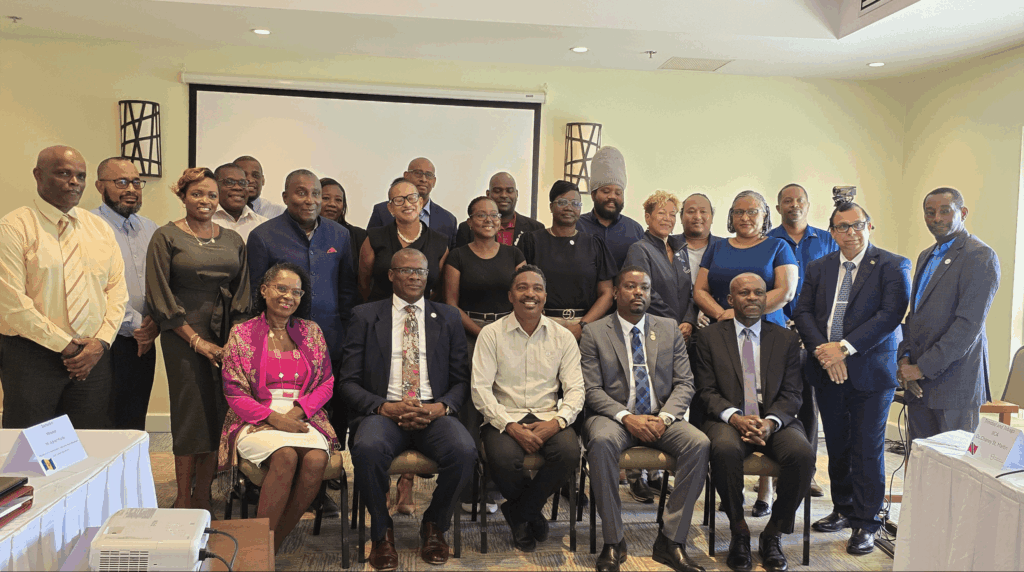
    CARICOM leaders gathered in Saint Lucia from October 7 to 10, 2025, for the Second Regional Preparatory Meeting ahead of the 30th Conference of the Parties (COP30) to the United Nations Framework Convention on Climate Change (UNFCCC). Hosted by the Government of Saint Lucia in partnership with the Caribbean Community Climate Change Centre (CCCCC), the event marked a pivotal moment in solidifying the Caribbean’s negotiating priorities and unified stance for the upcoming global climate summit in Belém, Brazil, this November. This meeting follows the successful first convening held earlier in Miami, highlighting the region’s unwavering commitment to amplifying a cohesive Caribbean voice in international climate negotiations. Dr. Carla Barnett, CARICOM Secretary General, emphasized the critical role of climate finance in the region’s advocacy, noting that while global pledges have increased, actual contributions remain insufficient and disbursements are slow and fragmented. Small Island Developing States (SIDS) continue to face bureaucratic hurdles, eligibility constraints, and inadequate support for adaptation and loss and damage. Key priorities discussed included reforming multilateral climate finance architecture to ensure equity and transparency, scaling up the Loss and Damage Fund, and addressing the unique vulnerabilities of SIDS. The four-day meeting brought together a diverse group of stakeholders, including ministers, technical experts, COP negotiators, and civil society representatives, showcasing the region’s whole-of-society approach to climate action. Dr. Colin Young, Executive Director of the CCCCC, underscored the importance of unity and moral clarity, stating that the Caribbean’s collective voice has historically influenced global climate policy, as seen in the Paris Agreement and the establishment of the Loss and Damage Fund. The Caribbean, being on the frontline of the climate crisis, faces existential threats from rising sea levels, stronger hurricanes, and coastal erosion, making climate action a matter of survival and resilience.

  • VN waarschuwt voor toenemende risico’s na VS aanvallen in Caribische zee

    VN waarschuwt voor toenemende risico’s na VS aanvallen in Caribische zee

    The United Nations (UN) has expressed deep concern over rising tensions in the Caribbean region following recent US military strikes on vessels allegedly involved in drug smuggling. The UN warned that these actions risk destabilizing the region and escalating conflicts with Venezuela. The operations, which resulted in at least 21 fatalities, were justified by the US as ‘anti-drug operations’ conducted in international waters. However, Venezuela vehemently condemned the strikes, declaring a state of emergency and accusing the US of violating international law. The incident has drawn widespread criticism, with Russia and China joining other nations in condemning the US during an emergency session of the UN Security Council. Both countries accused Washington of unlawful military interventions in the Caribbean. The UN has called for restraint from both the US and Venezuela, emphasizing the need for de-escalation, respect for sovereignty, and the use of diplomatic and multilateral channels to resolve conflicts.

  • OM Chief Highlights Record Disaster Displacement and Calls for Resilience Funding

    OM Chief Highlights Record Disaster Displacement and Calls for Resilience Funding

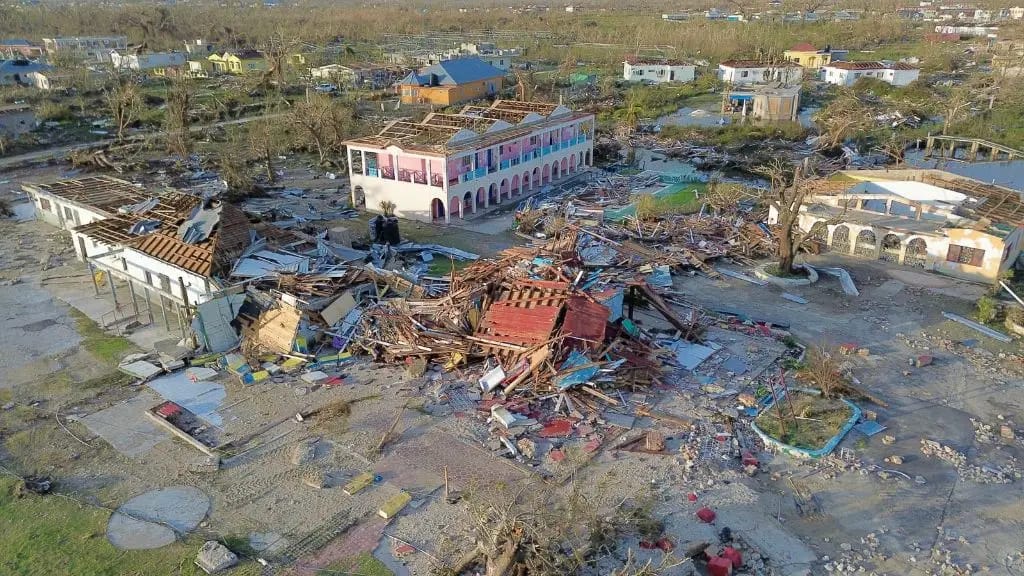
    The catastrophic aftermath of Hurricane Beryl on Union Island in Saint Vincent and the Grenadines has laid bare the urgent need for enhanced disaster resilience. Aerial imagery reveals widespread destruction, with two-thirds of buildings obliterated, leaving countless residents homeless. Critical infrastructure—power, water, and transportation—lies in ruins, crippling daily life and exacerbating the island’s economic woes. The tourism sector, a cornerstone of the local economy, has suffered colossal losses, triggering a vicious cycle of unemployment, poverty, and food insecurity. The International Organization for Migration (IOM) has seized this moment to amplify its call for a paradigm shift in global financing. This year’s International Day for Disaster Risk Reduction (IDDRR) underscores the theme ‘Fund Resilience, Not Disasters,’ urging a redirection of resources from reactive disaster response to proactive prevention and preparedness. IOM Director General Amy Pope emphasized the criticality of resilience investments, stating, ‘Every dollar invested in resilience saves many more in avoided losses and protects the dignity of those most at risk.’ The statistics are stark: 2024 saw a record 46 million people displaced by disasters, yet disaster risk reduction remains woefully underfunded, with most governments allocating less than 1% of their budgets to prevention. IOM is advocating for scaled-up investments from governments, donors, and the private sector to mitigate disaster impacts and bolster resilience. This includes integrating human mobility into risk-informed development and climate finance, ensuring communities can adapt, relocate, or rebuild with dignity. As the 30th UN Climate Change Conference (COP30) approaches, IOM aims to position disaster and climate risk reduction at the forefront of climate finance negotiations, leveraging tools like the Risk Index for Climate Displacement and the Climate Catalytic Fund to target hotspots, prevent displacement, and safeguard development gains.

  • Wereldleiders in Egypte voor Gaza-top over wapenstilstand en gijzelaarsruil

    Wereldleiders in Egypte voor Gaza-top over wapenstilstand en gijzelaarsruil

    World leaders convened on Monday in the Egyptian resort town of Sharm El-Sheikh for an international Gaza summit, aiming to broker a definitive ceasefire agreement and the phased release of hostages in the Gaza Strip. The conference follows months of intensive diplomacy, with the United States, under President Donald Trump, playing a pivotal role in mediating between Israel and Hamas. Diplomatic sources reveal that a draft agreement is on the table, outlining a step-by-step ceasefire, prisoner exchanges, and humanitarian access to affected areas. Attendees include U.S. President Trump, Egyptian President Abdel Fattah al-Sisi, Israeli Prime Minister Yoav Gallant, representatives from Hamas mediated by Qatar and Turkey, and observers from the United Nations and the European Union. The talks focus on three key points: a lasting ceasefire binding both Israeli and Palestinian parties to halt military operations; the phased release of hostages and Palestinian prisoners under international monitoring; and a humanitarian reconstruction program led by Egypt, the UN, and the World Bank to rebuild Gaza’s infrastructure. Sources in Washington suggest the first group of hostages could be released as early as Monday evening, pending confirmation of security conditions by both sides. While the summit offers a potential breakthrough, skepticism remains regarding compliance with the agreement. Israel insists that any ceasefire depends on ‘complete guarantees that Hamas retains no military capacity,’ while Hamas demands ‘an end to the blockade of Gaza.’ President Trump, departing for Egypt, expressed confidence in being ‘close to a historic agreement,’ calling it ‘a moment of hope after months of suffering.’ International observers describe the Sharm El-Sheikh meeting as ‘the most concrete chance for peace since the conflict erupted in 2023.’

  • La Niña returns, increasing risk of flooding and extreme weather

    La Niña returns, increasing risk of flooding and extreme weather

    Santo Domingo.- The La Niña weather phenomenon has made its return, and meteorologists are sounding the alarm for the Dominican Republic. This climatic event, characterized by cooler-than-average equatorial Pacific waters, is set to bring significant changes to the region’s weather patterns over the next few months. Experts predict heavy rainfall, widespread flooding, and a marked decrease in temperatures across much of the country. La Niña’s influence extends to altering wind patterns and atmospheric circulation, indirectly impacting the Caribbean climate. The phenomenon is expected to increase the frequency of troughs, tropical waves, and low-pressure systems, heightening the risk of flash floods reminiscent of the severe rainfall event on November 4, 2022. On a more positive note, La Niña will also usher in cooler temperatures, particularly in mountainous regions such as Valle Nuevo, where temperatures could plummet to -7°C to -8°C, and Pico Duarte, where sub-zero conditions are anticipated. However, authorities remain vigilant, as La Niña’s reduction of wind shear could facilitate the formation and intensification of tropical cyclones in the Caribbean Sea, posing a continued risk of storms and hurricanes. Climate models suggest that La Niña will remain active until February or March 2026, ensuring prolonged periods of rainfall across the nation before transitioning to a neutral phase.

  • FLASH : Visa refusal in the United States, Haiti the 3rd most affected country

    FLASH : Visa refusal in the United States, Haiti the 3rd most affected country

    A recent report from the U.S. Department of State has unveiled a concerning trend in visa refusals, with citizens of Cuba, El Salvador, and Haiti facing the highest rejection rates for U.S. visa applications. The data, reflecting the end of fiscal year 2024, shows that more than half of B1/B2 visa applications (for tourism or business) were denied for Cubans, at a staggering 53.35%. El Salvador followed closely with a 52.65% refusal rate, while Haiti recorded a 47.35% rejection rate. This stark contrast highlights the immigration challenges faced by these nations, particularly in comparison to other Latin American countries like Panama, Argentina, and Brazil, where acceptance rates are notably higher. In Haiti’s case, the high refusal rate is attributed to ongoing political and economic instability, which raises concerns among U.S. consular officers about the risk of irregular migration. Conversely, countries with greater economic stability and lower migratory pressure, such as Uruguay, Chile, and Argentina, enjoy significantly lower refusal rates. Experts predict that rejection rates will remain elevated in nations grappling with economic crises and political tensions. They recommend that applicants submit comprehensive documentation, demonstrate strong ties to their home country, and prepare thoroughly for consular interviews to improve their chances of approval. This advice comes amid a broader context of increasingly stringent U.S. immigration policies.

  • Over 3,500 Dominicans deported from the U.S. in 2025

    Over 3,500 Dominicans deported from the U.S. in 2025

    In 2025, the United States has deported a total of 3,581 Dominican citizens, as reported by the General Directorate of Migration (DGM). Among these deportees, 2,452 individuals (68.47%) were expelled for illegal migration, while the remaining 1,129 faced deportation due to various criminal offenses. The DGM provided a detailed breakdown of the crimes associated with the deportees: 553 were linked to drug-related offenses, 126 to assault, 101 to acts of violence, 67 to illegal possession of weapons, 42 to sexual offenses, 35 to homicide, 22 to fraud, and 17 to the use of false documents. Additionally, cases involving money laundering, smuggling, and human trafficking were mentioned, though specific figures were not provided. This surge in deportations aligns with the stricter immigration policies implemented by former U.S. President Donald Trump, which target individuals considered security or economic risks. Upon their return to the Dominican Republic, deportees are processed at the airport and transferred to the Haina detention center for identity verification. Those without pending legal issues are released to their families, while others are referred to the Attorney General’s Office for further legal action.

  • Caribbean Fisheries Mechanism pens agreement with OECS, UWI

    Caribbean Fisheries Mechanism pens agreement with OECS, UWI

    In a landmark event during the Caribbean Week of Agriculture (CWA) 2025, the Caribbean Regional Fisheries Mechanism (CRFM) and the Organisation of Eastern Caribbean States (OECS) solidified their partnership through the signing of a Memorandum of Understanding (MoU). The ceremony, held on September 30, 2025, in Saint Kitts and Nevis, marked the first bilateral agreement between the two organizations. Dr. Marc Williams, Executive Director of the CRFM Secretariat, and H.E. Dr. Didacus Jules, Director General of the OECS, formalized the agreement, emphasizing its significance in enhancing regional cooperation. The MoU aims to strengthen collaboration in fisheries governance, blue economy integration, safety at sea programs, and economic development for fisherfolk, with a focus on empowering youth and women in the fisheries value chain. Additionally, the CRFM signed a separate MoU with the University of the West Indies (UWI) on September 9, 2025, focusing on advancing the blue economy, marine spatial planning, and climate change resilience through academic and educational partnerships.