KINGSTON, Jamaica — In response to the devastating impact of Hurricane Melissa, the Inter-American Institute for Cooperation on Agriculture (IICA) has established an emergency fund to support the agricultural sectors of four Caribbean nations: The Bahamas, Jamaica, Haiti, and the Dominican Republic. These countries have experienced substantial losses due to the extreme weather event, prompting immediate action from IICA.
分类: world
-
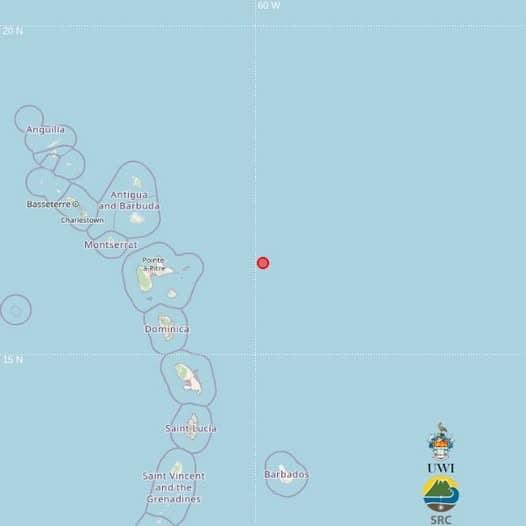
Magnitude 3.7 Earthquake Recorded Near Antigua and Barbuda
A minor earthquake with a magnitude of 3.7 shook the eastern Caribbean on Saturday morning, causing slight tremors in Antigua and Barbuda and nearby islands. The seismic event occurred at 7:24 a.m. local time (11:24 UTC) at a depth of 25 kilometres, as reported by the University of the West Indies Seismic Research Centre (UWI SRC). The epicenter was pinpointed at 16.40°N latitude and 59.89°W longitude, approximately 231 kilometres north-west of Saint John’s, Antigua and Barbuda. The tremors were also felt in neighbouring regions, including Point-à-Pitre, Guadeloupe, located 184 kilometres to the east, and Roseau, Dominica, 206 kilometres to the north-east. Despite the quake, officials in Antigua and Barbuda confirmed no damage or injuries, categorizing the event as minor. The UWI SRC remains vigilant in monitoring seismic activity in the region, which is part of the seismically active eastern Caribbean fault zone. Authorities have urged residents to stay informed about earthquake preparedness measures and to report any unusual activity to local officials.
-
UK Coordinates Hurricane Relief Shipment for Jamaica from Antigua
In the aftermath of Hurricane Melissa’s catastrophic impact on Jamaica, a UK support team stationed in Antigua and Barbuda has taken swift action to coordinate the delivery of emergency supplies to the devastated island nation. Spearheaded by Resident British Commissioner John Hamilton, the team has collaborated with the Antigua and Barbuda Port Authority to transport essential relief goods from Deep Water Harbour to V.C. Bird International Airport, where they will be airlifted to Kingston. This initiative is part of the UK’s broader regional response to aid both British nationals and Jamaica’s recovery efforts. Hamilton emphasized the UK’s unwavering commitment to the Caribbean during crises, stating, ‘The scale of damage in Jamaica is heartbreaking. We’re ensuring vital supplies — water, food, medical kits, and temporary shelters — reach those most in need.’ Hurricane Melissa, a Category 5 storm, unleashed winds exceeding 190 miles per hour when it struck Jamaica on Tuesday, resulting in widespread flooding, destruction, and significant loss of life. The parishes of St. Elizabeth, Manchester, and Clarendon bore the brunt of the devastation, with at least three fatalities reported and numerous injuries and displacements. Jamaican authorities have designated several areas as disaster zones as recovery operations persist. The Jamaica Defence Force, alongside volunteers and international partners such as CARICOM, the UK, and USAID, are actively supporting relief efforts. Hamilton reaffirmed the UK’s dedication, pledging continued assistance ‘for as long as necessary’ to facilitate regional recovery.
-
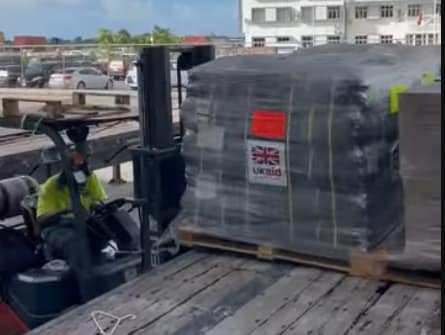
UK Coordinates Hurricane Relief Shipment for Jamaica from Antigua
In a swift response to the devastating impact of a recent hurricane, the United Kingdom has organized a critical relief shipment from Antigua to support Jamaica. The initiative underscores the UK’s commitment to assisting Commonwealth nations during natural disasters. The relief package includes essential supplies such as food, water, medical equipment, and temporary shelter materials, aimed at addressing the immediate needs of affected communities. The operation was coordinated through the UK’s Foreign, Commonwealth & Development Office (FCDO), in collaboration with regional partners. This effort highlights the importance of international cooperation in disaster response and the UK’s role as a key player in humanitarian aid. The shipment is expected to arrive in Jamaica within days, providing much-needed assistance to those impacted by the hurricane.
-

News : Zapping…
Haiti has been thrust into the spotlight following a series of significant events that underscore the nation’s ongoing struggles and resilience. In a devastating act of violence, Université Soleil d’Haïti (USH), founded by former senator Jean Renel Sénatus, was reduced to ashes in an arson attack. This institution, a beacon of education, now lies in ruins, symbolizing the fragility of Haiti’s social infrastructure. Simultaneously, the home of Elysée Blaise, interim executive agent at Montrouis City Hall, and his mother’s residence were torched by members of the notorious ‘Taliban’ gang, further highlighting the pervasive insecurity plaguing the region. Amidst these challenges, Haiti finds hope in Melissa Queenie Sapini, a Haitian-American journalist and social activist, who will represent the nation at the 74th Miss Universe pageant in Thailand. Sapini, co-founder of The Two Queens Foundation, continues to champion education and literacy in Haiti. On the diplomatic front, Laurent Saint-Cyr, President pro tempore of Haiti’s Transition Council, arrived in Doha, Qatar, to participate in the Second World Summit for Social Development, signaling Haiti’s commitment to global collaboration. Meanwhile, Port-au-Prince undergoes critical road rehabilitation on Faustin 1er Road, with temporary closures aimed at ensuring safety and efficiency. In a gesture of solidarity, the United States has extended aid to Haitians affected by Hurricane Melissa, distributing essential supplies through the International Organization for Migration (IOM). These events collectively paint a picture of a nation grappling with adversity while striving for progress and international engagement.
-
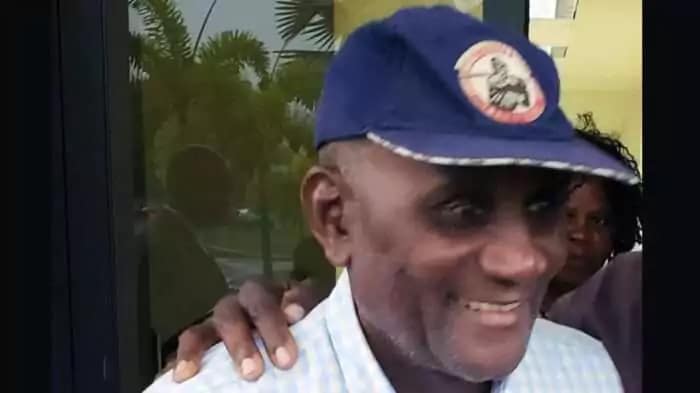
Former FSRC Chief Leroy King Dies While Serving U.S. Prison Sentence
Leroy King, the former head of Antigua and Barbuda’s Financial Services Regulatory Commission (FSRC), has passed away at the age of 80 while serving a U.S. prison sentence. The exact circumstances of his death—whether it occurred in prison or at a hospital—remain unclear, but authorities have confirmed that it took place during his incarceration. King, who held dual citizenship in Antigua and the United States, was extradited to the U.S. in 2019 after nearly a decade of legal battles to avoid extradition. He later pleaded guilty to charges of conspiracy to obstruct justice and obstruction of justice for his role in concealing information from the U.S. Securities and Exchange Commission (SEC) during its investigation into financier Allen Stanford’s $7 billion investment fraud. As the FSRC chief from 2002, King oversaw the operations of Stanford International Bank in Antigua. Prosecutors revealed that he accepted over $520,000 in bribes, gifts, and trips in exchange for shielding Stanford’s fraudulent activities. Stanford himself was convicted in 2012 and sentenced to 110 years in prison for orchestrating a massive Ponzi scheme, while several of his associates received prison terms ranging from three to 20 years.
-
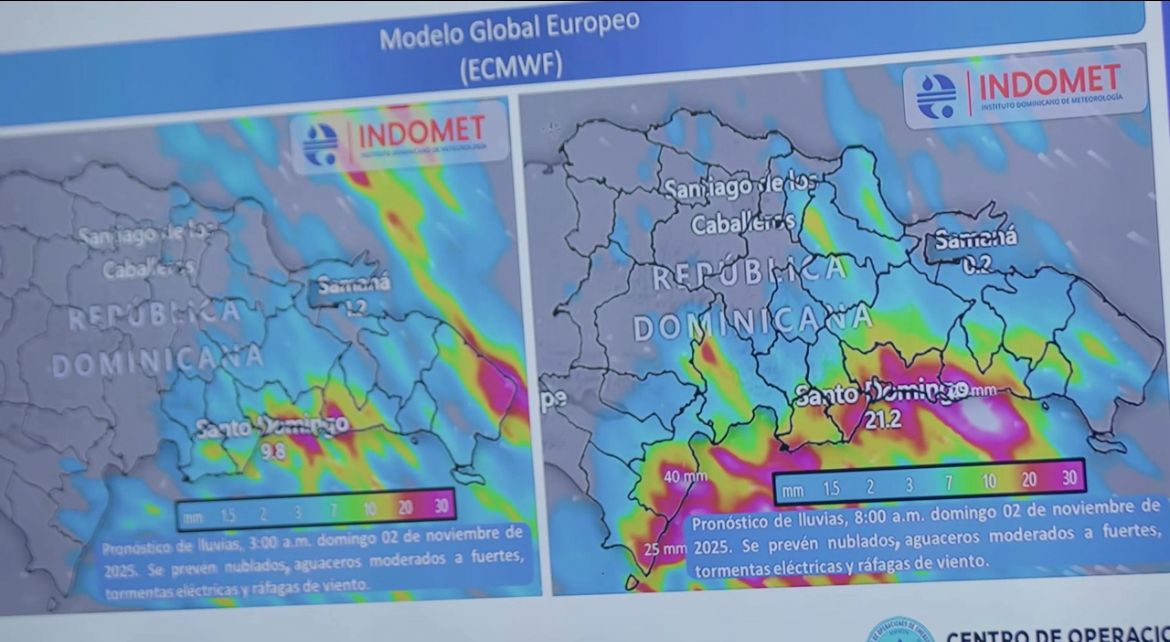
Active tropical wave threatens heavy rains in the Dominican Republic, where the ground is already saturated
The Dominican Republic is preparing for significant rainfall as an active tropical wave sweeps across the nation, according to Gloria Ceballos, Director of the Dominican Institute of Meteorology (Indomet). Ceballos emphasized that the tropical wave, expected to move over the country early Sunday, will bring substantial precipitation, particularly affecting the Caribbean coast, northwest, and central regions. While the system is not forecasted to develop into a cyclone, it may produce strong wind gusts. Ceballos highlighted that the region’s soils are already saturated following October’s stormy weather, which included tropical waves and Storm Melissa, causing widespread damage and financial losses. The downpours are anticipated to begin Saturday night and persist through Sunday, raising concerns about potential flooding and further infrastructural strain.
-
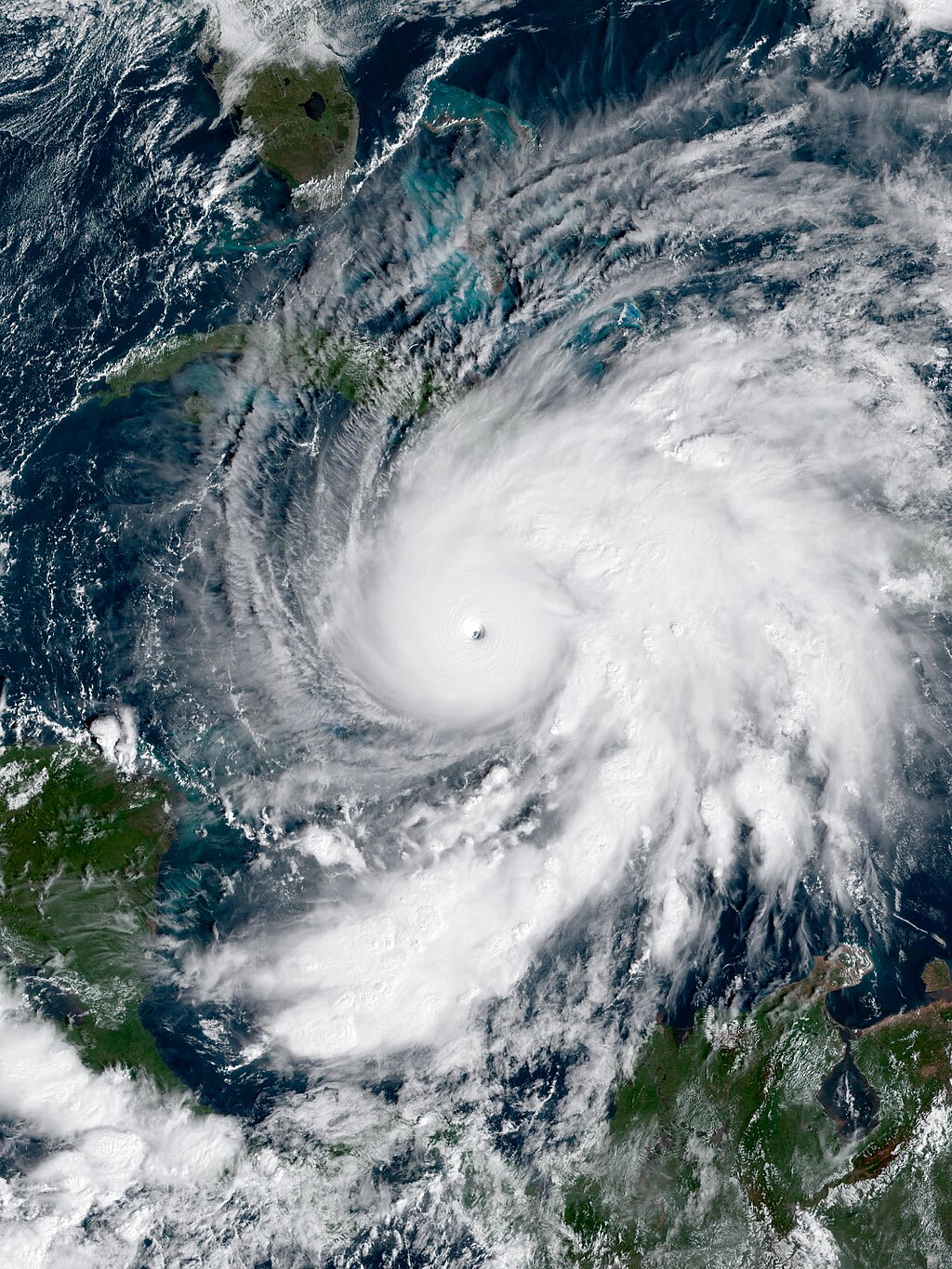
Hurricane Melissa leaves at least 30 dead as storm heads to Bermuda
The Caribbean is reeling from the catastrophic impact of Hurricane Melissa, one of the most powerful storms in recorded history, which struck the region with devastating force. Making landfall in Jamaica on October 28 as a Category 5 hurricane, Melissa unleashed destructive winds, severe flooding, and relentless rainfall, leaving a trail of destruction across Jamaica, Cuba, and Haiti. By October 30, the storm had weakened as it moved toward Bermuda, but the damage had already been done, with dozens of lives lost and communities left in ruins. Rescue and recovery operations are underway, but they are severely hindered by widespread power outages, communication breakdowns, and blocked roads. The death toll continues to rise, with over 30 fatalities reported in Jamaica, Haiti, and the Dominican Republic. Jamaican officials, including Education Minister Dana Dixon, described the devastation as unprecedented, with entire communities isolated and infrastructure flattened. Helicopters are being deployed to deliver relief supplies and transport patients, though landing in some areas remains a challenge due to debris and flooding. The emotional toll on residents is immense, with many unable to contact loved ones in the hardest-hit zones. Despite the overwhelming destruction, the global community has rallied to offer support, with countries pledging financial aid, food, and rescue teams to assist in the recovery efforts.
-
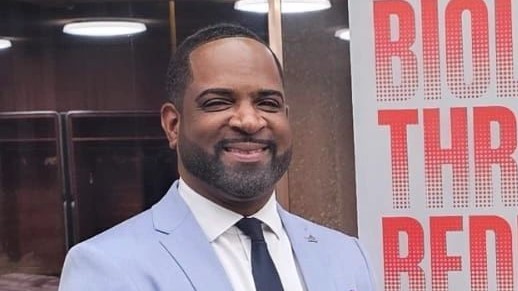
‘New money’: UWI researchers to design new islands climate finance framework
Two distinguished researchers from the University of the West Indies (UWI) are spearheading a groundbreaking initiative to channel concessional climate finance to small developing states, including Barbados, under a One Health climate-resilience framework. Dr. Kirk Douglas, Director of the Centre for Biosecurity Studies at UWI Cave Hill, and Dr. Preeya Mohan, a climate-finance economist at UWI’s St. Augustine Campus in Trinidad, are collaborating to design a novel climate-finance architecture. This initiative aligns with the Bridgetown Initiative, aiming to support low- and middle-income countries (LMICs) and Small Island Developing States (SIDS) in building resilience against climate change. The One Health approach emphasizes the interconnectedness of human, animal, and environmental health, fostering sustainable practices, enhancing early warning systems, and creating robust health systems to mitigate risks like zoonotic diseases, food insecurity, and antimicrobial resistance. The Bridgetown Initiative, led by Barbados, calls for urgent reforms to the outdated international financial architecture, which fails to address contemporary challenges such as climate risks and social inequalities. Dr. Douglas, a delegate at the recent World Organisation for Animal Health Global Conference in Geneva, highlighted the critical need for a paradigm shift in climate-resilient financing. He stressed that One Health events should be recognized as climate events within climate finance frameworks, addressing the pervasive impacts of infectious diseases, vector-borne diseases, and plant health emergencies. This innovative approach aims to bridge the gap in funding and resonate with global financial stakeholders, ensuring a sustainable and resilient future for vulnerable nations.
-
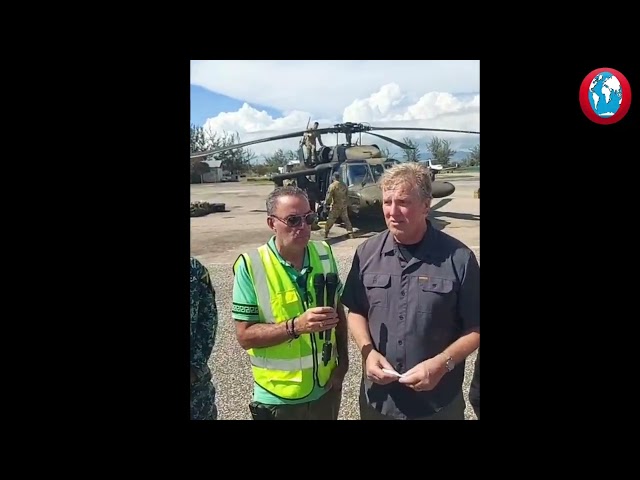
WATCH: US pledges US$11 million in relief support following Hurricane Melissa
The United States Government has committed an initial $11 million in aid to assist Jamaica in its recovery efforts following the devastation caused by Hurricane Melissa. This funding will be channeled through various organizations, including the Red Cross, the UN World Food Programme, Samaritan’s Purse, and Project HOPE, alongside direct support to the Jamaican government.