分类: world

  • Barbados becomes member of ACWL

    Barbados becomes member of ACWL

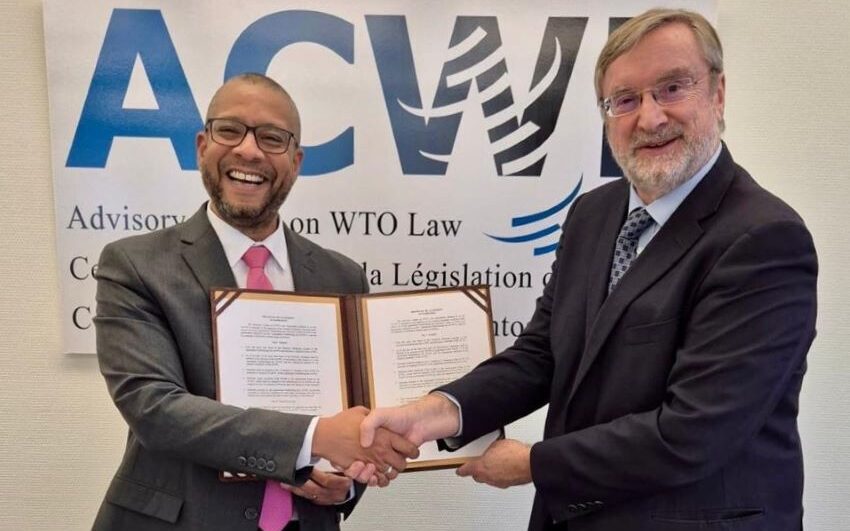
    In a strategic move to enhance its international trade legal expertise, Barbados has formally signed the protocol to join the Advisory Centre on WTO Law (ACWL), marking a significant advancement in the nation’s capacity to navigate global trade regulations. The December 17th signing ceremony culminated diplomatic efforts to secure membership in the Geneva-based organization that specializes in providing developing nations with critical WTO legal support.

    The ACWL, operating from its Swiss headquarters, delivers essential services including complimentary legal counsel, specialized training programs, and discounted representation in WTO dispute resolution processes. This membership creates unprecedented opportunities for Barbados’ legal professionals, particularly through internship placements and technical assistance programs designed to build expertise in complex trade legislation.

    Financial backing for Barbados’ accession came through Norwegian government sponsorship, part of a broader initiative to strengthen developing nations’ understanding of WTO dispute mechanisms and trade law infrastructure. The Nordic country’s funding demonstrates international commitment to creating more equitable participation in global trade governance systems.

    Matthew Wilson, Barbados’ Ambassador to the United Nations and WTO in Geneva, praised the ACWL’s esteemed reputation during the signing proceedings, emphasizing national pride in joining the organization. The diplomatic achievement was further acknowledged by ACWL Executive Director Niall Meagher, who commended Barbadian officials for their persistent efforts in finalizing the membership protocol.

    While Barbados will subsequently proceed with formal ratification of the agreement, the nation immediately gains access to comprehensive membership benefits. These include technical assistance programs, specialized training in WTO legal frameworks, and capacity-building initiatives that will empower Barbadian lawyers to effectively engage with international trade law mechanisms.
  • Venezuela stapelt olievoorraden op in eigen wateren door Amerikaanse blokkade

    Venezuela stapelt olievoorraden op in eigen wateren door Amerikaanse blokkade

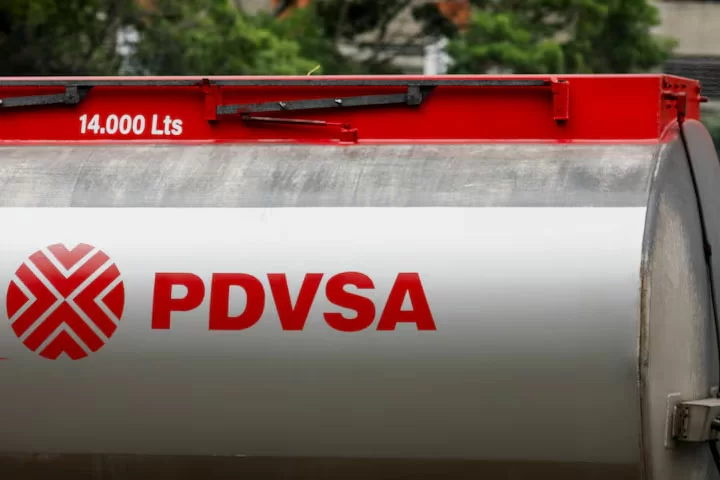
    Venezuela’s state-owned oil company PDVSA has initiated an emergency strategy of using tankers as floating storage units in its territorial waters following a series of crude oil seizures by United States authorities. According to internal company documents and shipping data, this unprecedented measure comes as direct response to US Coast Guard interceptions of Venezuelan oil shipments in the Caribbean Sea.

    This month witnessed the seizure of two fully-loaded crude carriers, the Skipper and Centuries, with a third empty vessel currently being monitored approaching Venezuelan waters. These developments are part of Washington’s intensified enforcement actions against what it terms a ‘shadow fleet’ transporting sanctioned oil. Former President Donald Trump’s administration had announced a comprehensive blockade against all vessels falling under US sanctions, creating significant deterrence among shipowners and leaving more than a dozen oil tankers stranded within Venezuelan maritime boundaries.

    With PDVSA maintaining daily production of approximately 1.1 million barrels, storage facilities on land are rapidly approaching capacity—particularly at the Jose terminal which handles heavy crude from the Orinoco belt, Venezuela’s primary oil-producing region. To avoid production cuts, the company began emergency transfer operations over the weekend, pumping surplus oil onto vessels now serving as temporary storage solutions.

    Interestingly, Chevron—PDVSA’s joint venture partner—has maintained uninterrupted export operations despite the escalating situation. The US oil major continues to produce roughly one quarter of Orinoco basin output, while PDVSA handles the remaining three quarters, primarily destined for Chinese markets. China has emerged as the destination for approximately 80% of Venezuela’s oil exports this year.

    Storage levels at the Jose terminal had previously declined from a peak of 14 million barrels earlier this year to between 9-11 million barrels since September. Current figures show inventories have rebounded to 12.6 million barrels, bringing Venezuela’s total oil stockpile to 22 million barrels—the highest level since August.

    PDVSA faces mounting challenges in convincing customers to continue accepting deliveries after this weekend’s additional US seizures. The floating storage solution has become necessary while the company negotiates price reductions and contract modifications with reluctant buyers, some of whom are considering returning shipments to Venezuelan terminals.

    Last week, PDVSA contemplated declaring force majeure for certain exports but ultimately decided against the measure to avoid disrupting ongoing client negotiations. The legal concept of force majeure would allow the seller to be released from delivery obligations under extraordinary circumstances.

    In a televised address, President Nicolás Maduro emphasized that oil exports to Chevron would continue ‘rain, thunder or lightning’ despite pressure from Washington. ‘We are serious and honest people who honor our contracts,’ Maduro declared. Chevron confirmed its Venezuelan operations continue unchanged and in compliance with applicable laws and regulations.

    In a significant legislative development, Venezuela’s Maduro-controlled parliament passed a law imposing prison sentences of up to 20 years for anyone promoting or financing piracy or blockades of oil exports, signaling Caracas’s determination to counter US sanctions through legal means.

  • U.S. Embassy in the Dominican Republic closed for Christmas holiday

    U.S. Embassy in the Dominican Republic closed for Christmas holiday

    SANTO DOMINGO – The United States Embassy and its consular offices in the Dominican Republic will suspend regular operations from December 24 to 26, 2025, encompassing facilities in Santo Domingo, Punta Cana, and Puerto Plata. This temporary closure aligns with a U.S. federal executive order mandating the shutdown of all federal executive branch agencies during this period, which includes the federally recognized Christmas holiday on December 25.

    In an official communication disseminated via its social media platforms, the embassy confirmed that individuals with pre-scheduled appointments for consular services—including visa processing, passport applications, and notarial acts—will receive direct notifications regarding the rescheduling of their sessions. Standard operational services are projected to recommence at 7:00 a.m. on Monday, December 29, 2025.

    Crucially, the diplomatic mission emphasized that emergency services for American citizens will remain uninterrupted throughout the closure interval. The embassy affirmed its commitment to providing urgent assistance in critical scenarios involving arrests, severe health emergencies, fatalities, or missing persons reports, ensuring continuous support for U.S. nationals in distress.

  • FLASH : 1,000% increase in cases of sexual violence

    FLASH : 1,000% increase in cases of sexual violence

    The Inter-American Commission on Human Rights (IACHR) has issued an urgent warning regarding the dramatic escalation of sexual violence against women and minors in Haiti, describing the situation as critically worsening. As the principal autonomous body of the Organization of American States (OAS), the Commission emphasizes that the Haitian state must immediately reinforce protective measures for victims with support from international partners to curb further human rights abuses.

    United Nations agencies documented a staggering 1,000% increase in sexual violence cases between 2023 and 2024. Gang rape has evolved into a pervasive tactic, with reporting indicating both decreased ages of perpetrators and victims. Despite widespread underreporting due to fears of retaliation, at least 1,000 rapes—including gang rapes and sexual slavery—were officially recorded in the first half of 2025, primarily in regions dominated by armed groups.

    Systemic failures in Haiti’s security and judicial infrastructure have left victims without access to comprehensive care, protection, or legal recourse. This institutional breakdown fosters a culture of impunity and erodes the rule of law, perpetuating cycles of gender-based violence. Compounding the crisis, over 1.4 million people are internally displaced, more than half being children. Temporary shelters, while established, remain overcrowded and critically under-resourced, failing to safeguard women and girls from continued assault.

    The IACHR is calling for immediate international collaboration with Haitian authorities to implement robust prevention strategies, ensure accessible health services, and provide legal aid to victims. The Commission specifically highlights the necessity of establishing secure reporting channels to facilitate investigations and dismantle the entrenched impunity surrounding these crimes.

  • FLASH : The Haitian Coast Guard repels a major armed attack at sea

    FLASH : The Haitian Coast Guard repels a major armed attack at sea

    In a dramatic maritime confrontation, Haitian security forces successfully repelled a significant armed assault on commercial shipping near Port-au-Prince on December 23, 2025. The incident unfolded when a Coast Guard patrol vessel, providing security for a convoy of 13 merchant sailboats en route to La Gonâve Island, came under coordinated attack from five hostile watercraft manned by heavily armed combatants in the Gressier sector.

    Responding to the intensity of the assault, Haitian authorities immediately deployed additional naval assets including REMBO-class patrol boats as reinforcement. The ensuing engagement evolved into sustained combat operations lasting several hours as Coast Guard units battled the determined assailants.

    The counteroperation yielded significant tactical successes for government forces. Naval personnel neutralized one terrorist vessel through destruction and captured another intact. Multiple attackers were eliminated during the exchange of fire, though official casualty counts remain undisclosed.

    Tragically, the conflict claimed the life of one civilian sailor aboard the escorted merchant convoy. No Coast Guard personnel sustained injuries during the extended engagement, according to official statements.

    The decisive military action resulted in the complete restoration of maritime security in the affected zone. Coast Guard vessels maintained protective escort duties throughout the incident, ensuring the safe passage of commercial traffic. Normal maritime commerce has since resumed operations without further disruption.

  • Boek: Corruptie in Suriname

    Boek: Corruptie in Suriname

    A groundbreaking investigation into Suriname’s governance patterns has traced the roots of contemporary corruption directly to Dutch colonial administration practices. Researcher Nizaar Makdoembaks, in his comprehensive study “Corruption in Suriname,” presents compelling evidence that the nation’s current governance challenges represent an institutional inheritance from its colonial past.

    Through exhaustive archival research conducted in both Netherlands and Surinamese repositories, Makdoembaks documents how colonial governance established patterns of misconduct that persist today. The study reveals that from the earliest days of Dutch rule under Governor Van Aerssen van Sommelsdyck through the mid-20th century (1880-1956), colonial administration was characterized by systemic conflicts of interest, double standards, and self-enrichment practices that would have been unacceptable in the Netherlands itself.

    The colonial system created an institutional culture where norm violations became routine, with social position determining sanction risks rather than the severity of offenses. Lower-level officials faced severe punishment for minor infractions—sometimes culminating in tragic suicides—while influential figures enjoyed protection and even rewards for significant malfeasance. This established a fundamental inequality in law application that became embedded in Suriname’s governance DNA.

    Makdoembaks, a former physician and author of twenty studies on former Dutch colonies, demonstrates how these colonial-era practices created the administrative culture that independent Suriname inherited. While acknowledging that new autonomous forms of corruption emerged post-independence, the research establishes that these cannot be understood separately from their colonial foundations. The book provides detailed documentation of diverse corruption manifestations, showing how colonial governance established patterns of cronyism and misconduct that continue to influence Surinamese politics today.

  • Azerbaijan and Cuba discuss cooperation in the health sector

    Azerbaijan and Cuba discuss cooperation in the health sector

    In a significant diplomatic engagement, officials from Azerbaijan and Cuba have reaffirmed their commitment to strengthening bilateral relations, with particular emphasis on their successful cooperation in the health sector. The discussions, led by Cuban representatives, highlighted the substantial progress in mutual collaboration across multiple domains.

    The pivotal role of health sector cooperation emerged as a cornerstone of this international partnership. Notably, the deployment of Cuban medical specialists to Azerbaijan in 2020 during the COVID-19 pandemic was recognized as a decisive factor in enhancing bilateral relations. This timely assistance not only supported Azerbaijan’s pandemic response efforts but also established a foundation for continued partnership in public health initiatives.

    Further solidifying this health alliance, both nations emphasized the importance of the ‘Memorandum of Understanding between the Ministry of Health of the Republic of Azerbaijan and the Ministry of Public Health of the Republic of Cuba’ signed in 2023. This agreement, formalized during a Cuban Health Ministry delegation’s visit to Baku, creates a structured framework for advancing cooperation in medical science development and implementing joint health programs.

    Diplomatic sources indicate that this memorandum serves as a strategic instrument for enhancing collaborative efforts in healthcare innovation and scientific exchange between the two nations. Beyond health-related matters, the meeting facilitated productive discussions on various subjects of mutual interest, demonstrating the expanding scope of Azerbaijan-Cuba relations and their shared commitment to international cooperation.

  • Guyana onderschept kwik vermoedelijk gesmokkeld uit Suriname

    Guyana onderschept kwik vermoedelijk gesmokkeld uit Suriname

    In a significant environmental enforcement operation, Guyana’s Customs Anti-Narcotics Unit (CANU) has intercepted a substantial mercury shipment valued at approximately GY$18 million (US$86,000) near Crabwood Creek along the Corantijn River in Berbice. Authorities strongly suspect the hazardous material originated from Suriname before being illegally trafficked across the border into Guyana.

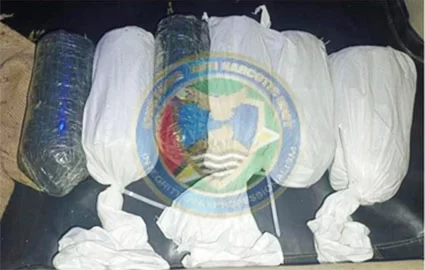
    The discovery occurred during a routine vehicle inspection conducted by CANU operatives, according to reports from Demerara Waves. Subsequent forensic examination revealed multiple packages containing the highly toxic and strictly regulated substance. The driver was immediately taken into custody and transported to CANU headquarters for intensive interrogation as part of the ongoing investigation.

    Environmental experts emphasize mercury’s severe dangers to both human health and ecological systems. The heavy metal can infiltrate ecosystems through atmospheric dispersion, water contamination, soil pollution, and bioaccumulation in fish species, ultimately entering the human food chain. Guyana has implemented sustained efforts to eliminate mercury usage in gold mining operations due to these documented public health and environmental risks.

    Following preliminary valuation procedures, the confiscated mercury has been transferred to Guyana’s Ministry of Natural Resources for specialized handling, processing, and secure destruction protocols. The suspect remains in police custody while cooperating with investigators. CANU officials indicate that additional arrests may follow as the international smuggling investigation progresses.

  • UN reports on complex situation in Gaza

    UN reports on complex situation in Gaza

    The World Health Organization has issued a grave warning through its official channels, expressing profound concern over the systemic collapse of healthcare infrastructure in the Palestinian territories amid continued Israeli military operations. The multilateral body urgently called for enhanced protection of its ground teams and unimpeded access to deliver critical medical assistance.

    Current WHO data reveals that approximately 10,600 critically ill patients have been medically evacuated since the escalation of hostilities, with children comprising more than half of these cases at 5,600. However, the organization emphasizes that numerous patients still require immediate transfer to facilities capable of providing comprehensive medical treatment.

    According to documentation from the Gaza Ministry of Health, a minimum of 1,092 patients perished while awaiting medical evacuation between July 2024 and late November 2025. Health authorities caution that this official figure likely represents a significant undercount of the actual mortality rate due to reporting challenges in conflict-affected areas.

    United Nations spokesperson Stéphane Dujarric recently reported that despite declared ceasefires, persistent accounts of airstrikes, artillery shelling, and small arms fire continue to cause civilian casualties and severely disrupt humanitarian operations. Dujarric further highlighted that extreme shelter shortages have forced numerous families to seek refuge in structurally compromised buildings, many of which have subsequently collapsed under precarious conditions.

    The UN has renewed its diplomatic appeal to Israeli authorities, urging the complete removal of restrictions on humanitarian aid entry, including critically needed construction materials for emergency shelter and infrastructure repair.

  • United Nations recognizes Italy’s support for refugees

    United Nations recognizes Italy’s support for refugees

    In a significant humanitarian operation, Italy has successfully evacuated 122 refugees who arrived in Rome on December 11th, according to a statement released by the UNHCR office in Italy. The evacuees, primarily originating from conflict-ridden nations including Sudan, South Sudan, and Eritrea, represent the latest beneficiaries of Italy’s ongoing refugee resettlement initiatives.

    The statement emphasized Italy’s leadership in executing emergency evacuations from transit countries such as Libya and Niger, providing critical relief to refugees enduring extremely precarious living conditions. This operation forms part of a broader humanitarian framework established through the Humanitarian Corridors project—an initiative conceived and financed by a coalition of Italian religious organizations since 2016.

    This pioneering program specifically targets the most vulnerable refugee populations across multiple regions, facilitating their safe passage from countries including Ethiopia, Lebanon, Pakistan, Türkiye, Libya, Niger, and Iran. Unlike dangerous irregular migration routes, these government-approved corridors provide legal and protected pathways for resettlement.

    UNHCR officials highlighted the growing significance of such programs amid escalating global displacement crises. With increasing numbers of asylum seekers and migrants undertaking perilous journeys worldwide, these coordinated resettlement efforts demonstrate how alternative legal channels can offer vulnerable refugees opportunities for safety and a fresh start in host nations.