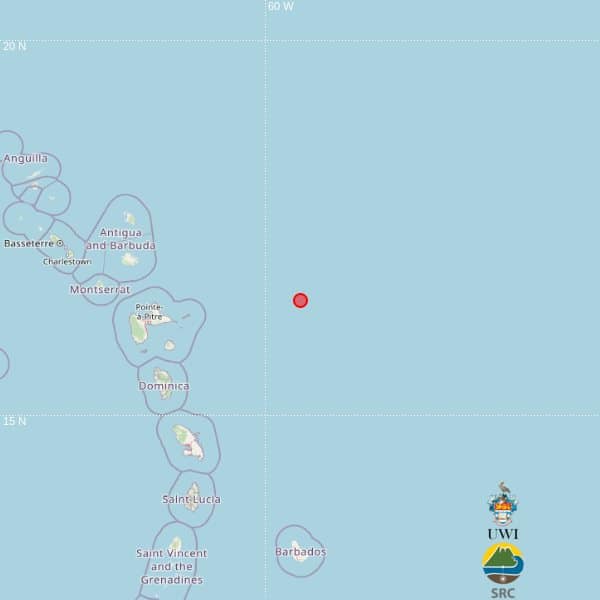
A magnitude 4.0 earthquake was detected early Friday morning east of Antigua and Barbuda, as reported by the UWI Seismic Research Centre (SRC). The seismic event occurred at 2:13 a.m. local time (06:13 UTC) and was recorded at a depth of 10 kilometres. The epicentre was located at coordinates 16.54°N, 59.54°W, approximately 264 kilometres east-southeast of St. John’s, Antigua and Barbuda; 247 kilometres northeast of Roseau, Dominica; and 224 kilometres east of Point-à-Pitre, Guadeloupe. The SRC indicated that the earthquake’s location was automatically generated and could be subject to revision following further analysis. As of now, there have been no reports of damage or injuries resulting from the tremor.
分类: world
-
News : Zapping…
Haiti has officially transitioned to a state of normalcy following the passage of Hurricane Melissa. On November 30, 2025, the Haitian Hydrometeorological Unit (UHM), in collaboration with the General Directorate of Civil Protection (DGPC) and the National Risk and Disaster Management Plan, announced the lifting of the weather alert. This decision, marking a return to green-level conditions, signals the end of the hurricane’s influence on the country’s weather. Minister of National Education Antoine Augustin confirmed the resumption of school activities starting October 31, 2025. Meanwhile, the aftermath of the hurricane continues to unfold. The provisional death toll has risen to 30, with 20 injured and 20 missing, according to Civil Protection. In response, Minister of Economy and Finance Alfred Metellus activated the emergency fund to support recovery efforts, ensuring resources are available for Civil Protection, local communities, and relevant ministries. In other news, a police operation in Tabarre resulted in the deaths of four members of the ‘Kraze Baryè’ gang, led by Vitelhomme Innocent. On a brighter note, Haitian author Yanick Lahens was awarded the 2025 Grand Prize for Fiction by the French Academy for her novel ‘Passagères de nuit’ (Night Passengers), receiving widespread acclaim from the French Embassy in Haiti and the National Library of Haiti. Additionally, Haiti’s U-17 Grenadiers have secured support from 13 sponsors as they prepare for their first match against Egypt in the Qatar 2025 World Cup on November 4.
-
Onderzoek: Cijfers tonen grote instroom Haïtianen, maar weinig werkvergunningen
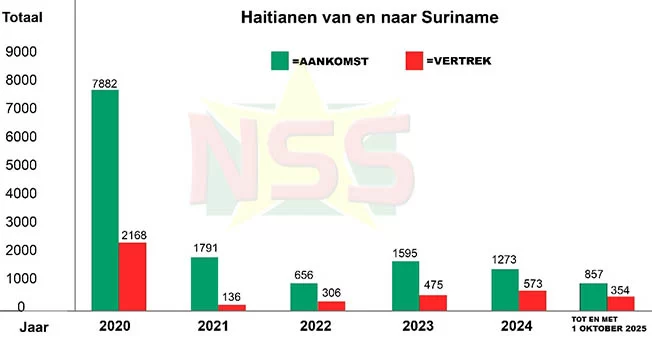
Since 2020, nearly 15,000 Haitians have arrived in Suriname, yet only 108 have applied for work permits by the end of last year, according to data from Suriname’s Immigration Service and Labor Directorate. Over 4,000 Haitians have since left the country, leaving approximately 10,000 undocumented workers or those who crossed borders unnoticed to continue their journey. The reasons for this significant influx remain unclear, and the exact number of Haitians registered with the Foreigners Department of the Ministry of Justice and Police is unknown. Initial promises to release this data were abruptly halted, and requests for information from Minister Harish Monorath were unsuccessful. Former Foreign Minister Albert Ramdin stated in May that there are currently no flights from Haiti and the situation is not alarming, though he acknowledged pressure to admit Haitians. Charter flights operated by Saya Tours & Travel via Fly Allways were suspended due to rumors of human trafficking. Ramdin emphasized that Suriname’s open migration policy made it a transit point, but measures like visa requirements have since been implemented to mitigate the issue. Suriname has maintained its top ranking in the U.S. Trafficking in Persons Report for 2024 and 2025, and Ramdin stressed the importance of maintaining this status. Haitians reportedly pay between $2,700 to $4,000 per person for travel to Suriname, a significant sum in Haiti. Saya Tours denied allegations of profiteering, claiming the flights were primarily to assist the Haitian community. The Haitian consulate in Paramaribo was dismantled in August 2024 over suspected involvement in human trafficking, though staff denied any wrongdoing. Fly Allways director Amichand Jhauw declined to disclose charter flight costs, but sources estimate profits of $116,000 per flight. Saya refuted these claims, citing high administrative costs and political sponsorship as factors in obtaining flight permissions. Despite the suspension of special charters, 857 Haitians entered Suriname in 2025, raising questions about migration enforcement.
-
Arajet assists Dominican government in evacuating citizens from Jamaica after Hurricane Melissa
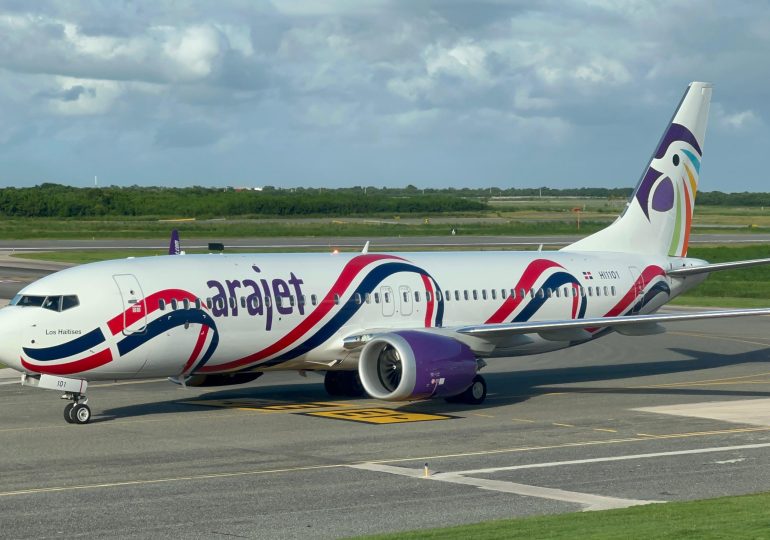
In the wake of Hurricane Melissa’s devastating impact on Jamaica, the Dominican Government has partnered with Arajet Airlines to organize complimentary humanitarian flights aimed at repatriating Dominican citizens stranded by the storm. The initiative underscores a swift and coordinated response to the crisis, prioritizing the safety and well-being of affected individuals. The first flight is set to depart from Kingston on Saturday, November 1, at 11:00 a.m., arriving in Santo Domingo by 1:30 p.m. A second flight is scheduled for Tuesday, ensuring continued support for those in need. Additionally, passengers with existing travel plans to or from Jamaica are permitted to reschedule their trips within a 15-day window without incurring extra charges. To facilitate a smooth and transparent process, the Dominican Embassy in Jamaica will meticulously review each repatriation request. Emergency contact lines have been activated by the Embassy and its Consular Section to provide immediate assistance. Both the Dominican Government and Arajet have reaffirmed their dedication to safeguarding Dominicans abroad, highlighting their collaborative efforts to deliver urgent aid to hurricane victims.
-
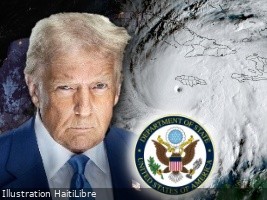
Post-Melissa : President Trump authorized immediate intervention
In the aftermath of Hurricane Melissa, a catastrophic Category 5 storm that struck the Caribbean on October 28, 2025, President Trump has authorized an urgent U.S. intervention to aid affected regions, including Haiti, the Dominican Republic, Jamaica, Cuba, and the Turks and Caicos Islands. The storm caused extensive flooding and destruction, prompting a swift mobilization of resources to address the crisis. Secretary of State Rubio deployed the Disaster Assistance Response Team (DART), comprising urban search and rescue units, to assess needs and provide critical assistance. The State Department is collaborating with UN agencies, NGOs, and local governments to deliver essential supplies such as food, water, medical aid, hygiene kits, and temporary shelters. Financial contributions to reputable relief organizations are encouraged, as cash donations enable the purchase of urgently needed supplies locally, reducing delays and supporting regional economies. Humanitarian organizations are coordinating efforts with local stakeholders to ensure an effective and adaptable response. The Better Business Bureau (BBB) has warned against scams targeting donors and urged vigilance in verifying the legitimacy of relief organizations. U.S. citizens abroad in need of emergency consular assistance are advised to contact the Department of State or their nearest U.S. embassy or consulate.
-

PAHO Sends Lifesaving Medical Aid to Cuba After Melissa
In response to the devastation caused by Hurricane Melissa, the Pan American Health Organization (PAHO) has mobilized a significant shipment of emergency medical supplies to Cuba. The Category Three storm left widespread destruction in its wake, prompting the urgent dispatch of over 2.6 tons of essential resources. The aid package includes vital medications, surgical kits, water purification tablets, tents, and equipment designed to support approximately 5,000 individuals for three months. These supplies were sourced from PAHO’s strategic stockpile in Panama and are slated for distribution to the most severely affected regions once infrastructure, such as roads and communication networks, is restored. Dr. Mario Cruz Peñate, PAHO’s representative in Cuba, emphasized the importance of these resources, stating, ‘These supplies are critical to keeping people healthy and safe.’ PAHO is also preparing a second shipment, which will include mosquito nets, generators, and additional materials aimed at preventing disease outbreaks in the aftermath of the disaster. The organization’s emergency response centers in Washington D.C., Havana, and Barbados are actively coordinating regional efforts to restore health services and safeguard vulnerable communities.
-
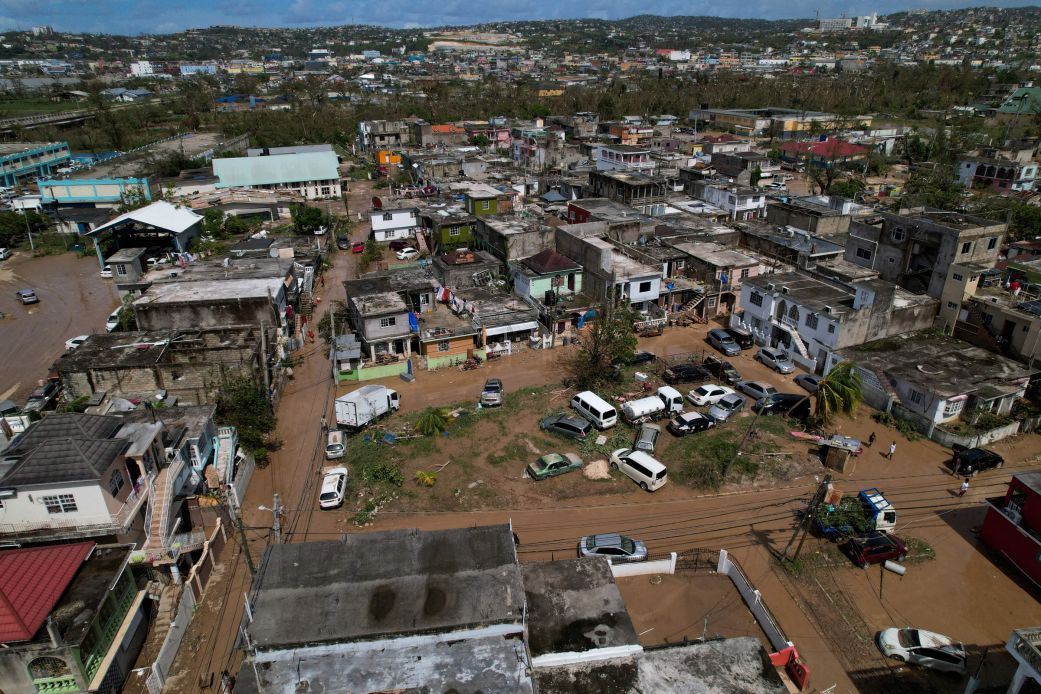
Guyana to provide hurricane relief to Jamaica, Haiti – Pres Ali
In a swift response to the devastation caused by Hurricane Melissa, Guyana has announced a comprehensive relief effort for Jamaica and Haiti. President Irfaan Ali confirmed on Thursday that Guyana is extending support to its Caribbean neighbors, emphasizing solidarity and immediate action. The Category 5 hurricane, one of the most destructive in Jamaica’s history, has claimed between 14 and 19 lives in Jamaica and at least 25 in Haiti, leaving widespread destruction in its wake. President Ali revealed that Guyana’s assistance will include urgent care packages for Guyanese nationals in Jamaica, alongside broader technical and logistical support. A multi-agency team, led by Prime Minister Mark Phillips and including the Civil Defence Commission (CDC), Guyana Defence Force (GDF), Ministry of Health, and private sector partners, is coordinating the relief efforts. Critical supplies such as generators, tarpaulins, and chainsaws are being mobilized for immediate deployment. Jamaica’s infrastructure has been severely impacted, with over 70% of transmission lines damaged and 490,000 residents still without power. Local authorities have reported a significant reduction in shelter occupancy as residents return home, while search and rescue operations continue with the support of 117 soldiers, police, and firefighters. Guyana’s relief mission underscores regional cooperation and the urgency of addressing the humanitarian crisis.
-
Dominican government mobilizes aid for citizens affected by Hurricane Melissa in Jamaica
In response to the aftermath of Hurricane Melissa, the Dominican Republic has swiftly initiated support measures for its citizens residing in Jamaica, particularly in the Montego Bay region. Acting on directives from President Luis Abinader and Foreign Minister Roberto Álvarez, the government has prioritized the safety and welfare of its nationals abroad. The Dominican Embassy in Jamaica, under the leadership of Ambassador Manuel Antonio Durán, conducted a thorough assessment of the situation. While no Dominican citizens were reported injured or killed, the hurricane caused significant property damage and loss of personal belongings due to its intense winds and torrential rains. The Ministry of Foreign Affairs (MIREX) has announced plans to coordinate humanitarian aid delivery in collaboration with the Ministry of Defense. This initiative underscores the Dominican Republic’s foreign policy commitment to safeguarding its citizens overseas. Additionally, the Embassy has pledged to maintain continuous communication with Jamaican authorities, relief organizations, and the Dominican community to ensure their ongoing safety and recovery.
-
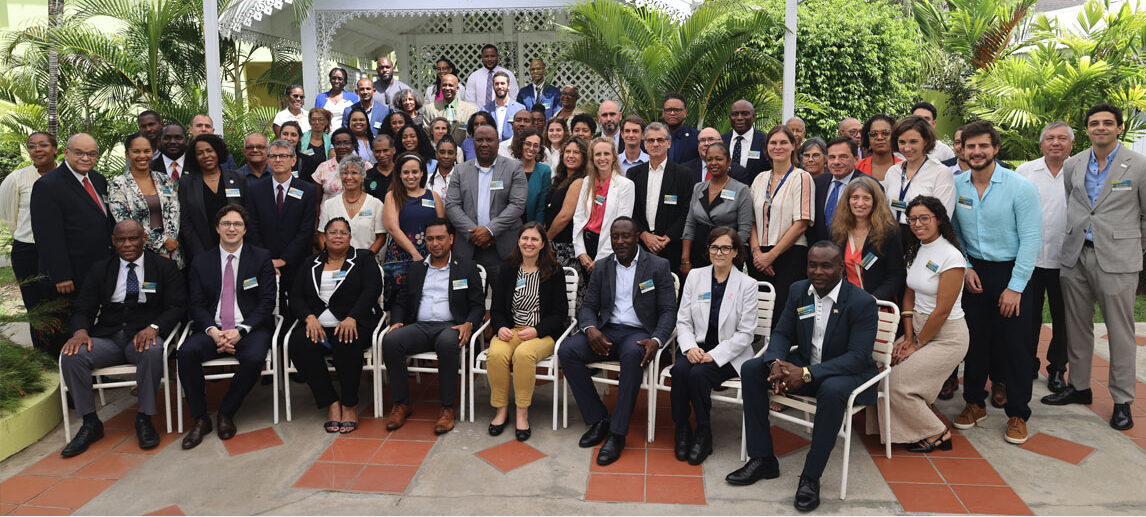
Official kickoff of SARSEA Project
The Caribbean region has taken a significant step forward in addressing the growing sargassum crisis with the official launch of the Sargassum Regional Strategies for Ecosystem-based Actions (SARSEA) project on October 28 in St Lucia. The event, attended by government officials, institutional representatives, and scientists from across the Caribbean, marked the beginning of a coordinated regional effort to mitigate the environmental, economic, and social impacts of sargassum strandings. Funded by France through the Agence française de développement (AFD) and implemented by Expertise France in partnership with the Organisation of Eastern Caribbean States (OECS) Commission, the SARSEA project aims to strengthen regional cooperation, support small island states, and enhance scientific research on sargassum management. The initiative also emphasizes the integration of gender considerations to ensure an inclusive approach. High-level officials, including French Ambassador Marie-Noëlle Duris and OECS Director General Dr. Didacus Jules, expressed their commitment to the project, highlighting the importance of shared knowledge and collaborative efforts. The launch event featured panel discussions, strategy presentations, and the signing of a formal partnership agreement between the OECS and Expertise France. The project’s first collective scientific assessment workshop, led by the French National Research Institute for Sustainable Development (IRD), was also held on October 29. By fostering a network of stakeholders and pooling resources, SARSEA aims to improve preparedness and resilience in the face of sargassum challenges across the Eastern Caribbean.
-
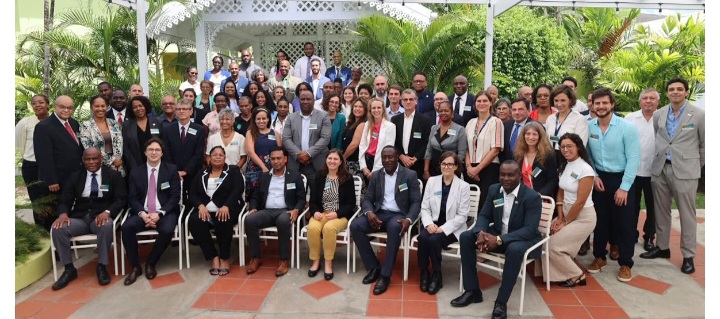
Sargassum project, SARSEA, launched in St Lucia, DA fisheries minister attends
The Caribbean region has taken a significant step toward addressing the growing threat of sargassum seaweed with the official launch of the Sargassum Regional Strategies for Ecosystem-based Actions (SARSEA) initiative on October 28 in Saint Lucia. The event brought together government officials, institutional leaders, and scientific experts from across the region to tackle the environmental, economic, and social challenges posed by sargassum beachings.