
The families of two Trinidad and Tobago fishermen, Chad Joseph and Rishi Samaroo, are anxiously awaiting official confirmation regarding their loved ones’ fate after they were believed to have been killed in a US military strike on October 12. The strike targeted an alleged drug-transporting vessel in international waters. Relatives filed missing person reports on November 1 and 2, following advice from Minister of Homeland Security Roger Alexander. Joseph’s family held a memorial, claiming Venezuelan sources confirmed his presence on the destroyed vessel. Samaroo’s sister, Sallycar Korasingh, appealed to the Prime Minister for assistance, expressing uncertainty about his whereabouts but desperation for answers. Both families faced challenges in filing reports, with police citing jurisdictional issues due to the incident occurring in international waters. Minister of Foreign and Caricom Affairs Sean Sobers stated there was no evidence linking the fishermen to the strike, emphasizing it occurred outside Trinidad and Tobago’s waters. Despite repeated attempts, neither Alexander nor Minister of Defence Wayne Sturge responded to inquiries from Newsday regarding updates or coordination with US authorities.
分类: world
-
Trini UWI students in Jamaica eye return to normalcy
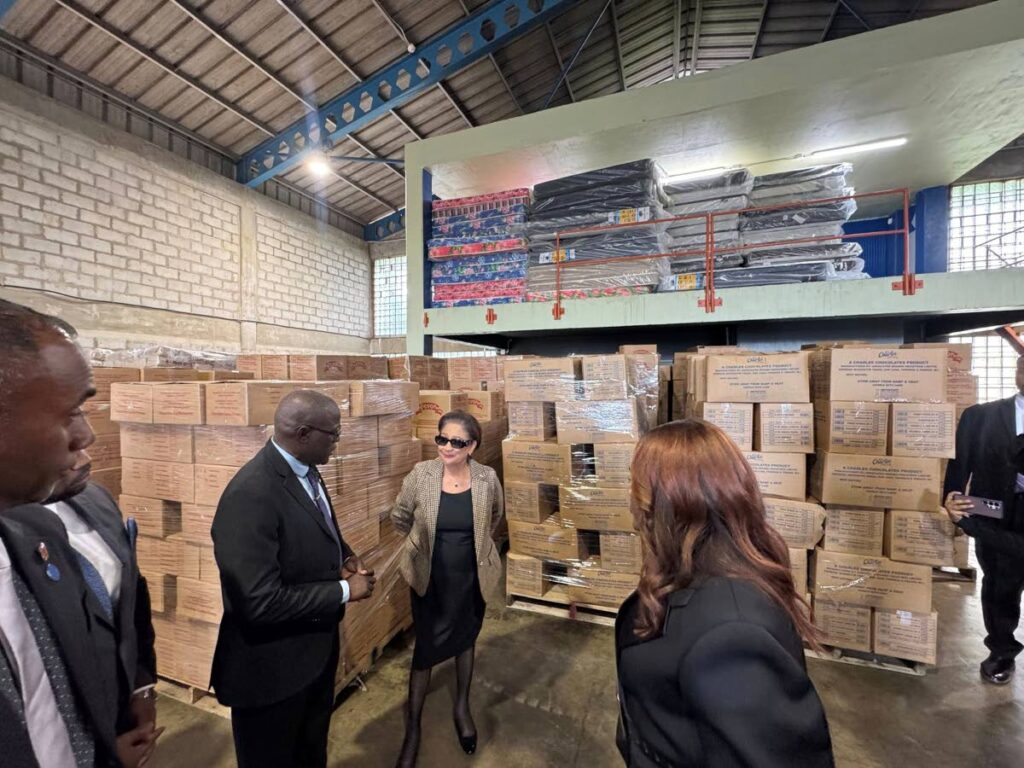
In the aftermath of Hurricane Melissa, which wreaked havoc across Jamaica, Trinidad and Tobago has stepped up its humanitarian efforts to assist those affected. Prime Minister Kamla Persad-Bissessar personally oversaw the preparation and dispatch of the first shipment of relief supplies from the PLIPDECO Warehouse Complex at Point Lisas Industrial Estate. The aid, which includes essential items such as water, toiletries, canned food, pasta, and bread, is part of a broader initiative to support the Caribbean neighbor in its time of need.
-
US Embassy donates hurricane relief supplies to Bahamas Red Cross
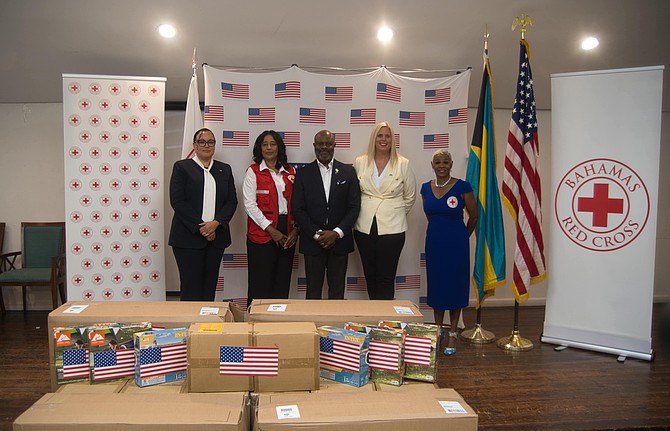
The United States Embassy in Nassau has extended a helping hand to the Bahamas by donating over $30,000 worth of hurricane relief supplies to the Bahamas Red Cross. This contribution aims to assist communities ravaged by Hurricane Melissa. The donation includes essential items such as hygiene kits, bedding, and other non-food necessities, underscoring the US’s unwavering commitment to aiding The Bahamas during times of crisis. US Chargé d’Affaires Kimberly Furnish, who recently visited the affected islands, expressed her deep concern for the residents facing a difficult recovery process. She emphasized that the US stands in solidarity with the Bahamian people and highlighted the enduring partnership between the US Embassy and the Red Cross. ‘The Red Cross exemplifies the spirit of Bahamians helping Bahamians, with the US playing a supportive role,’ Mrs. Furnish remarked. She ceremoniously handed over the supplies to Red Cross President Edison Sumner, who expressed gratitude for the timely assistance. Mr. Sumner noted that early assessments reveal significant damage across central and southeastern islands, and the Red Cross is preparing to distribute supplies to the most affected areas. He also issued a national appeal for further support, extending aid to Jamaica and other storm-impacted nations. Jerusa Ali, Director General at the Ministry of Foreign Affairs, commended the US Embassy for their continued support and collaboration.
-
Caribbean authorities enhance collaborative efforts on climate and land use strategies at gathering in Barbados
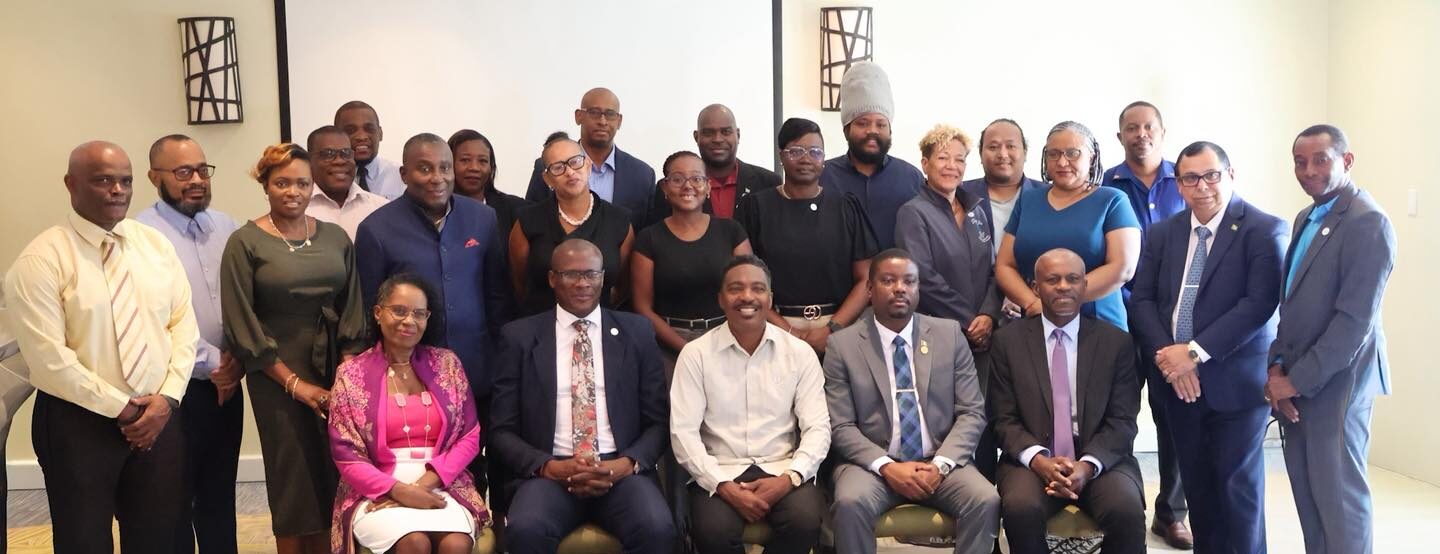
Delegates from twelve Caribbean nations convened in Barbados from October 30 to 31, 2025, to bolster regional efforts in climate resilience and sustainable land management. The summit, organized under the Partnership Initiative for Sustainable Land Management (PISLM), aimed to strengthen collaboration with the Global Environment Facility (GEF) and the Green Climate Fund (GCF). This meeting followed resolutions from the 4th PISLM Ministerial Council held in Grenada earlier in June 2025, which called for a robust regional framework to enhance access to international climate funding. Hon. Adrian Forde, Barbados’s Minister of Environment and National Beautification and PISLM Council Chair, emphasized the Caribbean’s disproportionate vulnerability to climate change despite its minimal contribution to global emissions. He advocated for “concessional, rapid, and predictable finance” as both a necessity and a right for the region. Forde also expressed solidarity with Jamaica, acknowledging the challenges it faces and the potential policy hurdles in addressing climate-related issues. Dr. Ronen Francis, PISLM Executive Director, highlighted the organization’s commitment to restoring degraded lands, improving ecosystem services, and enhancing community livelihoods. He stressed the importance of collaboration among governments, development partners, and local communities to achieve sustainable land management and drought resilience. The conference also showcased progress in various GEF-funded projects, including the SOILCARE initiative, Integrated Landscape Management in Carriacou, and the Caribbean Drought Initiative. PISLM reaffirmed its role in translating global environmental commitments into actionable local strategies, ensuring a sustainable and resilient future for the Caribbean.
-
Cuba Ambassador: Aid will continue despite hardships after Melissa
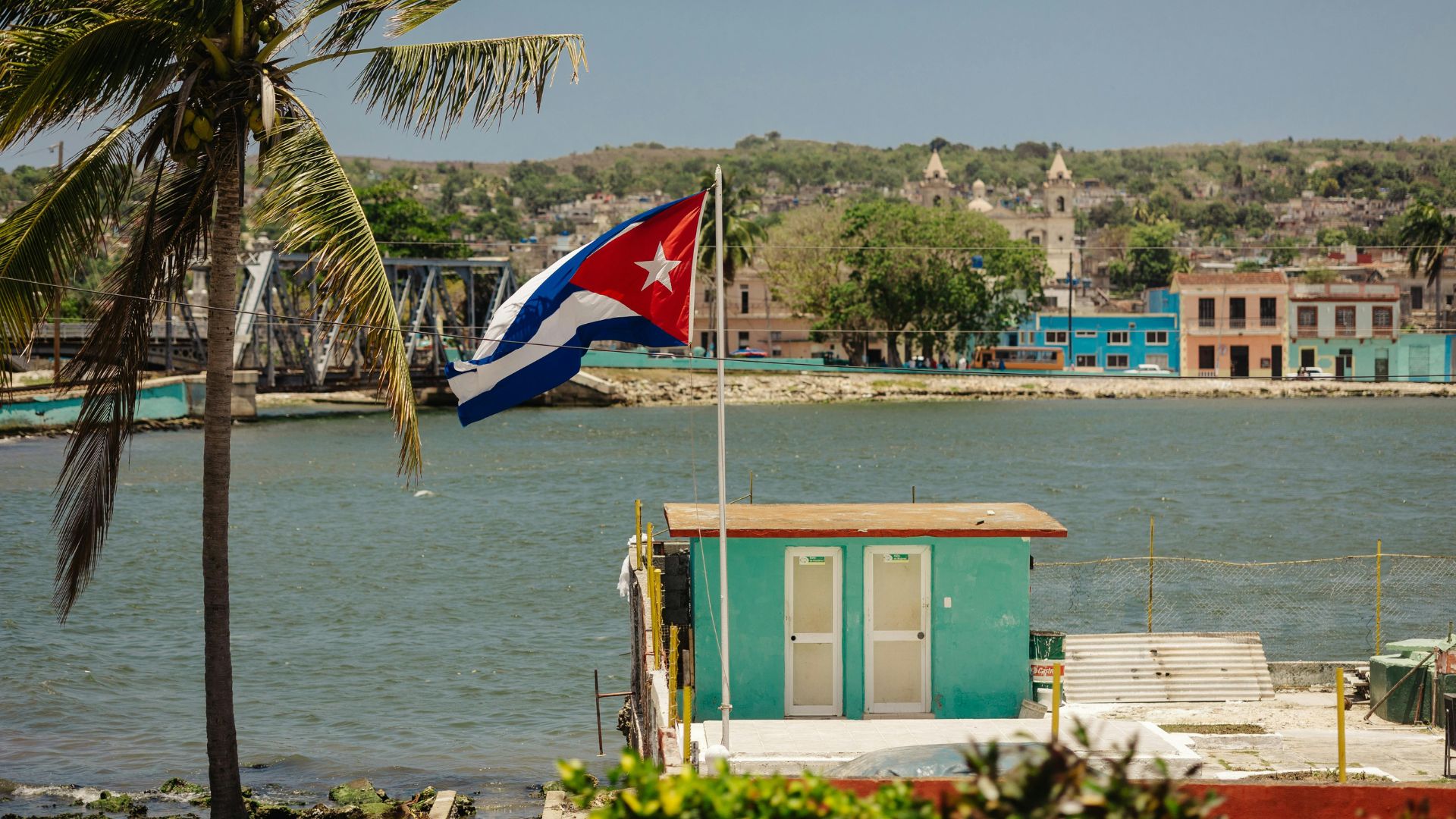
Cuba’s Ambassador to Saint Lucia, Yenielys Vilma Regueiferos Linares, has acknowledged the difficulties faced by Saint Lucian students in Cuba following the devastation wrought by Hurricane Melissa. Despite the country’s economic hardships, Cuba remains committed to its aid initiatives in the region. The hurricane, which struck Cuba as a Category 3 storm on October 26, caused widespread destruction, power outages, and the evacuation of approximately 730,000 people. Linares assured concerned parents that Cuban authorities were taking all necessary measures to ensure the safety of students, though the ongoing blackouts have heightened anxieties. She emphasized that recovery efforts are underway across the affected provinces. Linares attributed the slow recovery to the longstanding US economic embargo, which has severely limited Cuba’s access to resources and foreign investment. She also highlighted the recent tightening of economic restrictions under the current US administration. Despite these challenges, Cuba continues to strengthen its diplomatic ties and maintain its medical and sports programs in Saint Lucia. Norberto Ramos González, Director of Cuba’s Medical Brigade in Saint Lucia, noted the embargo’s adverse impact on healthcare, including shortages of medical supplies and medicines. Ambassador Linares expressed pride in Cuba’s achievements in education, health, and culture despite the embargo, envisioning even greater progress without such constraints. Cuba remains dedicated to offering educational opportunities and sustaining its medical brigades in over 56 countries worldwide.
-

STATEMENT: IOM Dominica congratulates the nation on 47 years of progress and purpose
As Dominica commemorates its 47th Independence Anniversary under the theme “47 Years of Progress and Purpose,” the International Organization for Migration (IOM) has extended heartfelt congratulations to the nation’s government and citizens. This milestone offers an opportunity to reflect on Dominica’s journey since gaining independence—a path marked by courage, unity, and an unwavering commitment to building a resilient future. The theme not only honors the achievements of the past 47 years but also calls on all Dominicans to continue advancing with a clear sense of purpose, ensuring that progress benefits everyone, both at home and abroad.
Though not a native Dominican, I have had the privilege of witnessing the nation’s remarkable strength and spirit firsthand. The people of Dominica exemplify resilience, rebuilding after natural disasters, finding opportunities in adversity, and fostering a vibrant, creative, and proud culture.
At the IOM, we believe that purpose-driven progress must be inclusive and sustainable. In Dominica, the organization collaborates with the government, local communities, and partners to enhance resilience and support national priorities. Key areas of focus include disaster preparedness and response, livelihood recovery, climate resilience initiatives, and assistance for migrants and vulnerable populations.
Migration, when managed with dignity and foresight, can serve as a powerful catalyst for national development. It empowers families, connects communities, and contributes to social and economic advancement. The IOM’s mission in Dominica aligns closely with the nation’s vision of a future where no one is left behind.
As Dominica celebrates this significant anniversary, the theme serves as a reminder that progress without purpose is incomplete. The spirit of unity, courage, and compassion that has guided the nation through the past decades will continue to illuminate the path forward.
On behalf of IOM Dominica, I extend sincere congratulations to the government and people of Dominica. May this Independence Day not only celebrate how far the nation has come but also inspire a future guided by purpose, creativity, and the collective strength of its people. Happy Independence, Dominica!
-

Dominica has made consistent efforts towards development – CARICOM SG says on country’s Independence Anniversary
The Caribbean Community (CARICOM) has lauded Dominica for its unwavering commitment to regional integration and sustainable development. In a congratulatory message marking the Commonwealth of Dominica’s Forty-Seventh Anniversary of Independence, CARICOM Secretary-General Dr. Carla Barnett commended the nation’s progress and leadership in advancing the regional integration movement. Dr. Barnett highlighted Dominica’s pivotal role in implementing full freedom of movement across CARICOM by 1 October 2025, describing it as a historic milestone in achieving collective integration goals. The message underscored Dominica’s dedication to its development objectives, encapsulated in this year’s theme, “47 Years of Progress and Purpose.” Dr. Barnett extended best wishes for continued peace, prosperity, and progress to the government and people of Dominica. CARICOM, established in 1973, continues to champion economic integration, foreign policy coordination, human and social development, and security cooperation among its fifteen Member States and six Associate Members. Dominica’s efforts exemplify CARICOM’s mission to create a unified, resilient, and globally competitive community.
-
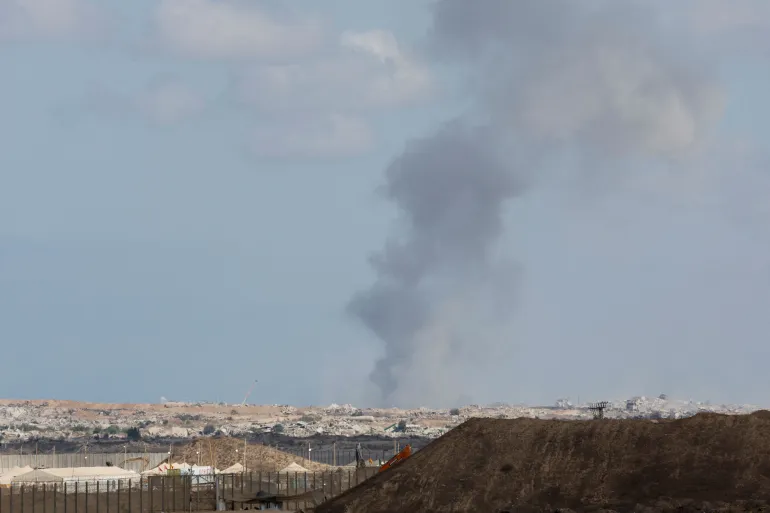
Israeli military kills two in new Gaza attack despite ‘resuming’ ceasefire
Israel’s military has launched another deadly attack in northern Gaza, further destabilizing an already fragile ceasefire. The aerial strike on October 29 in Beit Lahiya claimed at least two lives, according to al-Shifa Hospital. Israeli authorities justified the attack by stating it targeted a weapons storage site posing an ‘immediate threat’ to its troops. This incident follows a wave of intense bombardment on October 28, the most severe since the ceasefire began on October 10. The violence escalated after the reported killing of an Israeli soldier in Rafah, southern Gaza, prompting Prime Minister Benjamin Netanyahu to order ‘powerful’ retaliatory strikes. These attacks resulted in 104 fatalities, predominantly women and children, according to Gaza’s Health Ministry. Israel claimed the strikes eliminated senior Hamas fighters and later announced a resumption of the ceasefire by mid-Wednesday. Despite the renewed violence, U.S. President Donald Trump asserted the ceasefire ‘is not in jeopardy.’ Meanwhile, Qatar, a key regional mediator, expressed frustration but remains committed to advancing the truce, including efforts towards Hamas’s disarmament.
-
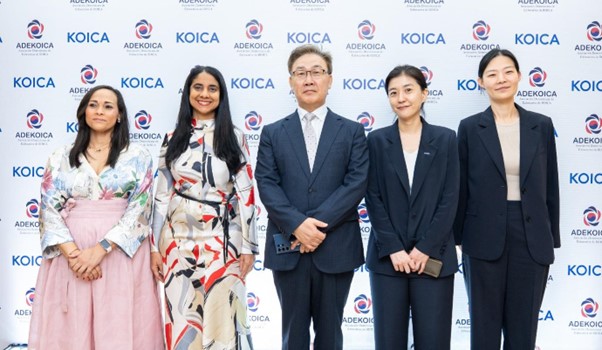
Adekoica strengthens Dominican-Korean cooperation
The Dominican Association of Former Koica Scholarship Recipients (Adekoica) has solidified its position as a vital conduit for cooperation between the Dominican Republic and South Korea. This was underscored during its annual meeting on October 30, 2025, which was supported by the Korea International Cooperation Agency (KOICA) and the Korean Embassy. The event brought together government officials, diplomats, and members of the Korean community to commemorate 62 years of diplomatic relations between the two nations. The gathering emphasized significant strides in bilateral collaboration, particularly in sustainable development, gender equality, digital transformation, and institutional strengthening. Korean Ambassador H.E. Sang Ryul Lee highlighted the critical role of technological and cultural exchange in fostering mutual growth and understanding. Adekoica, which now boasts over 760 Dominican officials—including 51 new alumni trained in 2025—continues to broaden its network and influence. President Addys Then showcased the association’s 2025 accomplishments, which included initiatives to combat gender-based violence, environmental reforestation in Villa Altagracia, cultural and educational workshops, and capacity-building programs with Dominican government institutions. Since 2014, Koica has invested approximately US$3.9 million in training Dominican public officials, further cementing the robust and dynamic partnership between the two countries.
-
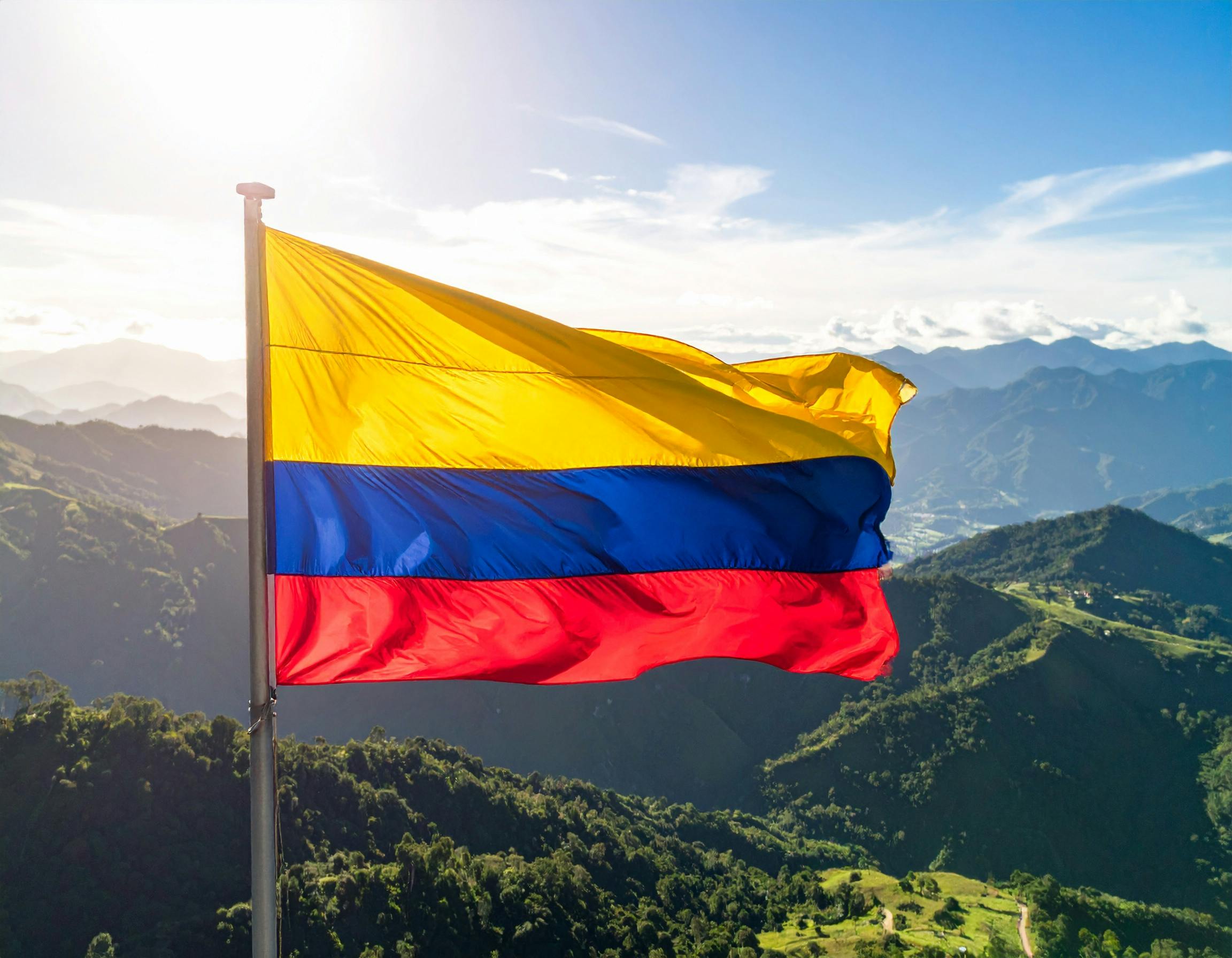
Dominican diaspora praises consulate’s work in Bogotá
Dominican expatriates in Colombia have lauded the exceptional diplomatic efforts of César Santiago Rutinel Domínguez, the Dominican consul in Bogotá, for his pivotal role in enhancing trade and cultural ties between the two nations. Community members emphasized Rutinel’s significant contributions to bolstering institutional relations, improving the trade balance, and creating economic opportunities that have positively impacted thousands of Dominicans in Colombia. Among the beneficiaries is entrepreneur Alexander Martínez, whose business has flourished due to increased commercial activity, and Javier Durán, a long-standing figure in the shipping industry. Vice-consul Dr. Carlos Amín Báez Rondón highlighted Colombia’s appeal to Dominicans, noting that over 400,000 Dominican visitors traveled to Colombia last year. He credited this surge to Colombia’s vibrant culture, educational prospects, and thriving tourism and business sectors. These insights were shared during a recent tour of Bogotá alongside journalist Oliver Peña.