
A significant international drug trafficking operation was disrupted by the United States Coast Guard, leading to federal charges against a Jamaican national. Rudalph Hylton, 33, appeared in a Florida federal court on Monday following the interception of a vessel carrying narcotics with an estimated street value in the millions.
分类: world
-
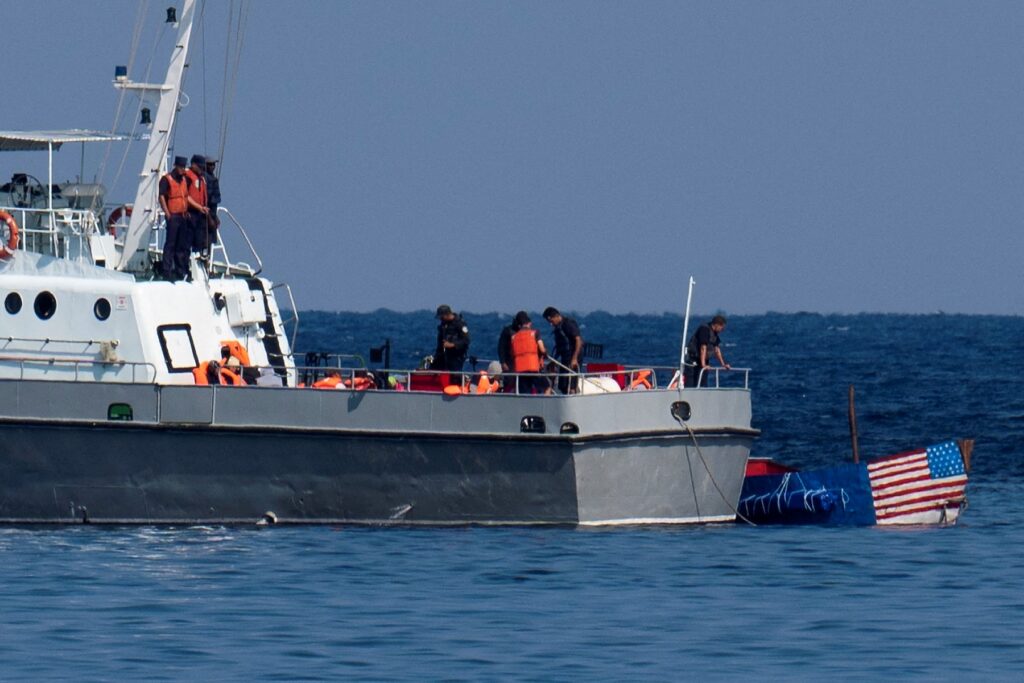
Cuba coastguard kills four on Florida-registered boat
A deadly maritime confrontation has intensified the strained relations between the United States and Cuba. Cuban authorities reported that their coastguard personnel engaged in a firefight with a US-registered speedboat on Wednesday, resulting in four fatalities and six injuries.
According to an official statement from Havana’s Interior Ministry, the incident occurred approximately one nautical mile from Falcones Cay in Villa Clara province. The ministry identified the vessel as an ‘illegal’ Florida-registered boat that had entered Cuban territorial waters.
The confrontation escalated when Cuban coastguard vessels approached the speedboat for identification purposes. ‘Shots were fired from the boat,’ the ministry stated, resulting in injuries to the commander of the Cuban vessel. The coastguard returned fire in what the ministry described as a defensive response.
Preliminary reports indicate four individuals aboard the speedboat were killed during the exchange, with six others sustaining injuries. Cuban authorities confirmed that the wounded received immediate medical evacuation and assistance. The Interior Ministry reaffirmed Cuba’s commitment to ‘protecting its territorial waters’ against unauthorized incursions.
This maritime incident occurs against a backdrop of significantly heightened tensions between the two nations, separated by just 100 miles of ocean. The clash coincides with recent developments in US policy toward Cuba’s energy supplies. The Biden administration has recently softened the stringent oil embargo imposed by former President Donald Trump in January, which had targeted Cuba’s primary energy relationship with Venezuela.
Prior to the US-led capture of Venezuelan leader Nicolas Maduro on January 3rd, Cuba had depended on Venezuela for approximately half of its fuel requirements. The Trump administration’s restrictions had drawn criticism from Caribbean leaders who expressed concern about potential economic collapse in Cuba. In response to these concerns, Washington has now permitted limited Venezuelan oil shipments to Cuba for ‘commercial and humanitarian purposes.’
The circumstances surrounding the speedboat’s mission and the events leading to the exchange of fire remain under investigation by Cuban authorities.
-
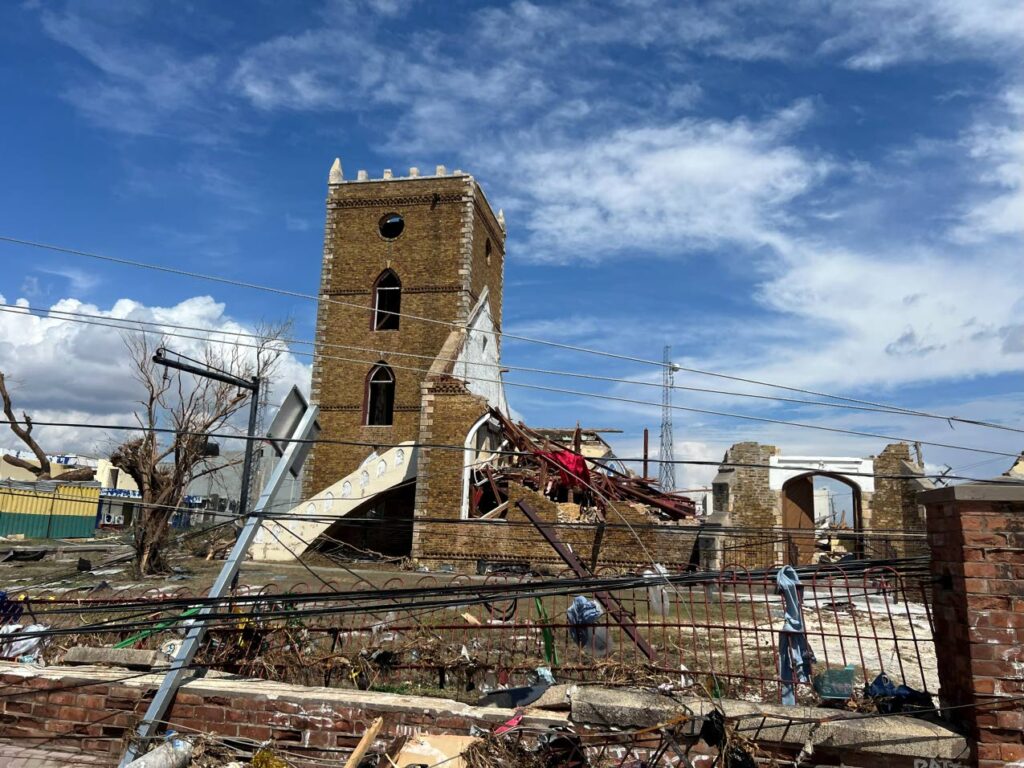
Hurricane Melissa now tied for strongest Atlantic hurricane following new report
A conclusive analysis from the U.S. National Hurricane Center (NHC) has officially elevated Hurricane Melissa to a historic and devastating status. The final report confirms that the cyclone’s maximum sustained winds reached an extraordinary 190 mph, a figure that places it in a dead heat with 1980’s Hurricane Allen for the most powerful Atlantic hurricane ever recorded by wind speed.
The significant revision, moving the estimate from the initial 185 mph, was determined through advanced data collected by reconnaissance aircraft during the storm’s peak intensity over the ocean. While its landfall wind speed upon striking Jamaica on October 28th remains officially recorded at 185 mph, the storm’s ferocity was further underscored by a separate, breathtaking measurement. A specialized dropsonde instrument deployed by the National Center for Atmospheric Research registered a wind gust of 252 mph, establishing a new global benchmark for the highest wind gust ever captured by such technology.
The human cost of this meteorological monster was severe. Hurricane Melissa’s path of destruction across the Caribbean resulted in 95 confirmed fatalities. The island of Jamaica, particularly its western regions, bore the brunt of the impact with 45 deaths and widespread catastrophic damage that rendered entire communities uninhabitable. Neighboring nations also suffered greatly, with Haiti reporting 43 deaths, the Dominican Republic 4, and Cuba 1. This tragic toll echoes the legacy of Hurricane Allen, which, despite not making landfall in the Caribbean, was responsible for over 220 deaths in Haiti alone, highlighting the immense destructive potential of such high-intensity storms even from a distance.
-

Schoener deels gezonken aan kade van Jules Sedney Haven
A commercial schooner experienced significant partial sinking at the Jules Sedney Harbor dock on Tuesday afternoon, triggering an emergency response from maritime authorities. The vessel, which had already completed clearance procedures, suddenly began listing backward and taking on water during cargo transfer operations.
Preliminary investigations indicate the ship was carrying a substantial cargo of cigarettes, with a portion sustaining water damage during the incident. Maritime crews were actively transferring the cargo to another schooner when the vessel started submerging at the stern section. The operation was intended to prevent further damage to the shipment.
Critical findings reveal the schooner had approximately 5,000 liters of fuel onboard at the time of the accident. This additional weight is believed to have contributed to the vessel’s overloading condition, causing the aft section to sink below the waterline. Emergency crews immediately initiated fuel pumping operations to stabilize the situation and ensure safe continuation of recovery efforts.
Harbor authorities and multiple regulatory agencies deployed to the site to monitor the developing situation and coordinate response measures. Official reports confirm no personal injuries occurred during the incident, with all crew members accounted for safely.
The Maritime Authority has announced a comprehensive investigation into the precise circumstances surrounding the accident. Investigators will examine potential negligence and verify compliance with international maritime safety regulations. The probe will particularly focus on loading procedures and weight distribution practices.
As of latest updates, the situation has been fully stabilized with no ongoing environmental concerns. Recovery operations continue under supervised conditions to prevent any secondary incidents.
-
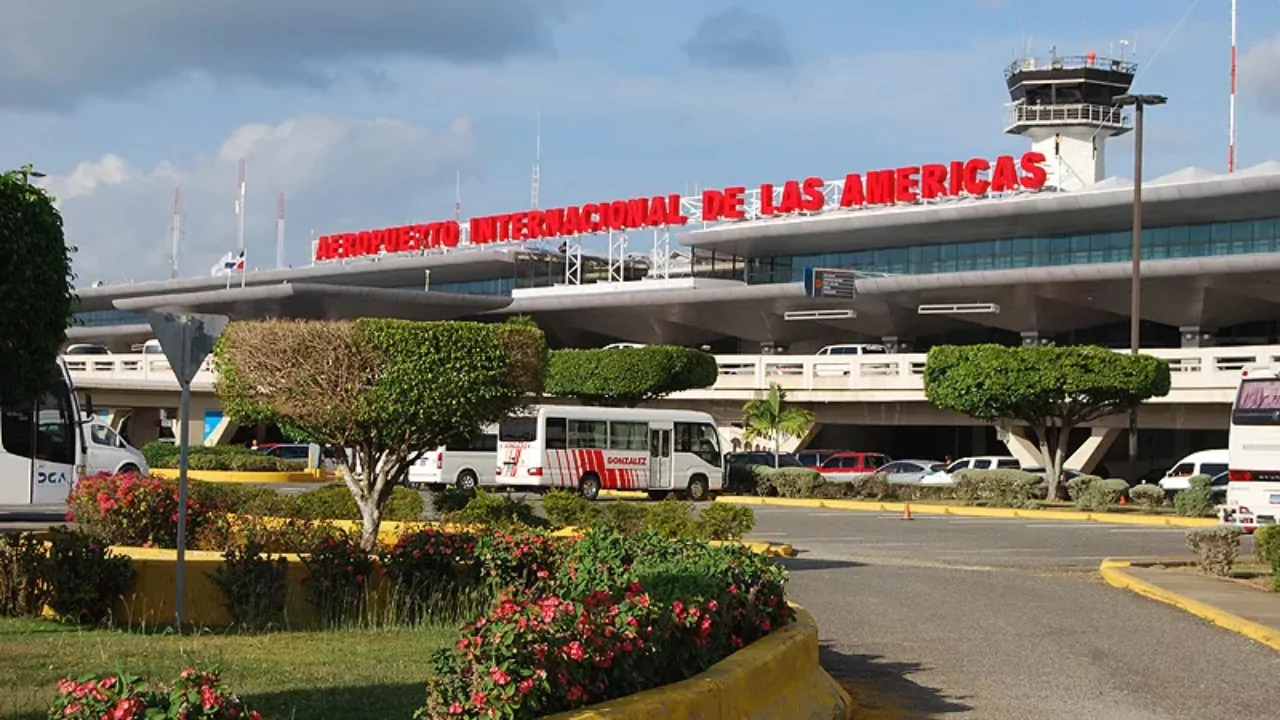
Snowstorm in the U.S. forces cancellation of 15 flights at AILA
Santo Domingo’s Las Américas International Airport experienced significant travel disruption on Tuesday, February 24, as adverse winter conditions across the United States prompted the cancellation of 15 scheduled flights. The severe snowstorm affecting multiple American regions created a ripple effect across airline operations, particularly impacting carriers with extensive US route networks.
JetBlue Airways accounted for more than half of the grounded services with eight cancellations, while other affected operators included Delta Air Lines, Spirit Airlines, and United Airlines. This disruption represents continued travel turmoil as reported by Listín Diario, noting that dozens of flights have been suspended over the preceding 48-hour period due to the relentless winter weather.
The extensive storm system has created substantial operational challenges for airlines, causing widespread scheduling irregularities and passenger inconveniences throughout North American air travel networks. Airport authorities have advised affected travelers to proactively communicate with their respective airlines to obtain real-time information regarding flight status updates, rebooking possibilities, and alternative travel solutions. Airlines have implemented flexible change policies to accommodate passengers impacted by these weather-related disruptions.
-

UN says most gangs in Haiti are involved in child trafficking
A damning United Nations report has revealed that the vast majority of Haiti’s 26 active armed gangs are engaged in the systematic trafficking and exploitation of children. UN Human Rights Office spokesperson Marta Hurtado presented these alarming findings at a Friday press conference, detailing a humanitarian crisis of grave proportions.
The comprehensive UN investigation documents multiple forms of severe exploitation endured by minors coerced into gang activities. While some children perform basic tasks, many are forced into conducting surveillance on security forces, collecting extortion payments, damaging property, and participating in kidnappings, targeted assassinations, and sexual violence.
Although precise numbers remain unavailable due to the clandestine nature of these operations, UN data from 2024 indicates approximately 500,000 minors currently reside in territories controlled by criminal gangs. Hurtado expressed particular concern about how these vulnerable children are frequently perceived as perpetrators rather than victims by law enforcement agencies, with documented instances of minors being summarily executed by police or vigilante groups.
The report identifies poverty, institutional fragility, social marginalization, and pervasive armed violence as primary drivers enabling this exploitation. Gangs typically lure children with promises of power, status, or protection, while others are coerced through violence, threats, or manipulation via food and drugs. Those from extremely impoverished backgrounds, street children, and displaced minors in camps face exceptionally high risks of recruitment.
In response to these findings, the UN Human Rights Office has issued urgent recommendations including enhanced protection for educational institutions, a paradigm shift toward rehabilitation rather than punitive measures for affected minors, and strengthened accountability mechanisms for those orchestrating child trafficking networks.
-

As in the liberating wilderness: Independence or Death!
The Cuban struggle for independence represents a continuous thread of revolutionary spirit spanning over a century, beginning with Carlos Manuel de Céspedes’ initial uprising at La Demajagua sugar mill on October 10, 1868. This foundational act set the stage for José Martí’s organized War of Independence, which formally commenced on February 24, 1895.
The initial Ten Years’ War (1868-1878) concluded without achieving independence through the Pact of Zanjón, prompting Antonio Maceo’s historic Protest of Baraguá. Learning from past divisions, Martí established the Cuban Revolutionary Party in 1892 with the dual purpose of securing Cuba’s freedom and supporting Puerto Rico’s liberation.
Martí envisioned a necessary war that would restore hemispheric balance while establishing a republic dedicated to universal welfare. However, these aspirations were compromised when United States intervention transformed hard-won independence into neocolonial subjugation, epitomized by the Platt Amendment’s imposition on Cuba’s 1901 Constitution.
Despite this setback, revolutionary ideals persisted through generations. Figures like Mella, Villena, Guiteras, and José Antonio kept the emancipatory flame alive, culminating in Fidel Castro’s Centennial Generation and the 1953 Moncada Barracks attack. The ultimate triumph came on January 1, 1959, when bearded rebels from the Sierra Maestra mountains established a sovereign nation.
The date February 24 maintains profound constitutional significance, marking both the 1976 socialist Constitution and the 2019 constitutional ratification. As Commander-in-Chief Fidel Castro noted in 1960, revolutions serve as complex teachers that strengthen national consciousness through struggle.
Today, Cuba continues to draw strength from its revolutionary roots, maintaining unity through the principles articulated by Martí and Castro. The nation persists in its commitment to independence despite contemporary challenges, upholding the cry that first echoed on February 24, 1895.
-
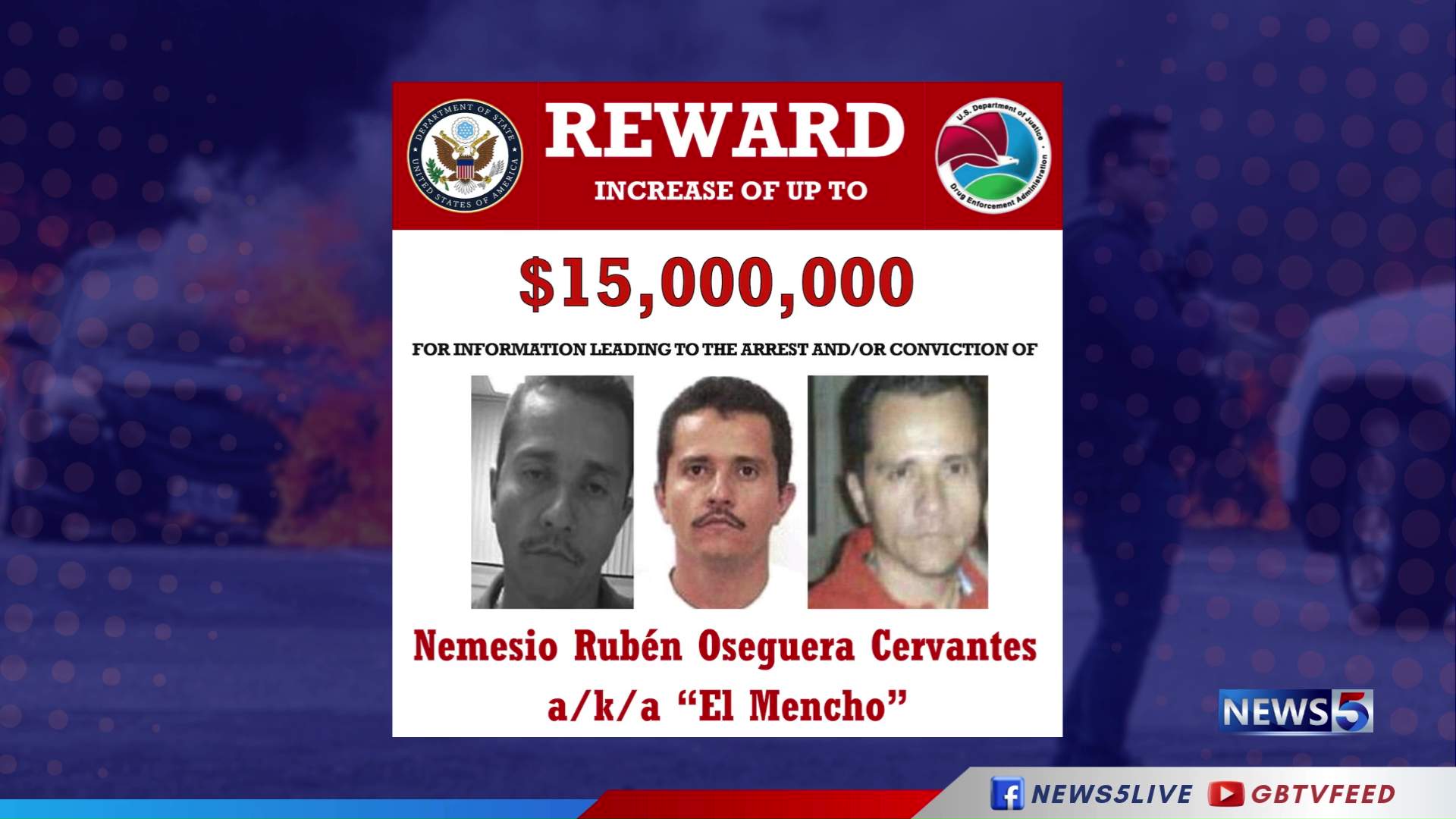
Mexico Struggles to Contain Violent Fallout After El Mencho’s Death
Mexico is confronting a severe security crisis following the death of Nemesio ‘El Mencho’ Oseguera, the notorious leader of the Jalisco New Generation Cartel (CJNG). The government’s attempt to project stability clashes with the reality of widespread violence that has erupted across twenty states since Sunday’s operation.
Authorities have revealed the intricate details of the mission that led to El Mencho’s demise. Special forces tracked the cartel leader to a remote mountain hideout near Tapalpa by surveilling his girlfriend. The subsequent raid triggered an intense firefight with El Mencho’s security detail, who employed high-powered weaponry including rifles, rocket launchers, and grenades. Although initially escaping into the forest, El Mencho was later found wounded and died alongside two bodyguards during medical evacuation by helicopter.
The power vacuum created by his death has sparked coordinated retaliatory attacks, resulting in the deaths of twenty-five National Guard troops. The violence has disrupted daily life, with schools closing, flights suspended from Puerto Vallarta, and security forces flooding Jalisco state. Despite official assurances of normalcy, the government has deployed thousands of additional troops to contain potential power struggles within cartel leadership.
The international ramifications are becoming apparent, with Belize issuing a travel advisory for its citizens in Mexico. Ambassador Oscar Arnold confirmed that while some areas remain relatively calm, travelers should exercise extreme caution on federal highways and avoid unnecessary movement due to potential retaliatory violence from cartel remnants.
-

Security : Kidnapping foiled, 8 dead including 2 police officers
In a dramatic pre-dawn operation on February 23, 2026, Haitian National Police (PNH) successfully intercepted a planned kidnapping in the Delmas 48 district of Port-au-Prince, resulting in eight fatalities including two police officers. The violent confrontation unfolded across multiple neighborhoods as specialized police units engaged armed kidnappers traveling in two SUVs.
According to official reports, the criminal group was preparing to blockade their target’s vehicle using their SUVs when police intervention disrupted their operation. The suspects abandoned their initial plan and fled through the metropolitan area. Two assailants were fatally wounded during pursuit in Delmas 31, while the remaining four were cornered by law enforcement reinforcements in Delmas 17 after deploying multiple specialized units.
The subsequent firefight resulted in the neutralization of all six kidnappers, including identified individuals Dumorin Job and Kenny, alias ‘Kalash,’ who sustained fatal injuries during exchanges of gunfire with police.
Security forces confiscated three vehicles from the operation – a Nissan Patrol, Toyota RAV4, and Canter truck – along with eight firearms comprising four assault rifles, four pistols, and substantial ammunition. Authorities also recovered the intended victim’s Toyota Prado, which had been specifically targeted by the kidnapping group.
The tactical victory came at significant cost to the PNH, with two officers killed in action – one from the elite SWAT Team and another from the Intervention Brigade (BI). Three additional officers sustained injuries and are currently receiving medical treatment.
The Haitian National Police reaffirmed its determination to combat kidnapping networks that continue to paralyze socio-economic activities in the capital. In an official statement, the PNH emphasized its ongoing commitment to nationwide operations aimed at restoring public order and ensuring citizen security.
-

Ambergris Caye International Airport Could Begin Construction in Three Years
After more than ten years of deliberation, Belize’s government has reaffirmed its commitment to constructing a new international airport in northern Ambergris Caye, with development anticipated to commence within the next three to four years.
Andre Perez, Area Representative for Belize Rural South, confirmed to media outlets that the project remains under active consideration and is poised for implementation. The proposed aviation facility would adopt operational models successfully implemented in the Bahamas, streamlining customs and immigration processes to enable arriving passengers to reach their accommodations within minutes of landing.
The airport’s business model includes provisions for private aircraft parking, generating sustained revenue through daily fees. Additionally, the enhanced infrastructure would significantly boost operational efficiency for local airlines. Current flights between San Pedro and Philip Goldson International Airport (PGIA) are limited to approximately 14 passengers per flight. The new, extended runway would accommodate larger ATR aircraft capable of transporting nearly 40 passengers per trip.
Comprehensive development plans encompass supporting infrastructure such as road networks, water distribution systems, sewerage facilities, and lighting installations. Funding has already been secured for the project, which features a runway measuring between 7,000 and 8,000 feet in length. The Inter-American Development Bank (IDB) has reviewed and approved the technical design specifications.
Perez emphatically stated: “It is going to happen, that’s for sure,” signaling the government’s determination to transform this long-discussed project into tangible reality.