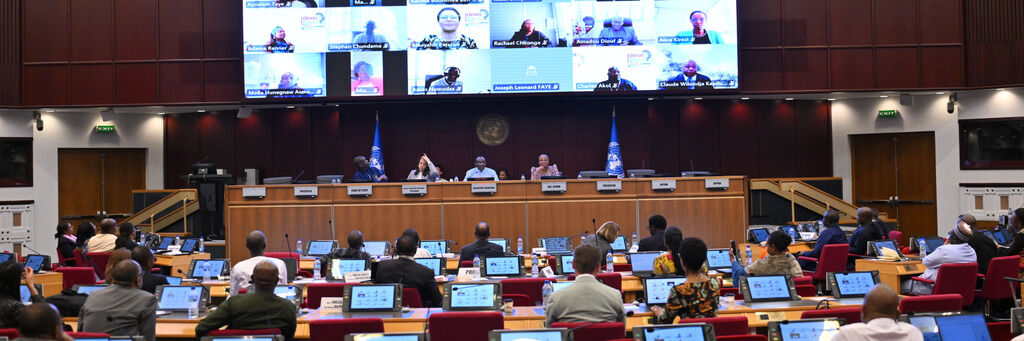
The United Nations Climate Change Conference, COP30, held near the Amazon rainforest in Brazil, began with an unexpected power outage during its opening ceremony. Indigenous participants, accustomed to adapting to challenges, responded by singing, dancing, and offering prayers to maintain the atmosphere, despite the lack of microphones and technical equipment. This incident, while symbolic of resilience, also highlighted broader skepticism about whether the conference, dubbed the ‘Indigenous COP,’ will truly fulfill its promises to center Indigenous communities in climate action. Indigenous peoples, who make up about 5% of the global population, protect over 80% of the world’s remaining biodiversity. Their traditional knowledge and sustainable practices are vital for ecosystem preservation, yet they remain disproportionately affected by climate change due to their vulnerable habitats and reliance on natural resources. Historically marginalized and often excluded from decision-making processes, Indigenous communities face significant barriers to meaningful participation in international climate negotiations. Despite COP30 being framed as a tribute to Amazonian Indigenous peoples, many representatives are still confined to national delegations, limiting their influence on policy outcomes. Practical challenges, such as language barriers, funding shortages, and limited access to housing in Belém, further hinder their involvement. Activists like Thalia Yarina Cachimuel and Edson Krenak emphasize the need for systemic changes to ensure Indigenous voices are heard and respected. While COP30 offers a platform for greater inclusion, the conference’s success will depend on translating promises into actionable policies that directly benefit Indigenous communities.
分类: world
-

Insecurity : 3rd quarter 2025, 1,247 people killed and 710 injured (report)
A recent report from the United Nations Integrated Office in Haiti (BINUH) paints a grim picture of the nation’s escalating security crisis. During the third quarter of 2025, spanning from July 1st to September 30th, gang violence continued to ravage Haiti, resulting in the deaths of at least 1,247 individuals and leaving 710 others injured. Despite some progress in pushing back gangs from certain neighborhoods within the capital, Port-au-Prince, their influence has expanded into rural areas, including the Artibonite and Central departments. The report highlights the indiscriminate nature of these attacks, particularly in Arcahaie, Cabaret, and other strategic locations along key roadways. Additionally, the violence has led to 145 kidnappings for ransom and 400 cases of sexual violence. The ongoing armed conflict has severely disrupted access to basic services, with gang assaults on homes, public infrastructure, and other buildings forcing over 1.4 million people into internal displacement by the end of September. The full report, available in English, provides a comprehensive analysis of the situation and underscores the urgent need for international intervention to address Haiti’s deepening humanitarian crisis.
-

Belize Delivers Aid, Supplies After Hurricane Melissa
In a significant display of regional solidarity, Belize has mobilized substantial aid to assist Jamaica and Cuba in recovering from the catastrophic aftermath of Hurricane Melissa. The government has pledged $200,000 in financial assistance to both nations, which bore the brunt of one of the most destructive storms to traverse the Atlantic this year. The hurricane wreaked havoc, leveling homes, crippling infrastructure, and disrupting essential services, underscoring the disproportionate impact of climate change on small island nations. Beyond monetary support, Belize has dispatched relief supplies, including hygiene products, canned food, and cash aid, to its students studying in Jamaica and Cuba. Officials have emphasized their commitment to monitoring the situation and providing further assistance if required. In a public statement, Belize reaffirmed its unwavering solidarity with Jamaica and Cuba, highlighting the enduring bonds of friendship, cooperation, and mutual support that unite these Caribbean neighbors.
-

Belize Sends US$400K in Hurricane Relief to Jamaica and Cuba
In a significant humanitarian gesture, Belize has committed $400,000 in emergency relief to Jamaica and Cuba, allocating $200,000 to each nation in the aftermath of Hurricane Melissa. The catastrophic Category 5 storm wreaked havoc across the Caribbean in late October 2025, leaving behind a trail of destruction that includes severe flooding, power outages, damaged infrastructure, and the displacement of thousands of families. The hurricane also disrupted essential services such as water systems, healthcare facilities, and transportation networks, further complicating recovery efforts. Hurricane Melissa, which formed during the peak of the 2025 hurricane season, rapidly intensified as it entered the Caribbean, causing estimated losses of $6–7 billion, equivalent to 28–32% of Jamaica’s GDP. Jamaican Prime Minister Andrew Holness described the disaster as both a humanitarian and economic crisis, reigniting calls for climate accountability ahead of COP30. The Belizean government emphasized the disproportionate climate vulnerabilities faced by Caribbean and small island states, underscoring the urgent need for global action. In addition to financial aid, Belize has sent relief packages to its students in Jamaica and Cuba, containing personal hygiene kits, canned food, and emergency cash. Officials have pledged further assistance if required, reaffirming Belize’s solidarity with the affected nations. ‘Our nations remain united by enduring friendship, cooperation, and mutual support,’ the government stated.
-

Guatemala shows disrespect for US condemnation of blockade on Cuba
In a thought-provoking analysis, writer and journalist Juan Antonio Canel highlighted the enduring challenges faced by the United Nations (UN) in fulfilling its founding charter. Article 1 of the charter mandates collective measures to prevent threats to peace and suppress acts of aggression. However, Canel pointed out two critical issues that continue to undermine this mission: the U.S. government’s economic, commercial, and financial blockade of Cuba, and the ongoing genocide in Gaza. Despite widespread international condemnation, these crises persist, raising questions about the UN’s effectiveness. Canel described the blockade against Cuba as inhumane and questioned the legitimacy of such sanctions imposed on a sovereign nation. He emphasized that these measures violate international law, citing the UN General Assembly’s repeated condemnation of the blockade, most recently on October 29, with 165 votes in favor, seven against, and 12 abstentions. Despite overwhelming support for ending the blockade, Canel lamented that no tangible progress has been made, underscoring the UN’s struggle to enforce its own principles.
-

Dominican Republic to host 27th UN General Assembly on Tourism
In a landmark decision, the 26th United Nations General Assembly on Tourism, held in Saudi Arabia, has selected the Dominican Republic as the host nation for the 2027 UNWTO General Assembly. The resolution, passed with the participation of over 160 delegations from member states, underscores the country’s growing influence in global tourism. Dominican Minister of Tourism, David Collado, expressed gratitude for the honor, emphasizing its significance for the nation. On his social media, Collado stated, ‘Hosting the UNWTO’s General Assembly in 2027 is not just an achievement: it is a recognition of a management that transformed the way of tourism in the region.’ He further highlighted the Dominican Republic’s expanding leadership in the global tourism sector. This decision follows Collado’s recent recognition as the Tourism Minister of the Americas by UN Tourism, marking the first time the United Nations agency has bestowed such an honor. The 26th Assembly, which concluded this Tuesday, saw the Dominican Republic represented by Deputy Minister Carlos Peguero, solidifying the nation’s commitment to advancing tourism on the world stage.
-

UN warns of increased gun violence
During a recent Security Council debate, Ebo highlighted the escalating global crisis fueled by the proliferation of small and lightweight weapons. These arms, he emphasized, are not only a catalyst for current conflicts but also a harbinger of future violence. Despite existing regulatory frameworks, significant challenges remain in their effective implementation. Ebo underscored that the unchecked spread of these weapons is both a symptom and a driver of the multifaceted security crises plaguing nations worldwide. The pervasive availability of illicit arms, he warned, necessitates urgent action to mitigate their far-reaching consequences. Ebo also pointed to recent international efforts aimed at addressing this issue, including the 2023 adoption of the Global Framework for the Management of the Life Cycle of Conventional Ordnance. This framework seeks to prevent the diversion of military arsenals and reduce accidents in storage facilities. Additionally, he referenced the Fourth Review Conference of the Programme of Action on Small Arms and Light Weapons, held in 2024, where member states reaffirmed their commitment to combating the illegal manufacture and trafficking of these weapons. The conference also established a group of experts to explore emerging technologies in weapons production. Ebo further revealed alarming statistics, noting that 48,000 civilians lost their lives in 2024 due to armed conflict—a 40% increase from the previous year. Moreover, firearms were implicated in 88% of documented cases of sexual violence in conflict zones between 2022 and 2024.
-

Daesh cell dismantled and weapons confiscated in Syria
In a significant counter-terrorism operation, Syrian Internal Security Forces successfully dismantled an extremist cell in Hama, arresting three of its members and confiscating a substantial arsenal of weapons and ammunition. Osama Zein Al-Din, a senior Internal Security official, confirmed the operation’s success, highlighting the seizure of suicide belts, improvised explosive devices (IEDs), rocket launchers, grenades, and various types of ammunition. Additionally, documents linking the cell to Daesh command structures in central Syria were uncovered. The extremist group was reportedly planning attacks targeting civilians, Syrian Arab Army personnel, and security forces. Zein Al-Din emphasized the critical role of citizen cooperation in the operation’s success and reaffirmed the commitment of the Internal Security Forces to apprehend all remaining members of the terrorist network. This operation underscores the ongoing efforts to combat terrorism and ensure public safety in the region.