November 10, 2025, marked a historic day for Haitian aviation and the city of Les Cayes as IBC Air launched its first commercial flight, directly linking Les Cayes to Miami. The inaugural flight, carrying 30 passengers on a 50-seat aircraft (N29 IBC), signifies a transformative step in providing southern Haiti and the Haitian diaspora with a swift, dependable, and regular air connection to the United States. This achievement underscores the Haitian government’s dedication to enhancing national air transport, modernizing infrastructure, and prioritizing efficient services for its citizens. The initiative aligns with a broader vision of fostering proximity, mobility, and international connectivity, placing the needs of the population at the forefront of public policy. Carmélie Montuma Ismaël, a representative of IBC Airways, highlighted that approximately 20 passengers were prepared to board the flight to Florida. Ticket prices for the round-trip service currently range between $1,300 and $1,500, with plans for adjustments to improve affordability. Flights are scheduled on Mondays, Wednesdays, and Fridays, offering round-trip service between Miami and Les Cayes via Antoine Simon International Airport. This milestone not only symbolizes a new era for Les Cayes but also reflects the Haitian government’s commitment to leveraging air transport as a catalyst for development, prosperity, and regional integration.
分类: world
-

Immigrants with chronic illnesses may face US Visa hurdles
Individuals from Saint Lucia and other nations aiming to relocate to the United States may face visa or green card denials if they suffer from chronic health conditions such as diabetes or heart disease. This new directive, issued by the US State Department, has been disseminated to American embassies and consulates globally. The policy broadens the criteria under which visa applicants are evaluated, extending beyond the traditional focus on financial dependency to include a range of health issues. Conditions like cardiovascular and respiratory diseases, diabetes, cancers, neurological disorders, and obesity are now considered potential indicators that an individual might become a long-term burden on public resources. For Saint Lucia, this policy is particularly impactful given the island’s high prevalence of non-communicable diseases (NCDs). In 2021, the adult diabetes rate was approximately 11.7%, and over 80% of deaths were linked to chronic illnesses such as heart disease, cancer, respiratory complications, and diabetes. Consular officers are now mandated to assess an applicant’s long-term health prospects and potential medical needs. While the policy is expected to most affect those seeking permanent migration, its application to temporary visas for tourism or study remains unclear. This development marks a significant shift towards stricter health-based screening in immigration eligibility determinations.
-

Is COP30 Worth It?
As the world gears up for COP30, set to take place in Belém, Brazil—often referred to as the ‘heart of the Amazon’—the question on everyone’s mind is whether the Conference of the Parties (COP) is still a worthwhile endeavor. Over the past few years, the effectiveness of these annual climate summits has been under intense scrutiny, especially as global temperatures continue to rise, pushing the world further away from the Paris Agreement’s 1.5-degree target.
-

DOMLEC sends five-member team to assist Jamaica in recovery efforts
In a significant show of regional solidarity, Dominica’s sole electricity provider, DOMLEC, has dispatched a five-member team to Jamaica to assist in recovery efforts following the devastation caused by Hurricane Melissa. The team, part of the Caribbean Disaster Assistance Programme (CDAP) under CARILEC, will spend one month in Jamaica, focusing on restoring power and rebuilding infrastructure. The team comprises Julie Paul as Team Leader, along with Earl Matthew, Wilbert Moise, Isaiah Phillip, and Delan John Baptiste, all skilled linemen. DOMLEC expressed its support for the team, wishing them safe travels and success in their mission. This initiative is part of a broader regional response led by the Caribbean Community (CARICOM), which has mobilized resources and agencies such as the Caribbean Disaster Emergency Management Agency (CDEMA), the Caribbean Development Bank (CDB), and the Caribbean Public Health Agency (CARPHA) to aid Jamaica’s recovery. Jamaica’s Prime Minister and CARICOM Chairman, Dr. Andrew Holness, emphasized the importance of regional coordination in rebuilding resilient infrastructure and safeguarding public health. CDEMA’s Executive Director, Elizabeth Riley, highlighted the agency’s ongoing efforts, including multi-sector assessments conducted by the Rapid Needs Assessment Team (RNAT) in collaboration with international organizations like UNICEF and the World Food Programme. These evaluations will inform Jamaica’s comprehensive recovery strategy across critical sectors such as agriculture, health, housing, and tourism.
-

UN expresses concern for millions of displaced people in the world
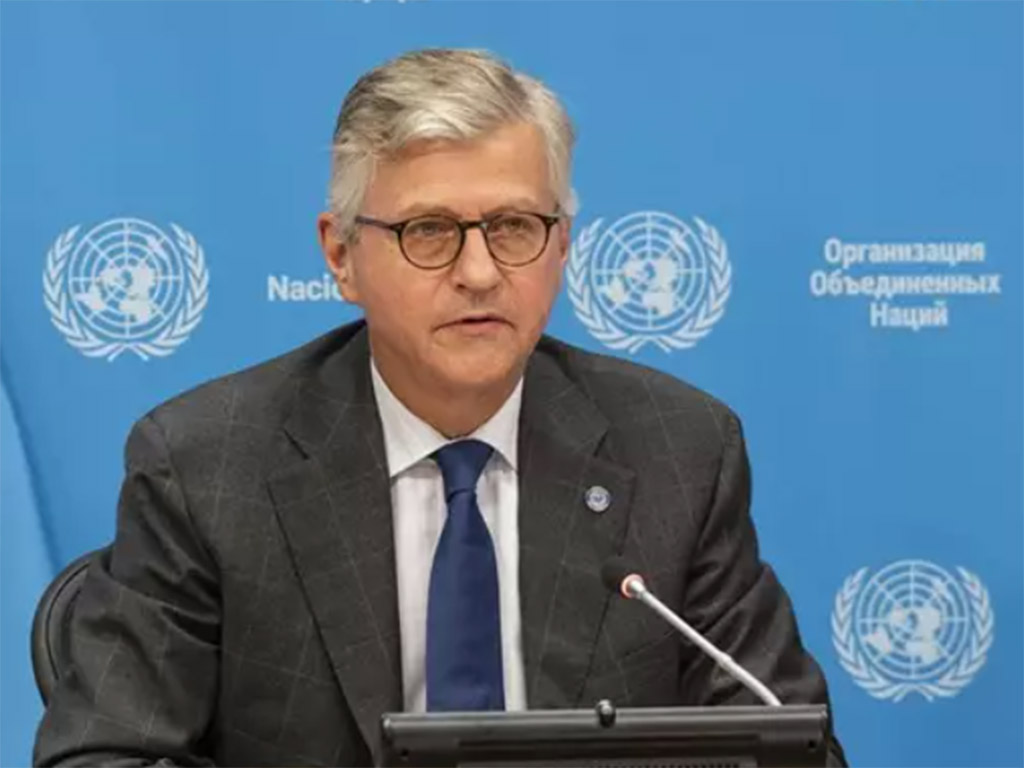
The UN Refugee Agency (UNHCR) has issued a stark warning about the escalating impact of climate-related disasters on vulnerable communities worldwide. Over the past decade, extreme weather events have triggered 250 million internal displacements, averaging 70,000 daily or two every three seconds. High Commissioner Filippo Grandi emphasized that such conditions exacerbate insecurity, disrupt access to essential services, destroy homes and livelihoods, and force families—many already displaced by violence—to flee repeatedly. He highlighted the plight of individuals who, having endured significant losses, now face droughts, floods, and heatwaves without the means to recover. UNHCR projections suggest that by 2050, refugee camps in the hottest regions could endure nearly 200 days of extreme heat stress annually, posing severe health and survival risks. Grandi cautioned that many areas may become uninhabitable due to the deadly combination of extreme heat and high humidity, urging immediate international intervention to address this growing crisis.
-

Cuba congratulates Brazil for the organization of COP30
In a recent social media statement, Cuban Foreign Minister Bruno Rodriguez emphasized his nation’s dedication to supporting the success of the upcoming COP30 forum. The primary focus of the forum is to revitalize global climate cooperation and expedite the implementation of the Paris Agreement, which marks its tenth anniversary. Rodriguez highlighted the pressing need to bolster assistance for Global South countries, which bear the brunt of climate change impacts yet possess limited resources to address them. He also voiced concerns over the growing allocation of financial and technological resources toward military expenditures and conflicts, diverting attention from urgent environmental solutions. The COP30 forum precedes the Leaders’ Summit held on November 6-7 in Belem, Brazil, where the Belem Call to Action was launched. During the summit, world leaders reaffirmed their commitment to multilateralism and the Paris Agreement’s objectives, pledging to intensify efforts to cap global temperature rise at 1.5 degrees Celsius and enhance climate finance mechanisms.
-

Panama seizes tons of US-bound cocaine, arrests 10
In a significant crackdown on drug trafficking, Panamanian authorities intercepted a staggering 12 tons of cocaine on a ferry in the Pacific Ocean, marking one of the largest drug seizures in the nation’s history. The operation, conducted on Monday, led to the arrest of 10 individuals, including nationals from Venezuela, Ecuador, and Nicaragua. The ferry had departed from Colombia, a major source of cocaine production, with the U.S. as its intended destination. Panama, a critical transit hub for narcotics from South America, has intensified its anti-drug efforts, seizing a total of 119 metric tons of drugs in 2023 alone. This operation comes amid heightened U.S. military deployment in Latin America, part of a broader anti-drug campaign. However, the initiative has sparked controversy, with Venezuela accusing Washington of using the campaign as a pretext to target its president, Nicolas Maduro. The seizure underscores the ongoing challenges in combating drug trafficking in the region, as Latin American nations strive to demonstrate their commitment to curbing the narcotics trade.
-

COP30 opens with countries urged to push for faster climate progress
The 30th Conference of the Parties (COP30) to the UN Framework Convention on Climate Change (UNFCCC) commenced in Belém, Brazil, on Monday, delivering a resounding message: the era of incremental measures is over. Climate change is wreaking havoc on communities and economies, but solutions are within reach. UN Climate Change Executive Secretary Simon Stiell emphasized that global emissions are beginning to decline, thanks to commitments from previous COPs. However, he stressed that much work remains, urging delegates to transform ambition into action. Stiell highlighted the Amazon as a symbol of inspiration, likening its vast river system to the multifaceted international cooperation needed to address the crisis. He warned that no nation can tackle climate change alone, as disasters like droughts and hurricanes slash GDP and drive food prices sky-high. Stiell outlined key priorities for COP30, including a just transition from fossil fuels, tripling renewable energy capacity, and mobilizing $1.3 trillion annually for climate action in developing countries. Brazilian President Luiz Inácio Lula da Silva echoed the urgency, calling COP30 ‘the COP of truth’ and denouncing climate denialism. He announced a new fund to support energy transitions in developing countries, financed by oil revenues. The conference also saw the launch of the Tropical Forests Forever Facility, which has already secured $5.5 billion to protect rainforests. Indigenous land rights, sustainable fuel production, and climate justice were also central to discussions. The Caribbean Development Bank (CDB) brought the region’s climate agenda to the forefront, advocating for concessional financing and innovative solutions to address escalating climate impacts. CDB President Daniel Best emphasized the need for global support to help small island states adapt to the crisis. COP30 President André Corrêa do Lago called for a focus on implementation, adaptation, and scientific integrity. The conference, held in the heart of the Amazon, aims to inspire decisive action to combat the climate crisis and secure a sustainable future.
-

More American aid
The United States has significantly increased its humanitarian support for Jamaica in the aftermath of Hurricane Melissa, announcing an additional $10 million in aid. This brings the total U.S. contribution to $22 million, underscoring the strong bilateral ties between the two nations. The announcement was made by Jeremy Lewin, Under Secretary for Foreign Assistance, Humanitarian Affairs, and Religious Freedom, during a meeting with Jamaican Prime Minister Dr. Andrew Holness in St. Andrew on Monday. Lewin highlighted the U.S.’s rapid and robust response, which included deploying a disaster response team, search and rescue personnel, and heavy-lift helicopters to deliver life-saving aid to isolated communities. He emphasized that the U.S. would remain committed to Jamaica’s recovery efforts throughout all stages, from immediate relief to long-term reconstruction. Prime Minister Holness expressed deep gratitude for the U.S.’s swift and comprehensive assistance, particularly in logistics operations that were critical in reaching marooned communities. However, he cautioned that the scale of destruction was immense and called for sustained international and local cooperation to ensure Jamaica’s full recovery.