The Global South Academic Forum, a gathering of over 200 participants from 29 countries, served as a platform for critical discussions on cultural hegemony, global peace, and the challenges facing the Global South. Mexican researcher Ana Esther Ceceña emphasized the necessity of dismantling cultural dominance and fostering inclusive dialogues that engage diverse global voices. She provided a historical analysis of the rise and subsequent structural crisis of U.S. and Western power post-World War II. Randy Alonso, Director General of IDEAS Multimedios in Cuba, echoed these sentiments, advocating for a world rooted in peace and dialogue, while opposing fascism and xenophobia. Alonso highlighted the forum’s role in promoting inclusion and countering the media warfare led by the United States. Tica Moreno, representing the National Coordinating Body of the World March of Women, underscored the importance of shared perspectives on historical and contemporary issues, including the technological rivalry between China and the U.S. in artificial intelligence (AI) regulation. Venezuelan professor Carlos Ron condemned U.S. military actions in the Caribbean, warning of the escalating threat of war in the region. The forum, commemorating the 80th anniversary of the victory against global fascism, also addressed the post-war international order and the pressing issues confronting the Global South.
分类: world
-

Mexico Cracks Down on Casinos as Belize Reviews Its Own Gambling Laws
In a significant move to combat financial crimes, the Mexican government has closed 13 casinos following a joint investigation by the Ministry of Finance and the national security agency. The probe uncovered suspicious cash operations, international money transfers, and unregulated online gambling platforms suspected of facilitating money laundering. Authorities have frozen accounts, suspended operations, and filed formal complaints with the Attorney General’s Office. President Claudia Sheinbaum emphasized the need to modernize Mexico’s outdated casino and digital betting laws, highlighting the growing prevalence of online gambling and its potential misuse for illicit activities. Meanwhile, Belize is also revisiting its gambling regulations. The Senate debated the Gaming and Lotteries Control Bill 2025, aimed at modernizing and consolidating the country’s gambling laws. However, after a heated discussion, senators decided to delay the bill for further refinement. Senator Louis Wade urged caution, citing unresolved issues in the proposed legislation, including loopholes exposed by recent investigations into Caribi Bleu Casino and the ongoing Rima Ray case. Both nations are grappling with the challenges of regulating an evolving gambling industry while addressing concerns of financial misconduct.
-

New US strike on alleged drug boat kills four in Caribbean—reports
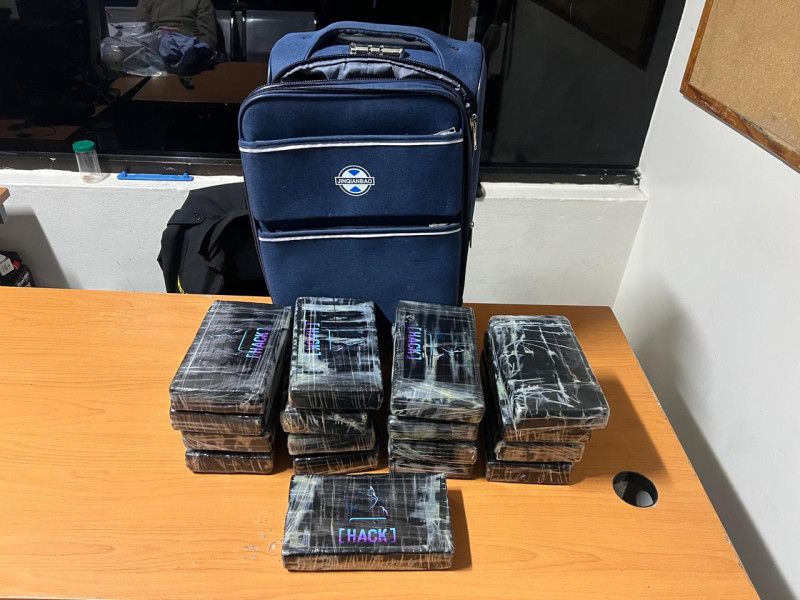
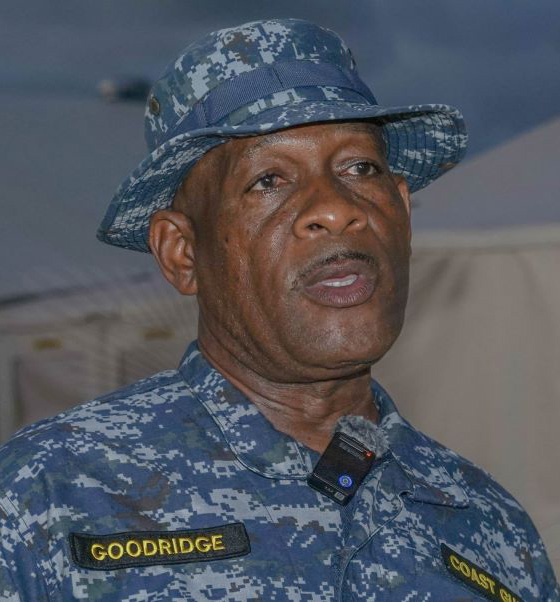
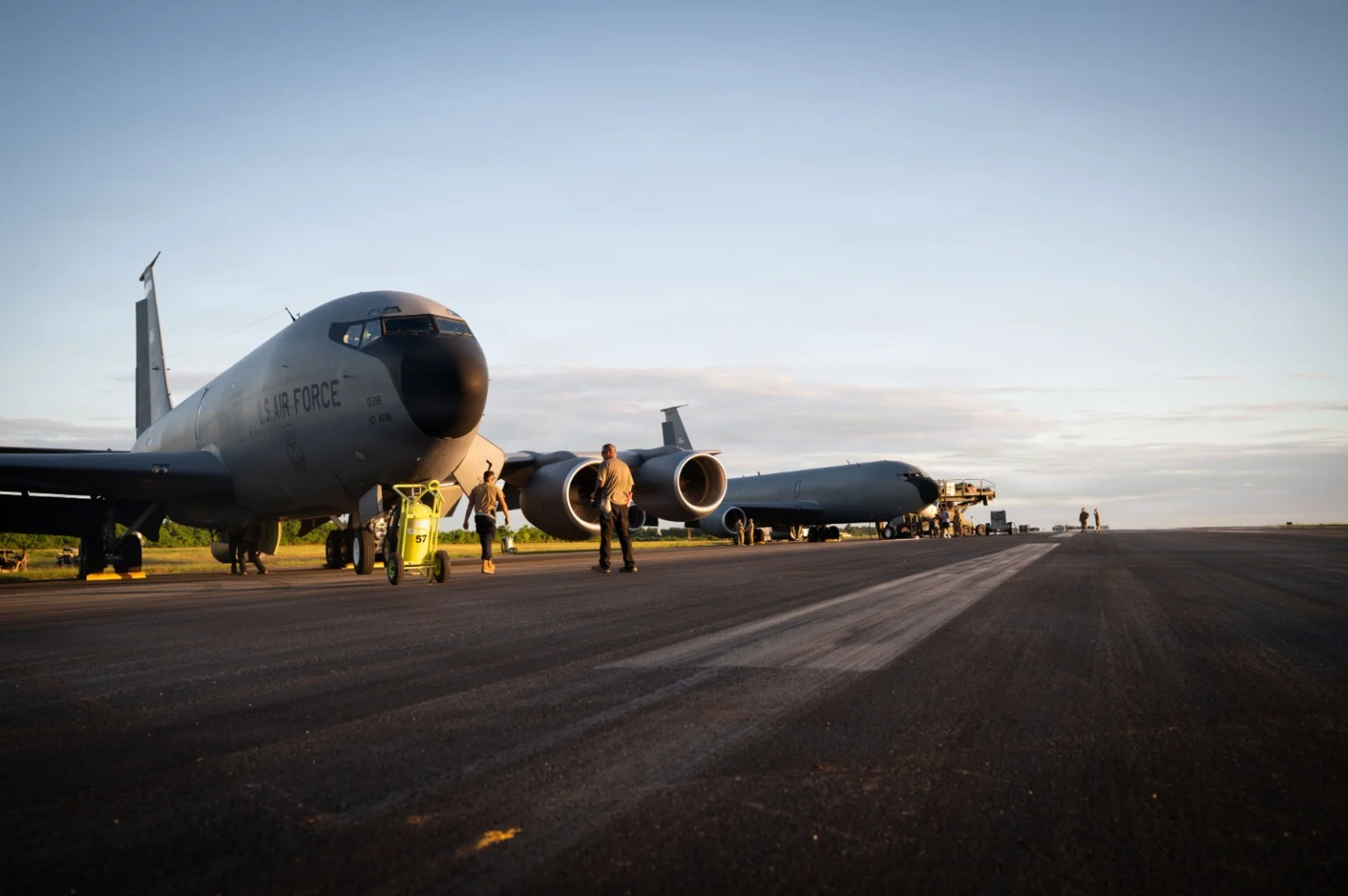
In a significant escalation of its anti-narcotics operations, US forces have reportedly conducted another strike on an alleged drug trafficking vessel in the Caribbean, bringing the total death toll in the contentious campaign to 80. According to US media reports on Thursday, the latest strike marks the 20th such operation in international waters since Washington initiated the campaign in early September. The exact timing of the strike remains unclear, with conflicting reports from CBS and the New York Times citing unnamed Pentagon officials. The Pentagon has yet to comment on the matter. The UN Human Rights Chief, Volker Turk, recently called for an investigation into the legality of these strikes, labeling them as potential ‘extrajudicial killings.’ However, the US Justice Department maintains that the operations comply with the law of armed conflict, signaling no intention to halt the campaign. Meanwhile, tensions in the region have intensified with the arrival of a US aircraft carrier off the coast of Latin America, prompting Venezuela to announce a ‘massive’ retaliatory deployment. On Thursday, Pentagon chief Pete Hegseth unveiled ‘Operation Southern Spear,’ a new phase of the mission aimed at ‘removing narco-terrorists,’ though details of the operation remain undisclosed.
-

China donates $85k for Hurricane Melissa relief
In a significant move to bolster disaster recovery efforts, China has pledged additional aid to The Bahamas following the devastation caused by Hurricane Melissa. The Chinese government has approved approximately $84,665 through the China-Caribbean Disaster Prevention and Mitigation Fund, underscoring its commitment to supporting the Caribbean nation in times of crisis. This latest contribution comes in response to a diplomatic note from the Bahamian Ministry of Foreign Affairs, which detailed the extensive damage inflicted by the hurricane. Chinese Ambassador Yan Jiarong highlighted China’s ongoing support, recalling her visit to a restoration village in Grand Bahama last November, where she delivered aid following Hurricane Milton. She emphasized that the lingering effects of Hurricane Dorian, which struck five years ago, are still palpable. Over the past three years, China has donated $140,000 to The Bahamas through the same fund, along with emergency supplies and over $600,000 in cash and material aid post-Dorian. Beyond financial assistance, China has organized workshops and seminars for Bahamian professionals to enhance disaster response and climate adaptation capabilities. The Chinese government expressed its deep understanding of the unique vulnerabilities faced by small island states like The Bahamas in the era of climate change. Reiterating its commitment to global climate governance, China emphasized the importance of translating climate commitments into action and fostering international cooperation. The statement concluded with a reaffirmation of China’s unwavering support for The Bahamas, encapsulated in the proverb, ‘A friend in need is a friend indeed.’
-

Dominica is country most affected by impact of extreme weather event in 30 year period, according to Climate Risk Index
Dominica has been identified as the nation most susceptible to extreme weather events over the past three decades, according to the ‘Climate Risk Index 2026’ released by Germanwatch, an independent organization focused on development, environmental, and human rights issues. The report, presented during the 30th Conference of Parties (COP30) of the UN climate change gathering in Brazil on November 12, underscores the escalating devastation caused by climate-induced disasters, particularly in poorer nations. Drawing data from the EM-DAT international disaster database, the International Monetary Fund (IMF), and the World Bank, the report highlights Dominica’s acute vulnerability to severe weather, exemplified by the catastrophic impact of Hurricane Maria in 2017, which caused damages exceeding three times the country’s GDP at the time. The Climate Risk Index, published since 2006, provides a comprehensive assessment of the human and economic toll of extreme weather events globally. It ranks countries based on fatalities and economic losses over the past year and a 30-year period. Between 1995 and 2024, Dominica, Myanmar, Honduras, Haiti, and Grenada emerged as the most affected nations. In 2024 alone, St. Vincent and the Grenadines and Grenada were the hardest hit. The report also cites a World Weather Attribution study linking the unprecedented intensity of recent disasters to human-induced climate change. Since 1995, 9,700 extreme weather events have been documented, with storms accounting for a third of fatalities and $2.64 trillion in global damages. The Caribbean region’s recent experience with Hurricane Melissa, which caused widespread devastation across Jamaica, Cuba, Haiti, and the Dominican Republic, further underscores this trend. Despite Dominica’s efforts to rebuild and become the world’s first climate-resilient nation, Germanwatch warns that climate change is an immediate and defining reality. The organization advocates for urgent global action, including reducing emissions, accelerating adaptation efforts, implementing solutions for loss and damage, and ensuring adequate climate finance.
-

COP30: Inheemsen protesteren..’Ons land is niet te koop’
Indigenous demonstrators clashed with security forces outside the venue of the COP30 United Nations climate conference in Belem, Brazil, demanding urgent climate action and forest protection. The protesters attempted to breach the UN compound on Tuesday, where thousands of international delegates had gathered for the climate talks. Many carried flags advocating for land rights and signs with messages such as ‘Our land is not for sale.’
Nato, a leader from the Tupinamba Indigenous community, emphasized the protesters’ demands, stating, ‘Money is not edible. We want our land free from agriculture, oil exploration, illegal mining, and logging.’ Security personnel pushed back the demonstrators, barricading the entrance with tables. Witnesses reported that a guard in a wheelchair was evacuated while clutching his stomach, and another guard sustained a cut above his eye after being struck by a heavy drumstick thrown from the crowd. Security confiscated several heavy sticks from the protesters.
Maria Clara, a demonstrator from the Rede Sustentabilidade Bahia association, highlighted the plight of Indigenous peoples, saying, ‘These voices are being ignored.’ The confrontation ended as the protesters, part of a larger march of hundreds, dispersed. Security later allowed delegates to leave after initially instructing them to remain indoors until the area was secured.
A spokesperson issued a statement confirming the incident: ‘Earlier this evening, a group of protesters breached security barriers at the main entrance of COP, resulting in minor injuries to two guards and slight damage to the venue. Brazilian and UN security personnel implemented protective measures in accordance with established protocols. Authorities are investigating the incident, and the venue is fully secured. COP negotiations continue.’
João Santiago, a professor at the Federal University of Para, noted that the Indigenous movement sought to voice its demands within the ‘blue zone’ but was denied access. Brazilian President Luiz Inacio Lula da Silva has emphasized the importance of Indigenous communities in this year’s COP30 negotiations. Earlier this week, dozens of Indigenous leaders arrived by boat to participate in the talks and advocate for greater involvement in forest management.
In an interview with Reuters, respected Indigenous leader Raoni Metuktire, also known as Chief Raoni, expressed frustration over ongoing industrial and development projects in the Amazon. He called on Brazil to support Indigenous efforts to preserve the rainforest.