分类: world

  • UN Human Rights Chief Raises Alarm Over U.S. Military Operation in Venezuela

    UN Human Rights Chief Raises Alarm Over U.S. Military Operation in Venezuela

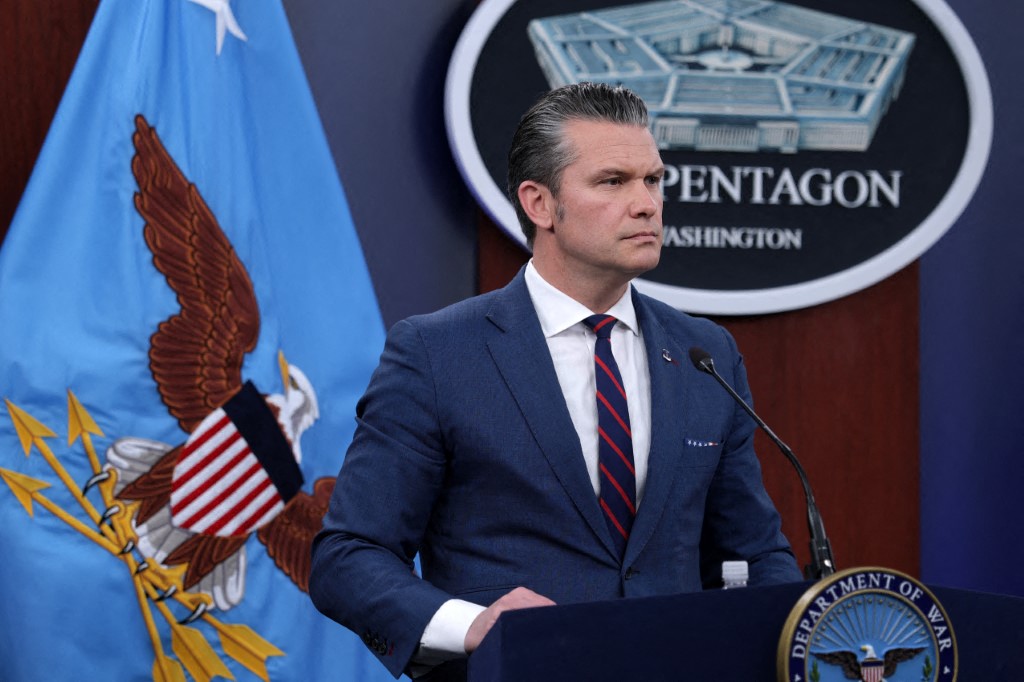
    The United Nations Human Rights Office has issued a stern condemnation of the United States’ military operation in Venezuela, characterizing it as a violation of core international legal principles. UN spokesperson Ravina Shamdasani articulated profound concerns regarding the weekend operation, emphasizing that it contravenes the fundamental tenet prohibiting states from threatening or using force against another nation’s territorial integrity.

    While acknowledging Venezuela’s documented human rights deficiencies, the High Commissioner maintained that accountability for such abuses cannot be achieved through unilateral military actions that themselves breach international law. The statement emphasized that Venezuelans deserve justice through fair, victim-centered judicial processes rather than foreign intervention.

    Complicating the situation further, Venezuelan authorities implemented a state of emergency effective Saturday, granting powers to restrict movement, confiscate property for national defense, and suspend assembly and protest rights. The UN expressed additional concern over these measures’ potential impact on civil liberties.

    Concurrently, regional responses are emerging with Belize announcing alignment with CARICOM leadership to evaluate hemispheric implications. Belizean officials urged restraint, respect for international law, and constructive dialogue to restore Venezuela’s constitutional order according to its people’s will. They reaffirmed commitment to maintaining the region as a ‘Zone of Peace’ despite current challenges.

    The military operation, described by US officials as months in preparation and unprecedented in scale, involved deployment of over 150 aircraft targeting the capture of President Nicolás Maduro overnight Saturday.

  • Israel accused of trying to expel Palestinians from Jerusalem

    Israel accused of trying to expel Palestinians from Jerusalem

    A prominent expert has issued a stark warning regarding Israel’s intensified policy of demolishing Palestinian homes in Jerusalem and its surrounding areas. While the practice itself is not new, specialists monitoring the situation report a concerning acceleration over the past two years, signaling a dangerous escalation in urban policy enforcement.

    According to detailed analysis, Israeli authorities have strategically concentrated their recent operations on the southern and eastern peripheries of Jerusalem. The neighborhoods of Silwan, along with the districts of Batn al-Hawa and Ras al-Amud, have become primary targets for these demolition campaigns. This targeted approach suggests a systematic effort to alter the demographic landscape of these specific areas.

    The eviction of the Khalil Basbous family from their home in Batn al-Hawa on Monday serves as a recent and poignant example of this policy in action. This area, along with the entirety of East Jerusalem, has been under Israeli occupation since the 1967 Arab-Israeli war, adding a complex historical and political dimension to the current property disputes.

    Quantitative data reveals the significant scale of these operations. Approximately 320 residential structures were demolished in Jerusalem throughout the previous year alone, illustrating the substantial impact on the Palestinian community. The pattern of displacement extends beyond immediate demolitions, creating an atmosphere of uncertainty and instability for residents.

    Since 2015, a specific pattern of eviction has emerged in Batn al-Hawa, where around 16 families have been forcibly displaced from their homes. These actions frequently follow legal petitions filed by the Ateret Cohanim organization, a Jewish settler group dedicated to establishing a stronger Jewish presence in historically significant areas of Jerusalem. This dynamic highlights the involvement of non-governmental actors in pursuing property claims that result in the displacement of long-term Palestinian residents.

  • Clashes erupt between Syrian Army and SDF militia

    Clashes erupt between Syrian Army and SDF militia

    The Syrian Arab Army has executed targeted military operations against Kurdish-led forces in eastern Aleppo province, marking a significant escalation in ongoing tensions. According to a military source interviewed by Ikhbariya TV, army units identified and struck drone-launching positions operated by the Syrian Democratic Forces (SDF) near the town of Deir Hafer.

    This military response comes directly after Syria’s Defense Ministry reported six combined civilian and military casualties from an SDF drone attack on Monday evening. Official statements characterized this incident as a ‘new escalation’ despite ongoing negotiations between the government and the militia group.

    The Syrian military institution emphasized that its retaliatory measures would remain ‘limited’ in scope, though no specific operational details were disclosed regarding future operations or strategic objectives.

    This confrontation occurs against a backdrop of fundamental political disagreements. In late December, Syria’s Foreign Ministry formally rejected the SDF’s decentralization proposal, warning that such initiatives threaten national unity and cement the authority of de facto entities in northeastern regions.

    The SDF, which maintains control over approximately one-quarter of Syrian territory across Hasakah, Raqqa, and Deir Ezzor provinces with substantial U.S. support, now faces increased military pressure from government forces amid these unresolved political disputes.

  • China’s oliebelangen in Venezuela: grote investeerder en belangrijke afnemer

    China’s oliebelangen in Venezuela: grote investeerder en belangrijke afnemer

    Amidst Venezuela’s political turmoil following the U.S.-led military intervention that ousted President Nicolás Maduro in January 2026, China has emerged as a critical economic lifeline and strategic partner for the South American nation’s crippled oil industry. Despite Washington’s efforts to reshape Venezuela’s political landscape and control its energy resources, Beijing maintains substantial leverage through both oil purchases and infrastructure investments.

    Venezuela’s oil production has experienced a dramatic collapse, plummeting from approximately 3.5 million barrels per day in the 1990s to just 1.1 million barrels daily in 2025. This decline stems from chronic mismanagement, insufficient investment, and stringent U.S. sanctions that have crippled the country’s primary economic engine.

    China has become Venezuela’s most significant oil customer, with Vortexa energy data indicating imports of approximately 470,000 barrels per day in 2025—representing about 4.5% of China’s total seaborne crude imports. Much of this oil flows to independent Chinese refineries known as ‘teapots,’ which capitalize on discounted prices. Additionally, portions of these shipments serve as repayment for Venezuela’s estimated $10 billion debt to China.

    Chinese state-owned enterprises maintain dominant positions in Venezuela’s energy sector. Sinopec and CNPC control the largest oil entitlement reserves among foreign companies, holding 2.8 billion and 1.6 billion barrels respectively. Since 2016, Chinese firms have invested approximately $2.1 billion in Venezuela’s oil infrastructure despite mounting political risks.

    Although CNPC ceased direct oil imports from Venezuela in 2019 due to sanctions, it continues production operations through the Sinovensa joint venture with Venezuela’s state oil company PDVSA. Similarly, Sinopec maintains significant oil reserves through its joint venture arrangements. Several private Chinese companies—including China Concord Resources Corp., Kerui Petroleum, and Anhui Erhuan Petroleum Group—also hold oil production and service contracts, though their current operational status remains unclear.

    The geopolitical implications extend far beyond energy markets. China’s deepening involvement in Venezuela represents a strategic challenge to U.S. influence in Latin America. While the Trump administration pursued regime change to reorient Venezuela’s political alignment, China has positioned itself as a stabilizing force committed to respecting Venezuela’s sovereignty and international law.

    Beijing’s investments form part of a broader strategy to secure access to vital energy resources while expanding economic influence in regions traditionally dominated by Western powers. These partnerships simultaneously bolster Venezuela’s resilience against American sanctions and political pressure.

    The post-intervention landscape remains highly volatile, with uncertainty surrounding Venezuela’s political future and China’s ability to maintain its economic interests amid escalating U.S.-China tensions. Despite Chinese investments, Venezuela’s oil industry continues to grapple with infrastructure deficiencies and economic instability, suggesting that recovery will require more than foreign investment alone.

  • MS‑13 Gang Member Handed Over to Guatemalan Authorities

    MS‑13 Gang Member Handed Over to Guatemalan Authorities

    In a significant cross-border security operation, Belizean authorities have transferred a high-profile MS-13 gang member to Guatemalan officials for subsequent expulsion to his native El Salvador. The operation, conducted on Friday, targeted 45-year-old Marvin Edgardo Sandoval, alias ‘Cirillo,’ a Salvadoran national identified as a member of the notorious Mara Salvatrucha criminal organization.

    Sandoval had been formally classified as a prohibited immigrant in Belize and was subject to an official ‘Order to Leave’ the country. The deportation procedure was executed through a coordinated effort between specialized G13 police units based in San Ignacio and Belize’s immigration department officials.

    The handover occurred at the Melchor de Mencos border crossing in Guatemala’s Petén department, where Belizean officials transferred custody to Guatemalan customs authorities. Guatemalan migration services subsequently arranged Sandoval’s expulsion to El Salvador, his country of origin.

    This incident marks the second documented deportation of a Salvadoran MS-13 operative from Belize in recent months. In November, Belizean border authorities facilitated the arrest of another gang member, Julio Cesar, at the nation’s western frontier in a similar security operation.

    MS-13, designated as a ‘transnational criminal organization’ by the United States government, originated among Salvadoran immigrant communities in Los Angeles during the 1980s. The gang has since evolved into one of the most formidable criminal networks in the Western Hemisphere, engaging in drug trafficking, human smuggling, and extreme violence across Central America and beyond.

  • PM Briceño Speaks On U.S. Actions in Venezuela

    PM Briceño Speaks On U.S. Actions in Venezuela

    In a significant development in Caribbean geopolitics, Belizean Prime Minister John Briceño has aligned with regional partners to express profound apprehension regarding the United States’ military intervention in Venezuela. The operation, executed on January 5th, 2026, resulted in the capture of Venezuelan President Nicolás Maduro and his spouse.

    Prime Minister Briceño, in an exclusive dialogue with News Five, articulated Belize’s longstanding unease regarding heightened military activities in the Caribbean Sea. He emphasized that the recent events in Venezuela over the preceding forty-eight hours have intensified these concerns. The Belizean government is currently coordinating with both CARICOM (Caribbean Community) and SICA (Central American Integration System) member states to formulate a unified regional response to this crisis.

    Reaffirming his nation’s diplomatic stance, Briceño declared, “Belize maintains an unwavering commitment to the foundational tenets of international law and multilateral cooperation. We urgently implore all nations to uphold these fundamental principles.” This position mirrors the reaction from the United Nations, which has officially conveyed its deep alarm regarding the situation and questioned the operation’s adherence to established international legal standards.

    The U.S. operation, described by senior American officials as unprecedented in scope and the culmination of months of strategic planning, involved the deployment of over 150 aircraft. In the aftermath, Venezuela’s acting leadership under former Vice President Delcy Rodríguez initially issued strong condemnations but has subsequently signaled openness to diplomatic engagement with Washington, advocating for dialogue and cooperative relations. President Maduro is anticipated to face judicial proceedings on narcotics and weapons allegations in a New York City courtroom.

  • T&T police officer among three arrested on drug-related charges in the US

    T&T police officer among three arrested on drug-related charges in the US

    In a significant international law enforcement operation, three Trinidadian nationals—including an active-duty police officer—face serious charges in the United States for allegedly conspiring to import cocaine and commit firearms offenses. The accused individuals have been identified as Rafael Joseph, a serving member of the Trinidad and Tobago Police Service (TTPS), along with Michael McSween and Clevon Persad.

    The case stems from a comprehensive 2024 investigation led by the U.S. Drug Enforcement Administration (DEA). On December 30, provisional arrest warrants were executed through coordinated efforts between multiple specialized units. The operation involved personnel from the DEA’s Vetted Unit working alongside Trinidad’s Special Investigative Unit (SIU) and Transnational Organized Crime Unit (TOCU).

    U.S. Embassy Chargé d’Affaires Dr. Jenifer Neidhart de Ortiz characterized the operation as “a great example of bilateral cooperation” that delivers “a significant blow to not only drug and firearms trafficking, but also against public corruption.” She emphasized the multiplier effect created when agencies from both nations collaborate effectively.

    TTPS Police Commissioner Allister Guevarro confirmed the arrest and pending deportation of the police officer, stating the operation “reflects the strength of our international partnerships and our unwavering commitment to accountability at every level of the organisation.” He reaffirmed the TTPS’s dedication to upholding integrity standards and working with global counterparts to ensure those who betray public trust face justice.

    DEA Caribbean Division Special Agent in Charge Michael Miranda underscored the operation’s significance, noting it “sends a clear message: no one is above the law.” He emphasized that through united trusted partnerships, authorities are not only dismantling trafficking networks but also confronting public corruption directly, ultimately creating safer communities and ensuring justice prevails.

  • US imperialism at its worst

    US imperialism at its worst

    A recent US military operation in Venezuela has resulted in significant civilian casualties, drawing sharp criticism and raising geopolitical tensions. According to a New York Times report dated January 3rd, preliminary estimates indicate at least 40 fatalities from the unilateral American bombings early Saturday morning, including both military personnel and non-combatant civilians.

    The attack, which targeted locations within Venezuelan territory, has been characterized by critics as an act of aggression rather than the counter-narcotics operation officially presented by Washington. The anonymous Venezuelan official who provided the casualty figures requested anonymity due to the sensitive nature of ongoing assessments.

    In his subsequent statements, US President Donald Trump confirmed that no American soldiers died during the operation, though some sustained injuries. Notably absent from his remarks was any acknowledgment of or condolence for Venezuelan casualties, reinforcing perceptions of disproportionate valuation of human life based on nationality.

    Analysts suggest the military action represents a strategic pivot toward overt regime change objectives rather than merely targeting drug trafficking networks. The operation appears strategically aligned with longstanding US interests in gaining control over Venezuela’s substantial petroleum reserves, ranked among the world’s largest.

    The escalation has prompted additional concerning developments, including direct threats from the Trump administration toward the governments of Colombia and Cuba. These actions have drawn historical parallels to expansionist policies of past authoritarian regimes and potentially create dangerous international precedents for military interventions.

    Observers note that such unilateral actions risk validating aggressive military maneuvers by other global powers in their respective regions of interest. The situation continues to evolve with expectations of diplomatic responses from affected nations and international organizations.

  • US operation in Venezuela undermined international law—UN

    US operation in Venezuela undermined international law—UN

    GENEVA, Switzerland – The United Nations issued a stern condemnation on Tuesday regarding a recent U.S. military intervention in Venezuela, characterizing the operation as a severe breach of fundamental international legal principles. The forceful extraction of Venezuelan President Nicolas Maduro and First Lady Cilia Flores by American commandos has triggered significant diplomatic alarm.

    Ravina Shamdasani, spokesperson for the UN Human Rights Office, addressed the media in Geneva, emphasizing the inviolable tenet that nations must refrain from threatening or employing force against the territorial integrity or political sovereignty of any state. This statement directly challenges the legal justifications put forward by the United States for its audacious Saturday dawn operation, which was supported by aerial bombardments over Caracas and a substantial naval presence.

    The U.S. administration has defended its actions by citing the Maduro government’s extensive record of egregious human rights abuses. However, Shamdasani explicitly rejected this rationale, asserting that achieving accountability for such violations cannot be accomplished through unilateral military actions that themselves contravene international law. She underscored that her office has meticulously documented the progressive decay of Venezuela’s humanitarian and political climate for over a decade.

    Expressing profound apprehension, the UN official warned that the current instability, exacerbated by the U.S. intervention and the ensuing militarization within Venezuela, threatens to intensify the nation’s pre-existing crises rather than alleviate them. The incident marks a significant escalation in international tensions surrounding the Venezuelan situation.

  • BEL Sends Second Crew to Jamaica Post-Hurricane Melissa

    BEL Sends Second Crew to Jamaica Post-Hurricane Melissa

    A second contingent of specialized power line technicians from Belize Electricity Limited (BEL) has arrived in Jamaica to reinforce ongoing restoration initiatives following the catastrophic impact of Hurricane Melissa. The team, which departed Belize on Sunday, is collaborating with Jamaica Public Service Company Limited—the nation’s exclusive electricity distributor—to rehabilitate severely damaged infrastructure.

    This deployment marks the continuation of a regional support program initiated in November 2025, following the return of BEL’s initial technical crew that completed its assignment in December. The current mission is spearheaded by Technical Supervisor Jeremy Jex and comprises seasoned technicians Gregory Kerr, Brian Gentle, Emry Gill, Owen Nolberto, Paul McCalla, and Andres Catch.

    The collaborative effort operates under the coordination framework of the Caribbean Electric Utility Services Corporation (CARILEC), which facilitates mutual assistance among regional power providers during emergencies.

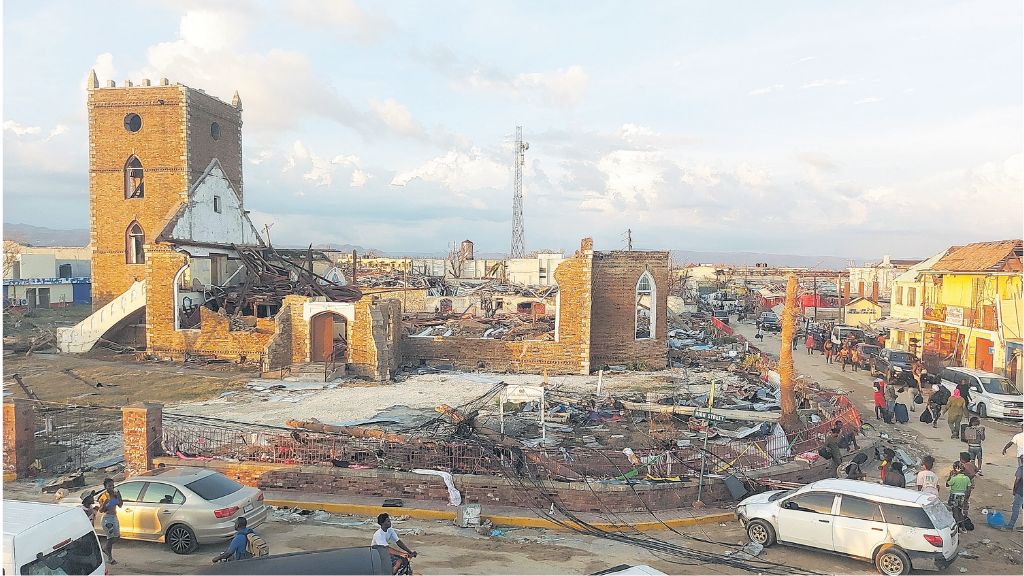
    Hurricane Melissa made landfall in Jamaica on October 28, 2025, as a Category 5 hurricane with sustained winds surpassing 180 miles per hour. The storm inflicted unprecedented destruction across residential, commercial, and critical infrastructure sectors, with particular severity to the national power grid. Preliminary damage assessments indicate financial losses ranging between $8 billion and $15 billion USD, reflecting one of the most devastating natural disasters in recent Caribbean history.