Dr. Carla Barnett, Secretary-General of the Caribbean Community (CARICOM), has emphasized the urgent need for international cooperation to address the escalating insurance costs in the tourism sector of Small Island Developing States (SIDS). Speaking at the 6th Global Services Forum, held during the 16th United Nations Conference on Trade and Development (UNCTAD16), Dr. Barnett underscored the vulnerability of CARICOM’s service-driven economies to increasingly severe and frequent climate events. She highlighted that older tourism properties face significantly higher insurance premiums, while securing coverage for new investments has become nearly impossible. Dr. Barnett called for collective global action to mitigate these challenges. The Forum, themed ‘Services: A New Frontier of Economic Transformation for Equitable, Inclusive and Sustainable Development,’ explored the pivotal role of the services sector in fostering economic growth, job creation, and exports. Services now account for two-thirds of global GDP, with CARICOM states like The Bahamas, Saint Lucia, and Barbados seeing this figure rise to 75 percent. Even in more diversified economies such as Trinidad and Tobago and Jamaica, services contribute approximately 60 percent of GDP. Dr. Barnett stressed the importance of international partnerships in bridging structural gaps and enhancing resilience. She cited collaborations with UNCTAD, the World Trade Organization (WTO), and international development banks as critical to strengthening institutional capacities and service provider capabilities. The Trade in Services project, a joint initiative between UNCTAD and CARICOM, exemplifies such efforts by building the data infrastructure necessary for evidence-based policymaking and transformative growth. CARICOM’s services sector encompasses tourism, financial services, ICT, professional services, entertainment, and cultural and sporting services. Dr. Barnett reiterated that targeted global support is essential to unlock the full potential of these industries and protect them from climate-related disruptions.
分类: world
-

Support for Jamaica in the aftermath of Melissa
During the Caribbean Week of Agriculture in October 2024, Saboto S Caesar, Minister of Agriculture in St Vincent and the Grenadines, emphasized the urgent need for enhanced post-disaster support for Caribbean nations. This call to action comes in the wake of Hurricane Beryl, which devastated several countries, including St Vincent and the Grenadines, in July 2024. The Caribbean Regional Fisheries Mechanism (CRFM) has responded by launching a climate resilience portal, designed to provide critical information on hurricane preparedness and recovery efforts. This initiative aligns with the CRFM’s mandate to support member states in their post-disaster recovery processes. Additionally, the CRFM has urged its community to contribute to Jamaica’s recovery following Hurricane Melissa, which struck the island on October 28, 2024. With maximum sustained winds of 145 miles per hour, Melissa tied as the strongest hurricane ever recorded in the Atlantic Basin, causing catastrophic damage to both national infrastructure and personal property. The CRFM has pledged to collaborate with the Caribbean community and Jamaican residents to expedite recovery efforts and rebuild affected areas.
-

Gevaar nasleep orkaan Melissa in Jamaica, orkaan nadert Cuba
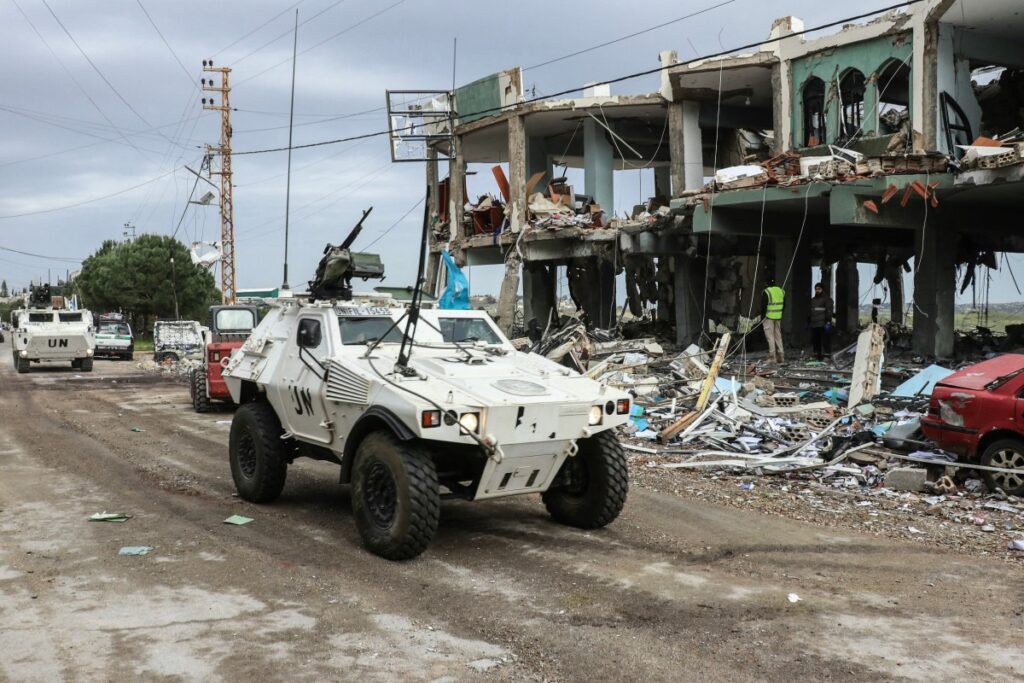
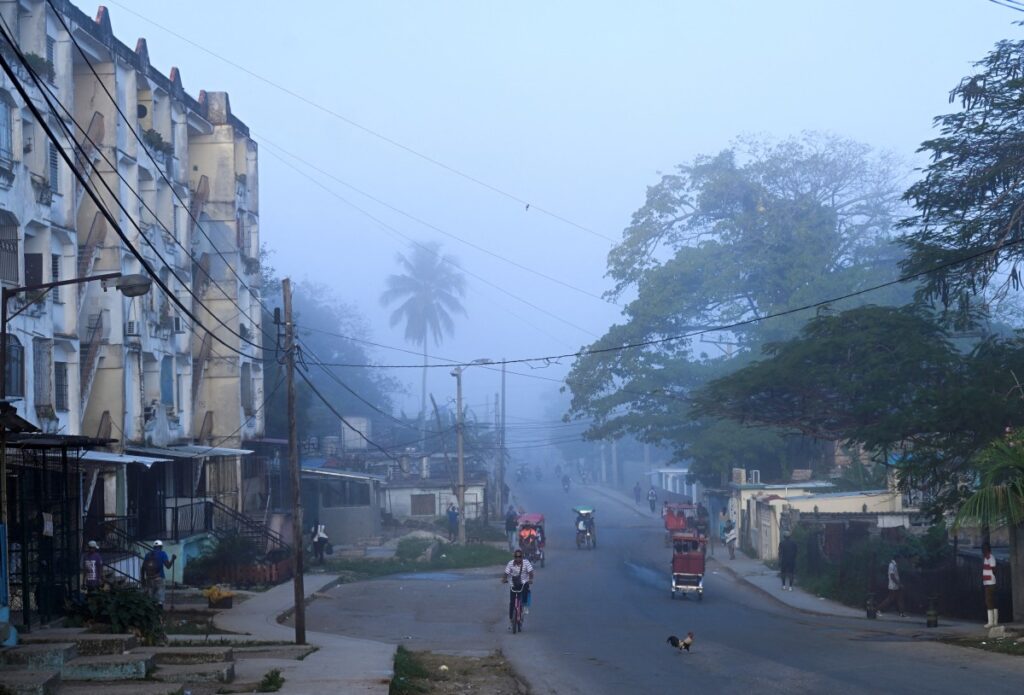
Jamaica is reeling from the devastating impact of Hurricane Melissa, a Category 5 storm that struck the island on Tuesday with wind speeds reaching up to 295 km/h. The hurricane unleashed torrential floods, powerful gusts that ripped roofs off buildings, and triggered landslides, claiming at least three lives and leaving tens of thousands without power. Prime Minister Andrew Holness emphasized the unprecedented strength of the storm, stating that no infrastructure could withstand such force and that recovery efforts would be monumental. The southwestern region, particularly St. Elizabeth, bore the brunt of the destruction, with widespread flooding and severe damage reported. Many families were trapped in their homes as emergency services struggled to navigate the perilous conditions. Approximately 15,000 people sought refuge in shelters, while 77% of households were left without electricity. Four major hospitals sustained damage, with one losing power entirely, necessitating the evacuation of 75 patients. Hurricane Melissa set multiple records, with a barometric pressure of 892 millibars and wind speeds of 298 km/h, rivaling historic storms like the 1935 Labor Day hurricane and Hurricane Dorian in 2019. The storm also generated life-threatening storm surges of up to 4 meters. As Melissa moved toward Cuba on Tuesday evening, Cuban authorities braced for heavy rainfall of up to 51 centimeters and significant coastal flooding. President Miguel Díaz-Canel urged citizens not to underestimate the storm’s power, and thousands were evacuated from eastern provinces. The U.S. Defense Department released footage from Hurricane Hunter flights, which provided critical data to the National Hurricane Center. The storm claimed seven lives across the Caribbean, including three in Jamaica. Jamaican officials warned of ongoing dangers, such as the potential displacement of crocodiles due to flooding, and prepared boats and helicopters for rescue operations post-storm. International aid organizations are poised to deliver food, medicine, and other emergency supplies. Jamaica’s airports are expected to reopen by Thursday, contingent on damage assessments.
-

Melissa is beest te midden van reeks monsterlijke Atlantische stormen
Hurricane Melissa, a Category 5 storm, made landfall in Jamaica on Tuesday with unprecedented wind speeds of 298 km/h, matching historical records. This extraordinary hurricane defied typical meteorological patterns, intensifying even as it approached land, a phenomenon that left scientists both baffled and concerned. Melissa’s rapid intensification—gaining 113 km/h in wind speed within 24 hours—was fueled by unusually warm Atlantic waters, a direct consequence of climate change, according to experts.
Phil Klotzbach, a hurricane researcher at Colorado State University, described Melissa as ‘a remarkable storm, just a beast.’ The hurricane’s wind speeds and air pressure matched records set by the deadly 1935 Labor Day storm in Florida and Hurricane Dorian in 2019. Unlike typical hurricanes, Melissa did not weaken during an eyewall replacement cycle, a process that usually tempers storm intensity. Instead, it maintained its strength, even lingering near Jamaica’s mountainous terrain, which typically disrupts storms.
Bernadette Woods Placky, chief meteorologist at Climate Central, emphasized the role of warm ocean waters in Melissa’s intensity. ‘The storm seemed to effortlessly ventilate itself,’ she noted, highlighting the unusually deep and warm waters that provided continuous fuel for the hurricane. Melissa’s rapid intensification occurred in five six-hour periods, a rare and alarming pattern.
Climate Central’s analysis suggests that the warming of ocean waters, driven by human-induced climate change, made the conditions for Melissa’s formation 500 to 700 times more likely. This aligns with a broader trend: since 2016, there have been 13 Category 5 hurricanes in the Atlantic, a significant increase compared to previous decades. While hurricane records from the pre-satellite era are less reliable, the data underscores a clear link between climate change and the intensification of storms.
As the world continues to warm, experts predict more powerful hurricanes, even if the total number of storms does not increase. ‘When these storms move over extremely warm water, it’s extra fuel for rapid intensification and record-breaking events,’ Woods Placky concluded.
-

Dominican Embassy strengthens ties with diaspora in southern Chile
The Embassy of the Dominican Republic recently embarked on a significant outreach initiative across southern Chile, visiting key locations such as Puerto Montt, Valdivia, and Chiloé. Led by Ambassador Juan Cohen, the delegation aimed to strengthen connections with the Dominican diaspora and reinforce the nation’s presence in the region. The tour adopted a dynamic ‘diplomacy in motion’ approach, engaging directly with the community to address their concerns, aspirations, and proposals. A central focus of the visit was the expansion of mobile consular services, designed to provide government support to Dominicans residing in remote areas. The mission also included a series of cultural and diplomatic activities, such as participation in the IV International Meeting ‘The Rivers to the World’ in Valdivia and the VI Meeting of Cultures in Puerto Montt, which showcased the Dominican Republic’s vibrant Caribbean identity. Additionally, the delegation held strategic meetings with local institutions, including the Presidential Delegation, Fosis, Sernac, and the Social Security Institute, to enhance inter-institutional cooperation and develop initiatives benefiting the Dominican community. The outreach was widely praised by attendees, with residents like Ursula Ramirez expressing gratitude for the unprecedented level of engagement and support from their diplomatic representation.