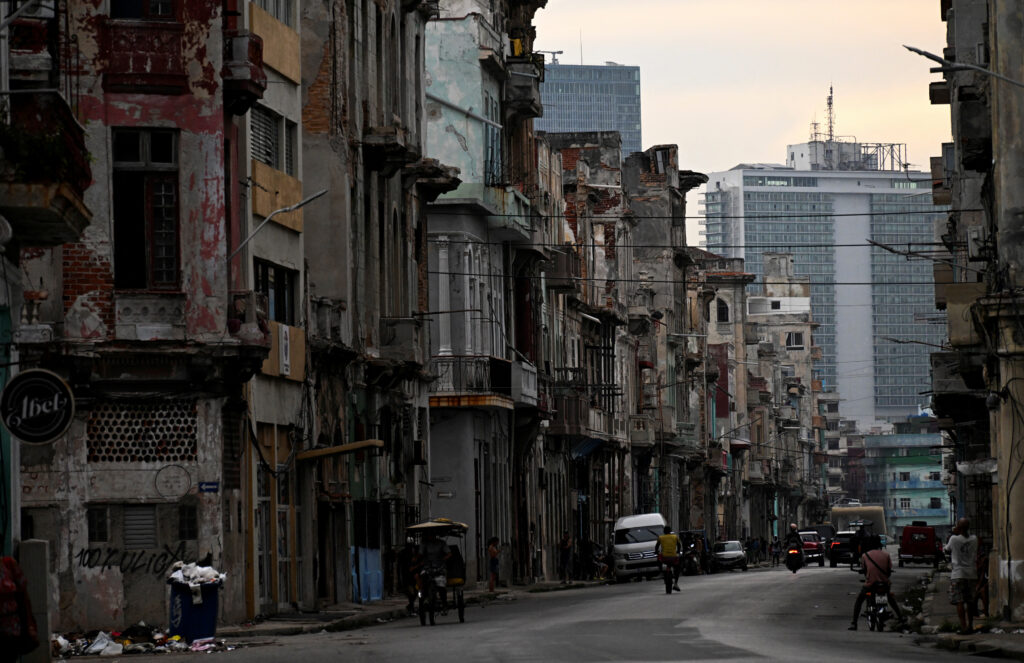
A catastrophic nationwide power outage brought Cuba to a standstill on Monday, marking one of the most severe blackouts in recent memory. The state-owned electric utility, Union Nacional Electrica de Cuba (UNE), confirmed a complete collapse of the national grid, triggering immediate emergency efforts to restore electricity across the island nation. This incident represents the apex of a protracted energy crisis, fueled by a crumbling infrastructure and a critical shortage of fuel. Cuba’s antiquated power generation system, already operating at a fraction of its capacity, has been pushed to the brink. Daily power rationing, often extending to 20 hours in some regions, has become a grim reality for the 9.6 million citizens. The current crisis has been dramatically intensified by a de facto oil embargo enforced by the United States. Since January 9, not a single oil shipment has reached Cuban shores, a situation stemming from the Trump administration’s strategic pressure on the communist government. This fuel blockade has crippled not only the energy sector but also vital industries like tourism, forcing airlines to slash flights to the island. The political dimension of the crisis is unmistakable. President Donald Trump has openly expressed his objective of instigating regime change in Havana, citing an ‘extraordinary threat.’ The resulting hardships—prolonged blackouts, alongside severe shortages of food and medicine—are boiling over into public unrest. A new wave of protests has emerged, characterized by nightly pot-banging demonstrations and calls for ‘Libertad’ (freedom), with one recent incident involving the vandalism of a provincial Communist Party office. While President Miguel Diaz-Canel has acknowledged public ‘discontent’ over the blackouts, he has simultaneously condemned acts of violence. His administration, grappling with the need to ration gasoline and hospital services, has confirmed engaging in behind-the-scenes talks with the U.S., hinting at a potential, though uncertain, diplomatic resolution on the horizon.
分类: world
-
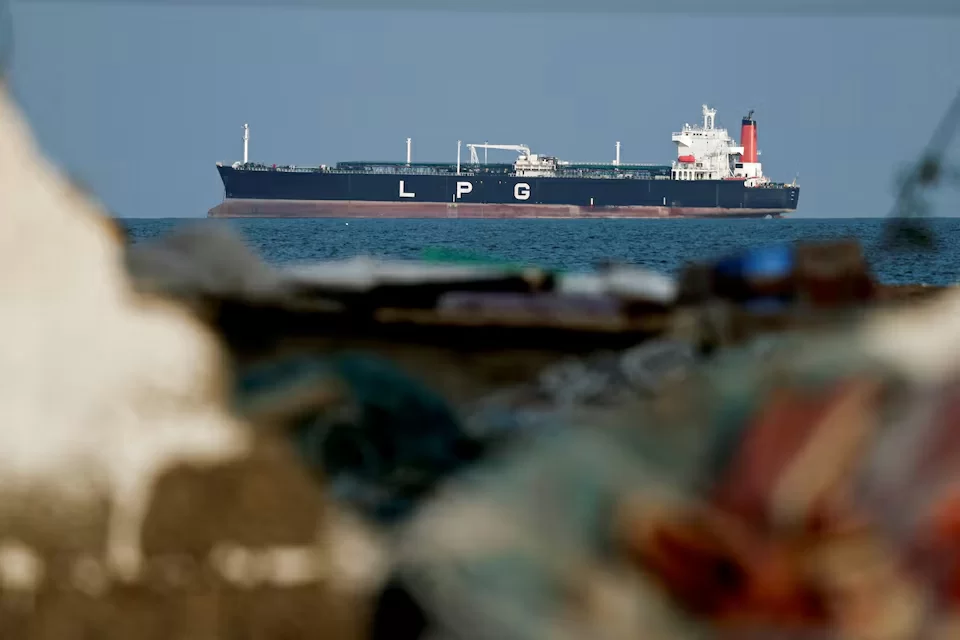
Trump zet bondgenoten onder druk om oliedoorgang te beveiligen
The strategic Strait of Hormuz remains effectively closed to global shipping as the U.S.-Israel conflict with Iran enters its third week, creating unprecedented disruption to world energy markets. President Donald Trump has escalated rhetoric by threatening additional strikes on Kharg Island, Iran’s primary oil export terminal, while dismissing prospects for a near-term diplomatic resolution.
Speaking to NBC News on Saturday, Trump stated that U.S. attacks had already ‘completely devastated’ significant portions of Kharg Island and suggested further bombings ‘just for fun.’ This represents a marked escalation from previous claims that U.S. operations targeted only military installations on the island.
The conflict has claimed over 2,000 lives, predominantly in Iran and Lebanon, while spreading instability across the Middle East. Washington has reportedly sidelined mediation attempts by regional allies, according to three sources familiar with the discussions.
Iran’s Revolutionary Guard announced Sunday it had launched additional rocket attacks against Israeli targets and three U.S. bases in the region. The organization pledged further retaliation for workers killed in Iranian industrial zones after airstrikes hit a refrigerator and heater factory in Isfahan, killing at least 15 people.
Supreme Leader Mojtaba Khamenei, who succeeded his father following the elder Khamenei’s death on the first day of attacks, has maintained that the Strait of Hormuz must remain closed. The waterway typically handles approximately one-fifth of global oil and gas production.
The International Energy Agency reported last week that the closure has created the largest disruption in global oil market history, potentially reducing worldwide oil inventories by approximately 8% in March. Brent crude prices have surpassed $100 per barrel with expectations of further increases.
Trump has called upon China, France, Japan, South Korea, Britain and other nations to deploy warships to secure the strategic passageway, stating that ‘countries receiving oil through the Strait of Hormuz should secure that passage.’ However, no nation has committed to direct action while combat operations continue.
French officials indicated they are attempting to form a coalition to secure the strait once the security situation stabilizes, while Britain is discussing various options with allies to ensure shipping safety. Iranian Foreign Minister Abbas Araqchi warned counterparts that nations should refrain from any actions that might escalate the conflict.
-
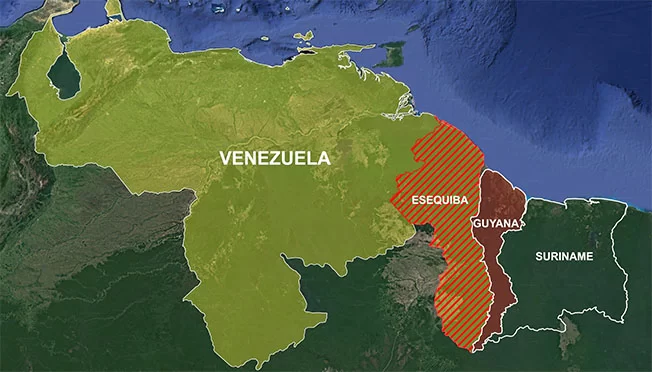
Nieuwe spanningen tussen Guyana en Venezuela over Essequibo
Diplomatic tensions between Guyana and Venezuela have intensified significantly following a contentious dispute over planned hydrocarbon activities in maritime zones adjacent to the historically contested Essequibo region. The Venezuelan government in Caracas has issued strong objections to Guyana’s announced seismic research program, denouncing it as “unilateral and illegitimate actions” within waters that Venezuela claims remain subject to unresolved maritime boundaries.
Georgetown has firmly rebuffed these criticisms, asserting that Venezuela holds no legal jurisdiction over the coastal waters off Essequibo and maintaining that the exploratory activities fall entirely within Guyana’s exclusive economic zone. The controversial program includes comprehensive 3D seismic surveys covering approximately 25,000 square kilometers of offshore territory, aimed at identifying new petroleum reserves beneath the ocean floor.
This latest escalation is intrinsically linked to Guyana’s rapid emergence as a global energy player. Since discovering substantial offshore oil deposits, the nation has transformed into one of the world’s fastest-growing economies, with exploration concentrated in the resource-rich Guyana-Suriname Basin that has attracted significant international energy investment.
Venezuela perceives these developments as direct challenges to its historical territorial claims. The Caracas administration has repeatedly warned that natural resource exploitation in the disputed zone cannot proceed without mutual agreement between the neighboring nations.
The Essequibo conflict traces its origins to the colonial era, centering on a vast 160,000-square-kilometer territory that constitutes approximately two-thirds of Guyana’s landmass. Guyana bases its sovereignty on an 1899 international arbitration award that established boundaries favoring what was then British Guiana. Venezuela has consistently rejected this ruling, maintaining the territory has historically belonged to its domain.
The longstanding dispute now rests with the International Court of Justice in The Hague. While Guyana seeks judicial confirmation of the 1899 arbitration validity, Venezuela has historically contested the Court’s jurisdiction in this matter.
Regional observers throughout the Caribbean and South America are monitoring the situation closely, particularly given the strategic importance of the newly discovered petroleum reserves. Diplomatic sources indicate concerns that tensions could further escalate pending the international court’s definitive ruling on the border determination.
The stakes are exceptionally high for Guyana, where the oil industry has become the primary engine of economic expansion. Conversely, Venezuela considers the Essequibo matter a historically sensitive political issue that frequently triggers diplomatic confrontations between the nations.
International analysts anticipate continued friction around the Essequibo controversy until the International Court of Justice delivers a final and binding decision regarding the disputed border demarcation.
-
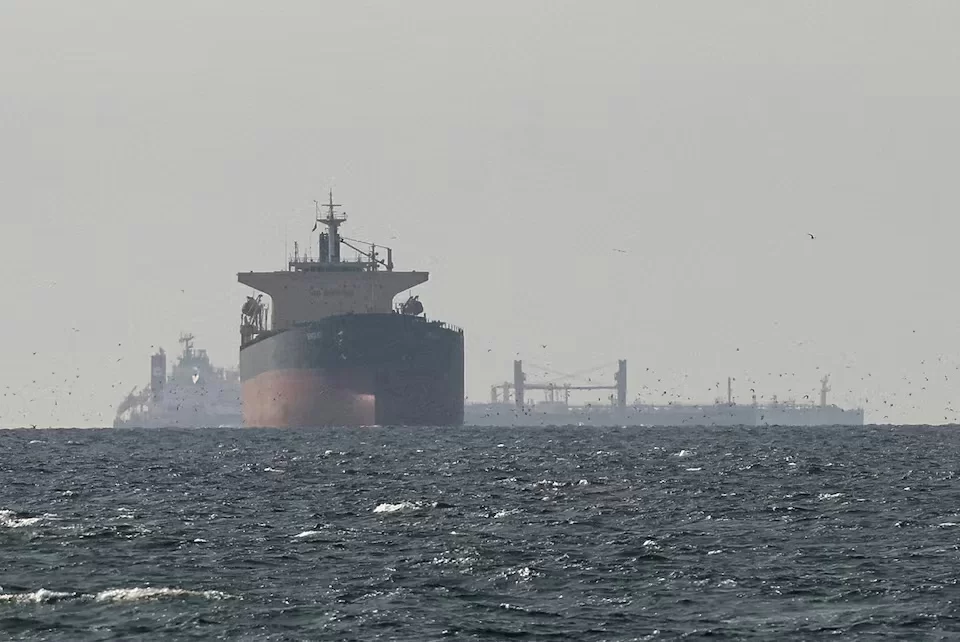
Iran zet olieshock in om Amerikaanse militaire macht te neutraliseren
Amid escalating tensions with the United States and Israel, Iran has strategically weaponized the world’s most critical oil transit route—the Strait of Hormuz—transforming it into a powerful deterrent against military superiority, according to three regional sources familiar with Tehran’s strategy. This maneuver effectively leverages the Gulf’s primary economic artery to neutralize adversaries’ advantages while triggering global energy market disruptions.
Historical Precedents and Enhanced Capabilities
Iran’s current tactics echo its playbook during the 1980–1988 Iran-Iraq Tanker War, when it targeted vessels to destabilize maritime security. However, modern advancements have drastically amplified its reach: Tehran now possesses extensive stockpiles of low-cost missiles and drones capable of threatening shipping across a broader region. Notably, recent attacks demonstrate Iran’s ability to disrupt traffic without mining waters, showcasing evolved asymmetric warfare techniques.International Reactions and Warnings
U.S. President Donald Trump has issued stern warnings to Iran, emphasizing that Washington “completely destroyed military targets” and threatening further strikes on Iranian oil infrastructure, including the strategic Kharg Island. He asserted that any obstruction of free navigation through the Strait of Hormuz would prompt immediate reconsideration of U.S. actions. Meanwhile, Gulf states like the UAE and Saudi Arabia expressed deep concern over regional escalation, urging civilians to avoid ports and military sites while collaborating with international partners to safeguard maritime security.Strategic Doctrine and Economic Warfare
At the core of Iran’s strategy lies the recognition of its military limitations against superior forces. Instead of direct confrontation, Tehran aims to exert economic pressure—both domestically and globally—to undermine support for the war in the U.S. and compel negotiations. This approach aligns with the Islamic Revolutionary Guard Corps’ (IRGC) decentralized “Mosaic” doctrine, designed to withstand decapitation strikes by dispersing command structures.Expert Insights and Future Projections
Ali Vaez, Director of the International Crisis Group’s Iran Project, noted that the U.S. entered the conflict unprepared, driven by “wishful thinking and poorly conceived strategies.” He argued that while Washington could significantly weaken Iran, total defeat would require a ground invasion with potentially one million soldiers—a scenario the U.S. has “no appetite for.” Iran’s immediate goal is survival, coupled with demonstrating to Washington that coercive tactics—military, economic, or diplomatic—are ineffective. By leveraging the Hormuz chokepoint and expanding the battlefield beyond its borders, Tehran bets on outlasting a far stronger adversary. -
India zoekt veilige doorgang voor vastliggende schepen bij Straat van Hormuz
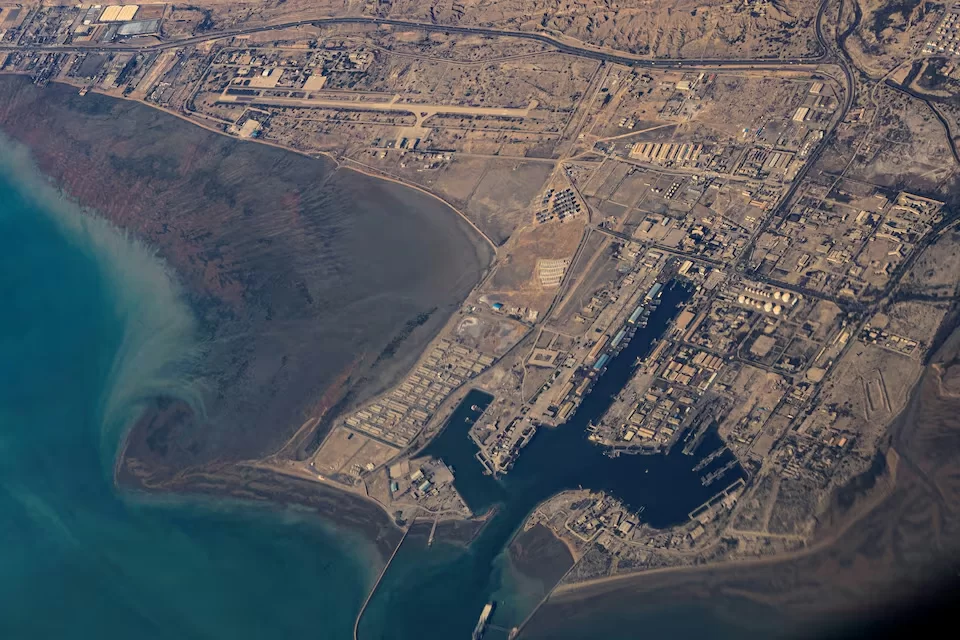
India has launched urgent diplomatic initiatives to secure safe passage for 22 commercial vessels currently immobilized west of the strategically critical Hormuz Strait, according to a Saturday statement from the Ministry of External Affairs. The development follows Iran’s exceptional authorization permitting limited Indian ships to traverse this vital maritime corridor, which facilitates approximately 20% of global oil and liquefied natural gas shipments.
External Affairs Ministry spokesperson Randhir Jaiswal confirmed India’s ongoing engagement with multiple Middle Eastern stakeholders including Gulf states, Iran, the United States, and Israel, emphasizing that energy security considerations remain paramount. Iranian Ambassador to India Mohammad Fathali separately verified that Tehran had granted safe passage privileges to select Indian vessels.
The maritime impasse stems from suspended shipping operations through the Hormuz Strait following recent American and Israeli military actions against Iran. This disruption has triggered India’s most severe gas crisis in decades, forcing authorities to prioritize household supply over industrial consumption.
Shipping Ministry Special Secretary Rajesh Kumar Sinha detailed the composition of affected vessels: four crude oil tankers, six LPG carriers, and one LNG ship. In a positive development, two Indian Oil Corporation-chartered vessels—Shivalik and Nanda Devi—successfully navigated the strait and are scheduled to dock at Mundra and Kandla ports on March 16-17, carrying over 92,000 tons of liquefied petroleum gas.
Concurrently, India is leveraging its BRICS presidency to forge consensus among member nations—Brazil, Russia, China, South Africa, and newcomer Iran—regarding the Middle East conflict.
The human dimension of this crisis involves approximately 23,000 Indian seafarers working throughout the Gulf region. Among them is 26-year-old Ambuj, stranded for two weeks at Bandar Abbas port after six months away from family. His vessel remains anchored following warnings from Iran’s Islamic Revolutionary Guard Corps about navigation risks in the strait, a situation replicated across hundreds of commercial ships.
Seafarer M. Kanta reported observing drones and fighter jets nearby while experiencing temporary Starlink internet disruptions that amplified onboard anxieties, though connectivity resumed March 6. An anonymous crew member described witnessing a drone strike on another vessel, noting that sleep has become difficult due to persistent fear and uncertainty.
The Indian government maintains active coordination with Iranian and international authorities to ensure seafarer safety amid escalating regional tensions.
-
Japan to equip OKEU hospital with new beds, defibrillators and ECG machines
In a significant development for Caribbean healthcare infrastructure, the Owen King EU Hospital in Saint Lucia is poised to enhance its medical capabilities through a substantial donation from Japan’s Grant Assistance for Grassroots Human Security Projects (GGP/Kusanone) program. The initiative will provide 12 advanced medical beds, two automated external defibrillator units, and two electrocardiogram machines to address critical service gaps.
Hospital administrators confirm the equipment will be strategically deployed across high-demand departments including general wards, the Intensive Care Unit, and the Accident and Emergency Department. Procurement processes are scheduled for completion within the next thirty days, marking a rapid implementation timeline for the urgently needed resources.
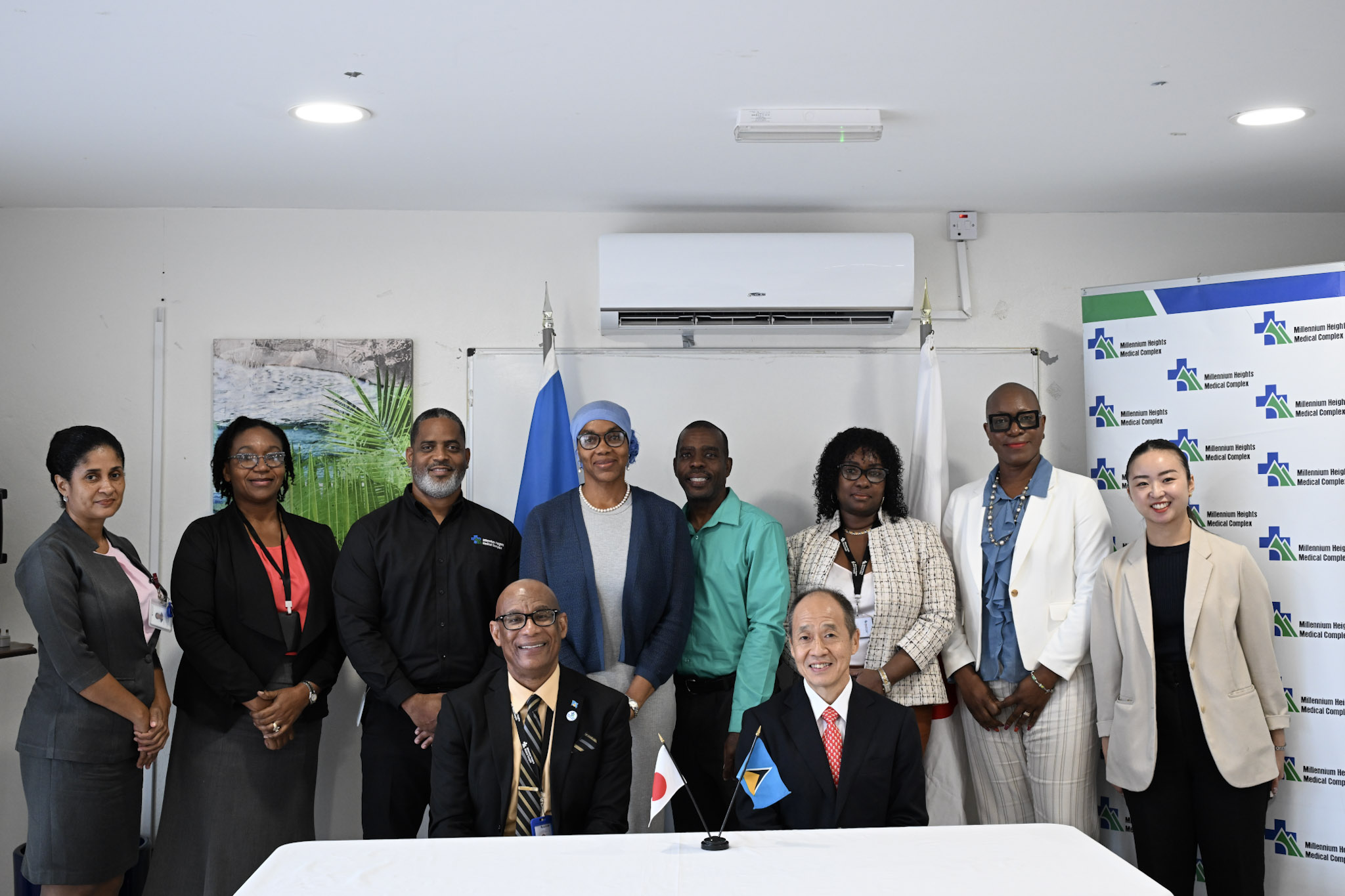
The partnership was formally established during a memorandum of understanding signing ceremony featuring Japanese Ambassador Akima Umezawa and Millennium Heights Medical Complex CEO Damian Greaves. Ambassador Umezawa emphasized Japan’s ongoing dedication to supporting healthcare accessibility initiatives in Saint Lucia, particularly noting the strategic importance of emergency preparedness for island nations vulnerable to natural disasters.
Mr. Greaves acknowledged the donation as more than mere equipment transfer, characterizing it as a symbol of bilateral commitment to human security and community health system strengthening. ‘This collaboration directly impacts the point where healthcare most intimately connects with people’s lives,’ Greaves stated during the ceremonial proceedings.
An official commissioning ceremony to commemorate the operationalization of this international health partnership is planned for a future date, marking the continued cooperation between Japan and Saint Lucia in the healthcare domain.
-
Antigua and Barbuda pushes for gender-sensitive climate action at UN Forum
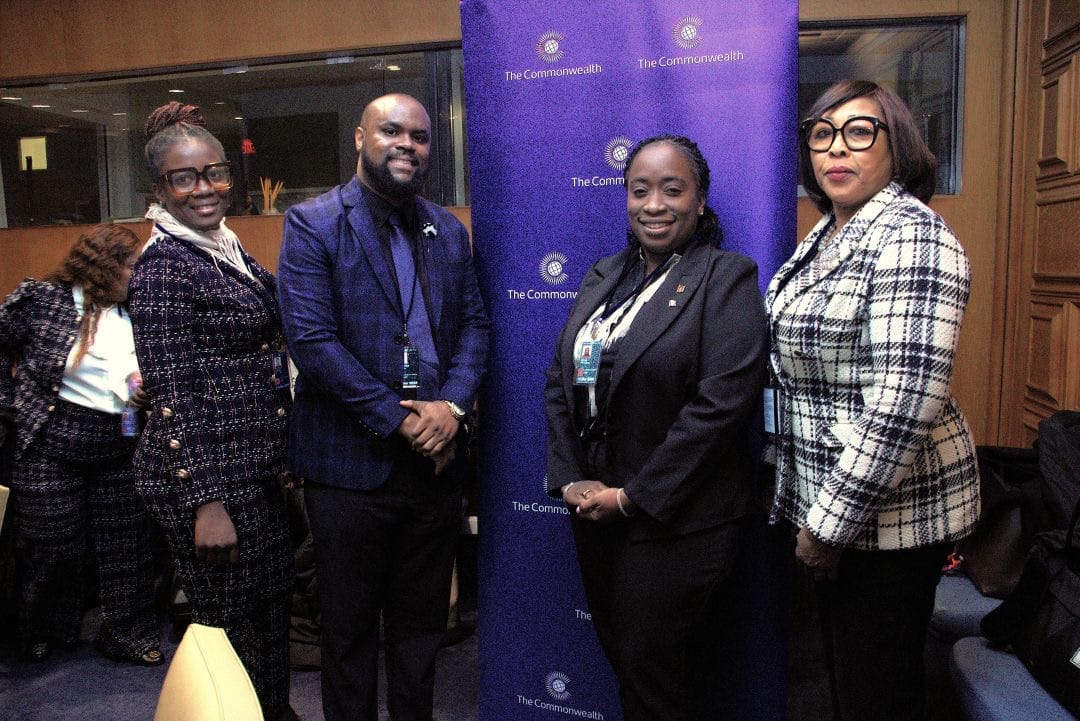
NEW YORK (March 14, 2026) – In a significant address before a United Nations assembly, Antigua and Barbuda’s Director of Gender Affairs Jamie Saunders presented a powerful argument for integrating gender equality objectives into climate financing mechanisms. Speaking at a side event during the 70th Session of the Commission on the Status of Women (CSW80), Saunders emphasized that climate change impacts are not gender-neutral and require targeted financial solutions.
The high-level panel discussion, titled ‘Advancing Climate Justice through Gender-Responsive Climate Finance,’ provided a platform for Saunders to outline Antigua and Barbuda’s pioneering policies addressing the disproportionate effects of climate change on women. He specifically highlighted the vulnerabilities faced by rural women, single-parent households, and women working in informal economic sectors who encounter significant obstacles in accessing resources, financing, and decision-making processes.
Saunders detailed several innovative initiatives demonstrating Antigua and Barbuda’s leadership in climate justice. The country has formally integrated gender responsiveness into its climate governance framework and updated Nationally Determined Contributions (NDCs) as official policy. These commitments prioritize increasing women-led businesses implementing renewable energy and climate adaptation solutions, supporting women’s economic recovery following extreme weather events, and promoting gender-responsive transitions in traditionally male-dominated sectors like energy and construction.
A cornerstone initiative highlighted was the Sustainable Island Resource Framework Fund (SIRF Fund), established under the Environmental Protection and Management Act (2019) and administered by the Department of Environment. Through its blended finance window, the fund specifically expands access to climate-related investments for women-led enterprises, ensuring women participate not merely as beneficiaries but as active drivers of climate solutions.
Meanwhile, Minister of State Shenella Govia described Antigua and Barbuda’s participation in CSW80 as profoundly moving and rewarding. She emphasized the importance of international collaboration in sharing progress and developing collective solutions to accelerate gender equality advancements worldwide. The delegation, which included Minister of Social and Urban Transformation Rawdon Turner and other senior officials, actively contributed to discussions that will inform and strengthen national policies and initiatives moving forward.
-

Two brothers arrested in France over ‘deadly and antisemitic’ plot
French counterterrorism authorities have apprehended two brothers in connection with a foiled terrorist scheme described as both lethal and antisemitic in nature. The suspects, identified as Elyasse H, 22, and Moad H, 20, were taken into custody near a prison facility in Longuenesse, a town in northern France, following an extensive investigation.
According to the National Anti-Terror Prosecutor’s Office (PNAT), the individuals—holding Italian and Moroccan citizenship—were intercepted while traveling in a vehicle containing alarming evidence. Law enforcement officials discovered an arsenal that included a semi-automatic firearm, hydrochloric acid, aluminum foil, and an Islamic State group flag prominently displayed on the driver’s headrest.
During interrogation, both brothers reportedly confessed to actively planning a terrorist attack on French soil, expressing their aspiration for martyrdom in the process. Investigators determined the pair had undergone significant radicalization over approximately two years, consuming substantial jihadist propaganda that influenced their deadly intentions.
The investigation revealed the brothers had abandoned plans to travel to conflict zones in Syria or Palestine, instead opting to target locations within France. Evidence included a recently recorded video by Moad H. pledging allegiance to the Islamic State extremist organization. Additionally, encrypted messaging communications indicated active attempts to procure handguns and assault rifles, suggesting their plot was nearing execution phase.
The siblings, who arrived in France with their family in 2017, maintained connections with other radicalized individuals, including some already under investigation or convicted for terrorism-related offenses. French prosecutors have formally requested terrorism charges and pre-trial detention for both suspects as the judicial process continues.
-
Italy-US airbase in Kuwait hit by drone, no injuries
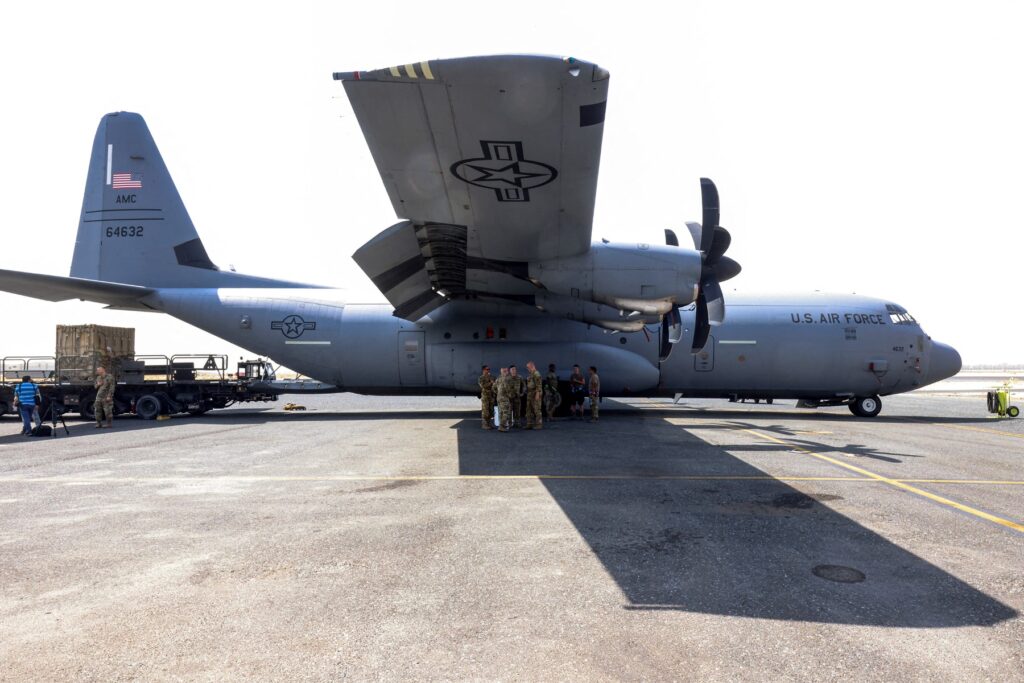
ROME, Italy—A military base in Kuwait hosting international coalition forces, including Italian and American troops, was targeted by a drone assault on Sunday, according to an official statement from Italy’s defense authorities. The attack resulted in the destruction of an Italian remotely piloted aircraft but caused no casualties among personnel.
General Luciano Portolano, Chief of the Defence General Staff, confirmed through the military’s official X account that the Ali Al Salem airbase had been struck. The drone attack specifically damaged a shelter containing operational assets of the Italian Task Force Air (TFA), completely destroying the unmanned aerial vehicle stationed there.
The Italian Armed Forces emphasized that all personnel remained unharmed during the incident. In response to escalating regional tensions, the military had already implemented precautionary measures by reducing staff numbers at the base in recent days. Those remaining were described as essential personnel maintaining critical mission operations.
This incident follows a similar attack last week against an Italian military installation in Iraqi Kurdistan, which also involved drone hostilities. Although no injuries occurred in that previous incident, Rome responded by temporarily withdrawing nearly 300 personnel who had been training local security forces in Erbil as part of an international coalition effort.
The destroyed aircraft represented a significant operational asset for Italian forces in the region, having been maintained at the Kuwaiti base to ensure continuity of surveillance and security operations. Military officials indicated that the evolving security situation in the Middle East has prompted increased vigilance and adaptive deployment strategies among coalition partners.
-
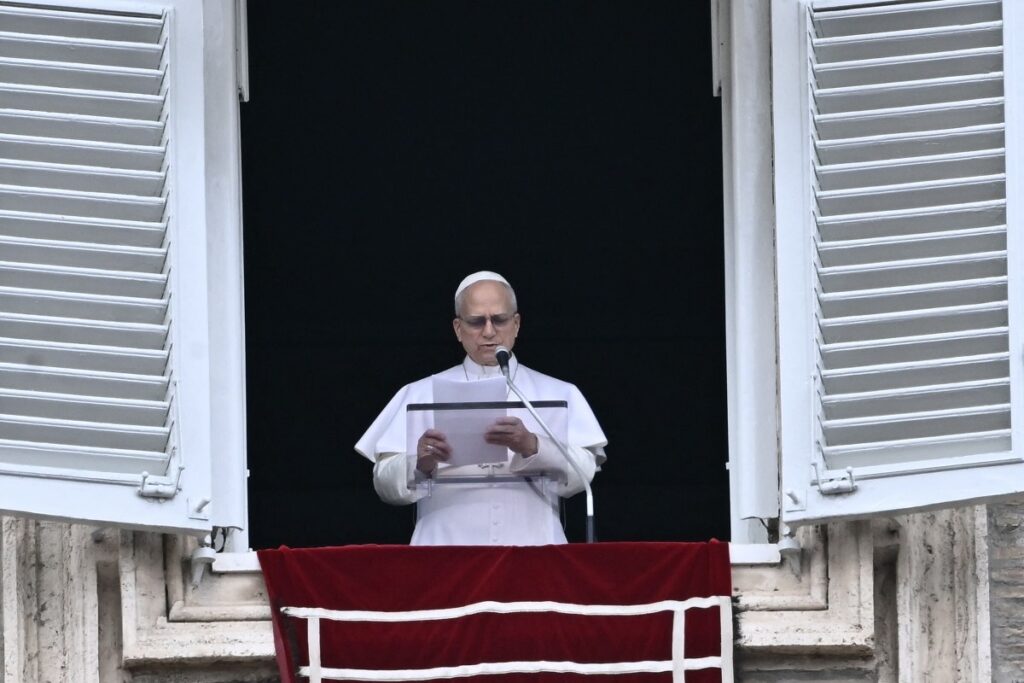
Pope criticises those who invoke God to wage war
VATICAN CITY — In a powerful address delivered during his pastoral visit to a Roman suburb on Sunday, Pope Leo XIV issued a renewed and impassioned plea for peace in the Middle East, delivering a stark condemnation of those who exploit religious doctrine to justify armed conflict. The Pontiff characterized warfare as an “absurd” solution to resolving human differences and explicitly stated that “God cannot be enlisted by darkness.
The 70-year-old leader of the Catholic Church expressed profound sorrow for the immense suffering endured by countless individuals caught in the crossfire of violent hostilities. He extended his spiritual solidarity to all families who have lost loved ones, particularly highlighting the tragic consequences of attacks on civilian infrastructures, including schools, hospitals, and residential neighborhoods.
Earlier that day, during his traditional weekly Angelus prayer at St. Peter’s Square, the Pope had already set a somber tone, praying for the victims of what he described as “atrocious violence of war” and fervently advocating for the immediate resumption of diplomatic dialogue as the only viable path forward.
With specific concern, Pope Leo highlighted the rapidly deteriorating situation in Lebanon, voicing the anxieties of Middle Eastern Christian communities and all people of goodwill. He directly appealed to those in positions of power and influence over the conflict, demanding an unequivocal and immediate cessation of hostilities. “Cease fire! Let paths of dialogue be reopened!” he implored, asserting that violence is incapable of delivering the justice, stability, and peace that populations desperately seek and deserve.