A minor earthquake with a magnitude of 3.7 shook the eastern Caribbean on Saturday morning, causing slight tremors in Antigua and Barbuda and nearby islands. The seismic event occurred at 7:24 a.m. local time (11:24 UTC) at a depth of 25 kilometres, as reported by the University of the West Indies Seismic Research Centre (UWI SRC). The epicenter was pinpointed at 16.40°N latitude and 59.89°W longitude, approximately 231 kilometres north-west of Saint John’s, Antigua and Barbuda. The tremors were also felt in neighbouring regions, including Point-à-Pitre, Guadeloupe, located 184 kilometres to the east, and Roseau, Dominica, 206 kilometres to the north-east. Despite the quake, officials in Antigua and Barbuda confirmed no damage or injuries, categorizing the event as minor. The UWI SRC remains vigilant in monitoring seismic activity in the region, which is part of the seismically active eastern Caribbean fault zone. Authorities have urged residents to stay informed about earthquake preparedness measures and to report any unusual activity to local officials.
分类: world
-

News : Zapping…
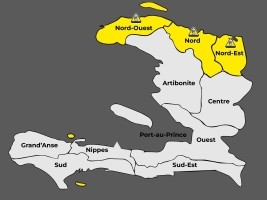
Haiti has been thrust into the spotlight following a series of significant events that underscore the nation’s ongoing struggles and resilience. In a devastating act of violence, Université Soleil d’Haïti (USH), founded by former senator Jean Renel Sénatus, was reduced to ashes in an arson attack. This institution, a beacon of education, now lies in ruins, symbolizing the fragility of Haiti’s social infrastructure. Simultaneously, the home of Elysée Blaise, interim executive agent at Montrouis City Hall, and his mother’s residence were torched by members of the notorious ‘Taliban’ gang, further highlighting the pervasive insecurity plaguing the region. Amidst these challenges, Haiti finds hope in Melissa Queenie Sapini, a Haitian-American journalist and social activist, who will represent the nation at the 74th Miss Universe pageant in Thailand. Sapini, co-founder of The Two Queens Foundation, continues to champion education and literacy in Haiti. On the diplomatic front, Laurent Saint-Cyr, President pro tempore of Haiti’s Transition Council, arrived in Doha, Qatar, to participate in the Second World Summit for Social Development, signaling Haiti’s commitment to global collaboration. Meanwhile, Port-au-Prince undergoes critical road rehabilitation on Faustin 1er Road, with temporary closures aimed at ensuring safety and efficiency. In a gesture of solidarity, the United States has extended aid to Haitians affected by Hurricane Melissa, distributing essential supplies through the International Organization for Migration (IOM). These events collectively paint a picture of a nation grappling with adversity while striving for progress and international engagement.
-

Active tropical wave threatens heavy rains in the Dominican Republic, where the ground is already saturated
The Dominican Republic is preparing for significant rainfall as an active tropical wave sweeps across the nation, according to Gloria Ceballos, Director of the Dominican Institute of Meteorology (Indomet). Ceballos emphasized that the tropical wave, expected to move over the country early Sunday, will bring substantial precipitation, particularly affecting the Caribbean coast, northwest, and central regions. While the system is not forecasted to develop into a cyclone, it may produce strong wind gusts. Ceballos highlighted that the region’s soils are already saturated following October’s stormy weather, which included tropical waves and Storm Melissa, causing widespread damage and financial losses. The downpours are anticipated to begin Saturday night and persist through Sunday, raising concerns about potential flooding and further infrastructural strain.
-

Hurricane Melissa leaves at least 30 dead as storm heads to Bermuda
The Caribbean is reeling from the catastrophic impact of Hurricane Melissa, one of the most powerful storms in recorded history, which struck the region with devastating force. Making landfall in Jamaica on October 28 as a Category 5 hurricane, Melissa unleashed destructive winds, severe flooding, and relentless rainfall, leaving a trail of destruction across Jamaica, Cuba, and Haiti. By October 30, the storm had weakened as it moved toward Bermuda, but the damage had already been done, with dozens of lives lost and communities left in ruins. Rescue and recovery operations are underway, but they are severely hindered by widespread power outages, communication breakdowns, and blocked roads. The death toll continues to rise, with over 30 fatalities reported in Jamaica, Haiti, and the Dominican Republic. Jamaican officials, including Education Minister Dana Dixon, described the devastation as unprecedented, with entire communities isolated and infrastructure flattened. Helicopters are being deployed to deliver relief supplies and transport patients, though landing in some areas remains a challenge due to debris and flooding. The emotional toll on residents is immense, with many unable to contact loved ones in the hardest-hit zones. Despite the overwhelming destruction, the global community has rallied to offer support, with countries pledging financial aid, food, and rescue teams to assist in the recovery efforts.
-

Archbishop Gordon: Pray for peace in the region
Amid escalating tensions between the United States and Venezuela, Archbishop Jason Charles Gordon has issued a heartfelt appeal for peace in the region. In a letter dated November 1, the Archbishop urged Catholics and the broader population to pray for tranquility during these uncertain times. The call comes as the US increases its military presence in the southern Caribbean, with reports of Trinidad and Tobago Defence Force personnel being recalled to base. Gordon emphasized the need for faith and vigilance, warning against misinformation that could sow division and hatred. He also highlighted the importance of reconciliation over aggression, urging communities to cultivate peace. The Archbishop extended his prayers to those affected by Hurricane Melissa in Trinidad and Tobago, Venezuela, Guyana, and Jamaica, and reaffirmed the church’s commitment to supporting migrant families. Meanwhile, US President Donald Trump has denied reports of an imminent military strike on Venezuela, while Trinidad and Tobago’s Prime Minister Kamla Persad-Bissessar has called for calm, despite her support for the US military deployment. Venezuela’s National Assembly has declared Persad-Bissessar persona non-grata, sparking public protests against her stance.
-

Family of Las Cuevas fisherman supected killed in US strike report him ‘missing’
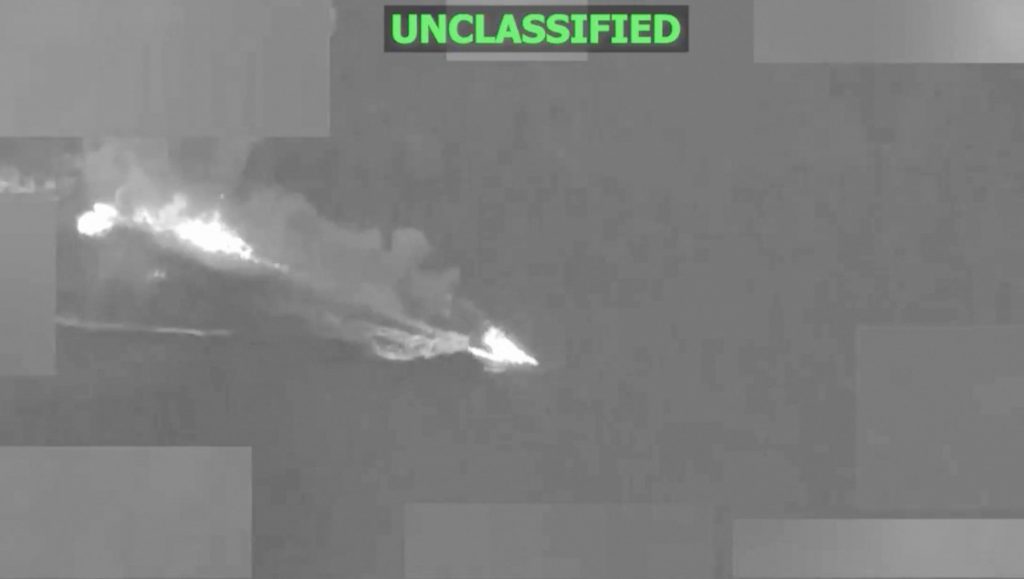
The family of Chad Joseph, a 26-year-old fisherman from Las Cuevas, Trinidad, has reported him missing to the police, suspecting he may have been one of two Trinidadians killed in a US military strike in the Caribbean in October. Joseph, a resident of Salvary Lane, St. Michael’s Village, has been missing since April 25. His relative filed the missing person report on November 1 at the Maracas Bay police station, stating that she last spoke to him on the morning of his disappearance when he mentioned going fishing. Joseph and Rishi Samaroo are believed to have been casualties of the October 14 strike, part of a US-led operation targeting narcotics trafficking. Foreign and Caricom Affairs Minister Sean Sobers, during a post-Cabinet media briefing on October 30, emphasized that there is no evidence linking the men’s deaths to the military strike. He clarified that the operation occurred in international waters, beyond Trinidad and Tobago’s national jurisdiction and Exclusive Economic Zone (EEZ). Sobers also pledged to assist Samaroo’s relatives, who faced challenges filing a missing person report at the Barataria Police Station, by contacting the Minister of Homeland Security and the Commissioner of Police. Investigations into the incident are ongoing.