The United States Government has committed an initial $11 million in aid to assist Jamaica in its recovery efforts following the devastation caused by Hurricane Melissa. This funding will be channeled through various organizations, including the Red Cross, the UN World Food Programme, Samaritan’s Purse, and Project HOPE, alongside direct support to the Jamaican government.
分类: world
-

British Virgin Islands Premier pledges support for Jamaica
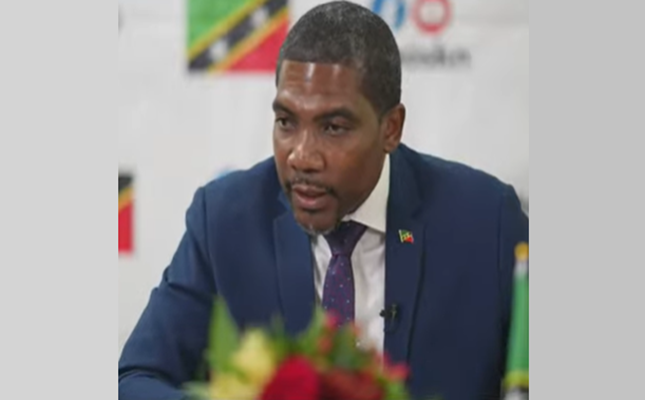
TORTOLA, British Virgin Islands (CMC) – In a heartfelt address to the House of Assembly, Premier Dr. Natalio Wheatley of the British Virgin Islands (BVI) has vowed to extend all possible assistance to Jamaica following the devastation caused by Hurricane Melissa. Expressing deep sympathy for the affected nation, Wheatley emphasized the shared experiences of Caribbean communities in the face of natural disasters.
‘On behalf of the Government and people of the Virgin Islands, I extend our deepest sympathy and solidarity to the Government and people of Jamaica. We mourn with them for the lives lost, the homes destroyed, and the communities left reeling in the storm’s aftermath,’ Wheatley stated. He reflected on the catastrophic impacts of Hurricanes Irma and Maria on the BVI in 2017, noting that such events leave behind pain and uncertainty but also inspire resilience and determination to rebuild.
The Premier highlighted the importance of regional solidarity, describing the Caribbean bond as more than diplomatic—it is familial. ‘Their struggle is our struggle; their resilience is our inspiration,’ he affirmed. Wheatley revealed that the BVI Government has been in communication with regional partners and agencies to assess the situation and coordinate support.
He assured the House and the public that the Virgin Islands would provide assistance wherever possible. ‘As Jamaica begins its recovery and reconstruction, I wish to assure this honourable House and the public that the Virgin Islands will do its part to provide assistance where we are able. The spirit of regional solidarity, which defines us as Caribbean people, compels us to extend a hand of support in this time of great need,’ Wheatley declared.
Concluding his address, the Premier called for renewed commitment to preparedness, compassion, and unity across the region. ‘In moments like these, we are reminded that our Caribbean bond is more than diplomatic—it is familial. We are one people, connected by shared history, shared struggles, and shared hope. As we continue to pray for Jamaica and all those affected by Hurricane Melissa, let us also renew our own commitment to preparedness, compassion, and unity across this region,’ he said.
-

Military devise ‘war’ plans after call-out – Troops stand down
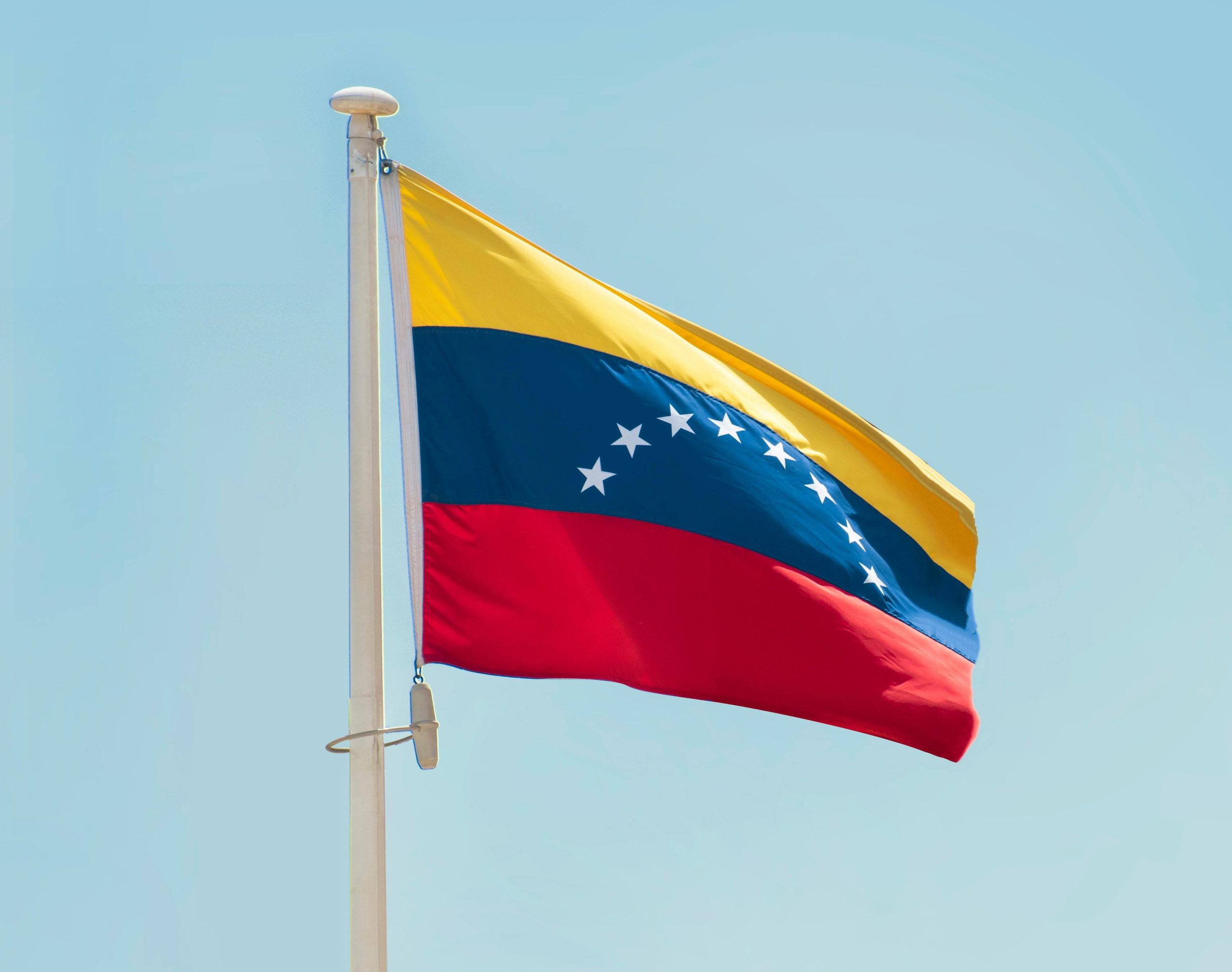
In response to escalating tensions between the United States and Venezuela, military commanders have developed three specific contingency plans to address potential land strikes involving US forces. This strategic preparation follows the mandatory recall of thousands of active-duty soldiers, sailors, and personnel on October 31, who were instructed to report for duty by 6 pm, leading to a lockdown of all military installations. Although the heightened alert was deactivated later that night, three Quick Reaction Force (QRF) teams remain deployed to strategic locations as part of an ongoing operation to monitor the situation. A senior military officer confirmed that these measures are in place to respond to any emergency arising from military actions in Venezuela. The call to duty was reportedly prompted by international media reports suggesting the US was preparing to strike Venezuela, a claim later refuted by US President Donald Trump and the White House. Trump has previously authorized CIA covert operations in Venezuela and recently announced plans to target drug-related activities within the country. The combination of these developments, along with parliamentary debates on extending the state of emergency, has caused widespread anxiety, leading to early school closures and business shutdowns. Prime Minister Kamla Persad-Bissessar has urged calm, pledging to keep the public informed of significant developments. She has supported US military strikes against narco-traffickers, which have resulted in 61 deaths over the past eight weeks. Military personnel responded promptly to the call, filling camps across the country, while senior commanders convened to assess operational intelligence and devise strategies to handle potential threats, including the migration of Venezuelan nationals fleeing conflict zones. ‘We have a responsibility to care for them while ensuring the safety of our own population,’ an officer stated.
-

Lessons from Melissa: Prepare for natural disasters
In the wake of Hurricane Melissa’s catastrophic impact across the Caribbean, disaster management experts are emphasizing the urgent need for enhanced preparedness and infrastructure improvements in vulnerable regions. Jerry David, a senior disaster management coordinator at Trinidad and Tobago’s Ministry of Rural Development and Local Government, highlighted the critical vulnerabilities in the country’s flood-prone areas, particularly the Caroni plains and the Oropouche river basins. He stressed that while natural hazards are inevitable, human actions and inadequate planning often escalate them into full-blown disasters. David pointed out that improper construction practices, such as building settlements on hillsides and using substandard roofing materials, exacerbate the risks during hurricanes. He also lamented the lack of designated shelters in Trinidad and Tobago, urging for better-equipped community centers and schools to serve as safe havens during emergencies. The aftermath of Hurricane Melissa, which struck Jamaica as a Category 5 storm and later hit Cuba as a Category 3, has left a trail of destruction, with at least 19 fatalities in Jamaica, widespread power outages, and thousands displaced. International aid agencies, including the Red Cross and the UN, have mobilized extensive relief efforts, delivering essential supplies and support to affected regions. David emphasized the importance of studying Melissa’s impact to refine disaster response strategies and improve future preparedness. The hurricane’s devastation has also sparked a broader conversation about the need for proactive measures, such as proper tree pruning, reinforced infrastructure, and community education, to mitigate the effects of future natural disasters.
-

Archbishop Gordon: Pray for peace in the region
Amid escalating tensions between the United States and Venezuela, Archbishop Jason Charles Gordon has issued a heartfelt appeal for peace in the region. In a letter dated November 1, the Archbishop urged Catholics and the broader population to pray for tranquility during these uncertain times. The call comes as the US increases its military presence in the southern Caribbean, with reports of Trinidad and Tobago Defence Force personnel being recalled to base. Gordon emphasized the need for faith and vigilance, warning against misinformation that could sow division and hatred. He also highlighted the importance of reconciliation over aggression, urging communities to cultivate peace. The Archbishop extended his prayers to those affected by Hurricane Melissa in Trinidad and Tobago, Venezuela, Guyana, and Jamaica, and reaffirmed the church’s commitment to supporting migrant families. Meanwhile, US President Donald Trump has denied reports of an imminent military strike on Venezuela, while Trinidad and Tobago’s Prime Minister Kamla Persad-Bissessar has called for calm, despite her support for the US military deployment. Venezuela’s National Assembly has declared Persad-Bissessar persona non-grata, sparking public protests against her stance.
-

Melissa’s disaster in Jamaica brings a flood of tourists to the Dominican Republic
Hurricane Melissa, one of the most powerful cyclones in Jamaica’s history, has left a trail of devastation, severely crippling the island nation’s tourism sector. Hotels and airports have been forced to shut down, and thousands of tourists have been displaced, creating an unprecedented crisis for the industry. In the wake of this disaster, major tour operators have swiftly shifted their focus to alternative Caribbean destinations, with the Dominican Republic emerging as the primary beneficiary of this sudden tourist influx. According to sources connected to Punta Cana Airport, leading operators like TUI have already redirected flights to the Dominican Republic’s largest tourist hub. Other destinations, including Puerto Plata and Samaná, are also expected to gain from the surge in demand, as Punta Cana alone may struggle to accommodate the increased traffic. North American airlines are actively rescheduling flights to Jamaican destinations, as well as to Latin America and Europe, with the Dominican Republic witnessing the highest demand. However, the timing of this influx poses a significant challenge, as it coincides with the peak of the high season. The Dominican Republic, already experiencing record-breaking tourist arrivals, is projected to surpass 11.5 million visitors by 2025. This raises questions about hotel availability and infrastructure capacity. Meanwhile, Jamaica faces a long and arduous road to recovery, as the extensive damage to its tourist infrastructure will likely divert a substantial portion of its tourism market to the Dominican Republic for the foreseeable future.
-

US government shutdown causes flight delays at Las Américas Airport
The ongoing U.S. federal government shutdown has begun to ripple across international air operations, with significant delays reported at Las Américas International Airport (AILA) in Santo Domingo, Dominican Republic. Aerodom, the airport operator and a subsidiary of Vinci Airports, confirmed on Friday that the disruptions stem from staffing shortages in the U.S. air traffic control system, exacerbated by the federal shutdown. While no flight cancellations have occurred so far, delays have been observed in flights to and from various U.S. cities. Luis López, Aerodom’s corporate director, emphasized that passengers should remain in contact with their airlines for real-time updates. The situation has heightened concerns among travelers, particularly those scheduled for Friday night flights to the United States. U.S. Transportation Secretary Sean Duffy acknowledged the severe impact of the shutdown on air traffic control personnel, noting that absenteeism among controllers has surged. Seven major air traffic control centers, including those in Dallas-Fort Worth, Newark, and Atlanta, are operating with reduced staff, leading to significant delays. Since the shutdown began, staffing shortages have quadrupled compared to the same period last year. The financial strain on air traffic controllers, who are working without pay, has further intensified the crisis. Thousands received zero-value paychecks on October 28, fueling frustration and absenteeism. As the political deadlock in Washington persists, international airports like AILA are closely monitoring the situation, hoping to avoid widespread cancellations over the weekend.
-

Belize Sends Aid to Students Abroad After Hurricane Melissa
In response to the catastrophic aftermath of Hurricane Melissa, the Belizean government has launched a significant relief effort to assist its citizens abroad, particularly students in Jamaica and Cuba. The Ministry of Foreign Affairs has dispatched a shipment of essential supplies to approximately seventy-five Belizean students in Jamaica. These packages, containing crucial hygiene products and non-perishable food items, were transported via a Jamaica Defense Force aircraft that had sought refuge in Belize during the storm. This initiative underscores the spirit of regional cooperation in times of crisis. In Kingston, Belize’s Honorary Consul is personally managing the distribution of these supplies, while in Santiago de Cuba, students are receiving aid through the coordination of Belize’s Embassy in Havana. Foreign Minister Francis Fonseca expressed profound gratitude to the Jamaican government for their support, emphasizing Belize’s commitment to the welfare of its students and solidarity with Jamaica’s recovery efforts. Reassuringly, all Belizean students in both countries have been confirmed safe.
-

Caribbean Deep in Recovery Mode after Melissa
The Caribbean region is grappling with the aftermath of Hurricane Melissa, which has left a trail of destruction across several nations. Jamaica, one of the hardest-hit areas, is now in recovery mode as international aid begins to arrive. The storm, initially a catastrophic hurricane, has been downgraded to a post-tropical cyclone with sustained winds of 85 mph. Transport Minister Daryl Vaz announced that over 20 cargo flights are expected to deliver essential relief supplies. ‘The primary challenge at this stage is ensuring efficient logistics to reach the most severely affected regions,’ Vaz stated during a morning briefing. He also confirmed that eight to ten US helicopters are en route to assist in the relief efforts. Sangster International Airport in Montego Bay, which sustained damage due to its proximity to the hurricane’s path, is set to reopen for commercial flights on Saturday, allowing tourists to depart the island. Local Government Minister Desmond McKenzie reported that approximately 7,000 people remain in 430 shelters across Jamaica, a significant decrease from the peak of over 15,000 during the storm. Tragically, the death toll continues to rise, with at least 50 fatalities attributed to the storm. In Jamaica, 19 deaths have been confirmed, but officials anticipate this number will increase. In Haiti, authorities have reported at least 30 deaths and 20 missing persons, with 23 fatalities, including 10 children, resulting from severe flooding in Petit-Goâve, where a river burst its banks.