分类: world

  • Antigua and Barbuda Pushes for Visa-Free Travel to the United Arab Emirates

    Antigua and Barbuda Pushes for Visa-Free Travel to the United Arab Emirates

    DUBAI – Against the gleaming backdrop of the 2026 World Governments Summit, the Caribbean nation of Antigua and Barbuda has initiated a transformative partnership with the United Arab Emirates, signaling a new chapter in transcontinental connectivity and economic collaboration.

    The high-level delegation, led by Prime Minister Gaston Browne and Ambassador Theon Ali, progressed beyond theoretical discussions to establish concrete, actionable frameworks aimed at bridging the geographical and economic divide between the Caribbean and the Middle East. Central to these diplomatic efforts is the advancement of a Comprehensive Economic Partnership Agreement (CEPA), designed to synchronize economic policies across three critical sectors: luxury tourism, sustainable infrastructure development, and global trade logistics.

    In a landmark development for global mobility, both nations are negotiating a significant expansion of their existing Mutual Visa Waiver Agreement. While currently benefiting only diplomatic and official passport holders, the proposed extension would grant ordinary citizens from both nations unprecedented freedom to travel for business and leisure, effectively eliminating longstanding bureaucratic barriers.

    Complementing this initiative, the delegation advanced the renewal of a bilateral Air Services Agreement during strategic talks with UAE Minister of State Noura Al Kaabi. This critical aviation framework aims to dismantle historical connectivity challenges by streamlining regulations and incentivizing airlines to establish direct routes, thereby creating a permanent ‘air bridge’ between the regions.

    Beyond tourism, the partnership focuses on substantial Emirati investment in Antigua and Barbuda’s sustainable infrastructure. Leveraging UAE expertise in smart-city development and renewable energy, the islands seek to fortify their economy against external shocks while attracting high-net-worth visitors and venture capital to their emerging digital and luxury sectors.

    The summit concluded with the establishment of a Joint Technical Team tasked with implementing these agreements by year’s end. This collaboration represents a strategic pivot for small island nations, demonstrating their capacity to evolve from vacation destinations into proactive architects of global economic integration.

  • Spain extradites Dominican man wanted for murder in the Dominican Republic

    Spain extradites Dominican man wanted for murder in the Dominican Republic

    In a significant international law enforcement collaboration, Spanish authorities have extradited Miguel Ángel Álvarez García to the Dominican Republic to face serious criminal charges. The suspect, who operated under multiple aliases, stands accused of orchestrating the fatal shooting of Cristofer Díaz Rodríguez in Santo Domingo’s Ensanche La Fe neighborhood on November 6, 2024.

    Álvarez García arrived at Las Américas International Airport under heavy security escort by OCN-Interpol Santo Domingo operatives. He was immediately transferred to the National District Prosecutor’s Office where judicial proceedings commenced without delay. The extradition marks the culmination of a complex legal process involving meticulous coordination between European and Caribbean judicial systems.

    According to investigative documents, the alleged murder plot involved multiple accomplices. Sandy Gabriel Alcántara, identified as the triggman nicknamed ‘Chamaco,’ reportedly executed the shooting under Álvarez García’s direction. The criminal network allegedly included Manuel Antonio Mora, currently in pretrial detention, and two additional suspects who remain fugitives from justice.

    The successful transnational operation was coordinated through the Public Ministry’s Directorate of International Legal Assistance, Extraditions and Human Rights in partnership with the National District Prosecutor’s Office. Dominican officials formally expressed gratitude to Spanish authorities for their cooperation in apprehending the fugitive, who had fled to Spain following the commission of the crime.

    Álvarez García now faces comprehensive charges under the Dominican Penal Code including homicide and violations of national firearms regulations. The case demonstrates growing international judicial cooperation in combating transnational criminal networks and ensuring accountability for violent crimes across jurisdictions.

  • Deadly US strike shakes Saint Lucia’s fishing sector

    Deadly US strike shakes Saint Lucia’s fishing sector

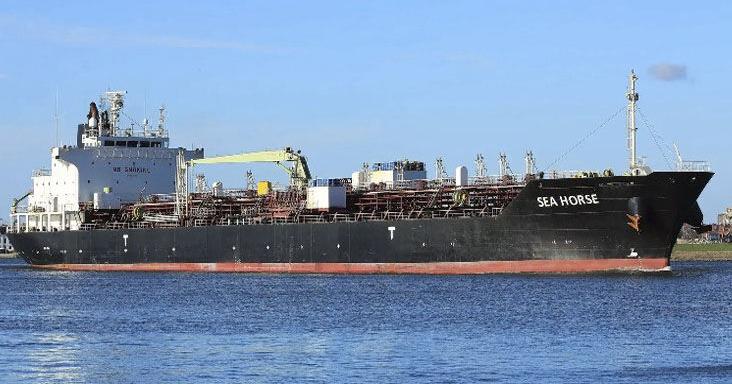
    Caribbean fishing communities are facing unprecedented fear and economic uncertainty following a lethal US military operation that resulted in three fatalities, including at least one Saint Lucian national. The incident occurred on Friday when US Southern Command conducted what it described as a ‘kinetic strike’ against suspected drug traffickers in regional waters.

    This event represents the latest in a series of aggressive counter-narcotics operations that have reportedly claimed 133 lives since September 2025. While US authorities labeled those killed as ‘narco-terrorists,’ they have yet to provide public evidence supporting these claims or the specific intelligence that prompted the deadly engagement.

    The fishing sector across Saint Lucia has been plunged into turmoil, with many fishermen now expressing profound apprehension about venturing into traditional fishing grounds. Kaygianna Toussaint Charlery, Operations Manager of the Goodwill Fishermen Cooperative, reported that community anxiety has reached critical levels following the weekend’s developments.

    ‘Fishing represents far more than occupation for our people—it constitutes the economic foundation for numerous low and middle-income households throughout Saint Lucia,’ Charlery emphasized. ‘When fishermen fear for their safety at sea, we witness reduced fishing expeditions, directly threatening family incomes and food security.’

    Charlery further noted that while fishermen adhere to established regulations regarding vessel modifications, licensing protocols, and territorial boundaries, compliance offers no guaranteed protection against aerial strikes. She questioned the intelligence methodology behind these operations, stating, ‘When attacks occur without interception from the air, the situation transcends legal fishing practices. We lack clarity regarding the intelligence underpinning these strikes.’

    The fisheries official strongly criticized the United States’ unilateral approach, arguing that it violates Caribbean sovereignty and undermines regional stability. ‘The US frequently operates as though it constitutes a law unto itself. We are sovereign nations, and more humane alternatives exist for addressing narcotics trafficking without devastating families, livelihoods, and entire economies.’

    Charlery advocated for enhanced cooperation through intelligence sharing and regional partnerships, emphasizing that collaborative frameworks would prove more effective than military actions that endanger civilian lives and local industries.

  • FLASH : 10 More Armored Vehicles for Haiti

    FLASH : 10 More Armored Vehicles for Haiti

    In a significant boost to Haiti’s security capabilities, the Haitian National Police (PNH) formally received a donation of 10 armored vehicles from the Government of Canada and the United Nations Office for Project Services (UNOPS) on Monday. The handover ceremony, held at the PNH headquarters in Clercine, was attended by Canadian Ambassador André François Giroux, Prime Minister and CSPN Coordinator Alix Didier Fils-Aimé, and senior police officials.

    This contribution represents a critical component of ongoing international efforts to strengthen Haitian law enforcement amid a severely deteriorating security environment. Ambassador Giroux reiterated Canada’s steadfast commitment to supporting Haiti’s pursuit of stability, while Prime Minister Fils-Aimé emphasized the government’s dedication to reestablishing public order and ensuring citizen safety. He further urged public cooperation against armed factions, stating that the full restoration of republican order is a prerequisite for political stability, economic recovery, and social cohesion.

    The strategic objective for this enhanced equipment is multifaceted: to secure key transportation routes, protect vital institutions, and foster a climate of trust nationwide. This latest delivery expands the PNH’s armored fleet to a total of 35 vehicles. This inventory now includes three advanced tracked armored vehicles, previously donated by South Korea in early February, which are specifically engineered for challenging terrain and offensive operations against heavily armed gangs.

    This logistical enhancement arrives concurrently with the PNH’s launch of “Operasyon San Kanpe,” a major offensive aimed at dismantling criminal gangs, clearing national highways, and reasserting state authority across Haiti. The armored vehicles are expected to significantly improve officer mobility, protection, and rapid response capabilities in these critical operations.

  • JLP hails contribution of civil rights icon Rev Jesse Jackson

    JLP hails contribution of civil rights icon Rev Jesse Jackson

    KINGSTON, Jamaica — The Jamaica Labour Party (JLP) has issued a formal tribute commemorating the life and legacy of Reverend Jesse Jackson, the renowned American civil rights leader who passed away at age 84 on Tuesday. His death was confirmed through an official family statement.

    Senator Abka Fitz-Henley, Chairman of the JLP Communication Committee, characterized Jackson as a ‘colossal figure in the global civil rights movement’ and praised his lifelong dedication to racial, social, and economic justice. In an official release, Fitz-Henley emphasized Jackson’s unwavering moral consistency, drawing parallels to his close associate Dr. Martin Luther King Jr. in championing righteous causes regardless of political convenience.

    The JLP statement highlighted Jackson’s seminal ‘I am somebody’ refrain as a transformative declaration that instilled confidence and belonging among marginalized communities worldwide. Fitz-Henley noted that Jackson maintained steadfast advocacy for society’s most vulnerable members, never retreating from his condemnation of injustice regardless of its origin.

    While expressing profound regret at his passing, the JLP emphasized celebration of Jackson’s enduring legacy. The party statement concluded that Jackson’s life of consistent activism establishes a profound example for current and future generations to emulate in the ongoing global struggle for equality and human dignity.

  • Declassified U.S. files mention Dominican Republic in Jeffrey Epstein case

    Declassified U.S. files mention Dominican Republic in Jeffrey Epstein case

    Newly unsealed documents from the U.S. Department of Justice’s investigation into Jeffrey Epstein contain multiple references to the Dominican Republic, shedding light on the financier’s Caribbean operations and travel patterns. The extensive cache of evidence—comprising emails, internal communications, and witness statements—details Epstein’s connections to the nation primarily through transit activities and logistical operations.

    Judicial records identify Puerto Plata province as a frequent transit hub for Epstein during journeys between his private island in the U.S. Virgin Islands and other Caribbean destinations. Investigators have traced electronic communications originating from Dominican territory, though substantial portions remain redacted to protect legally sensitive information.

    The documentation further reveals Epstein’s employment of Dominican nationals at properties associated with his network, alongside administrative correspondence regarding local services, staffing arrangements, and medical provisions received within the country.

    U.S. authorities have clarified that the inclusion of geographical locations or individuals in these materials does not denote criminal implication, but rather demonstrates the exhaustive nature of the investigative process. This document release forms part of continued judicial transparency efforts in a case that continues to captivate global attention due to its international scope and involvement of prominent figures.

  • Meteorologist says giant Saharan dust cloud will bypass Dominican Republic

    Meteorologist says giant Saharan dust cloud will bypass Dominican Republic

    SANTO DOMINGO – An immense plume of Saharan dust, measuring approximately 31 times the land area of the Dominican Republic, is traversing the Atlantic Ocean but is projected to bypass the Caribbean nation entirely, meteorological expert Jean Suriel confirmed. The colossal dust mass, while historically significant for its off-season timing and immense scale, presents no immediate threat to the island.

    Suriel’s analysis indicates the dust cloud will predominantly disperse over the ocean, with a significant segment charting a course toward the Amazon basin. This trajectory definitively precludes its arrival in Dominican territory. The phenomenon is notably occurring ahead of the region’s typical Saharan dust season, which officially spans from May to September, with concentration peaks observed from June through August.

    Meteorological investigations trace the origin of this atypical event to altered atmospheric conditions. Recent powerful storm systems across Europe have disrupted established wind currents originating from the Indian Ocean. This atmospheric interference catalyzed intense sandstorms across North Africa, facilitating the genesis and transit of this abnormally extensive dust formation.

    Concurrently, the Dominican Republic is bracing for a distinct weather challenge: a significant thermal anomaly. Forecast models predict a substantial escalation in ambient temperatures and heat index readings over the ensuing eight-day period. The most intense heat is anticipated daily between 10:00 a.m. and 5:00 p.m. This impending warming trend is attributed to a dual meteorological shift: the retreat of a polar air mass that previously moderated temperatures and the influx of easterly and east-southeasterly winds. These winds are transporting heated air masses from the Atlantic Ocean and the Caribbean Sea, culminating in a pronounced spike in local heat conditions.

  • Column: Een wereld die bewapent en wegkijkt

    Column: Een wereld die bewapent en wegkijkt

    The 62nd Munich Security Conference has delivered a sobering assessment of the current global landscape, with German Chancellor Friedrich Merz declaring that ‘the old world order no longer exists.’ The gathering revealed a world increasingly characterized by rearmament, geopolitical tensions, and diminishing trust among nations.

    Major powers are actively redistributing spheres of influence while strengthening their military arsenals, often appearing indifferent to human suffering in conflict zones that fall outside their strategic interests. What was once viewed as an era of globalization and interconnectedness is rapidly transforming into an age of fragmentation and intense competition.

    Europe is accelerating its rearmament efforts, largely driven by the ongoing war in Ukraine which is perceived as an existential threat. Simultaneously, as the United States and China escalate their power struggle, numerous crisis regions including Syria, Sudan, Myanmar, Kenya, and Gaza continue to demand international attention and humanitarian assistance that remains insufficient.

    The conference highlighted concerning trends: the rules-based international order that provided stability since the end of the Cold War appears increasingly obsolete. Major nations are prioritizing their own security interests above collective action, resulting in eroding trust among traditional allies. Recent tensions surrounding Greenland and ongoing trade conflicts between the US and European partners illustrate this fragmentation.

    This new reality emphasizes national sovereignty as the supreme value while international cooperation faces unprecedented pressure. The emerging paradigm requires nations to ensure self-reliance in security matters, leading to increased military spending, technological competition, cybersecurity enhancements, and expansion of geopolitical influence.

    Alarmingly, as global powers focus on armament and strategic positioning, millions suffer in forgotten conflicts. Syria’s decade-long war has produced hundreds of thousands of casualties and millions of refugees. Sudan descends into chaos amid renewed conflict, Myanmar remains trapped under military dictatorship, Kenya experiences escalating violence, and Gaza continues to endure daily casualties in a conflict spanning decades.

    The Munich Conference served as a mirror reflecting this troubling reality—a world where sanctions, alliance-building, and weapons accumulation take precedence over human security. The fundamental question remains: how can sustainable peace be achieved when the international community turns away from the suffering of its most vulnerable populations?

    The path forward requires conscious choice between continuing the cycle of distrust and armament or investing in innovative forms of cooperation and trust-building. True security may ultimately depend less on military might and more on recognizing shared humanity across all nations and conflicts.

  • Migration authorities detain 454 Haitians in Los Mina operation

    Migration authorities detain 454 Haitians in Los Mina operation

    In a significant enforcement operation targeting irregular migration, Dominican authorities detained 454 Haitian nationals during coordinated raids in Santo Domingo Este. The large-scale intervention, conducted in the early hours of February 13, represents the latest escalation in the Caribbean nation’s efforts to strengthen border security and immigration compliance.

    The multi-agency operation involved personnel from the General Directorate of Migration (DGM), National Police, and Dominican Armed Forces, with strategic coordination provided by the Ministry of the Interior and Police, Ministry of Defense, and the Office of the Attorney General. Brigadier General Eddy Pérez Peralta led the mission alongside senior migration and military officials, operating under the legal framework of General Migration Law 285-04.

    Law enforcement initially concentrated operations in the Katanga sector before expanding to adjacent areas including Vietnam and surrounding streets. During systematic inspections of irregular settlements, authorities identified 280 adult males among the detained individuals, all found lacking proper legal documentation for residence in the Dominican Republic.

    All apprehended migrants were transported to the Haina Migrant Processing Center, where officials implemented standardized protocols including identification verification, security vetting, criminal background investigations, and biometric registration. The procedures were conducted in accordance with international human rights standards governing migration management.

    Luis Rafael Lee Ballester, Vice Admiral and Director General of Migration, confirmed that individuals unable to establish legal residency status would face deportation to their country of origin following completion of due legal processes. The official reiterated the institution’s commitment to systematic migration control throughout national territory, emphasizing the operation’s dual purpose of maintaining public security and regulatory compliance.

  • More than 32,000 pregnant women at risk due to fuel blockade against Cuba

    More than 32,000 pregnant women at risk due to fuel blockade against Cuba

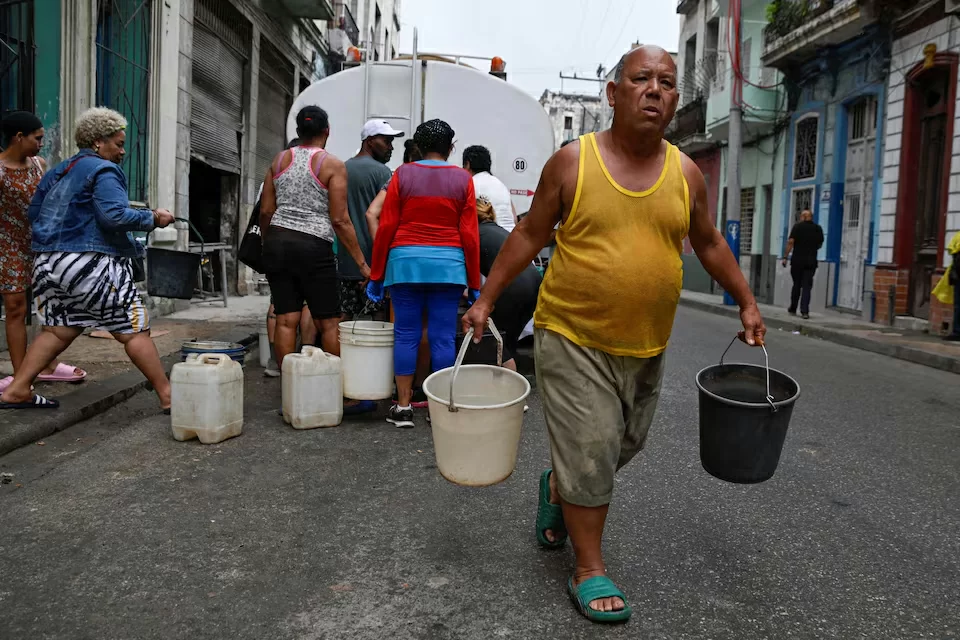
    Cuba’s healthcare system is facing unprecedented challenges as the US government’s energy blockade creates severe limitations on medical services, particularly affecting vulnerable populations including pregnant women, newborns, and patients with chronic conditions. According to the Cuban Ministry of Public Health, more than 32,880 pregnant women now face additional risks due to restricted access to essential obstetric services.

    The fuel shortage has created a cascade of healthcare complications, limiting critical services across multiple medical domains. Maternal and child health programs are experiencing significant disruptions, including reduced availability of obstetric ultrasounds for fetal monitoring and genetic screening. The mobilization of specialized medical commissions for severe maternal morbidity and critical neonatal cases has been severely constrained, while childhood vaccination schedules face concerning delays.

    Children with special medical needs requiring home ventilation, mechanical aspiration, and climate control systems are particularly vulnerable under the current conditions. The limited availability of medical transport services further jeopardizes emergency response capabilities for urgent cases.

    The broader healthcare implications extend to over 61,830 children under one year of age who require specialized care during this crucial developmental stage. Cancer patients, diabetics, and those requiring surgical interventions or emergency care are experiencing deteriorating access to treatment. The blockade also exacerbates mortality rates by limiting follow-up care for both communicable and noncommunicable chronic diseases.

    Supply chain disruptions have created critical shortages in medicines, medical supplies, reagents, consumables, and instruments. Equipment procurement and maintenance have become increasingly challenging due to decreased commercial flight frequency and elevated freight costs, affecting the operational capacity of hospitals, specialized wards, operating theaters, and intensive care units.

    Despite these overwhelming challenges, Cuban health professionals and institutions continue working tirelessly to maintain medical services. The healthcare system, developed as a fundamental achievement of the Cuban revolution, remains committed to providing care and human support to the population despite the intensifying economic warfare that directly threatens millions of lives.