分类: world

  • Nieuw Koffiekamp dringt bij krutu aan op eigen werkgebied binnen ZiJin-concessie

    Nieuw Koffiekamp dringt bij krutu aan op eigen werkgebied binnen ZiJin-concessie

    The Surinamese Ministry of Regional Development has engaged in crucial talks with the New Koffiekamp community regarding ongoing tensions with Chinese mining corporation ZiJin. During a traditional krutu meeting held Tuesday at the Obed Van der Kamp Krutu Hoso, Minister Miquilla Huur listened to residents’ concerns about the persistent conflict over gold mining activities in the region.

    Community representatives articulated their proposal for a clearly demarcated work area where local miners could operate legally and under regulated conditions. This formalized zone would require participant registration and identification badges, creating a system that would prevent unauthorized individuals from entering ZiJin’s concession area through the village—a solution residents believe would benefit both the government and the mining company.

    The discussions revealed severe unemployment within the village, compelling unemployed residents, including so-called ‘oekemmangs’ (informal miners), to enter the mining area to collect and process gold-bearing stones for survival.

    Beyond economic concerns, residents expressed serious environmental apprehensions. With the gold mine located less than three hundred meters from the village, dynamite explosions from mining operations have reportedly caused structural damage to homes, creating visible cracks in residential buildings.

    Fabian Afoemang, Chairman of the Gold Sector Organization Committee of New Koffiekamp, highlighted the severely limited communication between the community and ZiJin, exacerbating tensions as villagers feel constant pressure due to their location within the company’s concession boundaries.

    The Ministry of Regional Development has committed to discussing the raised concerns with relevant authorities and stakeholders, aiming to develop a sustainable and balanced solution. The meeting was attended by Minister Huur, RO Director Mavrick Boejoekoe, Brokopondo District Commissioner Gregory van der Kamp, and traditional authorities of New Koffiekamp.

  • PM Pierre: ‘Do not overstay in people’s countries’

    PM Pierre: ‘Do not overstay in people’s countries’

    Saint Lucian Prime Minister Philip J. Pierre has delivered a forceful admonition to citizens traveling internationally, emphasizing that compliance with visa conditions constitutes both a personal responsibility and a matter of national interest. Speaking at a pre-cabinet press briefing on February 16, the Prime Minister framed international travel as a privilege rather than a right, urging strict adherence to authorized stay durations.

    Pierre articulated grave concerns regarding the broader implications of visa violations, stating that exceeding granted timeframes—even by a single day—could yield unforeseen negative consequences. “When we overstay our visas and do things—go to other people’s countries and don’t follow the laws—it affects everybody,” Pierre emphasized during his address. He repeatedly cautioned travelers to depart host nations when their permitted time expires, regardless of personal circumstances or attractions.

    The Prime Minister’s warnings highlight how individual actions can collectively impact Saint Lucia’s international standing and the future mobility of its citizens. He specifically noted that visa infractions could damage the country’s reputation and potentially complicate travel arrangements for other Saint Lucians seeking to journey abroad.

    Coinciding with Pierre’s national address, U.S. Secretary of State Marco Rubio echoed similar sentiments during a joint press availability in Budapest with Hungarian Prime Minister Viktor Orbán. Rubio unequivocally stated that visa grants are discretionary privileges rather than entitlements, revealing that the United States has revoked numerous visas over the past year. He specifically warned that tourists, students, and journalists engaging in activities contrary to U.S. national security interests would face visa revocation, reinforcing the stringent enforcement of immigration regulations.

  • US kills 11 in 3 strikes on alleged drug-running boats

    US kills 11 in 3 strikes on alleged drug-running boats

    In a targeted counter-narcotics operation, U.S. Southern Command (SOUTHCOM) executed precision airstrikes against three vessels allegedly operated by designated terrorist organizations engaged in narcotics trafficking. The military action, authorized by SOUTHCOM commander General Francis L. Donovan, resulted in eleven fatalities among suspected narco-terrorists operating the vessels.

    According to official statements released Tuesday, the coordinated strikes occurred during the night of February 16th through Joint Task Force Southern Spear operations. Intelligence surveillance confirmed the vessels were actively transiting established drug trafficking corridors before being engaged with lethal kinetic force.

    The tactical breakdown reveals four casualties occurred aboard the first vessel in the Eastern Pacific, followed by four additional fatalities on a second vessel in the same region. A third strike in the Caribbean waters eliminated three more individuals. No U.S. military personnel sustained injuries during the operations.

    This recent engagement marks the seventh such intervention against suspected drug-smuggling vessels in 2024, continuing a pattern of intensified counter-narcotics efforts. Historical data indicates these latest strikes bring the total to at least 41 operations against narcotics trafficking networks, resulting in 144 casualties across Caribbean and Eastern Pacific regions since the program’s inception.

    SOUTHCOM, which oversees U.S. military operations throughout Central America, South America, and the Caribbean basin, maintains that these missions are critical to disrupting transnational criminal organizations whose activities directly threaten national security interests. The command’s strategy focuses on intercepting maritime drug transportation routes that fuel terrorist activities and contribute to the U.S. opioid crisis.

  • They reaffirm that Cuba is not a producer, warehouse, or transit territory for drugs

    They reaffirm that Cuba is not a producer, warehouse, or transit territory for drugs

    In a definitive demonstration of its uncompromising stance against narcotics, Cuban authorities unveiled substantial achievements from their 2025 counter-narcotics operations, intercepting 1,941 kilograms of illicit substances primarily through maritime interdictions. The comprehensive review was presented during a high-level press briefing on Tuesday, featuring key officials from the nation’s security apparatus.

    Justice Minister Rosabel Gamón Verde articulated Cuba’s strategic positioning, emphasizing that while the island nation faces geographical vulnerabilities within Caribbean trafficking corridors, it maintains neither production facilities nor transit infrastructure for international drug operations. The minister underscored the government’s unwavering political commitment to treating drug trafficking as a paramount national security concern, employing a multifaceted strategy that integrates prevention initiatives, regulatory controls, and direct law enforcement engagement.

    Following constitutional reforms in 2019, Cuba has systematically strengthened its legal framework, enhancing criminal penalties and administrative sanctions to reflect its zero-tolerance doctrine. The National Drug Commission, now expanded to include thirteen governmental agencies with recent additions from Agriculture, Culture, Tourism, and Labor ministries, has intensified preventive operations across educational institutions, workplaces, and community networks.

    Colonel Juan Carlos Poey Guerra, commanding officer of the Ministry of Interior’s Specialized Anti-Drug Agency, revealed that 53 separate maritime dumping incidents accounted for the majority of seizures, with traffickers jettisoning narcotics to evade international pursuit. These operations yielded substantial quantities of marijuana, cocaine, and hashish that subsequently washed ashore. Domestically, authorities confiscated approximately 76 kilograms of drugs destined for local consumption, noting concerning proliferation of synthetic compounds including 46 identified cannabinoid variants.

    The aerial trafficking dimension witnessed significant enforcement successes, with 31 attempted operations neutralized during 2025 resulting in 27 kilograms of intercepted narcotics—primarily cocaine and methamphetamine originating from eleven nations, with the United States identified as the predominant source. Cumulative efforts across 2024-2025 thwarted 75 aerial smuggling attempts, preventing over 100 kilograms from reaching destinations.

    First Colonel Ivey Daniel Carvallo Pérez, representing the Border Guard Troops Directorate, highlighted the formidable surveillance challenges posed by Cuba’s extensive 5,700-kilometer coastline and complex maritime geography. The nation maintains persistent monitoring through integrated naval, ground, and aerial assets, coordinating efforts across military, customs, and interior ministries with substantial civilian participation.

    International cooperation remains a cornerstone of Cuba’s anti-trafficking architecture, with ongoing intelligence exchanges through 37 international contact points and bilateral partnerships with regional neighbors including Jamaica, Mexico, and the United States. Officials noted these efforts persist despite severe economic constraints and resource limitations imposed by external sanctions.

    Colonel Poey Guerra reaffirmed Cuba’s conditional openness to enhanced collaboration with United States authorities, predicated on mutual respect and non-interference in sovereign affairs. While current exchanges remain limited to operational communications between coast guard entities, Cuban officials emphasized their role as a strategic “maritime barrier” protecting neighboring nations from drug flows, asserting that national security priorities remain guided by domestic institutions and popular will rather than external agendas.

  • WATCH: Shock and Uncertainty in St. Lucia After Deadly U.S. Strike in Caribbean Waters

    WATCH: Shock and Uncertainty in St. Lucia After Deadly U.S. Strike in Caribbean Waters

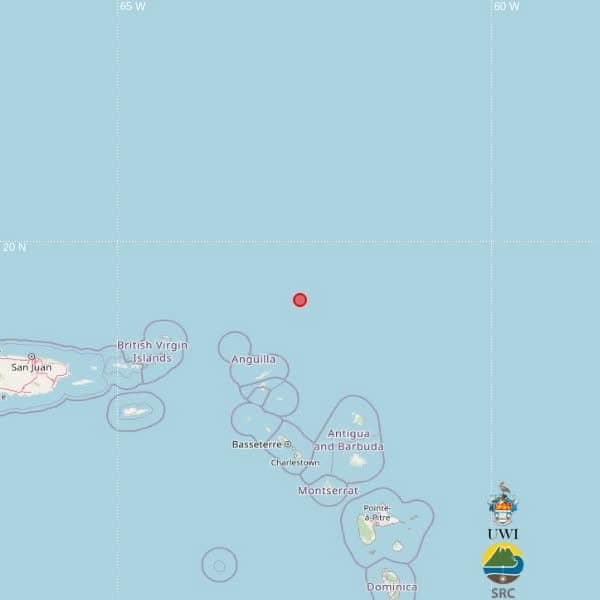
    A deadly maritime incident in the Eastern Caribbean has triggered diplomatic concerns and regional security alerts following a U.S. military operation that reportedly resulted in multiple fatalities. The explosion occurred approximately several miles offshore from Canouan Island in St. Vincent and the Grenadines territory at approximately 2:00 PM local time, with eyewitness fishermen reporting both visual and auditory confirmation of the detonation.

    Emerging reports from St. Lucia suggest potential tragic misinterpretation, as three St. Lucian nationals who had departed earlier this week for fishing operations remain unaccounted for. While photographic evidence published by the St. Vincent Times depicts the charred remnants of a vessel with its bow section partially submerged, no human remains were visibly documented at the scene.

    St. Lucian Prime Minister Philip J. Pierre has initiated formal inquiries through diplomatic and security channels, confirming the loss of lives while emphasizing the absence of official identification regarding the victims. “I can confirm that people lost their lives,” Pierre stated during his weekly pre-Cabinet briefing, “But I received no official notification on anything else. The issue is being investigated by the powers responsible for investigations.”

    The incident has raised substantive questions regarding maritime jurisdiction, operational protocols, and the legal justification for lethal force in international waters. According to U.S. officials, this event represents one of at least 36 vessels targeted in Caribbean and Eastern Pacific operations since September, resulting in over 120 fatalities as part of counter-narcotics initiatives aimed at disrupting drug trafficking routes to the United States.

    Prime Pierre has urged public restraint against speculation, emphasizing that “in matters affecting national security and regional stability, speculation has no place. Our approach is disciplined, fact-based, and guided by the singular priority of protecting the people and interests of St. Lucia.” The government of St. Vincent and the Grenadines has maintained official silence regarding the incident as bilateral investigations continue.

  • Trash Piles Up in Cuba Amid Trump’s Fuel Blockade

    Trash Piles Up in Cuba Amid Trump’s Fuel Blockade

    Cuba’s capital city of Havana is confronting a severe public health emergency as mounting garbage accumulation transforms urban landscapes into makeshift waste disposal sites. This environmental crisis stems directly from a critical shortage of operational sanitation infrastructure, with only 44 of the city’s 106 garbage trucks currently functioning according to Al Jazeera’s reporting.

    Residents report deteriorating conditions across metropolitan areas, with some neighborhoods experiencing more than ten days without municipal waste collection services. “The situation has become unbearable—refuse is accumulating throughout the city without any resolution in sight,” stated Havana resident Jose Ramon Cruz in comments to Reuters.

    The root cause traces to Washington’s intensified economic measures, including significant reductions in Venezuelan oil imports and newly implemented sanctions targeting nations that supply fuel to Cuba. These policies have created cascading effects throughout Cuba’s essential services sector.

    President Donald Trump characterized Cuba as a “failed nation” earlier this week while maintaining diplomatic pressure on Cuban leadership to engage in negotiations. Despite limited humanitarian assistance from Mexico and Spain, the Caribbean nation faces compounding economic and political challenges that extend far beyond the immediate waste management crisis.

    The accumulating refuse presents multifaceted risks including environmental contamination, public health vulnerabilities, and potential vector-borne disease transmission, creating a complex emergency situation with no immediate resolution apparent.

  • Belize and Taiwan Sign US $1.8M+ Disaster Preparedness Agreement

    Belize and Taiwan Sign US $1.8M+ Disaster Preparedness Agreement

    In a significant move to bolster Central American disaster preparedness, Belize has entered into a comprehensive partnership with Taiwan through a landmark agreement exceeding US$1.8 million. The collaborative initiative, formally designated as the Belize Multi-Hazard Risk Management Capacity Building Project, aims to substantially enhance the nation’s resilience against hurricanes, wildfires, and various natural disasters.

    The official launch ceremony occurred on Monday at the Ministry of Sustainable Development, Climate Change and Solid Waste Management’s Green Complex Building in Belmopan. This multi-year project, extending through 2029, represents a strategic international cooperation effort primarily financed by Taiwan with complementary support from the Belizean government.

    Taiwan brings extensive expertise in disaster risk mitigation to this partnership, committing to provide specialized training programs, advanced technical support, and professional guidance to improve Belize’s emergency response capabilities. The initiative will focus on three critical areas: enhancing interdepartmental coordination mechanisms, modernizing early warning systems for meteorological threats, and implementing cutting-edge technology for wildfire monitoring and prevention.

    Discrepancies in the reported funding amount appear in official communications, with the Belize government documenting the project value at US$1,807,797 while Taiwan’s Embassy website references a slightly higher figure of US$1,927,797. This investment underscores the continuing diplomatic and cooperative relationship between the two nations amid evolving global climate challenges.

  • Negen arrestaties in zaak illegale landingsbaan en semi-onderzeeër bij Witagron

    Negen arrestaties in zaak illegale landingsbaan en semi-onderzeeër bij Witagron

    Authorities in Suriname have dismantled a sophisticated narcotics trafficking operation, resulting in nine arrests following the discovery of an illegal airstrip and a semi-submersible vessel under construction near Witagron. The investigation has uncovered significant evidence, including weapons, ammunition, and specialized construction materials.

    The breakthrough occurred when law enforcement located the covert facilities, prompting several suspects to flee into the surrounding wilderness. On February 15th, officials seized eight 200-liter barrels of aviation gasoline (avgas) and multiple weapons at the site. That same day, a Venezuelan national was apprehended after hiding in the forest for several days; investigators believe he was directly involved in the semi-submarine’s construction.

    Operations expanded to Paramaribo on Monday with the arrest of two Surinamese brothers. One brother held the concession rights to the property where the illegal infrastructure was built. During his arrest, authorities confiscated an illegal handgun. A subsequent search of his residence revealed even more evidence: fourteen additional avgas barrels, an illegal AR-15 rifle, substantial ammunition, rolls of fiberglass (believed destined for the semi-submarine’s construction), and positive alerts from the Police Corps K-9 unit.

    The Public Prosecutor’s Office confirms the investigation remains active, with manhunts underway for additional suspects. Further arrests have not been ruled out as authorities continue to unravel the international drug trafficking network.

  • St. Lucia PM confirms ‘people lost their lives’ in latest US strike

    St. Lucia PM confirms ‘people lost their lives’ in latest US strike

    CASTRIES, St. Lucia — Prime Minister Phillip J. Pierre has officially confirmed fatalities resulting from a recent United States military operation in the Caribbean Sea, escalating regional tensions over Washington’s aggressive counter-narcotics campaign. The strike, executed by the U.S. Southern Command (SOUTHCOM), targeted a vessel allegedly operated by narco-traffickers, resulting in three confirmed deaths.

    Addressing the nation through an official statement on Facebook and subsequent press briefings, Prime Minister Pierre emphasized that his government is utilizing established diplomatic and security channels to verify critical details surrounding the incident. While acknowledging loss of life, he stopped short of confirming the nationalities of the deceased, citing a lack of official notification regarding the circumstances of their deaths.

    The operation, directed by SOUTHCOM Commander General Francis L. Donovan under the Joint Task Force Southern Spear, was described by U.S. authorities as a “lethal kinetic strike” against a vessel transiting known drug trafficking routes. Military intelligence indicated the boat was engaged in narco-trafficking operations, classifying those onboard as “narco-terrorists.” A subsequently released video appears to show a missile strike obliterating the target vessel.

    Controversy emerged when the St. Vincent Times published photographs of boat remnants allegedly from the strike that surfaced near Canouan in the Grenadines. Local fishermen who discovered the wreckage reported no bodies in the vicinity, though the newspaper suggested possible connections to three missing St. Lucians who departed for sea last Monday.

    The incident’s location—whether in international waters or within St. Vincent and the Grenadines’ territorial waters—remains unclear, with neither government issuing official statements. This ambiguity raises significant legal questions under international law, with human rights experts previously characterizing such strikes as extrajudicial executions.

    This event occurs amidst growing regional opposition to U.S. counter-narcotics operations. Last month, families of two Trinidadian men killed in an October strike filed a lawsuit against the U.S. government in Boston’s federal court, with legal representatives condemning the actions as “lawless killings in cold blood.”

    According to available data, the U.S. has conducted at least 36 vessel strikes in the Caribbean and Eastern Pacific since September last year, resulting in over 120 fatalities. The Trump administration maintains these operations target “narco-terrorists” transporting drugs that harm American communities.

    Prime Minister Pierre concluded his statements by emphasizing his government’s “disciplined, fact-based approach” to matters of national security and regional stability, asserting that “speculation has no place” while prioritizing the protection of St. Lucian citizens and interests.

  • Afval hoopt zich op in Havana door Amerikaanse olieblokkade

    Afval hoopt zich op in Havana door Amerikaanse olieblokkade

    The streets of Havana have transformed into landscapes of accumulating waste, creating a visible humanitarian crisis directly linked to tightened U.S. sanctions targeting Cuba’s fuel supplies. With only 44 of Havana’s 106 garbage trucks operational due to severe fuel shortages, municipal waste collection has slowed to a critical level, leaving cardboard boxes, plastic bottles, and assorted debris piled at street corners throughout the capital.

    Residents now navigate around growing waste mountains while some scour through discarded materials for reusable items. Jose Ramon Cruz, a Havana local, reported: ‘The garbage is everywhere in the city. It’s been over ten days since a garbage truck last came through.’ Similar scenes are emerging across other Cuban cities, with the island’s 11 million inhabitants using social media to warn about impending public health risks.

    The Cuban government has implemented rationing measures to protect essential services in a nation already grappling with severe shortages of food, fuel, and medicine. The country’s oil supply has dramatically declined over the past two months after Venezuela—once Cuba’s primary supplier—halted deliveries in mid-December. Mexico similarly ceased fuel shipments following U.S. threats of import tariffs for nations supplying Cuba.

    Amid the crisis, Russian media reports indicate preparations to ship crude oil and fuel to Cuba, though no concrete timeline has been established. The current situation represents an escalation of the U.S. embargo maintained since 1960, with the Trump administration intensifying pressure through sanctions against vessels transporting oil to Cuba and tariff threats against suppliers.

    The United Nations has expressed deep concern, with Secretary-General António Guterres urging renewed dialogue and respect for international law. UN teams are currently collaborating with Cuban authorities to support humanitarian assistance efforts. Meanwhile, leaders from Mexico and Venezuela continue warning about the severe humanitarian consequences of the blockade.

    This developing garbage crisis in Havana serves as a stark demonstration of how geopolitical tensions directly impact civilian populations, creating urgent needs for solutions that alleviate human suffering and safeguard public health.