
NASSAU, BAHAMAS — The Bahamas has successfully retained its Tier 1 ranking in the U.S. State Department’s annual Trafficking in Persons Report, a testament to its ongoing efforts to combat human trafficking. However, the report highlights significant concerns regarding the country’s labour agreement with Cuba, which has raised alarms about potential forced labour practices. Under the deal, up to 92 percent of Cuban workers’ wages were reportedly withheld by the Cuban government, prompting immediate action from Bahamian authorities. In response, the government has begun terminating contractor-based agreements and will now directly hire Cuban health professionals. Additionally, the recruitment of new Cuban workers has been temporarily suspended following discussions with the United States. Beyond labour reforms, the Bahamas has intensified trafficking prosecutions, increased funding for victim support services, and introduced a new rapid screening tool to enhance victim identification. Despite these efforts, no traffickers were convicted for the second consecutive year, and a new national action plan to replace the one that expired in 2023 remains incomplete. While the report commends the Bahamas for its sustained commitment, it calls for stronger measures to address official complicity, expand victim housing, and ensure equitable labour practices for foreign workers.
分类: world
-
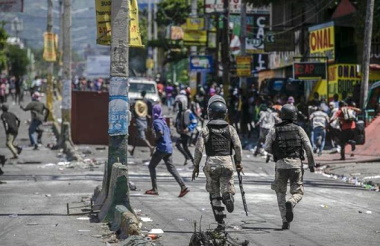
UN urges international community to support establishment of new office in Haiti
The United Nations has issued a pressing appeal to the global community to fund its newly proposed UN Support Office in Haiti (UNSOH), designed to bolster the operational and logistical capabilities of the Gang Suppression Force (GSF). This initiative follows the Security Council’s recent resolution to transition the Kenya-led Multinational Security Support (MSS) mission into the GSF, aimed at curbing gang violence in the crisis-stricken nation.
-

Ukrainian town in shock after Russian drone kills whole family
In the serene village of Chernechchyna, Ukraine, a tragic incident has left the community in mourning. Natalya, a local resident, recalls the last time she saw her neighbor, Alyona Lesnichenko, a 26-year-old mother of two, who was on a shopping trip to buy treats for her children. “She bought them everything they wanted,” Natalya reminisced, listing sweets, lemonade, pies, sausage, and cheese among the items. Alyona was known for her protective nature, but even she could not shield her family from the devastation that struck on Tuesday morning. A Russian drone tore through their family home, killing Alyona, who was pregnant with twins, her husband Oleksandr, and their two young sons, aged four and six. The funeral held on Wednesday drew dozens of residents, who expressed their shock and disbelief. Alina Lagoyda, a relative, questioned the motive behind the attack, stating, “There have been no strikes here during the entire war, none. What was it for?” Oleksandr, a soldier who had fought on the front lines, had recently returned home, only to meet this tragic fate. Russia has been intensifying its drone attacks on Ukraine, with an average of 188 drones fired daily in September, a significant increase from the previous month. These attacks, often carried out using Iranian-designed ‘Shahed’ drones, aim to terrorize the population. Despite the Ukrainian air force’s efforts to intercept most drones, the escalating scale of the attacks and the rising civilian casualties have instilled fear even in rural areas like Chernechchyna. The funeral procession, a mix of vans and cars, was watched by dozens of locals, some of whom threw flowers on the road. Bouquets of blue and yellow flowers, symbolizing the Ukrainian flag, were carried by attendees. Oksana Chernova, a local councillor, spoke of the family’s unity, “The mother, the father, they were always together.” She speculated that the children likely did not have time to react when the drone struck. Natalya fondly remembered Alyona’s sons as “good kids” who affectionately called her “granny.” “They were good people. But they died that way,” she lamented.
-

Guyanese national convicted of stealing American-funded aid
In a significant development, U.S. authorities have concluded a years-long investigation, unsealing an indictment in the District of South Carolina against two foreign nationals for conspiring to illegally divert U.S.-funded global health commodities. The defendants, Eric Ndungu Mwangi, a 40-year-old Kenyan national, and Davendra Rampersaud, a 42-year-old Guyanese national, along with their associated businesses, were charged in a 2021 superseding indictment by a federal grand jury. The indictment was initially sealed to safeguard the ongoing investigation, which was spearheaded by the Office of the Inspector General for the U.S. Agency for International Development (USAID).
The investigation centered on the KEMSA Medical Commodities Programme (MCP), a USAID-funded initiative with a budget of approximately $650 million. The KEMSA MCP aimed to establish a secure and sustainable supply chain management system for HIV/AIDS commodities in Kenya, while also supporting the warehousing and distribution of family planning, nutrition, and malaria supplies. However, beginning in 2014, Mwangi and his company, Linear Diagnostics (LD), systematically stole HIV test kits and other commodities intended for KEMSA. These stolen goods were then sold to Rampersaud and his Guyanese company, Caribbean Medical Supplies, Inc. (CMS).
In 2015, Rampersaud fraudulently obtained a ‘Letter of Authority,’ enabling him to secure a lucrative, sole-source contract with the Guyana Ministry of Health for the illegally acquired products. Between 2015 and 2019, Rampersaud allegedly paid Mwangi over $177,000 for the diverted medical supplies, including the stolen, USAID-funded HIV test kits meant for Kenya. Rampersaud further profited by selling these stolen health commodities to the Guyanese government. Additionally, he and his company acquired and sold test kits stolen from another separate USAID programme.
U.S. Attorney Bryan Stirling for the District of South Carolina described the investigation as ‘incredibly complicated, spanning years and an ocean,’ emphasizing that the defendants ‘jeopardised a vital public health mission and caused a significant loss to the American taxpayers.’
In February 2021, Kenyan authorities arrested Mwangi on charges related to theft and fraud. He is currently awaiting trial in Kenya and faces up to 20 years in prison, fines, and supervised release on the American charges. Rampersaud was arrested in January 2023 during a flight layover in Miami, en route to Guyana. He was transported to Charleston, South Carolina, where he pleaded guilty to conspiracy and stealing or converting health commodities funded by USAID. United States District Judge Richard M. Gergel sentenced Rampersaud, crediting him for time served, and imposed a three-year supervised release term and an $84,000 fine.
-
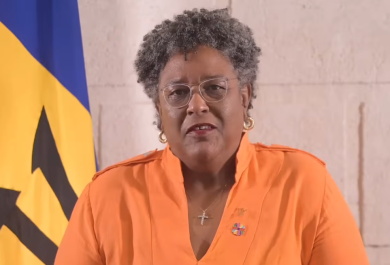
Mottley urges support for full free movement of Caricom nationals
BRIDGETOWN, Barbados – Prime Minister Mia Mottley has announced that Barbados, alongside St. Vincent and the Grenadines, Belize, and Dominica, will fully implement the free movement of nationals among these Caribbean Community (Caricom) countries starting today. This initiative marks a significant milestone in the Caricom Single Market and Economy (CSME), enabling the unrestricted flow of goods, skills, labor, and services across the region. The Guyana-based Caricom Secretariat confirmed that extensive preparations have been made to ensure a seamless rollout, while other CSME member states will continue facilitating movement under existing skilled worker provisions. In a national address, Mottley emphasized the transformative potential of this policy, acknowledging both excitement and anxiety among citizens. She highlighted Barbados’ historical leadership in regional integration and assured that the move would bolster jobs, public services, and economic growth. Mottley outlined key procedures, including immigration status and public health safeguards, while reaffirming the region’s robust security architecture. She also underscored the economic benefits, noting that incoming workers would contribute to local businesses, housing, and tax revenues. Addressing demographic challenges, Mottley stressed the need for a strong workforce to support aging populations and social security systems. She dismissed concerns about exploitation, affirming that existing labor laws and minimum wage standards would apply equally to all workers. Mottley concluded by framing the initiative as a measured, compassionate step toward building bridges in a world increasingly defined by division.
-

Antigua and Barbuda Celebrates National Day at Expo 2025 Osaka
The twin-island nation of Antigua and Barbuda marked its National Day with grandeur at the World Expo 2025 in Osaka, Japan, on September 28. The celebration commenced with a ceremonial flag-raising event, followed by a mesmerizing cultural performance titled ‘Wadadli, Wa’Omoni – The Pearls of the Caribbean.’ The showcase vividly portrayed the essence of Antigua and Barbuda through a fusion of music, dance, and storytelling, blending African-inspired drumming, Carnival energy, and Soca rhythms into a vibrant tapestry of heritage and festivity.
Led by Director of Culture Khan Cordice on the steelpan, with vocals by Antigua Carnival Soca Monarch Tian Winter and choreography by the Antigua and Barbuda Cultural Group under Thyana Sebastian, the performance captivated audiences with its dynamic interplay of sound, movement, and emotion. The Honourable E.P. Chet Greene, Minister of Foreign Affairs, spearheaded the delegation and delivered a speech at the official ceremony, expressing gratitude for the opportunity to participate in Expo 2025.
Minister Greene emphasized the alignment of the Expo’s theme, ‘Designing Future Society for Our Lives,’ with Antigua and Barbuda’s national ethos. The nation’s pavilion, themed ‘Saving Lives,’ highlights its commitment to environmental preservation, socio-cultural richness, and economic innovation. Representing Japan, Mr. Ito Yoshitaka, Minister in charge of World Expo 2025, reaffirmed Japan’s dedication to strengthening bilateral ties and fostering shared values.
Since its pavilion opened in April, Antigua and Barbuda has drawn nearly one million visitors, reflecting global fascination with its culture and narrative. Javier Jacobs, Commissioner General for Antigua and Barbuda at Expo Japan, described the participation as a historic milestone, emphasizing its role in fostering international friendships, cultural exchange, and sustainable tourism growth. World Expo 2025 continues in Osaka until October 13, 2025.
Antigua and Barbuda, nestled in the Caribbean Sea, offers a unique blend of history, culture, and natural beauty. From the UNESCO World Heritage site of Nelson’s Dockyard to Barbuda’s pristine pink sand beaches and the Frigate Bird Sanctuary, the islands are a paradise for visitors. Learn more at www.visitantiguabarbuda.com and follow @AntiguaandBarbuda on social media.
-
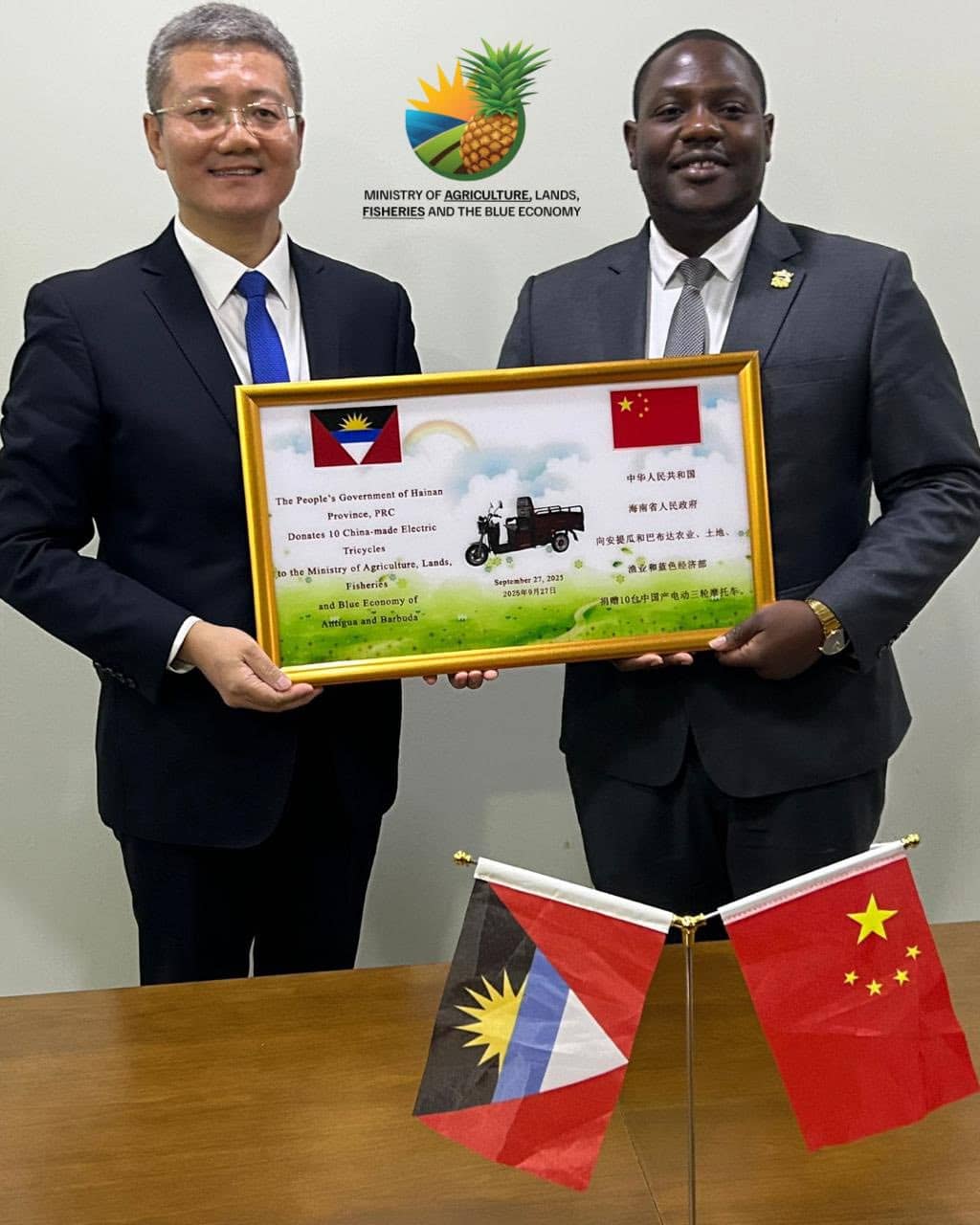
Antigua and Barbuda Strengthens Agricultural Ties with Hainan Delegation Donation
In a landmark event on September 27, 2025, the Ministry of Agriculture, Lands, Fisheries, and the Blue Economy of Antigua and Barbuda welcomed a high-level delegation from Hainan Province, China, for a significant donation ceremony. The delegation, led by Vice Governor Mr. Zou Guang, officially handed over twelve motorized farm vehicles to support local agricultural efforts. The gesture underscores the growing bilateral ties between the two nations. The ceremony was attended by Hon. Anthony Smith Jr., Minister of Agriculture, who expressed profound gratitude for the donation, emphasizing its potential to enhance farming efficiency, particularly in rural areas. The event also featured discussions on agricultural development, with Permanent Secretary Walter Christopher highlighting the need for water conservation and Director Gregory Bailey stressing the importance of strengthening local staples like sweet potato and the Antigua Black Pineapple. Senior Research Officer Maudvere Bradford introduced the upcoming Water-Saving Irrigation Program, set to launch in October 2025, aimed at improving irrigation practices and resource management. The ceremony concluded with the symbolic exchange of certificates and a framed portrait of the donated vehicles, marking a new chapter in agricultural cooperation between Antigua and Barbuda and China.
-
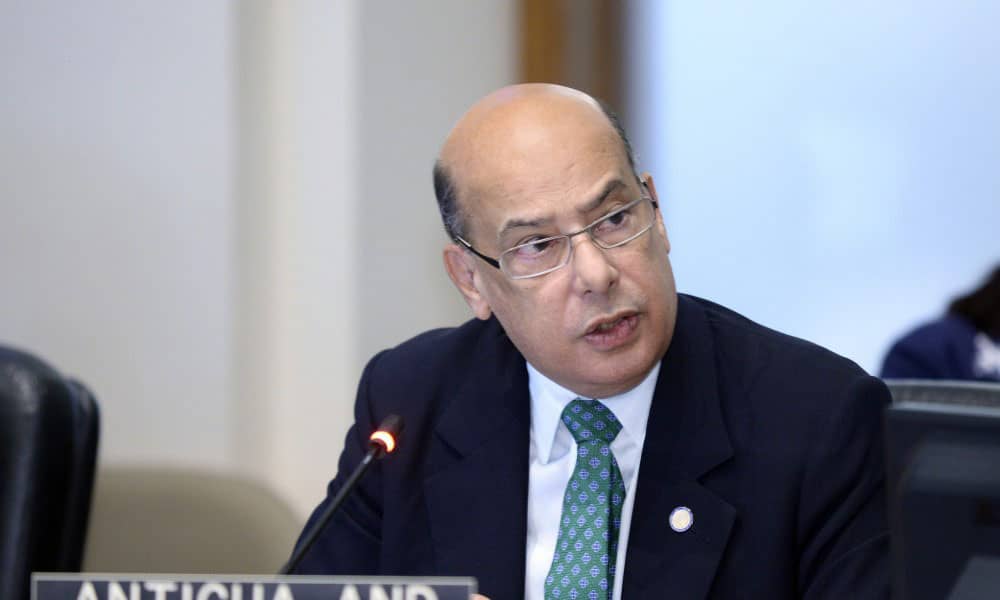
Climate Costs Outrun Small States’ capacity – Antigua Envoy declares
Sir Ronald Sanders, Antigua and Barbuda’s Ambassador, has issued a stark warning about the dual threats of climate change and an inequitable global financial system, which are trapping small Caribbean states in a cycle of ‘permanent recovery.’ Speaking at a consultation organized by the Inter-American Commission on Human Rights (IACHR), Sanders highlighted how natural disasters are exacerbating public debt while insurance costs skyrocket. He emphasized that when catastrophic events like Category-5 hurricanes devastate infrastructure, governments are forced into repeated borrowing to rebuild. Sanders pointed to alarming environmental trends, including ocean heating and mass coral bleaching, which are eroding the region’s blue economy. Since January 2023, over 84% of the world’s reefs have experienced bleaching-level heat stress. Additionally, sea levels in the Caribbean are rising at approximately 3.4 mm annually, with studies projecting tourism revenue losses of 38–47% by 2100 if significant adaptation measures are not implemented. The region also faces challenges from a record influx of sargassum and tightening reinsurance markets, making coverage increasingly unaffordable. Sanders stressed that the impacts of climate change are outpacing the fiscal capacity of small states to adapt, with average annual disaster losses nearing 2% of GDP and adaptation needs around 3.4% of GDP. Despite these challenges, small island states receive only about 2% of tracked adaptation finance. The situation is further compounded by talent flight, with roughly 70% of the Caribbean’s tertiary-educated population residing in OECD countries. Sanders criticized the use of per-capita income as a metric, arguing that it distorts reality by graduating vulnerable states out of affordable finance without accounting for their exposure to shocks. He called for the rapid implementation of the UN-endorsed Multidimensional Vulnerability Index to unlock affordable, long-term financing. Framing climate and debt as human rights issues, Sanders cited recent rulings by the Inter-American and International Courts, which emphasize that financing terms must protect essential services and social spending as fundamental human rights.
-
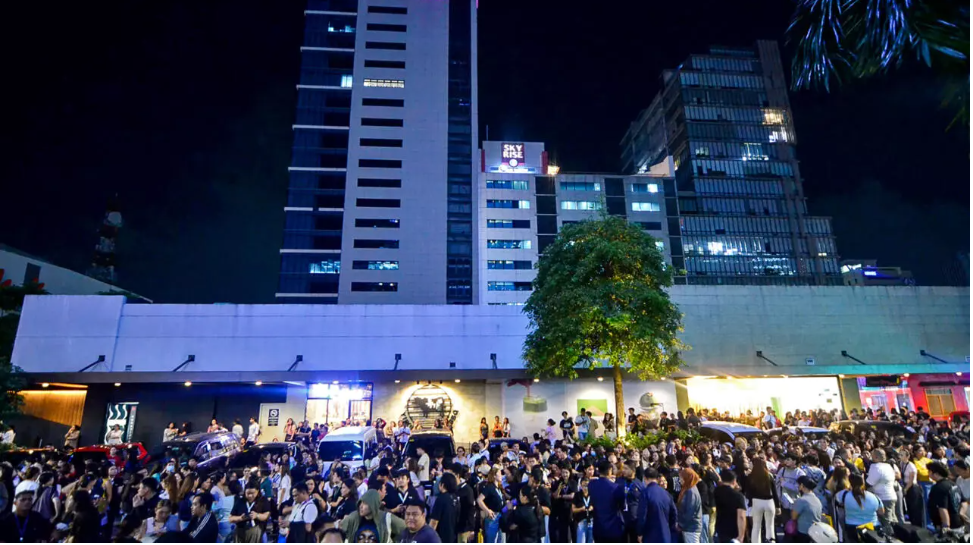
Strong quake in central Philippines kills 26 as search ongoing
A devastating 6.9-magnitude earthquake rocked the central Philippines late Tuesday, causing widespread destruction and claiming at least 26 lives on the island of Cebu. Authorities fear the death toll may rise as rescue teams continue to search for survivors amidst the rubble of collapsed buildings. The quake, which struck at 9:59 pm near the northern city of Bogo, was shallow and powerful, according to the US Geological Survey (USGS).
The National Disaster Risk Reduction and Management Council reported 147 injuries and damage to 22 structures, though specific details remain unclear. Local rescuers in Bogo and the nearby municipality of San Remigio confirmed fatalities, with efforts to recover victims hindered by darkness and ongoing aftershocks. The Philippine Institute of Volcanology and Seismology recorded 379 aftershocks in the region.
Dramatic footage shared on social media captured the moment a historic Catholic church on Bantayan Island crumbled, its belfry collapsing into the courtyard. Local television also showed a bridge in Cebu violently shaking, forcing motorcyclists to dismount and cling to railings for safety. Power outages affected Cebu and neighboring islands, though electricity was restored shortly after midnight.
The Cebu provincial government has appealed for medical volunteers via its official Facebook page, emphasizing the urgent need for assistance. Rescue official Wilson Ramos highlighted ongoing efforts in San Remigio and Bogo, where survivors may still be trapped under debris. Residents described the terrifying experience, with one witness recounting the collapse of the church belfry and another noting cracked kitchen tiles and neighbors fleeing their homes.
Governor Pamela Baricuatro urged residents to remain calm, avoid unstable structures, and prepare for aftershocks. The USGS initially reported a magnitude of 7.0 before revising it downward, while the Pacific Tsunami Warning Center confirmed no tsunami threat. The Philippines, located on the Pacific ‘Ring of Fire,’ experiences frequent seismic activity, with unpredictable and destructive quakes posing a constant risk.
-
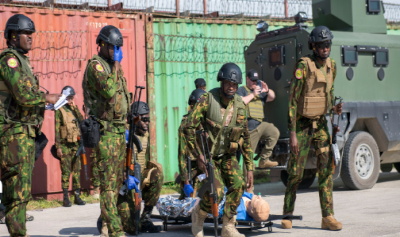
UN Security Council approves new military force to fight Haiti ‘terrorist’ gangs
The United Nations Security Council has unanimously endorsed a resolution to significantly expand its security mission in Haiti, transforming it into a robust force aimed at curbing rampant gang violence. The new mission, authorized to deploy up to 5,500 uniformed personnel, including police and military troops, marks a substantial escalation from the current Multinational Security Support (MSS) mission, which comprises only 1,000 officers. The decision, supported by 12 council members, underscores the international community’s commitment to addressing Haiti’s escalating security crisis. U.S. Ambassador to the UN Mike Waltz hailed the resolution as a beacon of hope for a nation besieged by violent gangs that have terrorized the population through murder, rape, and pillaging. The initiative, co-sponsored by the United States and Panama, aims to restore stability in a country grappling with chronic political instability and gang dominance. Kenya, which has already contributed police officers to the MSS, expressed optimism about the mission’s potential success, provided it receives adequate resources and logistical support. However, China and Russia abstained from the vote, with China voicing concerns about the efficacy of military intervention without a concurrent political transition. The resolution also establishes a UN support office to facilitate logistical and financial assistance. Haiti’s Transitional Presidential Council welcomed the move, describing it as a pivotal step in combating one of the nation’s most severe challenges. The decision comes amid worsening gang violence, which has paralyzed the country and forced the resignation of former Prime Minister Ariel Henry earlier this year.