
Antigua and Barbuda is facing heightened drought concerns as the Meteorological Service forecasts drier-than-normal conditions for October, with a short-term drought warning already in effect. Rainfall for the month is projected to remain below or near average, with a 75% likelihood of total accumulation around 120 millimeters (4.72 inches). Specifically, there is a 40% chance of below-normal rainfall, a 35% probability of near-normal levels, and only a 25% possibility of above-normal precipitation. Temperatures are expected to trend warmer, particularly at night, with the mean daily temperature for October estimated at 27.7°C (81.9°F). Daytime highs are anticipated to average 30.7°C (87.3°F), while nighttime lows are predicted to hover near 24.9°C (76.8°F). Looking ahead, the October–December period carries a 70% chance of below to near-normal rainfall, with conditions expected to improve from January to March 2026, shifting to near or above normal levels. Drought monitoring reveals that Antigua has experienced moderate to extreme dryness over the past three months, particularly in the northeast. The Meteorological Service warns that short-term drought is likely to persist through December, though long-term drought is not currently a concern. The situation is further complicated by a La Niña Watch, with a 71% probability of La Niña developing between October and December. This climate phenomenon could exacerbate drought conditions if rainfall deficits continue. The Antigua and Barbuda Meteorological Service, in collaboration with the Caribbean Institute for Meteorology and Hydrology, is closely monitoring the situation, particularly in Barbuda, where limited rainfall data complicates the assessment of drought impacts.
分类: world
-

Editorial- The Dawn of a New Era in CARICOM Free Movement
On October 1, 2025, the Caribbean integration project achieved a monumental milestone as Barbados, Belize, Dominica, and St Vincent and the Grenadines implemented full free movement for their nationals. This groundbreaking initiative allows citizens of these nations to live, work, study, and reside indefinitely in each other’s countries without the need for work or residence permits. The move, rooted in the Enhanced Cooperation in Free Movement framework, was formalized during the 49th Regular Meeting of CARICOM Heads of Government in Montego Bay earlier this year. It represents a historic shift in policy, transforming a long-standing aspiration into tangible reality. The initiative underscores the Caribbean’s commitment to regional unity and economic integration, echoing the vision of the Revised Treaty of Chaguaramas (RTC). While the implementation requires amendments to domestic legislation, it marks a significant leap toward a more unified Caribbean Community (CARICOM). The decision also reflects lessons from the Caribbean Court of Justice’s landmark Myrie case, which clarified the right to free movement and established safeguards against misuse. Prime Minister Mia Mottley of Barbados emphasized the practicalities of the new system, which simplifies cross-border mobility by requiring only a passport for registration. This initiative not only fosters economic opportunities but also strengthens social and cultural bonds across the region. However, its success hinges on diligent implementation, including investments in infrastructure, education, and healthcare, as well as measures to combat discrimination and xenophobia. As these pioneering nations navigate the challenges of implementation, their journey serves as a beacon of hope for broader regional integration, setting the stage for a shared Caribbean destiny.
-
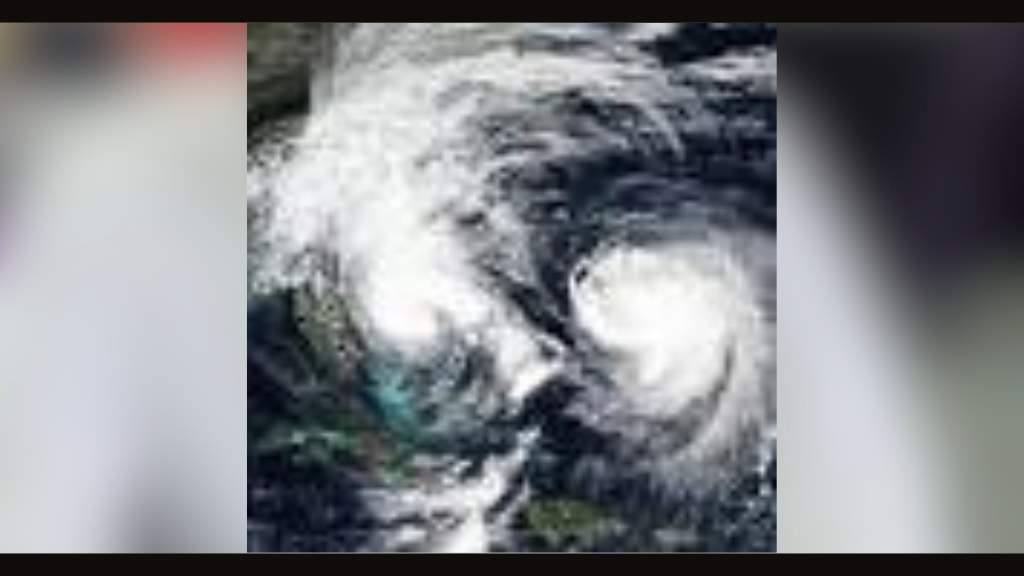
Hurricane Imelda moving away from Bermuda
MIAMI, United States (CMC) – Hurricane Imelda, which has been a significant weather event in the Atlantic, is now rapidly moving away from Bermuda, according to the latest update from the National Hurricane Center (NHC) based in Miami. As of Thursday, the storm, boasting maximum sustained winds of 85 miles per hour (mph), was located approximately 170 miles east-northeast of Bermuda and is advancing towards the east-northeast at a speed of nearly 30 mph. The NHC anticipates that Imelda will transition into an extratropical storm later in the day, with a gradual weakening expected over the coming days. The Meteorological Service of Bermuda has downgraded the hurricane warning to a tropical storm warning, indicating that tropical storm conditions are still anticipated in the immediate future. Bermudian authorities have reported that the most severe impacts of Hurricane Imelda have passed, but caution remains as hurricane-force winds and gusts persist. Residents are advised to remain indoors until the Emergency Measures Organisation (EMO) declares it safe. The NHC has also highlighted that swells generated by Imelda are affecting the Bahamas, Bermuda, and much of the U.S. East Coast, with these swells expected to spread towards the Greater Antilles and northern Leeward Islands by Friday, continuing through the weekend. These conditions are likely to create life-threatening surf and rip current situations.
-
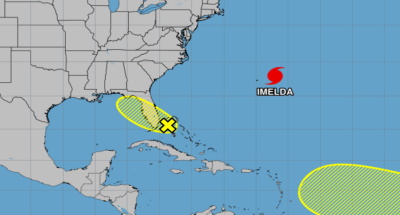
Hurricane Imelda moving away from Bermuda
MIAMI, United States (CMC) — Hurricane Imelda, which has been rapidly moving away from Bermuda, is anticipated to transition into an extratropical storm later on Thursday, according to the National Hurricane Centre (NHC) in Miami. As of Thursday, the storm was located approximately 170 miles east-northeast of Bermuda, with maximum sustained winds reaching 85 miles per hour (mph). It is currently advancing east-northeast at a speed of nearly 30 mph. The Meteorological Service of Bermuda has downgraded the hurricane warning to a tropical storm warning, indicating that tropical storm conditions are expected to persist for the next few hours. Bermudian authorities have confirmed that the most severe phase of Hurricane Imelda has passed, though hurricane-force winds and gusts remain prevalent. Residents are urged to remain indoors until the Emergency Measures Organisation (EMO) issues an all-clear. The NHC forecasts that Hurricane Imelda will continue its northeastward trajectory on Friday and Saturday, with its core moving further away from Bermuda in the coming hours. The storm is expected to weaken gradually over the next several days as it transitions into an extratropical low. Swells generated by Imelda are currently impacting the Bahamas, Bermuda, and much of the United States’ east coast. The NHC has also warned that these swells will extend toward the Greater Antilles and northern Leeward Islands by Friday, continuing through the weekend, potentially creating life-threatening surf and rip current conditions.
-

Israel condemns ‘barbaric’ attack outside UK synagogue
Israeli Prime Minister Benjamin Netanyahu has strongly denounced the recent violent incident outside a synagogue in Manchester, UK, labeling it a “barbaric terror attack.” The assault, which occurred on Yom Kippur, the holiest day in the Jewish calendar, resulted in two fatalities and four injuries. The suspect was reportedly shot dead by authorities, who classified the event as a terrorist act. Netanyahu emphasized that “weakness in the face of terrorism only brings more terrorism,” urging strength and unity to combat such threats.
-
Saint Lucia added to US Human Trafficking Tier 2 watchlist
The United States has included Saint Lucia in its Tier 2 Watchlist in the 2025 Trafficking in Persons (TIP) Report, raising alarms over the nation’s sluggish progress in combating human trafficking. The U.S. State Department highlighted that Saint Lucia, alongside other countries in this tier, has not met the minimum standards for eradicating trafficking but is actively striving to improve. Despite these efforts, the report underscores that the government has not shown significant advancements compared to the previous year. Critical issues identified include the absence of trafficking investigations, prosecutions, or convictions in the past year, no identified victims during the reporting period, and no penalties imposed for trafficking crimes under existing laws. Additionally, the report points out insufficient victim services and identification mechanisms. Saint Lucia’s Counter-Trafficking Act, enacted in 2010, has been criticized for its lack of enforcement. The government’s failure to prohibit recruitment fees for workers, a common risk factor for trafficking, was also noted. The Tier 2 Watchlist serves as a warning; if Saint Lucia does not demonstrate substantial improvements within the next year, it risks being downgraded to Tier 3, which could impact U.S. aid and international collaborations. The 2025 report also mentioned other Caribbean nations, with Barbados being downgraded to the watchlist, while the Bahamas and Guyana maintained their Tier 1 status. Although the situation does not warrant immediate panic, the report strongly urges countries like Saint Lucia to enhance prosecutions, proactively identify victims, train frontline workers, and bolster victim support systems. The full report is accessible at www.state.gov.
-

Barbados downgraded to US Tier 2 Watch List on human trafficking
Barbados has been downgraded from Tier 2 to the Tier 2 Watch List in the United States’ 2025 Trafficking in Persons (TIP) Report, signaling concerns over the country’s insufficient progress in combating human trafficking. The Tier 2 Watch List designation is reserved for nations showing declining efforts, failure to identify victims, or worsening trafficking conditions. The US State Department highlighted that while Barbados has made notable efforts, it failed to demonstrate overall improvement compared to the previous reporting period, a critical requirement for maintaining Tier 2 status. This downgrade places Barbados under closer scrutiny for potential backsliding in anti-trafficking measures. The TIP Report, a globally influential assessment, emphasized that Barbados does not fully meet the minimum standards for eliminating trafficking. Key shortcomings include the absence of trafficking investigations, prosecutions, or convictions under the country’s anti-trafficking law. Additionally, no trafficking victims were identified or assisted for the third consecutive year, and no anti-trafficking training was provided to first responders. The government also failed to draft or implement a new national action plan after the previous one expired in 2023. While Barbados continued screening vulnerable populations and conducting public awareness campaigns, these efforts were deemed insufficient to retain Tier 2 status. The report criticized the Trafficking in Persons Prevention Act for allowing fines instead of imprisonment for sex trafficking, a provision the US government argues undermines the severity of the crime. Further concerns were raised about systemic issues within the justice system, including resource shortages, court backlogs, and the lack of dedicated courts for trafficking cases. Civil society groups reported that law enforcement prioritized other high-profile crimes, leaving trafficking cases under-investigated. Experts also pointed to inadequate screening of at-risk populations, such as migrant workers and women in commercial sex, as a significant gap in Barbados’ anti-trafficking efforts.
-
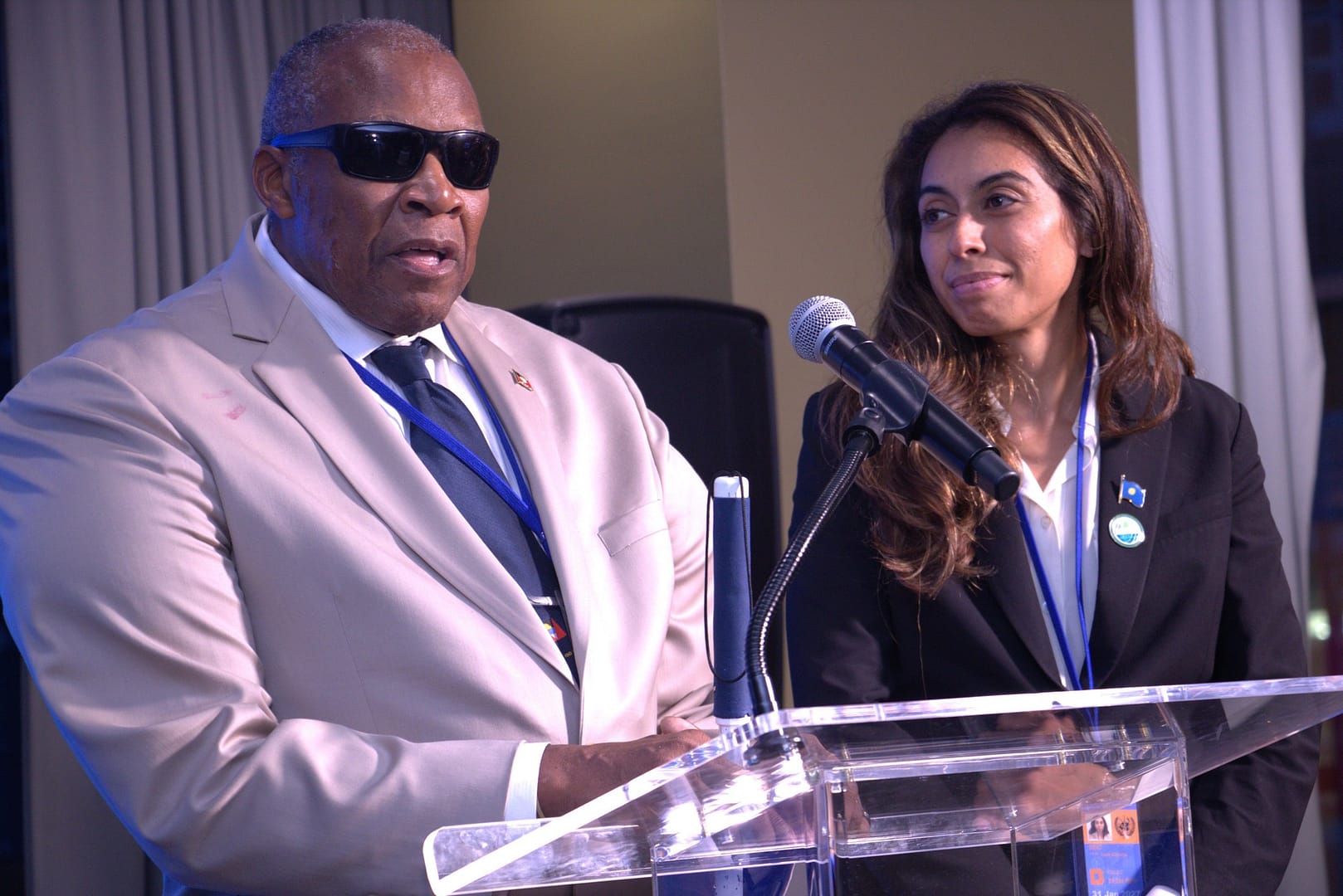
Antigua and Barbuda makes impact on UNGA80 with SIDS Centre of Excellence
The SIDS Centre of Excellence (CoE) is poised for a landmark opening at its headquarters in Antigua and Barbuda, marking a significant step forward in supporting the sustainable development of small island states. The initiative has garnered substantial attention during the 80th session of the United Nations General Assembly, where its potential to address the unique challenges faced by island nations was highlighted. Central to the CoE’s mission is the SIDS Global Data Hub, a groundbreaking platform designed to provide centralized access to critical data. This hub is expected to empower island nations in making informed policy decisions and securing essential financing for resilient and sustainable development. During the high-level week of the UN General Assembly, key partners were briefed on the strategic importance of the Data Hub. The event, hosted by Antigua and Barbuda’s Prime Minister Gaston Browne, Chair of AOSIS, alongside Palau’s President Surangel Whipps Jr., the Pvblic Foundation, and the SDG Data Alliance, underscored the collaborative effort behind this initiative. Ambassador Walton Webson, Antigua and Barbuda’s Permanent Representative to the UN, and Palau’s Ilana Victoray Seid expressed unwavering support, emphasizing the Data Hub’s transformative potential in addressing the climate crisis and advocating for the vulnerabilities of island nations. The CoE’s momentum signals a new era of innovation and cooperation in tackling global challenges.
-
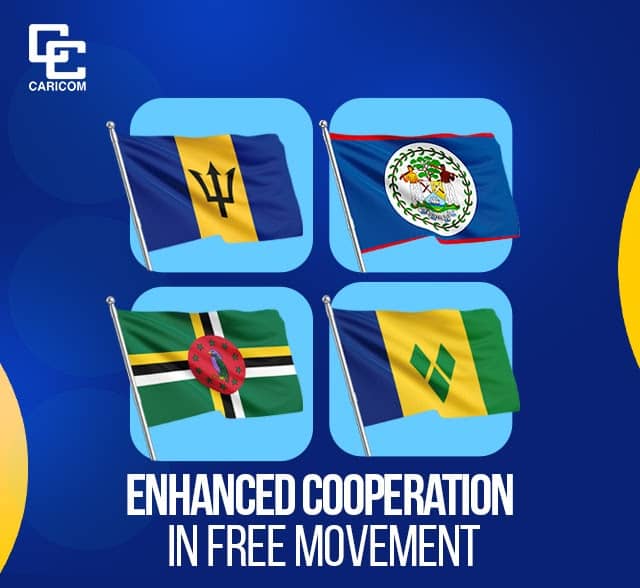
Full Free Movement takes effect today among Barbados, Belize, Dominica and St. Vincent and the Grenadines
In a landmark move for regional integration, four Caribbean Community (CARICOM) Member States—Barbados, Belize, Dominica, and St. Vincent and the Grenadines—will implement full Free Movement of their nationals starting 1 October 2025. This initiative, approved by CARICOM Heads of Government in July 2025, marks a significant step under the Enhanced Cooperation Protocol to the Revised Treaty of Chaguaramas. Nationals from these countries will now enjoy unrestricted rights to reside, work, and remain indefinitely in any of the four nations, with access to emergency and primary healthcare, as well as public primary and secondary education for their children. Previously, movement was limited to temporary stays of up to six months or under the CARICOM skills regime. Extensive preparations have been made to ensure a seamless rollout, including systems for indefinite stay stamps, registration for services, and robust security and health safeguards. A complaints mechanism has also been established to address any issues faced by nationals. While these four nations lead the way, other CARICOM Member States will continue under the existing regime for skilled workers and businesses. CARICOM, established in 1973 and revised in 2001, remains a pioneering example of regional integration, fostering economic, social, and security cooperation among its 15 Member States and six Associate Members.
-

VIDEO: Sky High Airlines plane makes emergency landing at AILA
A dramatic incident unfolded at Las Américas International Airport, José Francisco Peña Gómez (AILA), on Tuesday afternoon when a Sky High Airlines aircraft was forced to execute an emergency landing. The event, captured on video, concluded without any injuries or casualties, according to official reports. Aerodom, the airport operator, clarified that the plane was not engaged in regular commercial operations but was instead conducting a test flight. Onboard were seven individuals, all of whom emerged unscathed from the ordeal. The precise cause of the emergency landing remains under investigation, but the successful outcome highlights the effectiveness of the crew’s response and the airport’s emergency protocols. This incident serves as a reminder of the rigorous safety measures in place within the aviation industry, even during non-commercial flights.