
As Hurricane Melissa, now a Category 4 storm, approaches Jamaica, international organizations are ramping up efforts to provide critical aid to affected residents. The International Organisation for Migration (IOM) and the World Food Programme (WFP) are leading the charge, coordinating a comprehensive relief operation to address the anticipated devastation. The storm is expected to bring severe flooding, powerful winds, landslides, and storm surges, posing a significant threat to the island nation.
分类: world
-
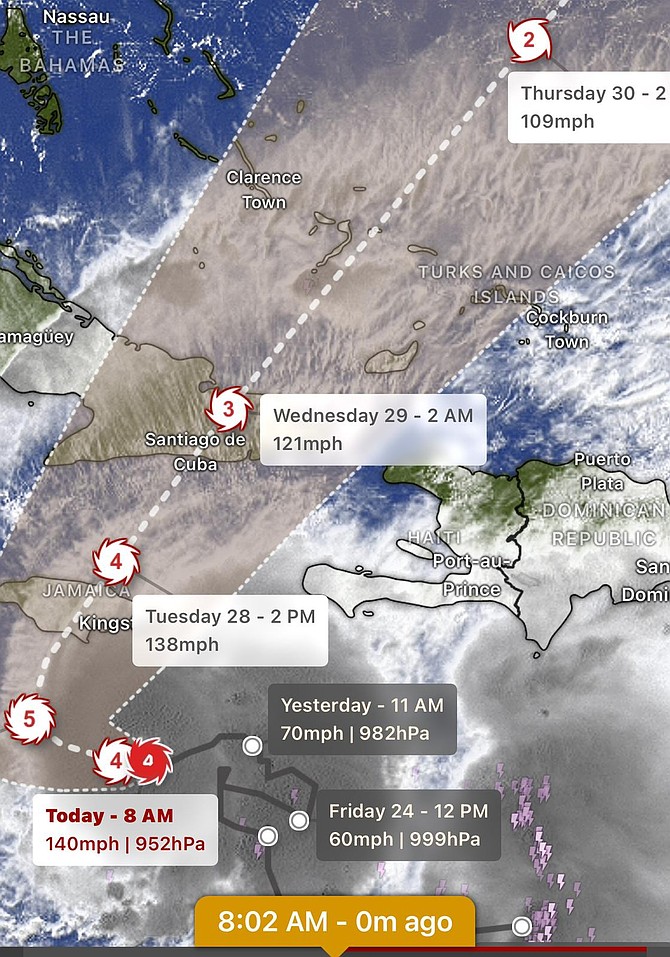
Melissa expected to hit Bahamas by midweek
Hurricane Melissa has escalated into a formidable Category Four storm, posing a significant threat to the southern Bahamas by midweek. As of 8am yesterday, the storm was positioned approximately 130 miles southeast of Kingston, Jamaica, boasting maximum sustained winds nearing 100mph. According to the latest projections from Tribune First Alert Weather and Tomorrow.io, Melissa has experienced ‘extreme rapid intensification,’ surging by 50 knots within the past 24 hours. Forecasters anticipate the storm will escalate to Category Five strength by Monday, with landfall expected in Jamaica late Monday or early Tuesday.
Following its passage over Jamaica, Melissa is predicted to traverse southeastern Cuba on Tuesday night and advance through the southern Bahamas by Wednesday as a major hurricane. The most vulnerable islands include Inagua, Mayaguana, Acklins, Crooked Island, Cat Island, and San Salvador, where hurricane-force winds and substantial storm surges are anticipated. Heavy rainfall, ranging from three to ten inches, is expected from Exuma to Inagua, heightening the risk of flooding and flash floods in low-lying areas. Wind speeds could peak at 75mph or higher in the southern islands by early Wednesday, gradually subsiding by Thursday.
While the most severe weather is expected to remain southward, Nassau and the northwest Bahamas may still encounter sporadic showers and breezy conditions, with wind gusts up to 25mph through Thursday. Authorities are urging residents in the southern and southeastern islands to stay informed and prepare for potential hurricane conditions starting late Tuesday. Melissa is forecast to accelerate northeastward later in the week as it interacts with a trough moving off the southeastern United States.
-
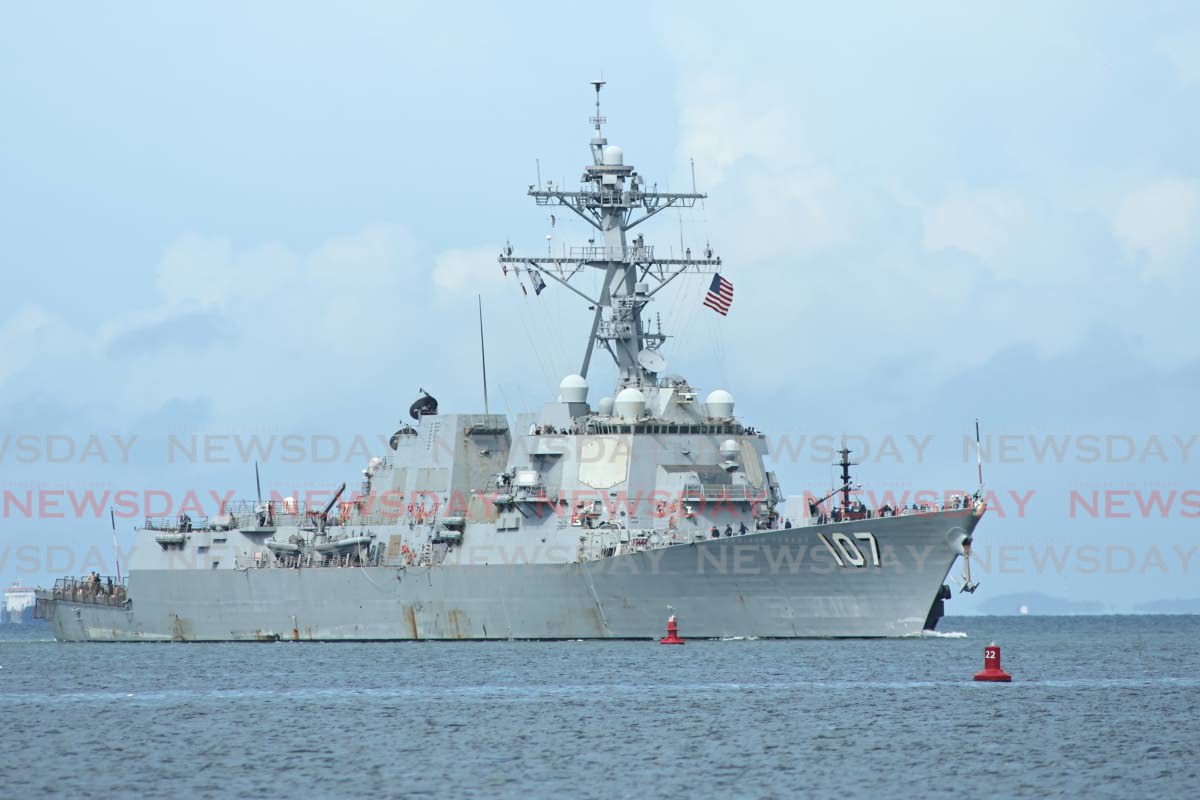
US warship arrives in Trinidad and Tobago
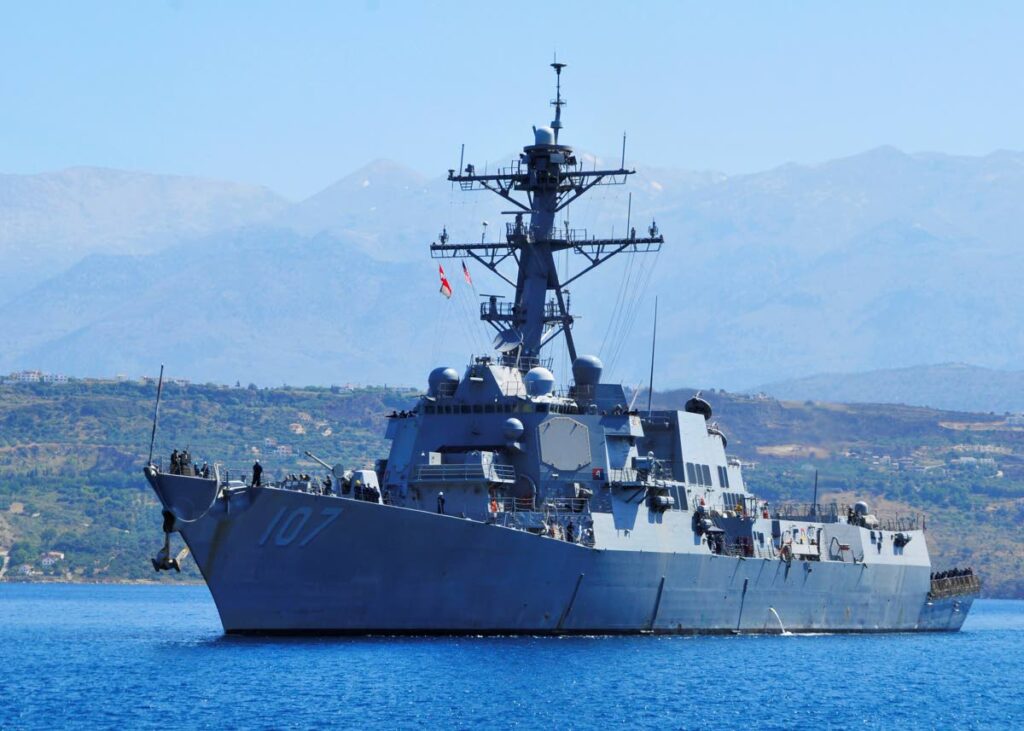
The USS Gravely, a prominent US naval warship, arrived at the Port of Port of Spain in Trinidad and Tobago on October 26 for a five-day joint training exercise with the TT Defence Force. The vessel, escorted by two tug boats and Coast Guard vessels, docked at approximately 9:30 AM. The exercise, which includes members of the 22nd US Marine Expeditionary Unit, is set to conclude on October 30. This visit occurs against a backdrop of escalating tensions between the United States and Venezuela. The US has recently intensified its military operations in regional waters, claiming to have destroyed 11 vessels and killed 49 alleged drug traffickers. President Donald Trump has labeled these traffickers as ‘narco terrorists’ and authorized covert military operations in Venezuela, with potential land-based attacks on drug-related targets. Trinidad and Tobago’s Prime Minister, Kamla Persad-Bissessar, has expressed strong support for the US Navy’s presence in the region, praising their efforts to combat drug trafficking. She emphasized that the region is ‘not a zone of peace’ and advocated for the violent elimination of drug traffickers.
-
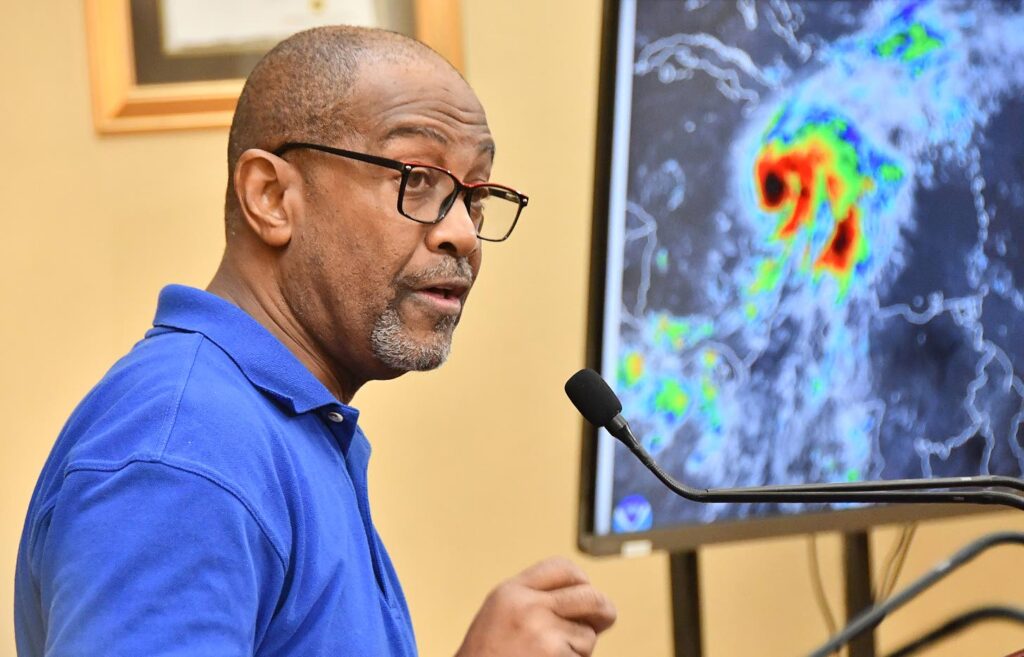
This could be the worst
Jamaica is preparing for the imminent arrival of Hurricane Melissa, which is expected to bring unprecedented devastation to the island. Evan Thompson, principal director at the Meteorological Service of Jamaica (Met Service), issued a stark warning during a special media briefing at Jamaica House on Saturday. He emphasized that Melissa, currently a tropical storm, will rapidly intensify and could strike Jamaica as a Category 4 hurricane with winds reaching 130 to 156 miles per hour—a force the island has not encountered in decades. The storm is projected to traverse the eastern and southern regions of Jamaica before moving northward, making landfall by Tuesday morning. Thompson highlighted that the slow-moving nature of Melissa could prolong its impact, with heavy rainfall of 20 to 30 inches expected to cause life-threatening flooding. Additionally, storm surges could devastate coastal communities, reminiscent of the destruction caused by Hurricane Ivan in 2004. Authorities are urging residents, particularly those in vulnerable areas like St Thomas, Portland, Kingston, and St Andrew, to take immediate precautions. The aftermath of the hurricane is anticipated to disrupt recovery efforts due to blocked roads, landslides, and lingering floodwaters. Thompson described the situation as extraordinary, stressing that Jamaica must brace for a prolonged and severe weather event.
-
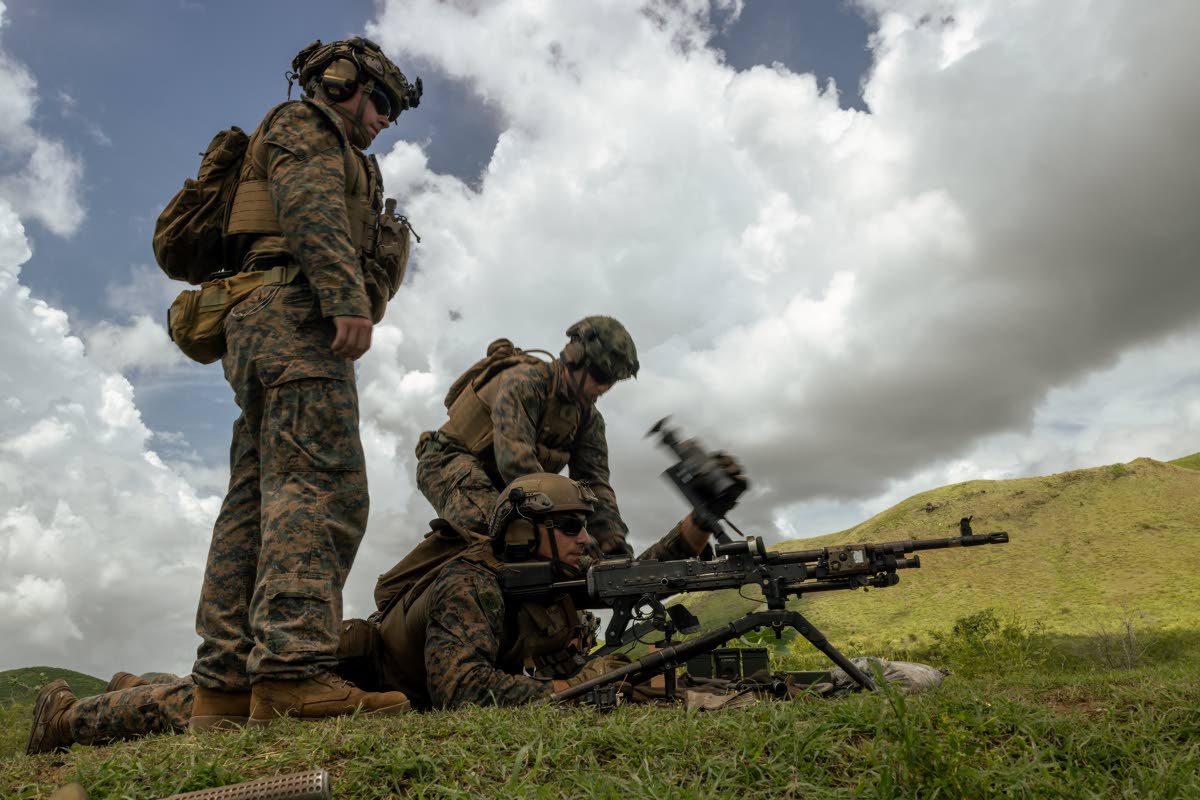
PM: Trinidad and Tobago not in zone of peace …welcomes US help crushing narco-traffickers
Trinidad and Tobago (TT) Prime Minister Kamla Persad-Bissessar has emphasized the country’s unique challenges in combating narco-trafficking, human trafficking, and weapons smuggling, distinguishing it from other Caribbean nations. Speaking to reporters outside the Red House on October 25, she highlighted TT’s geographical proximity to South America as a key factor in its heightened vulnerability to these crimes. Persad-Bissessar welcomed the presence of the US military in the region, including the USS Gravely, a guided-missile destroyer scheduled to dock in Port of Spain on October 26. She stressed that TT’s reality of being “crime-ridden, drug-ridden, cartel-ridden, and gang-ridden” necessitates a distinct approach to security. While Caricom has declared the Caribbean a “zone of peace,” TT stands apart due to its severe crime rates, including over 600 murders last year. Persad-Bissessar criticized former Prime Minister Dr. Keith Rowley’s support for the zone of peace declaration, attributing his stance to his administration’s failure to address rising crime. The US military’s deployment, including the USS Gerald R Ford aircraft carrier, aims to combat drug cartels and stem the flow of drugs from South America. US Embassy Charge D’Affaires Dr. Jenifer Neidhart de Ortiz underscored the long-standing US-TT partnership in addressing transnational crime through training, humanitarian missions, and security efforts. However, Opposition Leader Pennelope Beckles expressed concerns over TT’s role in the US military presence, while Venezuelan President Nicolas Maduro accused the US of fabricating a war narrative against his country.
-
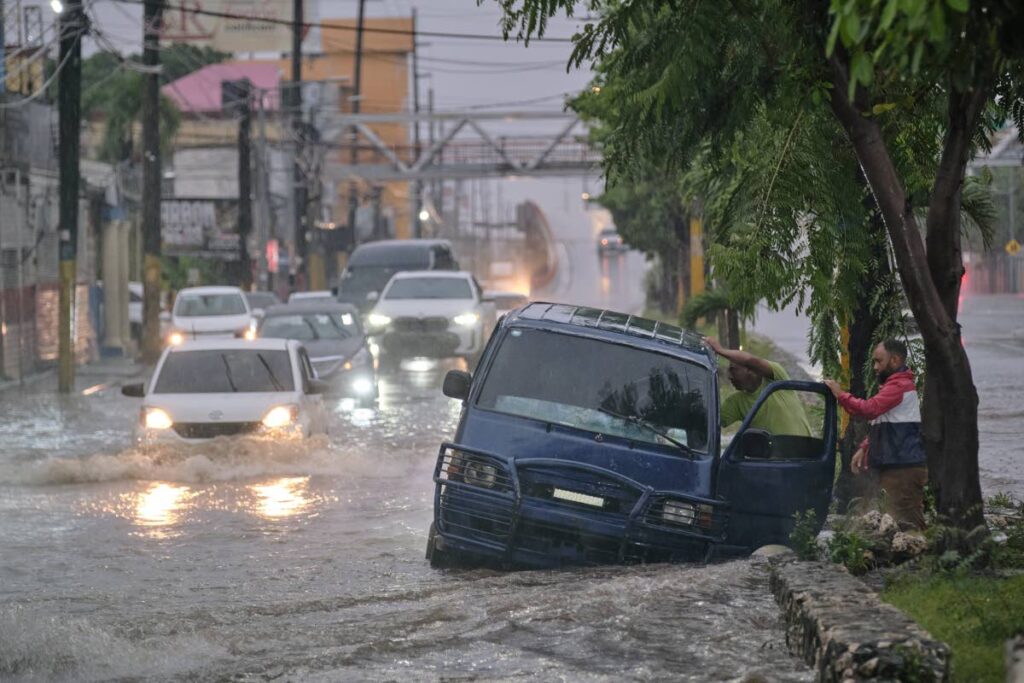
Government brings home over 100 students from Jamaica, 300 stranded in hurricane
As Hurricane Melissa approaches Jamaica, the Trinidad and Tobago government has successfully repatriated over 100 students studying in the region. Prime Minister Kamla Persad-Bissessar announced the evacuation efforts following a meeting of the Standing Finance Committee on October 25. She emphasized that the government has been proactive in ensuring the safety of its citizens abroad. Caribbean Airlines Ltd. (CAL) has been issuing notices on social media, and the TT High Commission in Jamaica has been coordinating with students who wished to return home. However, some students chose to remain, possibly due to delayed communication or personal decisions. The Prime Minister assured that once the hurricane passes, efforts will be made to bring those students home if they still desire to return. The TT High Commission is also ensuring that students have emergency supplies to weather the storm. Despite these measures, a representative from the TT Student Association revealed that nearly 300 students remain stranded at the UWI Mona campus in Jamaica. Many students received evacuation emails too late, and financial constraints prevented others from securing flights. The student representative criticized the government’s response, comparing it unfavorably to the swift actions of other countries like the Bahamas and Antigua and Barbuda, which evacuated their students earlier and provided accommodations. Hurricane Melissa, upgraded to a category one storm on October 25, is expected to intensify significantly before making landfall in Jamaica on October 27.
-

Tobago in the 1820s
The island of Tobago, once a possession of the English monarch, faced a series of tumultuous events that shaped its history and socio-economic landscape. One of the most pressing concerns for landowners was the persistent threat of a French takeover, which haunted the island from 1763 and materialized in 1781 and 1802. This fear was finally laid to rest in 1815 with the signing of the Treaty of Paris, which solidified Tobago’s status as a British colony. However, this resolution did not alleviate all challenges, as the island grappled with the growing anti-slavery movement and the declining performance of its sugar industry, a cornerstone of its economy.
In an effort to stabilize the island’s affairs, the administration appointed Charles Alfred Francklyn as the agent for Tobago in 1820. Tasked with overseeing sugar sales, procurement of essential goods, and legal matters, Francklyn’s role was pivotal. Yet, the changing ownership of estates amid the intensifying anti-slavery movement, exemplified by the 1823 rebellion in British Guiana, added to the instability. The plantocracy, burdened by economic realities and unable to sustain their lavish lifestyles, faced further decline.
Another significant development was the construction of a courthouse in 1821, a project overseen by a committee of council and assembly members. This initiative highlighted the island’s efforts to establish a formal legal system. Meanwhile, the allocation of land to poor settlers, including figures like John Burnett and William Sloane Wilson, revealed the complexities of land ownership and social stratification.
The labor of enslaved Africans played a crucial role in Tobago’s economy, not only in estate work but also in defense and other services. However, the compensation for their labor was paid to their owners, not the workers themselves, a practice that underscored the inhumane nature of slavery. After Emancipation, planters claimed a shortage of labor, yet the value of the work done by enslaved Africans far exceeded what they were willing to pay freed individuals.
Despite efforts to address financial deficits through taxation on enslaved individuals, merchants, and alcohol, Tobago’s economy remained unstable. The decline in sugar production and the increasingly volatile atmosphere on plantations mirrored broader regional unrest, leaving the island’s future uncertain.
-
The US in the Caribbean
The guided-missile destroyer USS Gravely is set to dock at the Port of Spain on October 26, marking a significant moment in the escalating tensions between the United States and Venezuela. The vessel, accompanied by the 22nd US Marine Expeditionary Unit, will engage in a four-day joint training exercise with the Trinidad and Tobago Defence Force. This collaboration aims to enhance military preparedness in a region fraught with geopolitical instability.
-

Ganja prices climb higher as US blows up ‘drug boats’
The geopolitical landscape in the southern Caribbean has intensified following the deployment of US Navy forces, led by the USS Gravely, to the region. Ordered by President Donald Trump, this military presence aims to disrupt the illegal drug trade flowing from Venezuela to the Caribbean and North America. The USS Gravely, equipped with advanced missile systems, is part of a broader blockade around Venezuela, prompting President Nicolas Maduro to call for peace. Despite Venezuela not being a major drug producer, the US maintains that its operations are crucial in combating narcotics trafficking. Trinidad and Tobago (TT), located just seven miles from Venezuela, has openly supported the US’s aggressive stance, with Foreign Affairs Minister Sean Sobers reiterating Prime Minister Kamla Persad-Bissessar’s declaration to “fight fire with fire” against drug traffickers. The US has already conducted eight lethal missile strikes in the Caribbean and Pacific, resulting in the deaths of 43 alleged drug traffickers, including at least two Trinidadians. These operations have disrupted drug supply chains, causing a sharp increase in the price of marijuana and other narcotics. Local police report that the price of Colombian kush marijuana has doubled, while high-grade marijuana has seen a significant price hike. The scarcity of imported drugs has led to a surge in demand for locally grown marijuana, providing an opportunity for local farmers. However, the crackdown has also raised concerns about increased crime, as some individuals may turn to illegal activities to compensate for lost income. Additionally, the limited supply has led to fears of laced marijuana, with dealers potentially adding harmful substances to stretch their supply. The situation remains complex, with the US-Venezuela tension continuing to impact the region’s socio-economic fabric.
-
India and China resume direct flights as ties improve
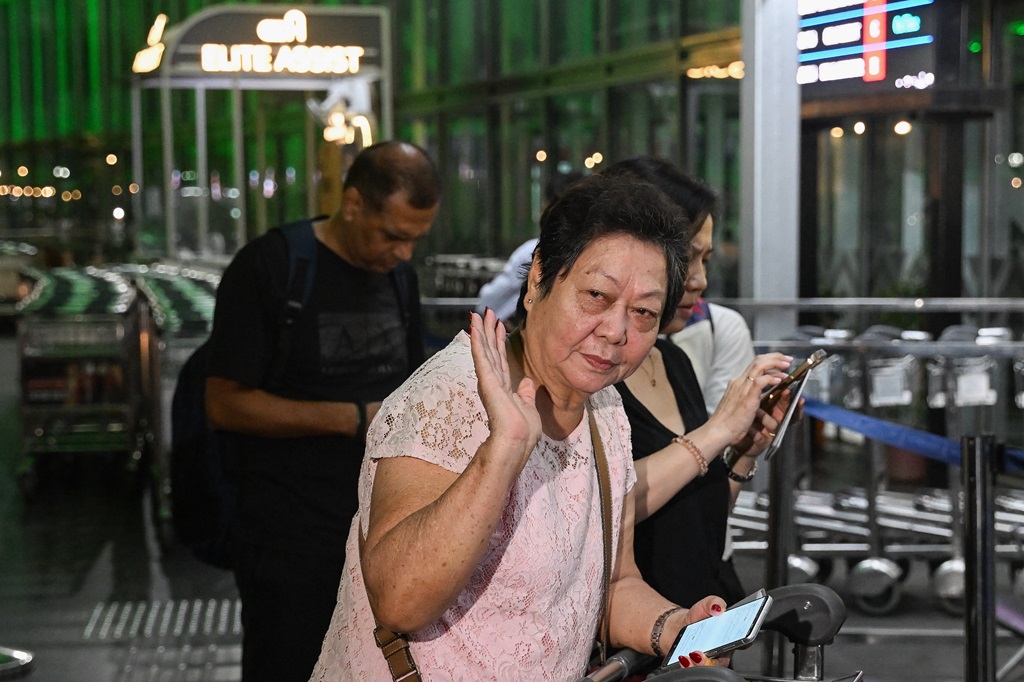
In a significant development for bilateral relations, India and China have resumed direct flights after a five-year suspension. The first flight, IndiGo 6E1703, departed from Kolkata and landed in Guangzhou, China, early Sunday morning, marking the official restart of nonstop air links that were halted in 2020 due to the COVID-19 pandemic and geopolitical tensions. This move is seen as a symbolic step toward rebuilding ties between the two Asian giants, who remain strategic rivals but have gradually eased tensions since a deadly border clash in 2020. The resumption of flights is expected to enhance people-to-people contact and normalize bilateral exchanges, according to the Indian government. The decision comes amid strained relations between India and the United States, following President Donald Trump’s imposition of 50% tariffs and accusations that India is supporting Russia’s war in Ukraine by purchasing its oil. Regular flights between India and Hong Kong have already been operational, with additional services from New Delhi to Shanghai and Guangzhou set to begin in November. Business leaders, such as Rajeev Singh of the Indian Chamber of Commerce in Kolkata, have hailed the move, emphasizing its potential to reduce logistics costs and transit times. Kolkata, with its historical ties to China dating back to British rule, stands to benefit significantly from the renewed air connectivity. The city’s Indo-Chinese culinary fusion remains a testament to its cultural links with China. Civil society leaders in Kolkata’s Chinatown, like Chen Khoi Kui, have welcomed the development, noting its positive impact on trade, tourism, and family reunions. Despite the thaw, India faces a long-term challenge in managing its relationship with an increasingly assertive China. The two nations continue to grapple with a significant trade imbalance, with India heavily reliant on Chinese raw materials. While recent diplomatic engagements, including meetings between Indian Prime Minister Narendra Modi and Chinese President Xi Jinping, have improved relations, fundamental strategic realities remain unchanged. The resumption of flights is a step forward, but the path to full normalization of ties is fraught with complexities.