分类: world

  • Lebanon leaders accuse Israel of war crime after journalist killed

    Lebanon leaders accuse Israel of war crime after journalist killed

    BEIRUT, LEBANON – In the aftermath of an Israeli airstrike that claimed the life of a Lebanese journalist in southern Lebanon this week, Lebanese national leaders have formally leveled war crime allegations against Israel, while Israeli military officials confirm the incident remains under internal review.

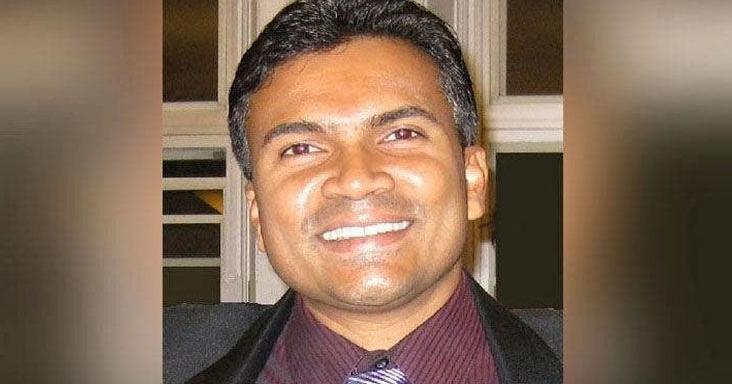
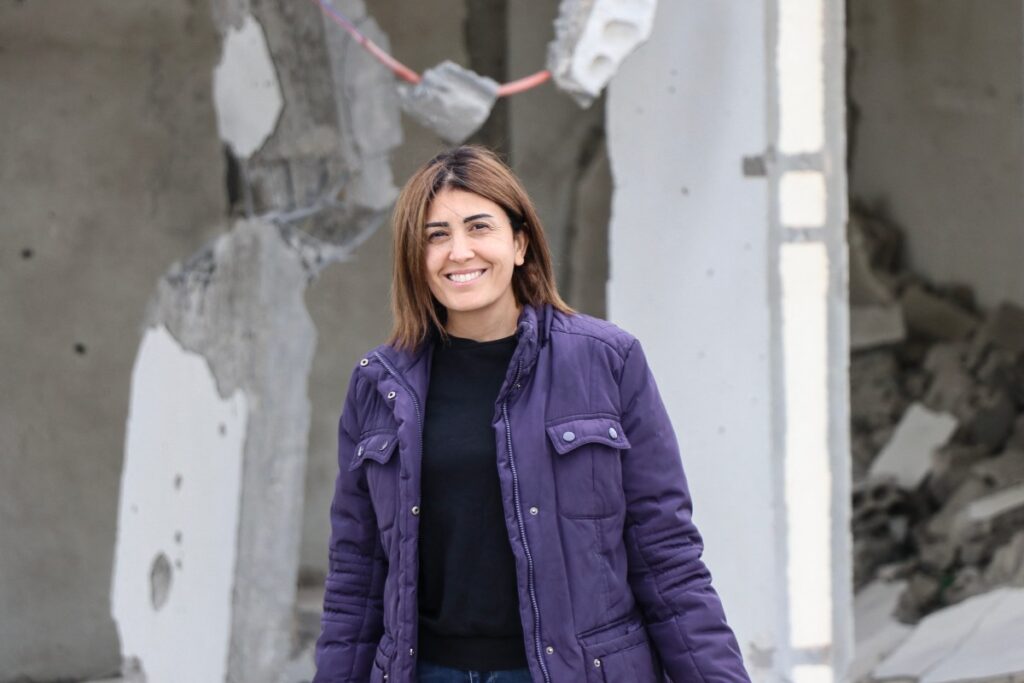
    Amal Khalil, a 42-year-old correspondent for prominent Lebanese daily newspaper Al-Akhbar, had her death confirmed Wednesday by rescue services and her employer. According to Lebanon’s civil defense agency, Khalil died when an airstrike hit a residential building in the southern border village of Al-Tiri.

    In an official statement condemning what he called deliberate war crimes, Lebanese President Joseph Aoun argued that Israel systematically targets journalists to cover up evidence of its violations against Lebanese communities. “Israel deliberately targets journalists in order to conceal the truth about its crimes against Lebanon,” Aoun stated. Prime Minister Nawaf Salam echoed the accusation in a post on the social platform X, noting that targeting media workers and blocking access for first response teams amounts to a war crime, and confirming the Lebanese government plans to bring the case before international regulatory and judicial bodies.

    When contacted for comment by Agence France-Presse (AFP) Thursday, an Israel Defense Forces (IDF) spokesperson said only that “the incident is still under review.”

    The killing comes 10 days into a fragile ceasefire between Israeli forces and the Iran-backed Hezbollah movement, which paused open conflict that has killed more than 2,400 people in Lebanon since fighting resumed last year.

    Lebanon’s official National News Agency (NNA) provided a detailed timeline of the incident: Khalil and a second journalist, Zeinab Faraj, fled to the Al-Tiri house for shelter after an initial Israeli airstrike targeted a car traveling directly ahead of them. The two people in that targeted vehicle – the mayor of Bint Jbeil, a nearby town currently under Israeli occupation, and his companion – were killed in the first strike. Moments later, a second Israeli airstrike hit the house where the two journalists had taken refuge.

    Lebanon’s health ministry reported that Faraj was wounded and evacuated to a local hospital, while Khalil was left trapped under rubble. A senior Lebanese Red Cross official told AFP that teams successfully pulled Faraj from the site but were forced to withdraw without recovering Khalil after receiving an advance warning of another impending strike. Lebanese authorities were required to coordinate with United Nations peacekeeping forces deployed across southern Lebanon to secure the area, resulting in a multi-hour delay before rescue crews could re-enter to retrieve Khalil’s body from the destroyed building.

    On Thursday, Lebanon’s health ministry added a second accusation against Israel, claiming the military deliberately obstructed rescue operations and targeted an ambulance clearly marked with the official Red Cross emblem. The IDF pushed back on the account in a Wednesday statement, saying its forces had identified two vehicles in southern Lebanon that had left a military facility used by Hezbollah. The airstrike targeted a vehicle carrying “terrorists,” the military said, that had crossed what Israel refers to as its “forward defense line” in southern Lebanon and moved close to deployed Israeli troops. Israel has also denied blocking rescue teams from accessing the strike site, after establishing a heavily restricted “yellow line” deep inside southern Lebanon, where its troops are currently stationed and civilian residents are barred from returning to their homes.

    Human rights and press freedom organizations have widely condemned the killing, adding to longstanding criticism of repeated Israeli strikes that have killed media workers over the course of the ongoing conflict. Dozens of journalists gathered for a public protest in downtown Beirut ahead of Khalil’s funeral, scheduled to take place in her hometown of Baysariyeh in southern Lebanon.

    Jonathan Dagher, Middle East bureau head for Reporters Without Borders (RSF), said the documented sequence of strikes Wednesday “would indicate targeting and obstruction of aid constituting war crimes.” Ramzi Kaiss, Lebanon-based researcher for Human Rights Watch, called for a full, independent investigation into the killing. “Israel’s killing of journalist Amal Khalil should be credibly investigated with a view towards justice and accountability,” Kaiss said, adding that “intentionally targeting civilians is a war crime.”

    Khalil is the latest Lebanese journalist to be killed by Israeli forces since cross-border conflict reignited in 2023. In late March, three other journalists were killed in an Israeli airstrike in southern Lebanon, prompting a group of United Nations independent experts to call for a formal international investigation into that incident. Speaking from the Beirut protest, local journalist Inas Sherri told AFP that holding responsible parties to account is the only way to stop the pattern of killings. “Accountability is the most important thing,” Sherri said. “If we were holding people accountable, Israel would not have continued killing journalists one after another.”
  • Iran Seizes 2 Ships in Strait of Hormuz

    Iran Seizes 2 Ships in Strait of Hormuz

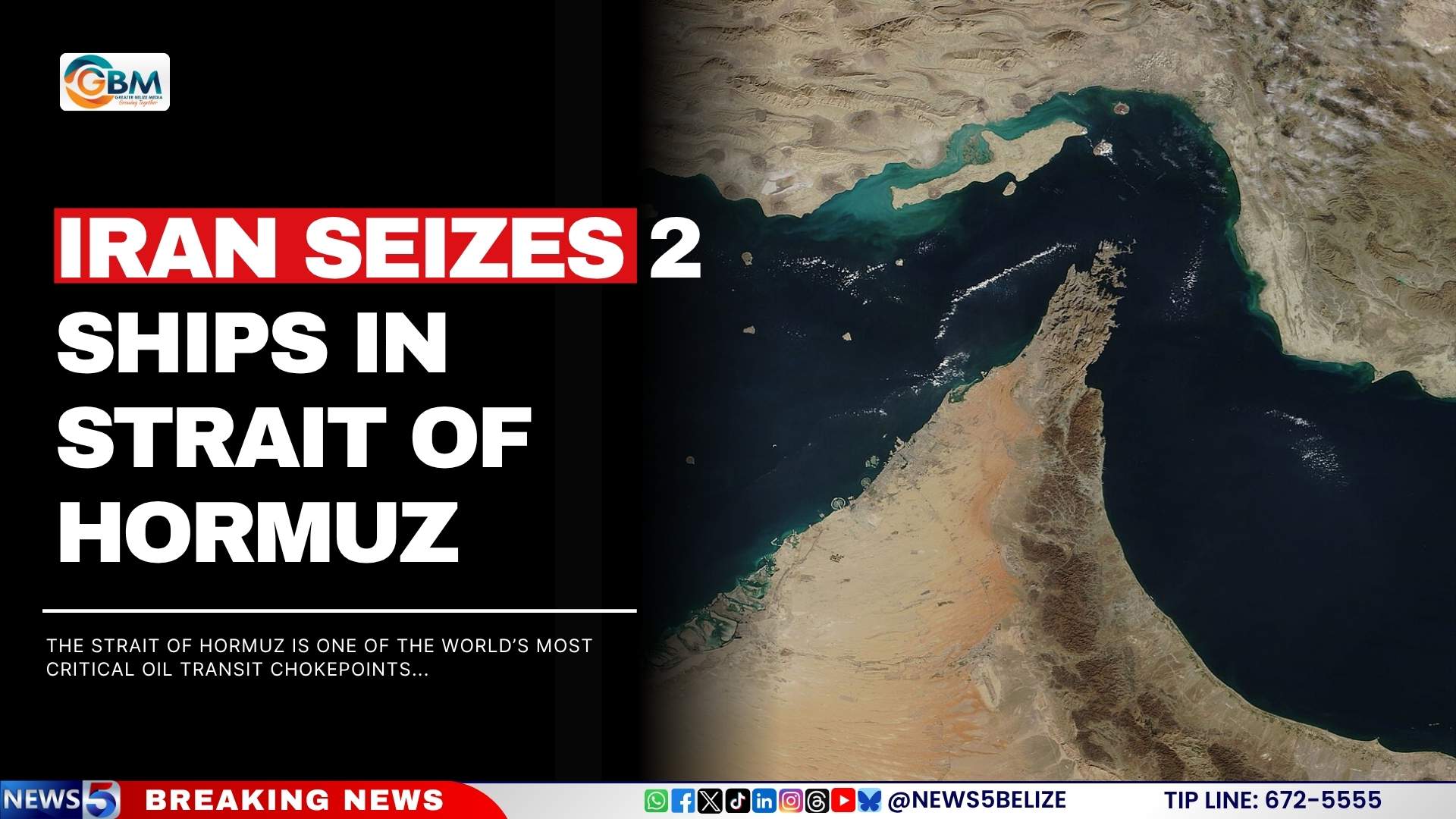
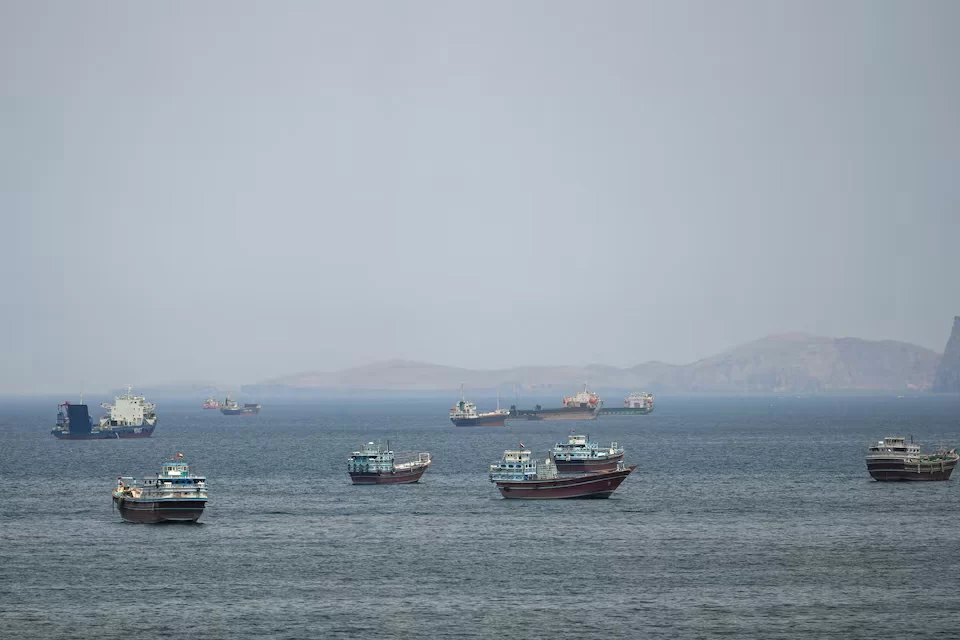
    The Strait of Hormuz, one of the global energy market’s most critical strategic chokepoints, has become the site of sudden maritime escalation after Iran’s Islamic Revolutionary Guard Corps (IRGC) announced it seized two transiting vessels and brought them into Iranian territorial waters. A third commercial ship was also targeted in the incident, leaving it disabled off Iran’s coastline, according to multiple regional and security sources.

    The provocative maritime move came just hours after United States President Donald Trump extended a temporary ceasefire agreement with Tehran, granting Iranian leadership a limited timeframe to submit what Trump described as a “unified proposal” to restart negotiations aimed at reviving the stalled nuclear and peace talks between the two nations.

    Iranian state media confirmed that IRGC naval units carried out the strike on the third vessel, leaving it immobilized in waters near the Iranian coast. Early reports from a private international maritime security agency had previously noted that at least two container ships had sustained damage from gunfire while traversing the key waterway, which connects the Persian Gulf to the open ocean and carries roughly a fifth of the world’s daily oil consumption.

    Greece’s foreign ministry has verified that one of the vessels involved in the incident is a Greek-owned cargo ship flying under the flag of Liberia, though officials noted that it remains unclear whether the vessel has been formally seized alongside the two confirmed. In response to the escalation, the Greek government has issued an urgent advisory for all Greek-owned or Greek-operated vessels to avoid transiting the Strait of Hormuz entirely until further notice, and to exercise extreme caution if passage through the region cannot be avoided.

    Any disruption to shipping traffic through the Strait of Hormuz carries immediate and far-reaching consequences for the global economy, as disruptions to oil supplies through the chokepoint typically trigger sharp volatility in international energy prices and ripple across global manufacturing, trade, and consumer markets.

    U.S. officials have previously signaled that the current temporary ceasefire will not be extended indefinitely, and according to anonymous sources familiar with internal administration discussions, the White House believes that applying incremental mounting pressure on Tehran will force Iranian leaders to return to the negotiating table with a willingness to reach a diplomatic breakthrough quickly.

  • Iran grijpt schepen in Straat van Hormuz na afgelasting aanvallen door Trump

    Iran grijpt schepen in Straat van Hormuz na afgelasting aanvallen door Trump

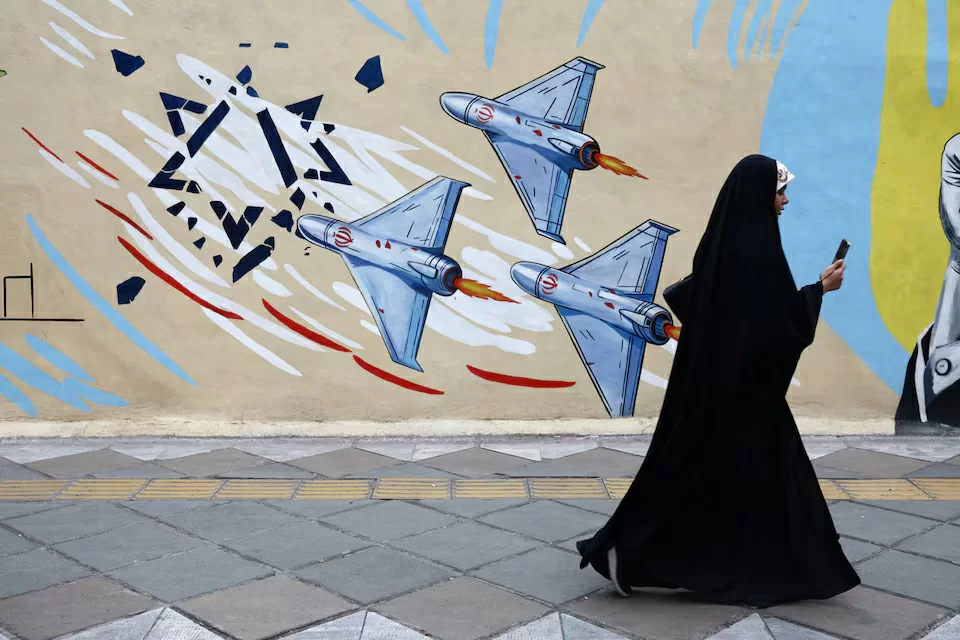
    On Wednesday, just days after US President Donald Trump announced an indefinite suspension of planned military strikes against Iran, Iranian forces seized two commercial ships in the strategically vital Strait of Hormuz. This incident marks the first time Iran has seized foreign-flagged vessels in the key waterway since the outbreak of open hostilities in late February, escalating already heightened tensions between Tehran and Washington at a moment when regional peace efforts have already stalled.\n\nAccording to Iran’s semi-official Tasnim News Agency, the Islamic Revolutionary Guard Corps intercepted the two vessels over alleged maritime violations and escorted them to Iranian coastal ports. Earlier reports from British maritime security officials had already confirmed that three separate commercial ships came under fire in the straat earlier this week, adding new urgency to global concerns over freedom of navigation in the world’s most critical energy chokepoint.\n\nDespite Trump’s announcement of a paused military campaign and a temporary two-week ceasefire, the US leader confirmed via social media that Washington will maintain its full maritime blockade of Iran. Just days before the seizure, the US Navy intercepted and seized an Iranian cargo vessel in the region, and on Tuesday, American forces boarded and inspected a large Iranian oil tanker transiting the Indian Ocean. Tehran has decried the US blockade as an outright act of war, and has pledged to keep restricting transit through the strait for as long as the American blockade remains in place. Around 20% of global oil and liquefied natural gas supplies pass through the 21-mile-wide waterway, and Iran’s restrictions have already triggered a global energy crisis that has driven up fuel prices worldwide.\n\nPeace brokering efforts led by Pakistan, which stepped in as a neutral mediator between the two nations, have hit a major impasse. Planned peace talks scheduled this week in Islamabad, set to take place just before the temporary two-week ceasefire was set to expire, collapsed entirely when neither side sent delegations to the negotiating table. A luxury Islamabad hotel had been fully secured and prepared for the negotiations, but Iran never formally accepted the invitation to attend, while the US delegation led by Vice President JD Vance opted to remain in Washington. Security measures at the prepared venue have since been scaled back, though the site remains closed to the public.\n\nSpeaking to Reuters on condition of anonymity, a senior Pakistani official acknowledged the collapse of talks came as an unexpected setback. “Iran never issued an official refusal, and has repeatedly stated it remains open to coming to the table,” the official said, adding that Pakistani mediators are continuing to work aggressively to bridge gaps between the two sides while accommodating core security and political sensitivities of both Tehran and Washington.\n\nIran’s response to Trump’s ceasefire announcement has been marked by deep caution and open skepticism. Tasnim News has emphasized that Iran never requested a ceasefire extension, and has repeated threats to use military force to break the US blockade. A senior advisor to Iranian parliamentary speaker and chief nuclear negotiator Mohammad Baqer Qalibaf warned that Trump’s announcement could be a deliberate trick to buy time for a surprise military strike on Iranian infrastructure.\n\nSince the start of the conflict, Iran has effectively closed the Strait of Hormuz to unauthorized commercial traffic, targeting vessels that attempt to transit the waterway without Tehran’s permission. On Wednesday, the UK Maritime Trade Operations (UKMTO) confirmed that at least three container ships had been fired on by Iranian forces in recent days. One vessel was approached by an Iranian gunboat and hit with machine gun fire and grenade launchers, causing significant damage to the ship’s bridge. No crew casualties or environmental damage were reported in the incident, while the two other attacked ships also reported no injuries among their crews. Tehran has condemned recent US actions at sea, including the boarding of an Iran-bound oil tanker heading to Singapore, as “state-sponsored piracy and terrorism.”\n\nTrump’s latest ceasefire announcement marks the second time in as many weeks that the US president has backed away from last-minute threats to bomb Iranian civilian energy infrastructure and key bridges. Those threats drew widespread international condemnation, with many global leaders warning that targeting civilian infrastructure could constitute a war crime under international law. Iran had responded to the threats by pledging to launch retaliatory strikes against US allies in the Arab Gulf if any civilian infrastructure in the country was targeted.\n\nIn the immediate aftermath of the ceasefire announcement, global oil prices fell below $100 a barrel for the first time in weeks, though global stock markets and US dollar exchange rates continued to see high volatility amid ongoing uncertainty over the future of the conflict. Even with calls for an extension of the temporary ceasefire, the collapse of planned Islamabad talks has left the broader peace process on extremely shaky ground.\n\nA senior Iranian official told Reuters that Tehran remains open to a new round of peace negotiations, but only if Washington abandons its current policy of maximum pressure and coercive threats. The first round of talks, held 11 days earlier, failed to produce any breakthrough agreement. Washington’s core demand is that Iran surrender its stockpiles of highly enriched uranium to prevent Tehran from developing a nuclear weapon. Iran has repeatedly insisted that its nuclear program is entirely peaceful, and that developing a civilian nuclear program is a sovereign right guaranteed to Iran under the Treaty on the Non-Proliferation of Nuclear Weapons. Tehran’s core demands include a full end to hostilities, the lifting of all international and US sanctions, war reparations for damages caused by the conflict, and formal international recognition of Iran’s full sovereignty over the Strait of Hormuz.

  • Police armoury breach ‘exposes security gaps’

    Police armoury breach ‘exposes security gaps’

    A brazen weekend break-in at the San Fernando Municipal Police armoury in Trinidad and Tobago has left one officer dead and triggered urgent warnings about systemic security gaps and potential infiltration by global criminal networks. On Sunday, attackers gained access to the facility and stole an unspecified number of firearms alongside thousands of rounds of ammunition, with investigators now pointing to missing, inadequate inventory records as a key vulnerability that allowed the theft to unfold. The incident also claimed the life of on-duty municipal police officer Anuska Eversley, who was murdered inside the station compound during the attack.

    In the aftermath of the heist, two leading criminologists have offered divergent analyses of the event’s root causes and broader implications, raising critical questions about the integrity of the country’s national security apparatus. Speaking in a recent telephone interview, leading criminologist Daurius Figueira argued that the coordinated nature of the attack leaves little doubt that transnational criminal organizations are responsible. He noted that the perpetrators moved with precise, targeted knowledge of the facility, demonstrating they “knew exactly what they were doing” when they struck. Figueira outlined two potential end uses for the stolen munitions: arming local insurgent factions, or diverting the cache to the thriving global illicit arms market. But building on comments from the national Police Commissioner, he pushed forward a more alarming thesis: the heist was a deliberate operation to undermine and destabilize Trinidad and Tobago’s security institutions, and by extension, the sovereign state itself.

    Figueira emphasized that the successful breach lays bare severe, exploitable weaknesses in the facility’s security protocols, which criminal actors likely scouted for months before launching their attack. Contrary to popular framing that most armoury thefts are driven by immediate profit or local gang expansion, he explained that transnational criminal networks often pursue broader strategic goals that go beyond short-term gains. A core part of his assessment is the claim that insiders embedded within the national security apparatus are collaborating with these global networks, providing critical intelligence that makes such targeted attacks possible. He also pushed back against widespread public calls for a national curfew as a response, arguing that the blunt measure would not prevent future targeted attacks like this heist, and would only further highlight existing weaknesses in the country’s security architecture.

    Offering a contrasting perspective, fellow criminologist Dr. Randy Seepersad has called for targeted systemic reform rather than broad conclusions about institutional infiltration. Seepersad urged an immediate full review of weapons storage and inventory accountability protocols across all national law enforcement agencies, stressing that the core failure of the incident was not the presence of munitions in the station, but the lack of effective systems to track and control those stockpiles. He pushed back against assumptions that widespread corruption or institutional misconduct is baked into the system, arguing that the priority should be strengthening operational protocols rather than jumping to conclusions about insider complicity. “I don’t think it’s so much a matter of the ratio of weapons to personnel in the station,” he noted, explaining that even well-staffed facilities fail without consistent monitoring and clear accountability rules. Seepersad emphasized that while secure physical storage is a non-negotiable baseline, its effectiveness depends entirely on consistent audit processes and accountability for personnel responsible for managing armoury stockpiles.

    Seepersad also cautioned against premature speculation surrounding recent incidents of police-marked ammunition being found at crime scenes across the country, warning against rushed conclusions that could derail formal investigations. He noted there are multiple explanations for how such ammunition can end up in criminal hands, ranging from unaddressed gaps in old munitions disposal processes to deliberate planting of evidence by criminals to mislead law enforcement. Drawing quick, unsubstantiated conclusions, he argued, risks both skewing ongoing investigations and distorting public understanding of the real challenges facing national security. Unlike Figueira, Seepersad characterized the San Fernando heist as an isolated incident, rather than evidence of broad infiltration of the country’s security institutions by transnational criminal networks.

  • VS verlengt wapenstilstand met Iran, militaire top over Hormuz

    VS verlengt wapenstilstand met Iran, militaire top over Hormuz

    On Wednesday, military planners from over 30 countries convened in London for a two-day summit focused on laying the groundwork for an international mission aimed at reopening and securing the strategically critical Strait of Hormuz, a global chokepoint for maritime oil trade. The UK Ministry of Defense confirmed that more than 12 nations have already committed to joining the operation, which will be led jointly by the United Kingdom and France once operational conditions allow for deployment.

    This London conference builds on diplomatic progress achieved just one week prior, during a video call attended by roughly 50 nations spanning Europe, Asia, and the Middle East. That earlier diplomatic push was partly intended to send a clear message to Washington, coming after former U.S. President Donald Trump stated that the U.S. did not require any assistance from allied partners for security efforts in the region.

    British Defense Secretary John Healey outlined that the core objective of the London gathering is to translate preliminary diplomatic agreements into tangible military plans. These plans center on guaranteeing unimpeded, free passage for all commercial and civilian vessels through the Strait of Hormuz, while also supporting the establishment of a lasting, durable ceasefire between conflict parties. Delegates are set to discuss a range of critical operational details, including contributing military capabilities, establishing unified command structures, and evaluating potential troop deployments to the region.

    In an unexpected twist that reshapes regional diplomatic dynamics just one day ahead of the London summit, President Trump announced Tuesday that he would extend the temporary ceasefire with Iran indefinitely. The ceasefire had been set to expire imminently, and the extension opens space for continued peace negotiations amid rising regional tensions. This decision came only hours after Trump had publicly stated he was unwilling to extend the truce, and had confirmed that U.S. military forces were “ready for action” if the ceasefire lapsed.

    Trump, who jointly launched the war against Iran alongside Israel on February 28, explained his reversal by noting that the Iranian government is “seriously divided, which is not unexpected”. His comment references recent U.S. and Israeli assassination strikes that killed multiple senior Iranian leaders, including former Supreme Leader Ayatollah Ali Khamenei, who has since been succeeded by his son.

    Negotiations mediated by Pakistan in its capital Islamabad have hit a key stumbling block over the ongoing U.S. blockade of Iranian ports, though a second round of talks is currently being planned. The ceasefire extension came at the formal request of Pakistan, which serves as the neutral mediator for the ongoing peace talks.

    Earlier, United Nations Secretary-General António Guterres and other global leaders had condemned Trump’s repeated threats to bomb Iranian energy infrastructure, noting that international humanitarian law explicitly prohibits attacks on civilian populations and critical civilian infrastructure.

    In a post on social media, Pakistani Prime Minister Shehbaz Sharif thanked Trump for agreeing to the ceasefire extension request. Sharif expressed hope that both Iran and the U.S.-Israel coalition would uphold the terms of the truce, and that a comprehensive peace deal could be reached during the upcoming second round of negotiations. As of Wednesday, no firm date has been set for the next negotiating session.

  • URGENT : Flood threat on 5 departments of Haiti

    URGENT : Flood threat on 5 departments of Haiti

    On Wednesday, April 22, 2026, Haiti’s civil defense authorities issued an urgent warning, alerting residents across multiple regions of the country to an imminent threat of flash flooding driven by lingering adverse weather conditions. The announcement from the Directorate of Civil Protection (DPC) confirms that a stationary cold front positioned over northern Haiti, paired with broader unstable atmospheric conditions, will sustain steady rainfall and severe thunderstorms across eight national departments through the late afternoon and overnight hours. The affected departments include North, Northwest, Artibonite, South, Southeast, Nippes, Grand’Anse, and West.

    Haiti’s national Hydrometeorological Unit has tracked worsening soil conditions across most of these monitored regions, noting that saturated ground has lost its ability to absorb additional precipitation. This environmental state elevates the risk of sudden, dangerous flash flooding specifically across five departments: North, Northwest, South, Nippes, and Grand’Anse, where low-lying and river-adjacent communities face the highest danger.

    In response to the escalating threat, the National System for Risk and Disaster Management (SNGRD) has partnered with the DPC to roll out public safety guidance, urging all residents in high-risk flood zones to prioritize preparedness and follow official instructions closely. The joint advisory outlines three core safety measures for at-risk communities: first, secure all personal belongings and critical official documents in elevated, water-safe locations to avoid irreparable damage. Second, avoid unnecessary long-distance travel to remote mountainous areas or riverbanks far from residential zones, particularly for trips that require an extended half-day or longer return journey during active storm conditions. Third, never attempt to cross overflowing or swollen waterways by any means of transport, including on foot, motorcycle, horseback, or passenger vehicle, as fast-moving floodwaters pose severe drowning and injury risks.

    The urgent warning comes as Haiti continues to grapple with recurring climate-driven disasters, with vulnerable communities disproportionately exposed to extreme weather events that strain the country’s limited disaster response infrastructure. Authorities are continuing to update weather conditions and safety guidance as the storm system progresses.

  • 72 Dominicans repatriated from the U.S. arrive at AILA after serving prison sentences

    72 Dominicans repatriated from the U.S. arrive at AILA after serving prison sentences

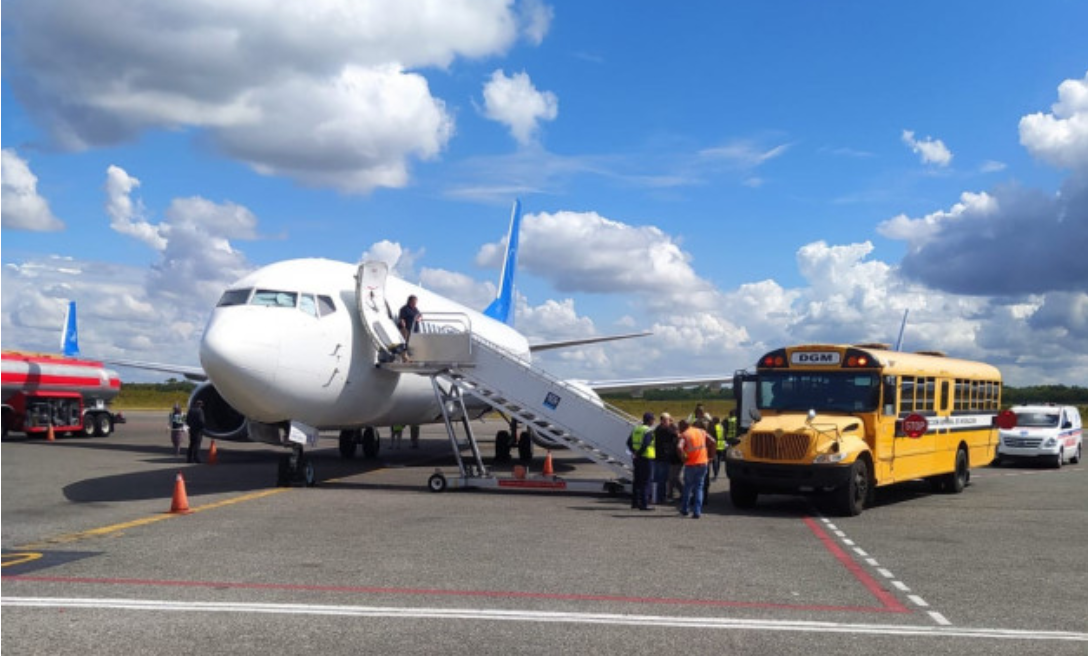
    Santo Domingo, the capital city of the Dominican Republic, has received a plane carrying 72 Dominican citizens who were deported from the United States. The chartered flight, arranged by the U.S. government, touched down at Las Américas International Airport, carrying 65 male and seven female deportees. The vast majority of this group had already completed court-mandated prison sentences in correctional facilities across multiple U.S. states.

  • Dominican Republic and Haiti discuss security measures amid gang expansion

    Dominican Republic and Haiti discuss security measures amid gang expansion

    In a significant step toward addressing the spiraling security crisis engulfing neighboring Haiti, the governments of the Dominican Republic and Haiti have launched joint working committees focused on curbing the expanding power of criminal gangs and resolving shared cross-border security concerns. The collaborative initiative emerged from a high-level working meeting held in Santo Domingo, where Dominican Republic Foreign Minister Roberto Álvarez held in-depth discussions with Jack Christofides, covering the full scope of cooperative goals and on-the-ground operational details for the multinational Gang Suppression Force mission. A delegation of senior Dominican government officials and top security sector representatives also took part in the strategic talks, laying the groundwork for coordinated action against organized criminal violence.

    The current emergency in Haiti did not develop overnight. As global human rights organization Amnesty International points out, decades of deep-rooted political and economic fragility, rooted in historical systemic inequality, have created the conditions for criminal groups to flourish. This preexisting instability has been severely exacerbated by a cascade of recent overlapping crises: acute fuel shortages that have paralyzed basic public services, devastating natural disasters that destroyed critical infrastructure and displaced thousands of people, and the lingering socioeconomic fallout of the COVID-19 pandemic. Together, these shocks have allowed gang-related violence to spread rapidly across most of Haiti’s populated areas.

    The security situation deteriorated dramatically following the 2021 assassination of sitting Haitian President Jovenel Moïse, an event that shattered already fragile governance and pushed political instability to new heights. Moïse’s successor, interim Prime Minister Ariel Henry, struggled to gain control over expanding armed groups that quickly consolidated their control over large swathes of the capital, Port-au-Prince. By 2024, international pressure and domestic outcry led to the formation of a new transitional presidential council, mandated to lead the country back to constitutional order and institutional stability.

    Today, Haitian national authorities remain under intense international and domestic pressure to advance security sector reforms, rein in violent criminal groups, and uphold fundamental human rights, as the country continues to grapple with persistent widespread violence and deep-seated institutional challenges that have left millions of ordinary Haitians facing daily insecurity.

  • 396 kilos of cocaine found on boat in SVG

    396 kilos of cocaine found on boat in SVG

    Authorities in the Caribbean island nation of St. Vincent and the Grenadines have placed two individuals in custody as part of an ongoing probe into a major narcotics bust uncovered earlier this week. The seizure, which unfolded on Monday, netted a total of 396 kilograms of cocaine, one of the more substantial drug hauls recovered in the region in recent months.

    Local independent outlet iWitness News has confirmed from credible internal sources that the illicit contraband was discovered aboard a marine vessel intercepted by law enforcement. Despite multiple requests for comment, members of the police force have declined to release additional operational details, keeping all strategic information closely held as the investigation progresses.

    Preliminary identification of the two detainees confirms one is a citizen of Grenada and the other holds Venezuelan nationality. Sources close to the case have refused to expand on details including the intended destination of the cocaine, the ownership of the intercepted vessel, or any potential links to larger transnational drug trafficking organizations, noting that premature disclosure could undermine ongoing investigative work and derail efforts to take down connected criminal networks.

  • World Bank mission completed for Grenada Resilience Improvement Project

    World Bank mission completed for Grenada Resilience Improvement Project

    Grenada’s ambitious climate resilience infrastructure initiative, the Grenada Resilience Improvement Project (GRIP), has moved into a critical advanced phase, marking multiple key milestones for the $15 million World Bank-backed program. The project, which focuses on strengthening disaster preparedness and climate-resilient infrastructure for three local communities, recently held a productive implementation support mission that brought together GRIP’s project team, Grenadian government officials, and World Bank representatives. The meeting, which included both in-person site visits on the island and virtual working sessions, saw the GRIP team share comprehensive progress updates, while the World Bank team provided targeted feedback and strategic guidance to shape the project’s next phase. Attendees described the discussion as a constructive exchange that aligned all stakeholders on the path forward.

    This collaborative session came at a particularly pivotal moment for the project, as on-the-ground civil work has officially commenced at the Balthazar Bridge site. The first component of work to launch is construction of a temporary pedestrian bridge, designed to keep local residents safely crossing the adjacent river during full reconstruction of the main permanent bridge. Local contractor Farray Construction Ltd. has already begun building the bridge’s abutments, with installation of the full pedestrian bridge set to begin once foundation work is complete.

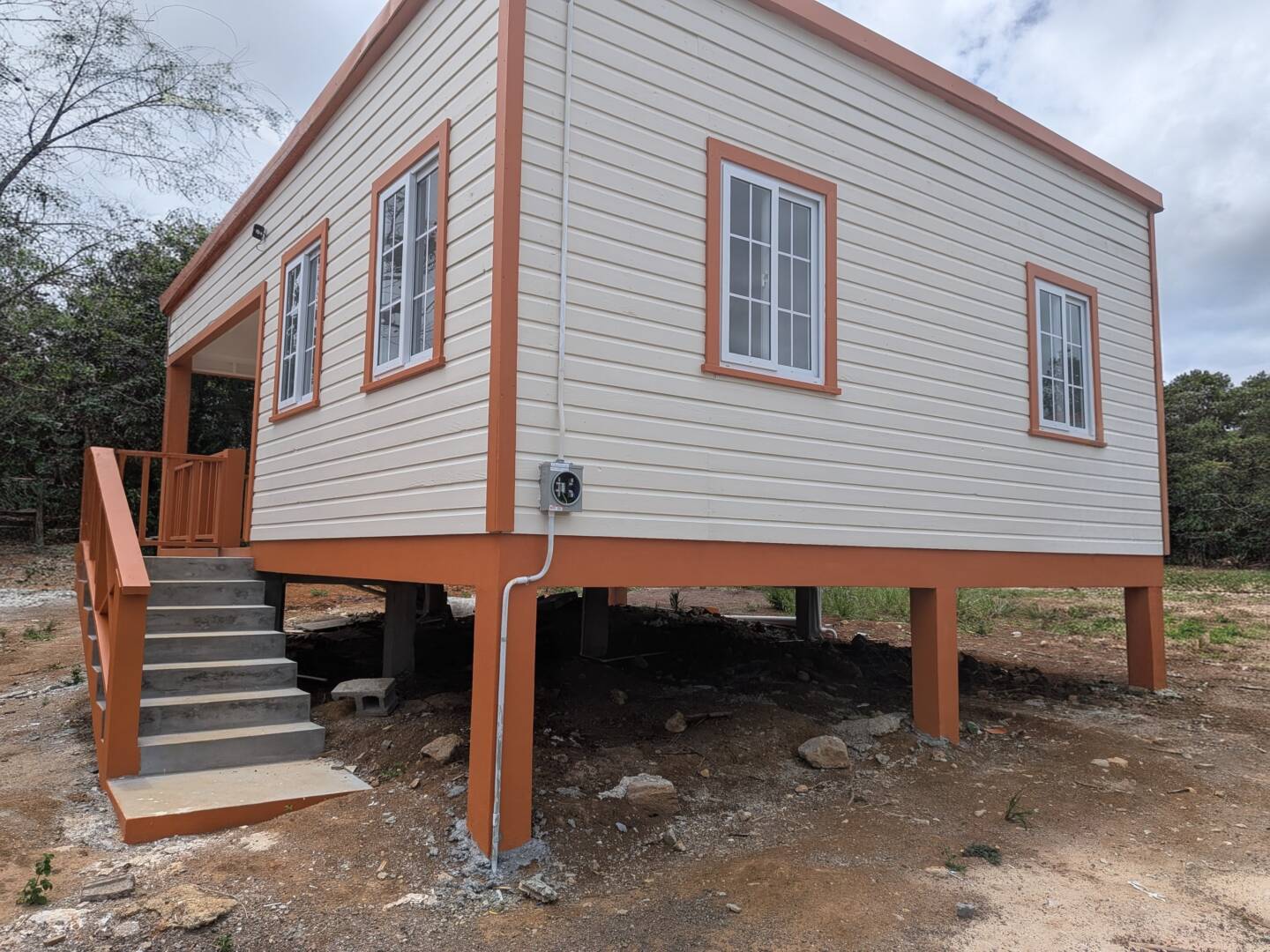
    Several major components of the project have already hit key milestones in recent weeks. Procurement for both coastal infrastructure upgrades and the full Balthazar Bridge reconstruction has been successfully wrapped up, with formal contract awards set to be announced in the near term. Additionally, four new permanent homes have already been completed for Project Affected Persons (PAPs) in Saab, St. Andrew, where existing residential properties fall within the footprint of the new bridge development. These new homes were constructed under the project’s Build Back Better Initiative, which prioritizes safer, more resilient housing for impacted community members.

    Looking ahead, the GRIP project management team, hosted by Grenada’s Ministry of Mobilisation, Implementation and Transformation (MIT), will maintain its close coordination with the World Bank team to keep progress on track. The next phase of the project will include expanded community engagement sessions to share regular progress updates with local residents, and significant increases in on-site mobilization are expected throughout the second quarter of this year.

    First launched as a government-led initiative backed by $15 million in World Bank funding, GRIP’s core mission is to boost Grenada’s ability to withstand climate-related disasters by upgrading critical infrastructure and strengthening local community disaster preparedness capacity. When complete, the project will deliver long-term benefits to three targeted Grenadian communities: Balthazar, Soubise, and Marquis.