分类: world

  • 5.6-magnitude earthquake rocks Saint Lucia

    5.6-magnitude earthquake rocks Saint Lucia

    The Eastern Caribbean region experienced significant seismic activity as a substantial earthquake measuring 5.6 in magnitude struck near Saint Lucia on Friday, January 2nd. The tremor occurred at precisely 5:38 p.m. local time, registering at a considerable depth of 30.4 kilometers beneath the Earth’s surface, according to preliminary data released by the University of the West Indies’ Seismic Research Centre.

    The seismic event’s epicenter was pinpointed approximately 65 kilometers northeast of Fort-de-France, Martinique, indicating a substantial tectonic disturbance in the region. The quake’s effects were widely reported across multiple population centers including Ciceron, Castries, and Gros Islet, where residents experienced noticeable shaking and vibration.

    This significant seismic event follows closely on the heels of a smaller 3.5-magnitude earthquake that occurred off the coast of Guadeloupe in the early hours of New Year’s Day, just after midnight. The consecutive seismic activities have raised attention to the heightened tectonic movements currently affecting the Caribbean region, known for its complex geological structure along multiple fault lines.

    Seismologists are continuing to monitor the situation for potential aftershocks and are analyzing data to better understand the implications of these back-to-back seismic events. The Caribbean region, situated along the boundary of the Caribbean and North American tectonic plates, frequently experiences such seismic activity, though earthquakes of this magnitude warrant particular attention from both scientists and emergency preparedness officials.

  • Explosions rock Venezuela’s capital

    Explosions rock Venezuela’s capital

    CARACAS, VENEZUELA — The Venezuelan capital was jolted by a series of powerful explosions during pre-dawn hours on Saturday, triggering widespread power outages and sending plumes of smoke billowing across the skyline. Multiple blasts were reported not only in Caracas but also in surrounding regions including Miranda, Aragua, and La Guaira, creating a wave of concern among residents.

    Venezuelan authorities have swiftly pointed fingers at the United States, alleging the detonations resulted from an attack executed by a low-flying aircraft. President Nicolás Maduro issued a vehement statement, denouncing what he labeled an ‘imperialist attack’ and urging all social and political factions within the nation to activate mobilization plans in protest.

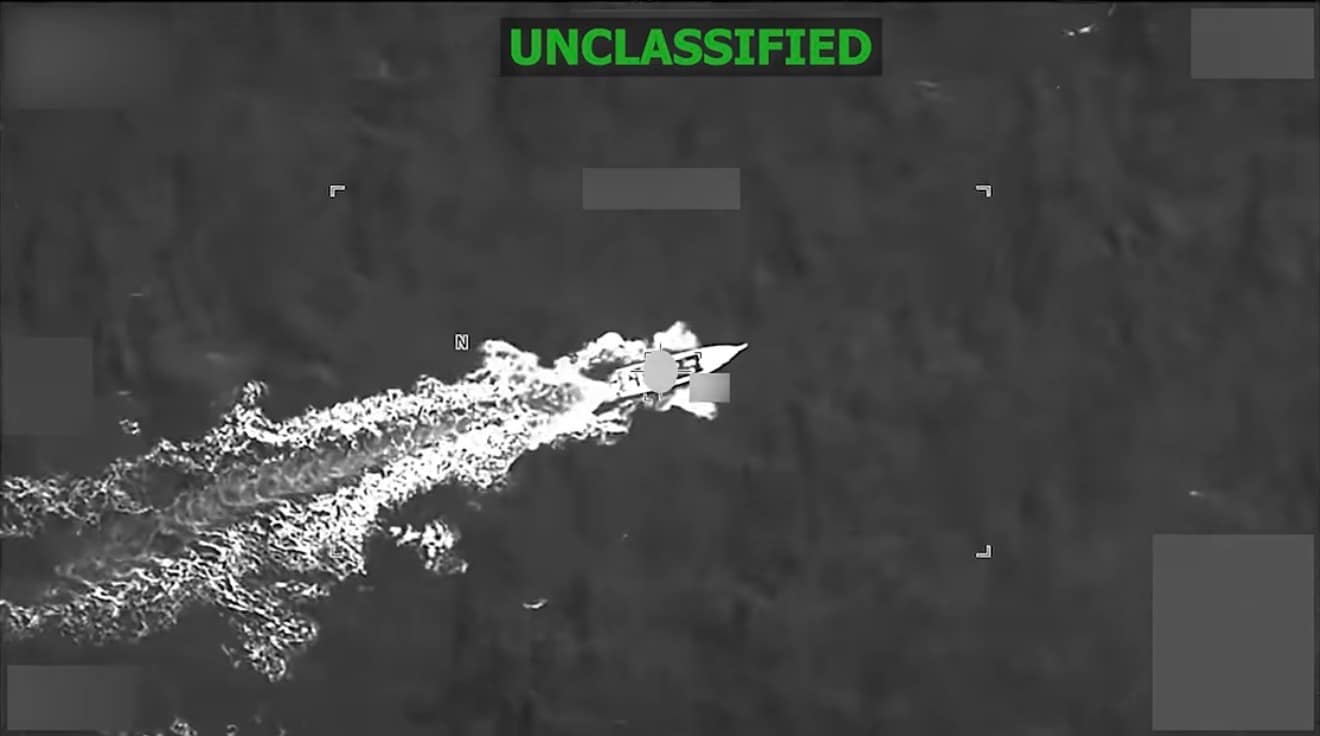
    This alarming incident occurs against the backdrop of escalating tensions between the two nations, following a recent strike on a Venezuelan port facility that officials similarly attributed to US operations. While the exact nature and cause of the explosions remain unverified independently, the event marks a significant escalation in the already strained relations between Venezuela and the United States.

    Journalists and eyewitnesses in affected areas reported at least seven distinct explosions, which coincided with electrical blackouts across several districts. The situation continues to develop, with further details anticipated as investigations proceed.

  • Guatemala commemorates 67th anniversary of the Cuban Revolution

    Guatemala commemorates 67th anniversary of the Cuban Revolution

    GUATEMALA CITY – The Cuban diplomatic mission in Guatemala hosted commemorative events honoring Cuba’s revolutionary history and its ongoing international medical cooperation. The gathering brought together embassy officials, their families, and members of Cuba’s medical contingent serving in Guatemala.

    Minister Counselor Roberto Socorro delivered the keynote address, highlighting the historical significance of Cuba’s revolutionary victory and the pivotal leadership of Fidel Castro. His presentation detailed crucial milestones in the revolutionary struggle that spanned from the 1950s to contemporary times.

    At a separate ceremony held at the National Coordination Center of the Medical Brigade, Cuban Ambassador Nazario Fernandez recognized both the achievements of the revolution and the dedication of healthcare professionals who have provided medical assistance across Guatemala’s most remote regions for nearly three decades.

    Diplomatic representatives encouraged continued diligence in serving Guatemalan communities, emphasizing the importance of maintaining this humanitarian mission. Dr. Mariheta Cutino, head of the Medical Brigade, reaffirmed her team’s commitment to upholding the revolutionary principles that initiated their humanitarian work.

    The commemorations coincided with ongoing social media tributes to Fidel Castro, particularly significant during the centennial year of his birth. These digital commemorations began on December 31st and continued through the events, connecting physical gatherings with virtual expressions of revolutionary remembrance.

  • Caribbean bishops call for day of prayer amid rising regional tensions

    Caribbean bishops call for day of prayer amid rising regional tensions

    Anglican bishops across the Caribbean have issued a solemn appeal for a unified day of prayer dedicated to peace, raising profound concerns that a recent surge in military operations is jeopardizing both regional stability and the fundamental well-being of local populations. The ecclesiastical leaders cautioned that the Caribbean Sea, a vital artery for commerce and sustenance, is being transformed into an unintended arena of international confrontation.

    In an official communiqué released on December 29, the Antilles Episcopal Conference detailed a rapid deterioration of the geopolitical climate since October. The statement catalogued a concerning escalation in military maneuvers, seizures of vessels, expanded naval presences, and the imposition of airspace restrictions, all of which are collectively impinging on the daily existence of communities throughout the archipelago.

    The bishops portrayed the Caribbean as a space historically defined by its peaceful character, now under threat from external forces. They emphasized that the sea is not a void to be contested but a lifeline for countless fishers, maritime workers, coastal inhabitants, and migrants. Recent incidents, including naval blockades, were cited as significantly elevating dangers to civilian safety and disrupting essential activities.

    Beyond immediate security risks, the conference highlighted the cascading humanitarian consequences, with a specific focus on the exacerbated plight of the Venezuelan people. The militarized environment is also applying severe pressure on two pillars of the regional economy: maritime trade and the crucial tourism sector, thereby threatening the livelihoods of thousands who rely on open and secure waterways.

    While explicitly acknowledging the legitimate right and duty of nations to combat transnational criminal networks and uphold international legal standards, the bishops presented a forceful argument against militarization as a viable strategy for achieving enduring security. They contended that the intensified operations by both global and regional powers are more likely to foster mutual distrust, cripple local economies, and disproportionately endanger the most vulnerable segments of society.

    Echoing a profound humanitarian principle, the declaration stated, ‘War, or the threat of war, is always a defeat for humanity.’

    The conference further expressed its unwavering solidarity with the citizens of Venezuela, affirming support for initiatives aimed at democratic restoration, justice, and peaceful resolution, a position informed through direct consultations with Venezuelan bishops and other church authorities.

    In conclusion, the bishops called upon Caribbean communities to respond to the crisis through spiritual reflection, heightened awareness, and collective solidarity, powerfully reiterating their enduring vision of the region as a sanctified zone of peace.

  • Cuban FM expresses grief after fire in Crans-Montana, Switzerland

    Cuban FM expresses grief after fire in Crans-Montana, Switzerland

    The Cuban government has extended its formal condolences to Switzerland following a devastating New Year’s Eve fire that killed approximately 40 people at a popular ski resort. Cuban Foreign Affairs Minister Bruno Rodríguez utilized social media platform X to convey his nation’s sympathy regarding the tragic incident.

    Minister Rodríguez explicitly stated: “Our deepest condolences for the human losses caused by the fire,” while simultaneously expressing “solidarity with the people and government of Switzerland and with the families of the victims.” The diplomatic message additionally included wishes for the prompt recovery of those injured in the blaze.

    The catastrophic event occurred in the early hours of January 1st at approximately 01:30 local time within Le Constellation bar, located in the Crans-Montana ski resort within Switzerland’s Valais canton. The establishment was reportedly crowded with international visitors celebrating New Year’s Eve when the fire erupted.

    Current official reports indicate at least 115 individuals sustained injuries of varying severity, with between 80 to 100 classified as seriously wounded. Authorities have cautioned that the death toll may potentially rise due to the critical condition of many victims. The multinational nature of the casualties reflects the resort’s popularity among international tourists, though specific nationalities have not yet been formally disclosed.

    Swiss investigative authorities have launched a comprehensive investigation into the incident, but have confirmed that the precise cause of the fire remains undetermined at this preliminary stage. Emergency response teams continue to operate at the scene as recovery efforts progress.

  • 3.8 Magnitude Earthquake Marks 2026’s First in Antigua

    3.8 Magnitude Earthquake Marks 2026’s First in Antigua

    The Eastern Caribbean region experienced a seismic event on the first morning of the new year when a 3.8 magnitude earthquake struck near Antigua and Barbuda. According to precise measurements from the University of the West Indies Seismic Research Centre, the tremor originated at 6:24 a.m. local time, with its epicenter located northwest of Antigua at a depth of approximately 10 kilometers beneath the Earth’s surface.

    The seismic activity was perceptible across multiple island territories, with residents from St. Kitts and Nevis to Montserrat reporting noticeable ground vibrations. Despite the widespread awareness of the earthquake, preliminary assessments indicate no structural damage to buildings or infrastructure across the affected islands. Local authorities have confirmed that no injuries or casualties resulted from the geological event.

    Monitoring agencies have maintained vigilant observation of the region’s seismic activity following the initial tremor. The Eastern Caribbean region, situated within an active seismic zone, frequently experiences such geological events due to complex tectonic interactions between the Caribbean Plate and neighboring plates. The University of the West Indies Seismic Research Centre continues to track potential aftershocks while providing regular updates to regional emergency management organizations.

  • Sweet relief

    Sweet relief

    NEW YORK — Members of the Jamaican diaspora in the United States have expressed widespread approval of their government’s decision to extend customs duty exemptions on hurricane relief shipments for a second time. The move facilitates continued humanitarian support for communities devastated by Hurricane Melissa’s October 2025 impact.

    Finance Minister Fayval Williams announced the extension this week, pushing the deadline from December 31, 2025, to January 15, 2026. The waiver covers both import duties and General Consumption Tax (GCT) for designated relief items, originally implemented to encourage donations following the hurricane’s widespread destruction.

    Michelle Tulloch-Neil, Northeast US representative for the Global Jamaica Diaspora Council, praised the government’s responsiveness to diaspora concerns. ‘This decision demonstrates clear understanding of the needs of Jamaicans both at home and abroad,’ she stated, while suggesting a March deadline would have better accommodated ongoing shipment preparations.

    The government acknowledged logistical challenges during the holiday season that hampered shipping capacity. Minister Williams noted, however, that the January 15 extension would represent a ‘hard stop’ due to significant revenue losses exceeding approximately $12 billion in customs collections.

    Diaspora leaders across the United States uniformly welcomed the development. Pennsylvania-based Stafford Grant of the Jamaica Ex-Servicemen and Women Foundation noted the extension provides ‘breathing space’ for tons of supplies awaiting clearance. California representative Dr. Roy Davidson described the news as ‘welcome’ for ongoing relief efforts, emphasizing the importance of utilizing the extended window.

    Former GJDC representative Dr. Karen Dunkley highlighted the decision’s symbolic importance, stating it ‘reflects meaningful recognition of the vital partnership between the Government of Jamaica and Global Jamaica Diaspora Council’ in expediting humanitarian aid delivery.

  • Hundreds of flights cancelled across the Caribbean amid US attack on Venezuela

    Hundreds of flights cancelled across the Caribbean amid US attack on Venezuela

    NEW YORK, United States — A significant aviation crisis is unfolding across the Caribbean region, with travel disruptions projected to persist for several days. This follows a decisive US military operation in Venezuela that led to the capture of President Nicolas Maduro, prompting immediate airspace closures and mass flight cancellations by major US carriers.

    Aviation tracking data from FlightRadar24.com, as reported by ABC7 New York, revealed a complete absence of commercial air traffic over Venezuelan airspace on Saturday. The disruption originated from an official Federal Aviation Administration (FAA) directive advising all commercial airlines to avoid a substantial portion of Caribbean airspace. The agency cited an ongoing ‘potentially hazardous situation’ and specifically identified ‘safety-of-flight risks associated with ongoing military activity’ as the primary reason for the unprecedented closure.

    The cascading effects have severely impacted connectivity to numerous island nations in proximity to Venezuela. Key destinations such as Puerto Rico, the Virgin Islands, and Aruba are experiencing widespread cancellations. In response to the chaos, airlines have proactively implemented flexible travel policies, universally waiving change fees for passengers needing to reschedule their itineraries throughout the weekend and into the coming week.

    Puerto Rico’s primary international airport faced specific temporary airspace restrictions, compounding the logistical challenges. Among the carriers, JetBlue announced the most significant cuts, canceling 215 flights within its extensive Caribbean network, though it noted services to Jamaica and the Dominican Republic continued unimpeded.

    Other major airlines, including United and Southwest, executed substantial schedule adjustments. Southwest Airlines cancelled all flights to Aruba on Saturday and suspended all operations to Puerto Rico until late afternoon, while maintaining its schedule to the Dominican Republic. American Airlines published a comprehensive waiver policy covering travel to and from approximately twenty island destinations, such as Anguilla, Antigua, Curaçao, and Saint Lucia. Similarly, Delta Air Lines issued a travel waiver for customers traveling through 13 affected airports, with provisions valid through Tuesday.

  • Defence Ministry: Flights out of US cancelled but Trinidad and Tobago’s airspace remain open

    Defence Ministry: Flights out of US cancelled but Trinidad and Tobago’s airspace remain open

    Trinidad and Tobago’s Ministry of Defense has confirmed the nation’s airspace remains fully operational despite significant disruptions to US-originating commercial flights following American military operations in Venezuela. The developments occurred on January 3 when the US Federal Aviation Administration (FAA) mandated that all departing flights return to US territory.

    Among the affected flights was a JetBlue service destined for Trinidad, which received return instructions minutes after departing from New York’s JFK International Airport. The Airports Authority of Trinidad and Tobago reported multiple cancellations including services operated by KLM, United Airlines, American Airlines, JetBlue, and Amerijet Cargo due to the FAA’s prohibition on US commercial aviation utilizing Venezuelan airspace.

    In contrast, Caribbean Airlines confirmed its operations continued without disruption, maintaining all scheduled services. The flight cancellations followed a dramatic US military operation that resulted in the capture of Venezuelan President Nicolas Maduro and his wife at a Caracas military base, with additional targets destroyed during the early hours of January 3.

    Prime Minister Kamla Persad-Bissessar explicitly stated that Trinidad and Tobago played no role in the military intervention, emphasizing the country’s non-involvement in the operation while ensuring continued aviation accessibility through its sovereign airspace.

  • More than 3,000 Brazilians repatriated or deported in 2025

    More than 3,000 Brazilians repatriated or deported in 2025

    Brazil has significantly escalated its national repatriation efforts in response to intensified deportation measures from the United States, with its “Here is Brazil” program facilitating 37 separate operations since January 2025. The initiative has successfully returned numerous vulnerable Brazilian citizens, primarily from US territories, marking a substantial increase in governmental intervention.

    The current repatriation volume demonstrates a dramatic surge, nearly doubling the total 1,600 repatriations recorded throughout the entire previous year of 2024. This sharp increase aligns with the implementation of stricter immigration enforcement policies under US President Donald Trump, who had prominently featured mass deportations as a cornerstone of his presidential campaign agenda. The policy shift has notably affected Brazilian nationals residing in the United States.

    Following their arrival at Belo Horizonte International Airport—the primary gateway in Minas Gerais state’s southeastern region—repatriated individuals receive comprehensive support. A segment of the most recent group was transferred to specially equipped hotel accommodations providing essential services including meals, hygiene products, and specialized medical and psychological care. The Brazilian Ministry of Human Rights and Citizenship (MDCH) has established robust psychosocial support systems alongside logistical guidance and transportation assistance to facilitate returnees’ journeys to their home cities.

    The ministry further noted that individuals with established local connections or those opting for immediate onward travel received full assistance directly within the airport terminal, ensuring all returning citizens access necessary support regardless of their final destination arrangements.