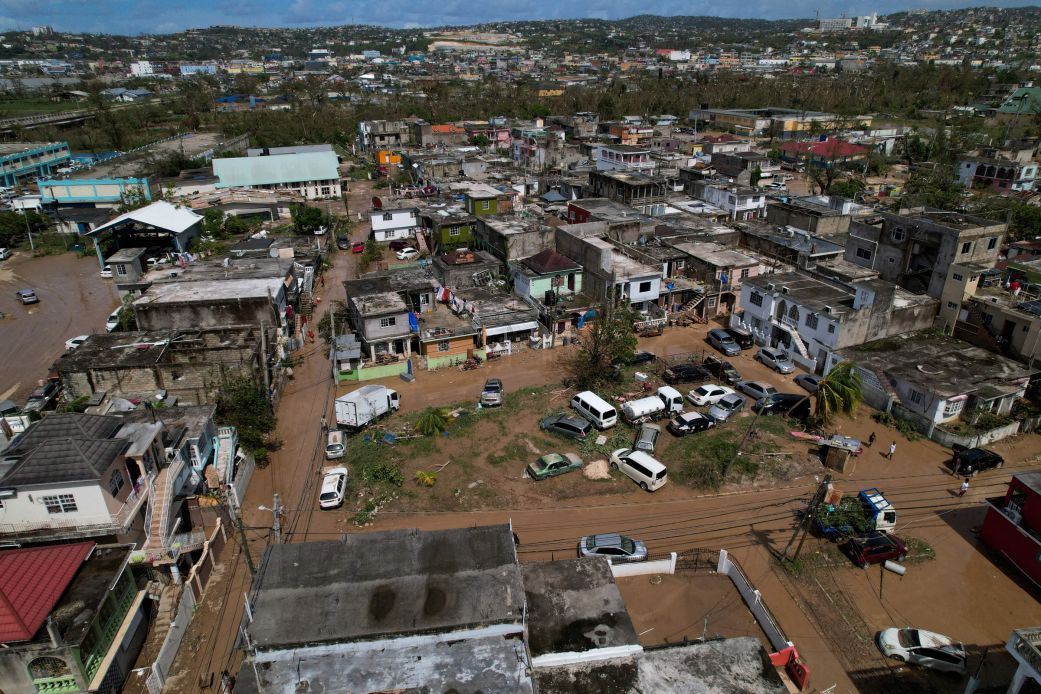
In a swift response to the devastation caused by Hurricane Melissa, Guyana has announced a comprehensive relief effort for Jamaica and Haiti. President Irfaan Ali confirmed on Thursday that Guyana is extending support to its Caribbean neighbors, emphasizing solidarity and immediate action. The Category 5 hurricane, one of the most destructive in Jamaica’s history, has claimed between 14 and 19 lives in Jamaica and at least 25 in Haiti, leaving widespread destruction in its wake. President Ali revealed that Guyana’s assistance will include urgent care packages for Guyanese nationals in Jamaica, alongside broader technical and logistical support. A multi-agency team, led by Prime Minister Mark Phillips and including the Civil Defence Commission (CDC), Guyana Defence Force (GDF), Ministry of Health, and private sector partners, is coordinating the relief efforts. Critical supplies such as generators, tarpaulins, and chainsaws are being mobilized for immediate deployment. Jamaica’s infrastructure has been severely impacted, with over 70% of transmission lines damaged and 490,000 residents still without power. Local authorities have reported a significant reduction in shelter occupancy as residents return home, while search and rescue operations continue with the support of 117 soldiers, police, and firefighters. Guyana’s relief mission underscores regional cooperation and the urgency of addressing the humanitarian crisis.
分类: world
-
Dominican government mobilizes aid for citizens affected by Hurricane Melissa in Jamaica
In response to the aftermath of Hurricane Melissa, the Dominican Republic has swiftly initiated support measures for its citizens residing in Jamaica, particularly in the Montego Bay region. Acting on directives from President Luis Abinader and Foreign Minister Roberto Álvarez, the government has prioritized the safety and welfare of its nationals abroad. The Dominican Embassy in Jamaica, under the leadership of Ambassador Manuel Antonio Durán, conducted a thorough assessment of the situation. While no Dominican citizens were reported injured or killed, the hurricane caused significant property damage and loss of personal belongings due to its intense winds and torrential rains. The Ministry of Foreign Affairs (MIREX) has announced plans to coordinate humanitarian aid delivery in collaboration with the Ministry of Defense. This initiative underscores the Dominican Republic’s foreign policy commitment to safeguarding its citizens overseas. Additionally, the Embassy has pledged to maintain continuous communication with Jamaican authorities, relief organizations, and the Dominican community to ensure their ongoing safety and recovery.
-
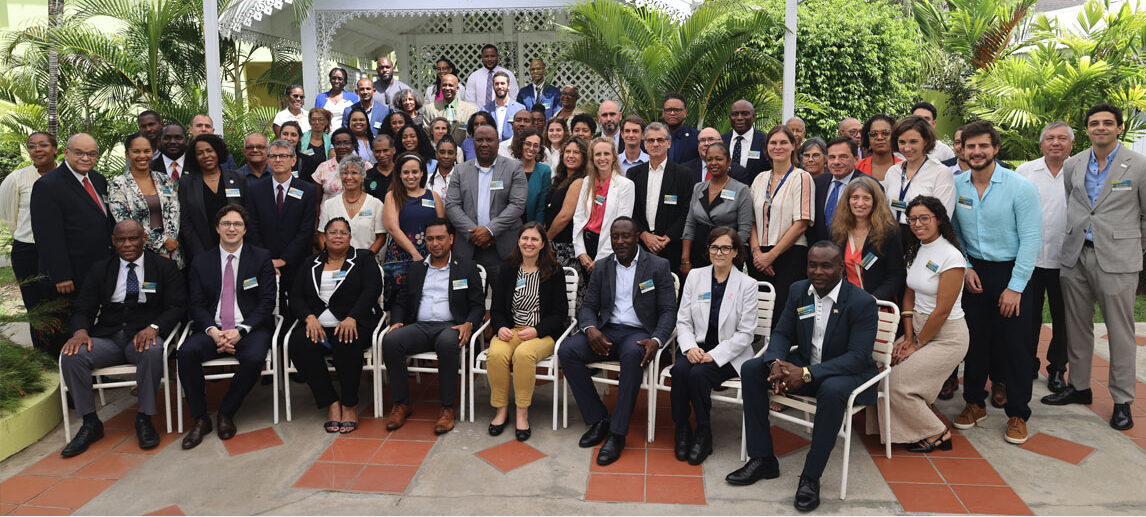
Official kickoff of SARSEA Project
The Caribbean region has taken a significant step forward in addressing the growing sargassum crisis with the official launch of the Sargassum Regional Strategies for Ecosystem-based Actions (SARSEA) project on October 28 in St Lucia. The event, attended by government officials, institutional representatives, and scientists from across the Caribbean, marked the beginning of a coordinated regional effort to mitigate the environmental, economic, and social impacts of sargassum strandings. Funded by France through the Agence française de développement (AFD) and implemented by Expertise France in partnership with the Organisation of Eastern Caribbean States (OECS) Commission, the SARSEA project aims to strengthen regional cooperation, support small island states, and enhance scientific research on sargassum management. The initiative also emphasizes the integration of gender considerations to ensure an inclusive approach. High-level officials, including French Ambassador Marie-Noëlle Duris and OECS Director General Dr. Didacus Jules, expressed their commitment to the project, highlighting the importance of shared knowledge and collaborative efforts. The launch event featured panel discussions, strategy presentations, and the signing of a formal partnership agreement between the OECS and Expertise France. The project’s first collective scientific assessment workshop, led by the French National Research Institute for Sustainable Development (IRD), was also held on October 29. By fostering a network of stakeholders and pooling resources, SARSEA aims to improve preparedness and resilience in the face of sargassum challenges across the Eastern Caribbean.
-
Sargassum project, SARSEA, launched in St Lucia, DA fisheries minister attends
The Caribbean region has taken a significant step toward addressing the growing threat of sargassum seaweed with the official launch of the Sargassum Regional Strategies for Ecosystem-based Actions (SARSEA) initiative on October 28 in Saint Lucia. The event brought together government officials, institutional leaders, and scientific experts from across the region to tackle the environmental, economic, and social challenges posed by sargassum beachings.
-
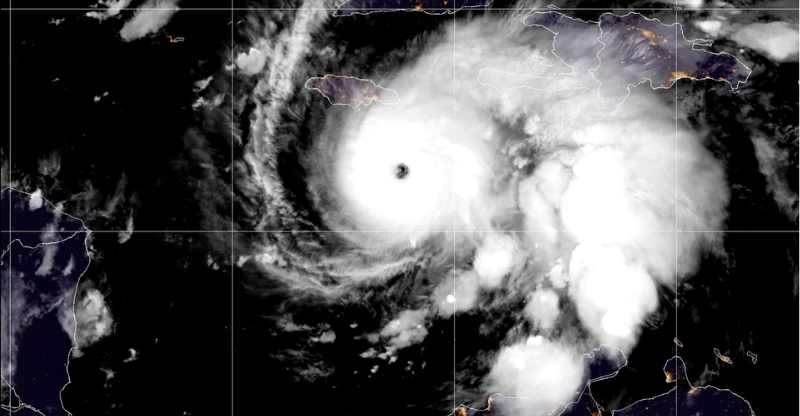
Hurricane Melissa bears down on the Bahamas as Jamaica begins recovery
The Caribbean is grappling with the aftermath of Hurricane Melissa, a catastrophic storm that has left a trail of destruction in its wake. After wreaking havoc in Jamaica and Cuba, the hurricane is now advancing toward the Central and Southeast Bahamas, where it is anticipated to make its third landfall. Although Melissa has weakened from its peak intensity of 185 miles per hour winds, it remains a formidable threat to the region. The Disaster Risk Management Authority (DRM Authority) in The Bahamas has issued Alert #23, cautioning residents of impending damaging winds, heavy rainfall, flooding, and dangerous storm surges. Meanwhile, Jamaica, which has been granted the all-clear, faces an arduous recovery process. Senator Dr. Hon. Dana Morris Dixon, Minister of Education, Skills, Youth, and Information, revealed that 77% of the country remains without electricity, and over 70 of the island’s 700 water systems are non-operational. Utility and communication providers have commenced restoration efforts, but the extensive damage suggests a prolonged recovery period. Despite the hurricane’s departure, Jamaica remains at risk, with a Flash Flood Watch in effect for northern, southwestern, and south-central parishes. Additional rainfall could exacerbate flooding and trigger landslides, particularly in vulnerable areas.
-

US warship leaves quietly amid Trinidad and Tobago, Venezuela fallout
The USS Gravely, an Arleigh Burke-class Aegis guided-missile destroyer of the US Navy, concluded its five-day visit to Trinidad and Tobago on October 30, departing from the Port of Port of Spain amidst significant regional and international controversy. The vessel’s presence, which included joint training exercises with the Trinidad and Tobago Defence Force, further strained relations between Trinidad and Tobago and Venezuela. Venezuelan President Nicolás Maduro accused Trinidad and Tobago of collaborating with the US and the CIA to provoke military confrontation in the Caribbean, claiming the visit was part of a broader plan to destabilize Venezuela. Prime Minister Kamla Persad-Bissar, however, welcomed the destroyer’s visit, praising the US military’s regional efforts, including anti-drug trafficking operations. The departure of the USS Gravely was marked by minimal public attention, with only a small group of onlookers present. Among them, a man of Chinese descent criticized the ship’s appearance, calling it a ‘piece of junk.’ Most bystanders avoided engaging with the media, citing fears of online backlash given the heated debates surrounding the visit. A local driver, who chose to remain anonymous, defended the US’s role as a regional ally, emphasizing Trinidad and Tobago’s long-standing cooperation with the US in areas such as military training and surveillance. He also criticized local media coverage of the event, accusing journalists of being unprofessional and failing to hold those in power accountable.
-
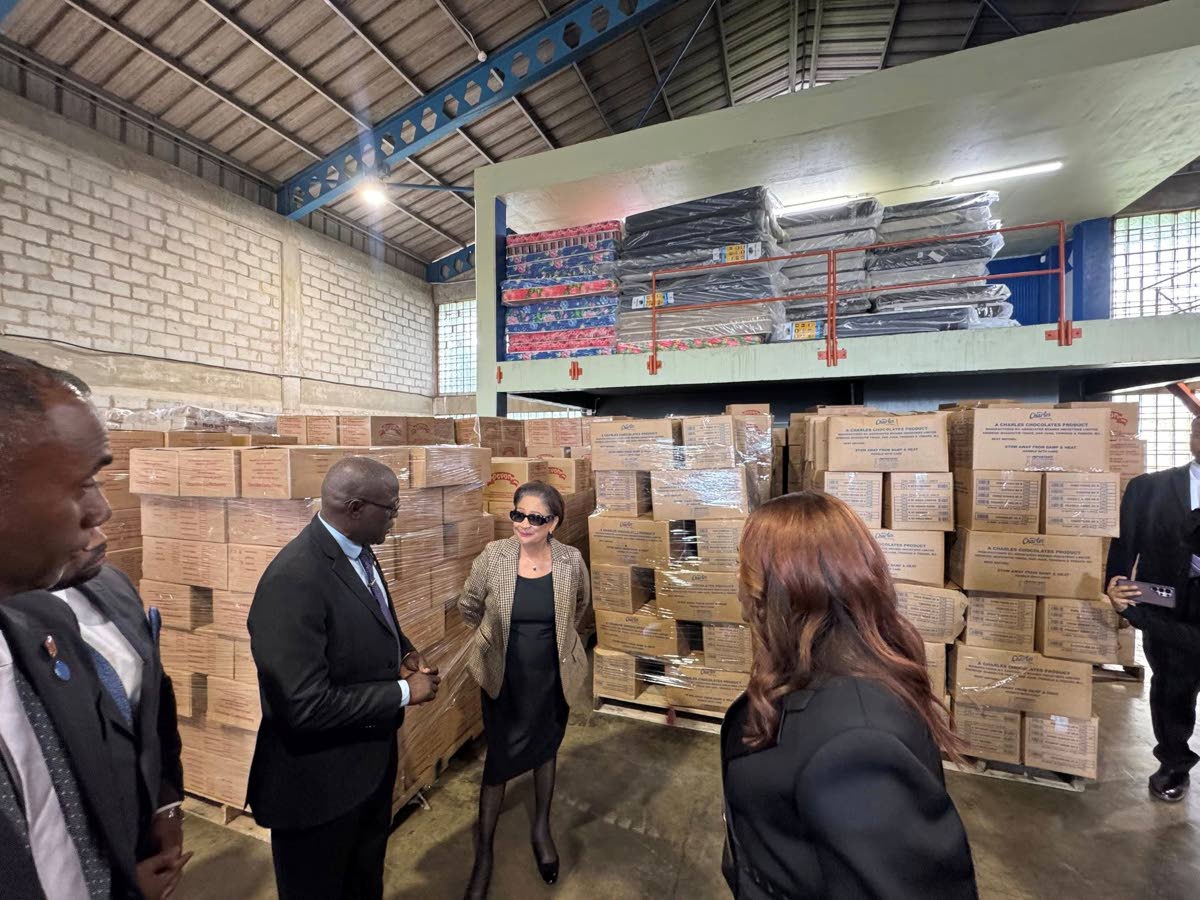
Kamla takes lead in Melissa relief effort
In a swift response to the devastation caused by Hurricane Melissa, Trinidad and Tobago’s Prime Minister Kamla Persad-Bissessar spearheaded the nation’s humanitarian efforts to aid Jamaica. On the first day of Jamaica’s recovery, Persad-Bissessar visited the Plipdeco Warehouse Complex at Point Lisas Industrial Estate to oversee the preparation of the first shipment of relief supplies. The shipment included essential items such as rice, flour, canned goods, baby formula, medical kits, generators, and blankets, identified in collaboration with the Jamaican government and the Caribbean Disaster Emergency Management Agency (CDEMA).
During her visit, Persad-Bissessar toured the warehouse and observed the loading of containers onto the MV Seaboard Ranger. She emphasized Trinidad and Tobago’s long-standing tradition of assisting regional neighbors in times of crisis, noting her personal connection to Jamaica, where she lived and worked for 14 years. “Jamaica is and always will be my second home,” she stated, highlighting the resilience and passion of its people.
Persad-Bissessar also convened an Inter-Ministerial Emergency Response Team to coordinate national efforts, involving multiple ministries and supported by the Trinidad and Tobago Defence Force. She expressed gratitude to the Trinidad and Tobago Manufacturers Association (TTMA) for their assistance in organizing relief efforts.
Meanwhile, Minister of Local Government and Rural Development Khadijah Ameen called on the public to contribute to the relief initiative, with collection points established across the country. Corporate entities and businesses operating in Jamaica have also joined the effort, with financial contributions and supplies being mobilized.
Jamaican Prime Minister Andrew Holness assessed the damage, noting significant flooding and infrastructure issues but praised the resilience of the Jamaican people. Both Sangster International Airport and Norman Manley International Airport have resumed operations, aiding recovery efforts.
The United States Southern Command (Southcom) has also been enlisted to assist with logistics, including the transportation of personnel and heavy equipment to Jamaica.
-
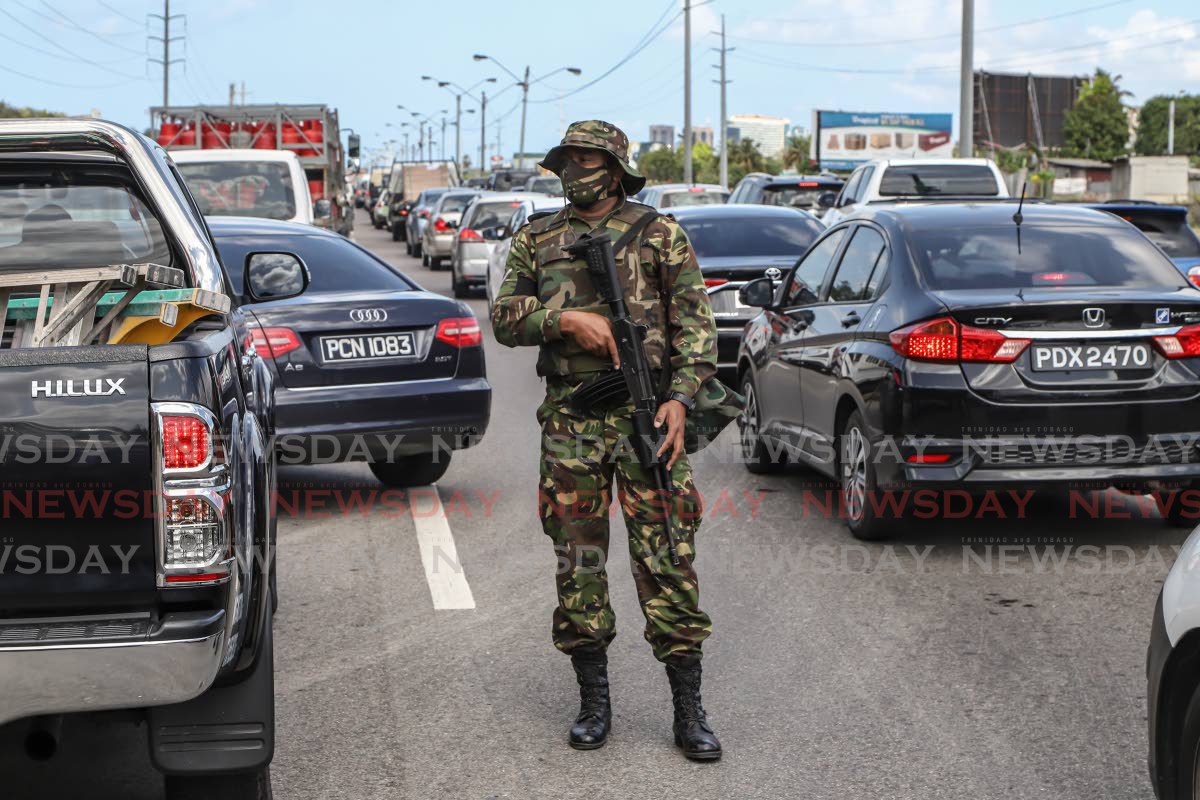
Schools, businesses close early amid Defence Force alert
In response to heightened military activity and escalating tensions between the United States and Venezuela, several schools across Trinidad urged parents to collect their children early on October 31. An internal memo revealed that the Defence Force had been placed on high alert, with all military personnel required to report to their bases by 6 pm. Even officers on pre-retirement, sick leave, or vacation were instructed to remain on standby at home, awaiting further orders. This development follows reports from The Miami Herald and Wall Street Journal suggesting an imminent attack on Venezuelan military installations, though US President Donald Trump denied these claims. At La Horquetta South Government Primary, tensions flared as a frustrated parent clashed with a security guard over early dismissal procedures. Similarly, a denominational primary school in Curepe advised parents to pick up their children by 2 pm, an hour earlier than usual. Businesses in Port of Spain also took precautionary measures, with a software development company and a prominent law firm sending staff home by mid-afternoon. While no panic was reported, the situation was taken seriously by the public.
-
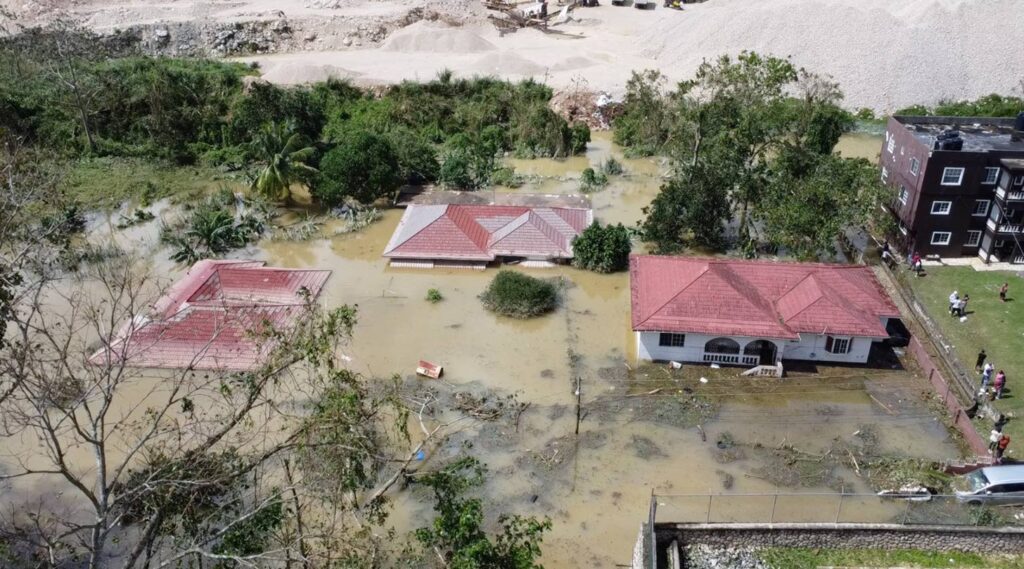
UK deploys additional £5 million in emergency humanitarian funding for Jamaica and the Caribbean
The UK Government has significantly increased its humanitarian aid to Jamaica and the Caribbean, allocating an additional £5 million in emergency funding, bringing the total to £7.5 million. This funding is aimed at supporting recovery efforts following the widespread devastation caused by Hurricane Melissa. The aid package includes over 3,000 shelter kits and 1,500 solar-powered lanterns to assist those whose homes have been damaged and those without electricity. The UK is collaborating with the World Food Programme and the Red Cross to ensure that emergency relief reaches the most affected communities. UK humanitarian and technical experts have been deployed to the region to coordinate and deliver aid effectively. Emergency supplies were prepositioned in Antigua & Barbuda to facilitate rapid deployment. Part of the funding will match public donations up to £1 million to the International Federation of Red Cross and Red Crescent Societies (IFRC) appeal for Jamaica. Foreign Secretary Yvette Cooper emphasized the UK’s commitment to providing essential supplies and supporting recovery efforts. Loyce Pace, IFRC Regional Director for the Americas, expressed gratitude for the UK’s support, highlighting its role in restoring homes, livelihoods, and preparing for future disasters. British High Commissioner to Jamaica, Alicia Herbert, noted the UK’s efforts to expand relief operations and support vulnerable communities. The UK is also coordinating with travel companies to restore flights for holidaymakers and British nationals, with a specialist Rapid Deployment Team providing consular assistance. The UK is working with international partners, including CDEMA and UN agencies, to ensure effective humanitarian assistance. Additionally, pre-agreed financial instruments have been established with Caribbean governments and multilateral banks to expedite recovery in Jamaica and Haiti.
-
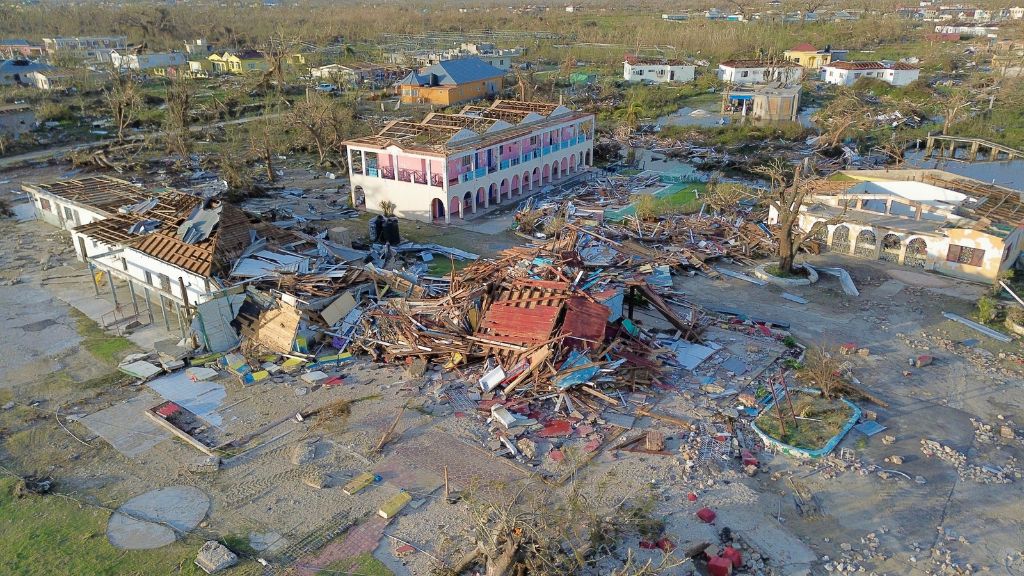
Nearly 50 dead after Hurricane Melissa thrashes Caribbean
Hurricane Melissa, one of the most powerful storms ever recorded, has wreaked havoc across the Caribbean, claiming nearly 50 lives and leaving a path of devastation in its wake. The storm, which has now moved away from Bermuda, is expected to transition into an extratropical cyclone as it heads toward the northeastern United States and eastern Canada, according to the National Hurricane Center (NHC). The NHC warned of heavy rain and gusty winds in Newfoundland, while flooding is expected to persist in Cuba, Jamaica, Haiti, and the Dominican Republic. A study by Imperial College London revealed that human-caused climate change made Hurricane Melissa four times more likely. In Jamaica, the death toll has risen to 19, with significant damage to infrastructure and communication networks. Haiti reported 30 fatalities, with over 1,000 homes flooded and 16,000 people in shelters. Cuba, already grappling with its worst economic crisis in decades, faced widespread destruction, including collapsed homes, downed power lines, and severed communications. Over 735,000 people were evacuated in Cuba’s eastern provinces. The United States has deployed disaster response teams to the region, while the UK announced £2.5 million in emergency funding and evacuation flights for British nationals. UN officials described the devastation as unprecedented, emphasizing the urgent need for global climate action.