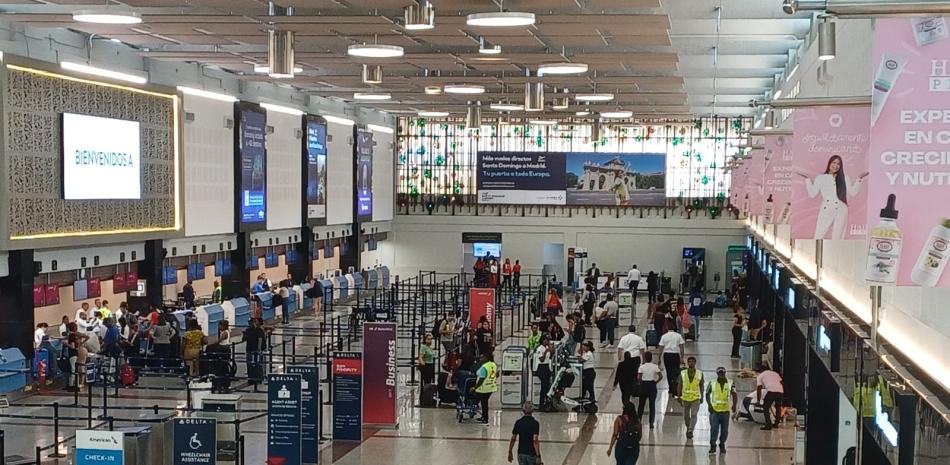
The ongoing U.S. federal government shutdown has begun to ripple across international air operations, with significant delays reported at Las Américas International Airport (AILA) in Santo Domingo, Dominican Republic. Aerodom, the airport operator and a subsidiary of Vinci Airports, confirmed on Friday that the disruptions stem from staffing shortages in the U.S. air traffic control system, exacerbated by the federal shutdown. While no flight cancellations have occurred so far, delays have been observed in flights to and from various U.S. cities. Luis López, Aerodom’s corporate director, emphasized that passengers should remain in contact with their airlines for real-time updates. The situation has heightened concerns among travelers, particularly those scheduled for Friday night flights to the United States. U.S. Transportation Secretary Sean Duffy acknowledged the severe impact of the shutdown on air traffic control personnel, noting that absenteeism among controllers has surged. Seven major air traffic control centers, including those in Dallas-Fort Worth, Newark, and Atlanta, are operating with reduced staff, leading to significant delays. Since the shutdown began, staffing shortages have quadrupled compared to the same period last year. The financial strain on air traffic controllers, who are working without pay, has further intensified the crisis. Thousands received zero-value paychecks on October 28, fueling frustration and absenteeism. As the political deadlock in Washington persists, international airports like AILA are closely monitoring the situation, hoping to avoid widespread cancellations over the weekend.
分类: world
-
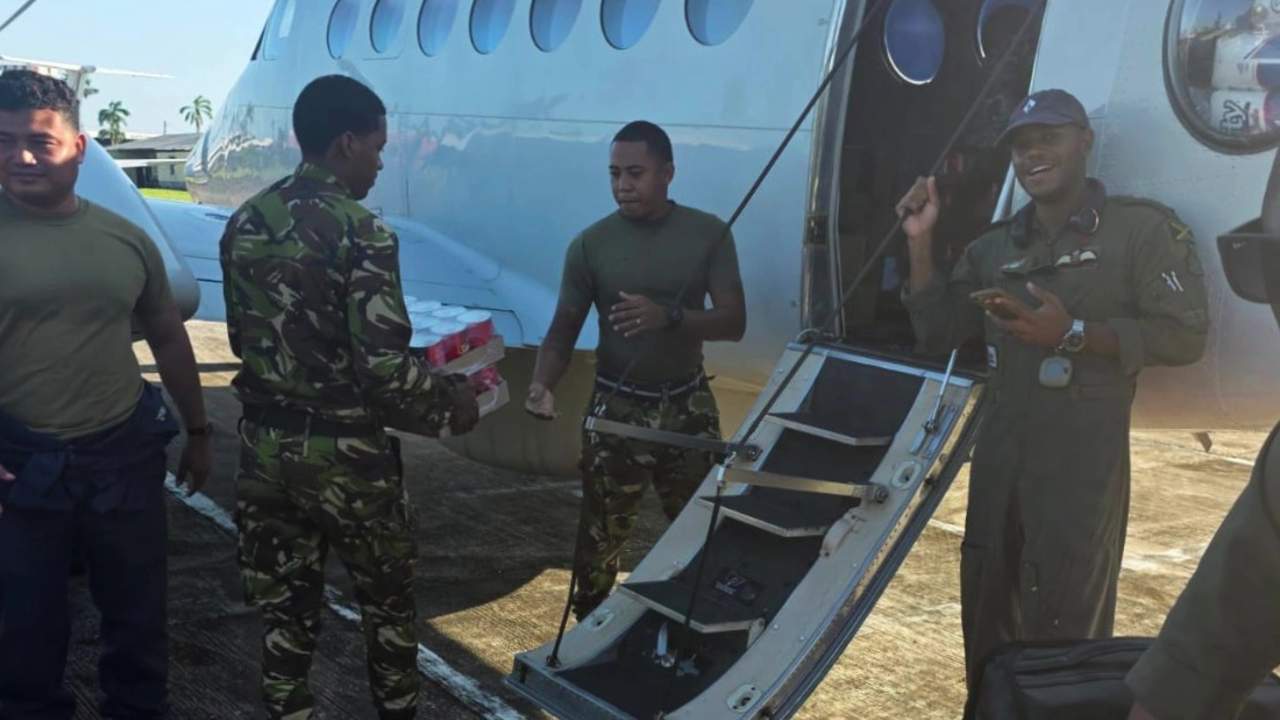
Belize Sends Aid to Students Abroad After Hurricane Melissa
In response to the catastrophic aftermath of Hurricane Melissa, the Belizean government has launched a significant relief effort to assist its citizens abroad, particularly students in Jamaica and Cuba. The Ministry of Foreign Affairs has dispatched a shipment of essential supplies to approximately seventy-five Belizean students in Jamaica. These packages, containing crucial hygiene products and non-perishable food items, were transported via a Jamaica Defense Force aircraft that had sought refuge in Belize during the storm. This initiative underscores the spirit of regional cooperation in times of crisis. In Kingston, Belize’s Honorary Consul is personally managing the distribution of these supplies, while in Santiago de Cuba, students are receiving aid through the coordination of Belize’s Embassy in Havana. Foreign Minister Francis Fonseca expressed profound gratitude to the Jamaican government for their support, emphasizing Belize’s commitment to the welfare of its students and solidarity with Jamaica’s recovery efforts. Reassuringly, all Belizean students in both countries have been confirmed safe.
-
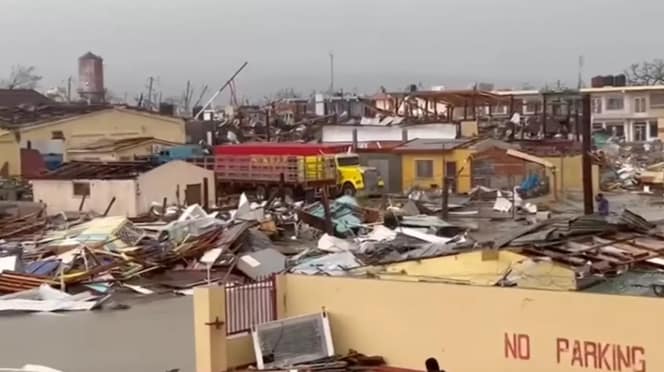
NODS Support to Hurricane Melissa affected countries
In a coordinated effort to address the aftermath of Hurricane Melissa, the National Office of Disaster Services (NODS) is collaborating closely with the Caribbean Disaster Emergency Management Agency (CDEMA) to finalize assistance strategies for the impacted nations. Jamaica, Haiti, and the Bahamas, which bore the brunt of the hurricane earlier this week, are the primary focus of these relief operations. NODS has maintained continuous communication with CDEMA and other regional organizations to streamline logistics for an effective joint response. An official needs list for Jamaica has already been published, accessible via supportjamaica.gov.jm/needs, while NODS plans to release a similar list for local public support once transportation logistics are confirmed. Meanwhile, CDEMA has placed various assessment and response teams on standby, including personnel from Antigua and Barbuda’s police, fire, and defense forces, who are integral members of the Caricom Disaster Relief Unit (CDRU). The CDRU plays a critical role in providing immediate humanitarian aid, facilitating logistics, supporting emergency telecommunications, and coordinating both national and regional relief efforts. Further updates will be shared with the public as the situation evolves.
-

Caribbean Deep in Recovery Mode after Melissa
The Caribbean region is grappling with the aftermath of Hurricane Melissa, which has left a trail of destruction across several nations. Jamaica, one of the hardest-hit areas, is now in recovery mode as international aid begins to arrive. The storm, initially a catastrophic hurricane, has been downgraded to a post-tropical cyclone with sustained winds of 85 mph. Transport Minister Daryl Vaz announced that over 20 cargo flights are expected to deliver essential relief supplies. ‘The primary challenge at this stage is ensuring efficient logistics to reach the most severely affected regions,’ Vaz stated during a morning briefing. He also confirmed that eight to ten US helicopters are en route to assist in the relief efforts. Sangster International Airport in Montego Bay, which sustained damage due to its proximity to the hurricane’s path, is set to reopen for commercial flights on Saturday, allowing tourists to depart the island. Local Government Minister Desmond McKenzie reported that approximately 7,000 people remain in 430 shelters across Jamaica, a significant decrease from the peak of over 15,000 during the storm. Tragically, the death toll continues to rise, with at least 50 fatalities attributed to the storm. In Jamaica, 19 deaths have been confirmed, but officials anticipate this number will increase. In Haiti, authorities have reported at least 30 deaths and 20 missing persons, with 23 fatalities, including 10 children, resulting from severe flooding in Petit-Goâve, where a river burst its banks.
-

Wave of aid floods in
In the wake of the catastrophic Category 5 Hurricane Melissa, which wreaked havoc across southwestern and western Jamaica on Tuesday, the international community has swiftly mobilized to deliver emergency relief supplies to the island nation. The devastation, described as unprecedented, has prompted a global outpouring of support, with governments, NGOs, and charitable organizations rallying to assist the affected regions.
During a media briefing at the Office of the Prime Minister in Kingston, Minister of Energy, Telecommunications and Transport Daryl Vaz expressed profound gratitude for the overwhelming aid. ‘The support is truly remarkable,’ Vaz stated, highlighting the resumption of commercial flights at Sangster International Airport in Montego Bay and the influx of over 20 cargo flights expected at Norman Manley International Airport on Friday. He emphasized the critical need for efficient logistics to distribute aid swiftly, acknowledging the growing desperation among citizens.
To expedite relief efforts, the Jamaican government has deployed Minister of Local Government and Rural Development Desmond McKenzie, alongside teams from the Office of Disaster Preparedness and Emergency Management, to Black River in St. Elizabeth. Helicopters, including eight to ten from the U.S. government, are en route to assist in transporting supplies and providing medical aid. Private helicopters from charitable organizations are also expected to bolster these efforts.
Information Minister Senator Dr. Dana Morris Dixon underscored the severity of the situation, noting that the Cabinet has established subcommittees, including the Relief and Recovery Oversight Committee, to streamline recovery operations. Despite these measures, challenges persist in the hardest-hit parishes, where entire communities have been obliterated. The National Works Agency is working tirelessly to restore access to critical areas, with hopes of reopening routes by Sunday.
Minister McKenzie painted a grim picture of the destruction in historic towns like Falmouth, where municipal buildings, markets, and essential infrastructure have been decimated. Communication remains a significant hurdle in the worst-affected parishes, prompting the government to deploy Starlink satellite internet services to restore connectivity.
As Jamaica begins the arduous task of rebuilding, the resilience of its people and the solidarity of the global community offer a glimmer of hope amidst the devastation.
-
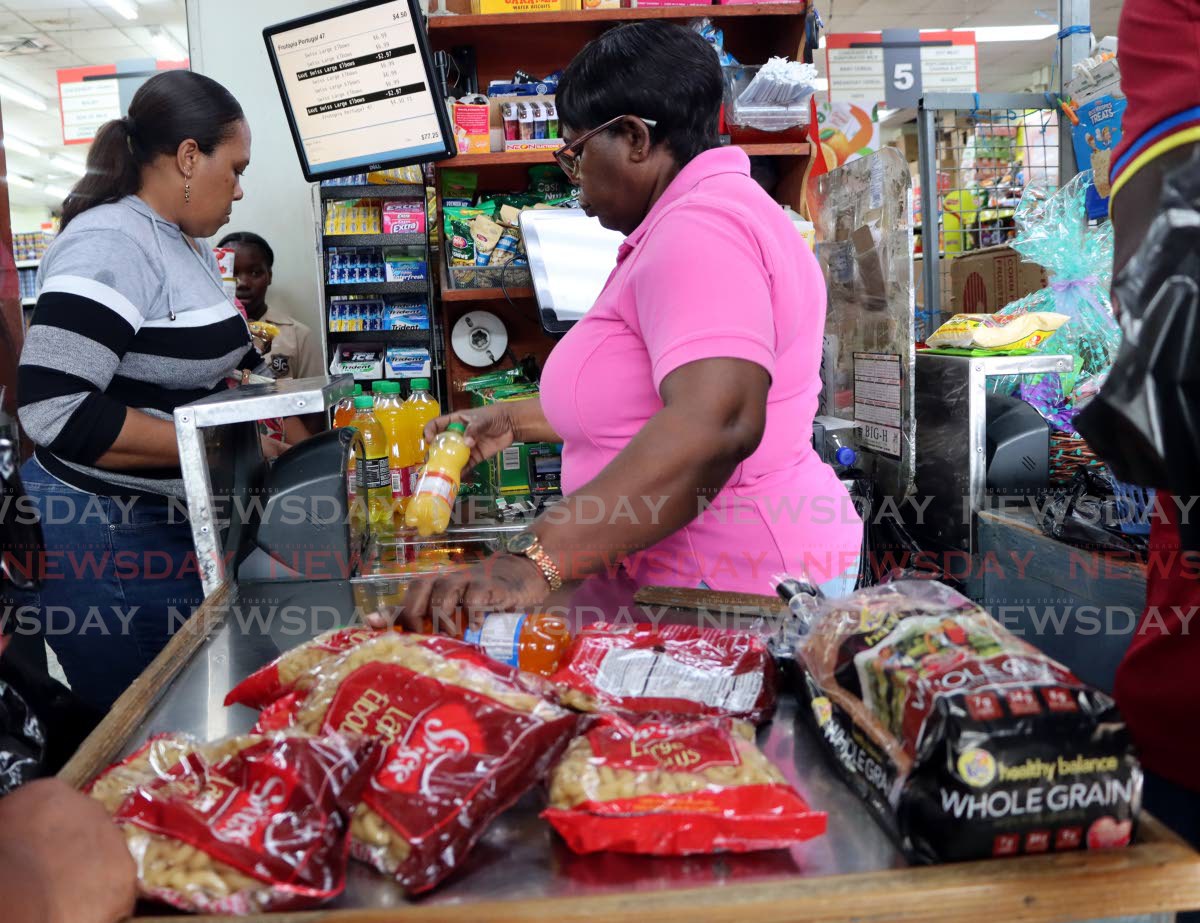
Citizens worried, schools, businesses close early
Trinidad and Tobago experienced heightened anxiety on October 31 as the nation’s Defense Force was placed on high alert, prompting schools to dismiss students early and businesses to close as a precaution. The alert followed escalating tensions between the United States and Venezuela, with reports suggesting an imminent US military strike on Venezuelan installations suspected of involvement in drug trafficking. While US President Donald Trump denied these claims, the uncertainty fueled widespread concern among citizens. Schools across Trinidad, including La Horquetta South Government Primary and a denominational school in Curepe, urged parents to collect their children early. Businesses, including a prominent law firm and a software development company, also sent staff home by mid-afternoon. The Supermarket Association of Trinidad and Tobago reassured the public that supply chains remained intact, discouraging panic buying. Despite the unease, many residents maintained their daily routines, with some expressing skepticism about the likelihood of war. However, others, like Arlene Alexander of Vistabella, prepared for potential conflict by stocking up on essentials. Jeremy Deonarine of Retrench criticized Trinidad’s involvement in the US-Venezuela tensions, while Samantha of Princes Town condemned the spread of misinformation on social media. As the Defense Force mobilized, with soldiers reporting to bases like Camp La Romaine, the nation remained on edge, balancing fear with resilience.
-
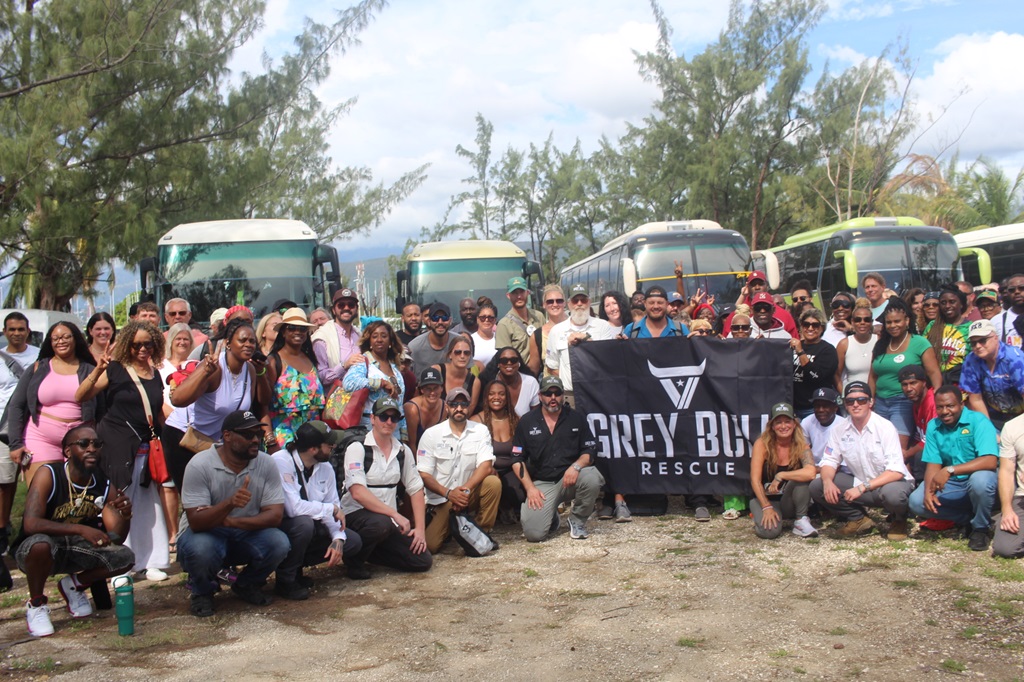
WATCH: Americans stranded in Jamaica amid Hurricane Melissa brought home by US non-profit
KINGSTON, Jamaica – More than 300 American tourists stranded in Jamaica after Hurricane Melissa, one of the most powerful storms in recent history, were safely evacuated on Friday. The rescue mission was orchestrated by Grey Bull Rescue, a Florida-based non-profit organization. The evacuees, primarily vacationers in Montego Bay, were transported to Norman Manley International Airport in Kingston and flown back to the United States.
-
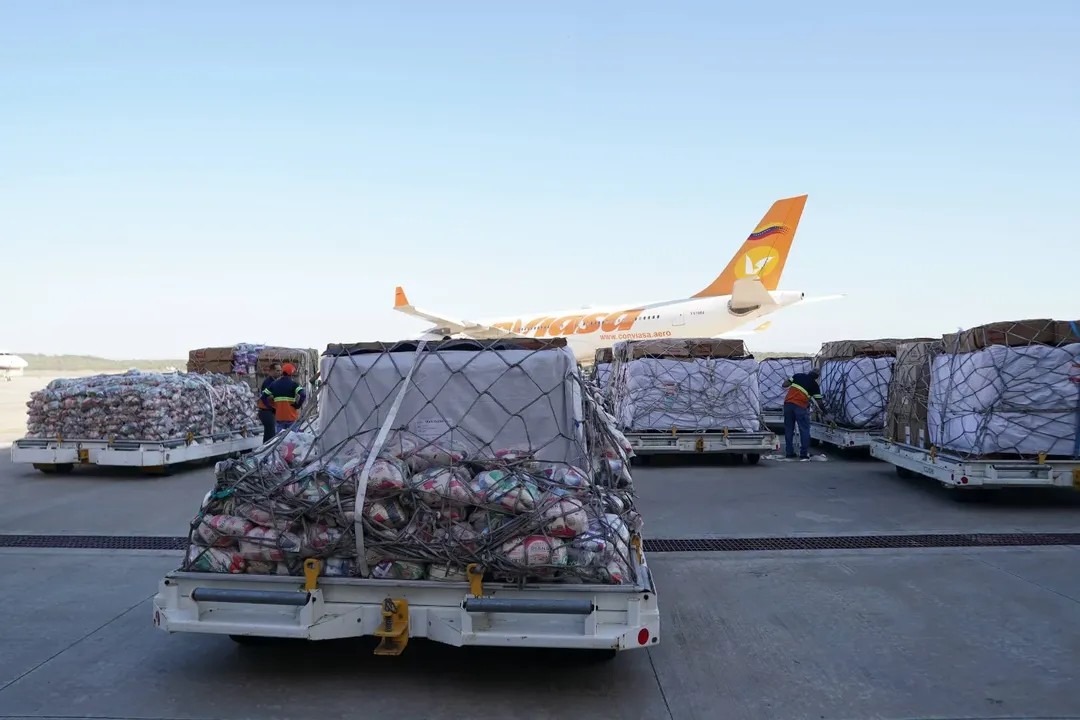
Venezuela ships 46 tonnes of aid supplies to Jamaica, Cuba
In a significant display of regional solidarity, the Bolivarian Republic of Venezuela has dispatched 46 tonnes of humanitarian aid to Cuba and Jamaica, both nations grappling with the devastating aftermath of Hurricane Melissa. The operation, orchestrated by Venezuela’s Minister of People’s Power for Foreign Affairs, Yván Gil, underscores the country’s commitment to supporting its Caribbean neighbors during times of crisis. The aid packages, airlifted to the affected regions, include critical supplies such as food, medicines, medical equipment, and mattresses, aimed at addressing the most pressing needs of the impacted communities. Cuba received 26 tonnes of aid, while Jamaica was allocated 20 tonnes, with the shipments supervised by Minister Gil and Vice Minister Raúl Li Causi, respectively. Minister Gil emphasized the cooperative spirit of Venezuela’s efforts, contrasting it with the actions of other regional actors. “While some nations resort to threats and destabilization, Venezuela and the Bolivarian Alliance for the Peoples of Our America (ALBA) stand united in promoting peace, solidarity, and cooperation,” he stated. This initiative holds symbolic significance, coinciding with the 25th anniversary of the Bolívar–Martí Comprehensive Cooperation Agreement, a historic pact signed in 2000 by Commanders Hugo Chávez and Fidel Castro, which embodies the enduring bond between Venezuela and Cuba. Cuban Ambassador to Venezuela, Jorge Luis Mayo Fernández, lauded the gesture, noting, “Venezuela’s solidarity is unwavering. While others threaten, Venezuela sends planes filled not with weapons, but with love, food, and medicines.” Venezuelan authorities also announced plans for a subsequent maritime shipment, which will deliver over 3,000 tonnes of additional aid to Cuba in the coming days. Through these efforts, Venezuela reaffirms its Bolivarian Diplomacy of Peace, rooted in integration, cooperation, and solidarity, as Caribbean nations confront the escalating challenges of climate change.
-
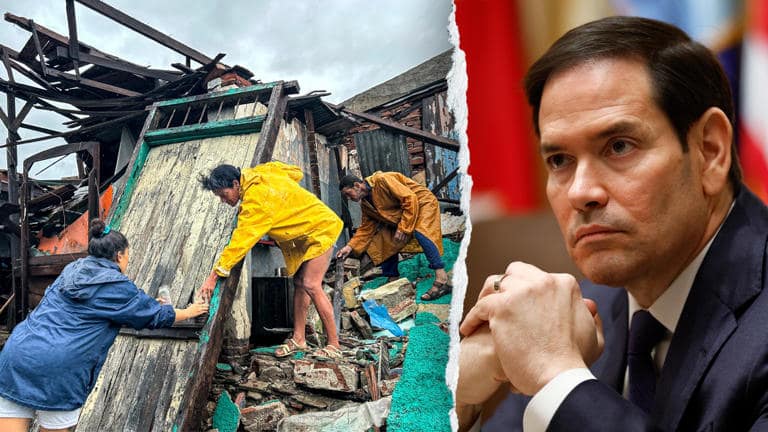
Rubio says US is ready to offer ‘immediate humanitarian aid’ to people of Cuba impacted by Hurricane Melissa
In a swift response to the devastation caused by Hurricane Melissa, U.S. Secretary of State Marco Rubio announced on Thursday that the United States is ready to provide immediate humanitarian aid to the people of Cuba. The hurricane, which struck Jamaica on Tuesday, has left eastern Cuba grappling with severe damage and unmet basic needs. The State Department has mobilized teams expected to arrive in the Caribbean as early as Thursday to assist in disaster response efforts. Rubio emphasized the Trump Administration’s solidarity with the Cuban people, stating, ‘In the wake of Hurricane Melissa’s devastation of eastern Cuba, the Trump Administration stands with the brave Cuban people who continue to struggle to meet basic needs.’ The U.S. is issuing a Declaration of Humanitarian Assistance for Cuba and plans to deliver aid both directly and through local partners to ensure effective distribution to those most affected.
-
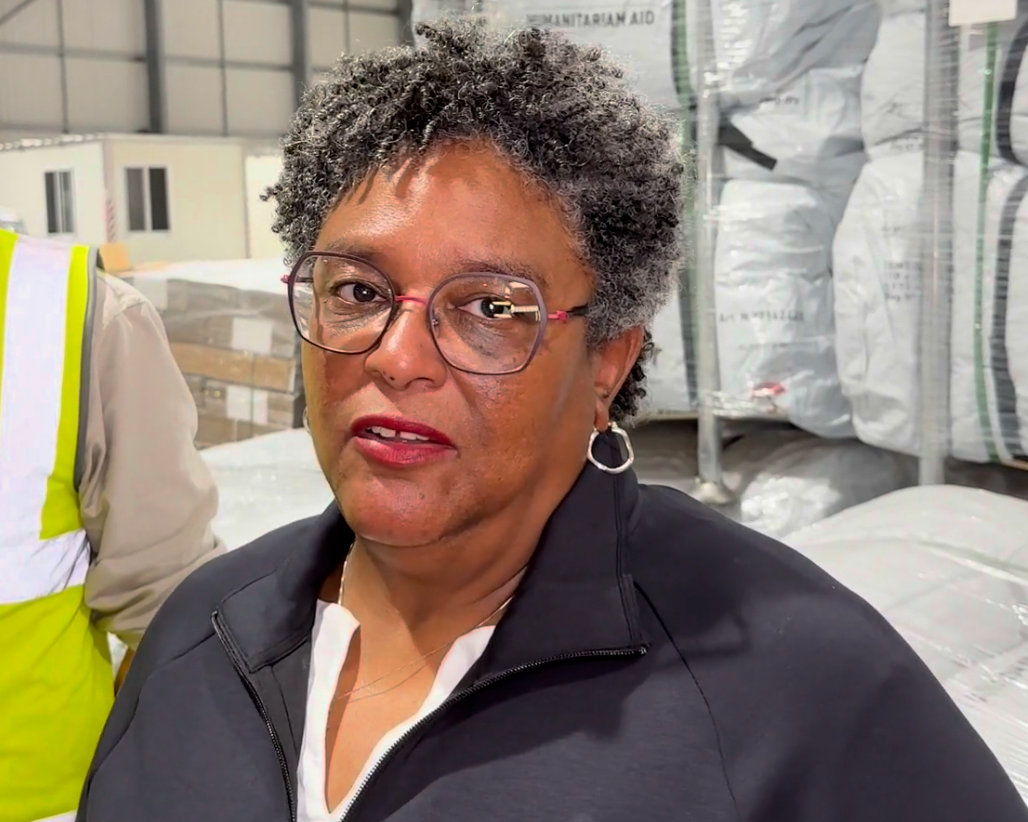
Barbados sends aid to Jamaica after Hurricane Melissa
In a swift response to the catastrophic impact of Hurricane Melissa, Prime Minister Mia Mottley of Barbados has announced a comprehensive humanitarian aid initiative for Jamaica. Addressing the media at the World Food Hub within Grantley Adams International Airport on Thursday, Mottley revealed that Barbados has already commenced the coordination of relief shipments. The Department of Emergency Management (DEM) has dispatched two containers filled with essential supplies, including tarpaulins, cots, and emergency generators. Additionally, the World Food Programme is contributing 5,000 food kits, with the Barbadian government pledging to match this number. Each kit is designed to sustain a family of three for one week. Mottley emphasized the urgency of the situation, noting that her conversation with Jamaican Prime Minister Andrew Holness highlighted the critical need for immediate support in the form of food, monetary donations, and logistical supplies. The Prime Minister also called on Barbadian citizens to participate in the national relief effort, with the DEM set to announce specific ways for the public to contribute. Plans are underway to establish a dedicated bank account and designated drop-off points for monetary and item donations, ensuring a streamlined and effective response to the crisis.