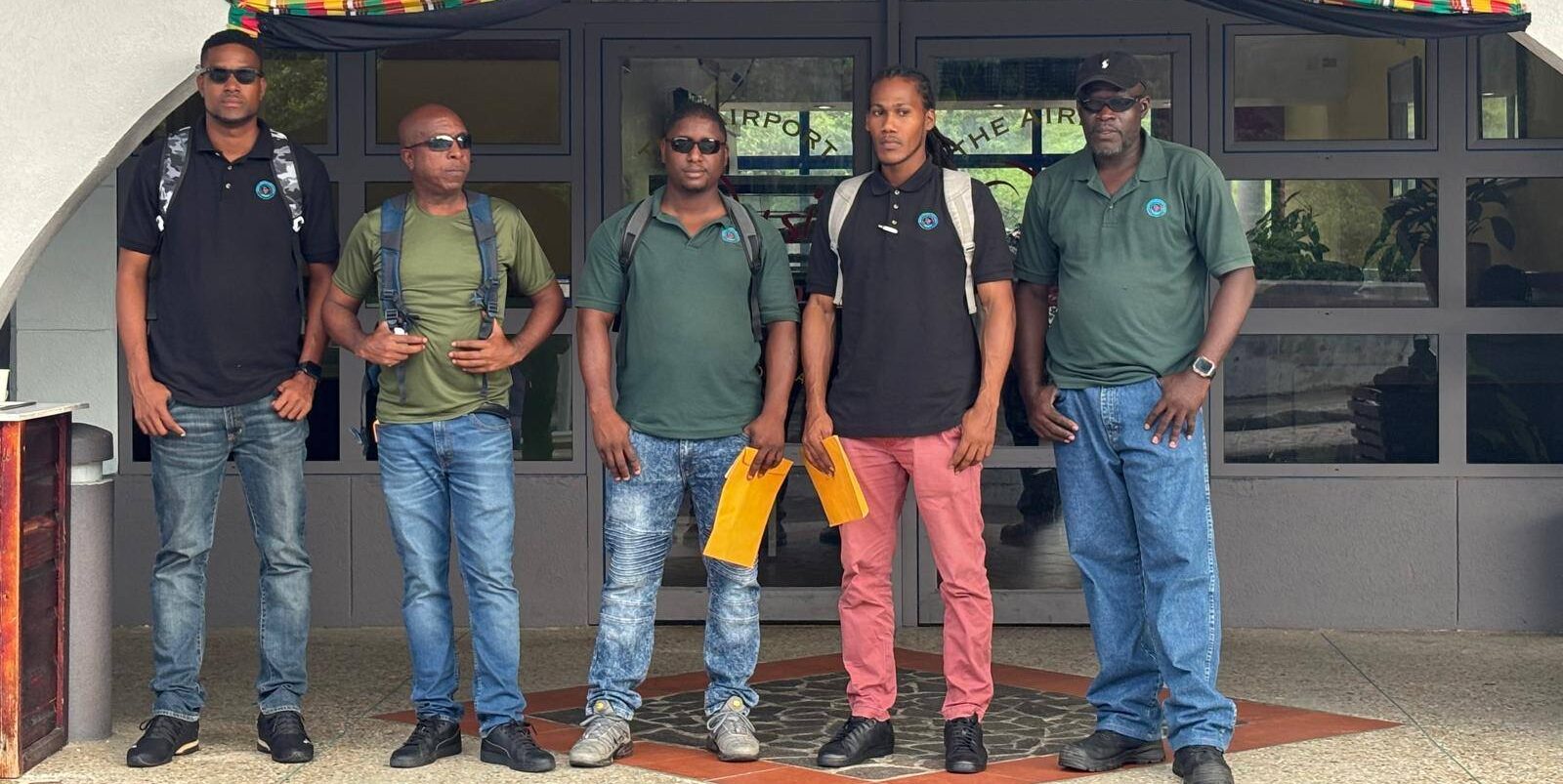
In a significant show of regional solidarity, Dominica’s sole electricity provider, DOMLEC, has dispatched a five-member team to Jamaica to assist in recovery efforts following the devastation caused by Hurricane Melissa. The team, part of the Caribbean Disaster Assistance Programme (CDAP) under CARILEC, will spend one month in Jamaica, focusing on restoring power and rebuilding infrastructure. The team comprises Julie Paul as Team Leader, along with Earl Matthew, Wilbert Moise, Isaiah Phillip, and Delan John Baptiste, all skilled linemen. DOMLEC expressed its support for the team, wishing them safe travels and success in their mission. This initiative is part of a broader regional response led by the Caribbean Community (CARICOM), which has mobilized resources and agencies such as the Caribbean Disaster Emergency Management Agency (CDEMA), the Caribbean Development Bank (CDB), and the Caribbean Public Health Agency (CARPHA) to aid Jamaica’s recovery. Jamaica’s Prime Minister and CARICOM Chairman, Dr. Andrew Holness, emphasized the importance of regional coordination in rebuilding resilient infrastructure and safeguarding public health. CDEMA’s Executive Director, Elizabeth Riley, highlighted the agency’s ongoing efforts, including multi-sector assessments conducted by the Rapid Needs Assessment Team (RNAT) in collaboration with international organizations like UNICEF and the World Food Programme. These evaluations will inform Jamaica’s comprehensive recovery strategy across critical sectors such as agriculture, health, housing, and tourism.
分类: world
-
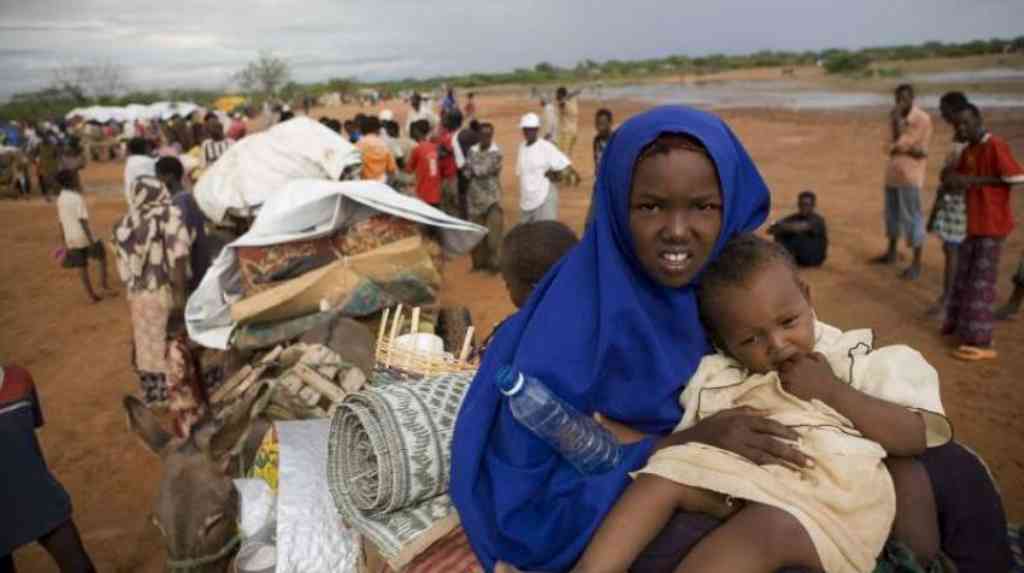
UN expresses concern for millions of displaced people in the world
The UN Refugee Agency (UNHCR) has issued a stark warning about the escalating impact of climate-related disasters on vulnerable communities worldwide. Over the past decade, extreme weather events have triggered 250 million internal displacements, averaging 70,000 daily or two every three seconds. High Commissioner Filippo Grandi emphasized that such conditions exacerbate insecurity, disrupt access to essential services, destroy homes and livelihoods, and force families—many already displaced by violence—to flee repeatedly. He highlighted the plight of individuals who, having endured significant losses, now face droughts, floods, and heatwaves without the means to recover. UNHCR projections suggest that by 2050, refugee camps in the hottest regions could endure nearly 200 days of extreme heat stress annually, posing severe health and survival risks. Grandi cautioned that many areas may become uninhabitable due to the deadly combination of extreme heat and high humidity, urging immediate international intervention to address this growing crisis.
-
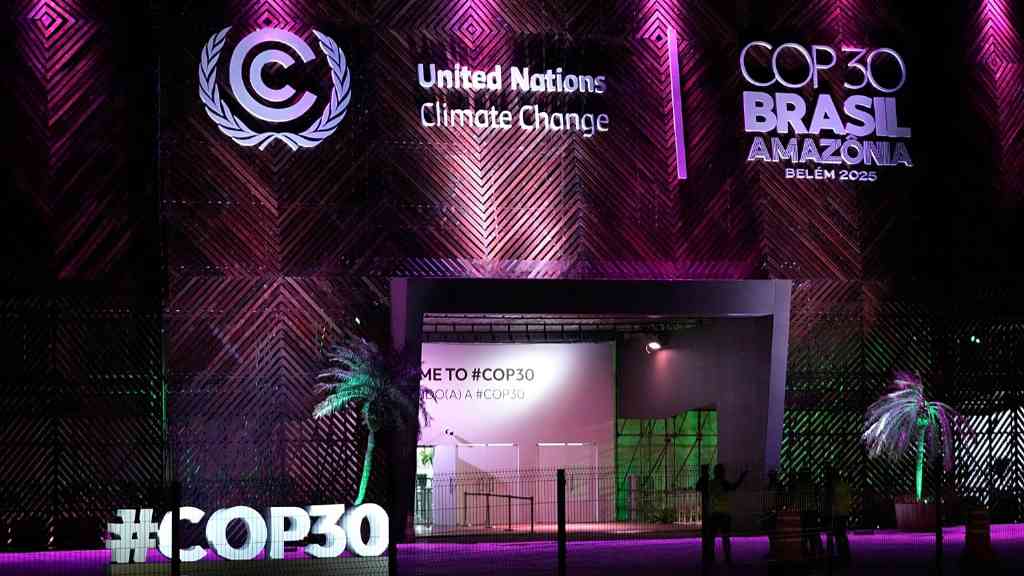
Cuba congratulates Brazil for the organization of COP30
In a recent social media statement, Cuban Foreign Minister Bruno Rodriguez emphasized his nation’s dedication to supporting the success of the upcoming COP30 forum. The primary focus of the forum is to revitalize global climate cooperation and expedite the implementation of the Paris Agreement, which marks its tenth anniversary. Rodriguez highlighted the pressing need to bolster assistance for Global South countries, which bear the brunt of climate change impacts yet possess limited resources to address them. He also voiced concerns over the growing allocation of financial and technological resources toward military expenditures and conflicts, diverting attention from urgent environmental solutions. The COP30 forum precedes the Leaders’ Summit held on November 6-7 in Belem, Brazil, where the Belem Call to Action was launched. During the summit, world leaders reaffirmed their commitment to multilateralism and the Paris Agreement’s objectives, pledging to intensify efforts to cap global temperature rise at 1.5 degrees Celsius and enhance climate finance mechanisms.
-
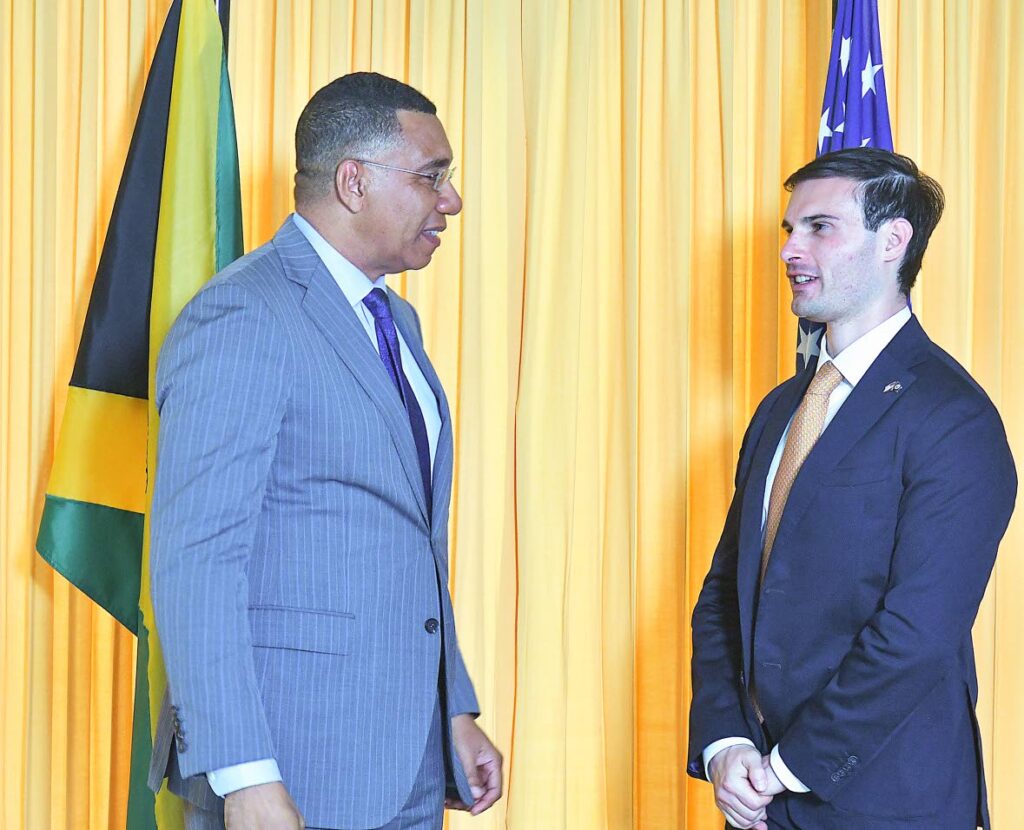
More American aid
The United States has significantly increased its humanitarian support for Jamaica in the aftermath of Hurricane Melissa, announcing an additional $10 million in aid. This brings the total U.S. contribution to $22 million, underscoring the strong bilateral ties between the two nations. The announcement was made by Jeremy Lewin, Under Secretary for Foreign Assistance, Humanitarian Affairs, and Religious Freedom, during a meeting with Jamaican Prime Minister Dr. Andrew Holness in St. Andrew on Monday. Lewin highlighted the U.S.’s rapid and robust response, which included deploying a disaster response team, search and rescue personnel, and heavy-lift helicopters to deliver life-saving aid to isolated communities. He emphasized that the U.S. would remain committed to Jamaica’s recovery efforts throughout all stages, from immediate relief to long-term reconstruction. Prime Minister Holness expressed deep gratitude for the U.S.’s swift and comprehensive assistance, particularly in logistics operations that were critical in reaching marooned communities. However, he cautioned that the scale of destruction was immense and called for sustained international and local cooperation to ensure Jamaica’s full recovery.
-
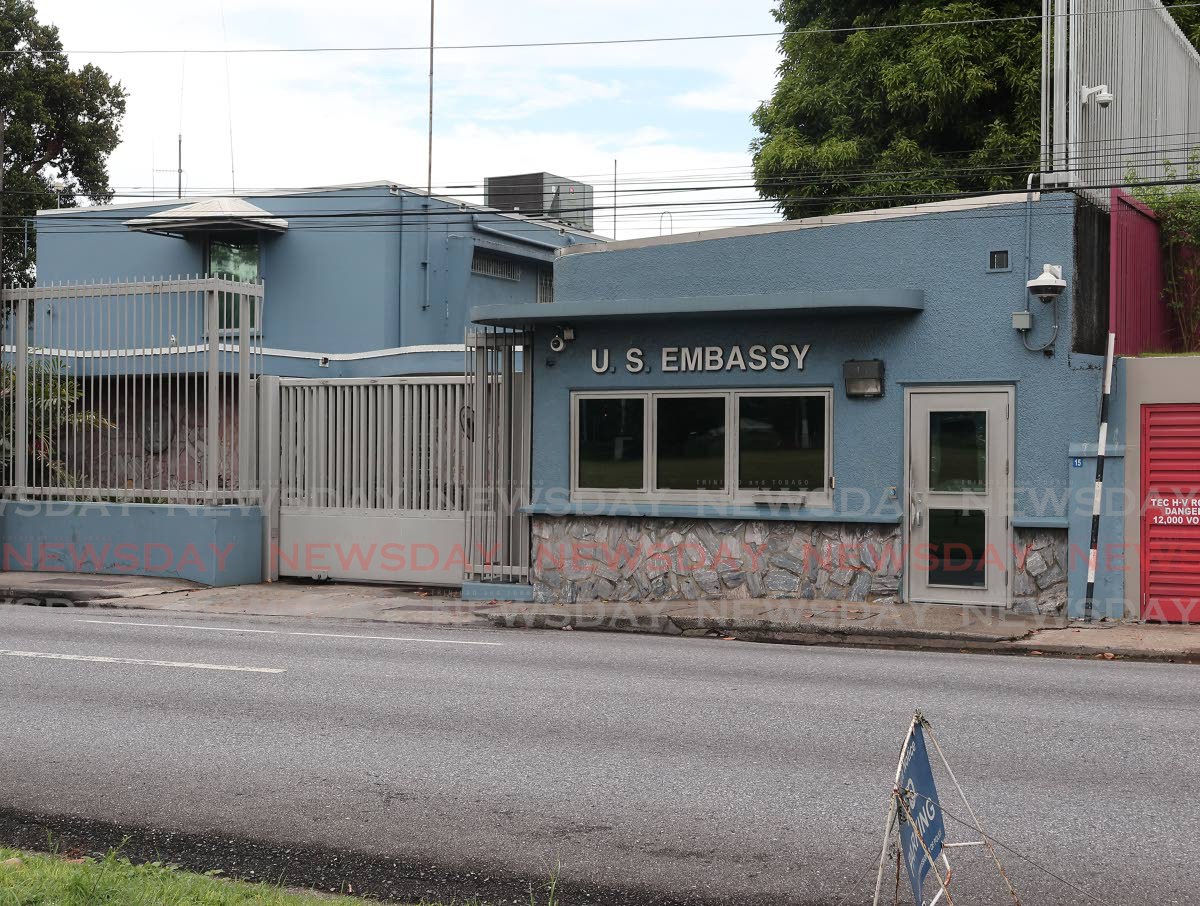
US seeks to deny residency visa applicants with co-morbidities
The US State Department has issued a directive to embassies worldwide, instructing them to scrutinize applicants for US residency visas and green cards who have chronic health conditions. This policy aims to safeguard the American public purse from the financial burden of providing healthcare to immigrants with costly medical needs. Conditions such as cardiovascular diseases, respiratory illnesses, cancers, diabetes, and mental health disorders are specifically highlighted, as they often require extensive, long-term care. Visa officers are also encouraged to consider factors like obesity, which can lead to complications such as asthma, sleep apnea, and high blood pressure, in their assessments of whether an applicant might become a public charge. The directive emphasizes the need for applicants to demonstrate sufficient financial resources to cover their healthcare costs without relying on public assistance. Critics, including Guerline Jozef of the Haitian Bridge Alliance, argue that this policy could unfairly target immigrants and undermine their opportunities. Local health practitioners, such as Dr. Andrew Dhanoo of the Diabetes Association of Trinidad and Tobago, stress the importance of fairness, feasibility, and ethical considerations in implementing such measures. Dr. Rishi Ramoutar of Wellnest Caribbean Mental Health Specialists Ltd adds that policies linking visa eligibility to health conditions must balance public health concerns with the dignity and rights of individuals. The directive has sparked debate over its potential to reinforce stigma and discrimination, particularly against those with mental health conditions. Meanwhile, the prevalence of non-communicable diseases in Trinidad and Tobago underscores the broader challenges of managing chronic health issues globally.
-
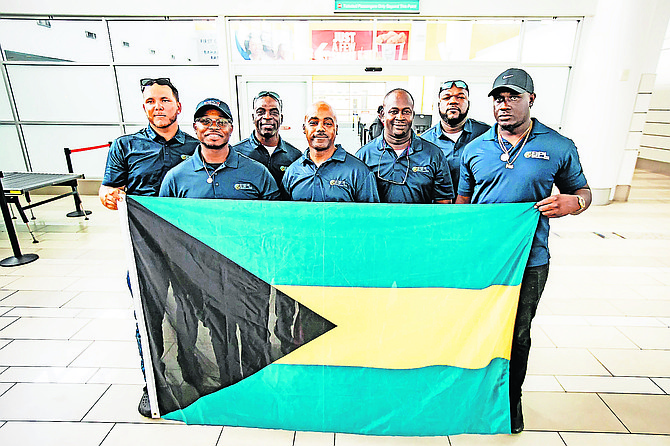
BPL send seven-man team to help restore power in Jamaica
A seven-member team from Bahamas Power and Light (BPL) has embarked on a critical mission to Jamaica to aid in the restoration of electricity in communities ravaged by Hurricane Melissa. This initiative is part of the Caribbean Electric Utility Services Corporation’s (CARILEC) regional disaster response program, which mobilizes resources from member utilities to assist nations impacted by severe storms. The BPL delegation, comprising linemen, engineers, and technicians, will collaborate with the Jamaica Public Service Company to rebuild power lines and restore essential services in the hardest-hit areas. BPL Chief Operating Officer Anthony Christie emphasized the importance of regional solidarity during crises, stating, ‘We understand the challenges they face and are committed to supporting their recovery efforts.’ Assistant Engineer Kervin Jones, leading the team, expressed his pride in representing The Bahamas, while Foreman Paul Curry highlighted the significance of the mission despite the personal sacrifices involved. Lineman Dremeko Cooper, drawing from his previous experience in Dominica, acknowledged the challenges ahead but remained optimistic. The BPL team is expected to remain in Jamaica for several weeks, contributing to the broader regional recovery effort coordinated by CARILEC.
-
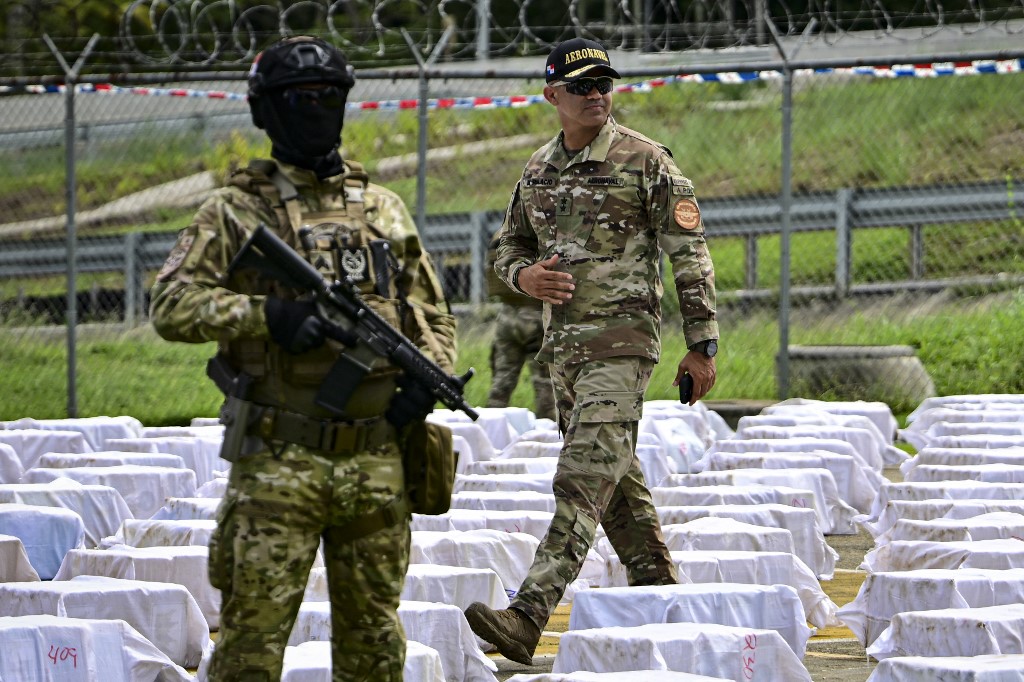
Panama seizes tons of US-bound cocaine, arrests 10
In a significant crackdown on drug trafficking, Panamanian authorities intercepted a staggering 12 tons of cocaine on a ferry in the Pacific Ocean, marking one of the largest drug seizures in the nation’s history. The operation, conducted on Monday, led to the arrest of 10 individuals, including nationals from Venezuela, Ecuador, and Nicaragua. The ferry had departed from Colombia, a major source of cocaine production, with the U.S. as its intended destination. Panama, a critical transit hub for narcotics from South America, has intensified its anti-drug efforts, seizing a total of 119 metric tons of drugs in 2023 alone. This operation comes amid heightened U.S. military deployment in Latin America, part of a broader anti-drug campaign. However, the initiative has sparked controversy, with Venezuela accusing Washington of using the campaign as a pretext to target its president, Nicolas Maduro. The seizure underscores the ongoing challenges in combating drug trafficking in the region, as Latin American nations strive to demonstrate their commitment to curbing the narcotics trade.
-
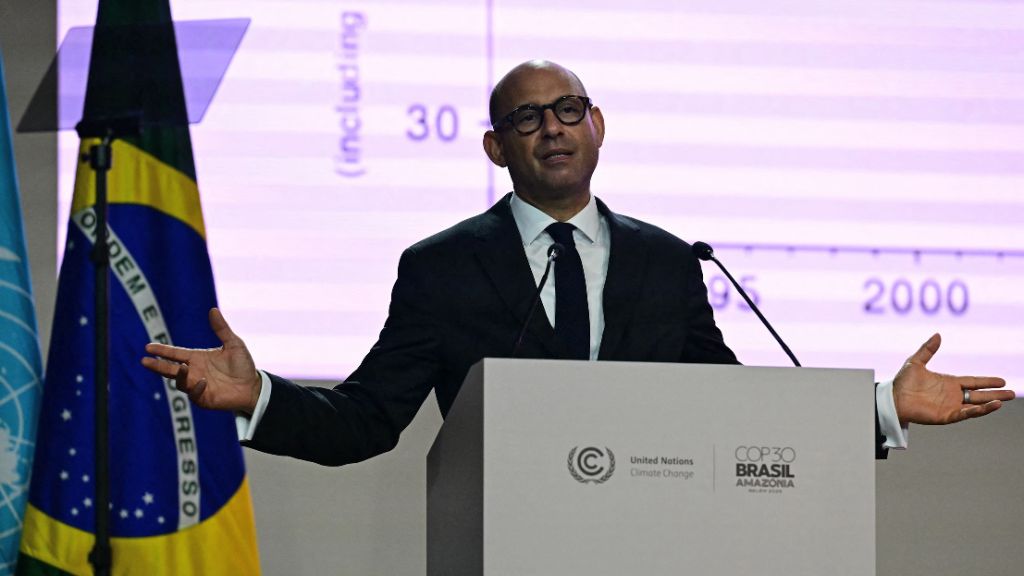
COP30 opens with countries urged to push for faster climate progress
The 30th Conference of the Parties (COP30) to the UN Framework Convention on Climate Change (UNFCCC) commenced in Belém, Brazil, on Monday, delivering a resounding message: the era of incremental measures is over. Climate change is wreaking havoc on communities and economies, but solutions are within reach. UN Climate Change Executive Secretary Simon Stiell emphasized that global emissions are beginning to decline, thanks to commitments from previous COPs. However, he stressed that much work remains, urging delegates to transform ambition into action. Stiell highlighted the Amazon as a symbol of inspiration, likening its vast river system to the multifaceted international cooperation needed to address the crisis. He warned that no nation can tackle climate change alone, as disasters like droughts and hurricanes slash GDP and drive food prices sky-high. Stiell outlined key priorities for COP30, including a just transition from fossil fuels, tripling renewable energy capacity, and mobilizing $1.3 trillion annually for climate action in developing countries. Brazilian President Luiz Inácio Lula da Silva echoed the urgency, calling COP30 ‘the COP of truth’ and denouncing climate denialism. He announced a new fund to support energy transitions in developing countries, financed by oil revenues. The conference also saw the launch of the Tropical Forests Forever Facility, which has already secured $5.5 billion to protect rainforests. Indigenous land rights, sustainable fuel production, and climate justice were also central to discussions. The Caribbean Development Bank (CDB) brought the region’s climate agenda to the forefront, advocating for concessional financing and innovative solutions to address escalating climate impacts. CDB President Daniel Best emphasized the need for global support to help small island states adapt to the crisis. COP30 President André Corrêa do Lago called for a focus on implementation, adaptation, and scientific integrity. The conference, held in the heart of the Amazon, aims to inspire decisive action to combat the climate crisis and secure a sustainable future.
-
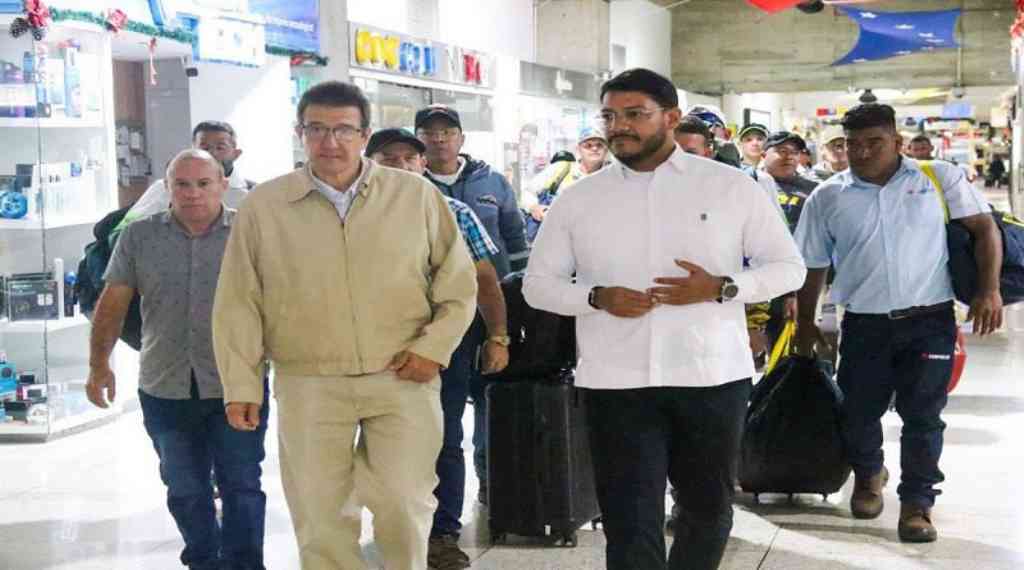
Venezuela sends 22 specialists to Cuba to repair damage from Melissa
In a significant display of solidarity, Venezuelan professionals from the electrical, transportation, and public works sectors were bid farewell at Simon Bolivar International Airport in Maiquetía, La Guaira state. The event was attended by Venezuelan Vice Minister for Latin America, Rander Peña, and the Cuban Ambassador to Caracas, Jorge Luis Mayo, along with other officials. This initiative comes in response to the extensive damage caused by a Category 3 hurricane that struck Cuban provinces such as Santiago de Cuba, Las Tunas, Holguín, Granma, and Guantánamo in late October. The hurricane severely impacted electrical, housing, and agricultural infrastructure. Vice Minister Peña highlighted that the best specialists in each field had been carefully selected to support Cuban teams in restoring the power grid through diagnostics and ongoing aid. He also recalled the recent air shipment of 26 tons of food, construction materials, and supplies, dispatched shortly after the hurricane, followed by over 5,000 tons of aid transported by sea on the ALBA ship ‘Manuel Gual.’ Peña emphasized that these efforts are a profound expression of love and solidarity between the two nations.
-

Commonwealth Secretary-General experiences Antigua and Barbuda’s culture ahead of CHOGM 2026
During an official visit to Antigua and Barbuda last week, Commonwealth Secretary-General Shirley Botchwey experienced the nation’s rich cultural heritage and historical significance as it gears up to host the Commonwealth Heads of Government Meeting (CHOGM) in 2026. The visit commenced with a vibrant cultural showcase at Sandals Resort, where the Antigua Dance Academy performed traditional drumming and dance. Botchwey, deeply moved by the rhythms, drew parallels to her homeland, Ghana, describing the performance as “heartfelt and unforgettable.”
Botchwey’s itinerary also included a guided tour of Nelson’s Dockyard National Park, a UNESCO World Heritage Site, led by officials from the National Parks Authority. The tour featured visits to Clarence House, Shirley Heights Lookout, and the Dockyard Museum, offering insights into the island’s colonial past and maritime history. The day concluded with a traditional Antiguan lunch at the Copper & Lumber Store Hotel, further highlighting the country’s culinary traditions.
Though brief, Botchwey’s visit underscored Antigua and Barbuda’s unique blend of cultural pride, historical preservation, and forward-looking ambition as it prepares to welcome leaders from across the Commonwealth in 2026. The visit not only showcased the nation’s readiness to host a global event but also reinforced its commitment to preserving its heritage while embracing its role on the international stage.