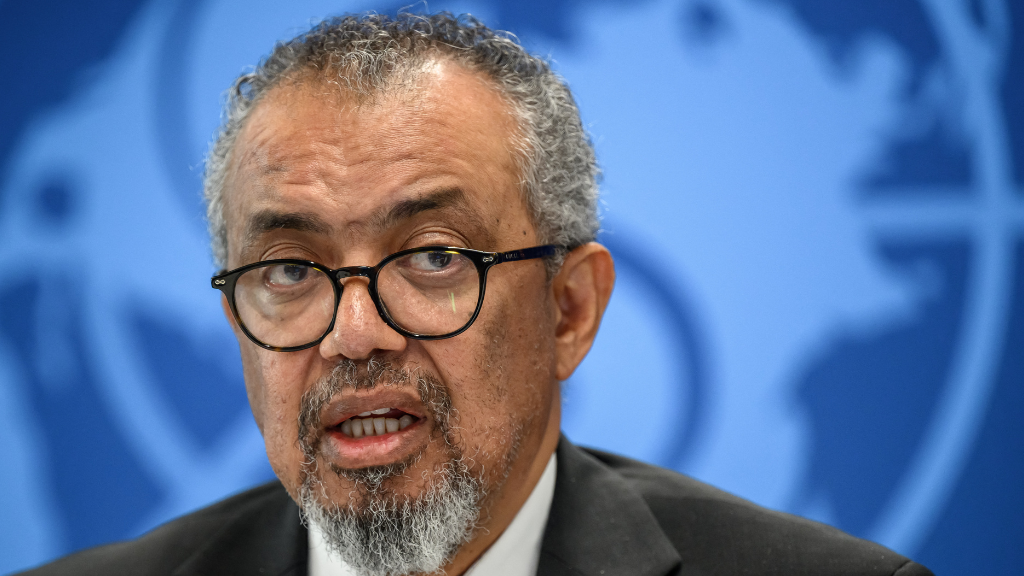
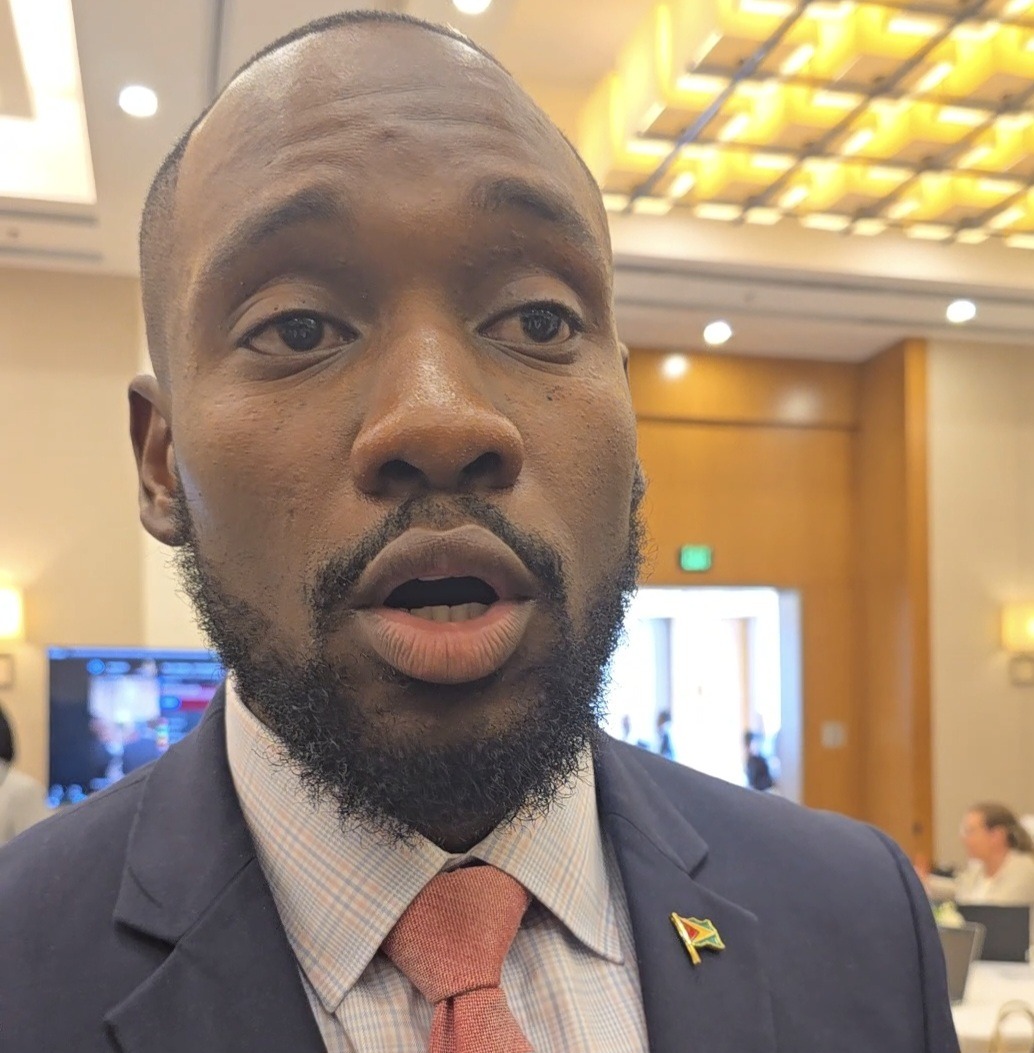
Ghanaian authorities have initiated formal proceedings to secure the extradition of a Russian national accused of covertly recording intimate encounters with women and disseminating the footage across social media platforms without obtaining consent. The individual, identified in both Ghana and Russia as a self-proclaimed ‘pick-up artist’ and online blogger in his thirties, had traveled to the African nation specifically to secretly document his interactions with women. The illicit recordings were allegedly captured using a pair of smart sunglasses equipped with a camera, which he then used to circulate the private footage online. A preliminary investigation conducted by Ghanaian officials suggests the suspect has likely departed the country. In response, Ghana’s Technology Minister has summoned the Russian ambassador to address the serious allegations. This case presents a significant diplomatic challenge, as Russia maintains a policy of not extraditing its citizens, except under extreme circumstances. Social media reports indicate this individual may have been distributing similar non-consensual footage involving women in Ghana and Kenya for several years, suggesting a pattern of predatory behavior across multiple jurisdictions.
分类: world
-

Brand in olieraffinaderij in Havana verergert Cubaanse brandstofcrisis
A significant fire erupted at the Nico Lopez oil refinery in Havana Bay on Friday, threatening to intensify Cuba’s ongoing energy crisis as the nation grapples with a US-imposed fuel blockade. While the blaze originated in a storage warehouse rather than near critical oil tanks, the incident highlighted the country’s precarious energy situation.
Cuban authorities confirmed the fire has been fully extinguished with no casualties reported. The Ministry of Energy and Mines stated that operations at the facility have returned to normal while investigations continue into the cause. The incident occurred near two oil tankers docked in Havana harbor, though the flames did not spread to adjacent areas.
This industrial accident compounds Cuba’s severe economic challenges, particularly its dependence on imported fuel. The nation historically relied on Venezuelan oil imports, but these shipments ceased following last month’s abduction of Venezuelan leader Nicolás Maduro by US forces. President Donald Trump’s recent executive order further enables trade tariffs against any country supplying oil to the island nation.
The fuel shortage has triggered widespread power outages across Cuba, disrupting public transportation and forcing reductions in hospital staffing. Educational institutions have limited operations, government employees work four-day weeks, and some hotels have temporarily closed.
UN Secretary-General Antonio Guterres recently warned of potential humanitarian collapse in Cuba without immediate energy assistance. The arrival of two Mexican naval vessels carrying over 800 tons of humanitarian aid to Havana on Thursday underscores the growing international concern.
Maritime tracking experts report no foreign fuel tankers have reached Cuban ports in weeks, leaving the country capable of producing only one-third of its total fuel requirements domestically. Cuban Vice Foreign Minister Carlos de Cossio accused the US of implementing “collective punishment” against the Cuban people, stating that fuel shortages damage transportation, healthcare, education, power generation, food production, and overall living standards.
Mexican President Claudia Sheinbaum has criticized Washington’s oil restrictions as “unjust” while advocating for renewed dialogue between Cuba and the United States.
-

Cooperation : DINEPA meeting at the Cuban Embassy in Haiti
In a significant diplomatic engagement aimed at bolstering infrastructure development, Théophil Ostinvil, Director General of Haiti’s National Directorate of Drinking Water and Sanitation (DINEPA), convened with Cuban Ambassador Ricardo Garcia Nápoles at the Cuban Embassy in Haiti on February 14, 2026.
The high-level discussions centered on enhancing bilateral cooperation in critical water and sanitation services, with particular emphasis on knowledge transfer and capacity building. Both parties conducted a comprehensive review of existing collaborative achievements while identifying strategic priorities for future joint initiatives.
A cornerstone of the dialogue involved developing a structured capacity-building program leveraging Cuba’s technical expertise to strengthen DINEPA’s operational capabilities. This initiative aims to support Haiti’s sustainable development goals in water infrastructure management through specialized training and skill development programs for Haitian water sector professionals.
Additionally, the meeting served as a platform to address administrative considerations pertaining to current collaboration mechanisms between DINEPA and Cuban technical experts working within Haiti’s water sector. The discussions reflected both nations’ commitment to streamlining operational frameworks for enhanced efficiency.
This diplomatic engagement underscores Haiti’s ongoing efforts to strengthen international technical partnerships that directly contribute to improving water, sanitation, and hygiene (WASH) infrastructure, ultimately benefiting Haitian communities through improved access to essential services.
-

Cubanen: ‘Mexico heeft ons niet in de steek gelaten’
In a significant geopolitical development, two Mexican vessels carrying critical humanitarian supplies have docked in Havana’s port, providing relief to Cubans grappling with severe shortages exacerbated by US-imposed oil sanctions. The Papaloapan and its companion ship began unloading pallets of aid on Thursday as grateful residents watched the operation with visible emotion.
Ediberto Rodriguez, a 65-year-old Havana resident, expressed profound appreciation for Mexico’s solidarity, characterizing the assistance as “an unforgettable gesture from a true ally.” He noted that Mexico “did not abandon us despite pressure from a world power like the United States.”
Mexican President Claudia Sheinbaum confirmed during a press conference that additional support would follow once the ships return to Mexico. “We are sending various forms of assistance and support,” Sheinbaum stated. “Today the ships arrive. When they return, we will send more help of a different nature.” The president emphasized Mexico’s commitment to facilitating dialogue between Cuba and the United States while prioritizing respect for Cuban sovereignty.
The humanitarian mission occurs against the backdrop of escalating energy shortages that have pushed Cuba toward a potential crisis point. Since January, the Trump administration has intensified efforts to restrict oil shipments to the island nation, severely compromising energy infrastructure and essential services. These measures represent the latest chapter in longstanding sanctions dating back to the Cold War era.
United Nations officials have raised alarms about the deteriorating situation. Stéphane Dujarric, spokesperson for UN Secretary-General António Guterres, warned that without adequate oil supplies, conditions on the island could worsen dramatically or even collapse. Chronic power outages have become commonplace, while fuel shortages threaten the delivery of basic necessities.
Washington’s oil embargo followed controversial US military operations targeting Venezuela, Cuba’s primary ally and oil supplier. By severing economic ties between Caracas and Havana, the US administration aims to increase pressure on the Cuban government.
Notably, the United States announced $6 million in humanitarian assistance this month, though officials specified that distribution would occur through Catholic Church channels rather than Cuban government institutions.
While Mexican aid provides immediate relief, the situation underscores the profound impact of sanctions on civilian populations and essential services. The coming weeks will prove critical in determining whether further escalation of the humanitarian crisis can be prevented.
-

Saint Lucia, Micronesia trade marine conservation solutions
In a groundbreaking transoceanic partnership, the Caribbean nation of Saint Lucia and the Pacific islands of Micronesia have launched a strategic knowledge exchange to combat shared environmental threats. The BE-CLME+ Micronesia Challenge Twinning Initiative has created a vital platform for these small island developing states to address escalating climate risks through collaborative marine conservation approaches.
During an intensive week-long dialogue, government officials and marine experts exchanged innovative methodologies for sustainable ocean governance and community-based fisheries management. The initiative specifically focused on strengthening economic systems that simultaneously preserve marine ecosystems—a dual approach known as the blue economy framework.
Saint Lucian delegates presented their comprehensive blue economy agenda, demonstrating how marine conservation directly correlates with affordable protein security, livelihood sustainability, and national development objectives. Meanwhile, Micronesian representatives shared their unique traditional governance models, emphasizing centuries-old customary tenure systems that maintain community stewardship of marine resources.
A Micronesian participant explained during presentations: ‘While we’ve adapted to westernized systems, we maintain robust traditional practices through chiefly hierarchies and familial structures. Our community boundaries and leadership systems form a cohesive framework that inherently supports sustainable marine management.’
The exchange revealed critical insights about community engagement methodologies. Participants identified that effective conservation projects require integrating local communities during planning phases rather than presenting pre-designed initiatives. This participatory approach ensures greater project effectiveness and community ownership.
Deputy Chief Fisheries Officer Thomas Nelson characterized the exchange as transformative, noting that it ‘reinforces the principle that collective action is essential in addressing common challenges related to ocean governance, food security and climate change.’ The Ministry of Agriculture confirmed the initiative aligns with Saint Lucia’s national priorities while strengthening institutional capacity and promoting people-centered resource management through enhanced international cooperation.
-

Mexican Help Reaches Cuba, ‘More to Come’
In a significant show of regional solidarity, two Mexican naval vessels carrying over 800 tonnes of essential food and supplies docked in Havana on Thursday. Mexican President Claudia Sheinbaum announced this initial delivery marks just the beginning of a sustained aid initiative, with additional support missions already in planning stages.
President Sheinbaum, during her regular morning news briefing, explicitly stated, “We are dispatching various forms of assistance and support. Upon their return, we intend to send further support of a different nature,” indicating a phased and multifaceted aid strategy.
This humanitarian mission unfolds against the backdrop of escalating tensions between Cuba and the United States. The Trump administration has intensified its oil embargo against the island nation while threatening punitive tariffs on any country attempting to circumvent these restrictions. Sheinbaum condemned these measures as “profoundly unjust,” asserting that “One cannot suffocate an entire nation in this manner by imposing sanctions on countries supplying fuel to Cuba.”
The comprehensive US restrictions have triggered severe disruptions across Cuban society, critically impacting hospital operations, educational institutions, transportation systems, telecommunications networks, and the vital tourism industry. Cuban authorities have characterized the situation as an effective “energy blockade.” United Nations officials have issued warnings of potential humanitarian catastrophe unless oil supplies are promptly restored.
Meanwhile, international concerns are broadening as Belizean parents express growing apprehension for their medical students residing in Cuba during the escalating crisis. Belize’s Ministry of Foreign Affairs has confirmed it maintains continuous communication with affected students, closely monitoring their welfare status while evaluating potential support measures or emergency repatriation procedures if conditions deteriorate further.
-

Cuba cancels cigar festival amid economic crisis
HAVANA, Cuba — The Cuban government has made the unprecedented decision to postpone its internationally renowned Habanos Cigar Festival, an event critical to the nation’s healthcare funding, as a severe energy crisis intensifies. The festival, originally scheduled for late February, has been indefinitely delayed according to official communications reviewed by international media.
This cancellation represents a significant economic and cultural blow to the Caribbean nation, where cigar exports stand as both a national symbol and vital economic pillar. The annual gathering typically generates substantial revenue through exclusive auctions, with last year’s event raising approximately $19.5 million exclusively dedicated to supporting Cuba’s public healthcare system.
The current energy emergency stems from recent geopolitical developments involving the United States. Following the political upheaval in Venezuela—Cuba’s primary oil supplier—the Trump administration successfully pressured the removal of President Nicolás Maduro’s government in January. Subsequently, Washington terminated Venezuelan oil shipments to Cuba and empowered itself to levy tariffs on any nations attempting to sell petroleum products to Havana.
These measures have triggered a domino effect across Cuban infrastructure and tourism. Multiple international carriers, including Air Canada, have suspended flight operations to the island due to critical fuel shortages. Several governments have issued travel advisories warning citizens about potential stranding risks should the energy situation deteriorate further.
The festival’s postponement highlights the tangible human impact of international sanctions on ordinary Cuban citizens, whose healthcare system relies heavily on cigar-related revenues. European markets, which constitute the largest consumer base for these luxury tobacco products, will now wait indefinitely for the next opportunity to acquire rare, auction-exclusive cigar editions typically released during the event.
-

Canadian High Commission mourns mass shooting victims
Canadian diplomatic missions worldwide, including the High Commission in Kingston, Jamaica, have lowered their flags to half-mast in a solemn tribute to the victims of the devastating school shooting in Tumbler Ridge, British Columbia. The visual symbol of mourning at the Kingston office located at 3 West Kings House Road and 10 Waterloo Road reflects a nationwide directive from the Canadian government.
The federal mandate, enacted on February 11, 2026, orders flags to remain at half-mast until sunset on February 17, commemorating one of Canada’s most severe mass shooting incidents in recent history. The February 10 tragedy resulted in eight fatalities, including the perpetrator, and left 27 individuals wounded.
Prime Minister Mark Carney released an official statement expressing profound devastation over the violent event and extending heartfelt condolences to affected families and communities. He publicly acknowledged the bravery of first responders while confirming coordinated efforts between federal and provincial authorities to provide comprehensive support to the traumatized community.
The half-mast observance encompasses all federal buildings across Canada, notably the Peace Tower on Parliament Hill in Ottawa, alongside every Canadian diplomatic post internationally. This global gesture demonstrates unified solidarity as Canadian citizens both domestically and abroad collectively grieve the profound loss of life.
-

Ultimatum Rosebel loopt af; president zet in op oplossing via overleg
A critical deadline looms in Suriname’s mining conflict as police have issued a Friday 8:00 AM ultimatum for gold miners to vacate the contested territory between New Koffiekamp’s border and the Royal Hill mine, including the Redi Bergi area. The confrontation between artisanal miners and multinational Zijin Rosebel Gold Mines has reached a pivotal moment following recent violent clashes that resulted in one fatality and the destruction of heavy machinery.
President Jennifer Simons, speaking during the reopening of the NDP’s Social Services Bureau, emphasized diplomatic resolution over forceful measures. “If proper agreements are reached, harsh intervention becomes unnecessary,” Simons stated, acknowledging the complex historical dimensions of the land dispute. The President highlighted the economic stakes for Suriname, which holds a 30% stake in Zijin’s operations. “The government must enable Zijin to operate—when production halts, the entire nation suffers financial losses,” she explained.
The escalating tensions follow an incident within Zijin’s concession area that claimed the life of a small-scale miner and prompted the company to withdraw its staff. Security forces have struggled to maintain order as miners, who assert their activities are legal, refuse to abandon the site. President Simons called for equitable solutions that address all stakeholders: “We must develop solutions for all parties to move forward peacefully. Gold seekers require designated areas rather than operating dangerously near active mining zones, while respecting the historical claims of local communities.”