分类: world

  • Declaration of The Peoples’ Summit towards COP30

    Declaration of The Peoples’ Summit towards COP30

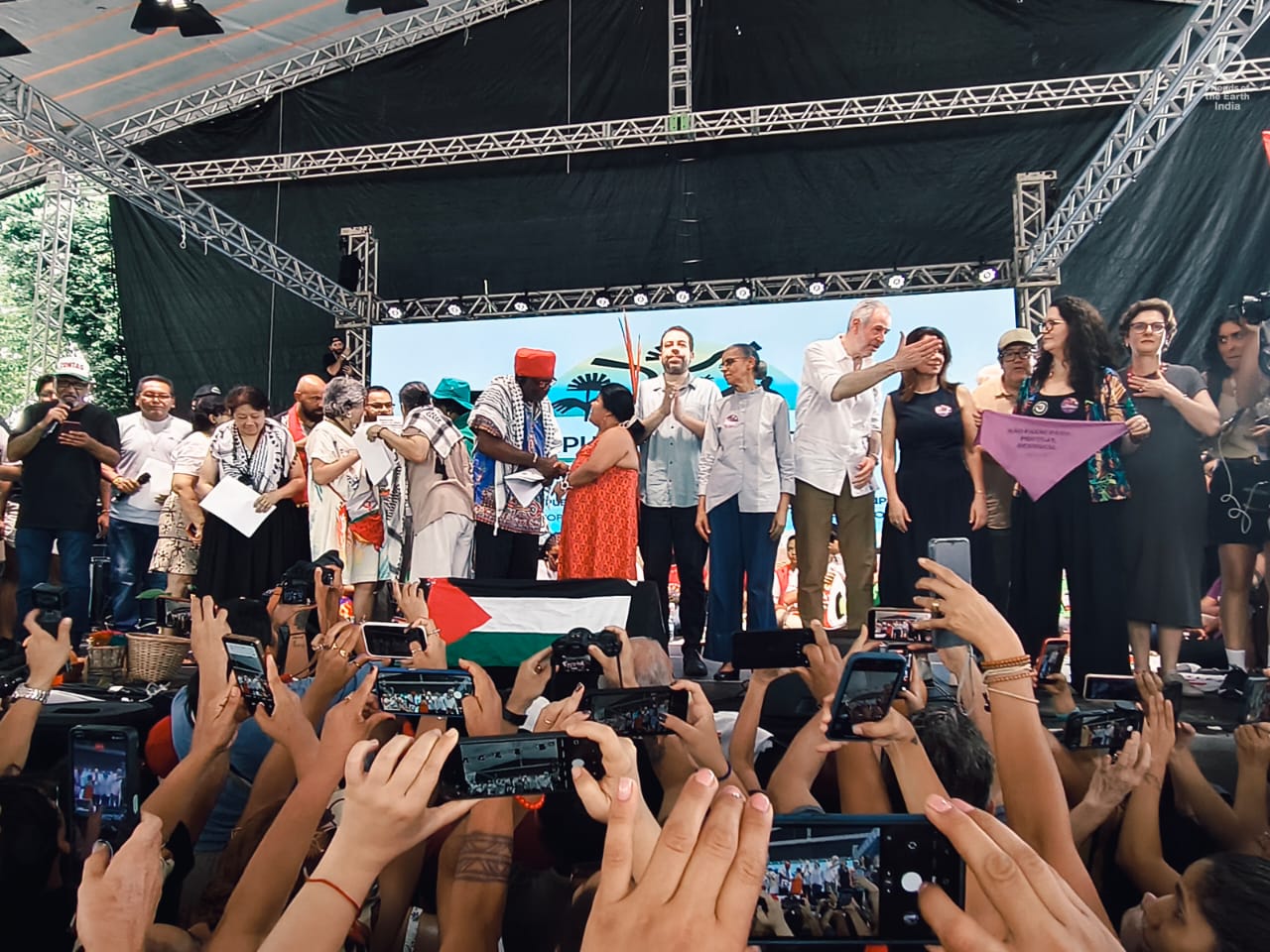
    BELÉM DO PARÁ, BRAZIL – From November 12-16, 2025, the historic We, the Peoples’ Summit convened in the heart of the Brazilian Amazon, culminating in a powerful declaration that represents months of preparation and the collective voice of over 70,000 participants from diverse global movements.

    The unprecedented gathering brought together indigenous communities, traditional peoples, peasants, quilombolas, fishermen, extractivists, shellfish gatherers, urban workers, trade unionists, homeless populations, babassu coconut breakers, terreiro peoples, women, LGBTQIAPN+ communities, youth, Afro-descendants, elders, and representatives from forest, rural, peripheral, marine, river, lake, and mangrove regions worldwide. Their unified mission: to build a just, democratic world centered on the principle of ‘buen vivir’ or ‘good living’ for all humanity.

    The Summit’s declaration identifies capitalism as the fundamental driver of the escalating climate emergency, asserting that the current mode of production directly causes environmental destruction through its relentless pursuit of profit. The document condemns transnational corporations in collusion with Global North governments as primary beneficiaries of this system, specifically naming mining, energy, arms, agribusiness, and Big Tech industries as major contributors to the planetary crisis.

    A significant portion of the declaration addresses geopolitical conflicts, expressing unequivocal solidarity with Palestine against what participants term ‘genocide perpetrated by the Zionist state of Israel.’ The document also condemns US imperial expansion in the Caribbean through military operations like ‘Southern Spear,’ and stands with resistance movements in Venezuela, Cuba, Haiti, Ecuador, Panama, El Salvador, Colombia, Democratic Republic of Congo, Mozambique, Nigeria, Sudan, and emancipatory projects in the Sahel and Nepal.

    The Summit rejected market-based climate solutions, warning that financialized programs like the Task Force on Fossil Fuels (TFFF) perpetuate harmful practices without addressing root causes. Instead, delegates demanded transformative approaches including land demarcation for indigenous territories, popular agrarian reform, agroecology, and climate justice centered on ancestral knowledge and popular participation.

    Key demands include: complete demilitarization and redirection of military spending to climate recovery; fair compensation for losses and damages from destructive projects; feminist justice recognizing care work as essential labor; a just energy transition that respects national sovereignty; and climate financing mechanisms independent of IMF and World Bank influence.

    The declaration concludes with a call for strengthened international organizing against common enemies of humanity, invoking the spirit of popular internationalism with the rallying cry: ‘Peoples of the world: Unite!’

  • Grenada to host Connected Caribbean Summit 2025

    Grenada to host Connected Caribbean Summit 2025

    Grenada will serve as the host nation for the pivotal Connected Caribbean Summit 2025 (CCS2025), scheduled from December 1-5 at the Radisson Grenada Beach Resort in Grand Anse. This high-level gathering will bring together over 200 senior leaders from Caribbean nations and the international community under the unifying theme “Catalysing Caribbean Transformation.

    The summit represents a decisive shift from conventional conferences, positioning itself as an action-oriented working session dedicated to accelerating tangible regional progress. Core focus areas include economic resilience, digital innovation, justice system reform, governance strengthening, educational modernization, and financial inclusion—all identified as critical enablers for sustainable development and inclusive growth throughout the Caribbean region.

    CCS2025 will convene an unprecedented assembly of regional power brokers including heads of government, chief justices, utility regulators, corporate CEOs, international investors, development partners, and civil society representatives. The explicit objective is to transcend dialogue and initiate concrete implementation strategies across three priority areas: scaling financial investment and inclusion mechanisms, addressing escalating crime and security challenges, and enhancing digital and climate resilience capabilities.

    The summit architecture features several innovative components:

    The CCS Leadership Alliance will facilitate closed-door and plenary sessions among government leaders and regional institutions to coordinate action on shared development objectives.

    A dedicated Justice Forum will spotlight comprehensive approaches to modernizing judicial organizations, improving operational efficiency, and expanding citizen access to legal services.

    CCS MasterClasses will deliver high-level instruction on artificial intelligence, cybersecurity, and digital transformation led by international and regional experts specifically tailored for senior executives.

    The NextGen Forum will create a unique platform for Caribbean youth to engage directly with regional leaders and gain exposure to emerging career opportunities.

    An Innovation Showcase will exhibit Grenadian and regional technological solutions addressing Caribbean-specific challenges.

    The program will culminate in a Cultural Gala hosted by the Grenadian government, highlighting national culture and investment potential while providing curated networking opportunities.

    Prime Minister Hon. Dickon Mitchell emphasized Grenada’s commitment to regional cooperation through hosting this event, stating: “We look forward to welcoming leaders, experts and investors to our shores to work with us on practical solutions that benefit our citizens and our region.”

    Bevil Wooding, CCS2025 convener and Executive Director of the Caribbean Agency for Justice Solutions, reinforced the action-focused nature of the summit: “We are convening the leaders and institutions that have both the responsibility and the authority to act—so that ideas discussed in Grenada swiftly translate into concrete programmes, partnerships and investments across the Caribbean.”

    The summit will feature global broadcasting capabilities and a dedicated media center to facilitate press briefings, interviews, and real-time coverage. Media organizations seeking accreditation or interview arrangements are directed to contact the CCS Secretariat, with additional information available at connectedcaribbean.org.

  • Major boost for farming communities in Grenada

    Major boost for farming communities in Grenada

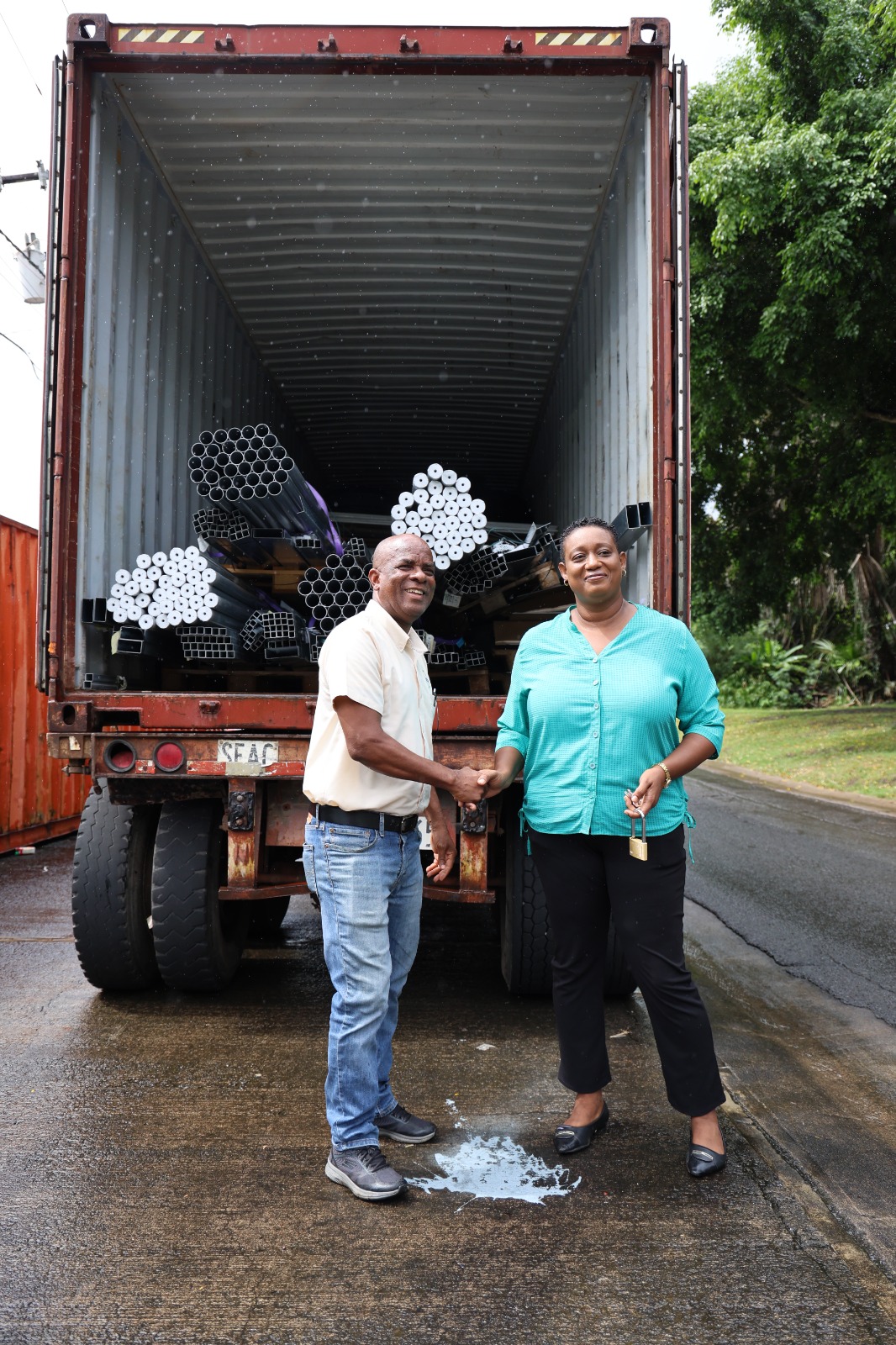
    In a significant move to bolster climate-resilient agriculture, the Partnership Initiative for Sustainable Land Management (PISLM) has delivered a substantial shipment of advanced farming equipment to Grenada’s Ministry of Agriculture and Lands, Forestry and Marine Resources. The consignment, valued at over US$114,000, arrived in a 40-foot container containing critical resources for sustainable farming practices.

    The comprehensive equipment package includes state-of-the-art drip irrigation systems, robust shade house structures measuring 9m x 32m (576 m²), and solar-powered pumping units complete with solar panels and suction piping. These technologies are specifically designed to mitigate heat stress, protect crops from extreme weather conditions, and enable irrigation through renewable, off-grid energy sources.

    Project Manager Trevor Thompson formally presented the equipment to Allison Haynes, National Focal Point and Chief Agronomist within the Ministry. This initiative forms part of the broader Caribbean Small Island Developing States (SIDS) multicountry soil management program under the SOILCARE Project’s first phase, focusing on Integrated Landscape Restoration and Climate Resilient food systems.

    Financed by the Global Environment Facility (GEF) with implementation support from the Food and Agriculture Organisation (FAO), this investment specifically targets enhanced land and water management across key farming communities in Chambord, St Patrick, Belair, and Dumfries. The strategic distribution plan allocates irrigation equipment to Chambord, climate-resilient shade house structures to Dumfries, and additional support for the Belair Propagation Facility through the Carriacou Integrated Landscape Management Project.

    Thompson emphasized the urgency of this intervention, noting that “Chambord, along with Carriacou, was severely impacted by Hurricane Beryl last year. These areas continue to face severe land degradation. We are working hand-in-hand with national partners to ensure farmers have the tools, technologies, and support needed to adapt, thrive, secure their livelihoods, and achieve land degradation neutrality.”

    Haynes expressed the Ministry’s appreciation, stating that the support would significantly help farmers and government institutions become more productive while restoring landscapes affected by degradation. The equipment will also facilitate nursery development and restoration activities at the Government Estate Nursery.

    Headquartered in Grenada, PISLM reaffirmed its ongoing commitment to supporting Caribbean farmers in sustainable land and soil management, enhancing climate-smart production, and reducing vulnerability to drought and extreme weather events across the region.

  • ICJ Wraps Up Hearings on Sapodilla Cayes Dispute

    ICJ Wraps Up Hearings on Sapodilla Cayes Dispute

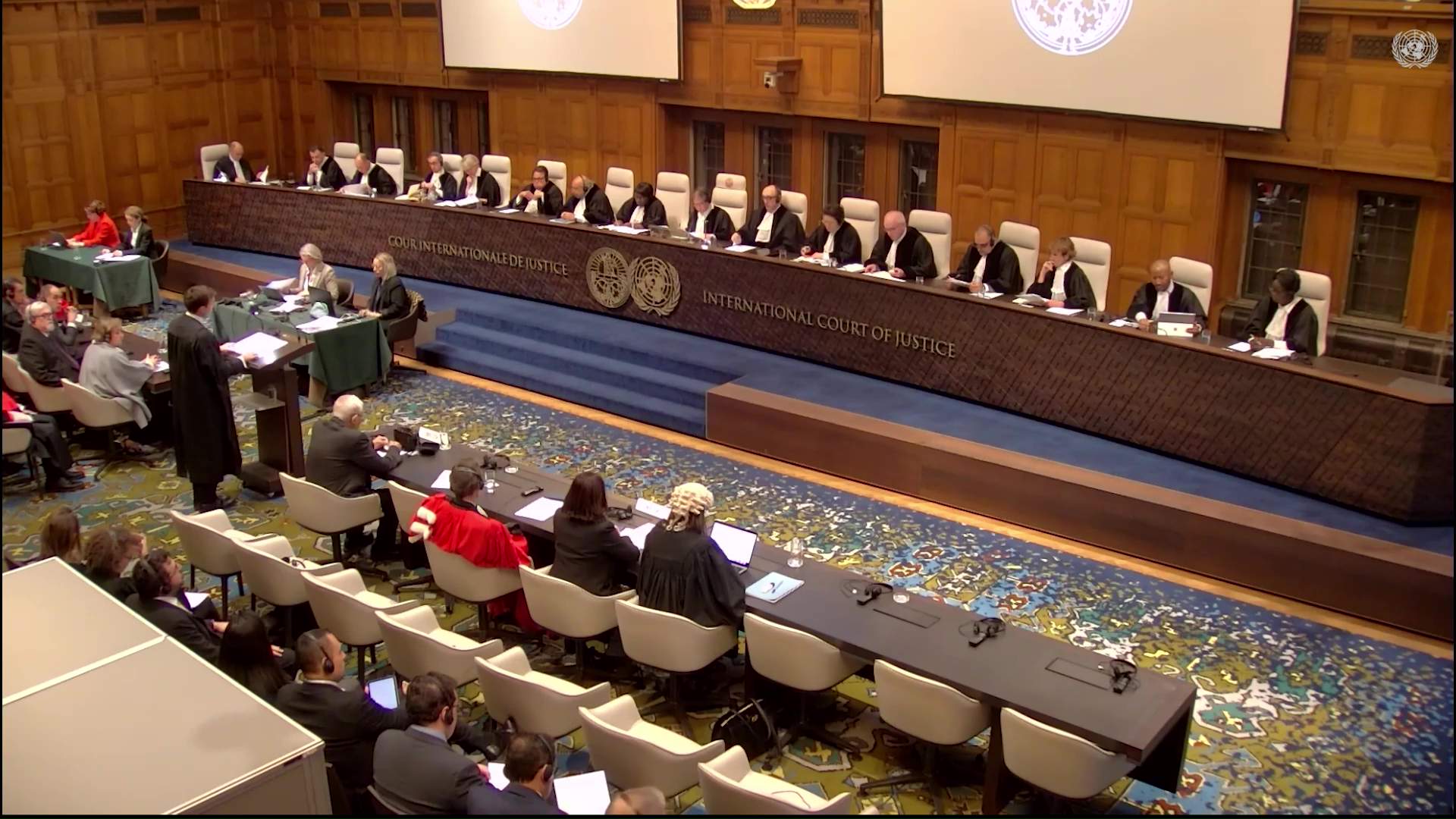
    The International Court of Justice (ICJ) has concluded a three-day public hearing on Guatemala’s request to intervene in the sovereignty dispute over the Sapodilla Cayes, a contested territory between Belize and Honduras. Guatemala invoked Article 62 of the ICJ Statute, asserting its strategic interest in the case. While Belize did not oppose the intervention, Honduras criticized the move as unnecessary and an abuse of the legal process, urging the court to reject Guatemala’s application outright. The ICJ will now deliberate on the matter, with a ruling on Guatemala’s participation expected in the coming months. During the hearings, Guatemala argued that the case exemplifies the purpose of Article 63, which allows third-party intervention in disputes involving shared territorial claims. However, Belize’s legal counsel, Ben Juratowitch, countered that the unique circumstances of the case do not justify Guatemala’s involvement. He referenced the Gulf of Fonseca case and the Eritrea/Yemen arbitral award to highlight the complexities of the dispute. The outcome of this case could set a significant precedent for international territorial disputes.

  • American Airlines Flight Makes Safe Emergency Landing at PGIA

    American Airlines Flight Makes Safe Emergency Landing at PGIA

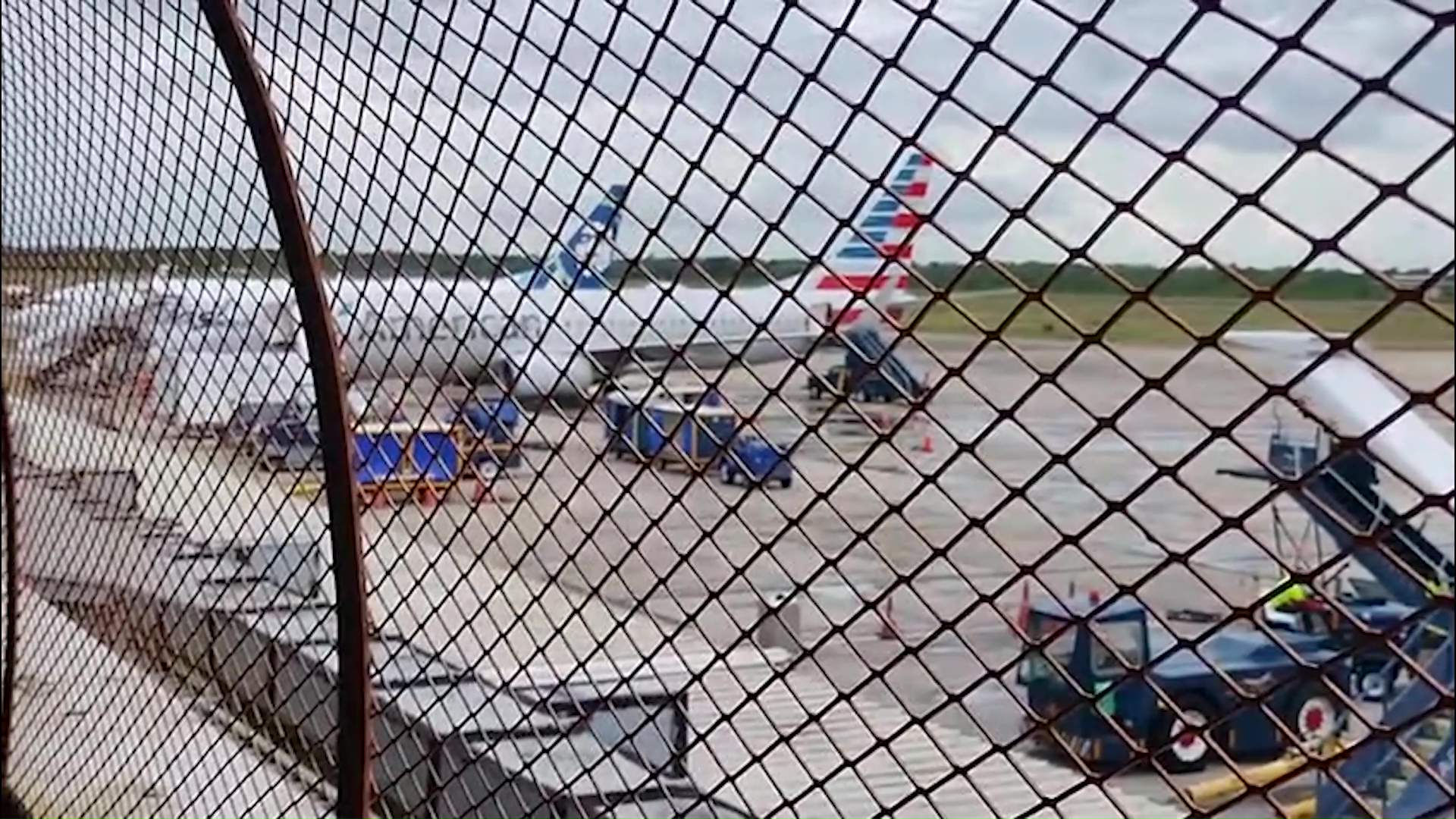
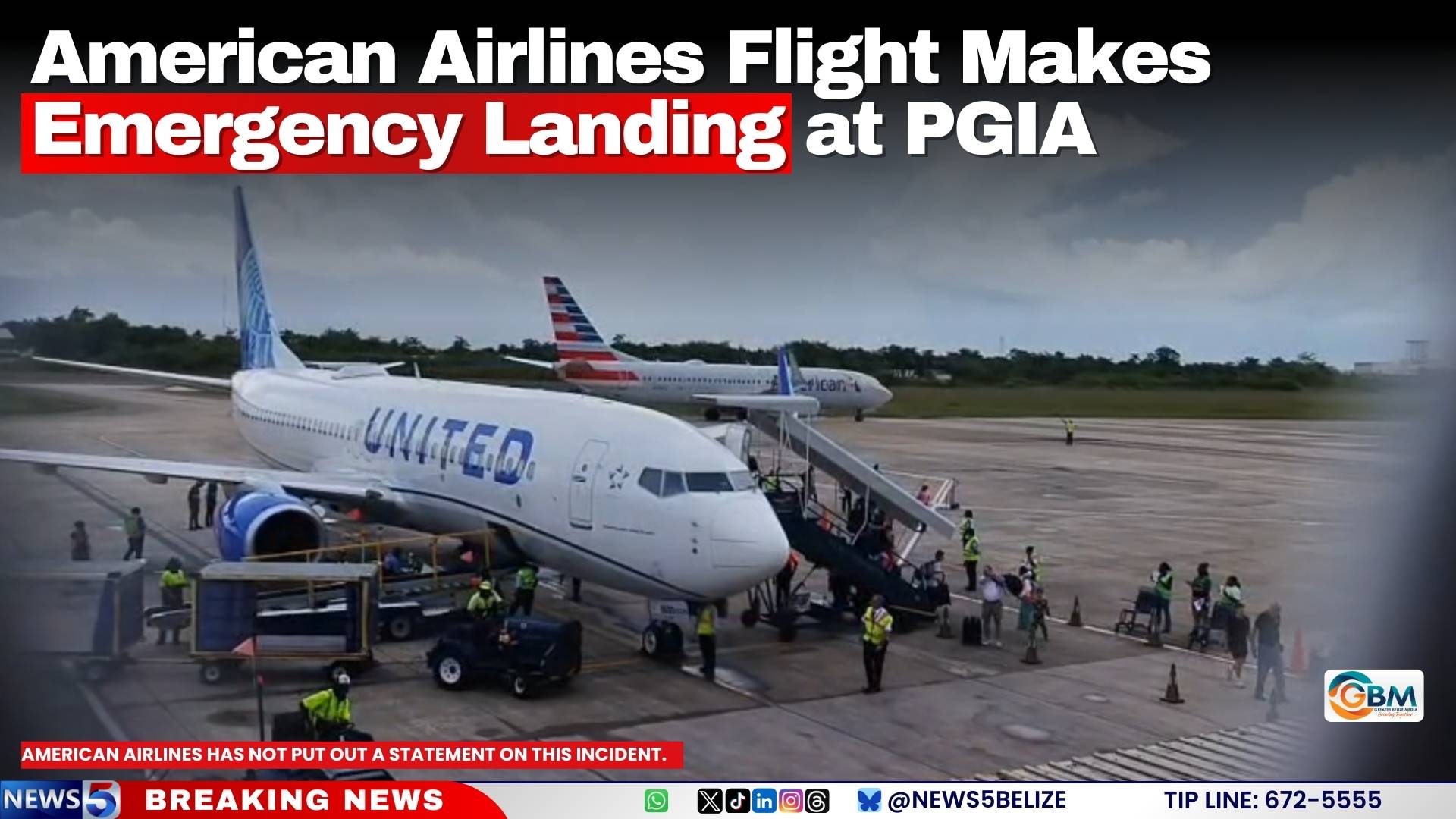
    A routine flight turned into a moment of high tension at the Philip Goldson International Airport (PGIA) on November 26, 2025, when an American Airlines aircraft was forced to make an emergency landing. The incident occurred shortly after midday when the pilot reported an engine malfunction while the plane was en route to El Salvador. Emergency protocols were swiftly activated, with fire and rescue teams standing by as the aircraft approached the runway. Fortunately, the landing was executed flawlessly, with no injuries or fatalities reported. Passengers were calmly evacuated and escorted to the terminal, where they awaited further instructions regarding their travel plans. Authorities emphasized that the landing was primarily precautionary, and no additional issues arose post-landing. While American Airlines has yet to issue an official statement, detailed information regarding the cause of the engine problem is anticipated to be released shortly. The incident serves as a reminder of the critical importance of aviation safety protocols and the swift response of emergency teams in ensuring passenger safety.

  • Belize Praised as Pioneer in Protected Areas Management

    Belize Praised as Pioneer in Protected Areas Management

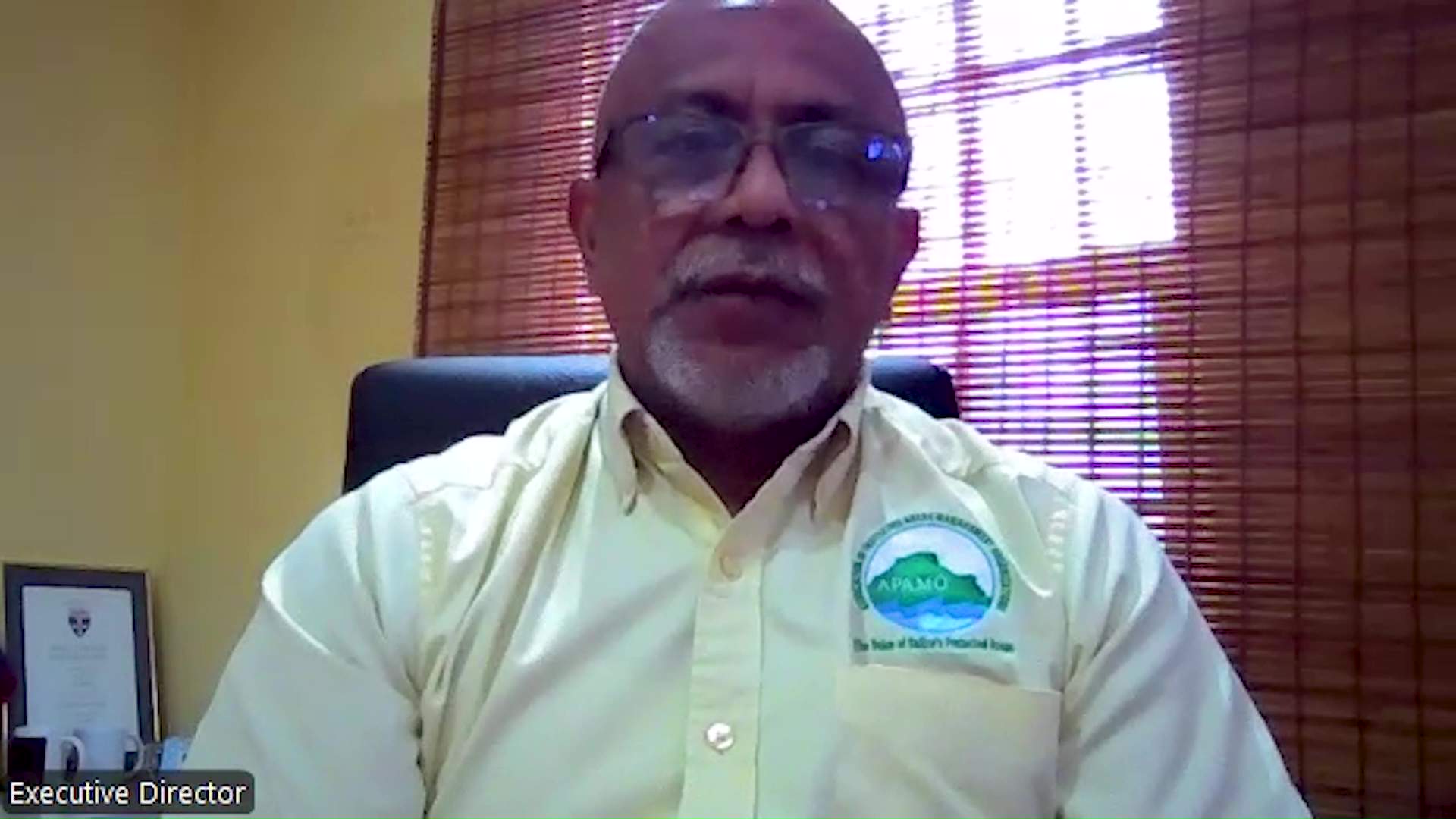
    Belize has garnered international acclaim for its innovative approach to conservation, where government agencies and non-governmental organizations (NGOs) collaborate to protect critical ecosystems. This partnership has established a comprehensive network of protected areas spanning both land and sea, ensuring the preservation of biodiversity and access to clean water for local communities. As the International Court of Justice concludes hearings on Guatemala’s attempt to intervene in the Belize-Honduras dispute over the Sapodilla Cayes, Jose Perez, Executive Director of the Association of Protected Areas Management Organizations (APAMO), shared insights on the significance of these efforts and the future of Belize’s conservation initiatives. Perez emphasized the delicate balance between development and environmental preservation, stating, ‘We cannot halt development, but we must recognize the crucial role protected areas play, especially in the face of climate change.’ He highlighted the recent approval of a project operation grant by the Green Climate Fund, a milestone achieved after years of planning since 2019. This funding will support a five-year proposal aimed at assessing the vulnerability of protected areas and implementing strategies to mitigate climate change impacts. Belize, despite its small size, is globally recognized as a pioneer in conservation. Perez noted, ‘When you look at Google Maps, our neighbors often appear brown, while Belize remains green. We are committed to maintaining this distinction.’ APAMO continues to lead governance reforms and collaborative efforts to ensure the sustainability of Belize’s natural heritage for future generations.

  • ICJ Concludes Hearings on Guatemala’s Bid to Intervene in Sapodilla Cayes Case

    ICJ Concludes Hearings on Guatemala’s Bid to Intervene in Sapodilla Cayes Case

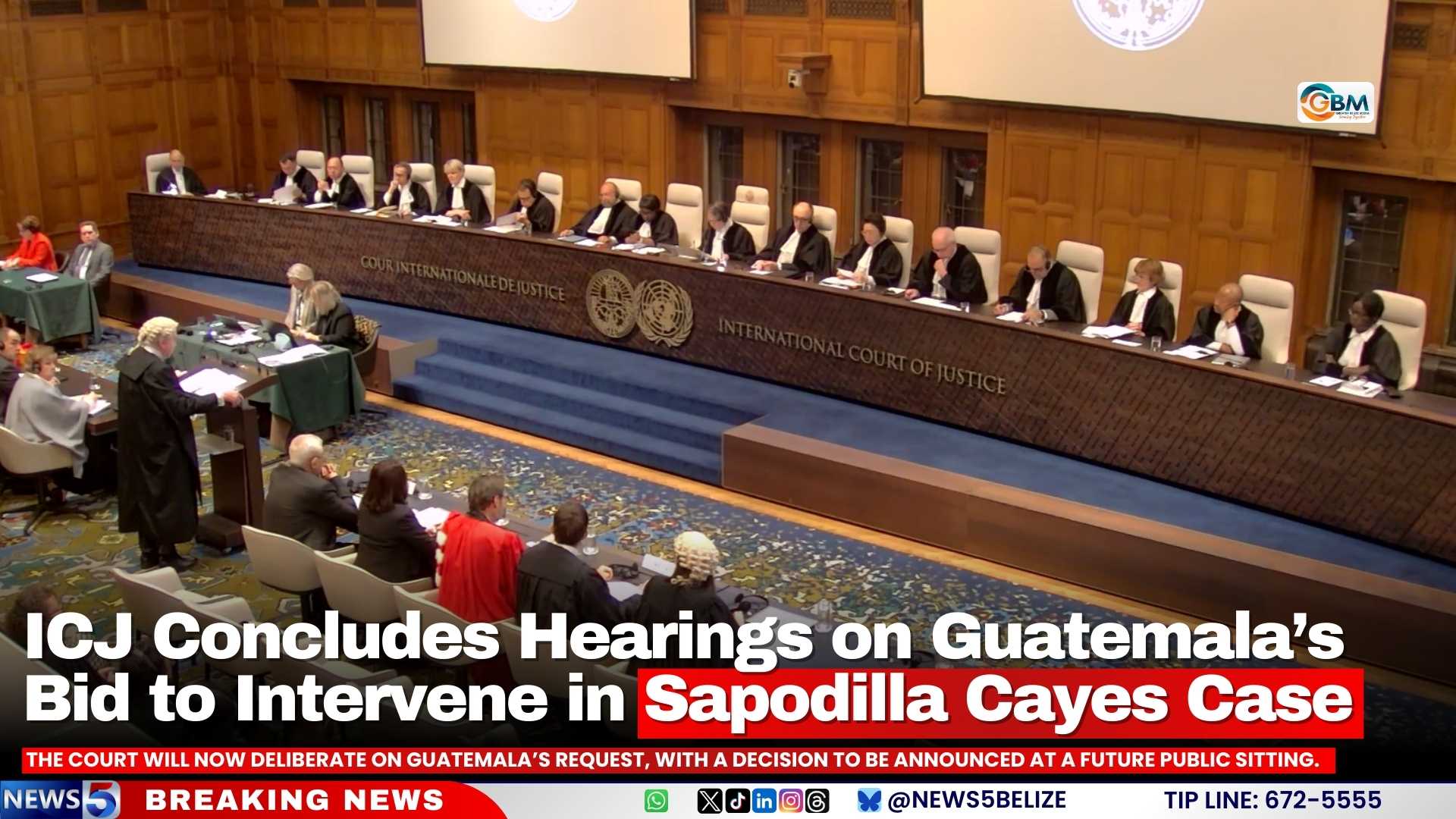
    The International Court of Justice (ICJ) has concluded public hearings on Guatemala’s application to intervene in the ongoing sovereignty dispute over the Sapodilla Cayes (Cayos Zapotillos). The hearings, held from November 24 to 26 at the Peace Palace in The Hague, centered on Guatemala’s request to participate in the case between Belize and Honduras under Article 62 of the ICJ Statute. Represented by Ambassador Ana Cristina Rodríguez Pineda, Guatemala argued that its interests could be significantly impacted by the Court’s eventual ruling. Belize, represented by Special Envoy Assad Shoman, expressed no objection to Guatemala’s intervention. In contrast, Honduras vehemently opposed the application, labeling it as “redundant and an abuse of the institution of intervention” and urging the Court to reject it. The Sapodilla Cayes, situated in southern Belizean waters, have long been a focal point of regional geopolitical tensions. The ICJ case aims to resolve the competing sovereignty claims between Belize and Honduras, with Guatemala’s involvement adding further complexity to the decades-old territorial dispute. The Court will now deliberate on Guatemala’s request, with a decision to be announced at a future public sitting.

  • American Airlines Flight Makes Emergency Landing at PGIA

    American Airlines Flight Makes Emergency Landing at PGIA

    An American Airlines flight bound for El Salvador was forced to make an emergency landing at Philip S. W. Goldson International Airport (PGIA) in Belize earlier today. The incident occurred around midday when the aircraft’s captain reported an engine malfunction. Despite the alarming situation, the plane landed safely without any injuries or fatalities. Passengers were promptly evacuated and remained inside the airport terminal as they awaited further instructions regarding their travel plans. Emergency response teams, including fire and rescue personnel, were swiftly deployed as a precautionary measure. Authorities emphasized that the landing was conducted primarily as a safety protocol, and no additional issues were reported post-landing. While American Airlines has yet to release an official statement, airline officials are expected to provide further details on the cause of the engine problem. The incident has drawn significant attention, with local and international media closely monitoring developments.

  • CCJ president: Court has fulfilled mandate of regional justice

    CCJ president: Court has fulfilled mandate of regional justice

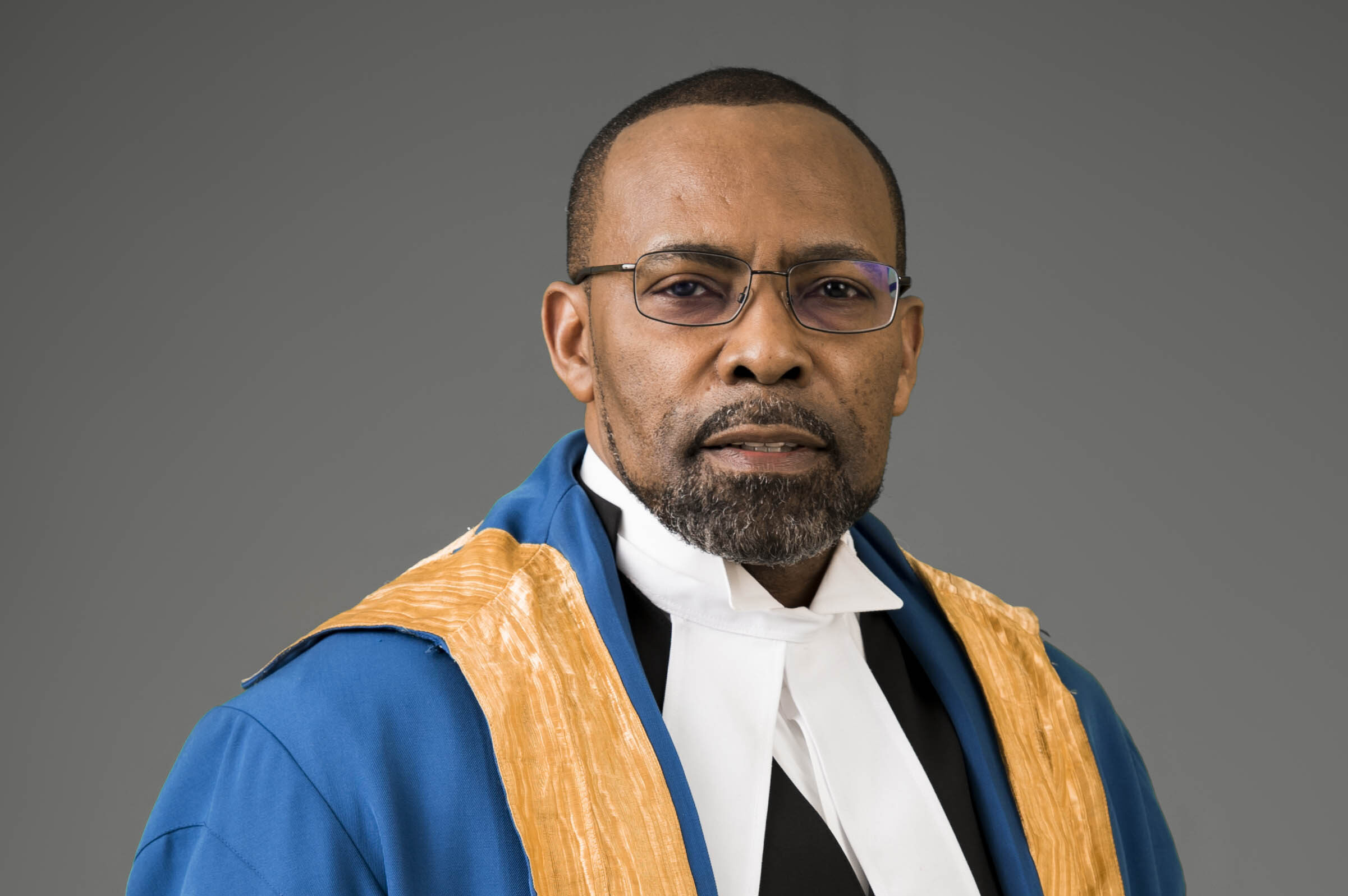
    The Caribbean Court of Justice (CCJ) has successfully fulfilled its two-decade mandate of developing an autonomous Caribbean legal framework and enhancing regional access to justice, President Justice Winston Anderson declared at the CCJ Academy of Law’s eighth biennial conference in Port of Spain. The November 26 event, part of the court’s 20th anniversary celebrations, highlighted the CCJ’s transformative impact since its April 2005 inauguration as a landmark achievement in judicial independence.

    Justice Anderson revealed the court has delivered 312 appellate decisions spanning constitutional, criminal, civil, land, family, and contract law, fundamentally reshaping long-standing legal doctrines and establishing minimum regional standards in criminal justice. These judgments have been cited over 450 times by courts across common-law Caribbean jurisdictions, including nations that haven’t formally adopted the CCJ as their final appellate authority.

    In its original jurisdiction, the CCJ has proven indispensable to the Caricom Single Market and Economy, serving as exclusive arbiter for disputes under the Revised Treaty of Chaguaramas. ‘The CCJ is not a court imposed on us by anyone,’ Anderson emphasized. ‘It is a reality of our own making, our collective imagination and resources. It is interwoven into the fabric of Caribbean life.’

    The conference also honored the legacy of late Justice Jacob ‘Bob’ Wit, the court’s inaugural civil-law jurist from Curaçao who served until his December 2023 retirement. Anderson credited Wit with challenging and enriching the court’s common-law traditions through his unique perspective and wry humor, while also playing a central role in establishing the CCJ Academy of Law in 2010.

    Justice Chantal Ononaiwu, CCJ judge and academy deputy chair, outlined the conference’s critical examination of Caribbean jurisprudence development, emphasizing cross-cutting themes including technology’s impact on legal evolution and the interaction between domestic and international law.

    Caricom General Counsel Lisa Shoman, SC, hailed the anniversary as both ‘a milestone and a seminal achievement,’ noting that young Caribbean lawyers now navigate a significantly more complex legal landscape than previous generations. Inter-American Development Bank representative Anton Edmunds reaffirmed institutional support for regional justice systems, highlighting the bank’s One Safe Caribbean initiative focused on combating organized crime and strengthening justice-sector capacity through digital innovation and public education.

  • All communities now accessible — ODPEM

    All communities now accessible — ODPEM

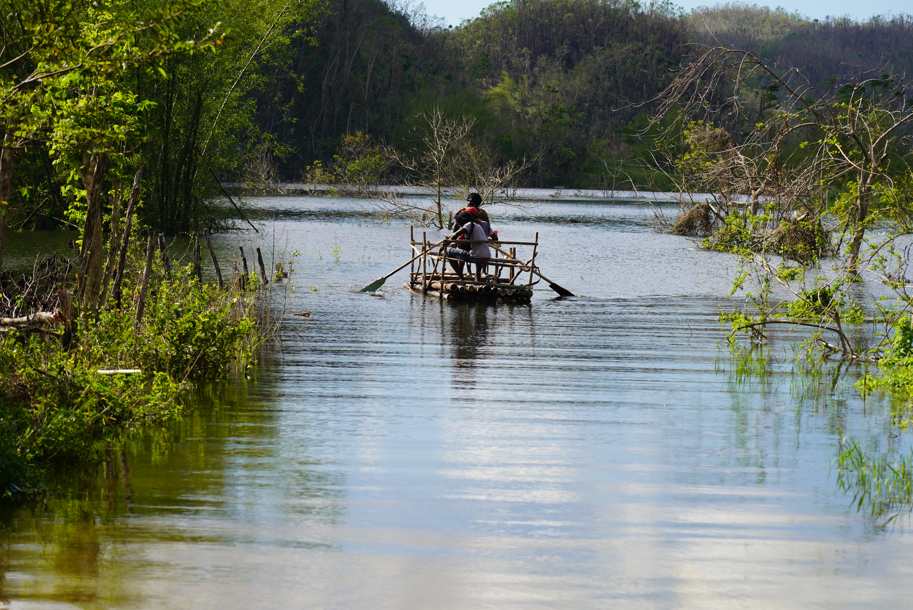
    KINGSTON, Jamaica — In a significant milestone for disaster recovery efforts, Jamaica’s Office of Disaster Preparedness and Emergency Management (ODPEM) has confirmed that emergency personnel have now established access routes to all communities affected by Hurricane Melissa. The announcement came from ODPEM Director General Commander Alvin Gayle during a virtual town hall meeting hosted by the Jamaican Embassy in Washington DC on Tuesday.

    Gayle provided crucial clarification regarding what constitutes ‘marooned’ communities, stating: ‘For us, being marooned means that the only way to enter that community is via air. No community in Jamaica remains marooned by this definition.’ While acknowledging that localized flooding and land slippage continue to create accessibility challenges within certain community portions, the Director General emphasized that emergency teams can now reach all affected areas.

    The recovery operation continues nearly four weeks after Hurricane Melissa made landfall, with emergency response teams working tirelessly to restore critical infrastructure and distribute essential relief supplies. Gayle reported that approximately 33 major thoroughfares across the island remain obstructed, with the National Works Agency (NWA) maintaining continuous clearance operations to reopen these vital transportation routes.

    The virtual town hall served as an important platform for updating both domestic and international stakeholders on Jamaica’s progress in recovering from the hurricane’s extensive impact, demonstrating the coordinated efforts between government agencies and international partners.