分类: world

  • Hurricane Season 2025 ended quietly

    Hurricane Season 2025 ended quietly

    The 2025 Atlantic hurricane season has been officially characterized by meteorologists as a period of extreme contrasts, marked by unprecedented calm and record-shattering ferocity. According to a comprehensive analysis from The Weather Network, this season delivered one of the most powerful hurricanes ever recorded to make landfall—Hurricane Melissa, which left a trail of devastation across Jamaica.

    Contrary to typical patterns, the season commenced with exceptional tranquility, experiencing its latest start in a decade. The inaugural storm, Tropical Storm Andrea, did not form until the final days of June, initiating a series of unusually long and quiet intervals. These prolonged lulls defined the first half of the season, creating a deceptive sense of calm.

    The narrative shifted dramatically as the season progressed, erupting into periods of extreme intensity. The term ‘all or nothing’ has been used to encapsulate the season’s bipolar nature, where stretches of atmospheric inactivity were abruptly severed by some of the most potent storms ever documented in the Atlantic Basin.

    The statistical outcome reveals a season that defied averages. The total count reached 13 named storms, alongside 5 hurricanes. Notably, 4 of these hurricanes intensified into major hurricanes (Category 3 or higher). This final tally presents a complex picture when measured against the 30-year average of 14 named storms, 7 hurricanes, and 3 major hurricanes, indicating a season with fewer overall storms but a higher concentration of severe events.


  • Citizens report large holes in Dominican–Haitian border wall

    Citizens report large holes in Dominican–Haitian border wall

    A significant security breach has been identified along the heavily fortified border separating the Dominican Republic from Haiti. Travelers passing through the Dajabón border region have reported discovering at least six substantial openings in the barrier system, strategically located between the old and new customs checkpoints.

    Photographic evidence provided by concerned citizens reveals these breaches are sufficiently large to permit unimpeded passage of individuals. The compromised structural integrity not only facilitates unauthorized border crossings but also creates vulnerabilities for irregular movement of commercial goods, potentially undermining customs enforcement and revenue collection.

    The Dominican government’s ambitious border security initiative, launched in 2022, envisioned a technologically advanced ‘smart wall’ system combining concrete foundations, metal fencing, and surveillance technology across strategic sections. This 392-kilometer barrier project, reported 84% complete in late 2024 with anticipated delivery in early 2025, was specifically designed to combat irregular migration, drug trafficking, arms smuggling, and human trafficking operations.

    Official statements have highlighted additional benefits including protection of agricultural interests, with some local ranchers reporting approximately 80% reduction in cross-border livestock theft following partial implementation. Despite these security priorities, authorities have yet to issue any official response regarding the recently discovered damage to this critical infrastructure project.

    The timing of these breaches raises questions about maintenance protocols and monitoring capabilities of the border security system, particularly as the project approaches its scheduled completion date.

  • Moiwana 39 jaar later: druk op waarheidsvinding neemt toe

    Moiwana 39 jaar later: druk op waarheidsvinding neemt toe

    Suriname commemorated the 39th anniversary of the Moiwana village massacre this Saturday, with three Western diplomatic missions demonstrating sustained international support for justice in the decades-old case. The solemn ceremony honored at least 39 unarmed civilians—primarily women and children—who were killed by military forces on November 29, 1986, during Suriname’s internal conflict.

    Ambassadors from France, the United States, and the Netherlands attended the memorial alongside survivors, civil society representatives, and victims’ families. French Ambassador Nicolas de Lacoste emphasized his nation’s continuous solidarity, noting France had hosted thousands of refugees during Suriname’s civil war—a historical detail he stated often goes unrecognized in contemporary political discourse.

    American Ambassador Robert Faucher personally laid a wreath at the memorial monument while reinforcing Washington’s commitment to truth-seeking processes. Dutch diplomat Michiel Bierkens articulated the Netherlands’ human rights policy priorities, stating: “Combating impunity remains central to our human rights agenda. Strengthening the international legal order constitutes a fundamental pillar of our foreign policy.”

    Sunil Oemrawsingh, chairman of the Foundation December 8, 1982, acknowledged the ongoing criminal investigation’s challenging progress while highlighting a significant development: a judge-commissioner has now taken personal charge of examining the facts. Oemrawsingh simultaneously defended judicial independence against political attacks, asserting: “Justice isn’t only good when rulings favor us. For atrocities like those committed here, no grace can be granted.”

    Notably, ABOP leader Ronnie Brunswijk—former Jungle Commando commander—made a brief helicopter visit to pay respects, particularly thanking the three ambassadors for their persistent engagement throughout the years.

    The collective calls during the memorial emphasized full implementation of the Inter-American Court of Human Rights’ ruling, including: continuing criminal investigations, shielding judiciary institutions from political pressure, and ensuring lasting recognition and reparations for victims and their families.

  • PM Browne: Global Crises Pushing World Toward “Implosion”

    PM Browne: Global Crises Pushing World Toward “Implosion”

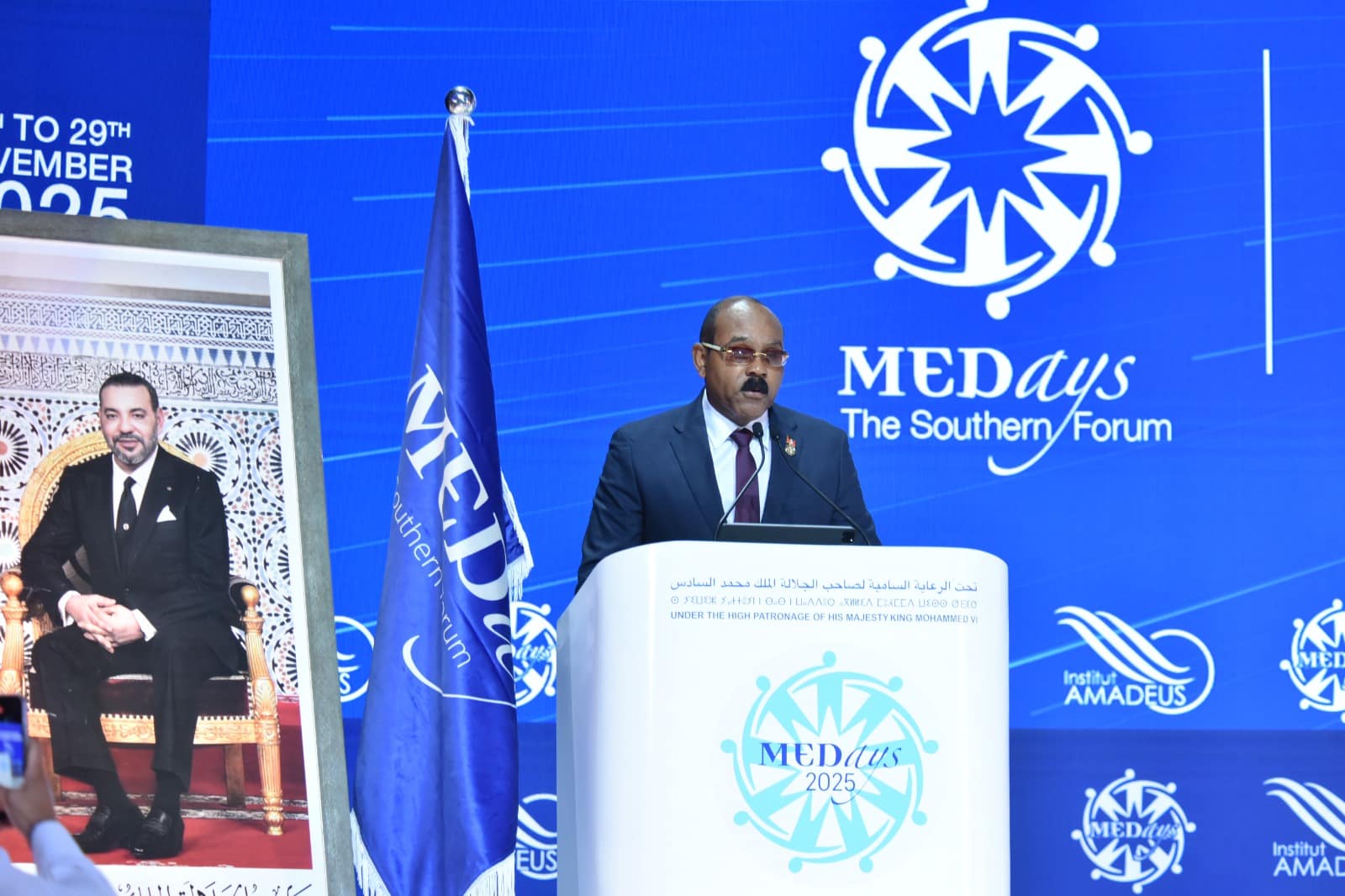
    At the Medays 2025 Forum in Morocco, Antiguan Prime Minister Gaston Browne delivered a dire assessment of the global condition, declaring the world is perilously close to catastrophic failure. He characterized the current era as one of extreme volatility in modern history, fueled by a convergence of multiple systemic threats.

    The head of government for Antigua and Barbuda detailed a multifaceted crisis driven by escalating geopolitical conflicts, severe climate-related disasters, widespread food insecurity, rapid digital disruption, unsustainable national debt levels, and the persistent socioeconomic fallout from the COVID-19 pandemic. Browne emphasized that for small island nations, these are not abstract concerns but concrete obstacles that severely limit their capacity for strategic planning, economic investment, and citizen protection.

    Browne issued an urgent call for enhanced multilateral collaboration, asserting that no single nation possesses the resources to withstand these compounding cycles of instability independently. Alongside his warnings, the Prime Minister highlighted significant legal advancements for vulnerable states, particularly referencing Antigua and Barbuda’s leadership role in the Commission of Small Island States on Climate Change and International Law (COSIS).

    He pointed to a landmark advisory opinion secured by COSIS that establishes a critical legal precedent: nations causing marine environmental damage through greenhouse gas emissions are in breach of their international legal obligations. This opinion, Browne noted, substantially strengthens the legal standing of all countries whose populations and economies face existential threats from climate change.

    The Caribbean leader delivered a severe condemnation of major polluters, accusing wealthy nations of profiting from fossil fuel industries while developing states endure the devastating consequences. Browne cautioned that continued failure to reduce emissions would ultimately “imperil human civilization” and implored major emitting countries to implement immediate, decisive measures to preserve the possibility of limiting global warming to 1.5°C above pre-industrial levels.

  • US Marine planes cause stir in Tobago

    US Marine planes cause stir in Tobago

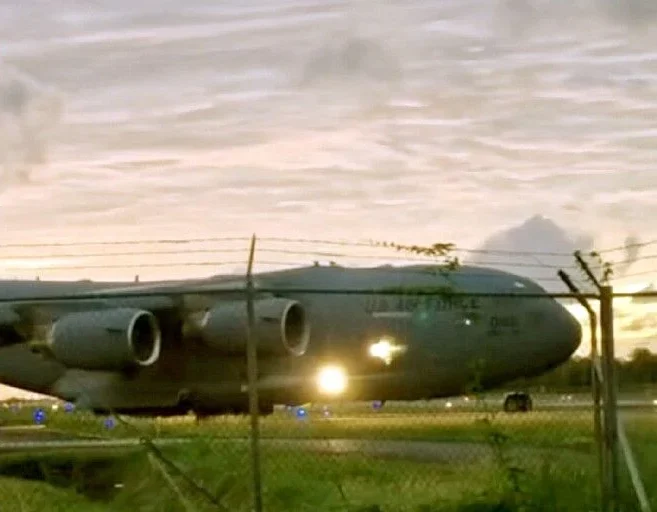
    Two U.S. Marine Corps Boeing C-17A Globemaster III military transport aircraft departed from ANR Robinson International Airport in Tobago yesterday morning following a brief presence on the island. The aircraft, identified by tracking codes RCH660 (01-0192) and RCH661 (99-0165), originated from Marine Corps Air Station Cherry Point in North Carolina and were returning to the United States. While only one aircraft appeared on public flight tracking service FlightRadar24, departing at 5:53 a.m., open-source intelligence sources confirmed both aircraft had transited through the airport.

    Prime Minister Kamla Persad-Bissessar addressed the presence of U.S. military personnel in Trinidad and Tobago, confirming that marines remain in the country for training exercises with the Trinidad and Tobago Defence Force. She characterized the aircraft’s mission as assistance with ‘a bit of roadway’ at the airport but provided no specific details about the nature of this assistance.

    The Prime Minister explicitly denied any connection between the military aircraft and escalating tensions between the United States and neighboring Venezuela. ‘It is not a military force as such; they are not here on the ground, we are not about to launch any campaign against Venezuela,’ Persad-Bissessar stated emphatically. ‘Trinidad and Tobago has not been asked to be a base for any war against Venezuela.’

    The departure occurred just one day after U.S. General Dan Caine, a top military officer, met with the Prime Minister. While Persad-Bissessar confirmed the meeting, she insisted there were no discussions about Venezuela during their conversation.

    The C-17 Globemaster III, described by the U.S. Air Force as its ‘most flexible’ cargo aircraft, is capable of rapid strategic delivery of troops and various types of cargo to both main operating bases and forward deployment areas. Social media posts throughout yesterday documented sightings of the large aircraft departing Tobago.

  • Venezuela revokes access for six international airlines Link:

    Venezuela revokes access for six international airlines Link:

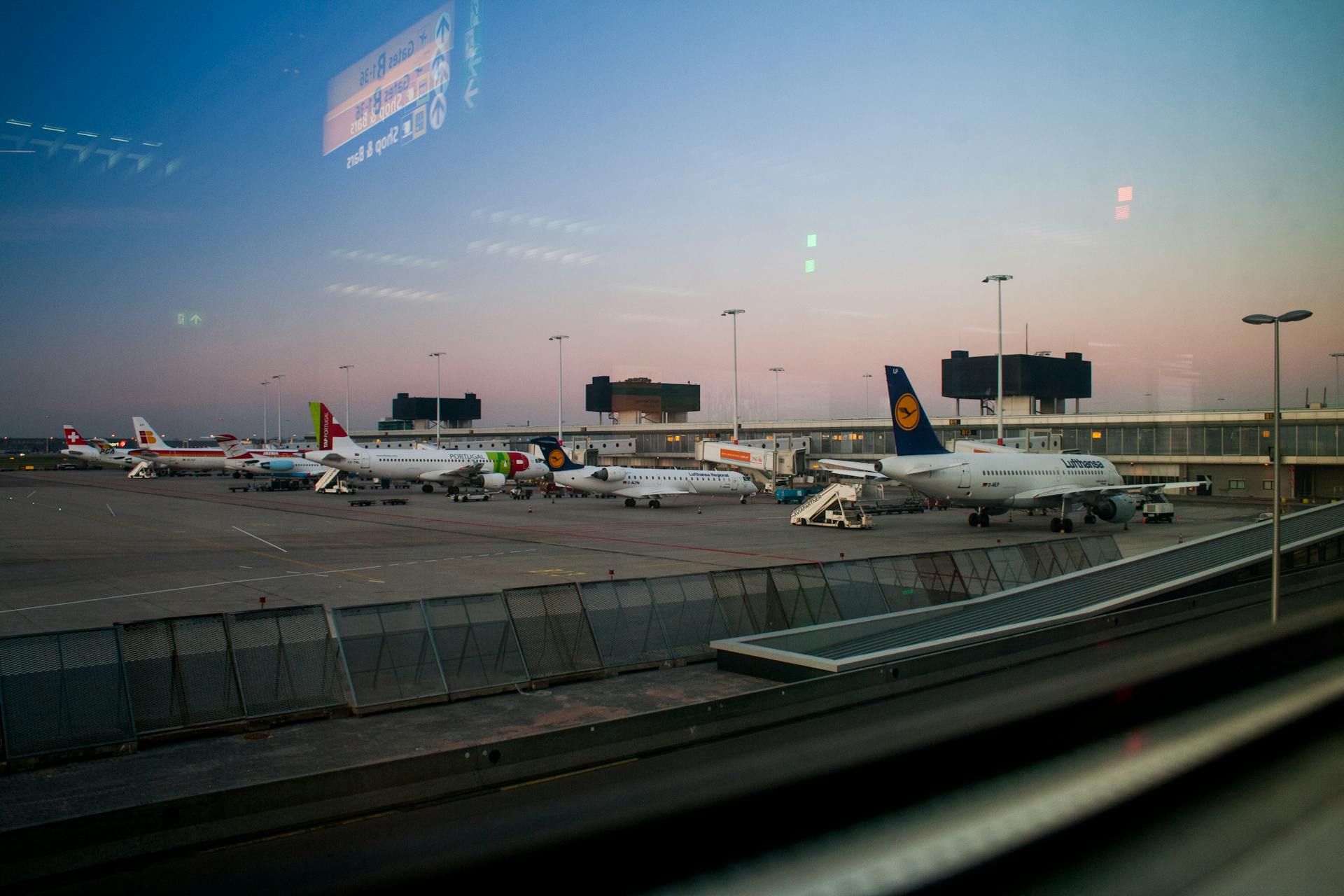
    In a significant escalation of international aviation tensions, the Venezuelan government has formally revoked flight concessions for six major international carriers. The National Institute of Civil Aeronautics (INAC) announced via social media that Iberia, TAP Portugal, avianca, LATAM Colombia, Turkish Airlines, and GOL Airlines have lost their operational rights in Venezuelan airspace. The decision, published in Official Gazette No. 43264, notably excluded local carrier Caribbean Airlines from the sanctions.

    The aviation authority justified its action by alleging these airlines ‘joined the actions of state terrorism promoted by the United States government’ when they previously suspended services to Venezuela. This dramatic move follows last week’s ultimatum from Caracas demanding airlines resume operations or face permanent exclusion from the Venezuelan market.

    The revocation leaves Panama-based COPA Airlines among the very few international carriers maintaining connectivity to Venezuela. The International Air Transport Association (IATA) has expressed grave concerns, warning this decision will further isolate a nation already suffering from severely limited air connections within the region.

    This development comes shortly after the U.S. Federal Aviation Administration (FAA) issued a safety advisory cautioning pilots about operating within Venezuelan airspace. The Notice to Airmen (NOTAM) specifically referenced deteriorating security conditions and increased military activity around Venezuela, prompting numerous airlines to preemptively cancel services citing passenger safety concerns.

  • The next direct flight from Russia to Venezuela is still scheduled

    The next direct flight from Russia to Venezuela is still scheduled

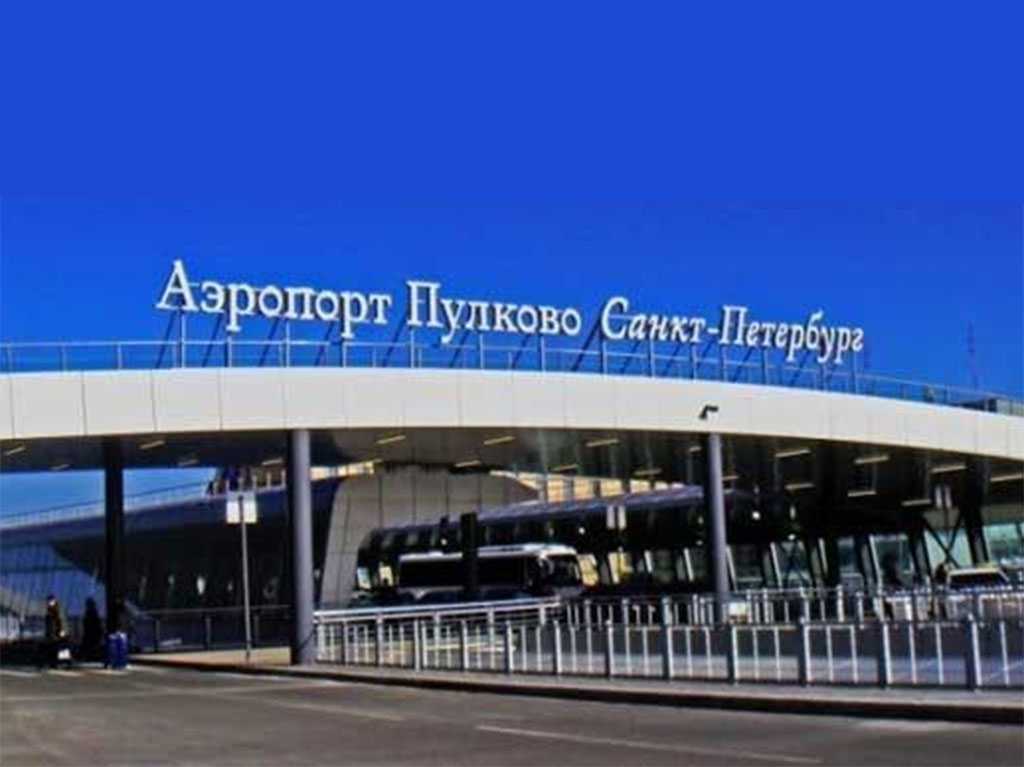
    A scheduled commercial flight from St. Petersburg’s Pulkovo Airport to Caracas operated by Venezuelan carrier Conviasa remains listed without cancellation notices, despite escalating military tensions in the region. This development occurs alongside significant US military movements near Venezuelan territory.

    On Saturday, US President Donald Trump formally announced the closure of airspace over Venezuela, citing counter-narcotics operations as justification. Simultaneously, the US Navy has deployed a substantial strike group to the Caribbean Sea, including the advanced aircraft carrier USS Gerald R. Ford, nuclear submarine capabilities, and approximately 16,000 military personnel.

    Recent months have seen intensified military actions in the region, with US Armed Forces reporting the sinking of at least 20 speedboats in Caribbean and Pacific waters since September, resulting in over 80 casualties. Multiple US media outlets have circulated reports suggesting potential imminent attacks against Venezuelan territory.

    The situation escalated significantly on November 27 when President Trump declared Washington’s intention to initiate armed operations within Venezuelan territory, maintaining the official pretext of combating drug trafficking. Many international observers interpret these actions as a transparent justification for attempting to overthrow the current Bolivarian government led by Nicolás Maduro.

  • The 2025 hurricane season ends

    The 2025 hurricane season ends

    The 2025 Atlantic hurricane season, which commenced on June 1st, has concluded with unprecedented meteorological records and catastrophic impacts across the Caribbean region. This exceptionally active season produced thirteen named tropical storms, five of which intensified into hurricanes, with four reaching major hurricane status (Category 3 or higher).

    Notably, three of these powerful systems achieved Category 5 classification on the Saffir-Simpson scale—the most intense hurricane category—marking only the second occurrence of such ferocity since the landmark 2005 season which saw four Category 5 hurricanes.

    The season’s most devastating storm, Hurricane Melissa, has been recorded as the third most powerful Atlantic hurricane in historical records, surpassed only by 1988’s Gilbert and 2005’s Wilma. Meteorologists documented Melissa’s extraordinary wind gusts reaching 405 km/h (252 mph) during its passage through the Caribbean—the strongest wind speed ever recorded in the Atlantic basin and the second highest globally.

    The tropical trio of Erin, Humberto, and Melissa all achieved Category 5 status, with Melissa leaving particularly widespread destruction across Jamaica, Cuba, Haiti, and the Dominican Republic. The season commenced with Tropical Storm Andrea forming on June 23rd, with meteorological services additionally tracking thirteen tropical depressions throughout the six-month season.

  • Israeli army suffers severe personnel crisis, claims newspaper

    Israeli army suffers severe personnel crisis, claims newspaper

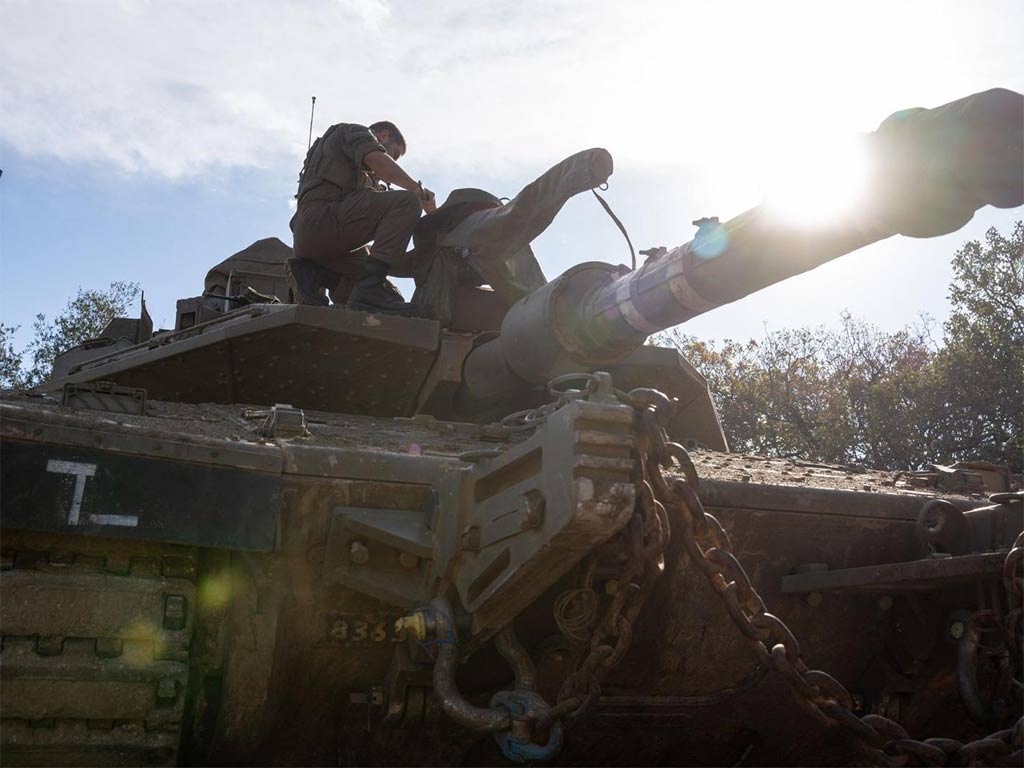
    Israel’s defense establishment is confronting its most severe personnel crisis in history, with alarming rates of military personnel seeking discharge and young citizens refusing to enlist for permanent service, according to multiple Israeli media investigations.

    The crisis has reached catastrophic proportions, with Maariv newspaper reporting that the situation has deteriorated to the point where ‘there is no one in charge of weapons or the army’s reconstruction.’ The publication emphasized that the Israel Defense Forces (IDF) is experiencing its most serious personnel shortage since the nation’s founding.

    Military analysts report a drastic decline in personnel quality alongside severe shortages of both officers and enlisted soldiers. The crisis extends to the highest ranks, with numerous senior commanders demonstrating reluctance to remain on active duty. This institutional breakdown has raised concerns about the IDF’s operational capabilities, with warnings that continued deterioration will soon impair the military’s capacity to function at full strength.

    The personnel crisis has been attributed to controversial decisions by high-ranking officials, including drastic personnel reductions and cuts to military service requirements. Additionally, Israeli media outlets have connected the military’s struggles to the prolonged conflict in Gaza, which has resulted in unprecedented desertion rates and significant damage to military infrastructure.

    Maariv further criticized the military leadership for demonstrating ‘strategic blindness and a complete disconnect from the reserve force.’ This assessment echoes earlier reports from Haaretz in September, which documented exhausted forces with declining morale and officers struggling to maintain discipline within their units.

  • Kazakhstan warns of damage to its relations with Ukraine

    Kazakhstan warns of damage to its relations with Ukraine

    Kazakhstan has issued a formal diplomatic protest against Ukraine following a naval drone strike on a critical oil export terminal, condemning the action as a direct assault on bilateral relations and global energy stability.

    The incident occurred Saturday when Ukrainian unmanned naval vessels targeted the Caspian Pipeline Consortium (CPC) terminal on Russia’s Black Sea coast. The attack forced the diversion of oil tankers awaiting shipments of Kazakh crude to alternative locations, disrupting a vital energy supply route.

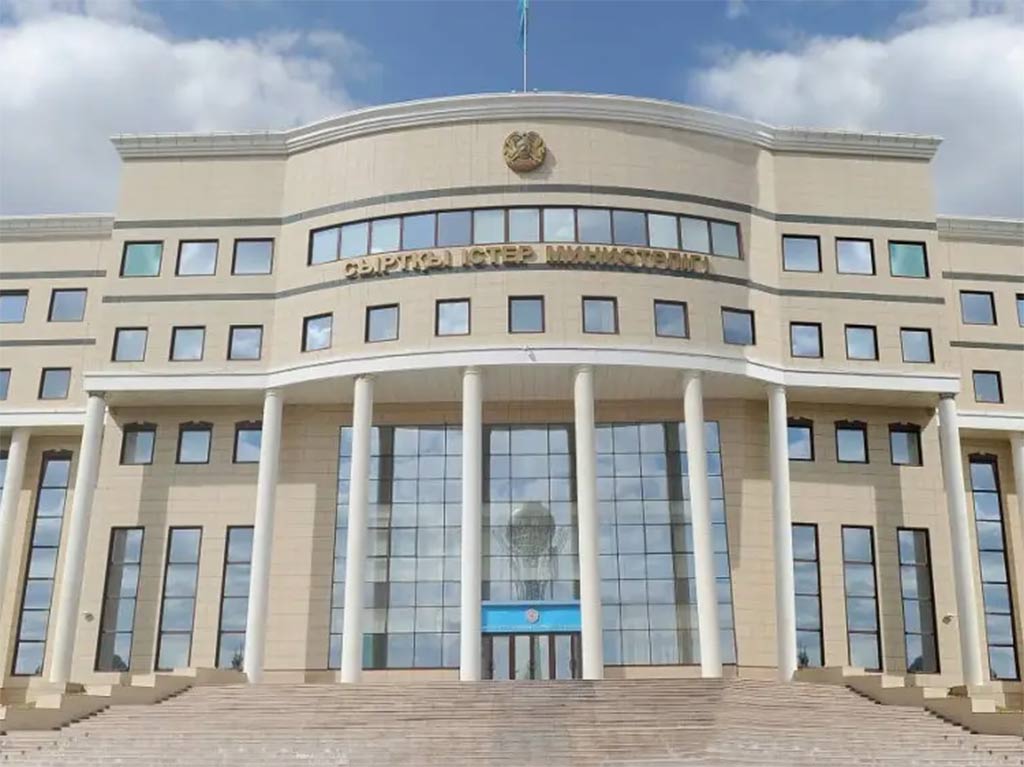
    In an official statement published Sunday, Kazakhstan’s Foreign Ministry characterized the assault as “an act that harms bilateral relations between Kazakhstan and Ukraine” and expressed strong opposition to what it described as the third aggression against civilian infrastructure.

    Emphasizing Kazakhstan’s role as a responsible global energy supplier, the ministry highlighted the CPC’s crucial function in maintaining market stability and supply continuity. The multinational pipeline represents the largest export corridor for Kazakh oil, with annual capacity reaching 83 million tons of crude.

    The CPC infrastructure comprises a 1,500-kilometer pipeline connecting Kazakhstan’s massive Tengiz oil field to Russia’s Novorossiysk terminal on the Black Sea. The consortium features international partnership between Russian Transneft (24%), Kazakh state-owned KazMunayGas (19%), American energy giants Chevron (15%) and Mobil (7.5%), Russian Lukoil (12.5%), Russian-Dutch venture Rosneft-Shell (7.5%), and Italian Eni (2%), among other stakeholders.

    The attack underscores the expanding geographical reach of the Ukraine-Russia conflict and its increasing impact on global energy infrastructure beyond immediate battle zones.