分类: world

  • TTEC workers to return after helping Jamaica restore power

    TTEC workers to return after helping Jamaica restore power

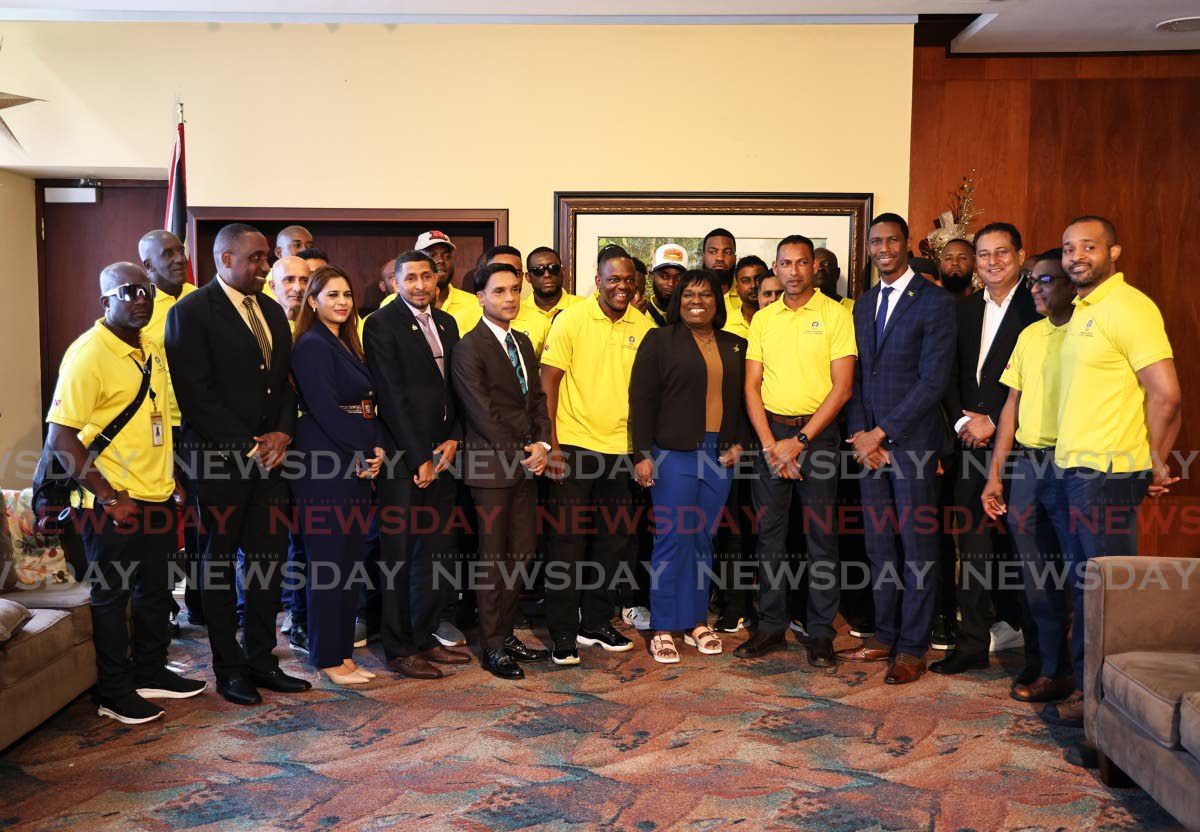
    PORT OF SPAIN – Following an extensive month-long deployment, members of Trinidad and Tobago Electricity Commission’s (TTEC) emergency response team are preparing to return home after significantly advancing power restoration efforts in hurricane-ravaged Jamaica. Utilities Minister Barry Padarath confirmed the anticipated December 10 return date pending final arrangements.

    The specialized contingent, which departed from Piarco International Airport on November 10, has been instrumental in recovering Jamaica’s electrical infrastructure devastated by Category 5 Hurricane Melissa. Their technical expertise and tireless efforts have yielded remarkable progress, with electricity restoration rates jumping from approximately 45% to 75% across the island nation.

    Minister Padarath revealed that prior to the team’s intervention, a staggering 55% of Jamaica remained without power following the October 28 catastrophe that claimed over 30 lives and prompted Prime Minister Andrew Holness to declare a national disaster zone. The TTEC team’s dedicated work has effectively reduced the outage percentage by approximately 35 points, bringing substantial relief to affected communities.

    The Jamaican government has expressed profound appreciation for the regional solidarity demonstrated through this crisis response. High-level communications between Prime Ministers Holness and Kamla Persad-Bissessar have underscored the continued commitment to bilateral support. Padarath emphasized that dialogue remains ongoing regarding additional assistance requirements before the team’s scheduled departure.

    The returning linemen and technical personnel will enjoy well-deserved reunions with their families ahead of the holiday season. Minister Padarath extended the nation’s gratitude, acknowledging that ‘no amount of compensation can truly reflect their work under such difficult circumstances.’ The successful mission stands as a testament to Caribbean cooperation in times of crisis, reinforcing the region’s collective resilience against natural disasters.

  • Help from the East

    Help from the East

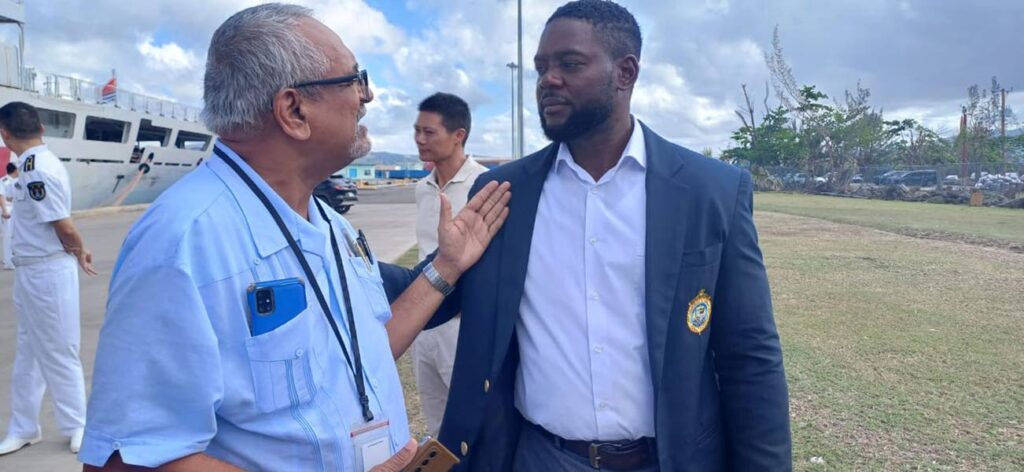
    MONTEGO BAY, Jamaica – The Chinese naval hospital ship Ark Silk Road has arrived in this Caribbean port city, initiating a crucial three-day medical mission to assist communities devastated by Hurricane Melissa. The vessel’s deployment represents a significant bilateral cooperation effort, combining advanced medical capabilities with humanitarian relief.

    Medical authorities confirmed the ship’s arrival will directly address a critical backlog of elective surgeries postponed due to the hurricane’s impact on healthcare infrastructure. Dr. Delroy Fray, Western Regional Health Authority Clinical Coordinator, described the floating medical facility as “a first-class, modern hospital” equipped with comprehensive medical resources.

    The collaborative medical operation will feature joint Sino-Jamaican medical teams working across eight operating theaters. Daily capacity includes five cataract surgeries, four hernia repairs, approximately 100 CT scans, 40 ultrasounds, and numerous laboratory investigations. Jamaican surgical and ophthalmology specialists will remain stationed aboard throughout the mission to ensure continuity of patient care and seamless follow-up treatment through local outpatient departments.

    Chinese Ambassador Wang Jinfeng emphasized the historical significance of this mission, noting that the Chinese Navy’s Peace Ark previously served Jamaican patients in 2011. “This visit reflects the deep and long-standing ties between our nations,” Ambassador Wang stated during welcoming ceremonies, characterizing the ship’s return as “a significant milestone in China-Jamaica relations.”

    The medical assistance complements substantial Chinese humanitarian support following the Category 5 hurricane, including $2 million in grant assistance and $2.1 million in relief supplies encompassing emergency food, lighting equipment, shelter materials, and reconstruction machinery.

    Montego Bay Mayor Richard Vernon acknowledged the strategic timing of the intervention, noting that the regional healthcare system faces dual pressures from storm-related injuries and pre-existing medical conditions. Local Chinese community representative Yangsen Li highlighted the unique integrative medical approach, combining Western and Eastern medical expertise to provide comprehensive patient evaluations.

    The Ark Silk Road will subsequently travel to other hurricane-affected communities following its Montego Bay deployment.

  • Bill Clinton visits Jamaica

    Bill Clinton visits Jamaica

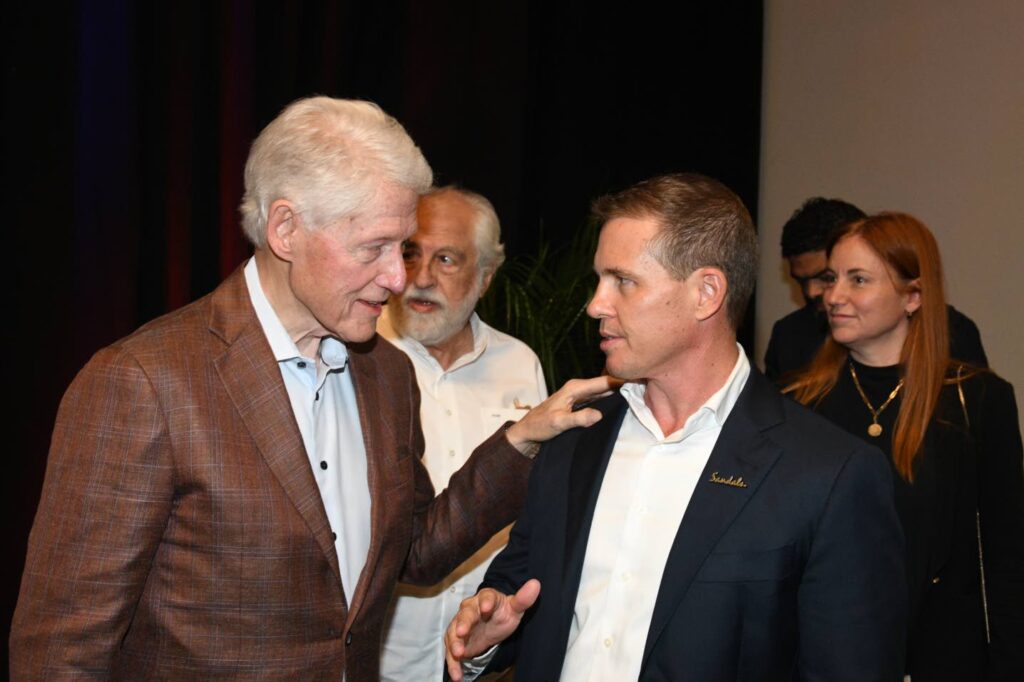
    Former U.S. President Bill Clinton concluded a high-profile visit to Jamaica on Thursday, where he assessed the aftermath of Hurricane Melissa and engaged in strategic discussions with the nation’s public and private sector leadership. The 42nd President was personally escorted by Jamaica’s Energy Minister, Daryl Vaz, to survey regions severely impacted by the recent hurricane. This tour was strategically organized to galvanize international assistance and financial support for the island’s recovery and rebuilding efforts.

    The day’s agenda culminated in an exclusive dinner hosted by Sandals Resorts International Executive Chairman Adam Stewart at the AC Kingston Hotel. The event served as a convening point for a distinguished gathering of top government officials and influential private sector leaders. Among the notable attendees was Rolando Gonzalez Bunster, a prominent board member of the Clinton Foundation who also serves on the Energy Committee of the Clinton Global Initiative. The closed-door discussions are believed to have centered on forging public-private partnerships to address Jamaica’s urgent infrastructural and energy needs post-disaster, leveraging the networks and initiatives of the Clinton Foundation to facilitate long-term support.

  • IDB approves US$80-m in funding to prevent flooding in key areas of the Bahamas

    IDB approves US$80-m in funding to prevent flooding in key areas of the Bahamas

    The Inter-American Development Bank (IDB) has sanctioned a substantial financial package of US$80 million to The Bahamas, specifically targeting the enhancement of transport infrastructure resilience on the island of New Providence. This strategic initiative is designed to combat the severe socioeconomic disruptions caused by persistent and recurrent flooding events that have long plagued the region.

    The funding will be channeled into a comprehensive Global Multiple Works (GOM) programme. The core objectives of this programme are twofold: to significantly upgrade the island’s drainage systems and to optimize the overall efficiency and effectiveness of road maintenance operations. By focusing on key transport corridors, the project aims to fortify them against extreme weather, ensuring continuity of mobility and access.

    This operation is a direct component of two broader, strategic regional frameworks championed by the IDB Group. It aligns with the ‘One Caribbean’ approach, which is dedicated to fostering sustainable development across Caribbean nations and Small Island Developing States. Furthermore, it falls under the umbrella of ‘Ready and Resilient Americas,’ a regional impact programme engineered to bolster disaster resilience throughout Latin America and the Caribbean (LAC).

    The direct beneficiaries of this infrastructural overhaul include the entire population of New Providence, numbering over 296,000 residents, who will experience improved mobility, particularly during adverse weather conditions. The millions of tourists who visit the island annually will also reap the benefits of more reliable transportation networks. Indirectly, all 398,000 inhabitants of The Bahamas are expected to gain from a strengthened economy driven by enhanced productivity and more optimized public expenditure on road upkeep.

    The IDB highlighted the critical need for this intervention, noting that flooding in New Providence routinely leads to major socioeconomic paralysis. Inundated roadways, overwhelmed drainage systems, and accumulated stormwater frequently render roads impassable. This not only severely constrains mobility but also disrupts access to essential services, halts economic activity, and accelerates the deterioration of road assets.

    Through this programme, sustainable and resilient flood-mitigation and stormwater-management infrastructure will be designed and implemented across selected transport corridors. This encompasses primary urban road networks, main thoroughfares, and residential community roads. Beyond physical infrastructure, the project will also support the Bahamian Ministry of Works and Family Island Affairs in updating its asset-management system, revising quality standards for road construction and maintenance, and promoting universal accessibility standards for streets.

    The financial terms of the loan include a generous repayment period of 25 years, a grace period of 5.5 years, and an interest rate pegged to the Secured Overnight Financing Rate (SOFR).

  • Health ministry grateful for support from bilateral partners and NGOs

    Health ministry grateful for support from bilateral partners and NGOs

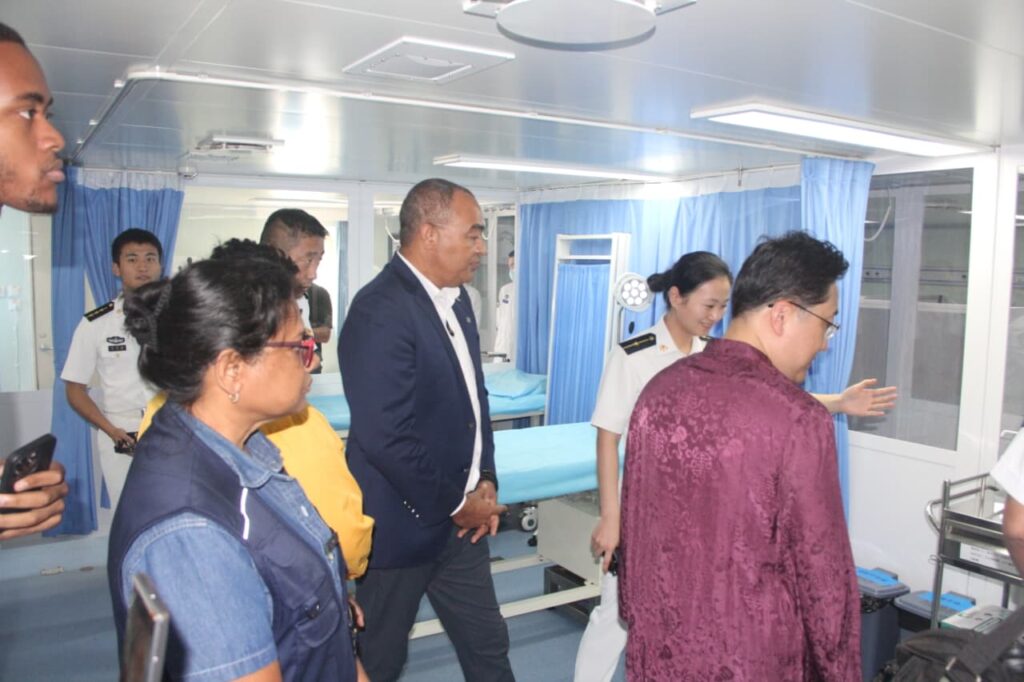
    In a significant display of international cooperation, the Chinese government has deployed its state-of-the-art hospital vessel, the Ark Silk Road, to assist Jamaica’s healthcare system recovery following the devastation of Hurricane Melissa. The massive ship, which represents the most advanced medical vessel in China’s fleet, arrived in Freeport this week to provide critical medical services while Jamaican facilities rebuild from storm damage that affected five major hospitals and numerous health centers.

    Jamaican Health Minister Dr. Christopher Tufton, after touring the floating medical facility, emphasized the strategic importance of this bilateral partnership. ‘The Chinese vessel and team are helping us fill a critical gap by treating patients on waiting lists, particularly those requiring elective surgeries that our damaged system cannot currently handle,’ Tufton explained to journalists. He highlighted that this assistance comes at a crucial time when many Jamaican healthcare workers themselves were victims of the hurricane.

    The Ark Silk Road represents a comprehensive medical facility equipped with 300 patient beds, multiple operating theaters, and full diagnostic capabilities. According to officials, the vessel has the capacity to treat approximately 600 patients daily during its three-port tour of Jamaica, with stops planned in Montego Bay, Kingston, and Falmouth.

    Chief Medical Officer Dr. Jacqueline Bisasor-McKenzie noted that the international assistance would accelerate the healthcare system’s return to normalcy by preventing the anticipated surge in demand for services that typically follows such disasters. ‘The international aid we’ve received will prevent that overwhelming bump in demand for services later on,’ she stated.

    Beyond immediate medical relief, both Jamaican and Chinese officials highlighted the long-term diplomatic and educational benefits of this collaboration. Chinese Ambassador to Jamaica Wang Jinfeng emphasized the strengthening of bilateral relations, while Minister Tufton pointed to the knowledge exchange opportunities between medical professionals of both nations.

    The vessel, which was originally scheduled for a regional tour, adjusted its itinerary specifically to assist Jamaica’s recovery efforts, demonstrating the flexibility and responsiveness of international disaster relief partnerships in times of crisis.

  • MOU to advance sargassum valorisation in Grenada

    MOU to advance sargassum valorisation in Grenada

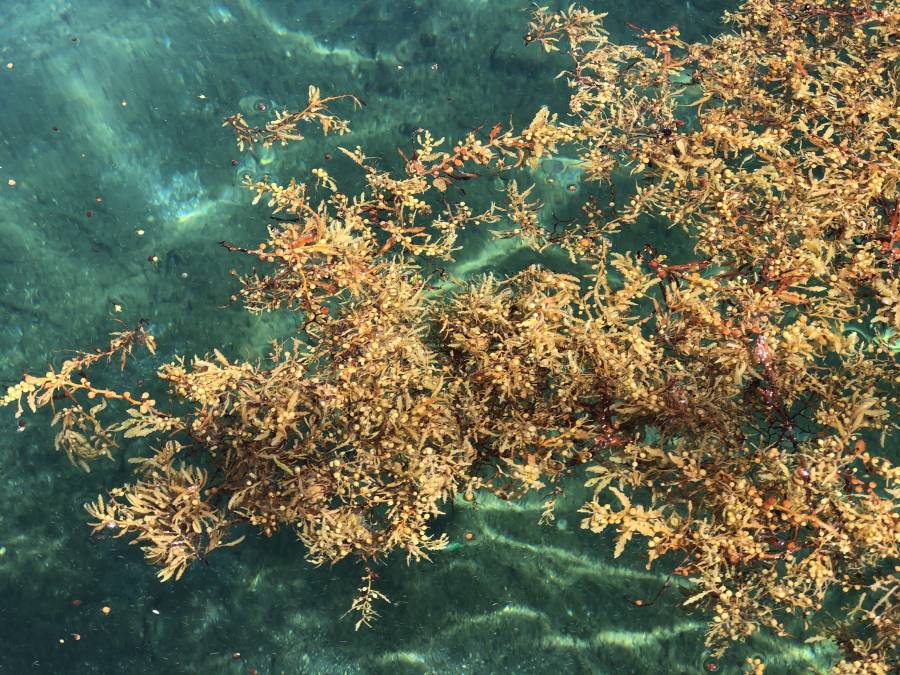
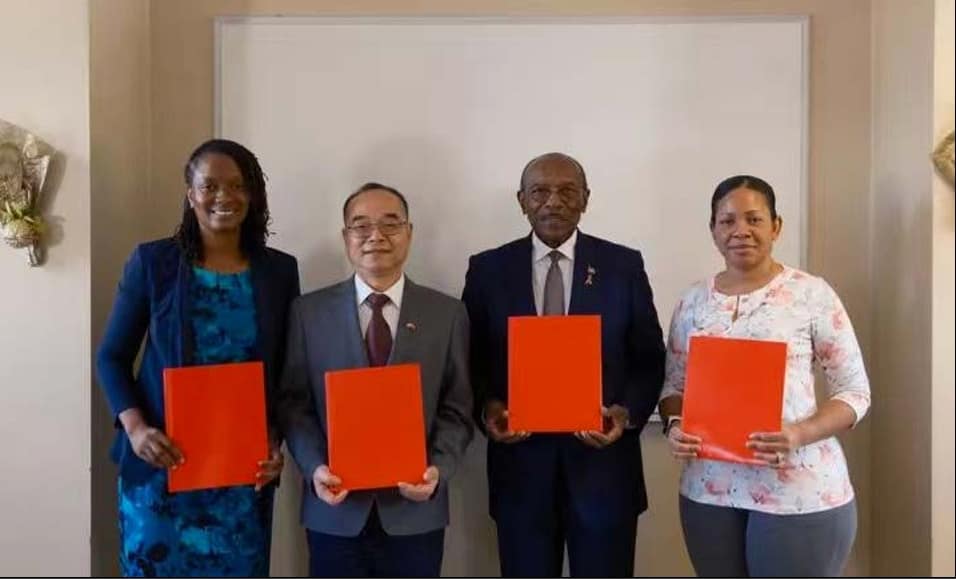
    In a significant move toward sustainable ocean resource management, Grenada has established a formal tripartite partnership between its Ministry of the Blue Economy and Marine Affairs, Ministry of Climate Resilience, the Environment, and Renewable Energy, and the International Trade Centre (ITC). The collaboration was cemented through a Memorandum of Understanding specifically designed to advance sargassum valorization initiatives throughout the Caribbean nation.

    This groundbreaking agreement represents Grenada’s strategic approach to converting environmental challenges presented by massive sargassum influxes into sustainable economic opportunities that simultaneously benefit local communities and enhance national economic resilience. The MoU establishes a comprehensive framework for cooperation across multiple critical domains including supply chain enhancement, market development, and investment mobilization—all strategically aligned toward creating a commercially viable and environmentally responsible sargassum value chain.

    The formal signing ceremony occurred during an intensive participatory workshop organized by the Grenada National Sargassum Task Force (GNSTF), the EU Delegation to Barbados, the Eastern Caribbean States, the Organisation of Eastern Caribbean States (OECS), and the ITC. This gathering brought together diverse stakeholders from government institutions, private sector enterprises, and academic organizations to collaboratively plan and activate initiatives that unlock sustainable economic potential through sargassum utilization.

    This initiative receives substantial support through the EU-funded Food Security Programme in the Caribbean, which is being implemented by the ITC. The program specifically aims to strengthen socioeconomic resilience within coastal communities, support fisherfolk populations, and empower Micro, Small, and Medium Enterprises (MSMEs) by cultivating sustainable economic opportunities within the Blue Economy sector.

    Grenada maintains its position as a key partner under the EU Grenada National Task Force for Sargassum, established through the EU Global Gateway initiative. This Task Force has taken a leadership role in developing comprehensive strategies for creating sustainable and commercially viable sargassum value chains that deliver broad societal benefits.

    During her opening address, Permanent Secretary Peron Johnson of the Ministry of Climate Resilience, the Environment, and Renewable Energy reaffirmed the Government of Grenada’s steadfast commitment to collaborative innovation: “This moment represents a critical turning point in our national efforts to transform sargassum from a coastal management challenge into a genuine economic opportunity. Our methodology must be scientifically grounded, partnership-driven, and sustainability-anchored. We have convened not merely to discuss theoretical solutions, but to co-create practical implementations. Through synergistic collaboration between government, industry, communities, and international partners, we can construct a sargassum value chain that enhances ecological resilience, generates sustainable livelihoods, and protects vital marine ecosystems.”

    Secretary Johnson further emphasized the crucial importance of inclusive planning processes and the pivotal role of MSMEs and coastal communities in driving substantive, meaningful change.

    At the closing ceremony, Permanent Secretary Javan Williams of the Ministry of the Blue Economy and Marine Affairs highlighted the necessity of maintaining the collaborative momentum generated throughout the workshop: “This week has powerfully demonstrated the transformative potential that emerges when diverse knowledge, extensive experience, and cutting-edge innovation converge. The insights exchanged and partnerships strengthened here establish a solid foundation for a future where sargassum ceases to be an environmental burden and instead becomes a catalyst for novel industries and enhanced livelihoods. This MoU signing symbolizes our collective determination to advance a sustainable and resilient Blue Economy for Grenada. We must sustain this momentum and continue collaborative efforts to ensure complete realization of every opportunity within the sargassum value chain.”

    In partnership with the EU Global Gateway initiative, the ITC maintains its commitment to supporting Caribbean nations in developing inclusive, resilient, and sustainable blue economies where environmental stewardship aligns seamlessly with economic growth and community empowerment.

    The Government of Grenada, through its ministerial departments and national task force mechanisms, will continue working closely with the ITC and regional partners to ensure a coordinated, strategic, and impactful approach to sargassum valorization throughout the Eastern Caribbean region.
  • Hangzhou University Delegation Strengthens Medical Ties with Antigua and Barbuda

    Hangzhou University Delegation Strengthens Medical Ties with Antigua and Barbuda

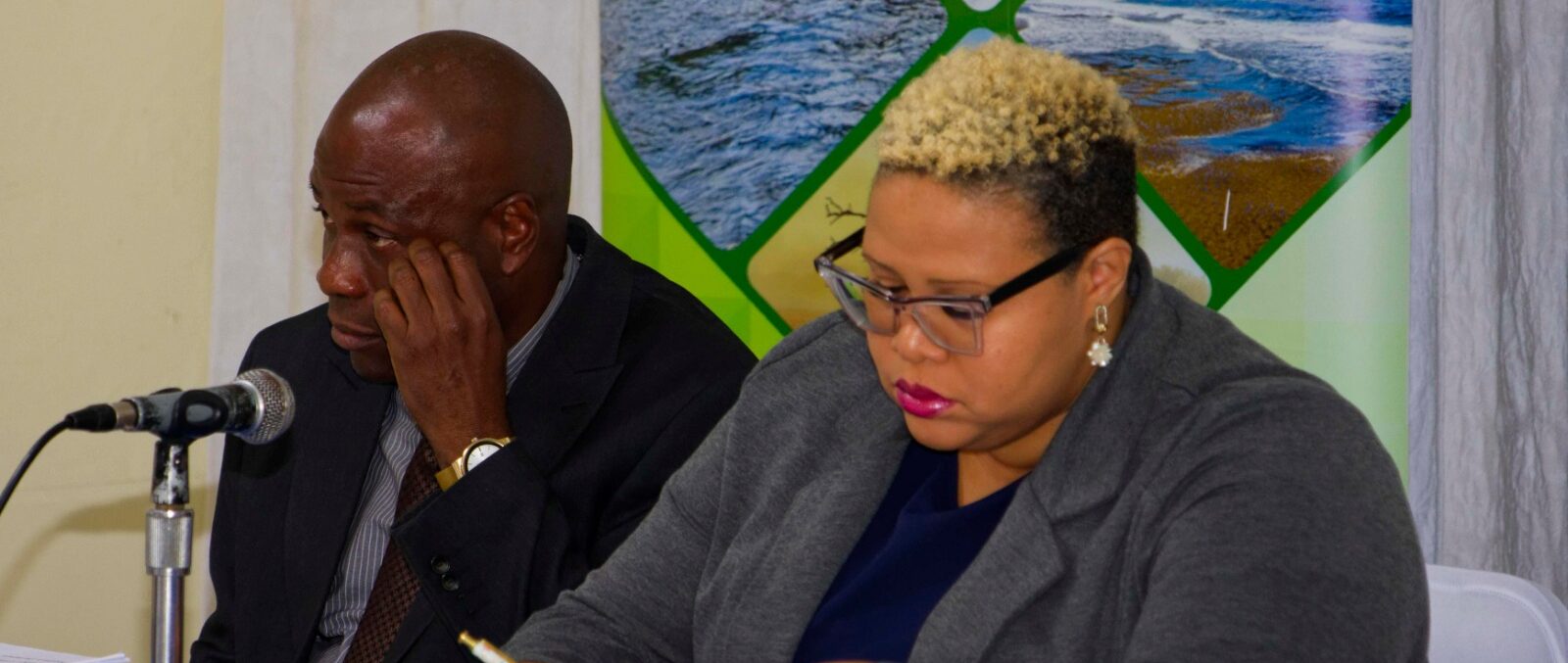
    A high-level academic delegation from Hangzhou University has concluded a significant diplomatic mission to Antigua and Barbuda, marking a substantial advancement in Sino-Caribbean medical cooperation. The visit, characterized by extensive bilateral discussions, has yielded concrete commitments toward enhancing healthcare infrastructure and medical education in the Eastern Caribbean nation.

    During the multi-day engagement, university representatives and Antiguan health officials formulated comprehensive strategies addressing critical healthcare challenges. The collaborative framework encompasses several pioneering initiatives, including the establishment of specialized telemedicine consultation services connecting Chinese medical specialists with Antiguan practitioners. Additionally, both parties finalized plans for specialized physician training programs and clinical knowledge-sharing platforms.

    Beyond immediate healthcare improvements, the partnership incorporates significant academic components. Hangzhou University will facilitate scholarship opportunities for Antiguan medical students pursuing advanced studies in China, while simultaneously organizing periodic medical expert exchanges and professional development workshops for Caribbean healthcare personnel.

    This bilateral cooperation represents a strategic expansion of China’s global health diplomacy efforts within Caribbean Community (CARICOM) member states. The initiatives are specifically designed to build sustainable medical capacity through technology transfer and educational infrastructure development rather than temporary assistance.

    The strengthened partnership aligns with broader international development objectives while addressing specific regional health disparities. Through this sustained academic-medical collaboration, both institutions aim to create enduring improvements in Antigua and Barbuda’s healthcare delivery systems and medical education standards, potentially establishing a replicable model for South-South cooperation in global health.

  • FLASH : Joly Germine (Yonyon) sentenced to life without possibility of release

    FLASH : Joly Germine (Yonyon) sentenced to life without possibility of release

    In a landmark ruling with significant implications for international justice, former Haitian gang leader Joly Germine has been sentenced to life imprisonment without parole by the United States federal court. The sentencing on December 3rd, 2025, marks the culmination of a three-year legal process that began with Germine’s extradition from Haiti in May 2022.

    Germine, known by his alias “Yonyon,” led the notorious “400 Mawozo” criminal organization that orchestrated the abduction of 17 American citizens in Haiti on October 16, 2021. The victims, affiliated with Christian Aid Ministries, included twelve adults and five children ranging from an 8-month-old infant to teenagers. Court documents revealed that most hostages endured 62 days of captivity under armed guard in isolated conditions.

    The federal jury in the District of Columbia reached a guilty verdict on May 16, 2025, following an intensive 10-day trial. Germine faced convictions on seventeen separate counts, including one charge of conspiracy to commit hostage-taking and sixteen counts of actual hostage-taking of American citizens for ransom purposes.

    Evidence presented during trial proceedings demonstrated that Germine masterminded the entire operation, from the initial kidnapping to determining holding locations and establishing a $17 million ransom demand. Prosecutors established that the exorbitant ransom amount was strategically calculated to pressure the Haitian government into negotiating Germine’s own release from prison in exchange for the missionaries.

    The hostage situation unfolded dramatically over two months, with two captives released on November 20, 2021, due to one suffering serious illness. Three additional hostages gained freedom on December 5 after payment of a $350,000 ransom. In a dramatic turn of events, the remaining twelve hostages managed to escape on December 16, 2021, taking advantage of their captors’ momentary inattention during nighttime hours.

    This case represents a significant victory for international judicial cooperation and demonstrates the United States’ commitment to prosecuting crimes against its citizens abroad, regardless of where they occur.

  • Koningspaar ontdekt Surinaamse rivierverhalen tijdens ontspannen boottocht

    Koningspaar ontdekt Surinaamse rivierverhalen tijdens ontspannen boottocht

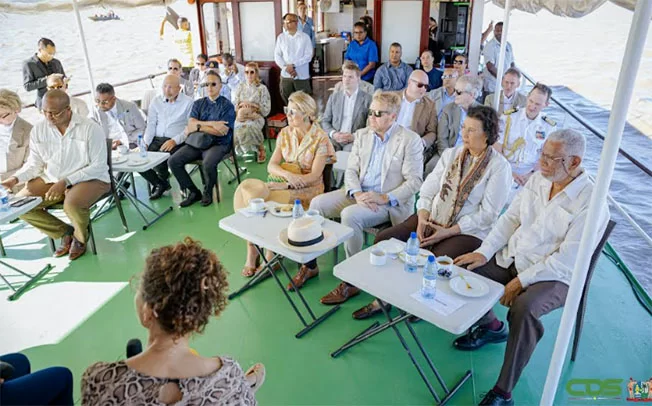
    In an unconventional departure from typical diplomatic formalities, King Willem-Alexander and Queen Máxima of the Netherlands engaged in an immersive environmental and cultural journey along Suriname’s waterways during their state visit on Wednesday, December 3rd. Hosted by President Jennifer Simons and her spouse Glenn Geerlings aboard the charming salon boat Mi Gudu, the royal delegation navigated the Suriname and Commewijne rivers, transforming what began as a ceremonial occasion into an educational exploration of natural heritage and ecological challenges.

    The expedition commenced with historical context provided by author and documentary filmmaker Tessa Leuwsha, who illustrated how diverse communities have coexisted with these waterways for generations. Her narratives effectively converted the vessel’s deck into a floating open-air museum within minutes. Simultaneously, environmental specialists briefed the distinguished guests on aquatic ecosystems, water quality assessments, and future conservation challenges facing the riverine environments.

    A particularly compelling presentation came from Usha Satnarain of Anton de Kom University, who elucidated the critical protective function of mangrove forests. These intricate root systems serve as natural coastal guardians, wave breakers, and nurseries for numerous fish and crustacean species. Satnarain emphasized that without robust mangrove preservation, both biodiversity and dependent human communities would face severe deterioration, noting that legislation without rigorous enforcement would yield limited results.

    Monique Pool of the Green Heritage Fund subsequently highlighted the region’s remarkable aquatic biodiversity, spotlighting the rare Guyana dolphin that appears only when salinity levels reach optimal conditions. Several dolphins serendipitously surfaced during the presentation, while Pool also noted the presence of more reclusive manatees. She characterized dolphins as environmental indicators, stating their sensitivity to water quality changes makes them early warning systems for ecological distress.

    The journey concluded with natural advisor John Goedschalk outlining Suriname’s significant yet underutilized potential in global climate and biodiversity leadership. Despite possessing extensive forests that position the nation as a carbon sequestration powerhouse, Suriname has struggled to translate these assets into economic benefits. Goedschalk advocated for sustainable models that generate value through ecosystem services and forest products without resorting to deforestation. He expressed appreciation for President Simons’ efforts to finalize the Sustainable Nature Management Act, which is nearly ready for parliamentary consideration.

    This unique river voyage blended cultural heritage with environmental advocacy, demonstrating how Suriname’s waterways serve as living narratives connecting historical legacy with future ecological responsibility.

  • CARICOM SG emphasizes the importance of connectivity in advancing regional development at the Connected Caribbean Summit 2025

    CARICOM SG emphasizes the importance of connectivity in advancing regional development at the Connected Caribbean Summit 2025

    CARICOM Secretary-General Dr. Carla Barnett has positioned regional connectivity as the fundamental catalyst for economic and social advancement across the Caribbean community. Addressing delegates at the Connected Caribbean Summit 2025 in St. George’s, Grenada, on December 2, Dr. Barnett articulated a comprehensive vision where digital networks, aviation links, and maritime transport serve as the backbone of regional integration.

    In her keynote presentation, the Secretary-General emphasized that robust connectivity infrastructure is indispensable for the full realization of the CARICOM Single Market and Economy (CSME). This ambitious framework, originally conceived in the 1989 Grand Anse Declaration and institutionalized through the Revised Treaty of Chaguaramas, requires seamless transportation and communication systems to facilitate cross-border trade, tourism expansion, and meaningful people-to-people exchanges.

    While acknowledging measurable progress in regional airline operations, port modernization, and digital transformation initiatives, Dr. Barnett confronted persistent challenges head-on. She identified restricted flight availability, prohibitive operational costs, regulatory fragmentation, and uneven port development as critical barriers impeding regional mobility and commercial exchange.

    The digital frontier received particular emphasis, with Dr. Barnett highlighting the region’s achievements in mobile penetration rates and digital literacy programs. She endorsed the strategic implementation of next-generation technologies—including LTE, 5G networks and artificial intelligence—while stressing the imperative of inclusive access for rural and marginalized communities through mechanisms like the Regional Digital Development Strategy.

    “Our regional potential will only be unlocked through sustained innovation, unity, and sustainability,” Dr. Barnett asserted. “Strategic partnerships between public institutions and private enterprises, coupled with targeted investments, will catalyze unprecedented opportunities in tourism, trade, and socioeconomic development.”

    Concluding her address, the Secretary-General challenged summit participants to generate actionable solutions through collaborative dialogue, emphasizing that harnessing connectivity’s transformative power would ultimately forge a more resilient, prosperous, and interconnected Caribbean Community.