分类: world

  • GWP-C Regional Coordinator attends CariCOF and EWISACTs gatherings to promote improved early warning systems, strengthen climate resilience across the Caribbean.

    GWP-C Regional Coordinator attends CariCOF and EWISACTs gatherings to promote improved early warning systems, strengthen climate resilience across the Caribbean.

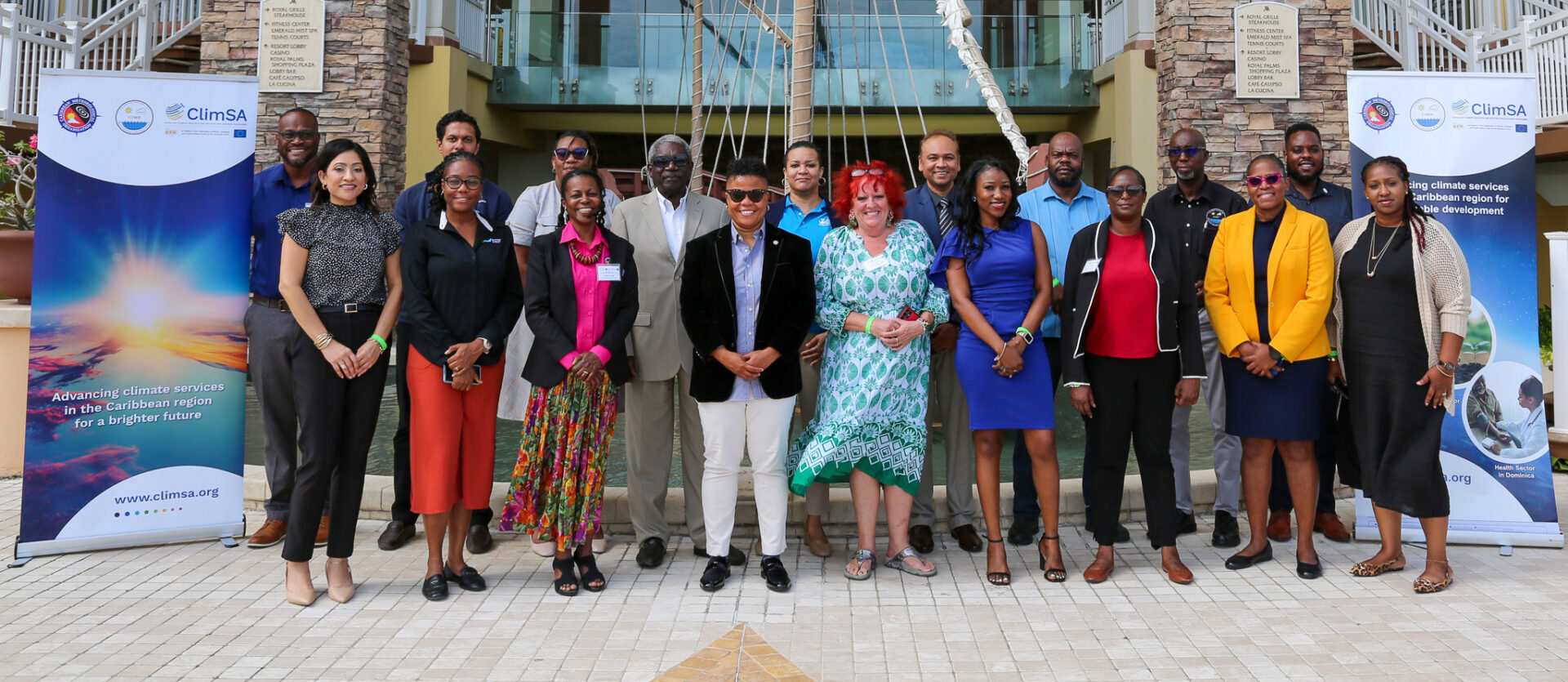
    BASSETERRE, St. Kitts and Nevis – The Caribbean region marked a significant advancement in climate resilience planning during the recent 2025-2026 Dry Season Caribbean Climate Outlook Forum (CariCOF) and the 13th Meeting of the Consortium of Regional Sectoral Early Warning Information Systems Across Climate Timescales (EWISACTs). Held from November 23-26, the gathering brought together climate experts and regional stakeholders to strengthen collaborative efforts against climate vulnerabilities.

    Dr. Roxanne Graham-Victor, Regional Coordinator for the Global Water Partnership-Caribbean (GWP-C), participated as an observer, highlighting the organization’s commitment to integrated water management within climate adaptation strategies. Although not an official EWISACTs member, GWP-C’s involvement signifies growing regional coordination between water security and climate resilience initiatives.

    The forum celebrated a decade of regional cooperation through the EWISACTs Consortium, demonstrating the Caribbean’s sustained commitment to climate-informed governance. Key agenda items included evaluating progress on the Regional Plan of Action (June-November 2025), reviewing achievements from Performance Period 2 (2023-2025), and developing strategies for Performance Period 3 (2026-2028). Participants also explored how the Intra-ACP ClimSA Programme, funded by the European Union, could enhance 2025-2026 activities across beneficiary regions including Barbados, Eastern Caribbean States, OECS, CARICOM, and CARIFORUM.

    Technical sessions revealed substantial progress in several critical areas: climate data management, quality assurance of climate information, system strengthening for climate services, stakeholder engagement, and capacity building. A particularly significant development was the enhancement of the Caribbean Climate Impacts Database (CCID), which now provides comprehensive documentation of climate events including floods, droughts, heatwaves, and storms. This evidence-based platform has become indispensable for regional risk assessments and strategic planning.

    Dr. Graham-Victor characterized the forum as both technically insightful and strategically valuable, noting that it provided exceptional opportunities for networking and identifying potential partnerships with stakeholders across climate, disaster risk management, and development sectors. Her observations underscore the Caribbean’s progressive approach to building climate resilience through multidisciplinary collaboration and knowledge sharing.

  • Two Hondurans Charged for Illegal Fishing in Sapodilla Cayes

    Two Hondurans Charged for Illegal Fishing in Sapodilla Cayes

    Belizean authorities have apprehended and charged two Honduran nationals for engaging in unlawful fishing activities within the ecologically sensitive Sapodilla Cayes Marine Reserve. The incident, which occurred on December 2, 2025, represents a significant enforcement action against illegal fishing operations in the region.

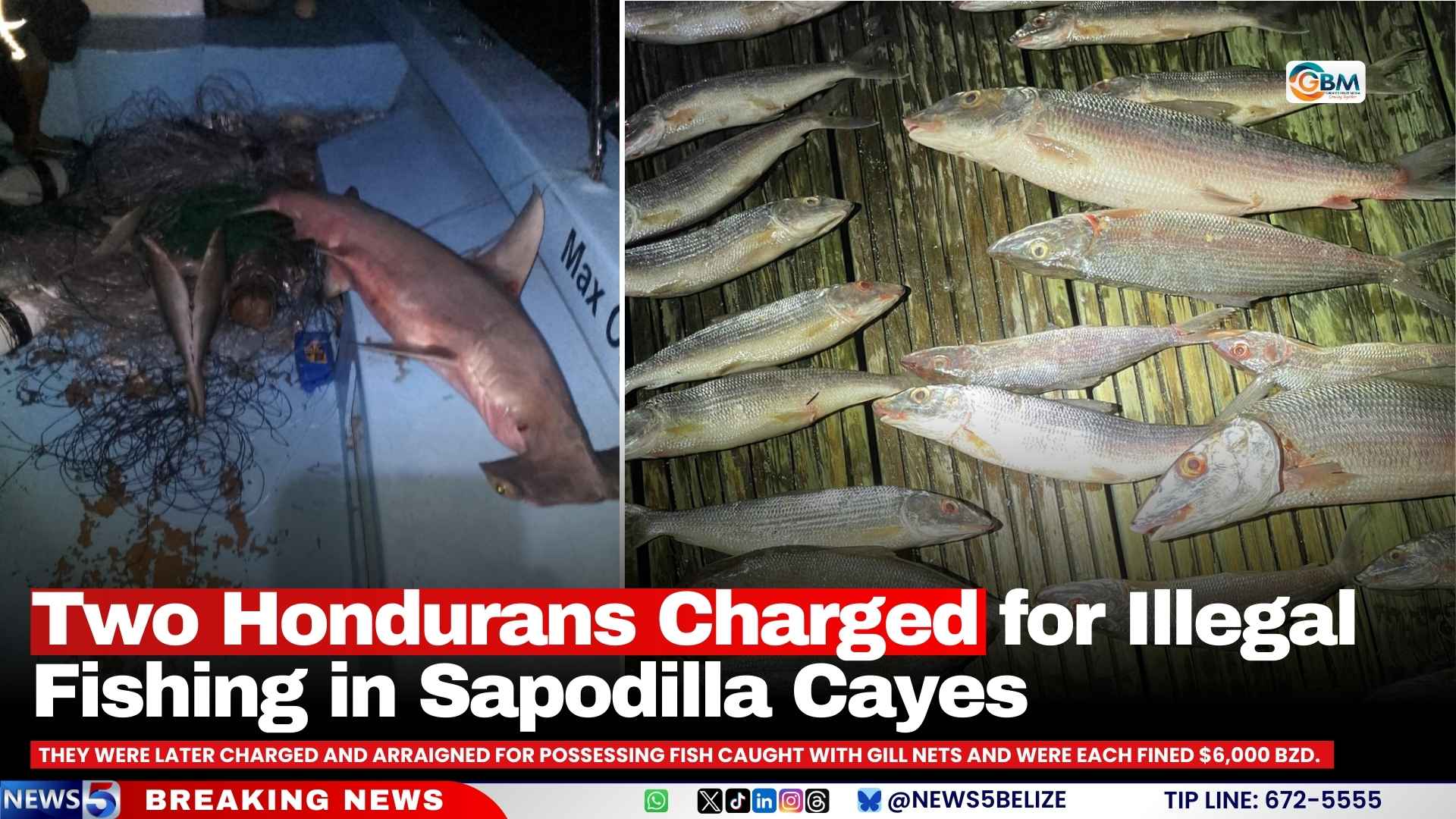
    The coordinated operation was conducted through a collaborative effort between the Toledo Institute for Development and Environment (TIDE), the Belize Coast Guard, and the Fisheries Department. According to Florencio Coc, Project Manager for TIDE, the enforcement action followed the alarming discovery of an extensive three-mile fishing line on December 1 that had already caused substantial marine casualties, including the death of a hammerhead shark and multiple reef sharks.

    “When our team retrieved the landline, these marine creatures were already deceased, eliminating any possibility of returning them to their natural habitat,” Coc stated, highlighting the irreversible environmental damage caused by such illegal practices.

    The subsequent patrol resulted in the interception of the two Honduran fishermen who were found in possession of 37 bonefish—a species specifically protected within the reserve boundaries. Both individuals were formally charged and arraigned before the judicial system, receiving fines of $6,000 BZD each for utilizing prohibited gill nets and possessing illegally caught marine life.

    Coc acknowledged the persistent challenges in monitoring the vast 300,000-acre reserve with limited enforcement resources. Local fishing communities have previously expressed concerns about inadequate patrol presence, but Coc emphasized that enforcement capabilities have significantly improved since TIDE assumed co-management responsibilities of the protected area.

    “We recognize that patrols and enforcement were limited prior to our management takeover,” Coc explained. “The current administration has implemented a renewed focus and increased patrol presence to better protect this critical marine ecosystem.”

  • Israel arrests 570 Palestinians in the West Bank in November

    Israel arrests 570 Palestinians in the West Bank in November

    New data reveals a significant escalation in Israeli detention practices within the West Bank following the outbreak of regional hostilities in October 2023. According to a recent institutional statement, Israeli forces have apprehended more than 21,000 Palestinians in this period.

    The demographic breakdown of these detentions includes 610 women and approximately 1,600 minors, figures that human rights organizations find particularly alarming. This number is in addition to thousands of previously released prisoners who have been detained again.

    A particularly contentious aspect of this crackdown involves the expanded application of administrative detention laws. This controversial legal mechanism enables authorities to incarcerate individuals for renewable three to six month periods based on secret evidence that remains undisclosed even to defense attorneys.

    The implementation of this practice has triggered widespread protests among detainees, with many initiating indefinite hunger strikes as their only available means to contest their detention and pressure Israeli officials for release.

    Palestinian representatives and international human rights organizations consistently condemn administrative detention as a fundamental violation of due process rights. They argue the practice effectively creates a legal limbo where prisoners face extended imprisonment without formal charges, legal proceedings, or convictions, thereby circumventing international legal standards.

  • Syria: Authorities discover new mass graves of war victims

    Syria: Authorities discover new mass graves of war victims

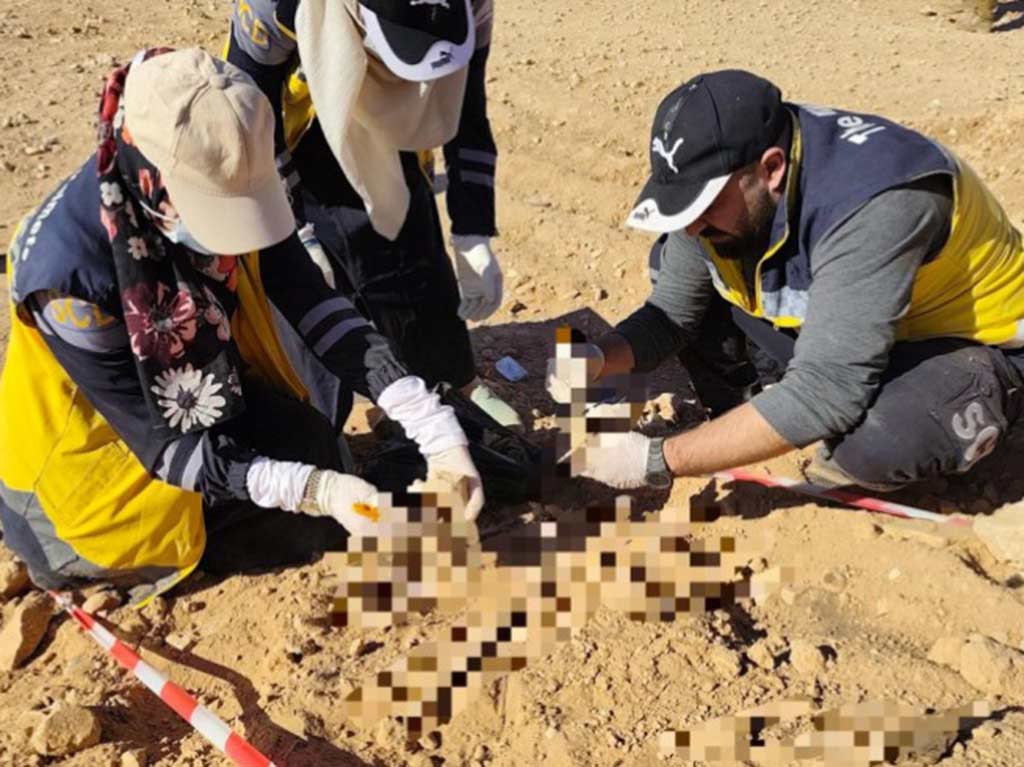
    A new mass grave has been discovered in Syria’s northern Aleppo province, with state broadcaster Syria TV reporting that the exhumation was conducted under stringent security protocols. While the human remains have not been formally identified, preliminary assessments suggest the victims likely suffered torture or summary execution. Forensic experts are now meticulously working to establish the identities of the deceased and to piece together the precise events that led to their deaths. This grim finding is not isolated; it adds to a growing list of similar discoveries in the region. In a coordinated effort last November, the Syrian Civil Defense—also known as the White Helmets—and the National Commission for Missing Persons reported uncovering human remains in a well located in the rural area of Aziza, also within Aleppo. Since government forces reasserted control over various territories, numerous mass graves have been reported by local residents. Disturbing testimonies from communities indicate that many of these sites could contain the bodies of individuals who were victims of rape and other severe atrocities perpetrated during the nation’s prolonged and devastating armed conflict.

  • Cuba congratulates Thailand on its national day

    Cuba congratulates Thailand on its national day

    The Cuban Ministry of Foreign Affairs has publicly conveyed its heartfelt congratulations to the nation of Thailand commemorating its annual National Day observance. In an official communiqué disseminated via the social media platform X, Cuban diplomatic authorities extended sincere well-wishes to both the Thai populace and government leadership.

    This significant date, marked annually on December 5th, holds profound cultural and historical importance for the Thai people. The celebration simultaneously honors Father’s Day while paying tribute to the enduring legacy of the late King Bhumibol Adulyadej the Great (Rama IX), whose birth occurred on this date in 1927. King Bhumibol remains a deeply revered figure in Thai society, having presided over the nation’s development through seven decades of transformative leadership.

    The diplomatic exchange underscores the enduring international relationship between the Caribbean nation and Southeast Asian kingdom. Historical records indicate that formal diplomatic engagement between Bangkok and Havana was initially established on May 15, 1958, creating over six decades of continuous bilateral engagement.

    Beyond ceremonial congratulations, the Cuban statement notably emphasized Havana’s renewed commitment to enhancing mutual cooperation frameworks. This diplomatic gesture signals ongoing interest in strengthening international partnerships across geopolitical boundaries, highlighting how nations continue to foster diplomatic relationships despite geographical separation and cultural differences.

  • Duits luchtvaartbedrijf Aerothrive ingeschakeld om EU-veiligheidsverbod te beëindigen

    Duits luchtvaartbedrijf Aerothrive ingeschakeld om EU-veiligheidsverbod te beëindigen

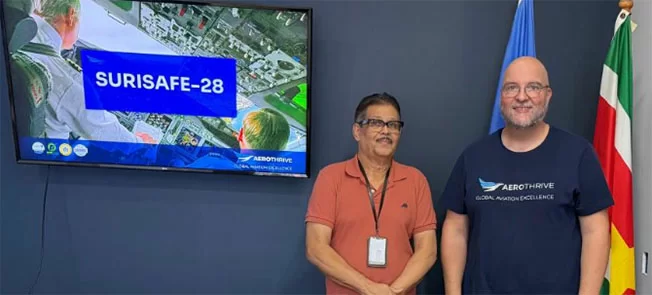
    Suriname has initiated a comprehensive multi-year aviation safety overhaul program to remove the country from the European Union’s Air Safety List. The Civil Aviation Authority Suriname (CASAS) has formally contracted German-based international aviation security firm Aerothrive to lead the ambitious ‘SuriSafe-28’ initiative, designed to address critical deficiencies identified in recent audits conducted by both the International Civil Aviation Organization (ICAO) and the European Union.

    The partnership was officially sealed during a signing ceremony in Paramaribo, where CASAS Director Brian de Souza and Aerothrive CEO Patrick Lutz finalized the collaborative agreement. Aerothrive, a globally recognized aviation safety organization with a network of over 110 senior aviation experts worldwide, will coordinate the extensive program aimed at achieving full compliance with international aviation standards.

    CEO Lutz emphasized that the project extends beyond technical assistance, stating: ‘Our focus encompasses strengthening CASAS’s institutional capabilities, streamlining all improvement trajectories, and facilitating collaboration with key international partners including ICAO and the EU. Only through a coordinated, multifaceted approach can we achieve our shared objective.’

    Director de Souza characterized the initiative as a national priority, confirming: ‘This project enjoys the full support of our government. Removing the EU flight ban is absolutely crucial for our aviation safety standards, traveling public, and economic development. With Aerothrive’s expertise, we’re taking a substantial step toward sustainable improvement.’

    The aviation audits revealed decades of systemic underfunding and structural deficiencies within Suriname’s oversight system. According to CASAS officials, current conditions for recovery appear favorable, with increased political commitment, enhanced funding, and strategic international partnerships creating a solid foundation for meaningful progress.

  • Ukrainian drone attack damages Russian port infrastructure

    Ukrainian drone attack damages Russian port infrastructure

    Russian military authorities reported significant drone activity over its southwestern territories, announcing the interception of 41 Ukrainian unmanned aerial vehicles (UAVs) within a 24-hour period. The defensive operations occurred across multiple regions including Samara, Crimea, Saratov, Volgograd, Rostov, and Krasnodar.

    According to an official statement released by the Defense Ministry on Friday, port facilities in Temryuk sustained damage from what was described as “an attack by the Kiev regime.” The assault triggered a fire at the strategic Black Sea port infrastructure, though preliminary assessments confirmed no casualties as port personnel had been safely evacuated before the incident.

    Emergency response teams deployed extensively to contain the blaze, with 32 specialized personnel and eight heavy machinery units engaged in firefighting operations. The ministry emphasized that all necessary measures were being taken to secure the area and assess the full extent of the damage.

    Concurrently, Russia’s federal air transport agency, Rosaviatsia, implemented temporary flight restrictions at ten regional airports including Saratov, Krasnodar, Sochi, and Grozny. These precautionary measures were enacted to ensure civilian aviation safety amid the heightened security situation. The coordinated aviation security protocol affected airports across southern and western Russia, demonstrating the broad geographical impact of the reported drone incursions.

    The military’s comprehensive report detailed precise interception numbers: nine UAVs neutralized in Samara region, nine over Crimea, eight in Saratov region, seven in Volgograd region, seven in Rostov region, and one in Krasnodar region. This systematic breakdown illustrates the widespread nature of the alleged aerial offensive and corresponding defensive response.

  • Four-Legged Melissa Survivors Find New Homes Abroad

    Four-Legged Melissa Survivors Find New Homes Abroad

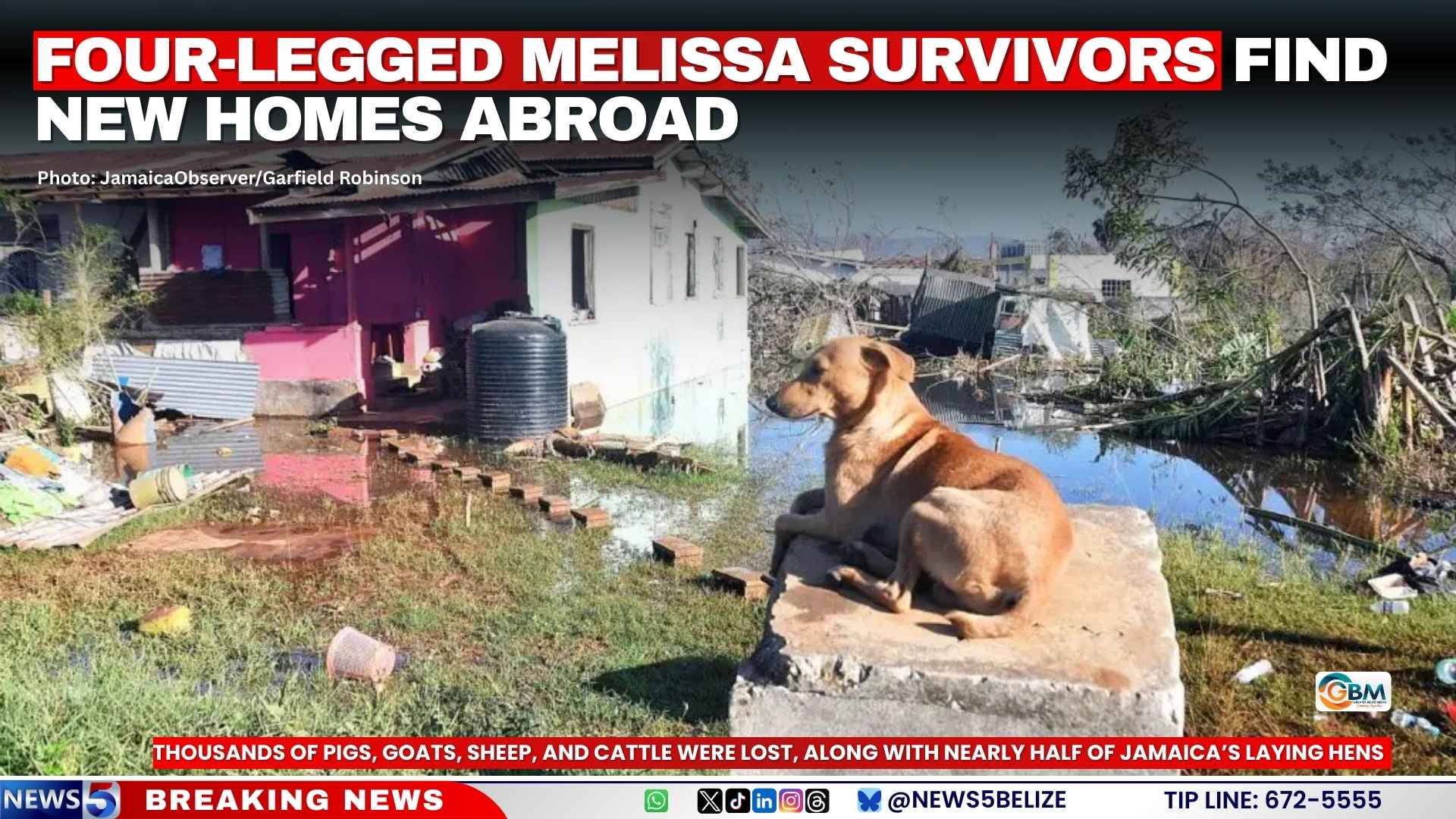
    In a heartening development emerging from the devastation of Hurricane Melissa, over fifty dogs rescued from flood-ravaged areas of Jamaica have successfully been relocated to adoptive families overseas. The initiative, which saw the canines transported to new homes primarily in the United States and Canada, represents a significant secondary outcome of the disaster response efforts.

    Jamaican Agriculture Minister Floyd Green provided details at a recent governmental press conference, clarifying that while the primary mission remained the preservation of human life, concurrent operations were launched to save domestic animals trapped by the catastrophic flooding. Official figures confirm that 58 dogs were evacuated internationally through these coordinated efforts, with a substantial number already integrated into their new households. Minister Green formally noted, ‘The ministry facilitated the export of 58 dogs rescued through these missions.’

    Beyond the immediate rescue, the ministry has initiated a broader support program for the island’s animal population. A series of complimentary veterinary clinics are now being operated nationwide, delivering essential services including medical treatment, vaccination programs, wound management, and nutritional assistance for both livestock and pets affected by the storm.

    The context of this animal rescue is the immense destruction wrought by Hurricane Melissa, which made landfall as a Category 5 hurricane on October 28th. The agricultural sector suffered catastrophic losses, with initial damage assessments of $30 billion subsequently revised upward to a staggering $60 billion following a comprehensive World Bank evaluation. The storm decimated livestock populations, resulting in the loss of thousands of pigs, goats, sheep, and cattle, alongside the death of nearly half the nation’s egg-laying hens and hundreds of thousands of broiler chickens. Total physical damage across the island is currently valued at approximately $8.8 billion. The human toll remains profound, with authorities confirming 45 fatalities and 18 individuals still unaccounted for.

  • Regional Humanitarian Warehouse to aid disaster recovery launches in Guadeloupe

    Regional Humanitarian Warehouse to aid disaster recovery launches in Guadeloupe

    Caribbean nations, increasingly vulnerable to intensified and frequent severe weather events, have gained a powerful new asset in regional disaster management with the December 4, 2025 inauguration of the Regional Humanitarian Warehouse in Les Abeys, Guadeloupe. This strategic facility represents a transformative step in strengthening collective resilience across the archipelago.

    The inauguration ceremony gathered distinguished figures including Dr. Caroline Cross, President of the French Red Cross, alongside French officials and presidents of Caribbean Red Cross societies from Antigua and Barbuda and St Kitts and Nevis, signaling broad regional endorsement.

    Financed predominantly by the European Union, which contributed €2.4 million (covering 82% of total investment) through its Interreg Caribbean programme under the Ready Together Extension initiative, the warehouse underscores the EU’s sustained commitment to supporting Caribbean and outermost regions.

    Construction initiated in 2023 addresses a critical gap in disaster preparedness. The facility quadruples the French Red Cross’s storage capacity, enabling housing of up to 4,000 household kits. Beyond storage, it incorporates a crisis coordination center and modular training spaces designed to enhance operational readiness through simulated emergencies and skill development.

    Engineered to endure major hurricanes and seismic events, the warehouse integrates advanced sustainable technologies including bioclimatic architecture, photovoltaic energy generation, and rainwater harvesting systems. These eco-conscious features align with the European Green Deal while promoting climate-resilient infrastructure development.

    As a logistical nexus, the hub will facilitate rapid, efficient, and lower-emission distribution of humanitarian aid across Caribbean territories and EU outermost regions, significantly improving response times during crises. The project also aims to cultivate a new generation of disaster management professionals versed in sustainable practices.

    This initiative synergizes with broader EU frameworks including the Cohesion Policy, Strategy for the Outermost Regions, the EU Civil Protection Mechanism, and climate adaptation priorities, forming a cohesive approach to building regional resilience against climate-related hazards.

  • Hundreds treated as Chinese hospital ship draws crowds in MoBay

    Hundreds treated as Chinese hospital ship draws crowds in MoBay

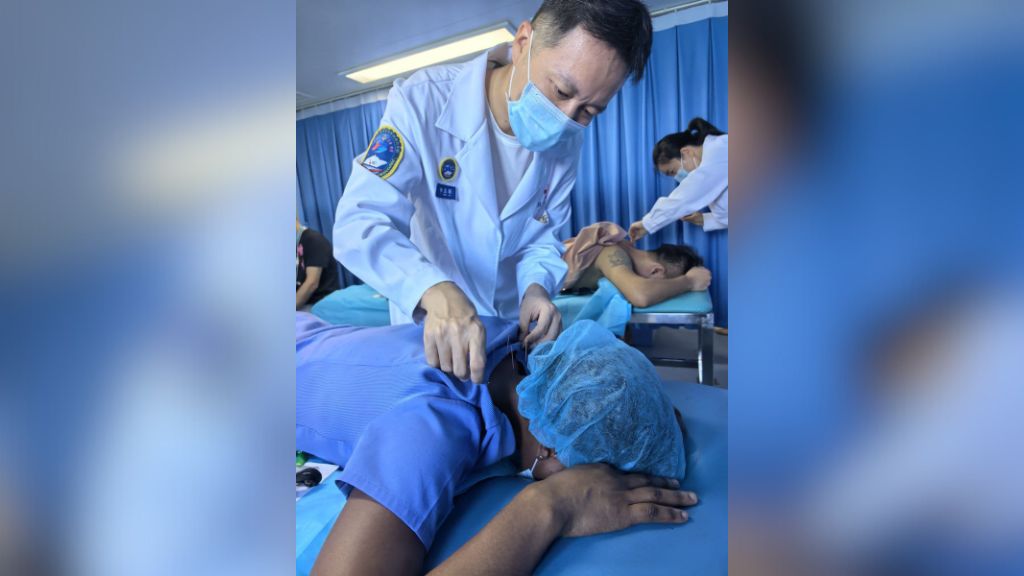
    MONTEGO BAY, Jamaica — The Chinese naval hospital ship Silk Road Ark has become a focal point of international medical cooperation as it continues its humanitarian mission in Jamaican waters. On the third day of operations in St. James parish, unprecedented crowds of local residents formed extensive queues seeking complimentary healthcare services provided by the vessel’s medical team.

    According to official statistics released by the Chinese Embassy in Jamaica through social media platform X, the floating medical facility achieved remarkable throughput on its latest operational day, providing treatment to 771 patients while successfully completing 177 surgical procedures. The embassy’s digital communication included visual documentation showing substantial lines of Jamaicans from across the western region awaiting medical attention.

    The diplomatic mission expressed profound appreciation for the warm reception from the Jamaican public, specifically acknowledging their ‘trust and friendship’ throughout the engagement. Medical personnel aboard the Ark received commendation for their extraordinary commitment and professional dedication during the medical outreach initiative.

    This deployment represents a significant chapter in the growing bilateral relations between China and Caribbean nations, demonstrating practical cooperation through direct healthcare provision. The ship’s advanced medical capabilities have enabled comprehensive services including specialized consultations, diagnostic examinations, and surgical interventions, addressing critical healthcare needs in the region.