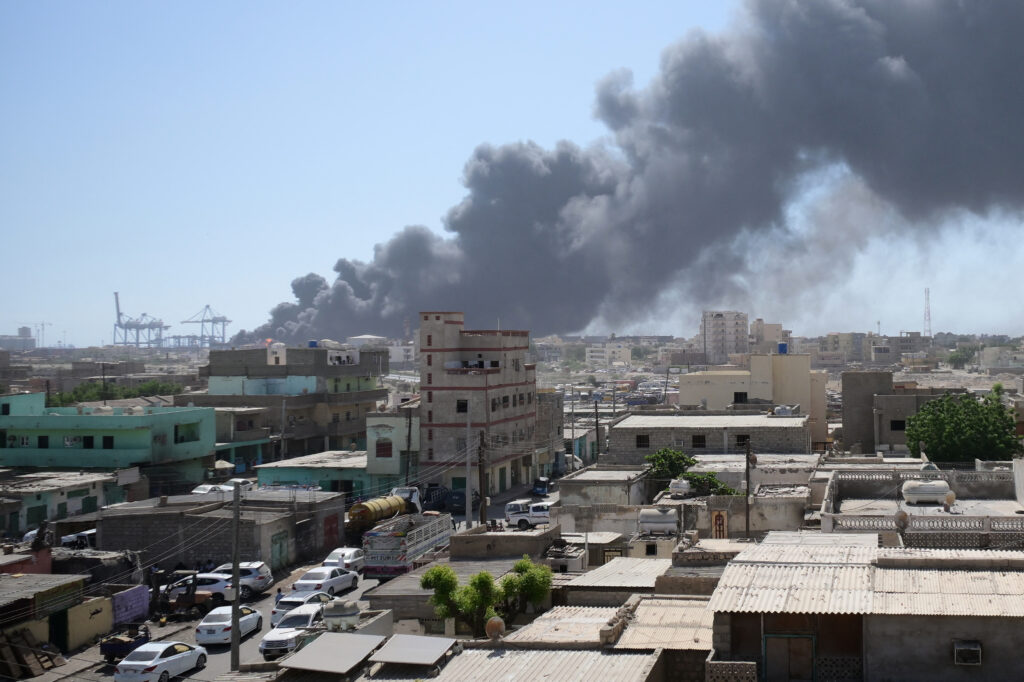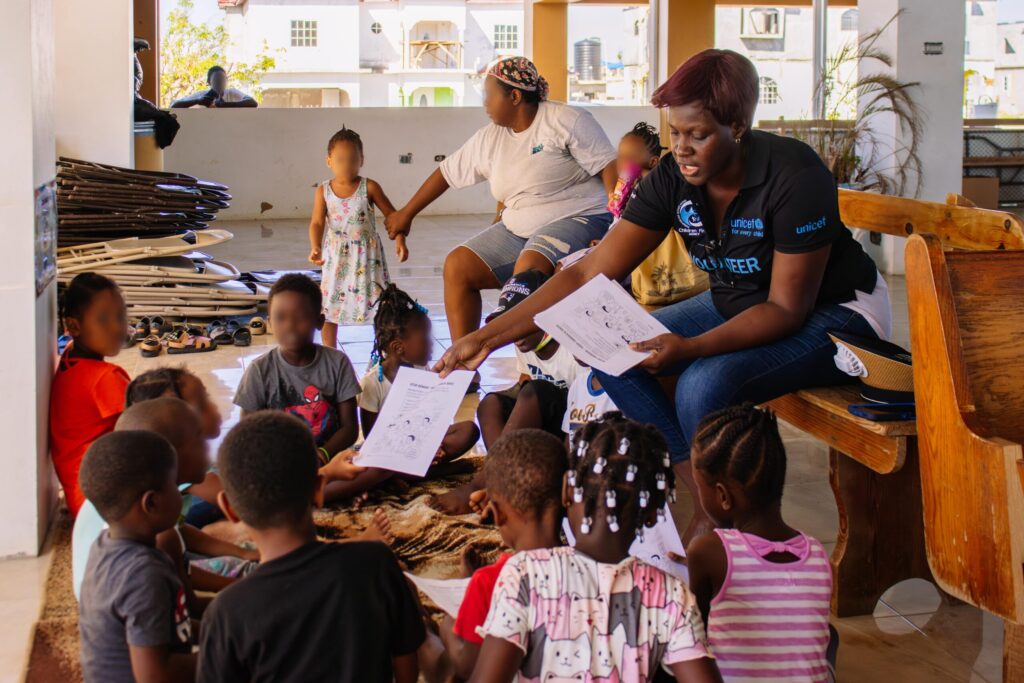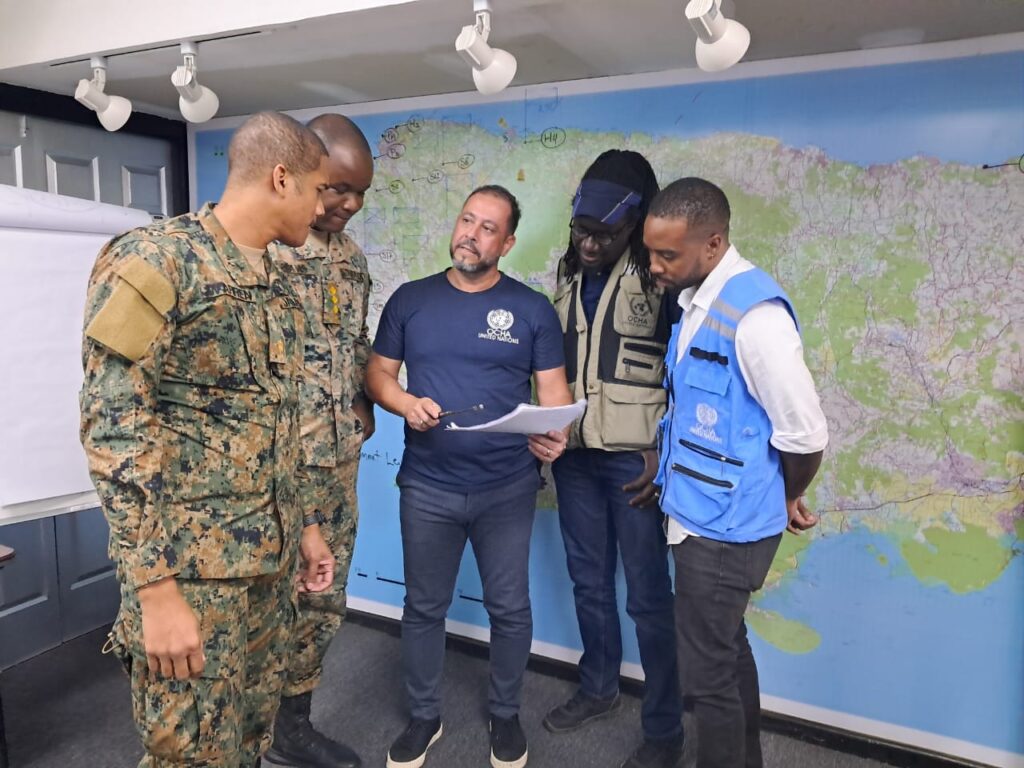
Jamaica is grappling with unprecedented devastation after Hurricane Melissa, the most intense storm in the island’s recorded history, unleashed its fury overnight. The hurricane left a trail of destruction, crippling power and communication networks across the nation. Journalist Nick Davis painted a grim picture of the aftermath, reporting catastrophic flooding, mudslides, and extensive roof damage. He likened the force of the winds to palm trees being ‘tossed like toothpicks,’ underscoring the storm’s ferocity. In Montego Bay, Local Government Minister Desmond McKenzie disclosed that parts of the city were entirely isolated as rivers surged up to five meters. Critical infrastructure, including hospitals and government offices, was inundated, forcing the evacuation of a homeless shelter. Rescue operations are ongoing but face significant challenges due to blocked roads and downed power lines. While no fatalities have been confirmed, communication with several parishes remains limited, raising concerns about the full extent of the damage. Amid the chaos, moments of hope emerged. McKenzie shared that three babies were safely delivered during the storm, one of whom he affectionately dubbed a ‘Melissa baby.’ He hailed these births as a testament to Jamaica’s resilience ‘even in the darkest hours.’ Hurricane Melissa has since moved on to Cuba, where it brought torrential rain and storm surges with winds reaching 185 km/h. The storm is now tracking northeast toward the Bahamas and Bermuda, prompting authorities to issue warnings for destructive winds and coastal flooding. In Jamaica, residents have begun the arduous task of clearing debris and checking on neighbors, showcasing the community’s enduring spirit of unity in the face of disaster.
分类: world
-

Orkaan Melissa eist 25 levens in Haïti en veroorzaakt zware schade in Jamaica en Cuba
Hurricane Melissa has unleashed catastrophic destruction across the Caribbean, claiming at least 25 lives in Haiti and leaving a trail of devastation in Jamaica and Cuba. The storm, which made landfall as a Category 5 hurricane with winds reaching 295 km/h, has caused widespread flooding, power outages, and structural damage. In Haiti, the southern coastal town of Petit-Goâve saw the La Digue River overflow, collapsing dozens of homes and trapping residents under debris. Mayor Jean Bertrand Subrème has urgently called for government assistance in rescue operations, as limited emergency services struggle to cope with the crisis. In Jamaica, over 25,000 people sought refuge in shelters after the hurricane tore roofs off homes and left many temporarily homeless. Desmond McKenzie, Deputy Chairman of Jamaica’s Disaster Risk Management Council, acknowledged the challenges ahead, stating, ‘It’s not going to be an easy road, Jamaica.’ The U.S. Department of Defense released footage from Hurricane Melissa, captured by the 53rd Weather Reconnaissance Squadron, which flew through the storm to gather critical weather data. In Cuba, the storm caused collapsed houses, blocked mountain roads, and blown-off roofs, particularly in the southwest and northwest regions. Approximately 735,000 people are sheltering in eastern Cuba. Cuban President Miguel Díaz-Canel warned citizens not to underestimate the storm, calling it ‘the most powerful ever to hit the country.’ The hurricane is expected to exacerbate Cuba’s existing economic crisis, marked by prolonged power outages and shortages of fuel and food. Jamaica is racing to assess the damage, with officials reporting widespread destruction in Clarendon and St. Elizabeth. The U.S. government has deployed disaster response teams and search-and-rescue personnel to the region, while non-essential U.S. personnel and their families have been authorized to leave Jamaica due to the storm’s impact.
-

Widespread damage reported in JA post-Melissa, full extent unknown
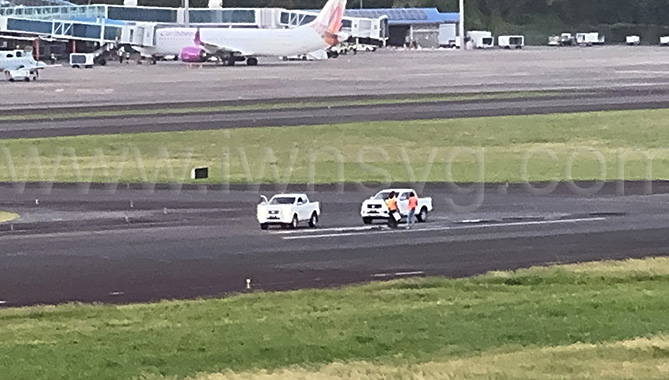
Hurricane Melissa unleashed its fury on Jamaica on Tuesday evening, leaving a trail of destruction and chaos in its path. The Category 5 storm, with wind speeds surpassing 185 mph, wreaked havoc across the island, particularly in western regions. Reports from eTurbo News reveal that nearly 75% of Jamaica is without power, with extensive flooding submerging numerous areas. The storm’s ferocity has obliterated countless homes, leaving many families homeless and vulnerable. Montego Bay International Airport suffered severe damage and remains shuttered as authorities evaluate the aftermath. Social media accounts from Black River in St. Elizabeth, the hurricane’s point of landfall, depict a town in ruins, with at least three families trapped in their homes. Montego Bay and Negril also faced severe flooding, power outages, and structural damage. In contrast, eastern Jamaica, including Kingston, experienced minimal impact. Communication disruptions have hindered a full assessment of the disaster’s scale. The hurricane also struck Cuba, where it was classified as a Category 3 storm with wind speeds reaching 115 mph. Heavy rains and life-threatening storm surges exacerbated the crisis, isolating approximately 140,000 people due to rising river levels. The death toll, as reported by CNN, stands at 28 in Haiti, 3 in Jamaica, and 1 in the Dominican Republic. In response, the United States, the United Nations, and the United Kingdom have pledged support and aid to Jamaica and other affected nations during this critical period.
-

Hurricane Melissa Leaves Trail of Destruction Across the Caribbean
Hurricane Melissa has unleashed widespread destruction across the Caribbean, leaving a trail of devastation in its wake. The storm, which initially struck Jamaica as a historic Category 5 hurricane, later made landfall in Cuba as a Category 3 before advancing towards the Bahamas as a Category 2 with maximum sustained winds of 100 mph. The hurricane has caused fatalities, severe flooding, and extensive damage to homes, hospitals, and schools in its path. Jamaican Prime Minister Andrew Holness declared the island a ‘disaster zone’ on Tuesday, with power outages and flooding reported across both Jamaica and Cuba. The ‘All Clear’ was announced on October 29, allowing essential services to resume. In Haiti, the death toll rose to at least 25 after a river swollen by the hurricane burst its banks in Petit-Goâve. While Jamaica has not yet released an official death toll, three fatalities occurred during storm preparations. One death has also been reported in the Dominican Republic. Meteorologists warn that Melissa’s strongest winds are expanding, posing an increased threat to the Bahamas, where warnings remain in effect as the storm is forecast to pass between Long Island and Crooked Island later today.
-

US Strikes on Suspected Drug Boats Kill 14
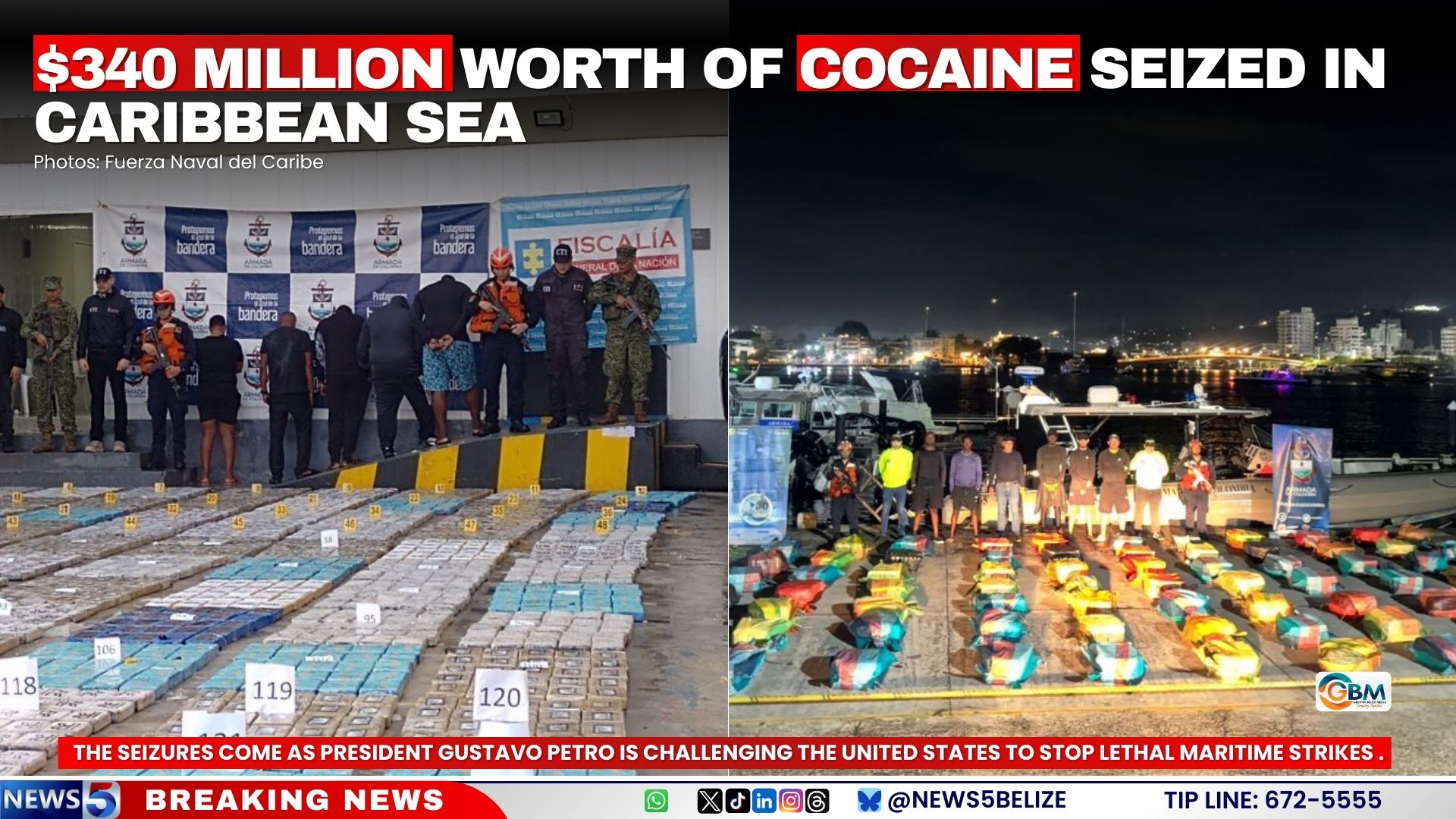
In a significant escalation of efforts to combat drug trafficking, US military forces conducted strikes on four suspected drug vessels in the eastern Pacific on October 29, 2025, resulting in the deaths of 14 individuals. The operation, authorized by President Donald Trump, was confirmed by US Defence Secretary Pete Hegseth, who stated that the targeted vessels were identified by intelligence agencies as part of known narco-trafficking routes. One survivor was reportedly rescued approximately 400 miles off the coast of Acapulco, with Mexican authorities now leading the coordination efforts. Mexican President Claudia Sheinbaum strongly condemned the strikes, emphasizing the need for adherence to international treaties and calling for urgent discussions with US officials. This incident marks the latest in a series of US military actions targeting suspected drug boats in the Pacific and Caribbean, which have claimed at least 57 lives to date. The strikes have heightened tensions between the US and regional governments, particularly Colombia and Venezuela. The US recently imposed sanctions on Colombian President Gustavo Petro and deployed military assets, including the USS Gerald R. Ford, to the Caribbean. President Trump has accused Venezuelan President Nicolás Maduro of leading a drug-trafficking organization, a claim Maduro vehemently denies. The situation underscores the growing complexities of international drug enforcement efforts and their geopolitical ramifications.
-

Guyana pledges support to Jamaica and Haiti following Hurricane Melissa
In a significant humanitarian gesture, Guyana’s President Irfaan Ali announced on Thursday that the nation will provide extensive assistance to Jamaica and Haiti, both severely impacted by Hurricane Melissa. The storm, described as the most powerful in Jamaica’s recorded history, has caused widespread devastation, including damage to hospitals, power stations, homes, and government buildings. President Ali emphasized that Guyana’s support would be comprehensive, addressing the urgent needs of both countries. He revealed that targeted aid for Guyanese nationals in Jamaica, where the storm inflicted catastrophic damage, has already commenced. ‘I have instructed the Ministry of Foreign Affairs to deliver urgent care packages to all Guyanese students and families, and this has already started,’ Ali stated. The president also highlighted that Prime Minister Mark Phillips is spearheading a national response team, which includes the Civil Defence Commission (CDC), the Guyana Defence Force (GDF), the Ministry of Health, the private sector, and Guyana Power and Light. This team is collaborating with Jamaican authorities to finalize a comprehensive support package, which will include technical assistance on the ground. An initial shipment of essential relief supplies, such as generators, tarpaulins, and chainsaws, is expected to arrive in Jamaica before the weekend. Meanwhile, in Jamaica, Local Government Minister Desmond McKenzie reported a decline in the number of people seeking shelter, as many have returned home. Additionally, 117 soldiers, along with police officers and firefighters, have been deployed to assist with search and rescue operations.
-

Cooper: We will help Jamaica
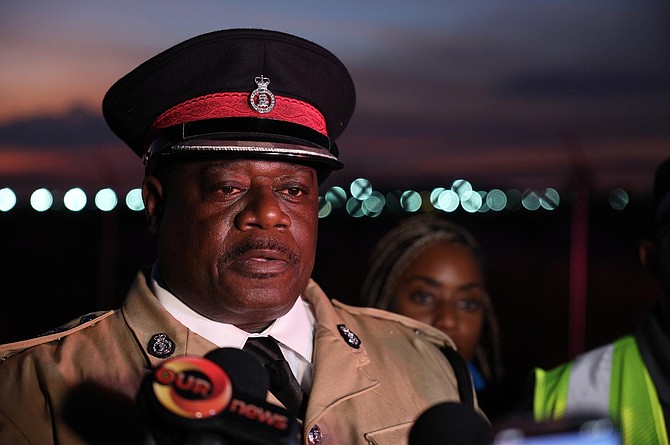
The Bahamas is gearing up to assist Jamaica in the aftermath of Hurricane Melissa, as announced by Deputy Prime Minister and Minister of Tourism, Investments, and Aviation Chester Cooper. Speaking at the New Providence Community Centre, which has been sheltering evacuees from the southern islands, Cooper emphasized that Bahamasair will play a pivotal role in the recovery efforts once conditions permit. ‘We will be offering some assistance to Jamaica, to be determined,’ Cooper stated. ‘No doubt Bahamasair will be involved in that effort as well.’ He highlighted that the national airline would resume flights to Jamaica to repatriate Bahamian students and support post-storm recovery, contingent on the reopening of airports and the state of Jamaica’s infrastructure. ‘Bahamasair will consider it on commercial terms, depending on the condition of the airport, the state of travel, and utilities,’ Cooper added, reaffirming the airline’s commitment to regional expansion. Cooper also lauded Bahamasair staff for their tireless efforts in evacuating residents from the southern Bahamas ahead of the hurricane. ‘If there was ever any doubt as to the value that Bahamasair brings to The Bahamas, we saw it over the last few days,’ he remarked. ‘They worked through the night, and they truly came through for the Bahamian people.’ Additionally, Cooper praised the Disaster Risk Management Authority (DRMA) and its partners for their coordination in relocating over 1,400 residents from Mayaguana, Inagua, Acklins, and Crooked Island to safety in New Providence. ‘This has been one of the largest evacuation exercises in the history of The Bahamas,’ he noted. DRMA managing director Aarone Sargent confirmed that evacuees would remain in New Providence until at least Sunday, with initial damage assessments in affected islands set to begin today. ‘We are now focused on finalizing our plans for response and recovery,’ Sargent said. Communication with those who remained on the islands has been limited due to pre-storm shutdowns of power and water, though Royal Bahamas Defence Force officers have been deployed to secure properties and assist residents.
-

Southcom to lend assistance in providing hurricane relief to Jamaica
In the aftermath of Hurricane Melissa, which struck Jamaica on October 28, the United States Southern Command (Southcom) has emerged as a key player in facilitating relief efforts from Trinidad and Tobago. The devastating storm prompted a swift response, with relief supplies and personnel being mobilized from various sources. During a post-cabinet meeting at the Diplomatic Centre in St Ann’s on October 30, Trinidad and Tobago’s Minister of Foreign Affairs, Sean Sobers, highlighted Southcom’s involvement in the relief operations. Sobers stated, ‘We have liaised with Southcom to assist in transporting personnel and heavy equipment, such as generators and water tanks, to Jamaica.’ This announcement followed the Prime Minister’s oversight of the initial shipment of relief items to the hurricane-ravaged island. Southcom, a branch of the US military tasked with executing President Donald Trump’s anti-narco trafficking initiatives in the region, has been active in the Caribbean. In August, the US deployed three Aegis guided-missile destroyers off Venezuela as part of its efforts to combat drug cartels. The USS Gravely, one of these vessels, recently concluded a five-day visit to Trinidad and Tobago, though its role in the relief efforts remains unclear. The ship reportedly conducted training exercises with the local Defence Force during its stay. Southcom’s presence in the region has led to 14 strikes on alleged drug-smuggling boats, resulting in 61 fatalities.
-

Caught between Venezuela and US, Trinidad fishermen fear the sea
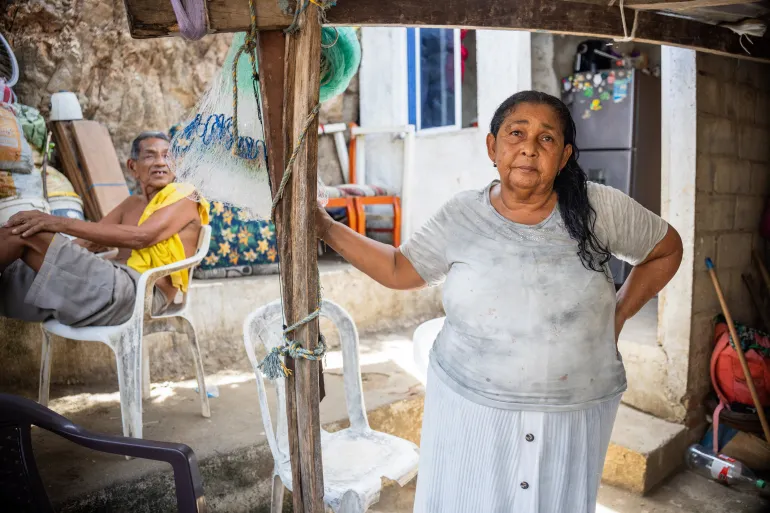
In the tranquil village of Cedros, located in the extreme southwest of Trinidad, fishermen are grappling with an unprecedented crisis. Just a stone’s throw from Venezuela, these fishermen find themselves ensnared in the escalating tensions between Venezuela and the United States, exacerbated by recent US naval deployments and military exercises in the region. The once-peaceful waters have become a battleground of geopolitical strife, leaving the local fishing community in a precarious position.
Fishermen in Cedros, who traditionally ply their trade in the serene waters of the Caribbean, now face heightened risks. Venezuelan coast guard patrols have intensified, reportedly repelling Trinidadian fishing vessels with violence and increasing incidents of extortion. This has severely curtailed their access to Venezuelan territorial waters, where they once operated undisturbed. As a result, their yields and incomes have dwindled, pushing many to the brink of economic hardship.
The situation has been further complicated by US-led anti-drug operations in the Caribbean and Pacific, which have targeted boats allegedly involved in drug trafficking. These operations have claimed the lives of at least 62 individuals, including some Trinidadian fishermen, according to mourning families. While the Trinidadian government has not confirmed these identities, the fear of being mistakenly targeted has forced many fishermen to reduce their activities. ‘You have to take a chance,’ said Rakesh Ramdass, a 42-year-old fisherman. ‘But at sea, anything can happen.’
The diplomatic standoff between the US and Venezuela has also strained relations between Trinidad and Tobago and its South American neighbor. Venezuelan President Nicolas Maduro has accused Trinidadian Prime Minister Kamla Persad-Bissessar of aligning too closely with the US, labeling the nation ‘an aircraft carrier of the American empire.’ This rhetoric has only heightened tensions, with Caracas viewing the US naval deployment as a potential precursor to regime change under the guise of anti-drug operations.
For the fishermen of Cedros and nearby villages like Icacos, the situation is dire. Many have scaled back their activities, fearing both Venezuelan patrols and US-led operations. ‘Better safe than sorry,’ remarked Alexsi Soomai, a 63-year-old fisherman from Icacos. The village, a common arrival point for undocumented Venezuelan migrants, has also felt the ripple effects of the crisis. Families like that of Yacelis Garcia, who fled Venezuela six years ago, now rely solely on fishing for their livelihood. However, the current political climate has made even this precarious source of income increasingly uncertain.
As the US-Venezuela tensions continue to simmer, the fishermen of Trinidad and Tobago remain caught in the crossfire, their lives and livelihoods hanging in the balance. The once-thriving fishing communities now face an uncertain future, with no end to the crisis in sight.