
Social media platform Reddit has entered into a significant artificial intelligence licensing agreement with Google, marking a pivotal moment in the evolving relationship between content platforms and AI developers. The multi-year partnership will provide Google’s AI models with enhanced access to Reddit’s vast repository of user-generated content, enabling more sophisticated training of conversational AI systems.
分类: technology
-
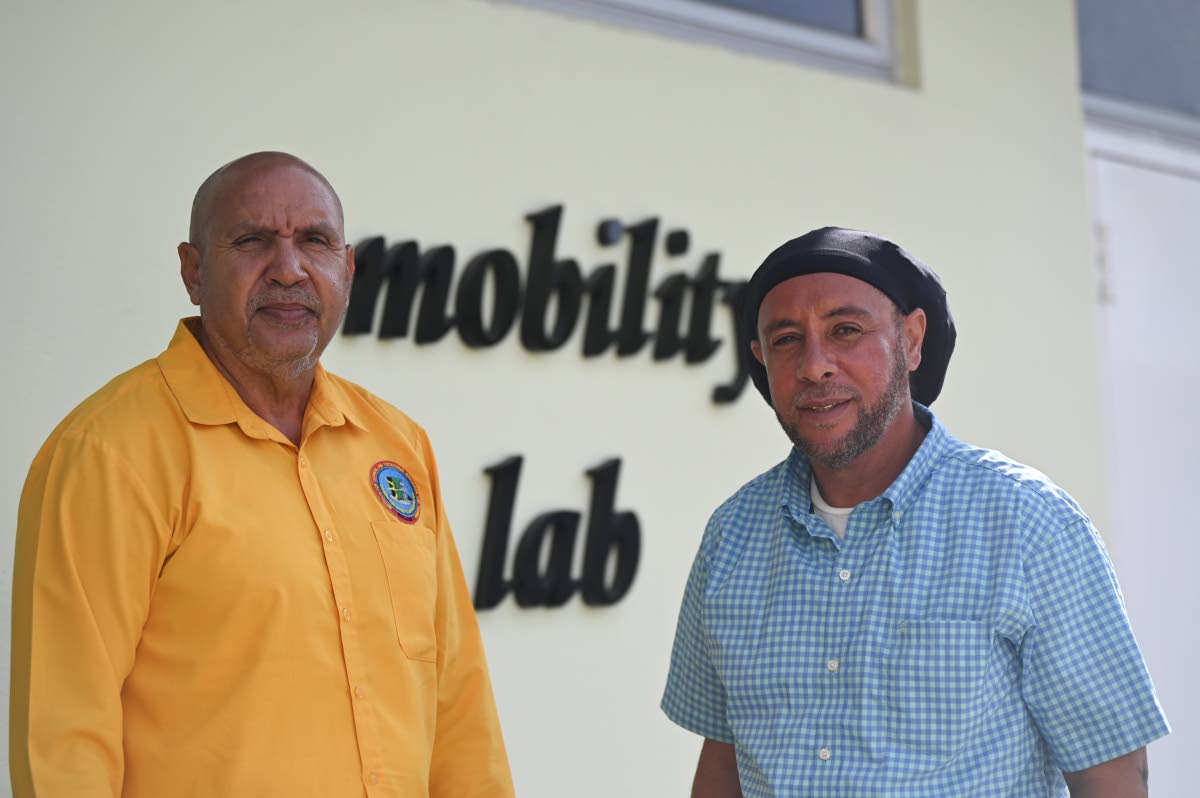
‘An honour and privilege’
In a groundbreaking demonstration of regional cooperation, automotive specialists from seven Caribbean nations have successfully assembled the region’s first collaboratively built electric vehicle. The historic achievement emerged from a specialized EV Assembly workshop hosted by The University of the West Indies (UWI) Mona’s Faculty of Science and Technology, which simultaneously marked the official inauguration of the university’s state-of-the-art E-Mobility Laboratory.
Participants from Jamaica, Antigua, Belize, Grenada, St Kitts and Nevis, and St Lucia contributed diverse mechanical and electrical expertise during the intensive week-long program. The workshop represented a multinational partnership funded by the JPS Foundation, Inter-American Development Bank (IDB) Lab, German Embassy, and UWI’s science and technology department.
Belizean automotive instructor Eric Vernon, a 15-year veteran educator from the Institute for Technical and Vocational Education and Training, described the experience as profoundly significant. “Knowing our hand prints are forever etched in this E-Mobility Lab for generations to come as a result of our collaborative efforts is beyond words,” Vernon reflected during post-workshop celebrations. The 60-year-old instructor particularly valued the opportunity to balance a 32-cell battery pack—a technical skill he had previously only encountered through research.
From St Kitts, Nicholson Webster, chief foreman mechanic at the Public Works Department, emphasized the workshop’s practical relevance to his government’s impending transition to electric mobility. “We are set to receive two EV buses from Taiwan, so that is the whole purpose of me being here,” Webster revealed, noting that the comprehensive hands-on training provided crucial exposure to EV motor systems previously unavailable in the Caribbean.
Dr. Louis-Ray Harris, senior lecturer in UWI’s Department of Physics, guided participants through the complex assembly process. Teams worked systematically from chassis installation to electrical wiring, motor mounting, and battery management system programming. The resulting three-wheeled, two-seater electric vehicle with exoskeleton frame demonstrated the successful integration of diverse technical skills.
JPS Foundation Chairman Damian Obiglio endorsed the initiative as a critical milestone in the region’s e-mobility transition. The workshop formed part of the concluding phase of the five-year e-Drive program partnership between JPS Foundation and IDB, focusing on innovative technology, capacity building, and market sensitization.
The newly operational E-Mobility Lab will serve as an ongoing educational resource, with plans for repeated disassembly and reassembly of the prototype vehicle to train future student cohorts. Dr. Harris envisions the facility becoming the Caribbean’s premier destination for scientific innovation, potentially inspiring secondary students to pursue STEM careers through hands-on electric vehicle technology experience.
-

X briefly hit by ‘international outages’ monitors
PARIS—The social media platform X, owned by entrepreneur Elon Musk, experienced a significant global service disruption on Monday, leaving users across multiple countries unable to view or interact with content for approximately two hours. Service was fully restored by 15:30 GMT, according to real-time performance metrics.
Connectivity monitor Netblocks confirmed the incident was an international outage unrelated to government-imposed internet restrictions or filtering. The disruption marked the third such technical failure in February alone, following similar outages on February 1 and February 9—the latter occurring the day after the Super Bowl.
AFP journalists in France, Thailand, and other regions verified the service interruption firsthand, reporting complete inability to access the platform’s core features during the outage window. Company representatives from X did not respond to requests for comment regarding the technical causes behind the disruption.
The incident occurs amid ongoing structural changes within Musk’s digital ecosystem. Since acquiring the platform formerly known as Twitter in 2022, Musk has implemented drastic staffing reductions and rebranding efforts. More recently, he has merged X with his artificial intelligence venture xAI—developer of the Grok chatbot—with plans to further consolidate both entities under SpaceX ahead of a potential public listing as early as summer 2024.
-

Jamaica looks up
Jamaica’s geographical constraints and vulnerability to natural disasters are catalyzing a revolutionary approach to urban development that prioritizes intelligence over mere height. The island nation is being compelled to rethink its growth strategy, moving away from short-term solutions and embracing a future built on sophisticated, multi-layered vertical communities that integrate resilience, technology, and sustainability at their core.
The concept of vertical living in Jamaica transcends traditional high-rise construction. It represents a fundamental shift toward creating condensed yet high-quality living spaces that preserve precious land while expanding economic opportunity. This approach requires buildings conceived as living systems rather than static structures—architectural entities capable of thinking, adapting, and enduring environmental challenges.
Critical to this vision are digital nervous systems comprising networks of sensors, cabling, and controls that enable real-time monitoring of structural integrity, environmental conditions, and resource consumption. These intelligent systems transform buildings from passive structures into responsive environments that can anticipate and react to changing conditions, from seismic activity to hurricane-force winds.
Advanced seismic technologies like base isolation systems allow buildings to float and sway gently during earthquakes, dramatically reducing structural stress and enhancing occupant safety. Similarly, hurricane resilience is achieved through impact-resistant glazing combined with pressure sensors and envelope monitoring systems that detect vulnerabilities before they become failures.
The paradigm shift is particularly evident in fire safety, where autonomous compartmentalized systems replace traditional evacuation models. Intelligent suppression systems isolate and extinguish fires locally while controlling smoke movement through pressurized systems, allowing residents to remain safely in place during emergencies.
Contrary to perceptions of prohibitive cost, intelligent building technologies demonstrate significant long-term economic benefits. Smart monitoring systems detect maintenance issues early, preventing catastrophic failures, while energy management systems reduce consumption through behavioral learning. Predictive maintenance extends equipment life and minimizes operational disruptions, ultimately lowering service charges for residents and reducing insurance costs.
The most transformative aspect of Jamaica’s vertical development vision lies in creating self-contained communities where residential, commercial, and agricultural functions coexist within interconnected structures. Vertical gardens and rooftop farms provide food resilience while cooling façades and improving air quality, reducing dependency on external systems vulnerable to climate volatility.
This approach represents not merely a construction strategy but a national mindset focused on building environments that are adaptive, humane, and specifically designed for island realities. Jamaica’s opportunity lies not in imitating global cities but in pioneering intelligent vertical development that addresses the unique challenges of limited land resources and climate vulnerability through integrated technological solutions.
-

Russia cracks down on WhatsApp as it pushes state-backed rival
MOSCOW — In a significant escalation of its digital sovereignty campaign, Russian authorities have officially blocked the WhatsApp messaging platform for its refusal to comply with national data legislation. The move, confirmed by Kremlin spokesman Dmitry Peskov on Thursday, affects approximately 100 million users who are now being directed toward Max, a state-promoted domestic alternative.
The blocking measure follows months of governmental pressure on foreign tech platforms to adhere to local laws requiring data storage within Russian territory and providing access to security services. Unlike WhatsApp’s end-to-end encryption model, Max operates without robust encryption safeguards, leading digital rights advocates to characterize it as a potential surveillance instrument.
Meta, WhatsApp’s parent company, stated Wednesday that it believed Russia was implementing a full service blockade to compel user migration. ‘We continue to do everything we can to keep users connected,’ a company representative said.
Since September, the Russian government has mandated that all new mobile devices sold domestically come pre-loaded with the Max application. Developed by Russian social media conglomerate VK, Max has been marketed as a multifunctional ‘super app’ capable of handling tasks ranging from government service access to commercial transactions. Official figures claim the platform reached 75 million users by December.
Critics argue the transition undermines privacy and international communication. ‘These restrictions represent a transparent attempt to enhance state control over digital discourse,’ noted one activist. Many schools and employers have already compelled students and staff to adopt Max, creating practical challenges for households and professionals.
While some users report maintaining WhatsApp access through virtual private networks (VPNs), others describe fractured communication channels, particularly with older demographics less adaptable to new technologies. Parallel restrictions are also being imposed on Telegram, another messaging service facing regulatory pressure.
Public reaction remains mixed. Some citizens, like Moscow engineer Vilgelm, acknowledge geopolitical realities but question the aggressive promotion of Max. Others, including Natalia Nikolaeva, a 23-year-old painter, lament the social cost of digital fragmentation. Despite concerns, many users continue exploring alternative platforms, reflecting a broader adaptation to Russia’s evolving internet landscape.
-
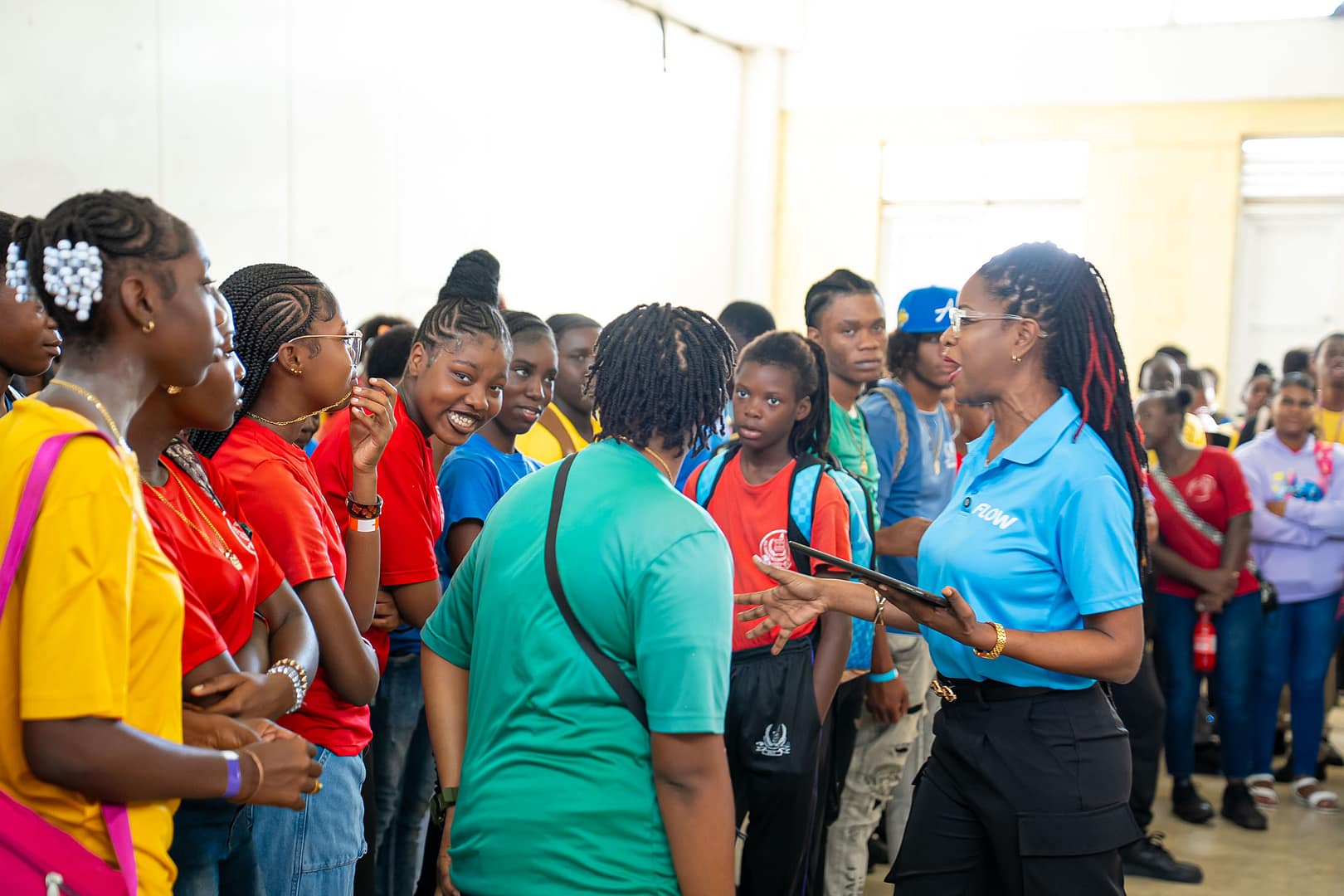
Flow Champions Youth Digital Safety and Empowers Students with Necessary Online Skills
In a significant move to promote digital citizenship, telecommunications leader Flow marked Safer Internet Day 2026 with an educational initiative across Caribbean schools. The program, aligned with the global theme ‘Smart tech, safe choices, exploring the safe and responsible use of AI,’ engaged students at Clare Hall Secondary School and All Saints Secondary School through interactive workshops.
Flow Ambassador Lisa Abraham spearheaded the youth-focused presentations, facilitating dynamic discussions on critical digital age topics. The curriculum addressed pressing concerns including artificial intelligence ethics, cybersecurity protocols, combating misinformation, and personal data protection strategies. Using real-world scenarios and open dialogue, the sessions empowered students with practical knowledge for navigating online environments responsibly.
The student-centered approach fostered critical thinking about digital decision-making, encouraging participants to reflect on their online behaviors. Educators and school administrators joined the conversations, creating a collaborative learning environment that emphasized collective responsibility for internet safety.
This initiative forms part of Flow’s broader commitment to community engagement and digital literacy. As the Caribbean’s premier telecommunications provider, Flow delivers comprehensive mobile, broadband, television, and digital services to residential and commercial customers throughout the region.
Parent company C&W Communications supports this mission with extensive technological infrastructure, including the Caribbean’s most advanced submarine fiber network. The organization provides cutting-edge solutions across more than twenty markets, offering consumer entertainment services and business-grade cloud technology, data hosting, and managed network solutions to government and corporate clients.
-
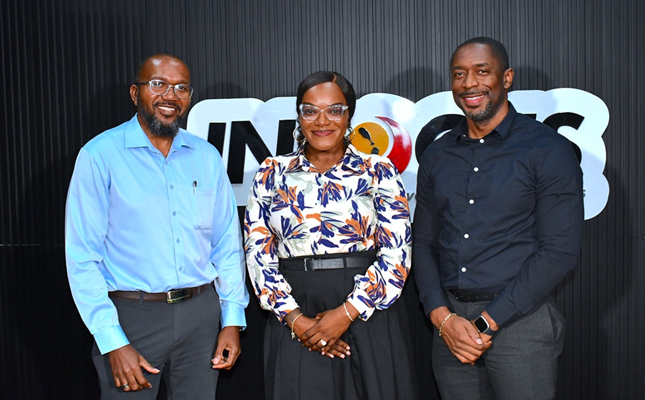
New App and website to put consumer power in the palm of consumers’ hands
In a landmark move for consumer rights in the Caribbean, Saint Kitts and Nevis is set to launch the innovative SKN Smart Shopper App and corresponding website on February 18, 2026. This digital initiative represents a significant advancement in consumer protection technology, placing market transparency directly into the hands of citizens.
The groundbreaking platform, developed through collaboration between the Department of Consumer Affairs (CAD) and the Digital Transformation Unit, features sophisticated price tracking capabilities for essential goods. Consumers can now monitor government-regulated prices for basic necessities including poultry, meats, fish, toilet paper, cornmeal, flour, sardines, toothpaste, margarine, and detergent across various retailers.
Paul Queeley, Director of CAD, emphasized the transformative potential of the application during a recent appearance on the InFocus program. “This technology empowers consumers with unprecedented market transparency,” Queeley stated. “With real-time price visibility across supermarkets, consumers can make informed purchasing decisions that align with their budgetary requirements while discouraging predatory pricing practices.”
The comprehensive digital solution extends beyond price monitoring to include multiple consumer protection features. Users can submit formal complaints directly through the application, while field inspectors utilize integrated tablet functionality to document violations and issue immediate warnings. The platform’s e-ticketing system enables real-time penalty administration for regulatory violations.
Additionally, the application provides simplified access to consumer protection legislation, offering user-friendly summaries of legal rights alongside direct links to full legislative texts. Communication Officer Tricia Delaney highlighted the application’s accessibility, noting that it “delivers clear, consumer-centric information in a mobile-optimized format that parallels the website’s capabilities.”
Christopher Herbert, Programme Manager at the Digital Transformation Unit, credited the successful development to the robust partnership between technical and consumer protection experts. “We implemented rigorous security protocols and stability measures to ensure a reliable, secure user experience that protects both consumers and their data,” Herbert affirmed.
This digital innovation represents a significant step forward in Caribbean consumer protection, potentially establishing a new regional standard for market regulation technology.
-

UNESCO celebrates radio’s role in preserving authentic Caribbean voices amid AI advances
BRIDGETOWN, Barbados – UNESCO has issued a powerful declaration on the evolving role of radio, celebrating its enduring significance in the Caribbean while mapping a cautious path for its integration with artificial intelligence. The global body’s message, timed with World Radio Day observances this Friday, positions AI as a transformative yet double-edged tool for the audio medium.
UNESCO Director-General Khaled El-Enany articulated a vision where AI, when deployed ethically, can significantly augment radio’s core mission of community building and trust cultivation. He highlighted practical applications already in use, including AI-driven content production, audience analytics, and sophisticated translation tools that are breaking down language barriers to amplify Indigenous and minority voices often marginalized in mainstream media.
However, the Director-General delivered a stark warning about the technology’s potential misuse. He identified the fundamental credibility, integrity, and human essence of radio broadcasting as being at stake. This year’s thematic focus, ‘Artificial Intelligence is a Tool, Not a Voice,’ serves as both a cautionary principle and a strategic framework for action.
UNESCO is calling for the widespread adoption of clear ethical guidelines for AI in broadcasting, anchored in the principles of its 2021 Recommendation on the Ethics of Artificial Intelligence. These include mandates for transparency, robust data protection, and defenses against digital manipulation.
The organization is actively encouraging Caribbean nations and broadcasters worldwide to participate in World Radio Day by registering their initiatives on a dedicated UNESCO platform. With over 750 activities confirmed across 170 countries, the global commemoration underscores a collective commitment to ensuring AI serves the public interest, preserving radio’s role as a medium that informs with integrity and connects with authentic human empathy.
-
If Telecoms Are Essential, Should They Be More Strictly Regulated?
Belize has initiated a significant regional collaboration by hosting a three-day workshop in Belmopan, bringing together international experts to address competition regulation within the CARICOM Single Market and Economy. The event focuses on establishing robust frameworks to supervise business practices and foster healthy market competition across telecommunications and other essential sectors.
Senior trade economist Berisford Codd emphasized the consumer protection aspects of the initiative, stating that comprehensive regulations would prevent corporate abuse of market dominance. “This ensures we implement laws and regulations to maintain market fairness for all Belizeans,” Codd explained. He highlighted that effective oversight leads to improved pricing, greater consumer choice, and enhanced innovation among businesses rather than market consolidation.
Notably, most CARICOM member states already maintain competition laws, though Belize remains in the development phase of creating its national framework designed to integrate seamlessly with regional standards. The workshop is led by David Miller, Executive Director of the Jamaica Fair Trading Commission, who underscored the critical nature of telecommunications in modern society. “Telecoms have become essential services, comparable to electricity, water, and utilities. They are fundamental to daily life, operations, and business activities,” Miller asserted.
The timing of these regulatory discussions coincides with ongoing debates surrounding Belize Telemedia Limited’s proposed acquisition of Speednet (SMART). Critics contend that this merger would establish a telecommunications monopoly, prompting Prime Minister John Briceño to intervene. The Prime Minister has instructed a temporary pause in acquisition discussions and requested the Public Utilities Commission to conduct a thorough review of the potential market implications.
-

SpaceX could resume Bahamas booster landings next week
The Bahamas could witness the return of SpaceX booster landings as early as next week, according to Department of Environmental Planning and Protection (DEPP) director Dr. Rhianna Neely-Murphy. While environmental clearance has been secured for the scheduled February 17 landing operation in Exuma Sound, several regulatory approvals remain pending from various government agencies.
Dr. Neely-Murphy clarified that multiple Bahamian authorities must provide authorization, including the Ministry of Foreign Affairs (due to the international nature of the operation), Civil Aviation, and the Bahamas Air Navigation Services Authority (BANSA). This development follows SpaceX’s inaugural landing in Bahamian waters last year, which prompted government officials to pause further operations after a separate Starship incident in March resulted in debris scattering near Ragged Island.
The resumption of landings comes after SpaceX completed a comprehensive Environmental Impact Assessment in September. The evaluation concluded that the initial landing produced ‘minimal’ environmental effects, though it identified shortcomings in underwater noise measurement protocols and recommended enhanced monitoring systems for future missions.
SpaceX engineer Sarah Gillis addressed environmental concerns in November, stating that extensive modeling and monitoring conducted before, during, and after landings indicate minimal ecological impact, with the primary effect being the transient sound of sonic booms during descent.
The company has expressed intentions to perform up to 20 additional landings at the Exuma Sound site once fully approved. Notably, US Ambassador Herschel Walker has emphasized the significant economic potential of these operations, suggesting that space tourism could unlock a market exceeding $1 billion and establish The Bahamas as a pioneering force in the emerging space economy.
Dr. Neely-Murphy confirmed that no further landing applications are currently under consideration beyond the pending February operation.